When French High Season Masks Long‑Term Costs
How France’s seasons, DPE reforms and renovation aid reshape closing strategy — buy for the life you want and a practical stewardship plan backed by current market data.
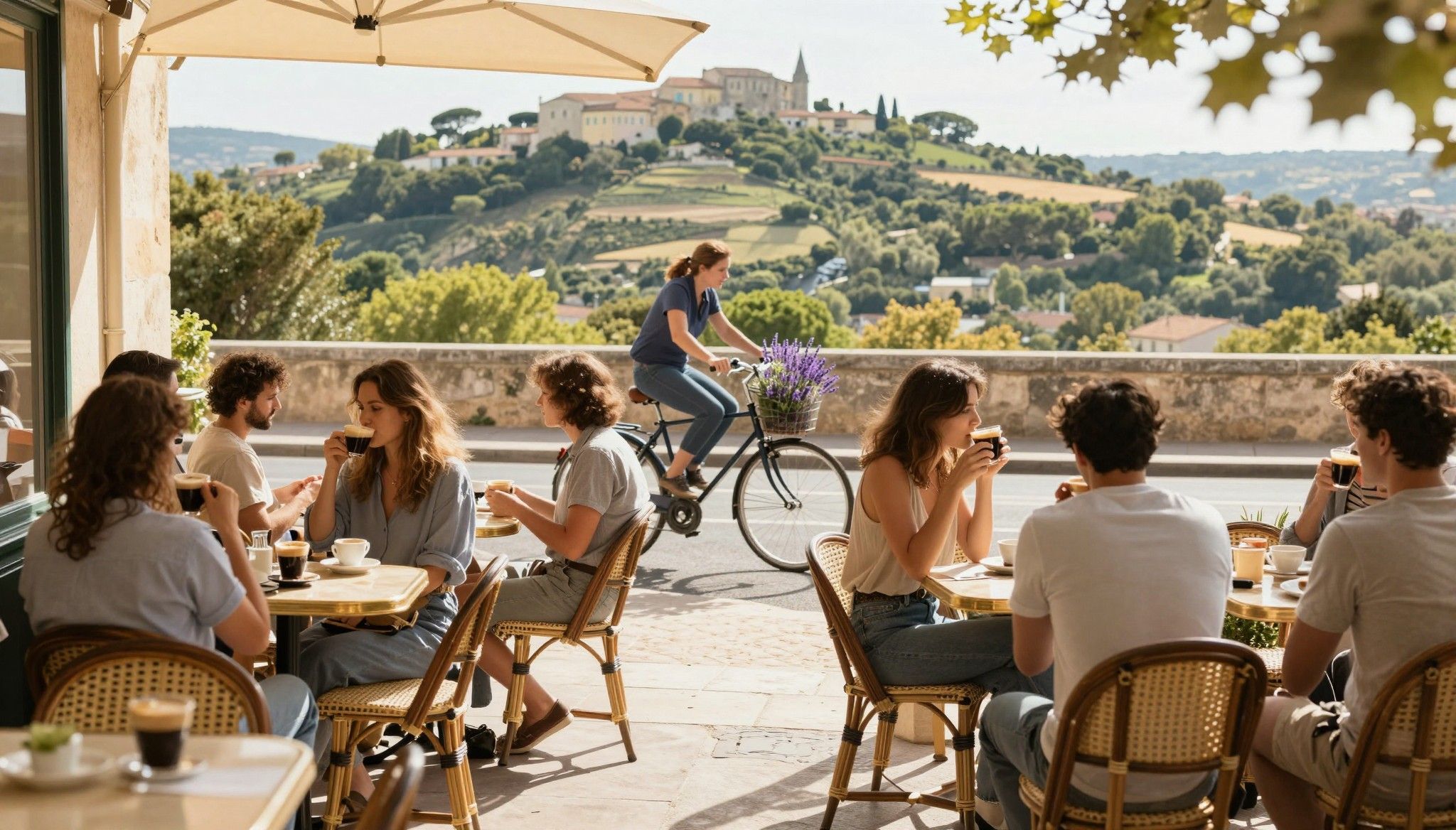
Imagine waking before dawn to the scent of warm croissants on Rue des Rosiers, or stepping out onto a limestone terrace above lavender fields as the sun softens the hills. France offers a dozen different daily rhythms — from café chatter in Le Marais to the slow, market‑centred mornings of the Dordogne — and those rhythms shape how a home becomes a life. For international buyers drawn by light, food and seasons, closing a purchase here is not just a legal moment; it’s the beginning of stewardship — caring for a house so it can care back. Recent market indicators show modest national price movement, but the real question for stewardship‑minded buyers is how seasonality and energy rules will affect the cost and lived experience of a property long after the sale.
Living the France Lifestyle
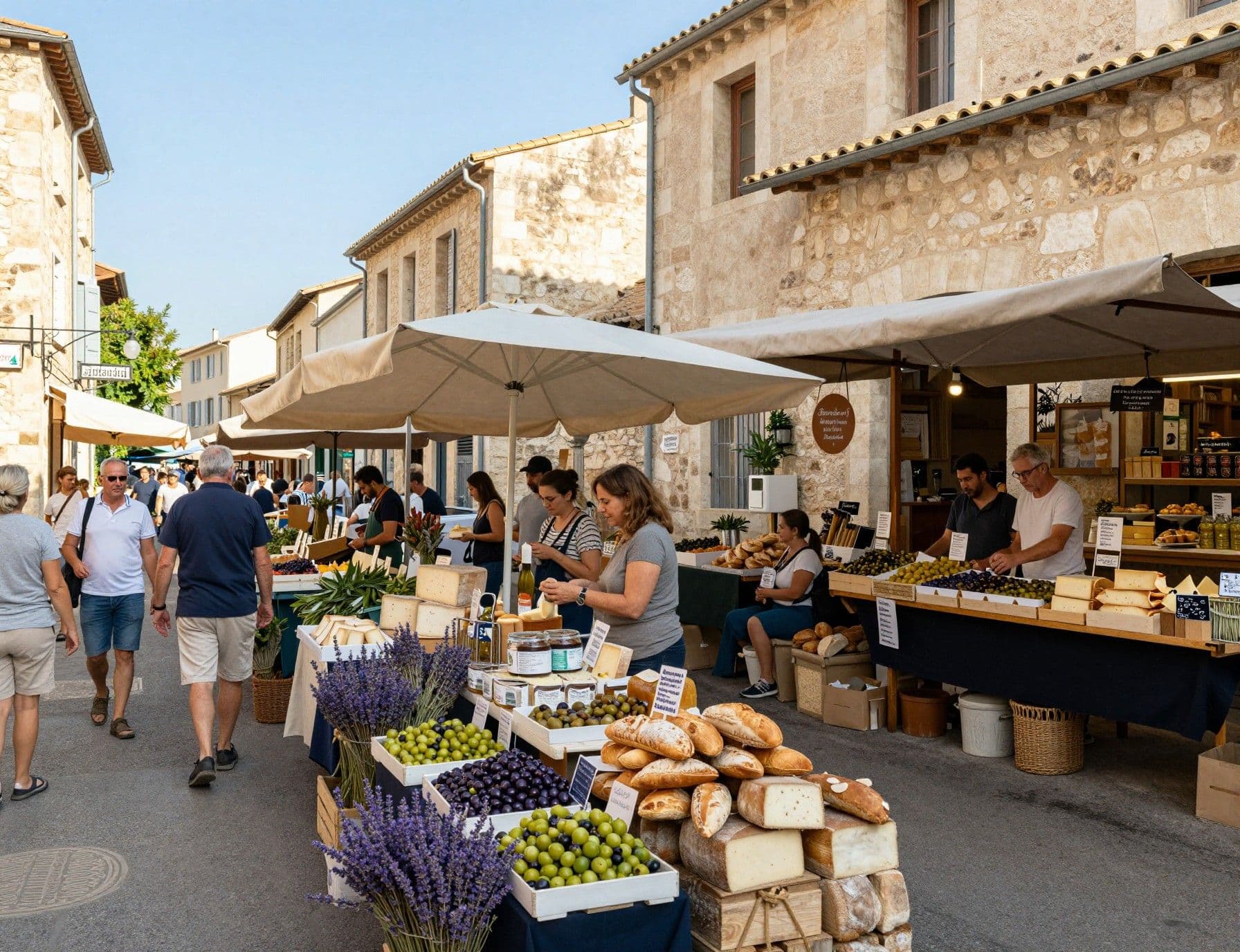
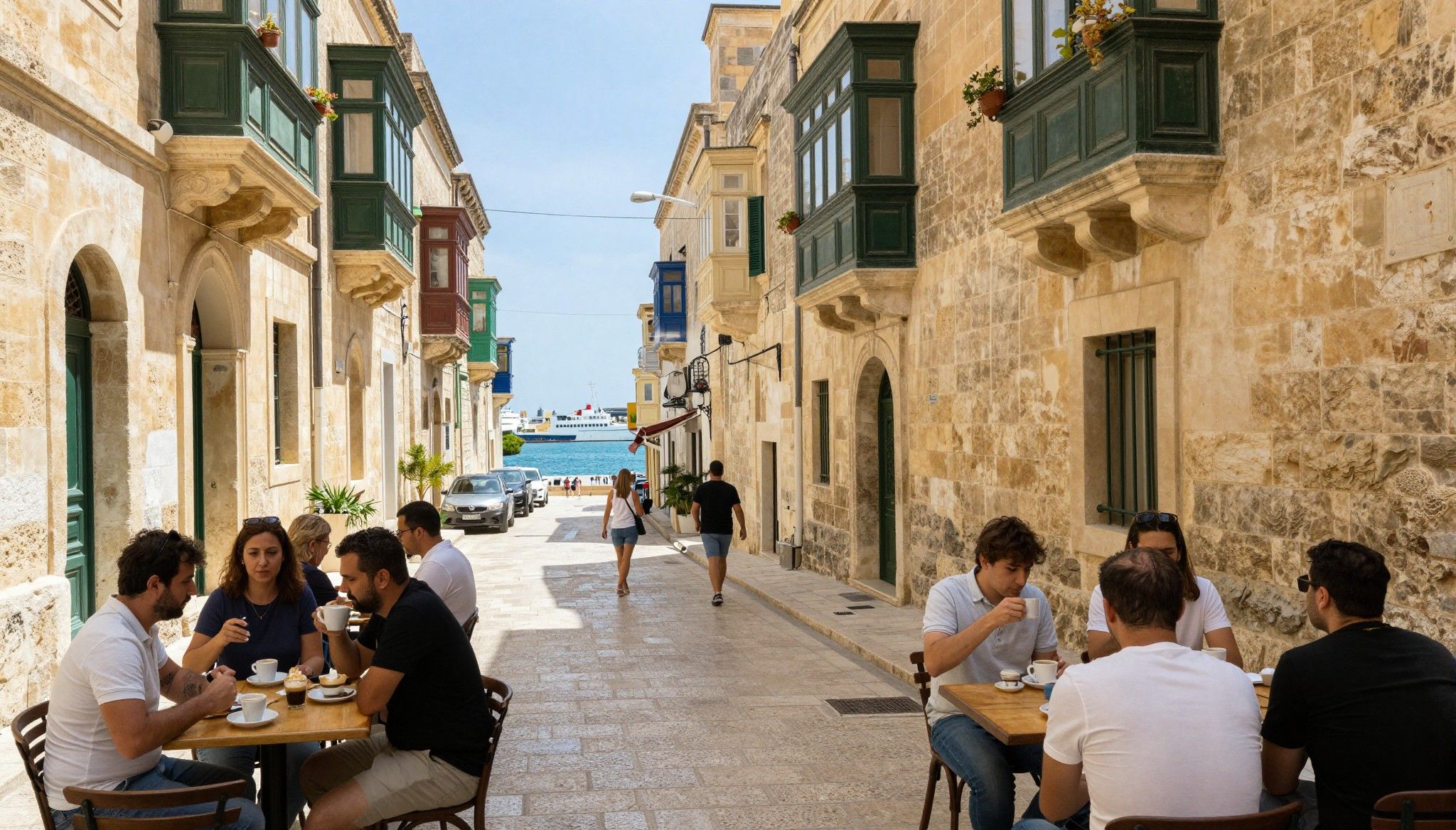
France lives in layers: narrow alleys with morning boulangeries, sweeping green slopes where vineyards crinkle like a map, Atlantic winds that shape slate roofs, Mediterranean light that gilds outdoor dining. A home here connects you to weekly markets, communal fêtes, and a pedestrian pace that favors the visible craft of living — meals made from market produce, terraces that catch evening light, wood stoves that mark the season. For someone thinking of buying, the atmosphere of a district will dictate choices from glazing and insulation to the size of a garden for seasonal vegetables and biodiversity.
Neighborhood spotlight: Le Marais, Bordeaux’s Chartrons, and Provence villages
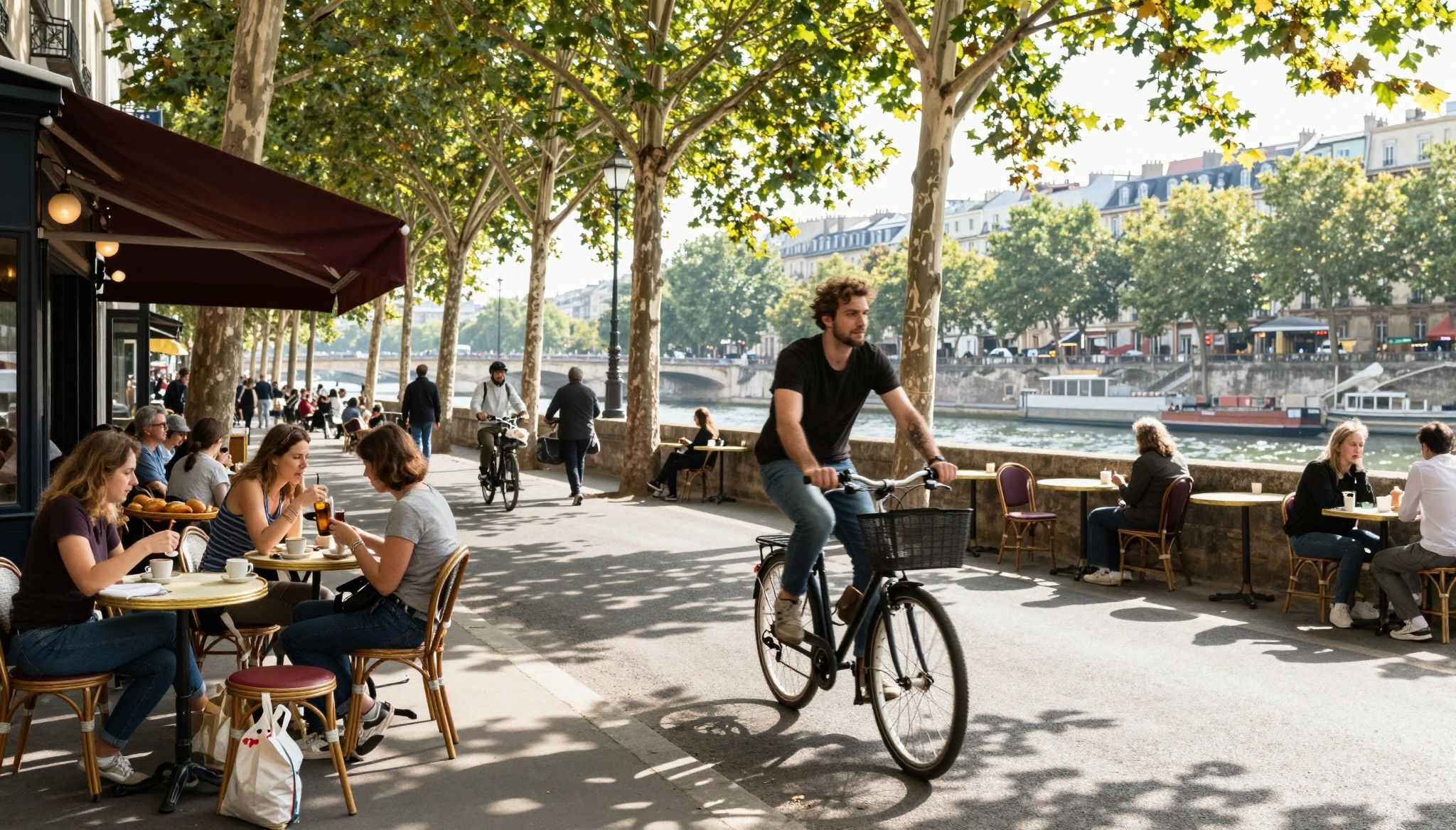
Le Marais hums with cafés, galleries and a pedestrian rhythm ideal for apartment buyers who prize immediacy — expect smaller footprints, high renovation standards and strict co‑ownership rules. In Bordeaux’s Chartrons you’ll find wide streets, antique shops and a riverside lifestyle that rewards well‑ventilated, south‑facing living rooms; ancient cellars here can be gold for wine lovers but need humidity control. Provence hill villages like Gordes or Lourmarin offer stone houses, thick walls and microclimates; their charm carries renovation responsibilities like preserving local stone and meeting energy performance expectations. Each of these places offers a distinct sensory life that should shape your stewardship plan before you close.
Food, markets and seasonal life
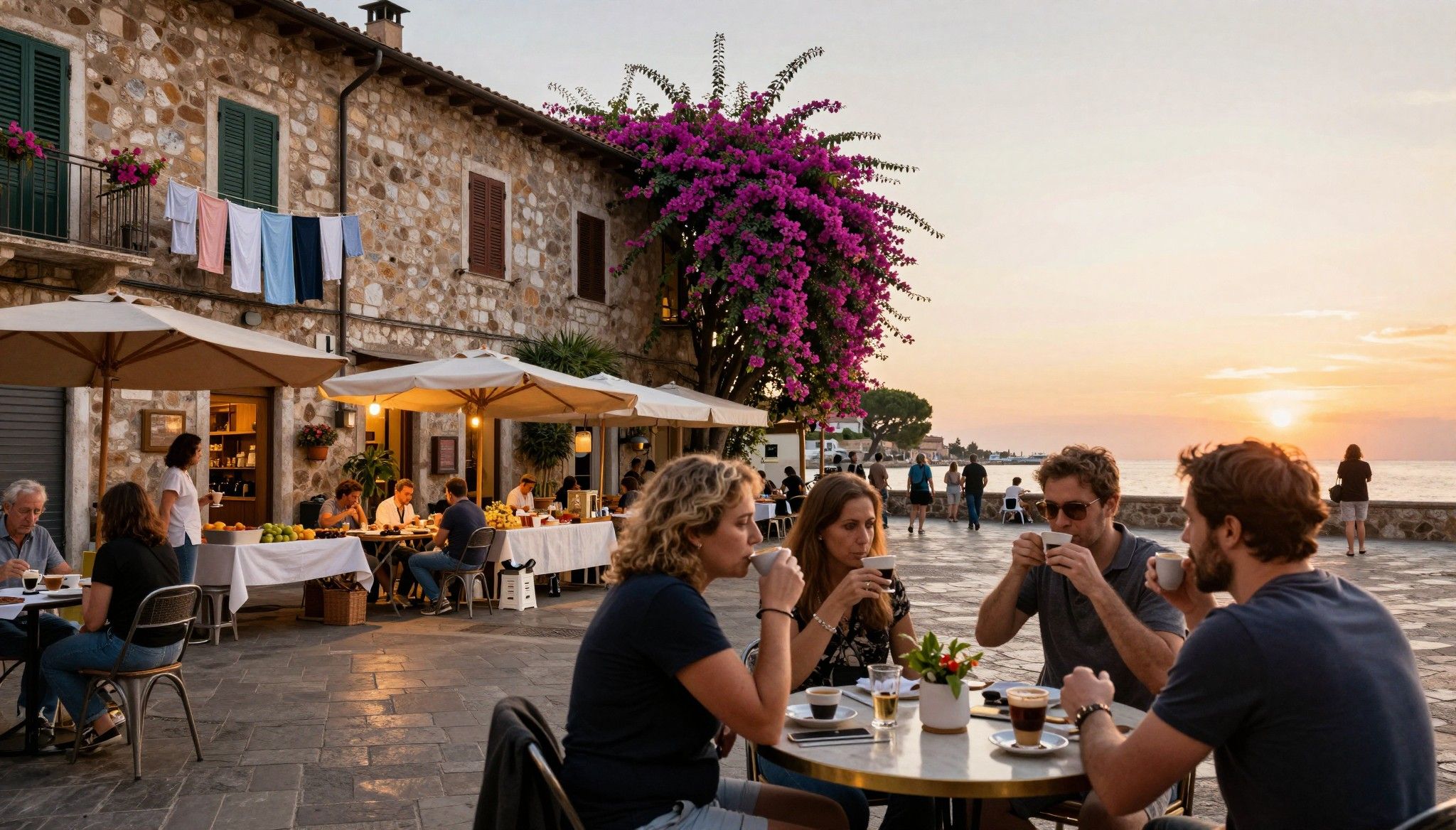
Picture Saturday markets in Aix‑en‑Provence where lavender, olives and goat cheese set the morning pace; seaside towns like Biarritz empty and refill with seasonal life; in winter, slow‑cooked stews reclaim the table. These cycles influence everything from heating needs to the value of outdoor living spaces and the desirability of storage for preserves and local produce. Buying with stewardship in mind means matching a property’s features to this seasonal choreography — sunlight exposure, pantry space, garden soil and the reliability of local tradespeople to maintain traditional materials.
- Market and lifestyle highlights to look for
- Le Marais: morning cafés, historic façades, strict copropriété rules — ideal for those wanting central cultural life
- Chartrons, Bordeaux: riverside promenades, wine cellars, good rail links and growing green retrofit projects
- Provence hill villages: stone houses, strong community fêtes, and an emphasis on passive cooling and shade trees
Making the Move: Practical Considerations
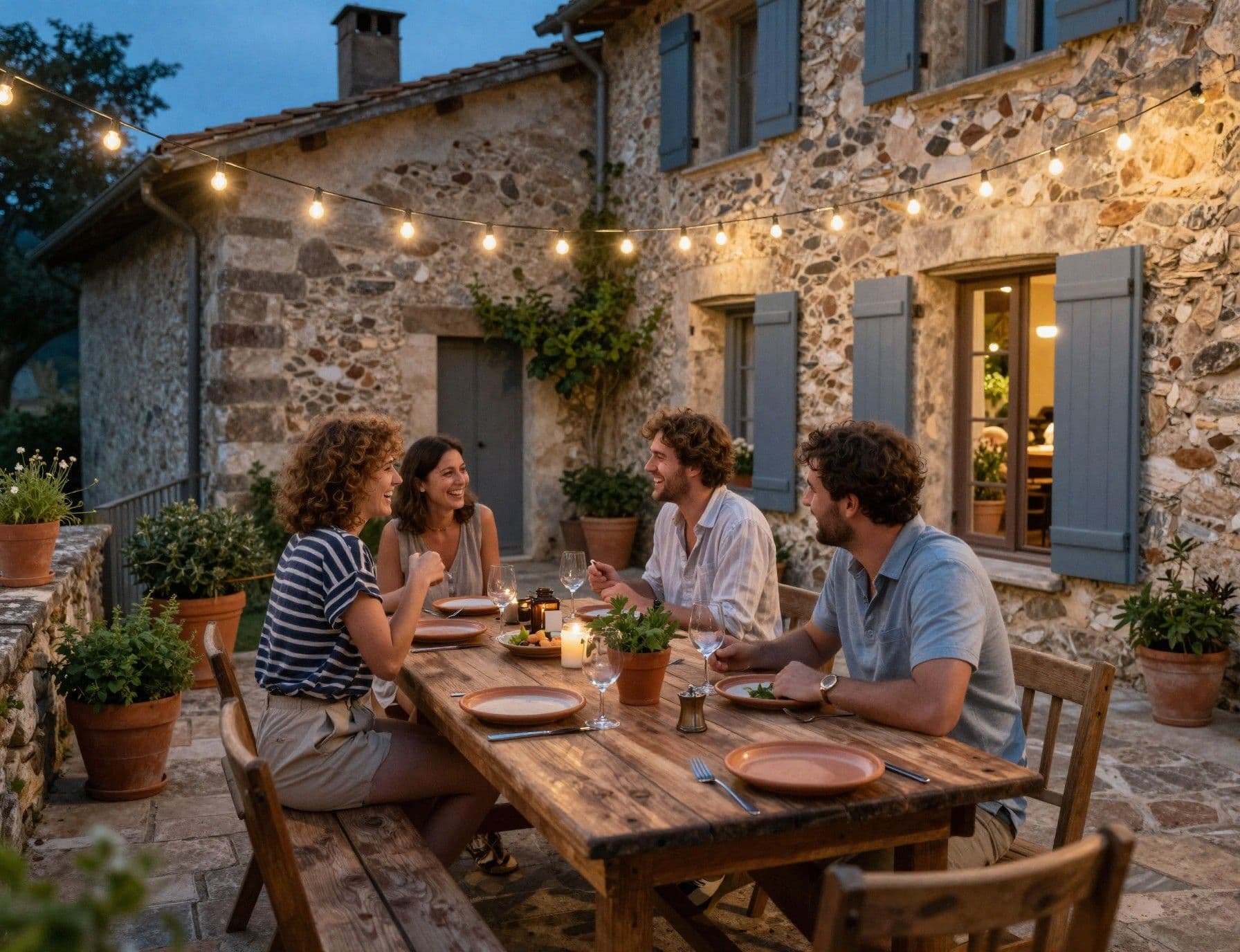
Dreams must meet technique. Recent market reports from Notaires and INSEE show modest national price movement and regional variation that rewards local knowledge. For stewardship‑minded buyers this means focusing not only on purchase price but on predictable running costs: energy performance, seasonal maintenance and the capacity to adapt a property to low‑carbon systems. The right local advice will blend lifestyle matching with a clear plan for post‑purchase upgrades and conservation of traditional materials.
Property styles and what they mean for living
Stone farmhouses, Parisian Haussmann flats, and seaside villas each carry different stewardship needs. Thick stone walls are forgiving but often need breathable lime mortars; Haussmann flats require attention to co‑ownership charges and communal building regulations; coastal properties need salt‑proof finishes and resilient landscaping. State support for energy renovation — including recent reopenings of MaPrimeRénov' schemes — can materially change the cost calculus of upgrading a property, but access and eligibility vary by project and timing.
Working with local experts who care about place
- Steps to close with stewardship in mind
- 1) Begin with a lifestyle brief: list the seasons, foods, commutes, and community rhythms you want to keep. Share this with your agent so viewing choices match lived experience.
- 2) Require an up‑to‑date DPE and independent energy audit for renovation potential; a poor rating is a negotiation tool but also a roadmap for investment. Recent reforms and enforcement mean DPEs carry more weight in pricing and rental eligibility. (See government guidance.)
- 3) Ask for local trades references and a 5‑year maintenance plan: who tends the olive trees, who fixes roofs in a storm, and what are realistic seasonal costs?
- 4) Factor grants, green loans and timing into offer strategy — aligning planned upgrades with available aid can make a higher purchase price still more sustainable in life‑cycle cost.
Insider Knowledge: What Expats Wish They’d Known
Buyers often underestimate cultural and seasonal frictions: local holidays that pause public services, market schedules that define social life, and rental rules that protect tenants but add complexity if you want short‑term lets. Expats say the single biggest regret is buying for a postcard moment — festival weekends or summer light — without visiting the same place in low season. The result: a house that shines in July but struggles in January with damp, heating bills, or lonely streets.
Cultural integration and daily life
Language remains the greatest practical bridge to community. Learning basic French opens invitations to marchés, associations and village fêtes that transform a property into a home. Neighbourhood conseil syndical meetings, boulangerie small talk and local mairie practices all depend on small courtesies. Buy with the intention to be present — even seasonally — and arrange local caretaking partnerships for off‑season stewardship.
Long‑term stewardship: the unglamorous checklist
- Hire RGE‑certified contractors for energy work; ensure roof, drainage and thermal envelope checks are done before closing.
- Plan for a 5‑ to 10‑year works schedule: draft, envelope, heating system, then interiors to spread cost and disruption sustainably.
- Respect local materials: lime render, timber repair and heritage masonry sustain both value and biodiversity compared with heavy modern replacements.
- Build a local network: mairie contacts, trusted diagnostiqueur, an RGE firm, and a neighbour or caretaker for season‑to‑season continuity.
Conclusion: Buying in France well means buying into seasons, communities and stewardship. Let the scent of markets and the weight of stone guide aesthetic choices, and let up‑to‑date market data, reliable DPEs and local green incentives shape the financial ones. When you close, do so with a simple plan: preserve place, reduce energy, and accept that true value grows through careful, patient stewardship. Reach out to a local agency that understands both the poetry of French life and the practical road map to keep it thriving.
Dutch property strategist who helped 200+ families find sustainable homes in southern Europe; expert in legal pathways and long-term stewardship.