Italy’s Green Coast: Why “Too Pricey” Is Misleading
Italy’s green coastal belts mix rugged shorelines and forested hinterlands — a nuanced market where sustainable living and surprising value await informed international buyers.
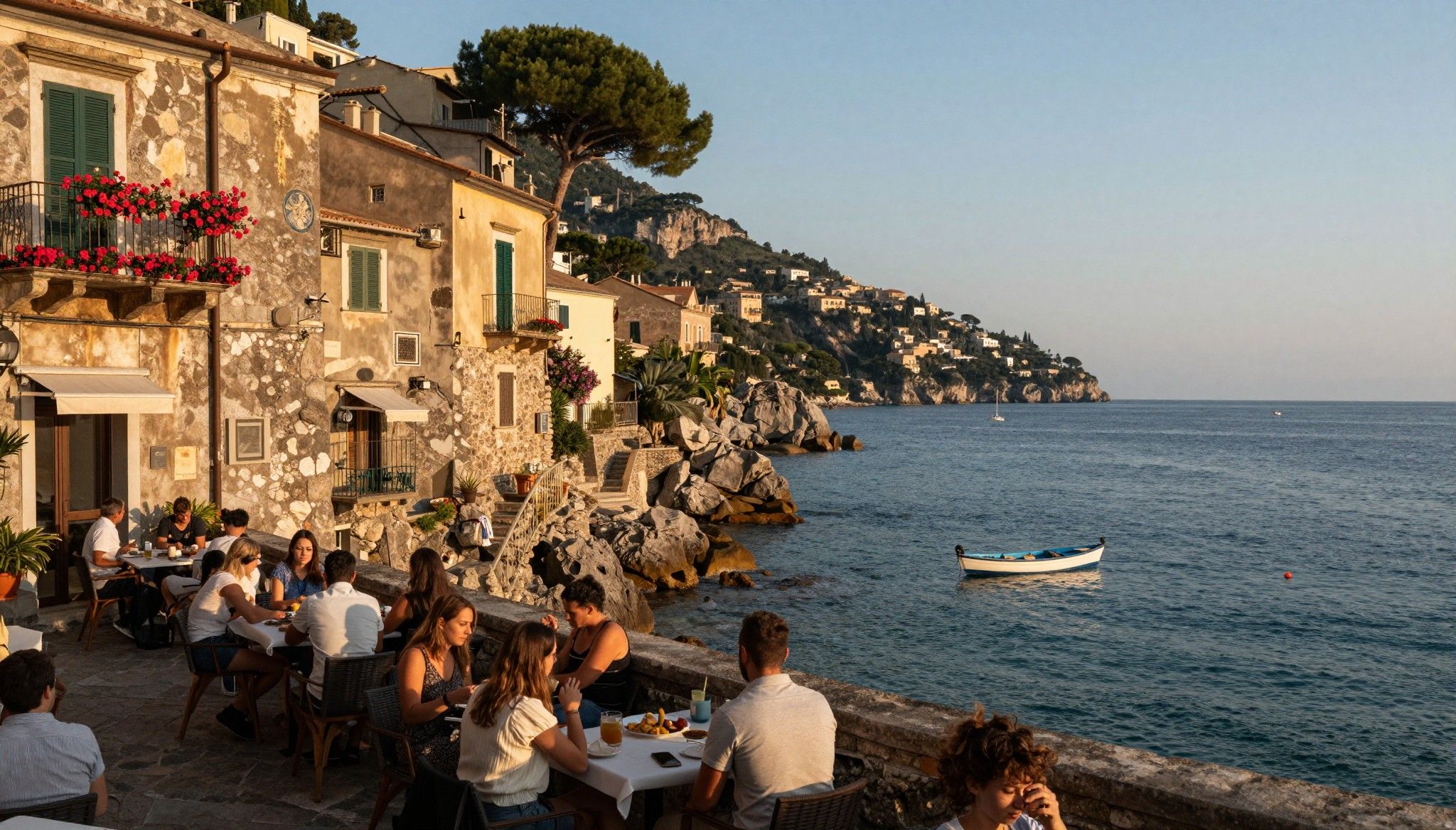
Imagine morning light on a stone terrace above a wind-brushed cove, a basket of market greens on the table and the low murmur of a seaside village waking up — that is part of why people fall for Italy. Yet many international buyers stop at headlines: “coastal Italy is expensive.” The truth is more textured: verdant coastal belts, rugged shorelines and forested hinterlands across Liguria, Tuscany and parts of Calabria hide compelling value, sustainable living options and year-round communities for those who look past the postcard prices.
Living the Italian Verdant Coastline
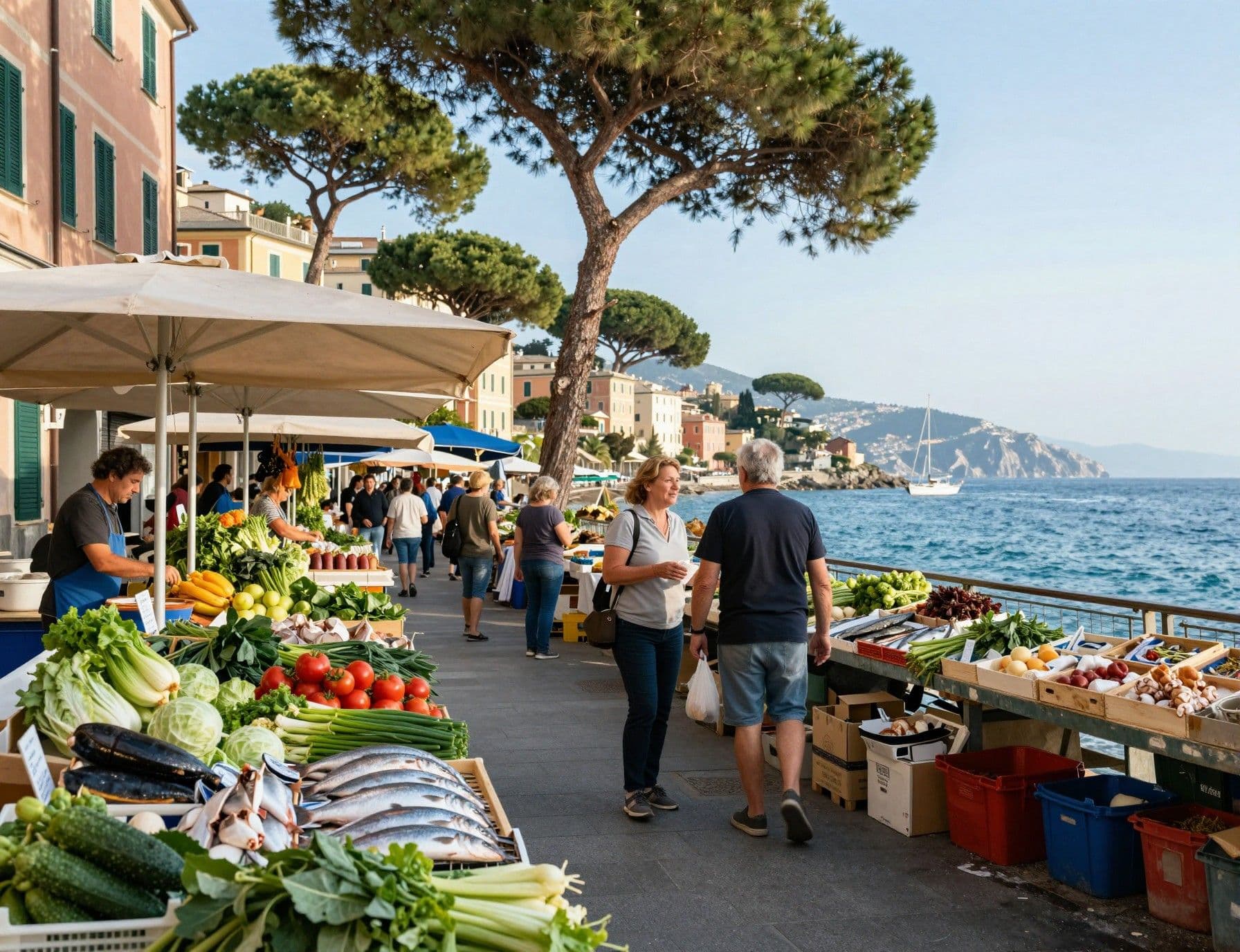
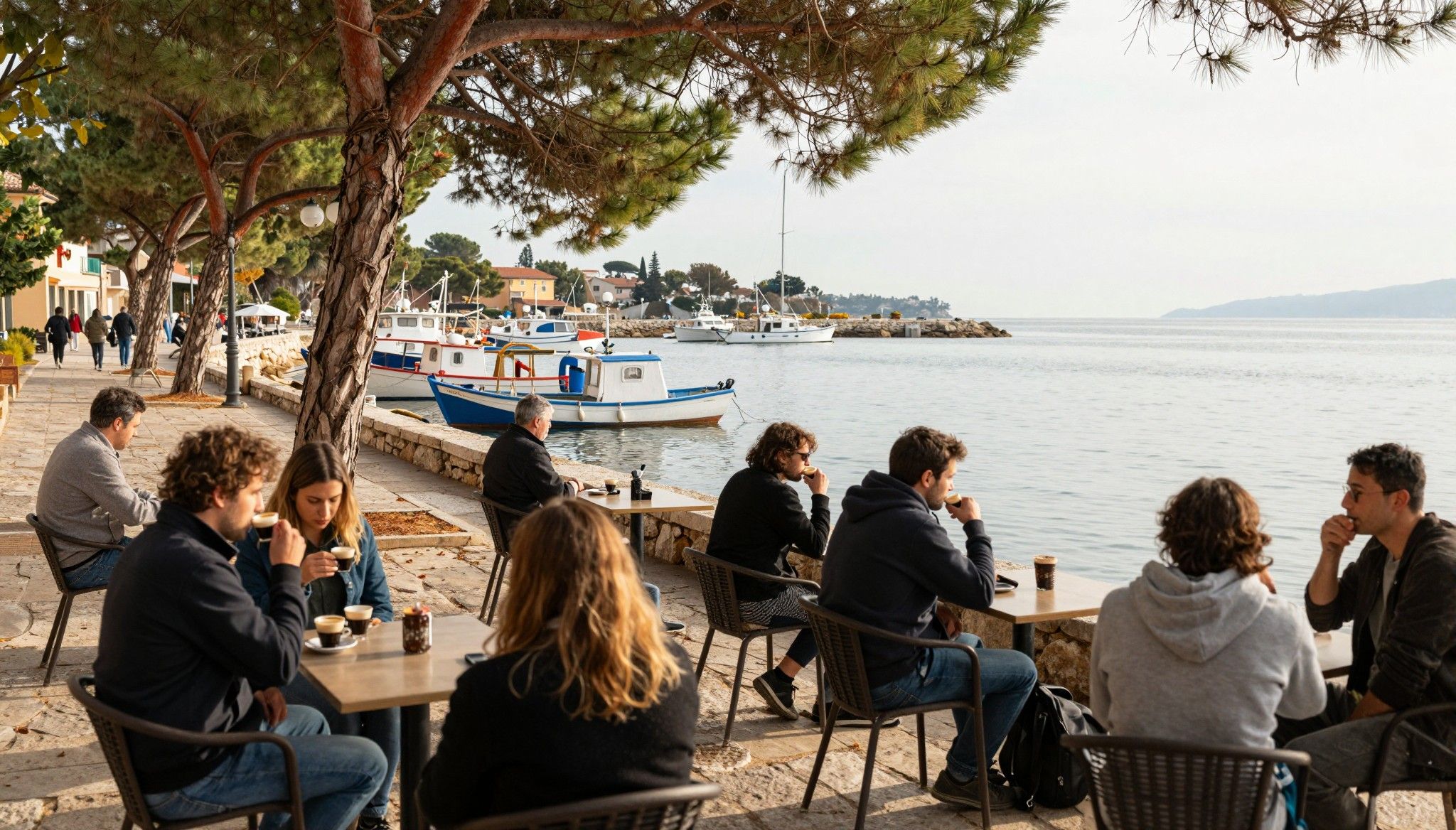
Life here moves with seasonal ritual and small gestures: a brisk espresso at the bar in Monterosso, an afternoon passeggiata beneath olive boughs outside Lucca, a Saturday market where mushrooms, wild oregano and aged pecorino change hands. The coastline is not a single aesthetic — jagged Ligurian cliffs, secluded Calabrian coves, and sheltered Tuscan bays each set a different tempo for daily life. For buyers who prize nature, these places offer easy access to hiking in maritime pines, tidal-swimming, and slow-food culture framed by local producers who care for the land.
Liguria’s stitched-together towns: community and microclimate
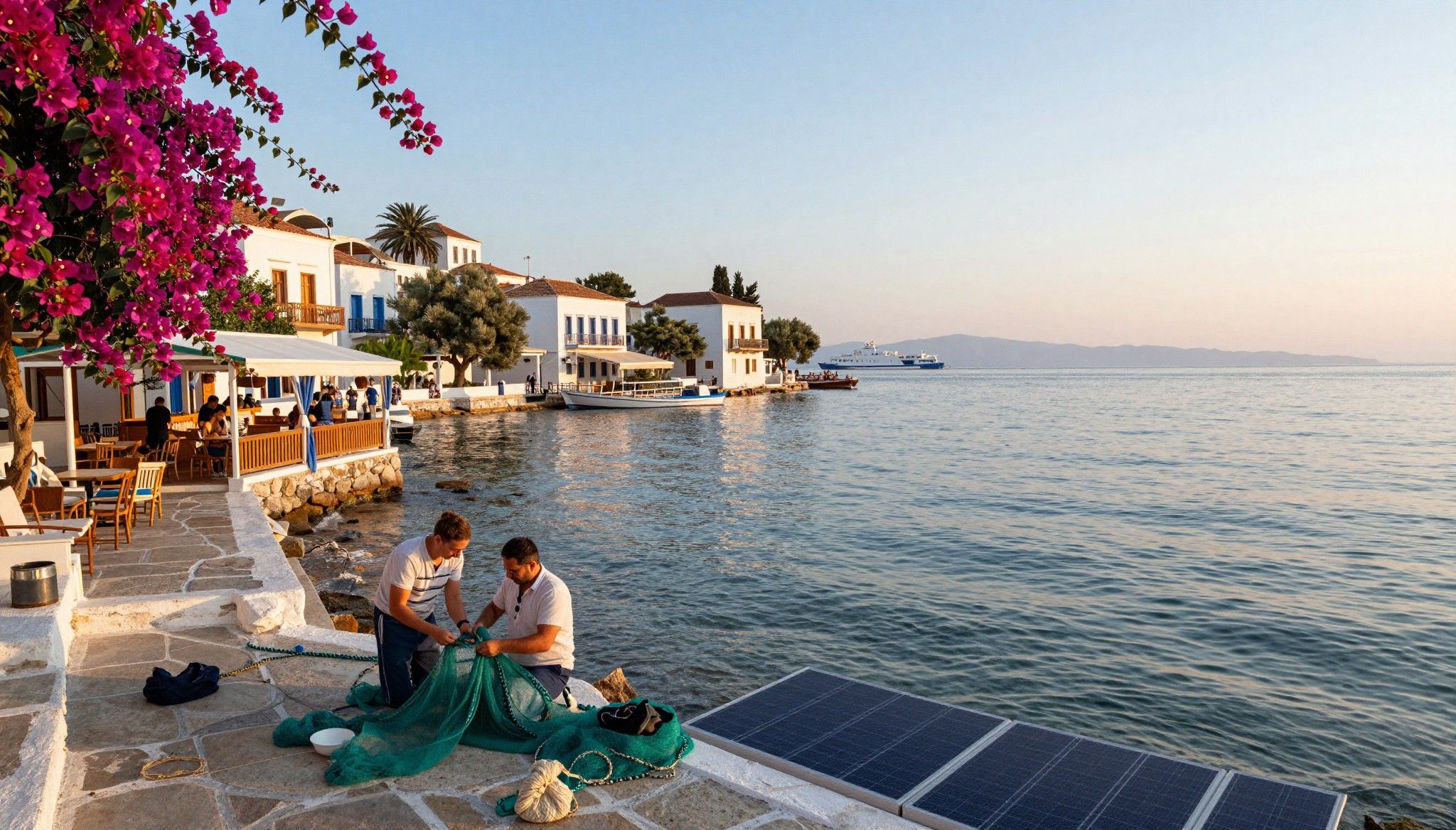
Walk the narrow lanes of Levanto or the terraces above Sestri Levante and you’ll notice small-scale life: family-owned cafés, fishermen folding nets, and terraced gardens that make steep slopes productive. Liguria’s microclimate keeps winters mild; that’s why Northern European and American buyers increasingly look here for year-round homes rather than mere summer rentals. These towns reward buyers seeking woven-in community and compact, low-footprint living — often in stone houses that already echo sustainable, passive design.
Tuscany’s green hills and the slower luxury of stewardship
Beyond Florence’s tourist heartbeat, Tuscany’s hill towns and olive-grove estates offer a different rhythm: seasonal harvests, cooperatives that press olives and vintners who welcome help. Knight Frank and other market notes show rising international appetite here, but much of that demand is for stewardship — buyers who want to care for land, restore farmhouses and introduce renewables. The result: opportunities to buy properties with potential for green retrofit, producing local food and supporting biodiversity.
- Lifestyle highlights to taste and test on a scouting trip
- Dawn espresso at Caffè Bencista in Monterosso, then a coastal walk to a hidden pebble bay
- Saturday market in Lucca for chestnuts and chestnut flour, followed by a local osteria lunch
- A weekday olive-press visit in a small cooperative outside Massa Marittima — meet producers and learn yield cycles
Making the Move: Practical, Lived-In Considerations
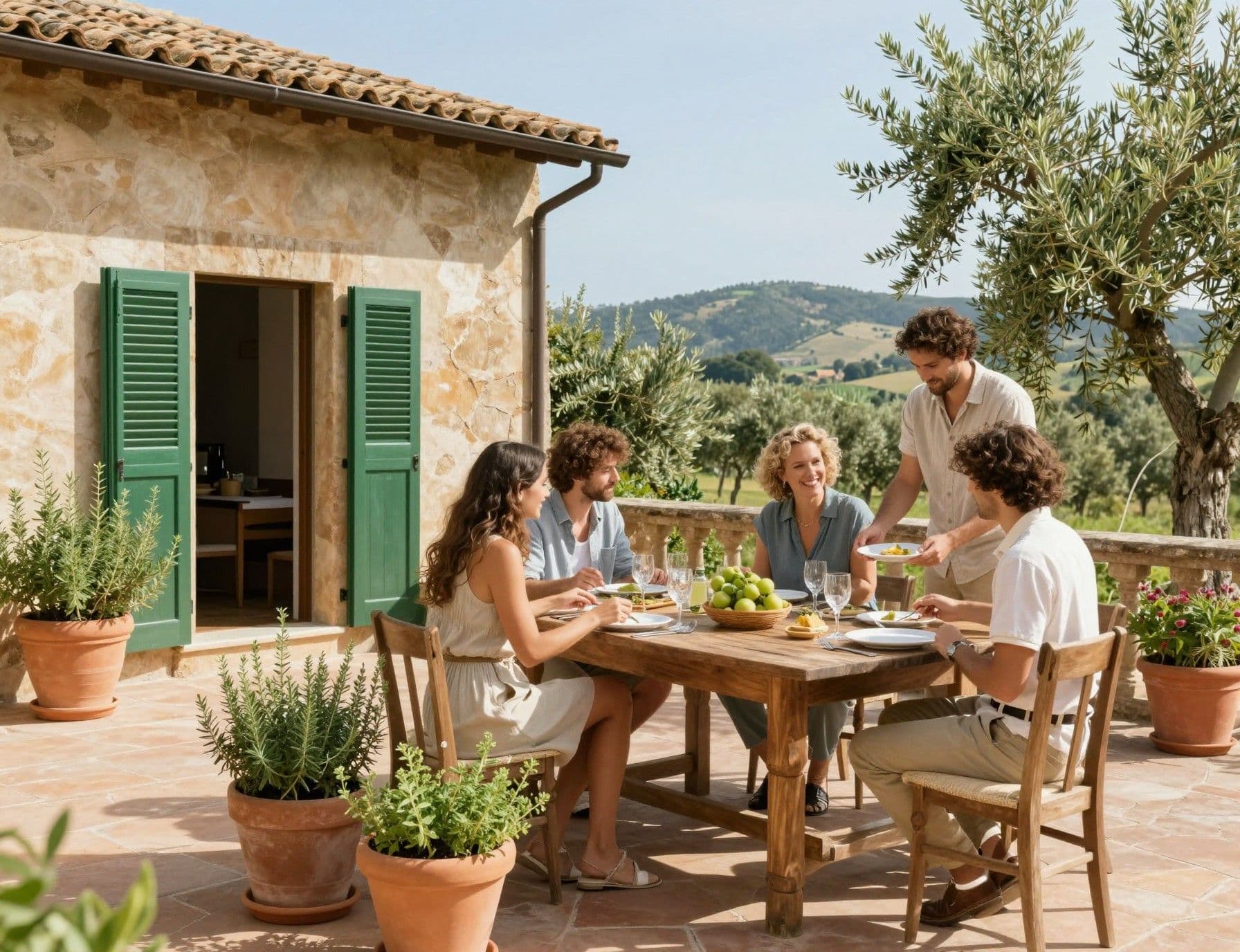
Dreams meet paperwork at the notary, so it helps to translate lifestyle choices into property features: a south-facing terrace for winter sun, thick stone walls for thermal mass, and space for a garden that feeds you. Recent national statistics show steady market activity and growing foreign purchase share; that means demand is real but regionally varied. Knowing which features support a low-impact life will shape your search and, crucially, your renovation budget.
Property types and how they map to daily life
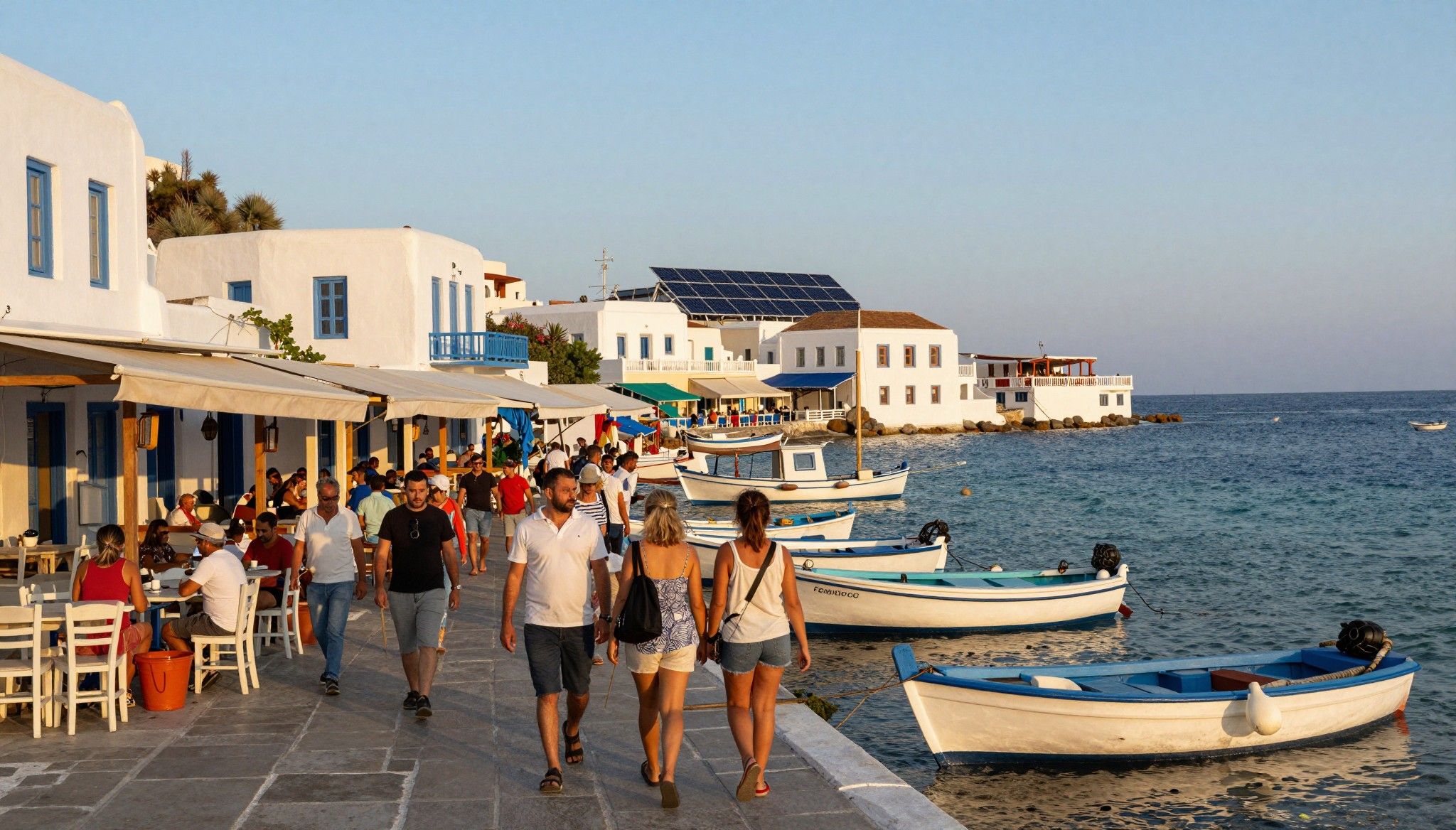
Stone village houses give you thick walls and connection to place but often need thoughtful retrofit to meet modern comfort and efficiency needs. Seaside apartments are low-maintenance and sociable, ideal if you want community over land stewardship. Rural farmhouses offer space for gardens, orchards and solar arrays but require time, planning and local permits. Match the property type to how you want to spend your days: cooking with neighbours, tending vines, or commuting to a regional rail hub.
Partners who preserve the lifestyle you bought
Work with agencies that understand local life — not just transaction mechanics. A good local agent will introduce you to a baker, a notary who speaks your language, and craftsmen who know how to repair lime plaster or install discreet solar on a slate roof. For sustainability-minded buyers, look for professionals who can advise on Ecobonus and renovation pathways so your remodel increases comfort and reduces long-term costs.
- Steps that blend lifestyle and logistics when buying in Italy
- Visit in two seasons: sample high summer and a quieter shoulder-season to understand true year-round life.
- Prioritise energy and water features (solar readiness, rainwater capture, insulation) when evaluating a property’s real lifestyle costs.
- Ask your agent for recent utility bills and maintenance records — these reveal how a property functions across seasons.
Insider Knowledge: What Expats Wish They’d Known
Expats often arrive enchanted, then learn that small details shape daily life more than headline price tags: bus timetables, seasonal market closures, and who mows the communal path. Seasonality affects value — winter occupancy brings different running costs and a truer sense of community than July’s tourist frenzy. Those who embrace local rhythms and invest in low-impact upgrades tend to keep the places they love for decades.
Language, rituals and the art of integration
A handful of phrases opens doors: greeting your market vendor in Italian, joining a neighbourhood festa, or asking about pruning cycles for the almond grove next door. Community bonds form over shared tasks — repairing a stone wall, harvesting olives, or pooling tools — and these small rituals shape whether you feel truly at home.
Long-term stewardship: how the place evolves with you
As you settle, your priorities often shift: from views and proximity to neighbors, to food-producing gardens and water management. National figures show modest but steady growth in transactions and prices; what matters locally is adaptability — can the building host solar panels without harming heritage protections? Will local tradespeople support low-impact renovations? These are the practical, long-view questions that preserve both value and the life you wanted.
- Red flags that feel small but matter for lifestyle
- No roof access for solar, or heritage restrictions that forbid discreet upgrades
- Absent records of water/utility costs — they hide winter heating surprises
- No local contacts (caretaker, builder, notary) able to act in low season
Conclusion: If you want a home that feels like part of the land, Italy’s verdant coasts and forested edges offer real possibility — but success depends on marrying romantic imagination with grounded due diligence. Start by visiting in two seasons, meet local producers, and work with an agent who measures value in community and ecology as well as square metres. When you buy this way, you get more than a property: you inherit a place to tend, seasons to witness, and neighbors who become keepers of the landscape.
British expat who traded Manchester for Mallorca in 2017. Specializes in guiding UK buyers to luxury Spanish estates with clear navigation of visas and tax.