Close with Care: Croatia’s Off‑Season Advantage
Fall for Croatia’s seasons, then close with care: off‑season viewings, registry checks and green stewardship turn a purchase into a life lived with nature.
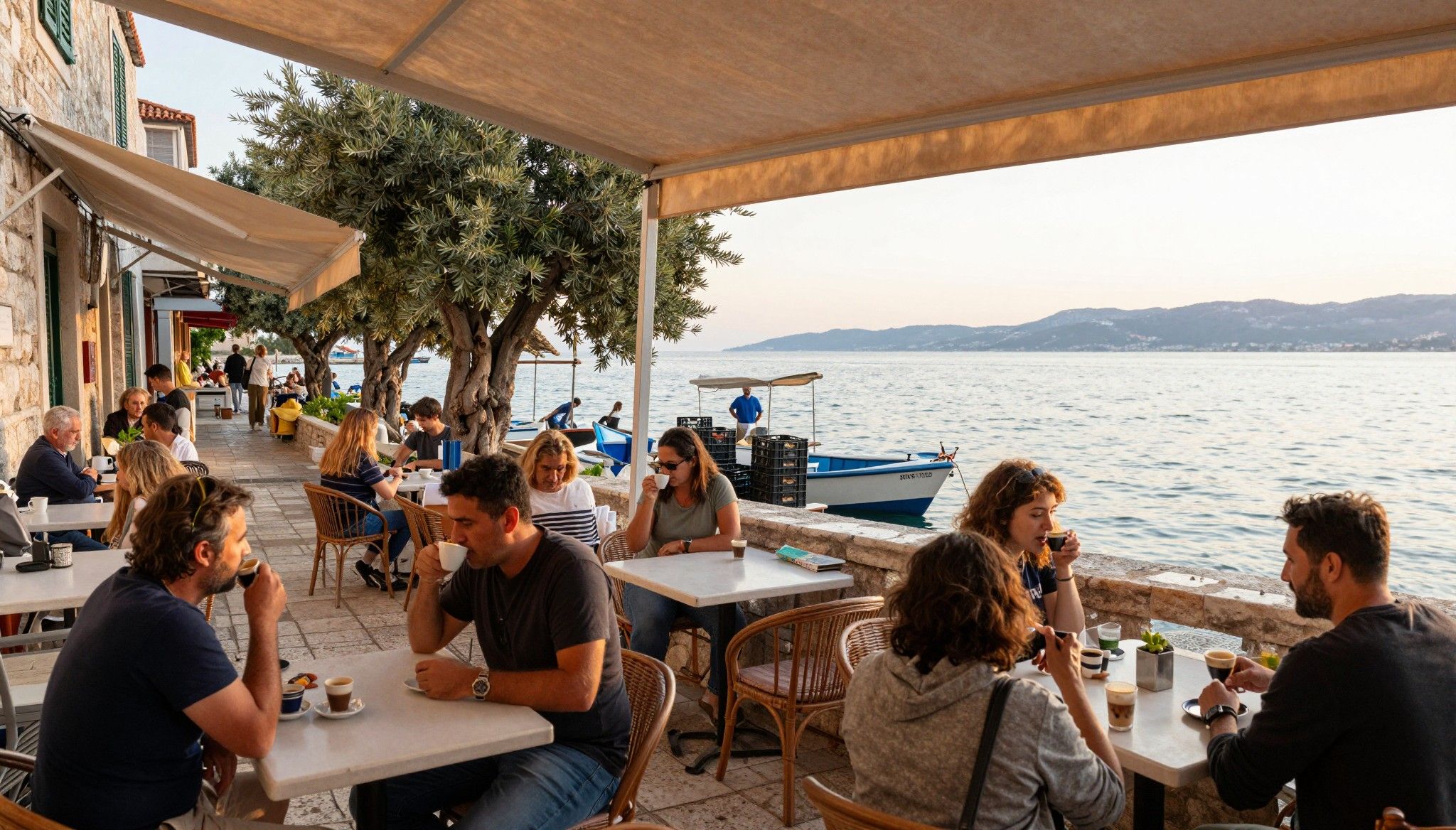
Imagine waking to the sea-salted air of Dubrovnik before the tourists arrive, or pulling an espresso at Caffe Uliks on Split’s Marmontova and hearing local speech braided with Italian and English. In Croatia the day begins slowly—markets, small conversations, the scent of pine and grilled fish—and that rhythm shapes how people live in their homes, garden terraces and stone houses. This piece blends that lived-in, sensory Croatia with the nitty-gritty of closing a purchase and stewarding a property sustainably after the keys are yours.
Living the Croatia lifestyle: seasons, streets and senses
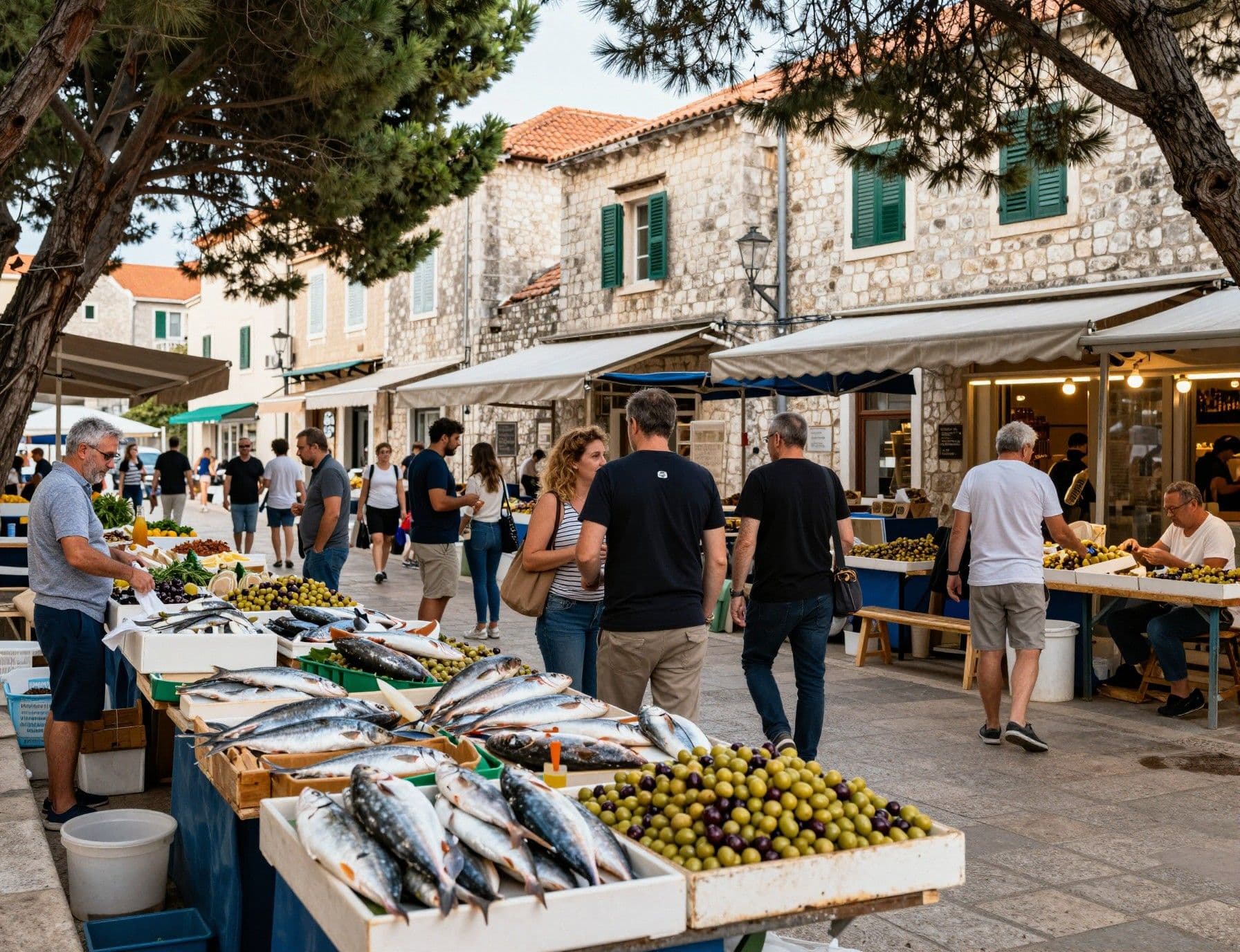
Croatia is a mosaic: the marbleed Old Towns and island hamlets of the Adriatic, the oak‑ringed inland villages of Istria and Zagorje, and a quietly urban Zagreb with leafy parks and coffee rituals. Each place has its own tempo—coastal towns slow to a summer hum and brighten in festivals, while inland life revolves around seasonal markets, truffles, white wines and winter wood-stoves. Understanding these cadences matters when you buy: a home that sings in August may sit differently in February.
Coast & islands: day-by-day rhythms
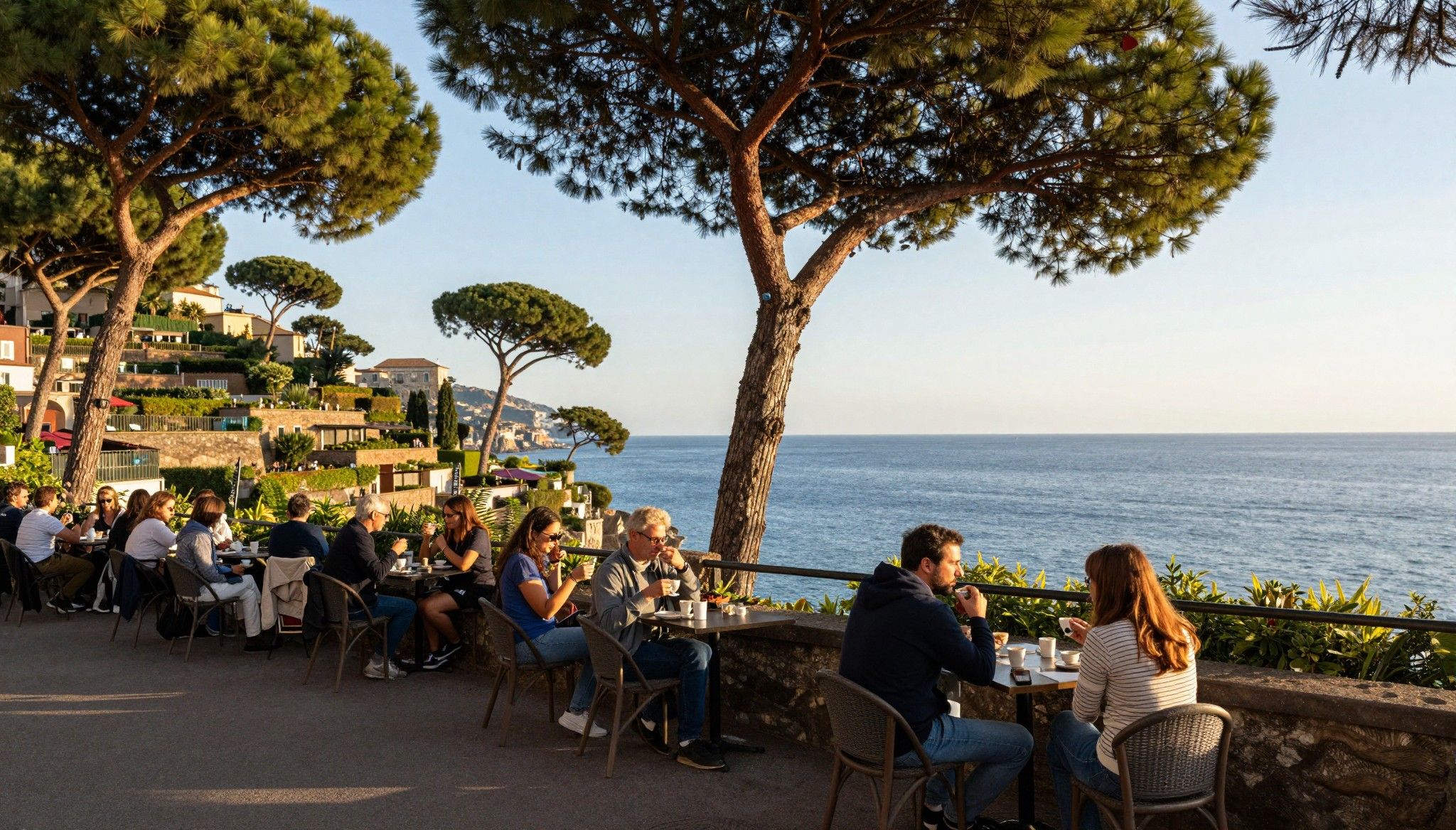
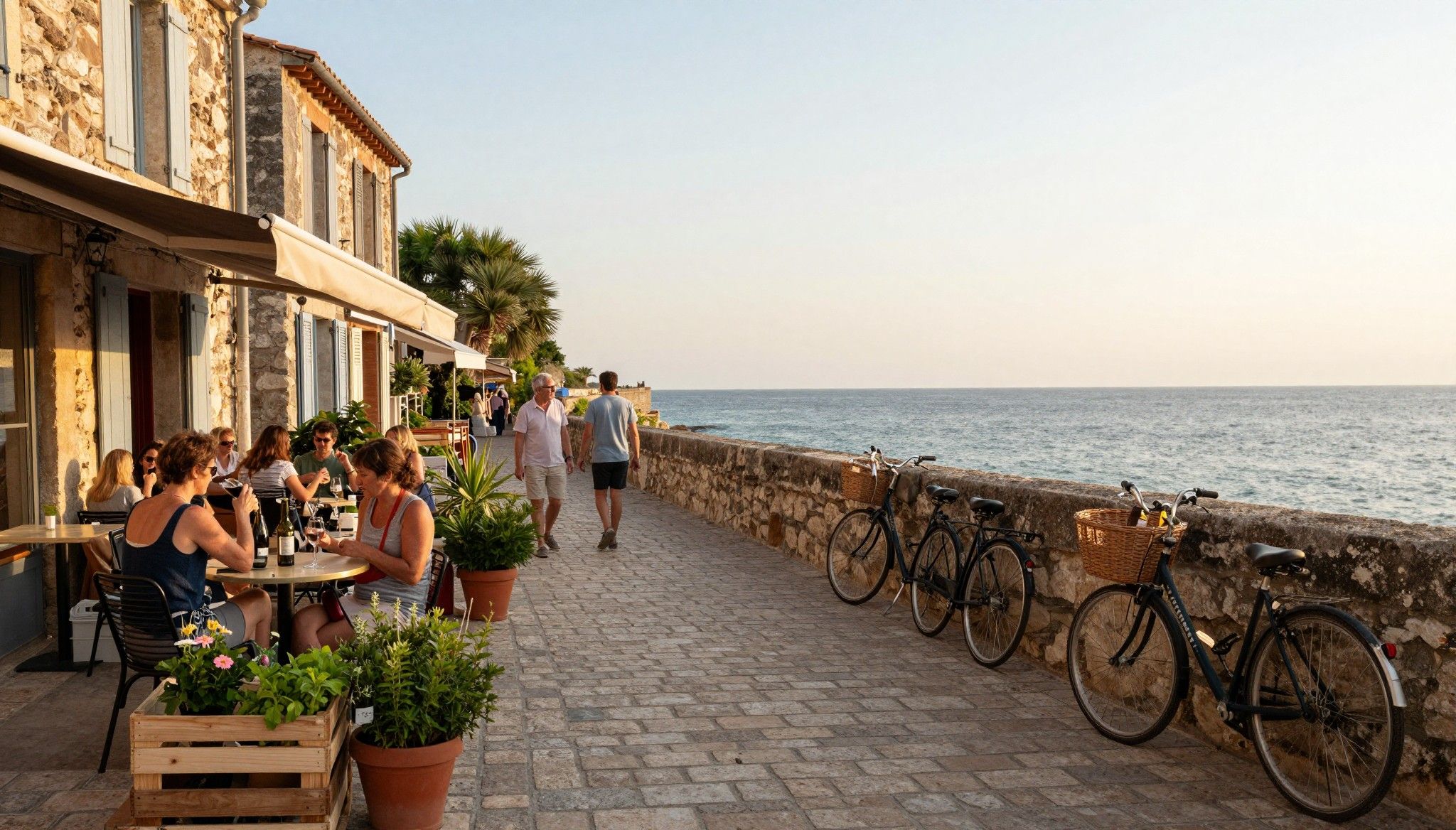
On the Dalmatian coast—Split’s Riva, Trogir’s alleys, Hvar’s lavender‑lined lanes—mornings are for fish markets and late afternoons for aperitivi on shaded terraces. Streets are narrow and built for walking; properties often feature stone facades, shaded loggias and small courtyards. For buyers who want outdoor living, look for homes with west-facing terraces and drought-tolerant landscaping: they give you long evenings and lower water use.
Istria & inland: farm-to-table and slow weekends
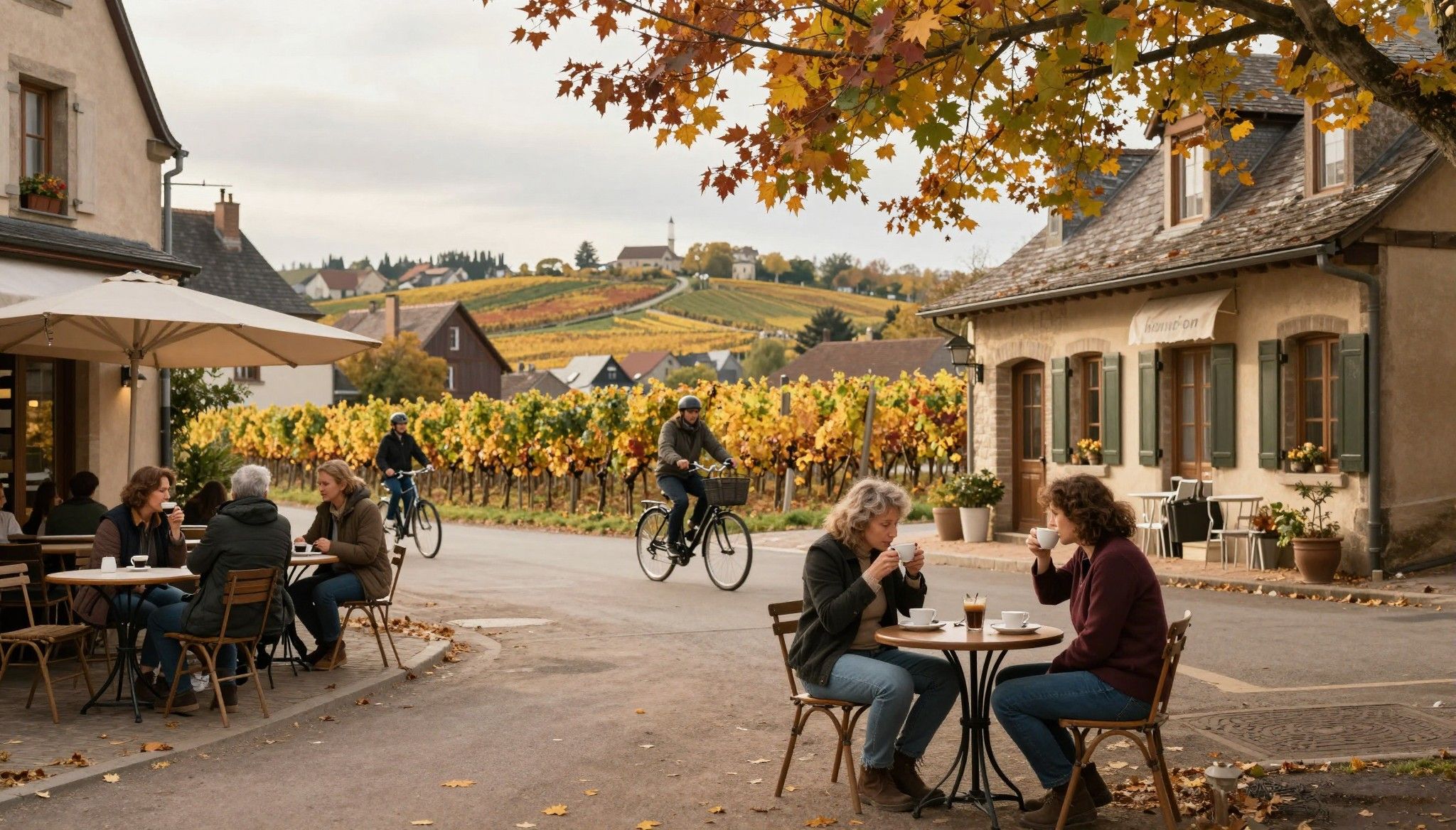
Istria and continental Croatia bring truffle hunts, weekend markets and families who still barter over olive oil quality. Here stone farmhouses and renovated stone villas invite regenerative gardens, small orchards and solar panels on terracotta roofs. If you dream of a garden and a seasonal ritual of foraging and markets, inland properties often give more land and community connection for the same price as a cramped coastal apartment.
- Morning espresso at a Riva café in Split
- Sunset swims from a pebble beach near Makarska
- Saturday truffle and olive markets in Istria
- Autumn festivals and quiet winter restorations in Zagorje
Making the move: closing with care and a green heart
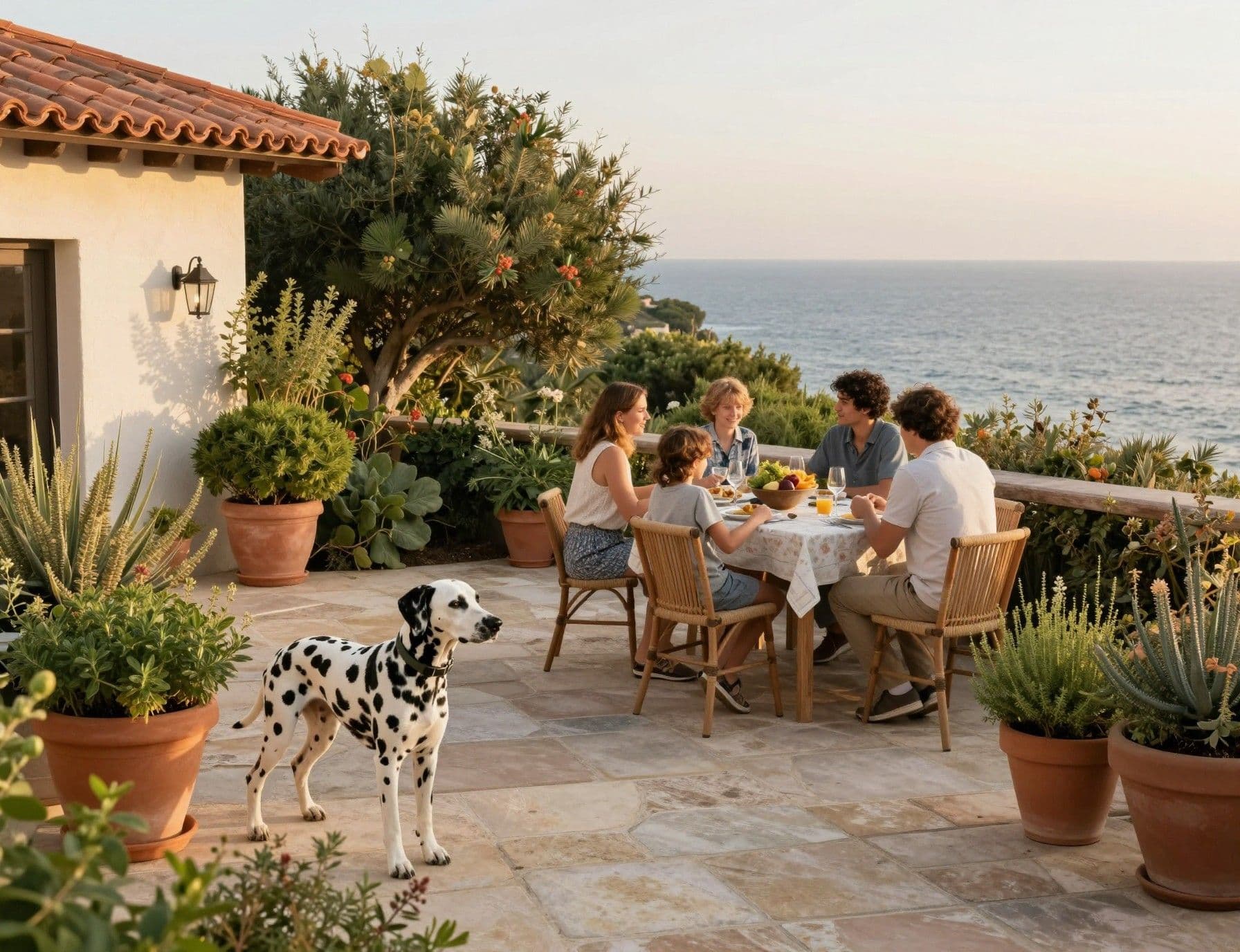
Dreams meet paperwork at the notary’s desk. EU nationals enjoy streamlined rights; non‑EU buyers often need reciprocity confirmation or ministerial consent for certain land types. Use this early: an experienced local lawyer or agency will check land registry extracts, urban‑planning status and whether the plot sits in protected coastal or agricultural zones that limit change.
Property types and the life they enable
A renovated stone house in Hvar means morning breezes, thick walls and renewable‑energy retrofit potential; a modern apartment in Zagreb offers year‑round convenience and coworking access. Match property form to rhythm: choose courtyards and rainwater tanks if you plan garden stewardship; pick compact, well‑insulated apartments if you’ll be a seasonal resident and want low heating costs.
Work with local experts who steward place
A local agency that understands municipal plans, building culture and renewable incentives is your steward. Look for agents who can advise on solar orientation, local water supply quirks and planning permissions for green upgrades. Ask whether they collaborate with local craftsmen for low‑impact restorations—this keeps character intact and supports the local economy.
- Document checklist to close with confidence: 1) Certified land registry extract and proof of seller’s title. 2) Urban‑planning statement confirming construction area status. 3) Notarised purchase contract (kupoprodajni ugovor) and proof of funds. 4) Ministerial consent documents if required for non‑EU buyers or restricted land.
Insider knowledge: myths, seasonal timing and stewardship traps
The headline myth: 'Croatia is uniformly expensive.' The reality is more textured. House price indices show coastal hotspots rising faster than inland markets; meanwhile, inland counties and smaller islands still offer value and space for regenerative gardens. If you plan stewardship—solar, cisterns, native plantings—these areas let you invest in ecology without coastal price premiums.
When to buy: why off‑season viewings reveal truth
Visit in late autumn or early spring. Summer shows Croatia at its best—the beaches, busy tavernas, sun—but off‑season viewings reveal heating performance, neighborhood quiet, and municipal maintenance rhythms. You’ll see which properties breathe in winter, which terraces face prevailing winds, and which trees drop leaves onto terraces—small truths that shape long‑term stewardship decisions.
Red flags and quick checks
- Seller claims a “private beach” (there are no private beaches under Croatian law).
- No recent land registry extract (older than six months) or missing urban‑planning statement.
- Unexplained easements or access via a narrow right‑of‑way that complicates renovations.
After the keys: long-term stewardship and community care
Owning in Croatia is stewardship of place: tend olive trees, restore stonework with local lime mortars, and consider modest PV arrays and hot‑water systems to cut diesel or grid dependence. Local craftsmen are often the keepers of traditional techniques; hiring them sustains craft knowledge and ensures repairs age gracefully.
Practical sustainability steps for new owners
- A simple stewardship roadmap: 1) Commission an energy and water audit in your first year. 2) Prioritise passive measures first—insulation, shutters, and native plantings. 3) Add solar hot water, then PV sizing to match typical occupancy. 4) Use local materials and craftsmen for any repairs to keep character and resilience.
Living in Croatia can feel like slow, seasonal music. After moving, you’ll swap frantic urban rhythms for market mornings, neighbourly chats and a calendar of local festivals. If you want that life, close with patience, hire local experts who care for place, and prioritise small, impactful green upgrades that honour the building and landscape. When you do, your home becomes part of Croatia’s long conversational rhythm—an invitation to stewardship rather than an asset to manage from afar.
Next steps: visit in shoulder season, collect fresh land registry extracts, meet a local lawyer and an agent who values low‑impact restoration. If you’d like, Moss & Hearth can introduce vetted Croatian agents and craftsmen who know where coastal light, wind and soil meet architecture—so you buy a home that feels like home and keeps the place well for decades.
British expat who traded Manchester for Mallorca in 2017. Specializes in guiding UK buyers to luxury Spanish estates with clear navigation of visas and tax.