Close with Care: Negotiation & Stewardship in France
Fall in love with France’s markets, seasons and neighbourhood rituals — then close with stewardship clauses, energy audits and local retrofitting plans to protect value.
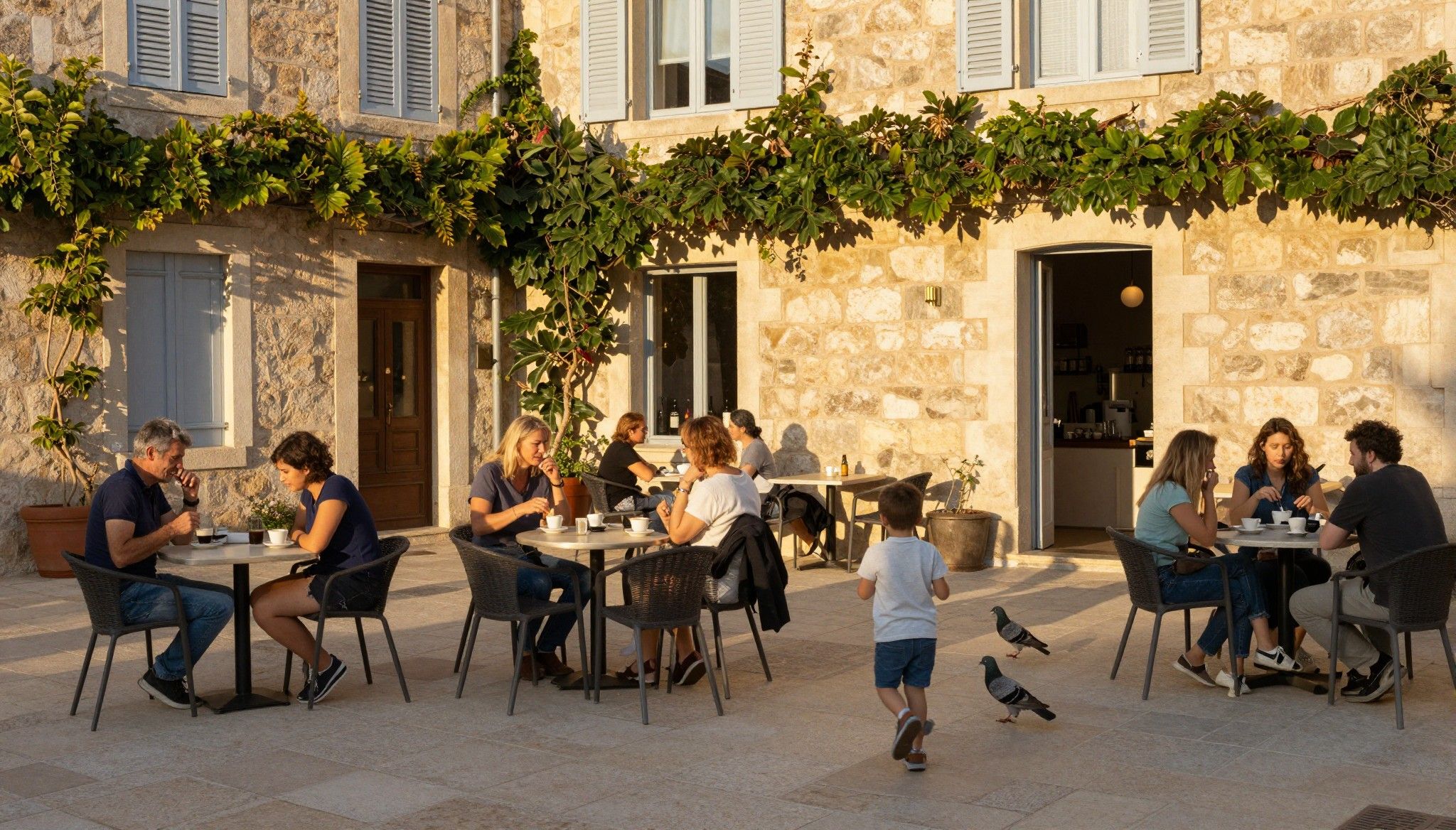
Imagine a dawn in Aix‑en‑Provence: a baker lifts a tray of warm fougasses, sparrows weave through plane trees and a light breeze drifts across terracotta roofs. In France the day begins with ritual — markets opening, cafés filling with conversation, and neighbourhoods defined as much by their public squares as by their architecture. For international buyers, that first sensory impression is the thing that binds you to place. But the journey from that feeling to closing — and then tending the home as part of its landscape — requires local know‑how, patient negotiation and a stewardship plan that honours both house and habitat.
Living the French life: senses, seasons and streets
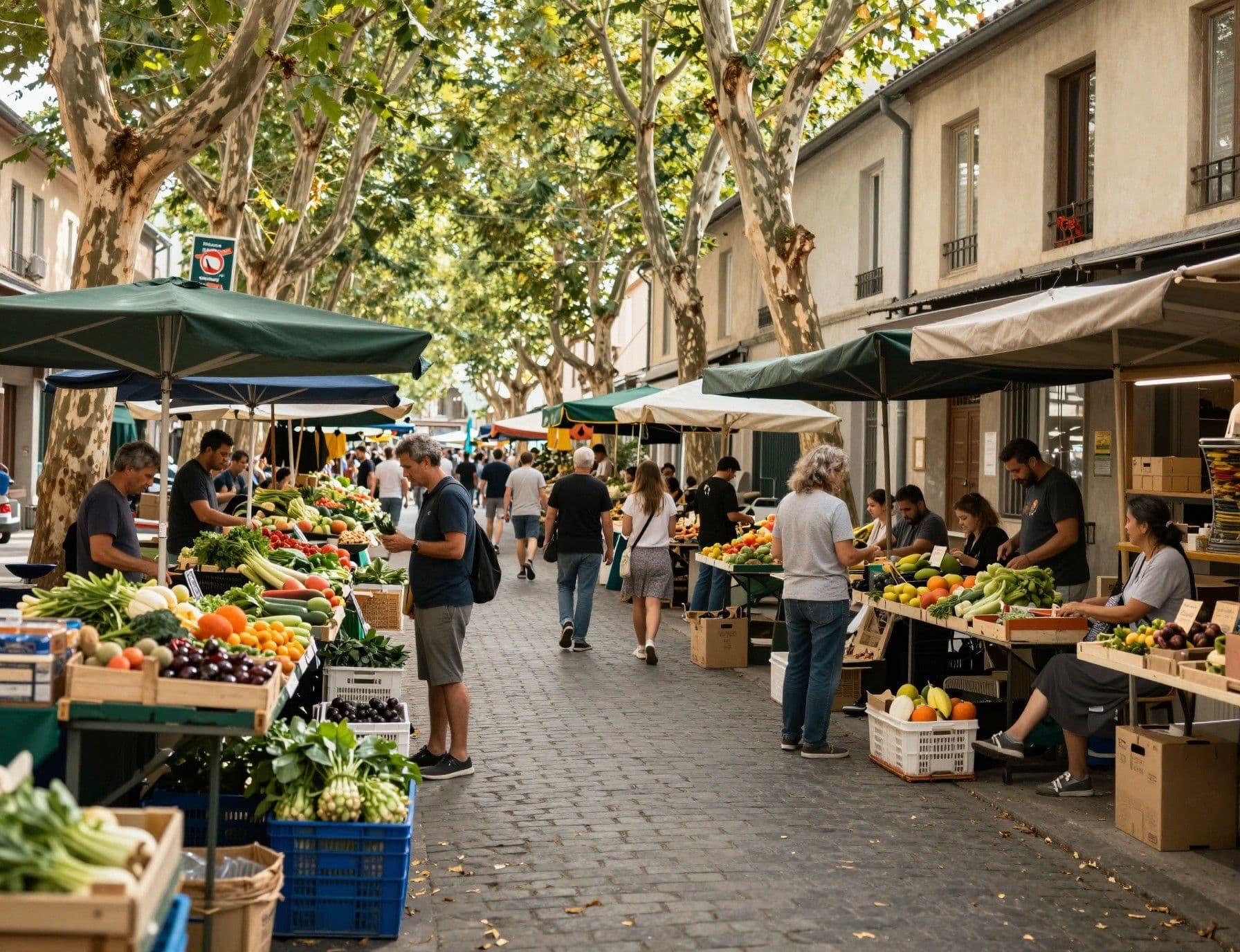
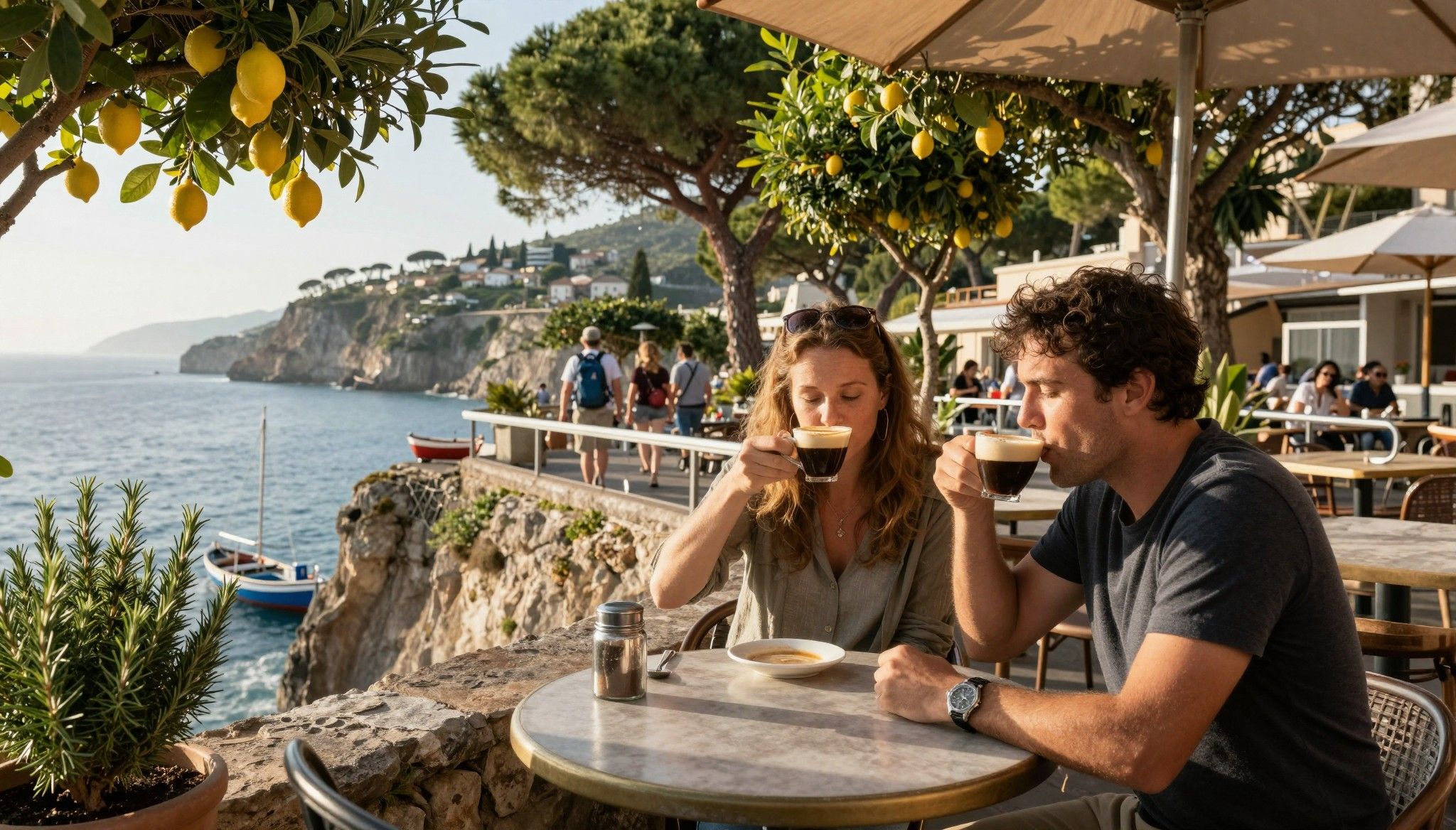
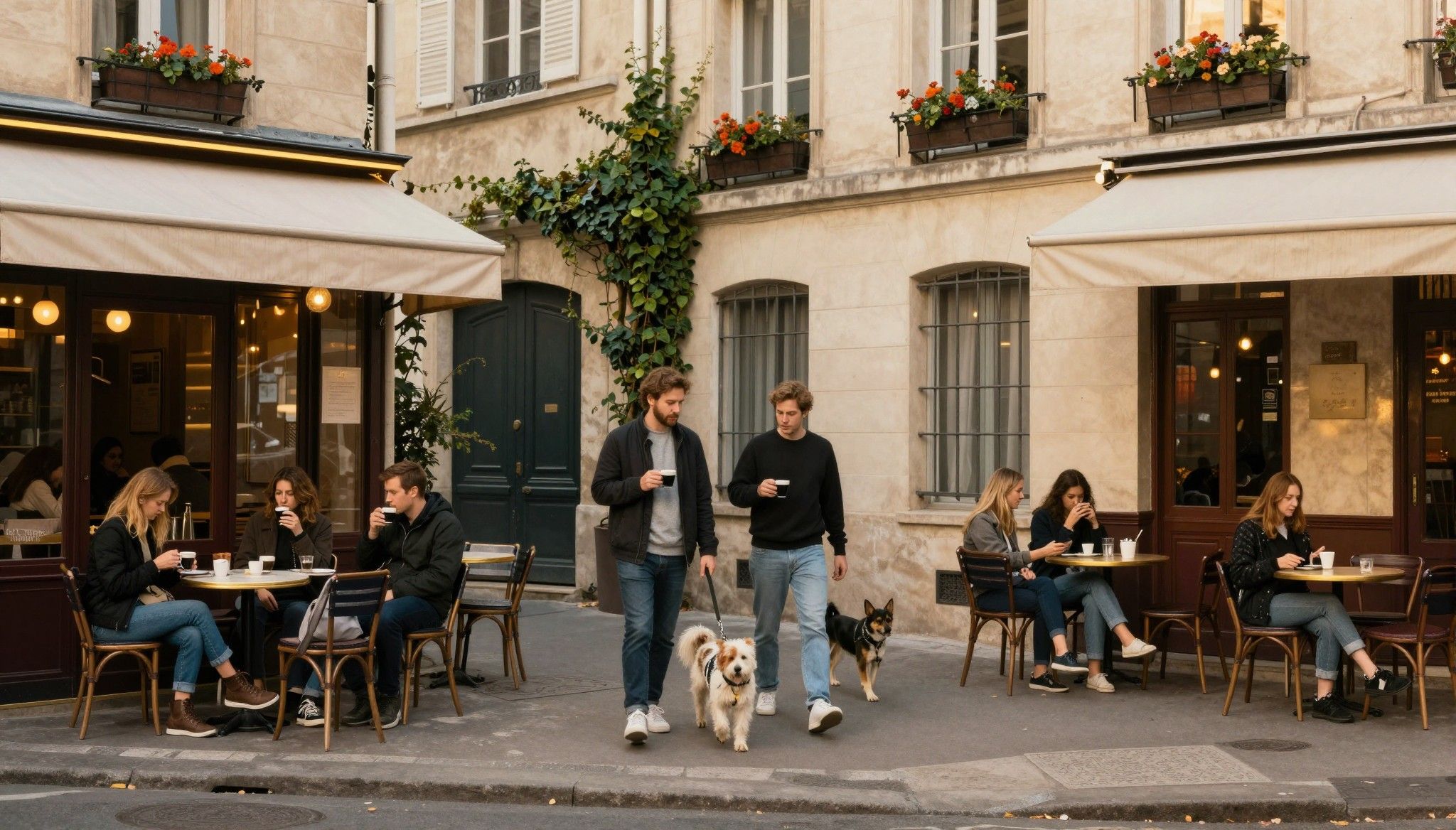
The romance of France is woven from small, repeatable pleasures: morning markets on Rue des Vieux Moulins in Lyon, oyster lunches along La Rochelle’s harbour, or evening strolls through Paris’s Canal Saint‑Martin. But each region carries its own tempo. Coastal Provençal towns slow for the summer siesta; Normandy’s hedgerow lanes are for long country walks when apples are in season. When you choose a property here, you are choosing a rhythm — the way light falls across a courtyard in late summer, the cadence of weekly marché days, the neighbourhood cafés where people begin to recognise your order.
Neighbourhood living: from Marais to Médoc
Some places have clear personalities. In Paris, Le Marais hums with galleries and discreet courtyard gardens; in Bordeaux’s Chartrons you’ll find antique shops and wine merchants clustered on cobbled lanes; on the Côte d’Azur, Saint‑Tropez’s backstreets reveal family‑run boulangeries away from the yachts. For buyers prioritising nature, look beyond famous names to linked ecosystems: the salt marshes near Arles, the chestnut groves of Corsica, or the bocage of Brittany where hedgerows feed biodiversity and frame small hamlets.
Food, markets and everyday rituals
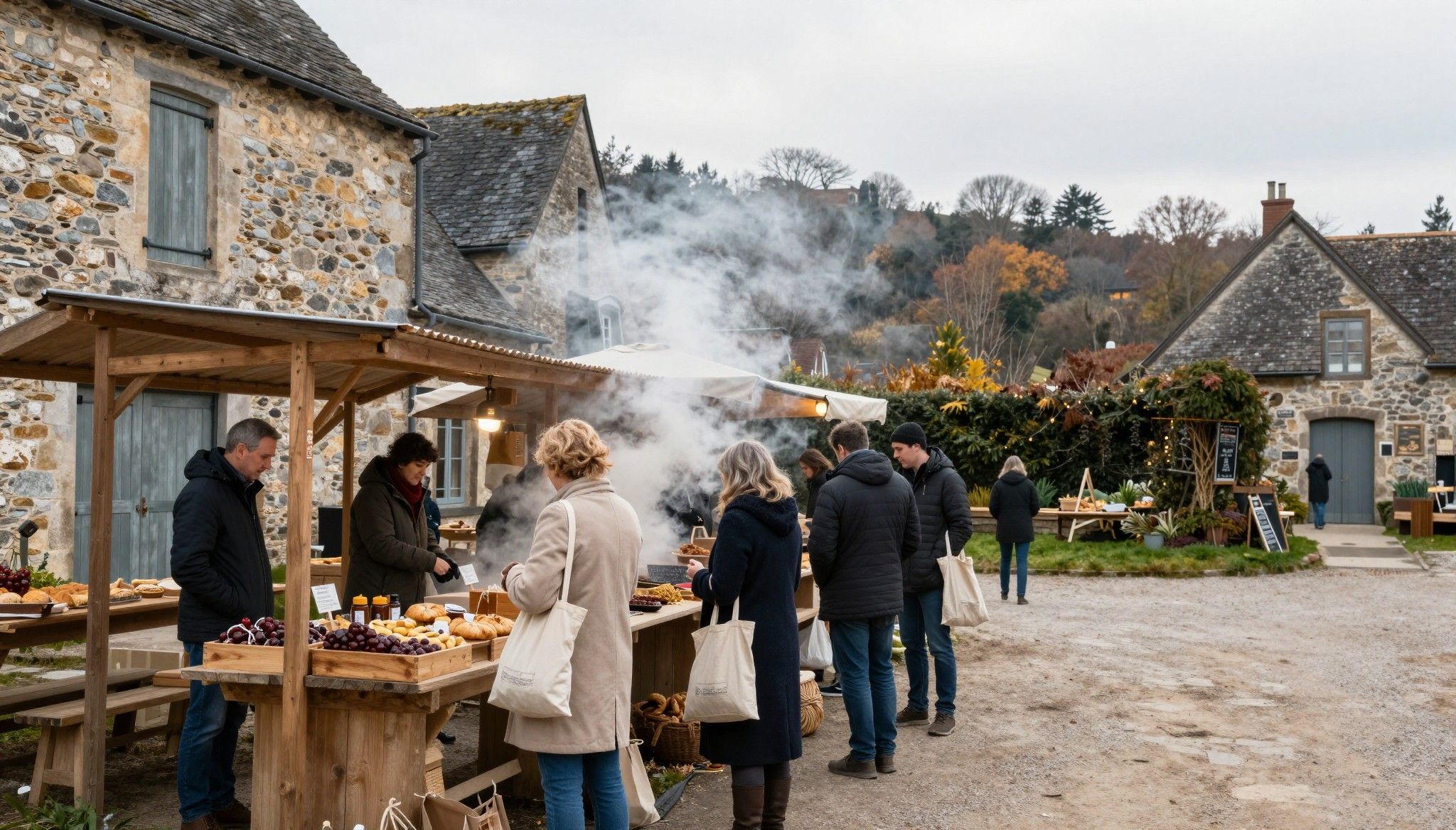
The marketplace is the soul of a French neighbourhood. Picture Saturday at Marseille’s Marché du Prado: vendors load crates of Provençal tomatoes and herbs, fishermen sell the morning catch, and neighbours meet over coffee. These are the places you learn local produce seasons and meet tradespeople — invaluable when you later plan ecological repairs or source reclaimed materials for a renovation. For sustainable buyers, markets connect you to local supply chains and seasonal eating, reducing food miles and deepening ties to community stewardship.
Making the move: practical steps that keep the lifestyle intact
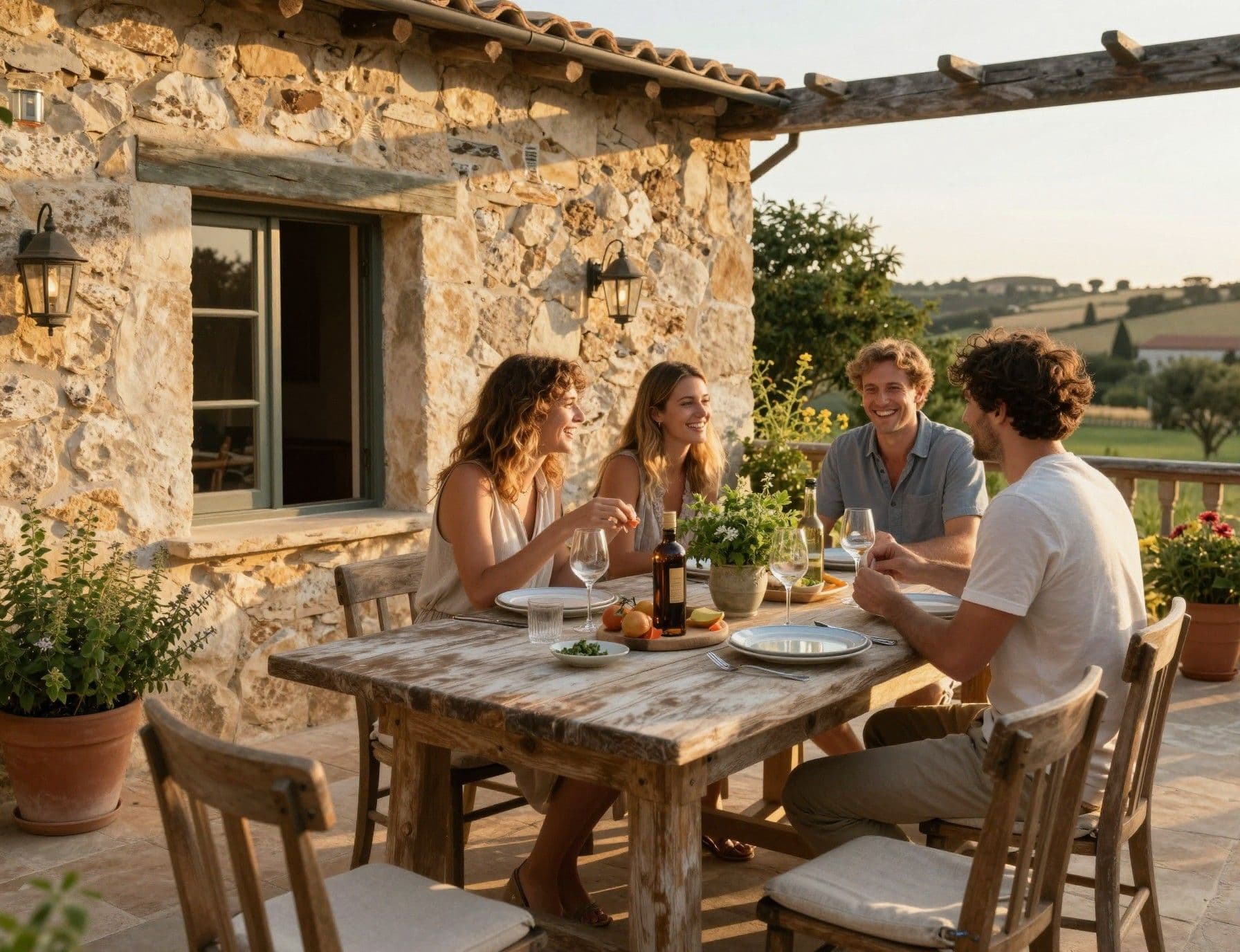
A dream life in France meets real market movements. Recent national indices show housing prices stabilising after recent variability, meaning pockets of value still exist outside headline cities. That’s good news — but it also means closing well relies on granular knowledge: micro‑neighbourhood dynamics, seasonal showing patterns and how energy labels now shape buyer demand. Tying the lifestyle you crave to a practical closing strategy keeps the romance from colliding with surprises.
Property styles and how they shape daily life
A stone longère in the Vendée offers slow mornings, thick walls that store coolness in summer and a garden for kitchen herbs; an Île‑de‑Ré whitewashed house means salty air and insect‑resistant landscaping, but also stricter local planning rules. Prioritise how spaces will be used: terraces for long meals, cellars for market finds, or attic space that can become a low‑energy studio. These choices affect negotiation points — ask about insulation, original materials and maintenance history before you bid, because they are levers in both price and future stewardship.
Working with local experts who value stewardship
Choose agencies and notaires who understand ecological retrofits and local incentives. Ask them to highlight a property’s DPE (energy performance) report and to estimate realistic retrofit paths. Since the DPE now plays a larger role in marketability and rental rules, a poor rating is negotiation fuel but also a stewardship opportunity — sometimes a modest investment in insulation, heat‑pump hot water or double glazing significantly raises both comfort and long‑term value.
Insider knowledge: negotiation, closing and post‑purchase stewardship
Negotiation in France is often quieter than the headlines — it is about local proof rather than hard bargaining. Bring evidence: comparable sales from the same street, documented ageing of the roof, and energy audit figures. During closing, build stewardship into the contract where possible: timelines for remedial works, agreed handover of local contacts (gardeners, artisans), and clarity on utilities or co‑ownership charges. After the sale, leverage schemes such as MaPrimeRénov' to kickstart efficient retrofits — these incentives can lower initial stewardship costs and are listed on official renovation portals.
Practical red flags and how to handle them
Watch for inconsistent DPE reports, unclear servitudes (right of way), or missing maintenance records for roof and drainage. If a property sits in a flood zone or near protected landscapes, ask for the local PLU (plan local d’urbanisme) and recent council records. Small, early‑stage investigations save time and money — have a local surveyor or architect produce a short stewardship plan (timeline, likely costs, recommended local trades) that becomes part of your negotiation pack.
- Negotiation & stewardship checklist
1. Compile three comparable sales on the same street and present them with your offer. 2. Request full DPE documentation and, if needed, commission a focused energy audit. 3. Ask the seller to include key local contacts and utility accounts in the deed package. 4. Agree on a remediation timeline (roof/insulation) and tie part of payment to completion if possible. 5. Explore MaPrimeRénov' and local grants before closing so you understand eligible works and timelines.
What expats wish they’d known: culture, community, long view
Beyond paperwork, the practical joy of living in France is social. Neighbours who share a vegetable patch, the annual village fête, or a local carpenter who knows how to fix century‑old shutters become part of your stewardship. Language helps, but presence matters more: show up at market, attend mairie meetings and treat your home as an ongoing project with seasonal rhythms rather than a one‑time purchase. That approach makes ecological improvements welcomed and sustained by community support.
Long‑term: property as landscape stewardship
Think in seasons and decades: plant pollinator‑friendly hedges, choose native fruit trees, and consider rainwater capture for gardens. These small choices reduce long‑term costs and deepen your relationship to place. When you close, set a two‑year stewardship calendar: evaluate energy use after winter, schedule annual roof checks, and plan a phased retrofit aligning with available grants so the financial load is manageable and the ecological gains compound.
Conclusion: Fall in love slowly, close wisely. France offers a richness of daily rituals and landscapes that repay gentle attention. Pair the feeling — market mornings, shared lunches, shady courtyards — with a closing strategy that embeds stewardship from day one: the right local advisers, clear negotiation clauses, and an evolving retrofitting plan. Do that, and your home becomes more than property: it becomes a place you steward with care, season after season.
Norwegian market analyst who relocated from Oslo to Provence; guides investors with rigorous portfolio strategy and regional ecological value.