Italy’s Verdant Coastline: Stewardship, Seasons, Value
Italy’s verdant coasts blend rugged sea and forests — choose season-aware buying, local experts and stewardship for lasting lifestyle value. Data-backed market recovery supports lifestyle purchases.
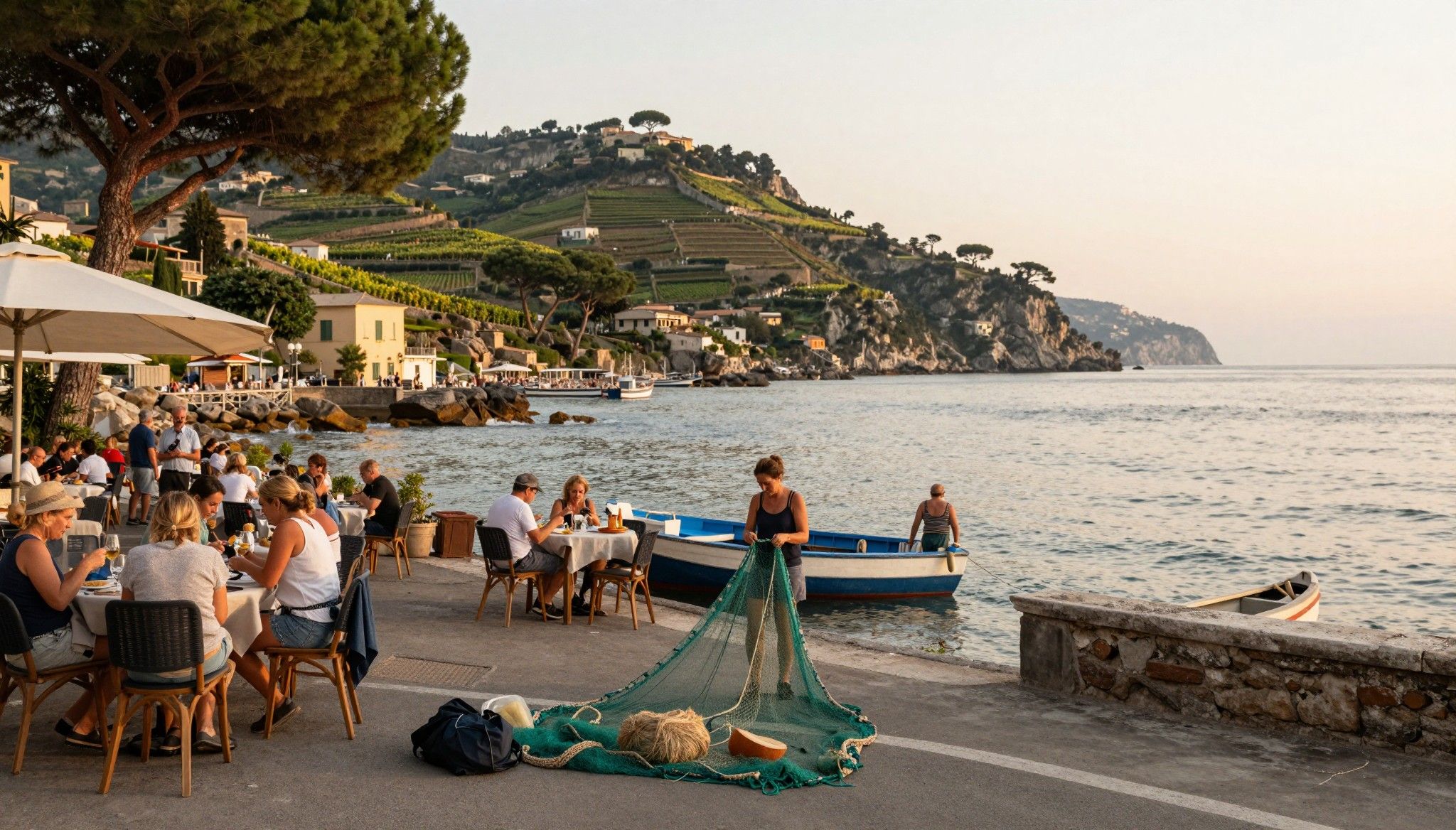
Imagine waking before dawn to the smell of wood smoke and roasting coffee, then walking a narrow sea-terraced lane where rosemary and stone walls slope toward a silver, wind-scoured coast. In Italy the green and the rugged sit cheek-by-jowl: Ligurian cliffs, Tuscan pinelands and the Maremma’s wild scrub, each stitched with villages where life still revolves around the market, the trattoria and the seasons. This life is the reason international buyers keep returning — and recent market analysis shows the market quietly shifting in ways that favour lifestyle-led purchases.
Living the Italy Life: Sensory Places, Slow Rhythms
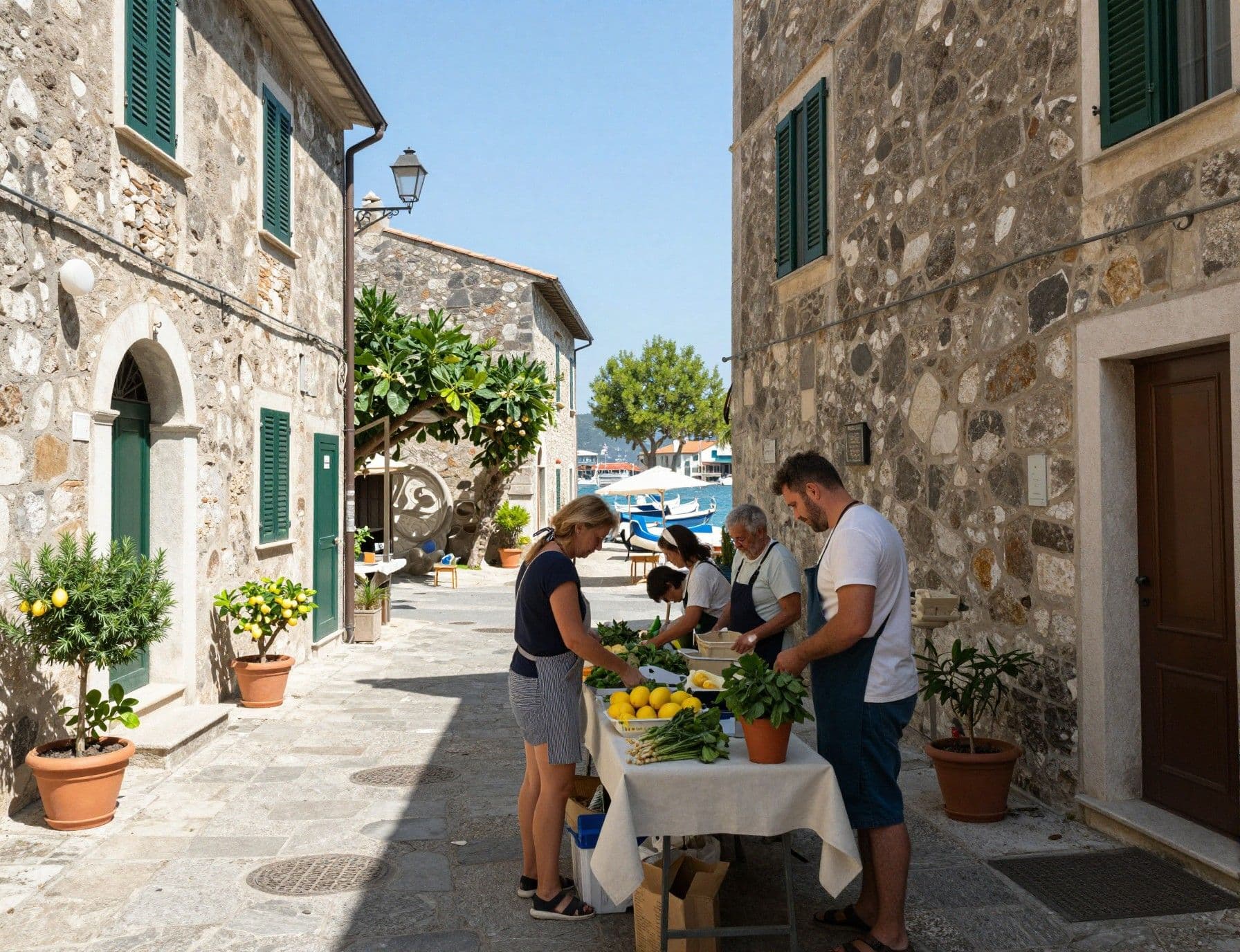
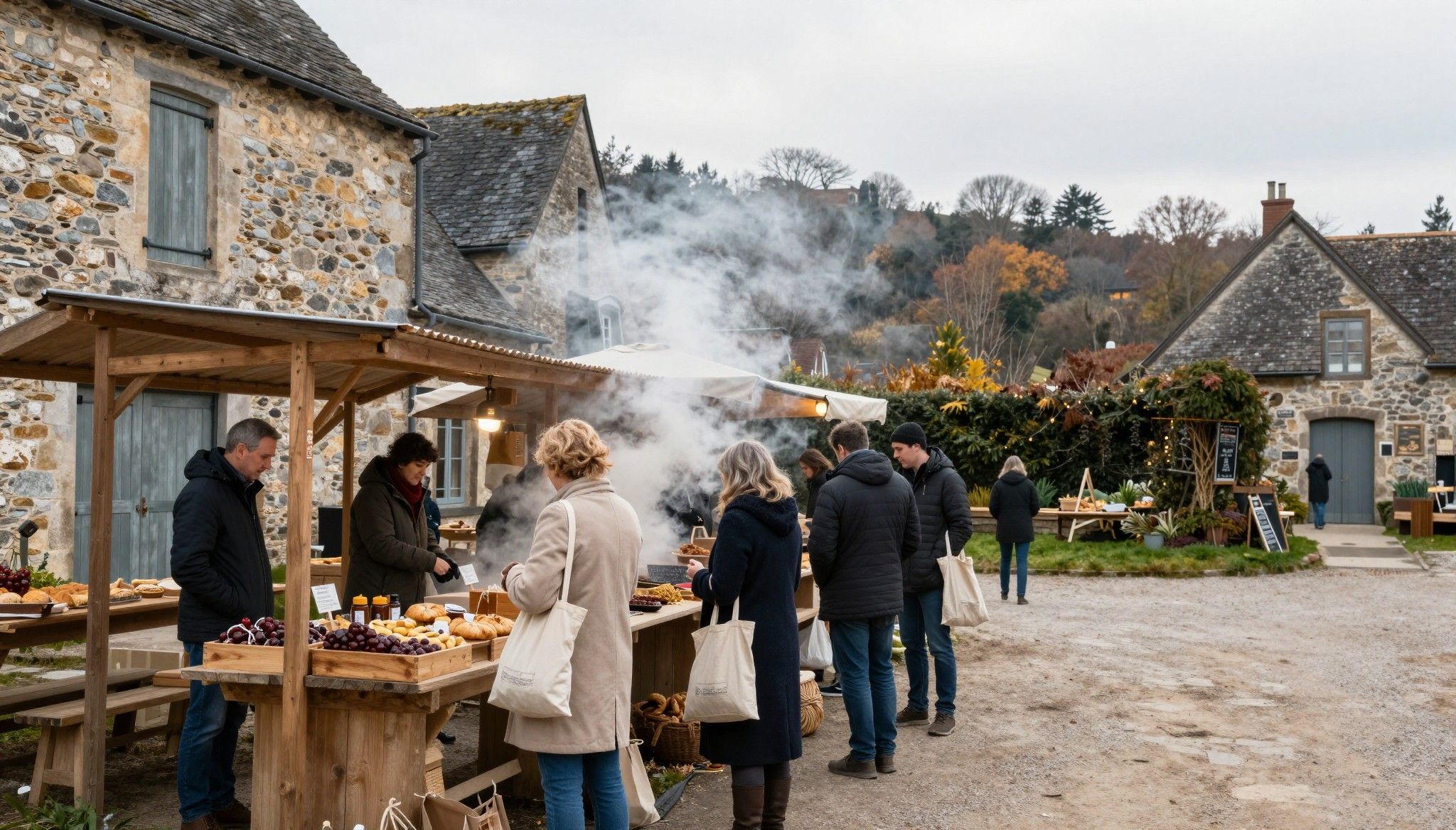
Italy’s rhythms are readable: morning espresso and a walk to the mercato, a long lunch when the light is high, and evenings that belong to the piazza. Coastal towns perfume the air with salt and citrus; inland hills bring the loamy smell of olives and new-cut grass. These textures shape what you look for in a home — sun exposure for terraces, garden soils for herbs, shelter from winter mistral winds — and they change how properties are used across the year. Living here is less about rooms and more about how a house sits within a landscape of food, craft and community.
Liguria’s Rugged Riviera: Terrazze, Pescherie and Quiet Bays
Walk the terraces above Riomaggiore at dawn and you’ll see how wine, stone and sea are inseparable. Liguria’s towns — Portofino, Santa Margherita, Sestri Levante and the Cinque Terre villages — offer a contrast between dramatic coastal walks and intimate seafood osterie. For buyers seeking a house where the sea is literally the view from your kitchen, Liguria rewards with dramatic panoramas, tiny harbours and a microclimate that keeps winters mild. Yet conservation rules in protected areas like the Cinque Terre make restorations exacting; the payoff is living inside a UNESCO‑recognised cultural landscape.
Tuscany’s Green Coast and Maremma: Wild Beaches and Vineyards
From the Argentario peninsula to the quieter coves near Castiglione della Pescaia, Maremma is blunt and generous: long beaches, pine forests and inland thermal springs. Here you’ll find hilltop hamlets with chestnut beams and homes that marry stone walls with olive groves. For buyers who want both sea and land, Tuscany’s southern coast offers a quieter alternative to central Tuscany’s tourist circuits, with property types that are often easier to retrofit for energy independence and productive gardens.
- Lifestyle highlights: markets, cafés and hidden coves
- Morning market at Viareggio or Livorno for fresh fish and seasonal vegetables
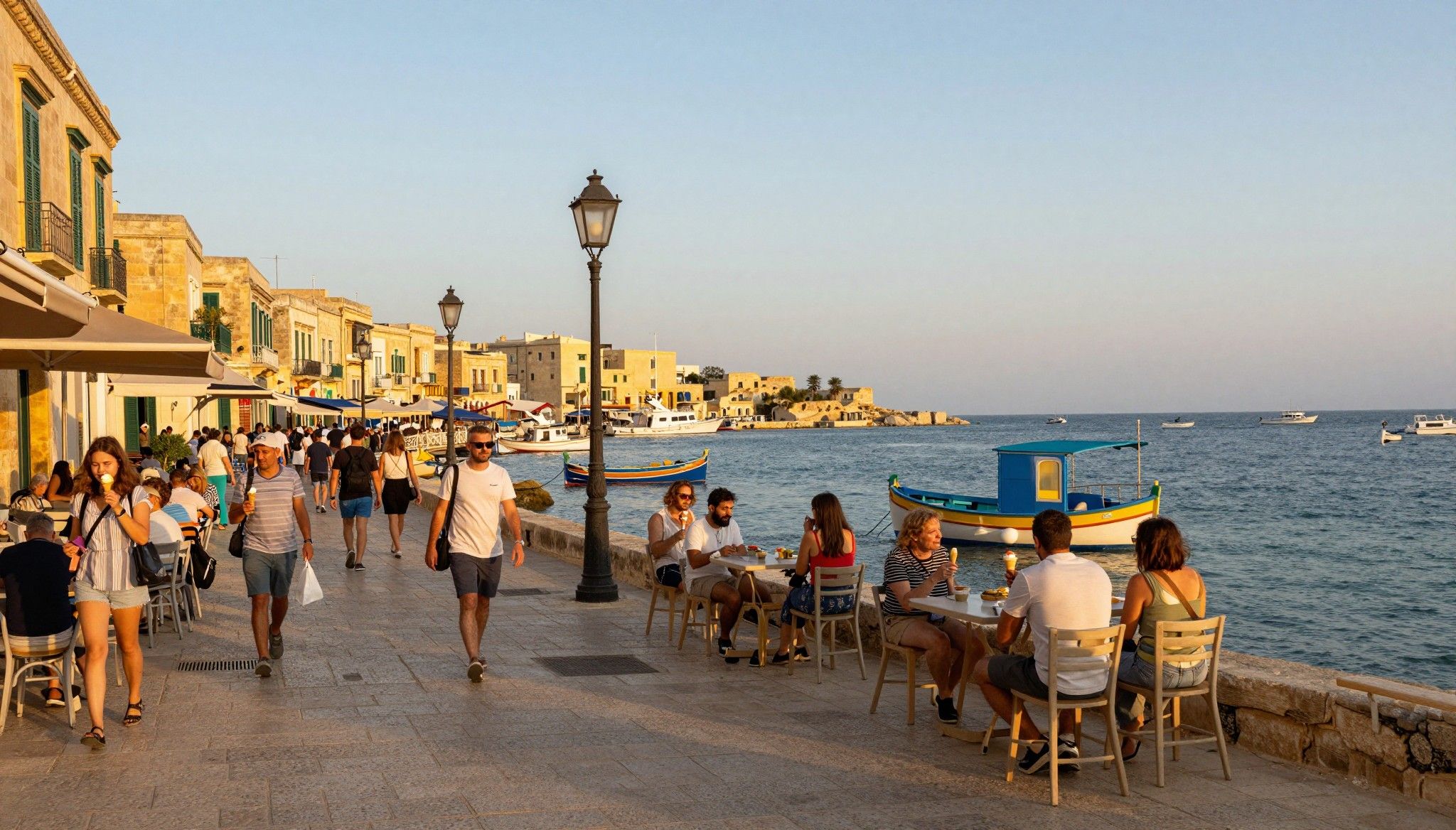
- An evening aperitivo on Santa Margherita’s seafront followed by a late trattoria meal inland
- Hidden beaches on the Tuscan coast where local families picnic in summer and visit in shoulder months
Making the Move: Practical Considerations That Respect the Land
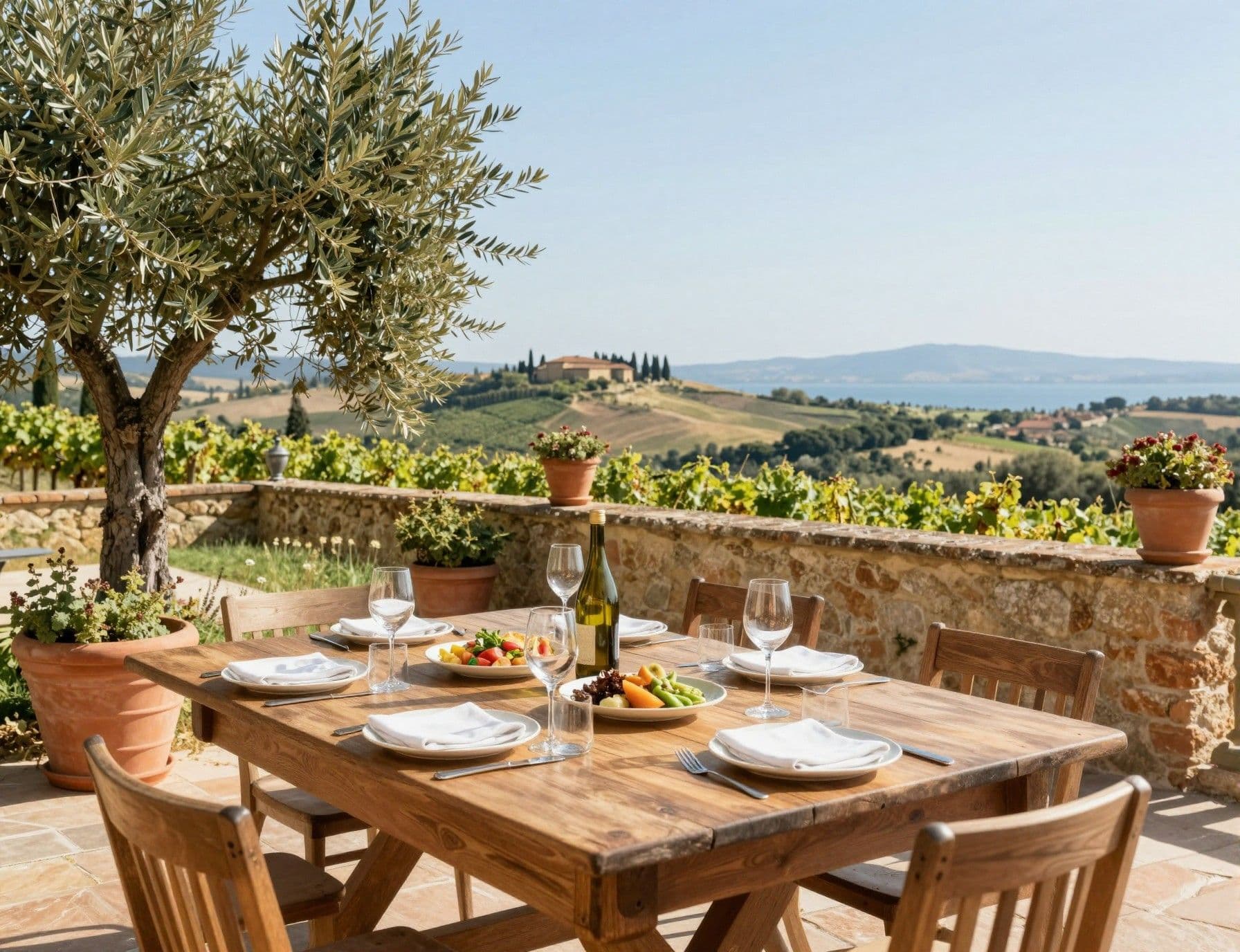
The romance of place must meet reality: market data shows Italy’s market recovering since 2024 with rising transactions and pockets of price growth in amenity-rich coastal and provincial towns. Official statistics from ISTAT track house-price recovery and shifting demand, especially where buyers prize lifestyle over pure capital gain. That means your ideal verdant property may combine modest purchase prices with higher value in life-quality — and occasional regulatory complexity where coastlines and national parks intersect.
Property styles: stone farmhouses, terraced homes and coastal cottages
A stone farmhouse in Tuscany gives you thermal mass and room for a kitchen garden; a Ligurian terraced house trades private land for dramatic views; an old fisher’s cottage offers proximity to the sea and simple retrofit opportunities. Think in terms of lifecycle: which spaces will you use in winter, which in summer, and what maintenance each requires. Prioritise passive features — thick walls, north‑south orientation, shutters — that reduce energy demand, and ask sellers for recent energy performance certificates where available.
Work with experts who understand place and protection
Choose agents and architects who know regional conservation rules and local cadastral realities. Agencies with local roots can spot off‑market opportunities, advise on renewable retrofits permitted in heritage zones, and broker relationships with craftsmen who understand traditional materials. A trusted local team minimizes surprises: planning constraints, access issues on steep lanes, or restrictions in protected landscapes are all easier to navigate with grounded expertise.
- Steps that blend lifestyle and process when buying in verdant Italy:
- Visit in two seasons: see a place in summer’s full life and again in winter’s quieter rhythm before making an offer.
- Ask an architect about low‑impact interventions (solar on non‑visible roofs, heat‑pump feasibility, rainwater harvesting) and get preliminary quotes.
- Commission a local survey early — access, drainage and masonry issues are common in coastal/terraced properties and affect long‑term stewardship.
Insider Knowledge: What Expats Wish They’d Known
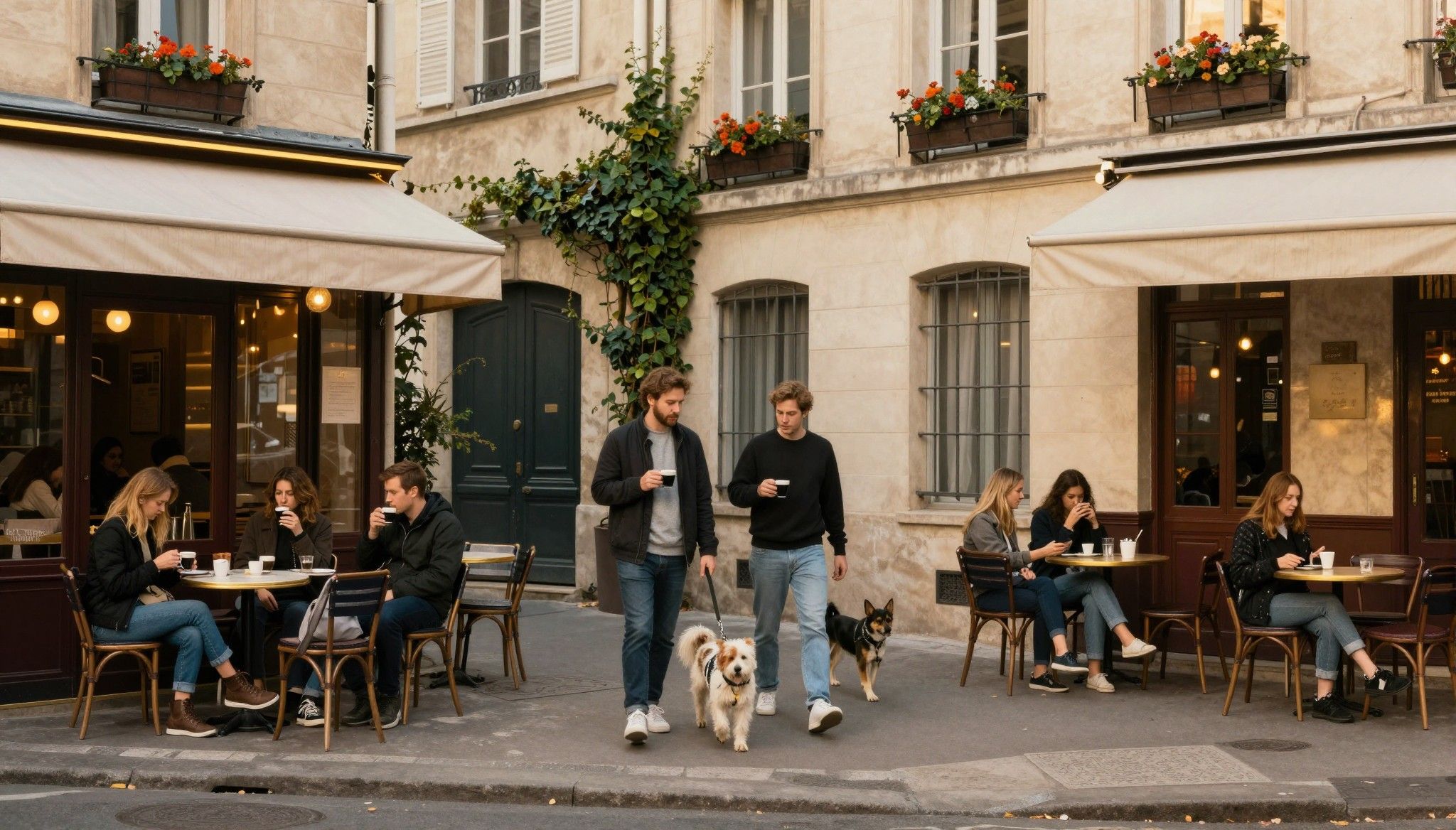
Expats often tell the same understated truths: neighbours matter more than views, seasons define social life, and small daily rituals turn a house into home. Integration happens slowly — a friendly barista, a market vendor who remembers your name, a neighbour who shares pruning tips — and these local ties multiply the value of living in a verdant region. Expect to learn regional rhythms and accept that some conveniences (like grocery variety or international schooling) require travel to nearby towns.
Language, community and the slow art of belonging
Even a little Italian opens doors: markets, municipal offices and builders respond warmly to basic language efforts. Many buyers join local associations — olive pressing co‑ops, trail maintenance volunteers or Slow Food chapters — as ways to meet neighbours and learn seasonal skills. Practical life becomes rich when you participate: harvests, village festivals and cooperative chestnut drying are how communities pass on place knowledge.
Long-term stewardship: economy, ecology and community
Think of a purchase as joining an ecosystem: maintenance, biodiversity and neighbourly land care matter. Properties with productive gardens, native planting and permeable surfaces reduce long‑term costs and protect aquatic systems. In many verdant coastal zones, community action on erosion and wildfire prevention is crucial — buyers who invest in resilient landscaping and local initiatives often find their quality of life improves and so does the neighbourhood’s value.
- Red flags to watch for in verdant regions:
- Unresolved slope or drainage issues near terraces; look for water staining and ask for geotechnical checks.
- Illegally extended structures or permits missing for agricultural buildings — local cadastre checks will reveal these.
- Restrictions in protected coastal or park zones that limit external alterations and renewable installations.
Conclusion: If you want a life where trails, tide and terrace matter more than a glossy skyline, Italy’s verdant coasts and wooded hills are a rare offer. Start with seasons, choose local experts, and treat property as stewardship rather than commodity. When you buy this way, you’ll not only own a home — you’ll belong to a living landscape, and that belonging is the true return.
British expat who traded Manchester for Mallorca in 2017. Specializes in guiding UK buyers to luxury Spanish estates with clear navigation of visas and tax.