Italy: Seasonal Living That Changes How You Buy
Fall into Italy’s seasonal rhythms: how lifestyle-led choices and local expertise turn charming homes into sustainable, livable investments.
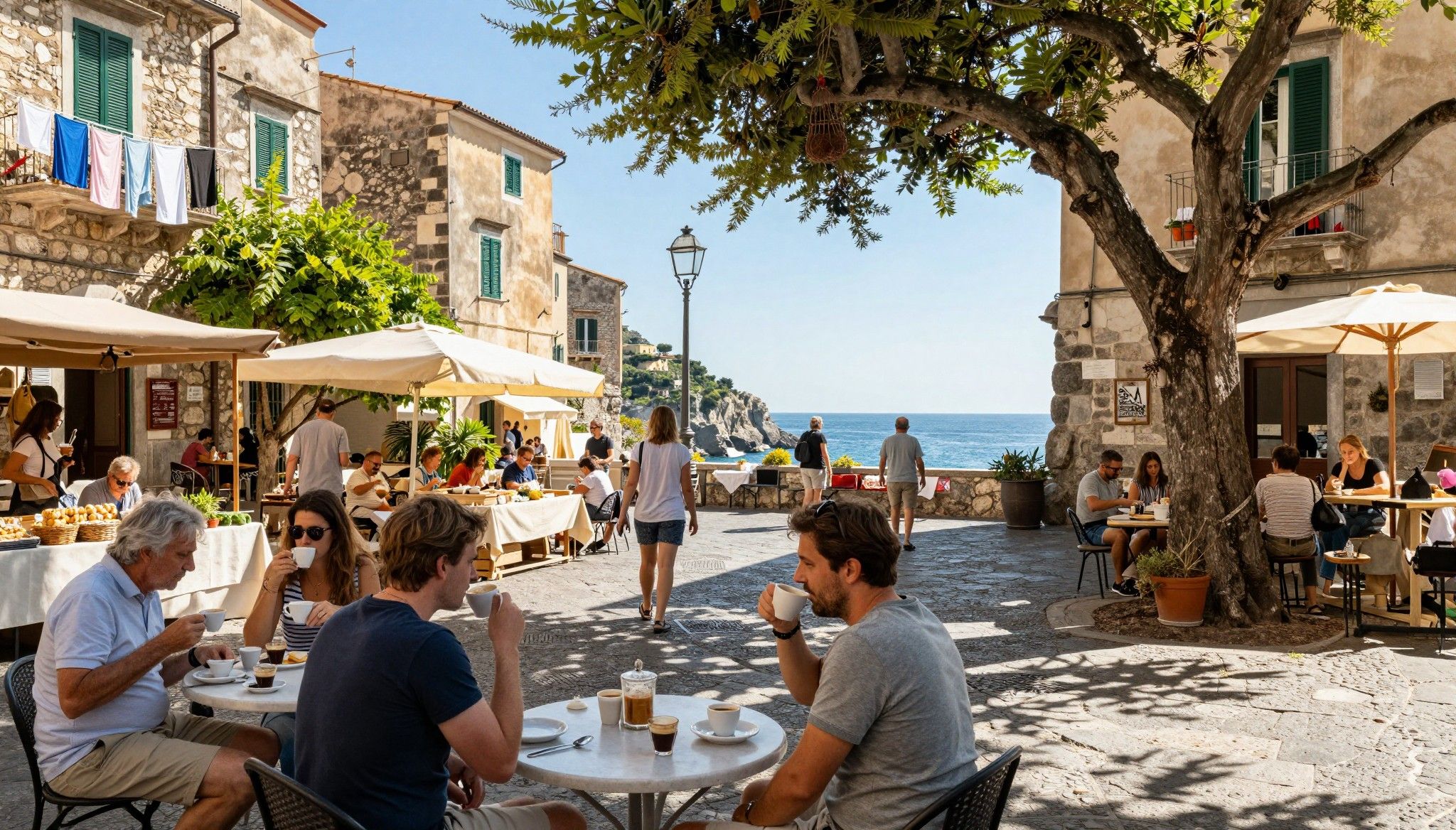
Imagine waking to the smell of fresh espresso, a sun-warmed stone balcony under your feet and a narrow street where a baker’s tricolor bagpipes of conversation mark the morning. This is Italy not as a postcard but as a lived rhythm: markets that set the day, afternoons that slow for passeggiata, and winters that invite long stews and tighter community ties. For international buyers drawn to green living, Italy’s patchwork of villages, coastal hamlets and low-energy restorations offers both a sensory life and a chance to steward land that matters. Yet the purchase journey here rewards patience and local knowledge — and a different set of priorities than many buyers expect.
Living the Italy lifestyle
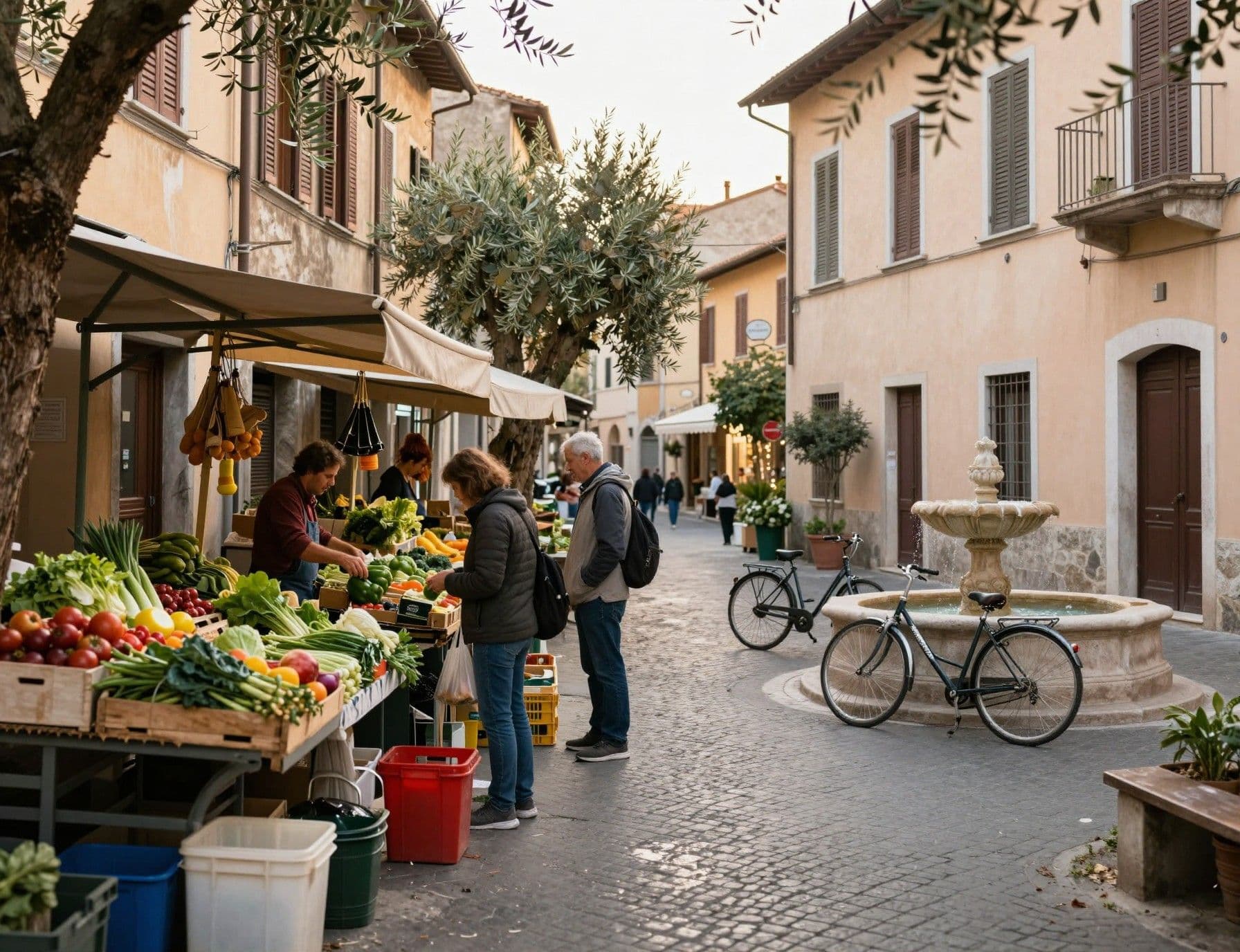
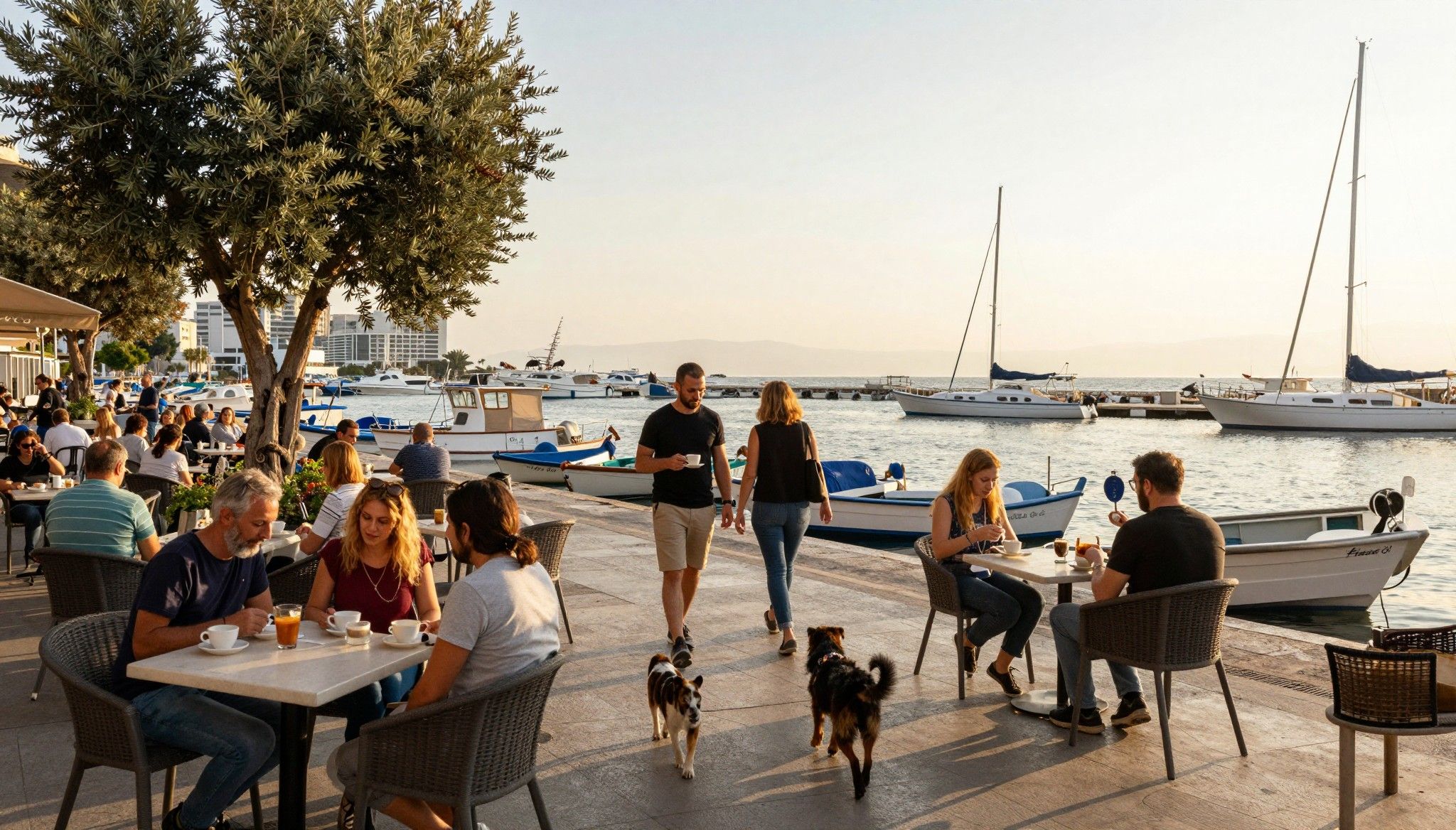
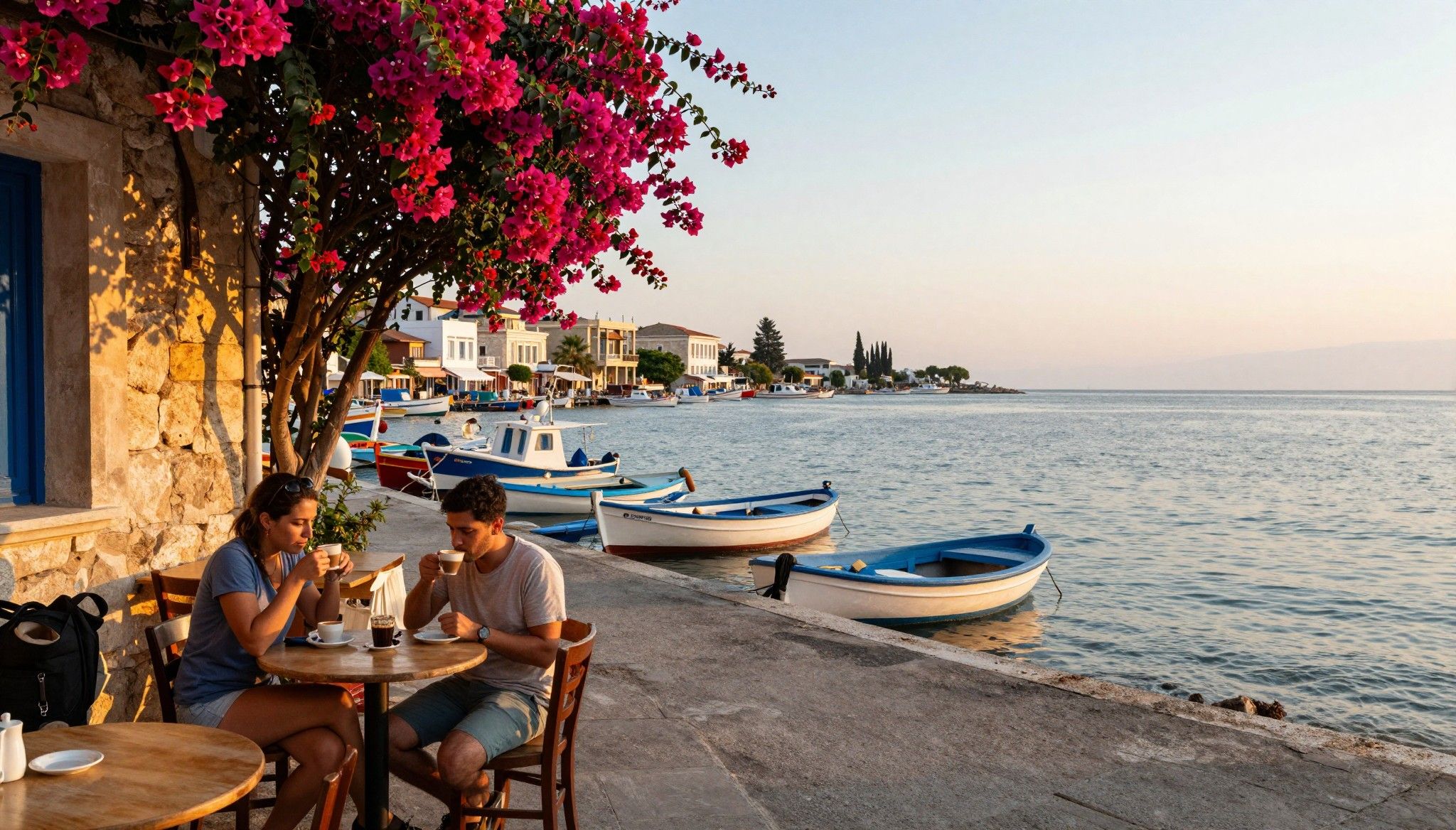
Italy’s daily life is textured by place: coastal towns breathe salt and seafood, hill villages smell of chestnuts and wood smoke, while historic centres are threaded with tiny cafés where baristas know your order. The pace varies — frantic market mornings in Palermo, meditative olive harvests in Puglia, late-evening aperitivi in Milan — but almost everywhere life orients to the public square and seasons. For buyers who prize low-impact living, that means looking beyond architectural glam to gardens, solar-readiness, local craft networks and walkable routines that replace car-dependence. The reward is a life where your home participates in local ecology rather than isolates from it.
Neighborhood spotlight: Oltrarno, Florence or Trastevere, Rome — local texture matters
Take Florence’s Oltrarno or Rome’s Trastevere: you’ll find ateliers, woodworkers, neighborhood markets and small trattorie where owners have lived generations. Streets are layered — a 16th‑century façade beside a solar-paneled roof, a community garden behind a faded wall — and that juxtaposition is where sustainable restoration thrives. Buying here is buying into an active craft economy: local artisans who repair shutters, mend roofs with reclaimed tiles, and plant urban herb beds that feed the block. For international buyers, these neighborhoods offer instant community and everyday convenience that a remote luxury complex cannot replicate.
Food, markets and seasonal living
In Italy the calendar is edible: mercato mornings, truffle season in Piemonte, citrus blossoms in Sicily and summer tomatoes that taste of sun. Living sustainably here often means participating — renting a plot in a communal orto, joining the olive press in autumn or trading preserves with neighbors. These seasonal rituals shape how properties are used: large kitchens for winter preserves, terraces for summer meals, cellars for wine and cured meats. Choosing a property with practical space for these rituals makes the dream feel effortless and rooted.
Making the move: practical considerations
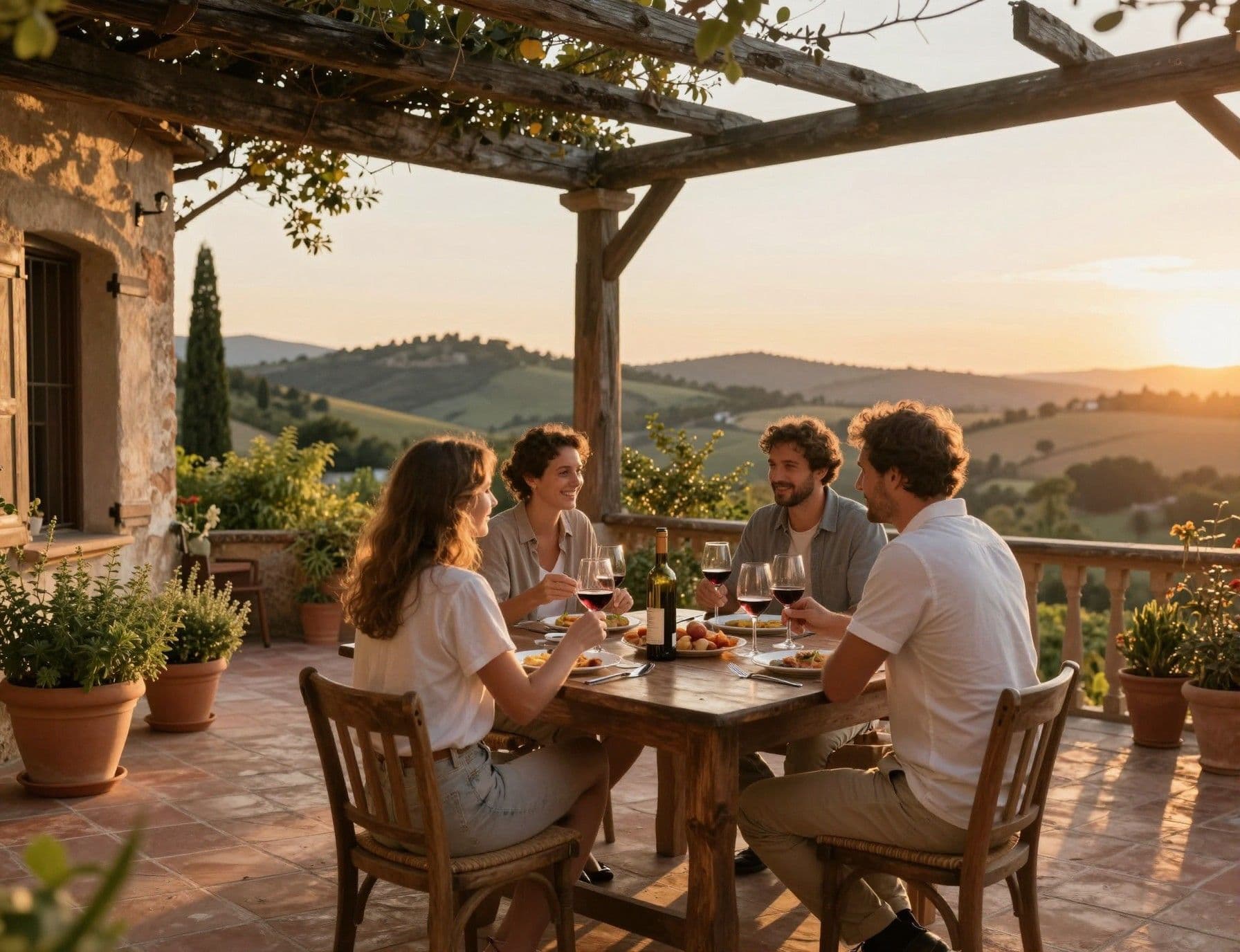
Your lifestyle intentions should drive your property type. Official statistics show the Italian housing market remains active with regional differences: prices and transaction volumes rose in recent years yet growth is uneven between north and south. Local supply constraints in popular towns make quick decisions risky, while countryside restorations reward patience and local craft partnerships. Before a visit, align the season you love (olive harvest or summer coast) with the market behaviour of that place — the two don’t always match.
Property styles and what they offer your life
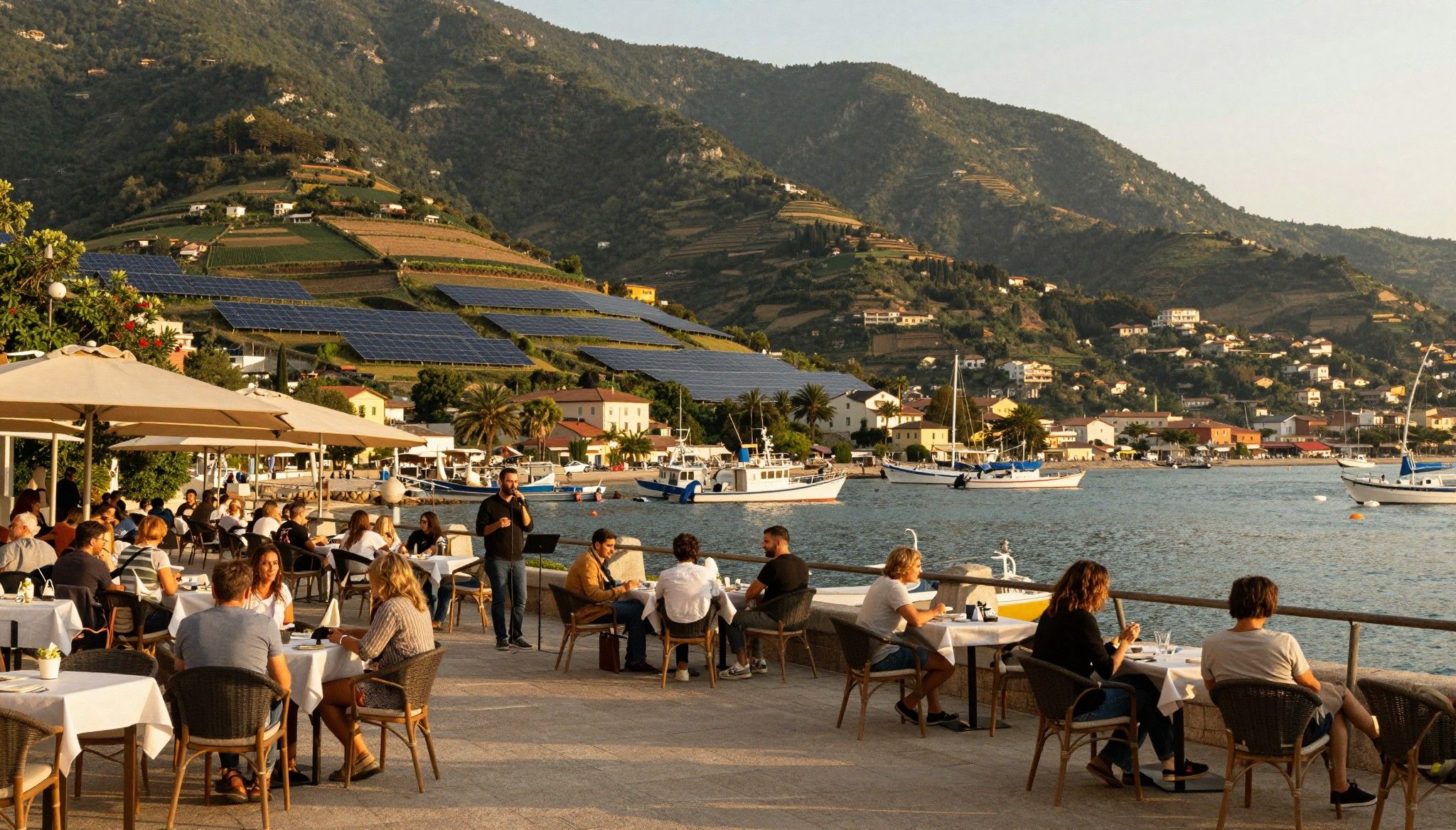
Stone borgo houses offer thick walls, cool summers and the chance to reuse centuries‑old materials, but expect renovation lead times and heritage rules. Coastal apartments give immediate sea access and rental potential, though many lack large gardens and need cooling solutions for hot summers. New eco‑builds around hubs like Bologna or Tuscany’s peripheral towns often include modern insulation, PV readiness and rainwater systems; they compromise on patina but win on operating costs and energy independence.
Working with local experts who know the lifestyle
- 1. Find an agent who speaks your language and lives where you want to buy — they’ll know which streets have quiet afternoons and which get summer tourists. 2. Engage an architect familiar with traditional materials (stone, lime mortar) to estimate true renovation costs and ecological opportunities. 3. Ask for recent energy certificates and local utility bills to understand year‑round running costs. 4. Meet local artisans: a carpenter, a roofer, an electrician — they will be ongoing partners, not one‑off contractors.
Insider knowledge: what expats wish they'd known
Real buyers tell similar truths: language is less important than local relationships, and a once‑glorious rural farmhouse can become a daily delight or a white elephant depending on water, road access and community proximity. Energy improvements make the biggest difference to long‑term joy — better insulation, a modest PV array and a sensible heating plan transform winter comfort and bills. Also, the season you view in shapes your perception: summer house hunting can hide humidity issues and winter viewings can exaggerate isolation.
Cultural integration, language and community
Making friends happens through rituals: morning coffee at Bar Pasticceria, volunteering at the olive press, or buying bread weekly at the same forno. Learn a few phrases, respect local rhythms (many shops close mid‑afternoon) and show interest in local practices — Italians reward curiosity and steady effort. For eco‑minded buyers, contribute to neighborhood green projects: a shared compost heap, a village solar initiative or restorations that use local stone and techniques.
Long‑term lifestyle considerations
Choose durable materials and contractors familiar with local climate; prioritize water management in the south and mold control in humid coastal towns. Consider mobility: proximity to regional trains or airport links matters more than flashy views if you plan frequent travel. Think about estate continuity: small villages can lack resale markets, so invest where community and services show modest growth.
If you’re ready to act, start with a short reconnaissance trip in the season you intend to live there, meet local agents and artisans, and ask directly for recent energy bills and renovation quotes. Italy rewards slow intimacy: the best houses are often off‑market and found through relationship networks rather than broad portals. When you pair a lifestyle vision — market mornings, seasonal harvests, a small garden — with realistic local expertise, your purchase becomes stewardship rather than speculation.
Dutch property strategist who helped 200+ families find sustainable homes in southern Europe; expert in legal pathways and long-term stewardship.