Italy’s Verdant Coasts: Lifestyle First, Value Follows
Italy’s coastal forests blend sea-scented piazzas and chestnut woodlands; buy with seasonal visits, green audits, and local stewards to match lifestyle with sustainable value.
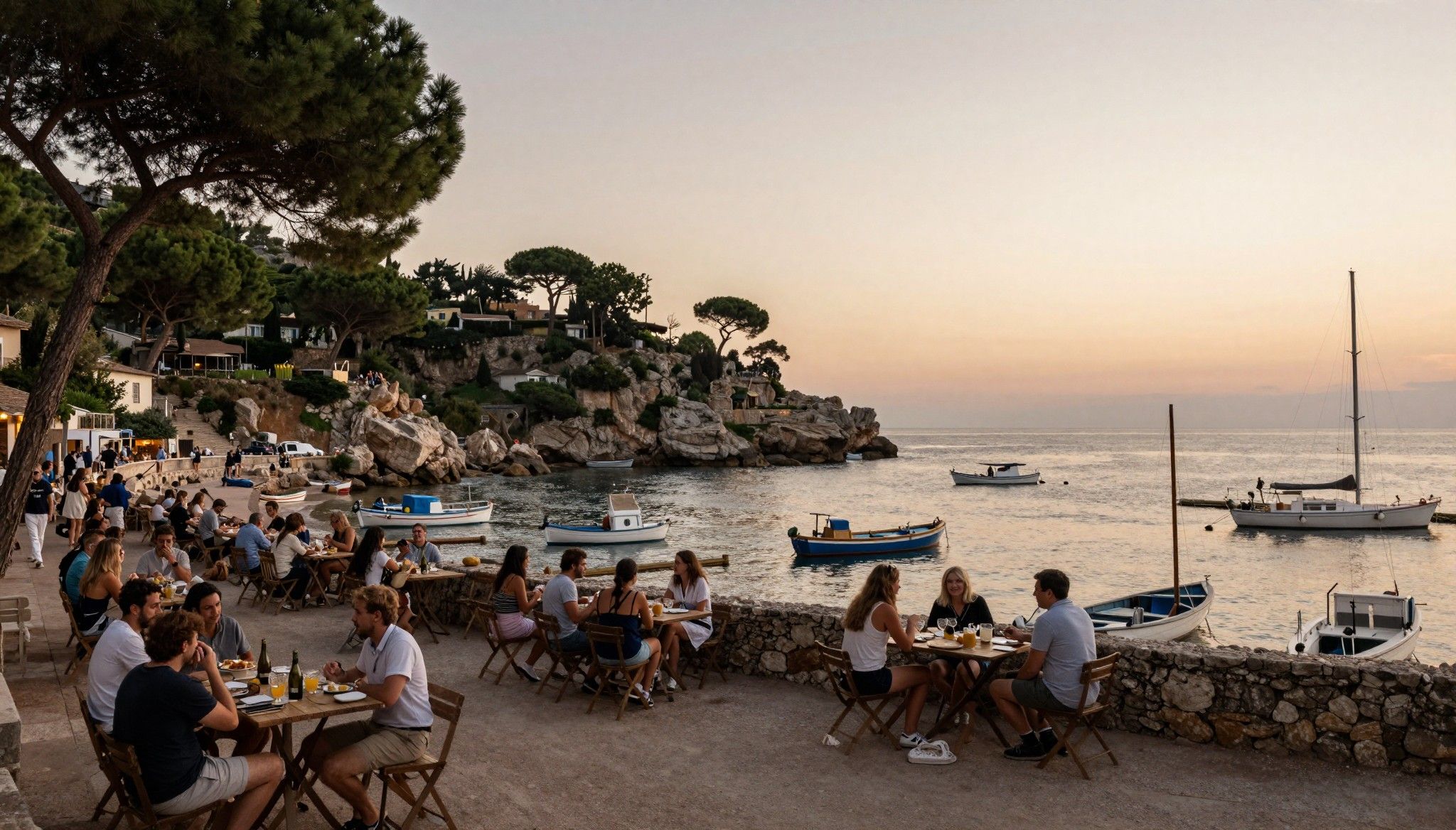
Imagine waking to the sound of waves and church clocks, stepping out for espresso on a stone-paved piazza framed by olive trees. In Italy the coastline and forests meet in a slow, luminous rhythm — mornings for markets, afternoons for shaded walks in Ligurian pine or Tuscan chestnut groves, evenings for a community aperitivo. This is a place where a home is more than a roof: it is stitched into seasons, soil and social life.
Living the Italy of Coasts and Forests
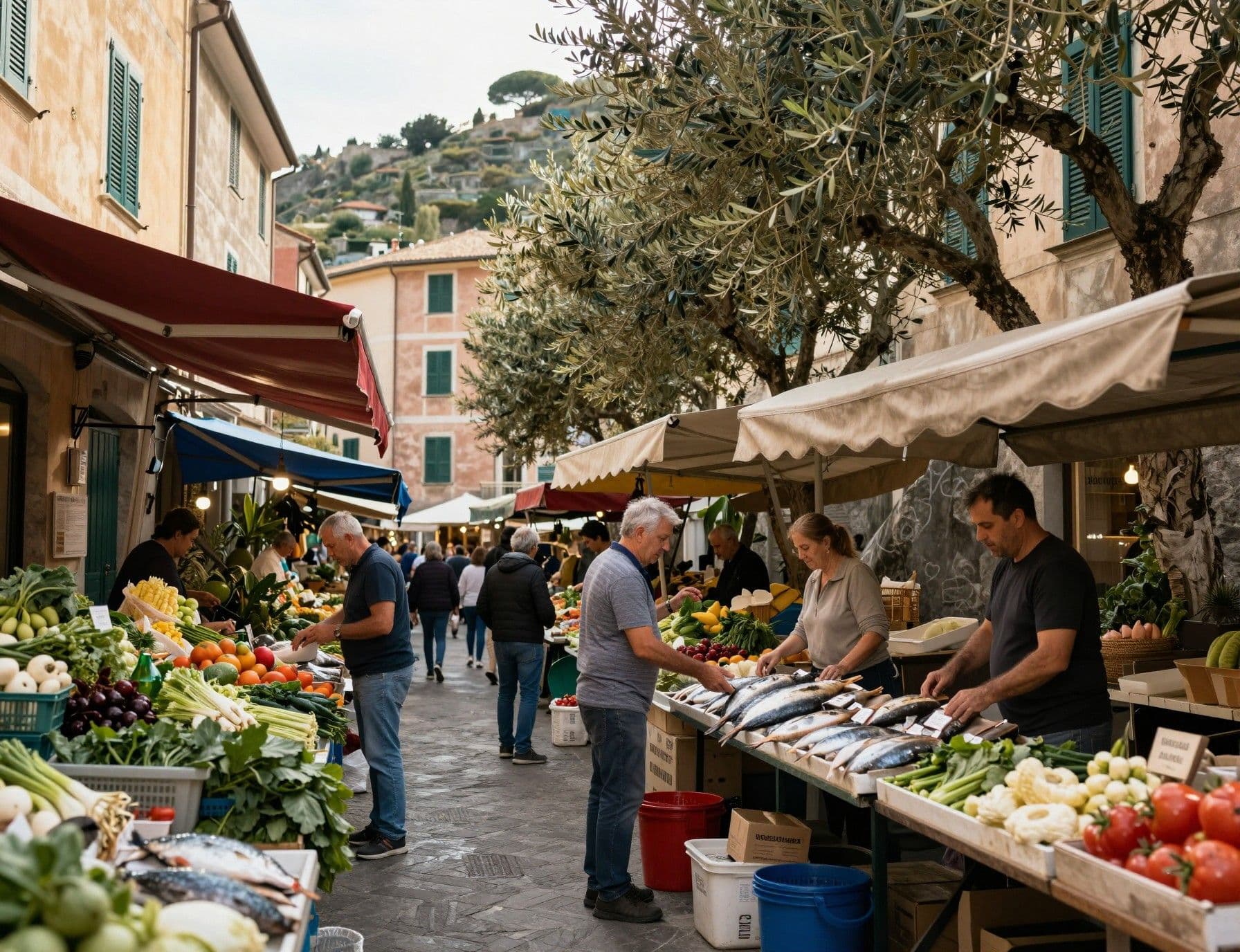
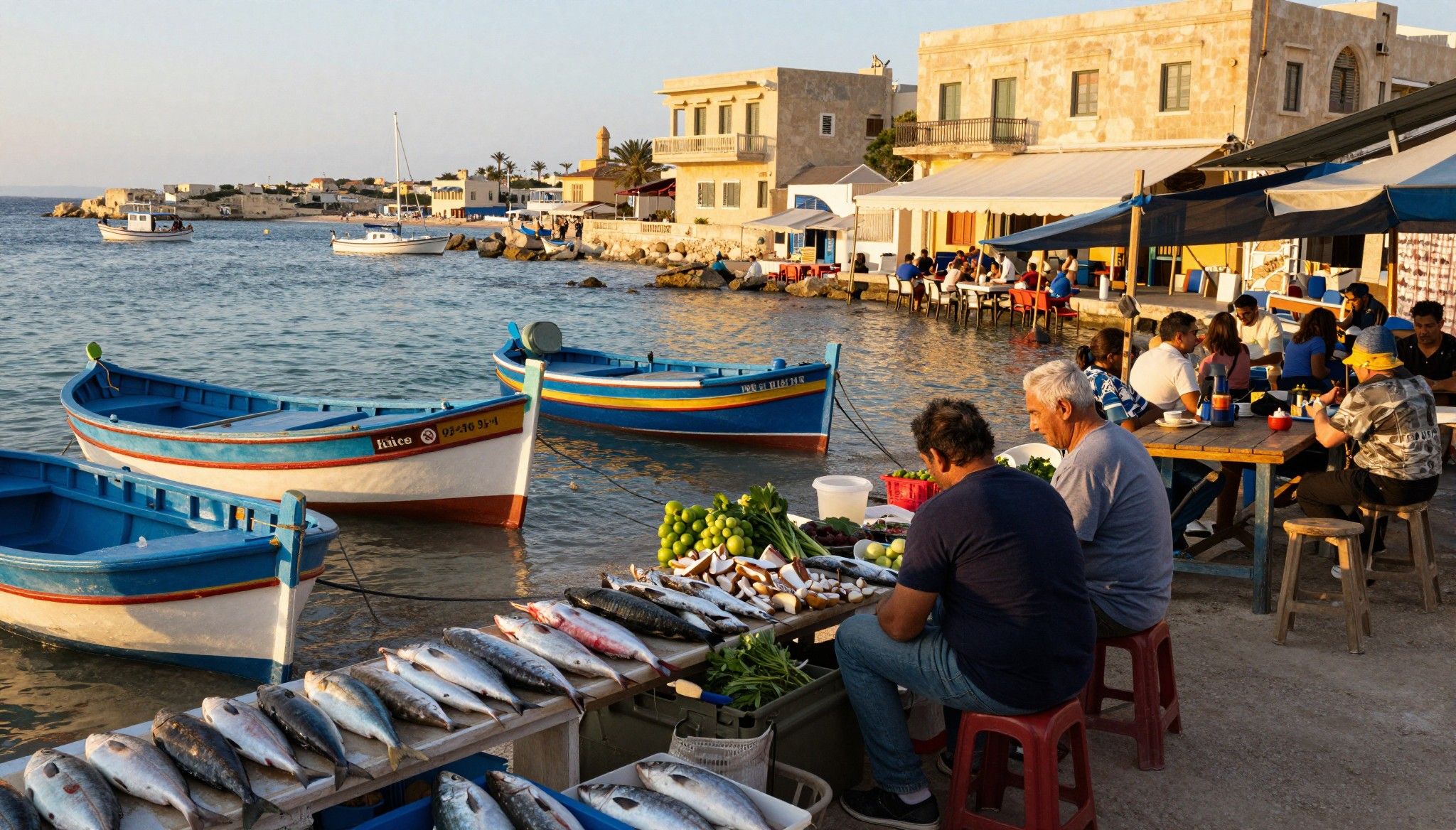
Here the daily script is tactile: fishermen hauling nets in the early light, mountain trails scented with resin, and small cafés where the owner remembers your order. Regions like Liguria, Tuscany and Le Marche stitch rugged coastline to dense forest and farmland, giving you both sea breezes and canopy shade within an hour’s drive. These landscapes shape houses — stone farmhouses, shuttered cottages and compact sea-view apartments that breathe with the land.
Liguria: cliffside villages and the pocket piazzas
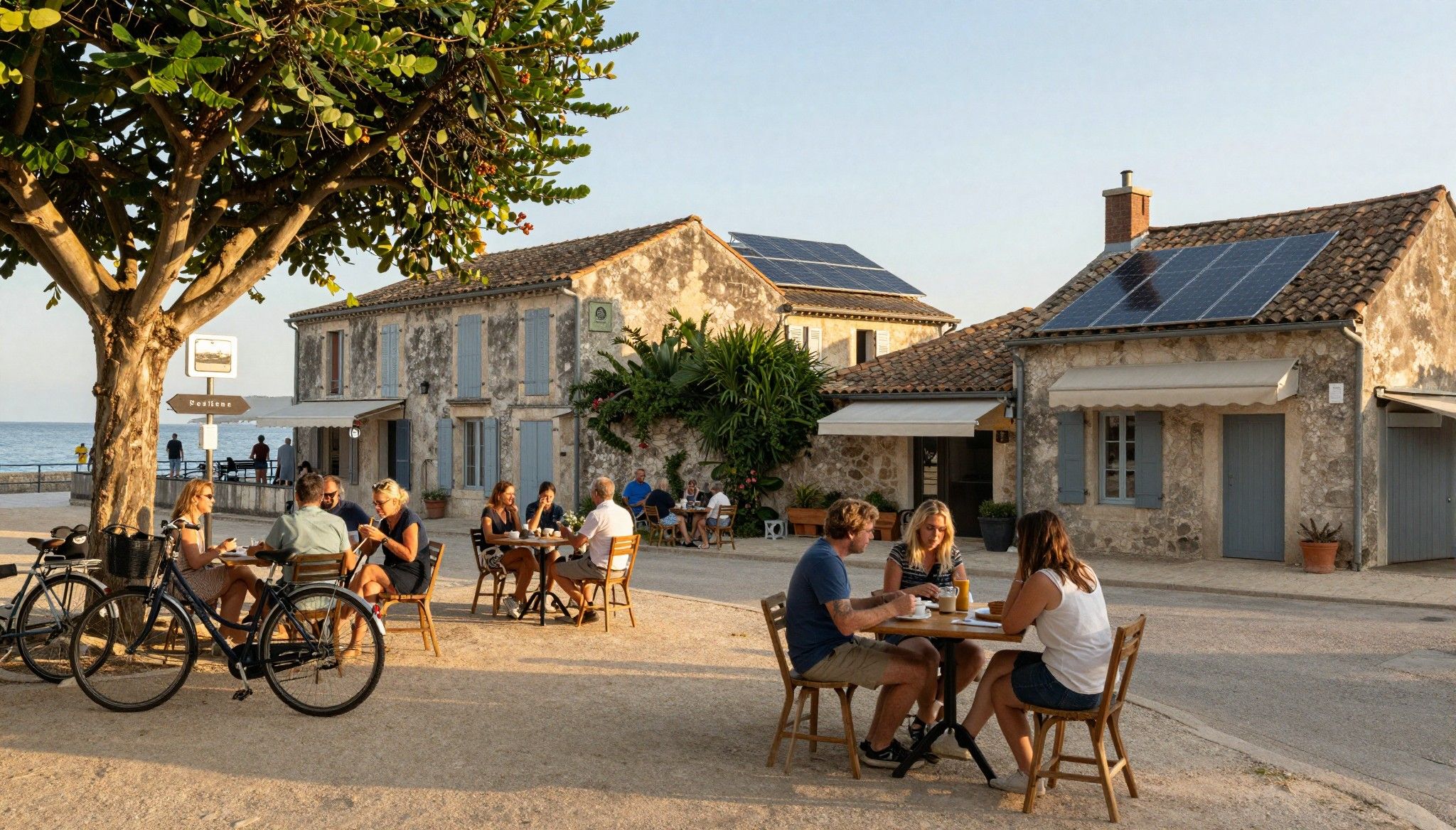
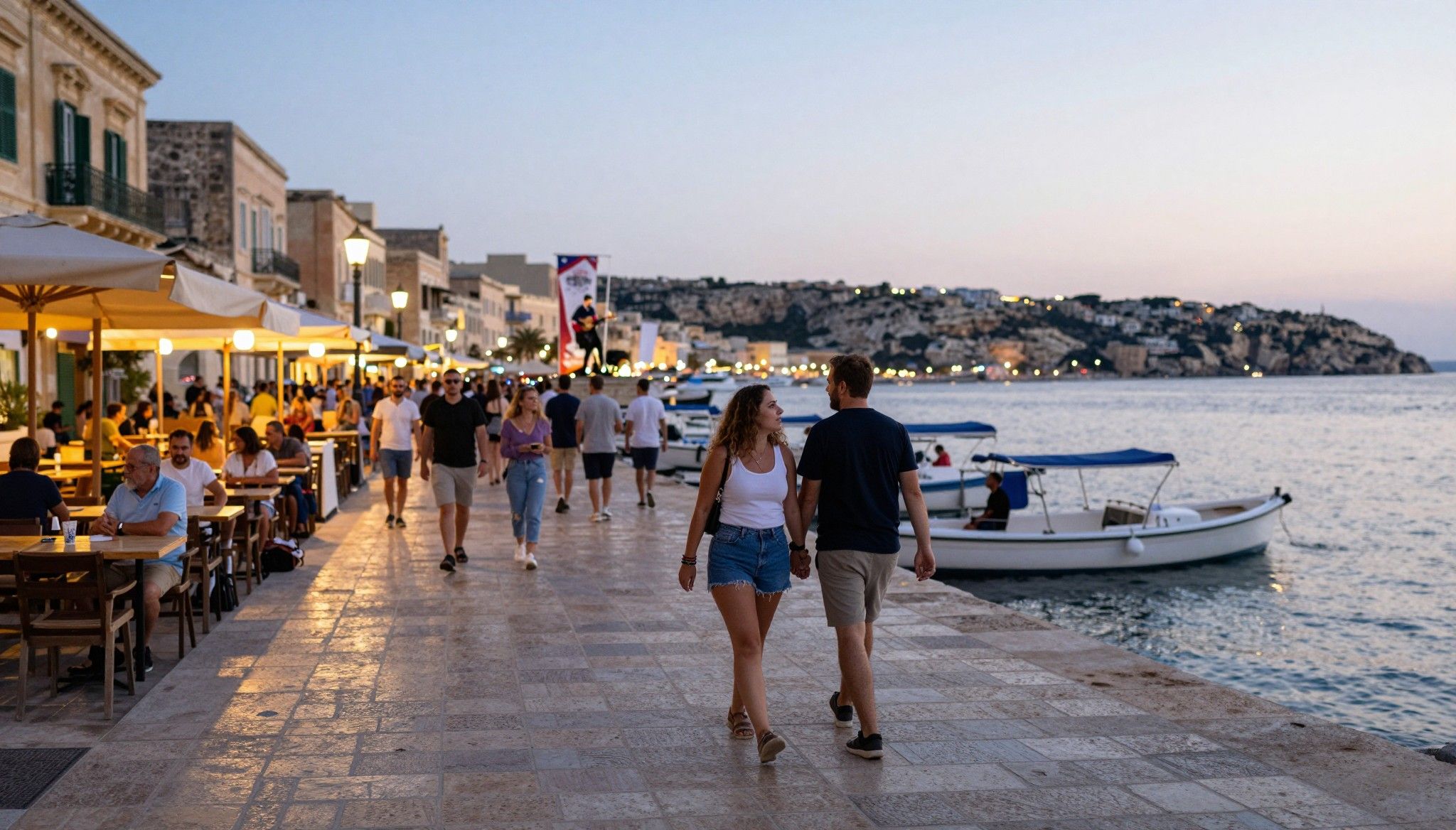
Walk the steep lanes of Vernazza or Camogli and you’ll find tiny bakeries, terraced gardens, and houses that cling to the rock. Liguria’s small-scale towns are intimate — the outdoors is a living room, and community life happens on steps and seafront promenades. For green buyers, this region offers solar-ready roofs and micro-renewable projects that fit into protected landscapes, but it also rewards careful restoration rather than flashy rebuilds.
Tuscany & Le Marche: olive terraces and forest trails
Inland, hilltop hamlets open to long views across olive groves and oak forests. Morning market rituals in towns like Cortona or Fermo anchor the week; find mornings among vendors and afternoons on forest paths. Traditional stone houses here lend themselves to low‑impact retrofits — think thermal mass, passive cooling, and rainwater capture — which keep the lived experience authentic while improving comfort and running costs.
Lifestyle Highlights: What You’ll Actually Do
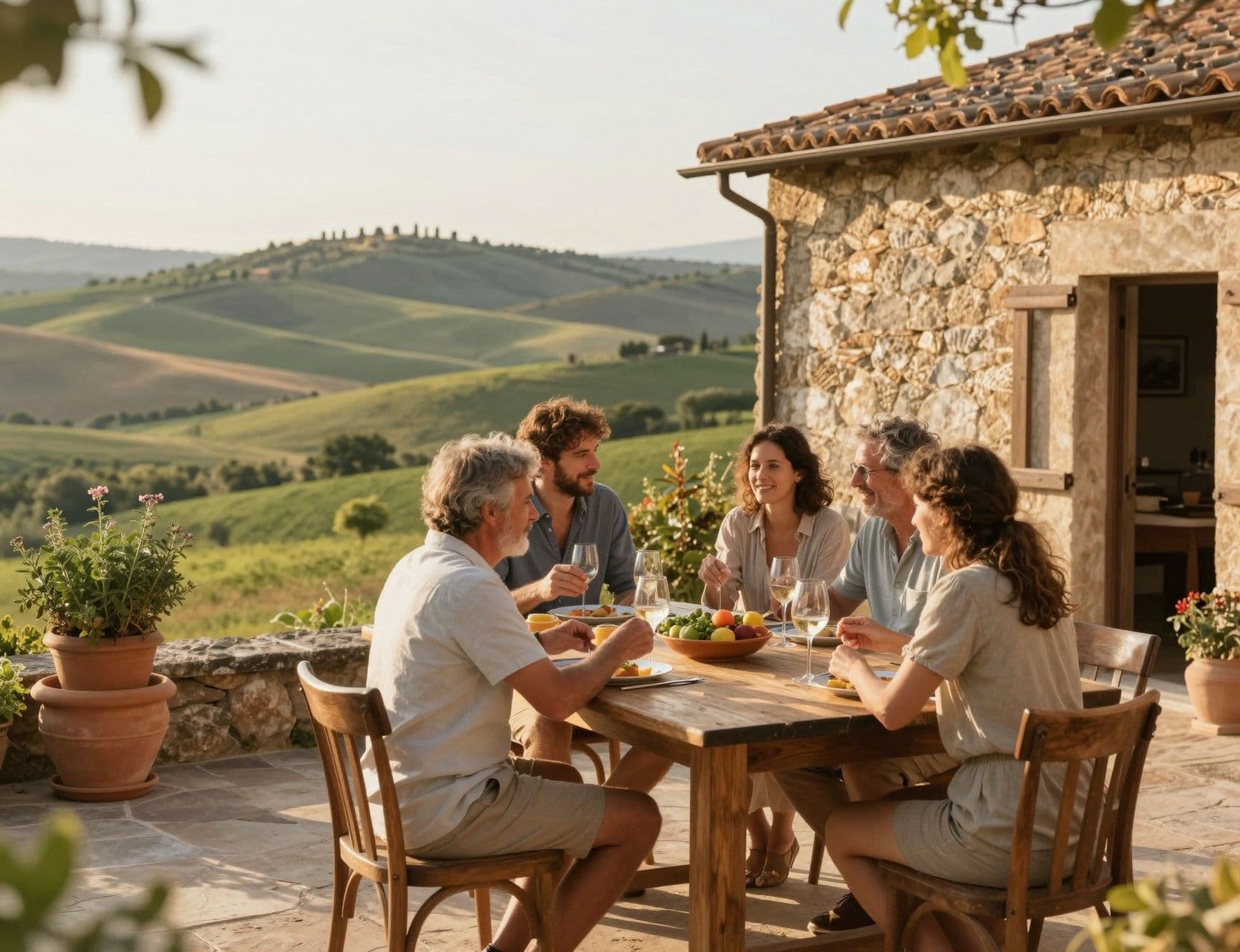
Life in Italy’s verdant coastal-forest zones is sensory and seasonal. You’ll follow market rhythms, know the best beach cove for low tide shell collecting, and learn when truffle sellers set up outside market squares. This is a life where slow food meets active outdoors — a recipe for wellbeing that resonates with buyers seeking nature-integrated living rather than isolated luxury.
- Weekly market at Piazza Matteotti (example local market), morning hikes in Parco Naturale Regionale, evening aperitivi on the marina
- Hidden beach coves such as Monterosso small bays, forested picnic spots in the Apuan Alps, and family-run osterias serving wood-fired bread and seasonal seafood
Making the Move: Practical Considerations with a Green Heart
The romance of olive groves meets market realities: recent national data show residential prices and transaction volumes have been rising steadily, with renewed buyer activity in 2024–2025. That means opportunities exist, but so do competition and timing considerations. A lifestyle-driven purchase benefits from on-the-ground expertise: local agencies who know seasonal cycles, restoration norms, and how to integrate renewable systems discreetly into heritage properties.
Property styles and what they mean for daily life
Stone casali offer thick walls and cool summers but often need updated services; seafront apartments give immediate coastal life but can require corrosion-resistant materials and careful insulation; small town terraced houses put you at the heart of community rituals but limit parking and private gardens. Match the building’s character to the life you want — a rustic kitchen garden needs land, a beach life needs easy access and storage for boards, a forest retreat needs good heating and rainwater systems.
Work with local experts who value stewardship
- Hire an agent familiar with eco-retrofits and local heritage rules.
- Commission an energy audit and a landscape plan before signing.
- Plan for permit timelines: restorations in protected zones take longer and need specialist architects.
- Consider financing that supports green upgrades — green loans or incentives can offset retrofit costs.
Insider Knowledge: What Expats Wish They’d Known
Expats often arrive charmed and then discover seasonal rhythms and community codes. In small towns, being present and consistent matters more than flashy gestures. Early-season property viewings reveal the real microclimate — how sun hits a terrace in winter, where winds funnel through a valley, and whether a garden floods in spring. Those details change comfort more than a tourist-perfect summer view.
Cultural integration, language and daily rhythms
Learning enough Italian to read local notices, speak with craftsmen, and understand municipal signage is a practical kindness that opens doors. Buy into local rhythms: market days, the midday pausa, festival weeks when trades close. Shops and services in smaller towns operate on human time; your agent should prep you for those cycles so planning and renovations run smoothly.
Long-term lifestyle and stewardship
Think beyond the purchase: who will maintain the olive trees, who will manage the property in low season, and how will climate shifts affect water and heat? Buyers who plan for community stewardship — engaging neighbours, hiring local carpenters, and installing modest renewables — preserve both value and the living landscape. The best decisions balance modern comfort with the site’s ecological rhythm.
If you’re dreaming of Italy’s green coasts and forested hills, start by visiting outside the high season, bring a local agent versed in restoration and renewables, and ask for energy audits and landscape plans before making an offer. With patient stewardship you’ll not only buy a house — you’ll join a living place that rewards care with deep, everyday beauty.
British expat who traded Manchester for Mallorca in 2017. Specializes in guiding UK buyers to luxury Spanish estates with clear navigation of visas and tax.