Why Autumn Viewings Reveal True Value in France
Fall and off‑season viewings in France reveal hidden value, permit timing and true energy performance — essential checks for eco‑minded international buyers.
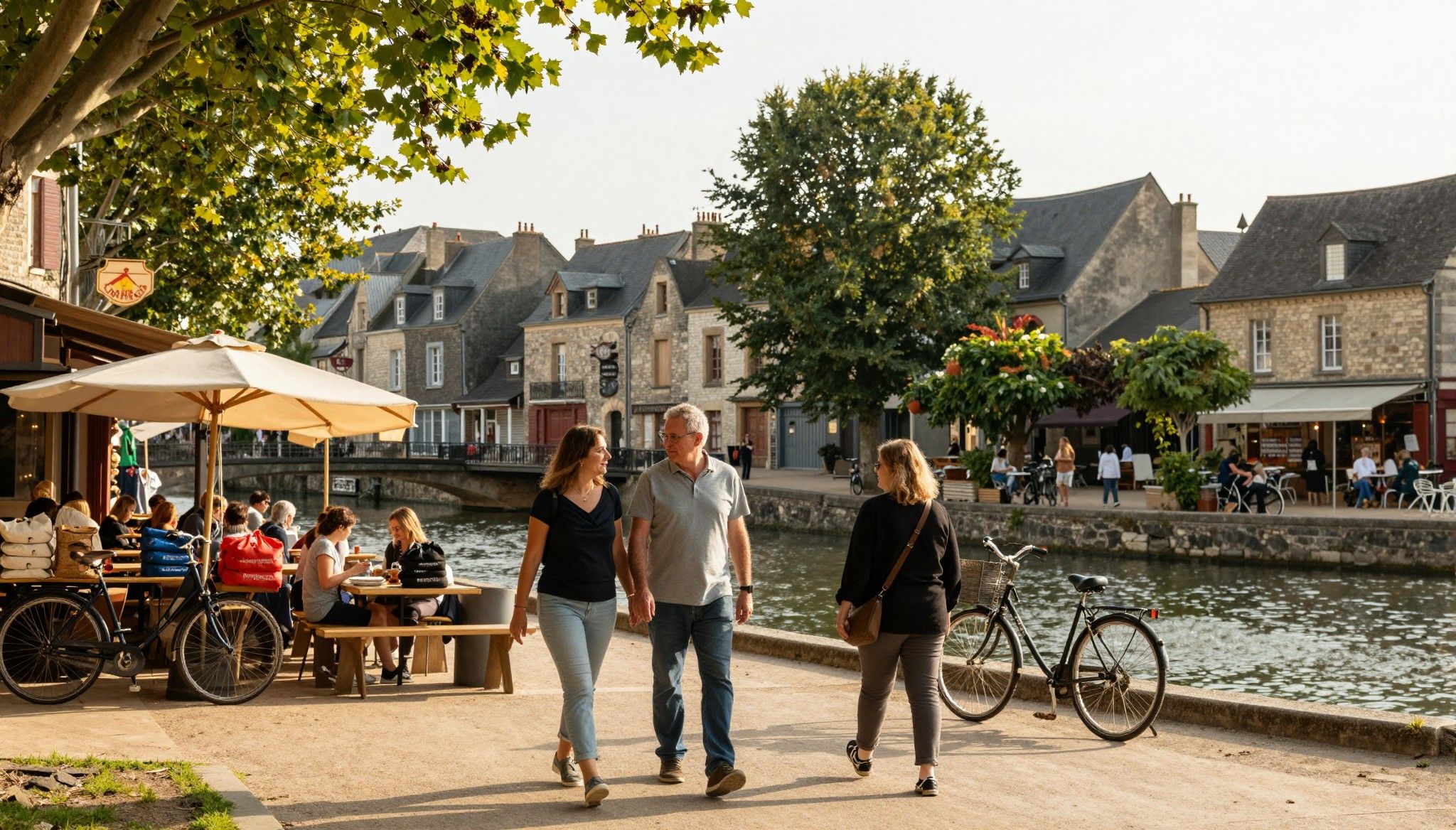
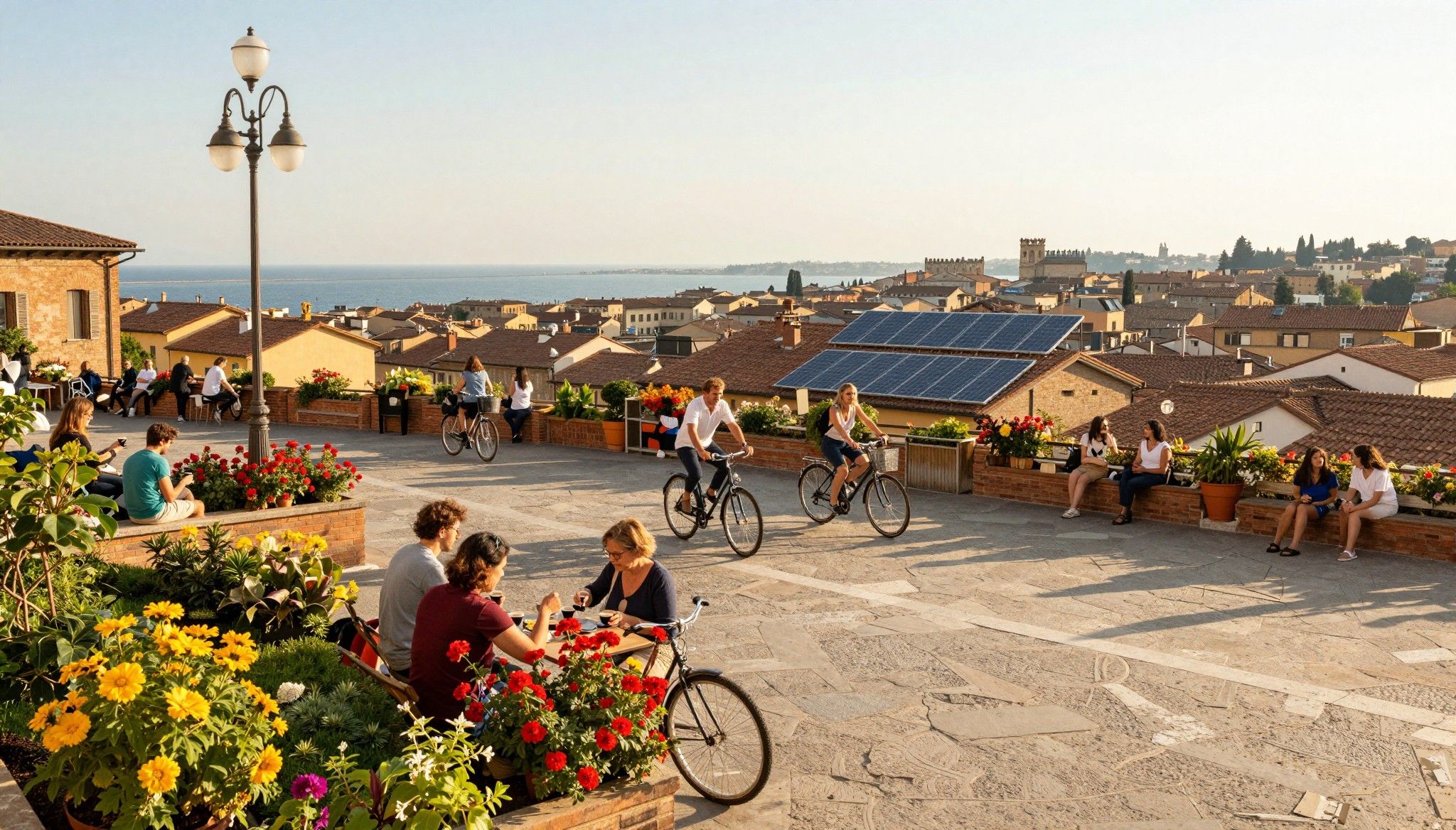
Imagine waking to a marché in Aix‑en‑Provence where piles of chestnuts and late apples scent the air, artisans tuck their wares under awnings, and the light softens over stone rooftops. That gentle autumn hush is not just atmosphere — it shapes how neighbourhoods breathe, how gardens recover from summer, and how local prices and permit rhythms quietly realign. For international buyers who care about long-term value and low‑impact living, timing your move around seasons and municipal cycles can reveal opportunities that raw price charts miss. Here we mix the lived experience of place with targeted due‑diligence: permits, local rules, and market signals that matter in France.
Living France: rhythms, rituals and places that ground you
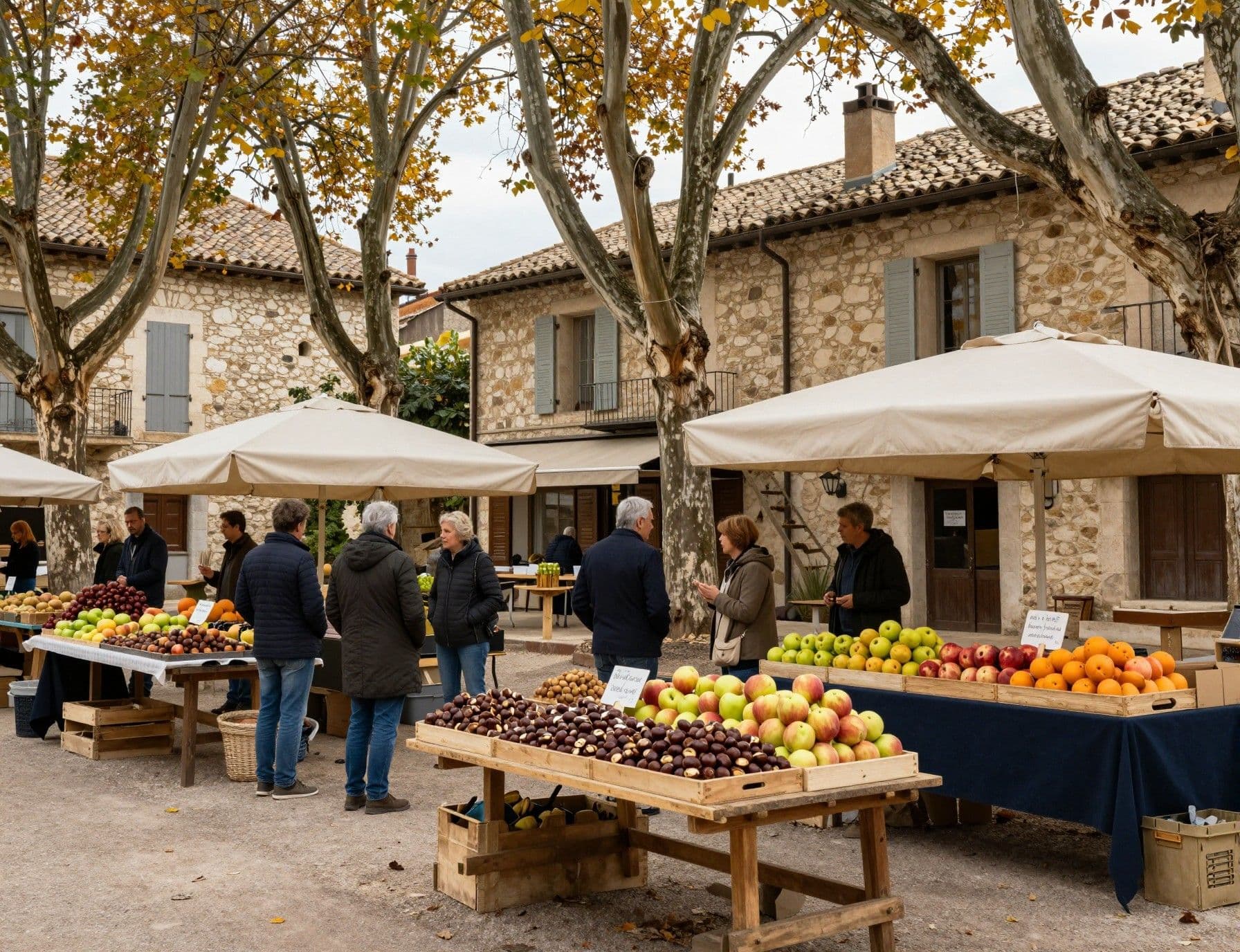
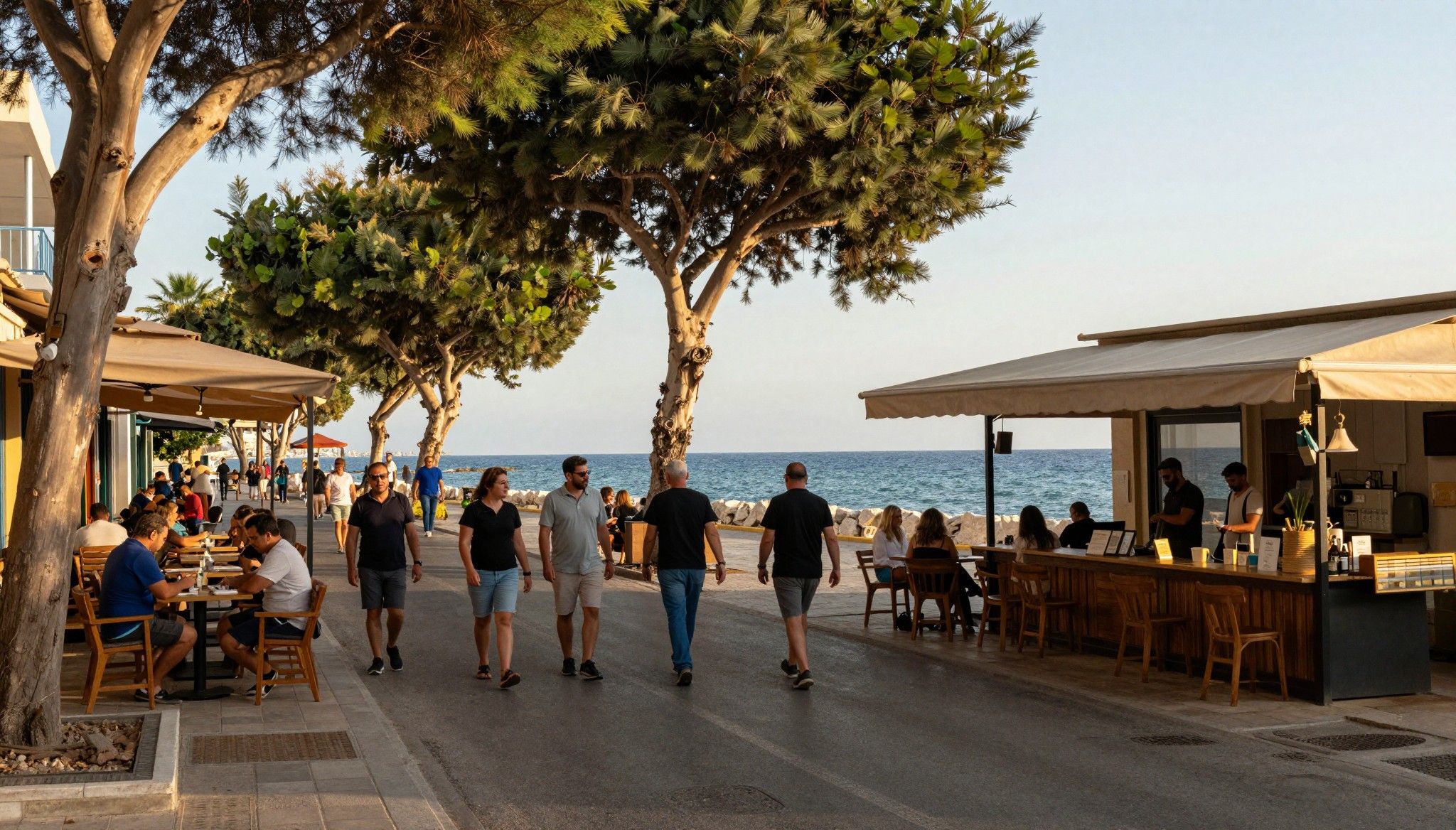
France reads like a patchwork of daily rituals — cafés in the morning, relaxed déjeuner hours, long walks in village lanes, and weekend markets that set the tempo. From the salt‑scoured promenades of Biarritz to the honeyed streets of Sarlat, life feels curated by seasons and soil. For buyers, this means your home choice must answer not just square metres but how you want to live through spring bloom, summer festivals, autumn harvest and winter quiet. Pay attention to market micro‑rhythms: some communes plan renovations, festivals, or infrastructure works that shift demand and permit timelines.
Neighbourhood spotlights: Paris’s courtyards, Provence’s lanes, Brittany’s coves
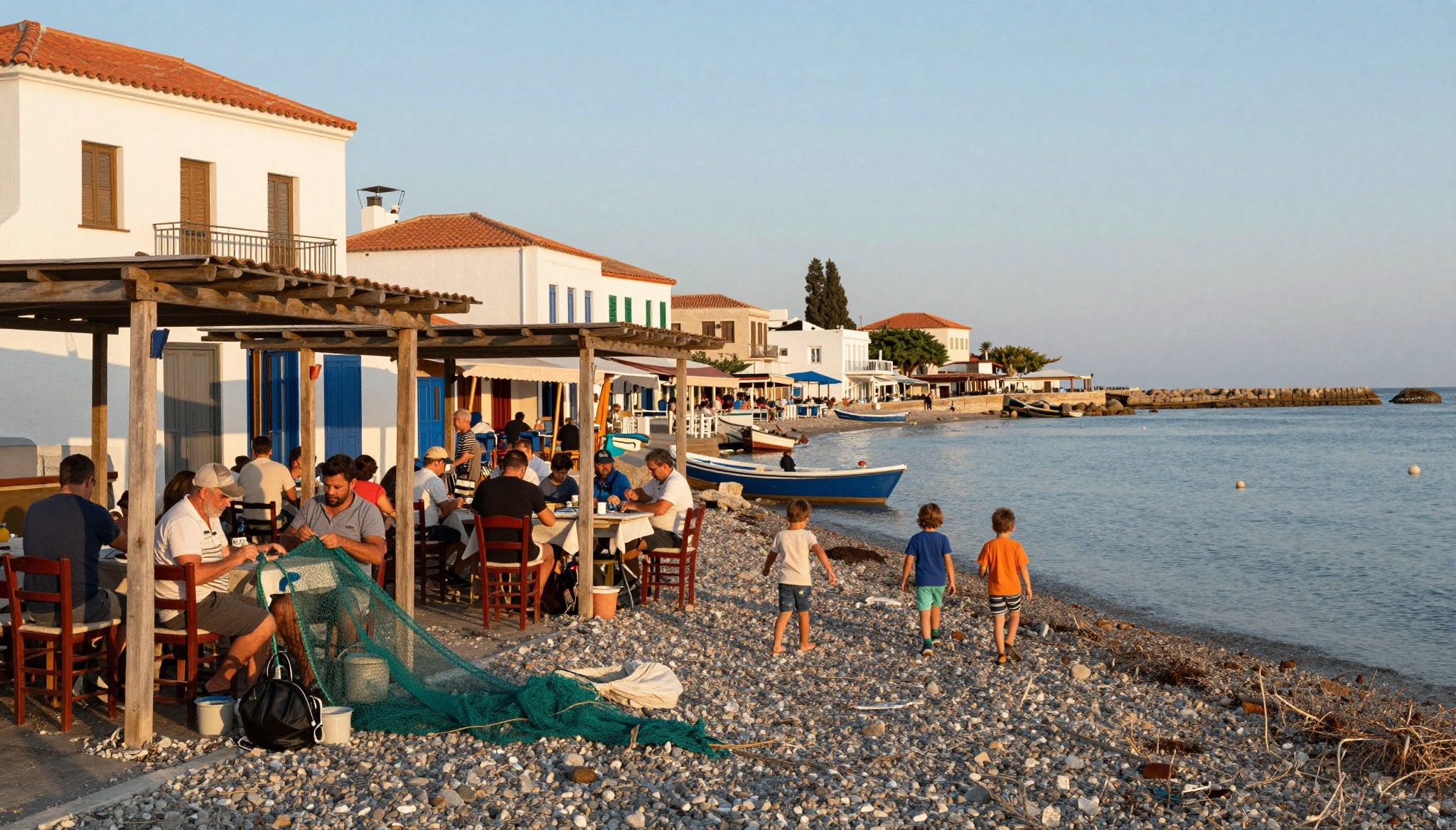
In Paris, choose a courtyard‑front apartment on Rue de Beauce for morning boulangerie runs and the quiet intimacy that masks the city’s tempo. In Provence, the lane beside Place des Cardeurs in Avignon offers shade, market access and a gardening culture that rewards terraces and cisterns. On Brittany’s coast, small ports like Saint‑Goustan keep fishermen’s rhythms and invite homes built for salt‑air resilience. These are real streets where the daily life you imagine actually happens — and where local permit histories, building materials and exposure to the elements matter for long‑term stewardship.
Food, markets and the social fabric that shapes value
- Weekends in France are often local festivals and harvest markets rather than open houses; these events reveal community investment and the practical upkeep of homes. Sellers who rely on summer tourists to stage properties can obscure winter wear and permit backlogs; autumn viewings expose true fabric and energy performance. The Notaires reports and INSEE data show how prices and transaction volumes shift across seasons, and why buyers who observe a place across two seasons see a different reality than those who visit for a single sun‑soaked week.
Making the move: practical checks that protect lifestyle and value
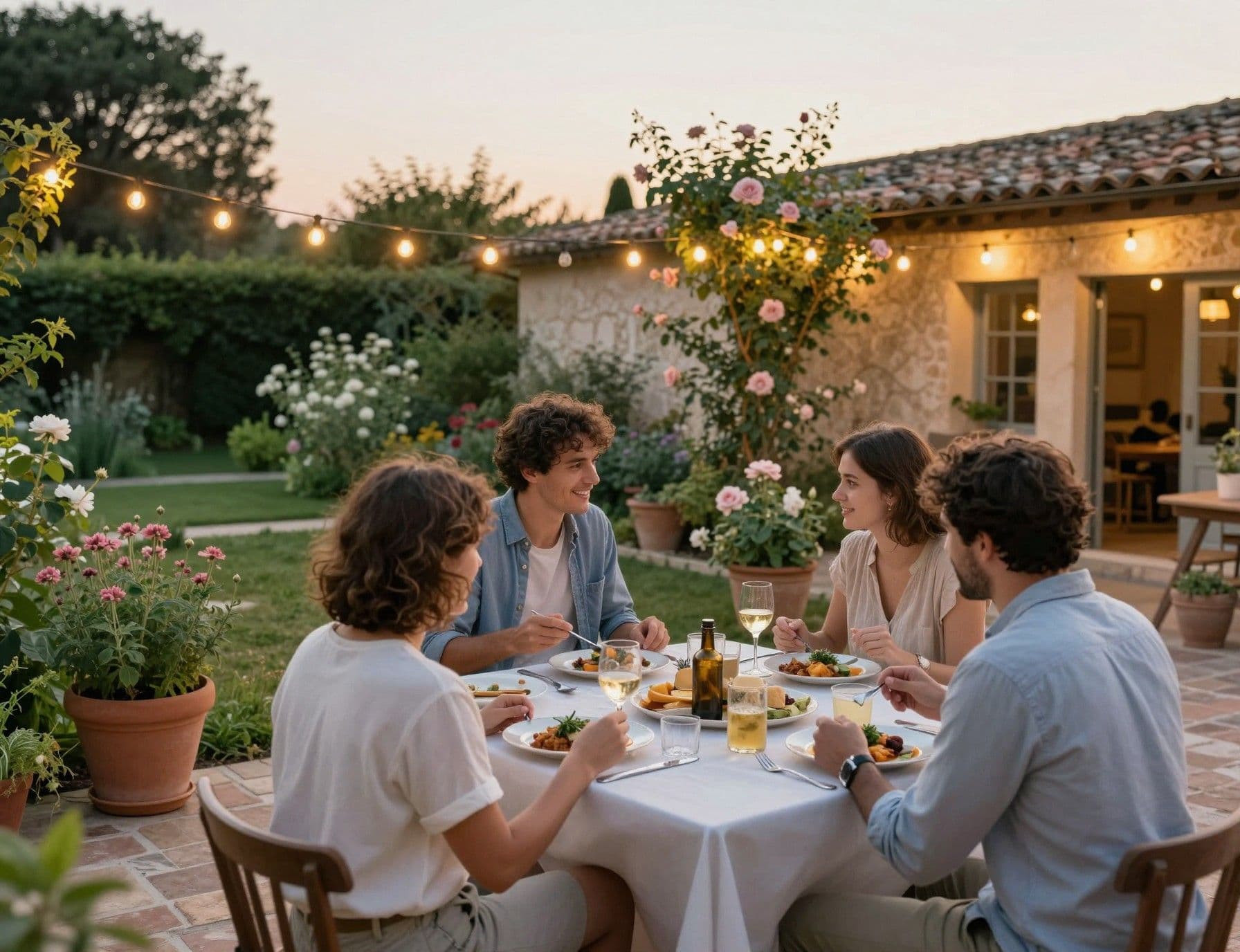
After falling and stabilising in recent years, French housing prices now show modest regional rebounds, according to INSEE and the notarial chambers. That recovery is uneven; coastal towns and major cities often move faster than rural hamlets. For an eco‑minded buyer, the key due‑diligence steps are simple but non‑negotiable: check energy diagnostics and renovation history, inspect permit records with the mairie, and ask the notaire about local taxes and non‑resident obligations that affect running costs. These practical checks keep the romantic lifestyle vision aligned with long‑term stewardship.
Property styles & what they mean for low‑impact living
Stone farmhouses in Dordogne bring thermal mass and character but often need upgraded insulation and attention to rising damp. Haussmannian flats in Lyon or Paris are charming and centrally located but can be costly to retrofit for renewables. New builds offer better EPCs but sometimes lack local character and mature landscaping. Match the property style to the sustainability interventions you’re willing to invest in, and insist on up‑to‑date diagnostics (DPE) and water/soil reports before you commit.
Working with local experts who keep the lifestyle promise
- A good local team will translate cultural norms, surface permit timelines, and manage sustainable upgrade pathways. Engage a notaire early to confirm legal status and taxes, hire an architect familiar with heritage rules for renovations, and find an agent who knows municipal planning rhythms. Sustainable lenders and installers should be part of early conversations so you can budget for solar, insulation or water management in your offer. These experts make the dream practical and keep your stewardship obligations realistic.
Insider knowledge: what expats wish they'd known before buying in France
Expats often underestimate how municipal calendars, seasonal festivals and local building codes influence both lifestyle and price. A house that is perfect in August may feel isolated in November if transport links or local services scale back. Conversely, properties bought after harvest or during off‑season viewings often reveal maintenance issues and realistic energy costs that sellers hide during peak season visits. Observing a place through two seasons is the simplest insider trick to align expectation with reality.
Cultural integration, language and community
Learn a handful of phrases that open doors: hello, merci, pardon, and a respectful enquiry about local environmental rules. Attend a market or mairie meeting to see how residents debate planning, water management and festivals. Communities in smaller communes prize relationship and reciprocity; your willingness to tend a shared garden or help at a fête will build goodwill and useful local knowledge about permits and works. The lifestyle you want is often made possible by being present and respectfully engaged.
- Red flags and practical checks before you sign
- Unresolved planning permissions or roof works without authorisation; missing energy diagnostics or suspiciously low utility bills that hide poor insulation; flood or subsidence risk not declared in the dossier; a high seasonal vacancy rate that affects local services and community life; unclear ownership shares in co‑owned properties that complicate renovations. Ask the notaire and mairie directly and record answers in writing.
- Step-by-step winterising and permit checklist for buyers: 1) Request the full diagnostic dossier (DPE, plomb, amiante, termites) and a recent energy consumption history. 2) Visit the mairie to review the local PLU (plan local d’urbanisme) and building permit archives. 3) Commission a structural inspection and a geotechnical note for rural plots or sloping sites. 4) Ask the notaire for a clear breakdown of taxes, possible local levies, and any shared charges before signing the compromis.
Conclusion — imagine signing the acte in late autumn, when the vines have shed leaves and the village feels settled rather than staged. You will know the house by how it endures off‑season, the warmth of its neighbours, and the clarity of its permits. Work with people who see stewardship as part of the sale: notaires who explain tax realities, agents who know seasonal rhythms, and builders who respect traditional materials. Start by visiting in shoulder season, bring your questions to the mairie, and let place guide your purchase as much as price.
Norwegian market analyst who relocated from Oslo to Provence; guides investors with rigorous portfolio strategy and regional ecological value.