Italy's Green Boom: Where Value Hides
Italy’s quiet green transition is shifting value inland: discover neighbourhoods where renewables, community projects and seasonal life create affordable, sustainable living.
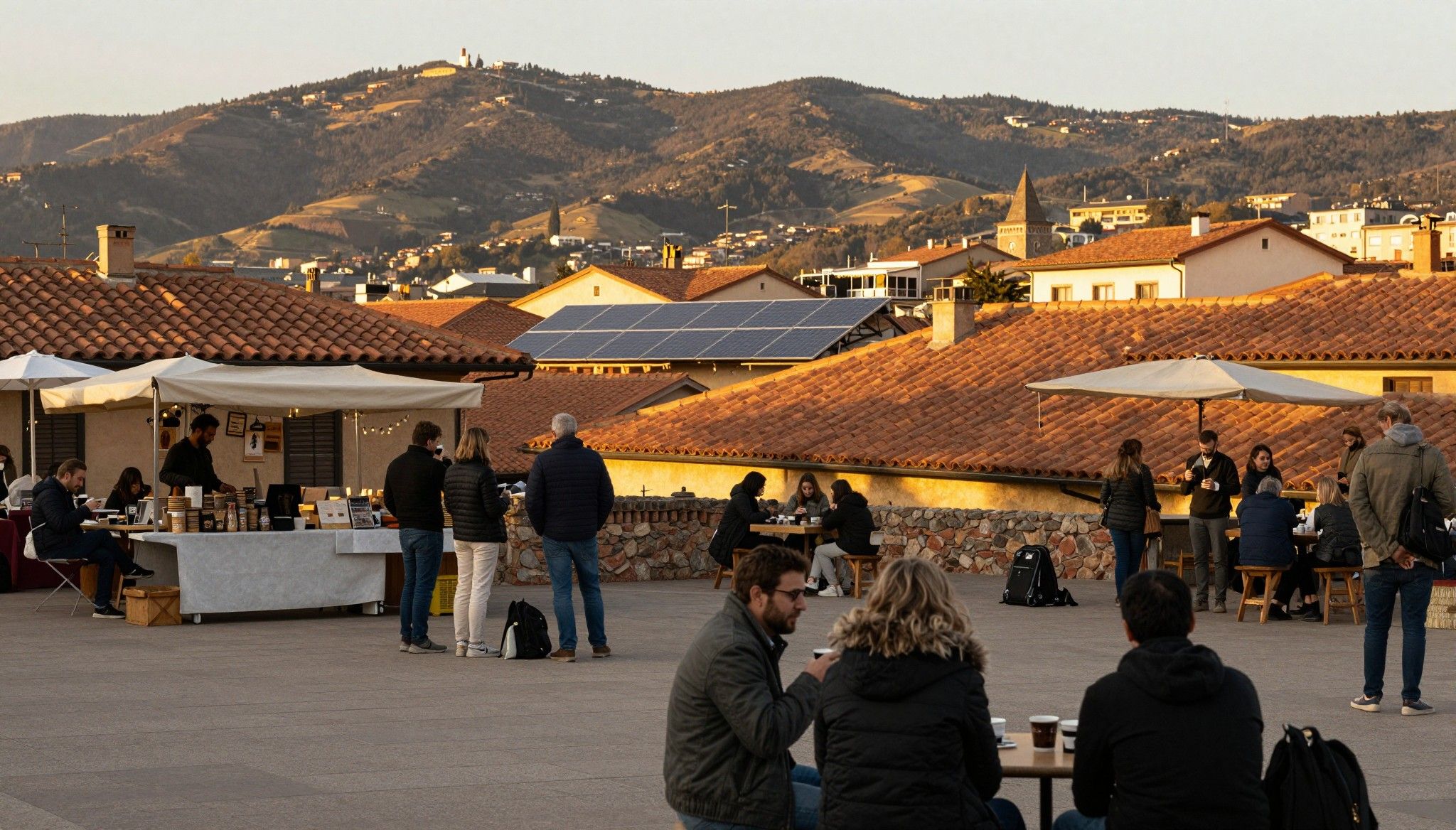
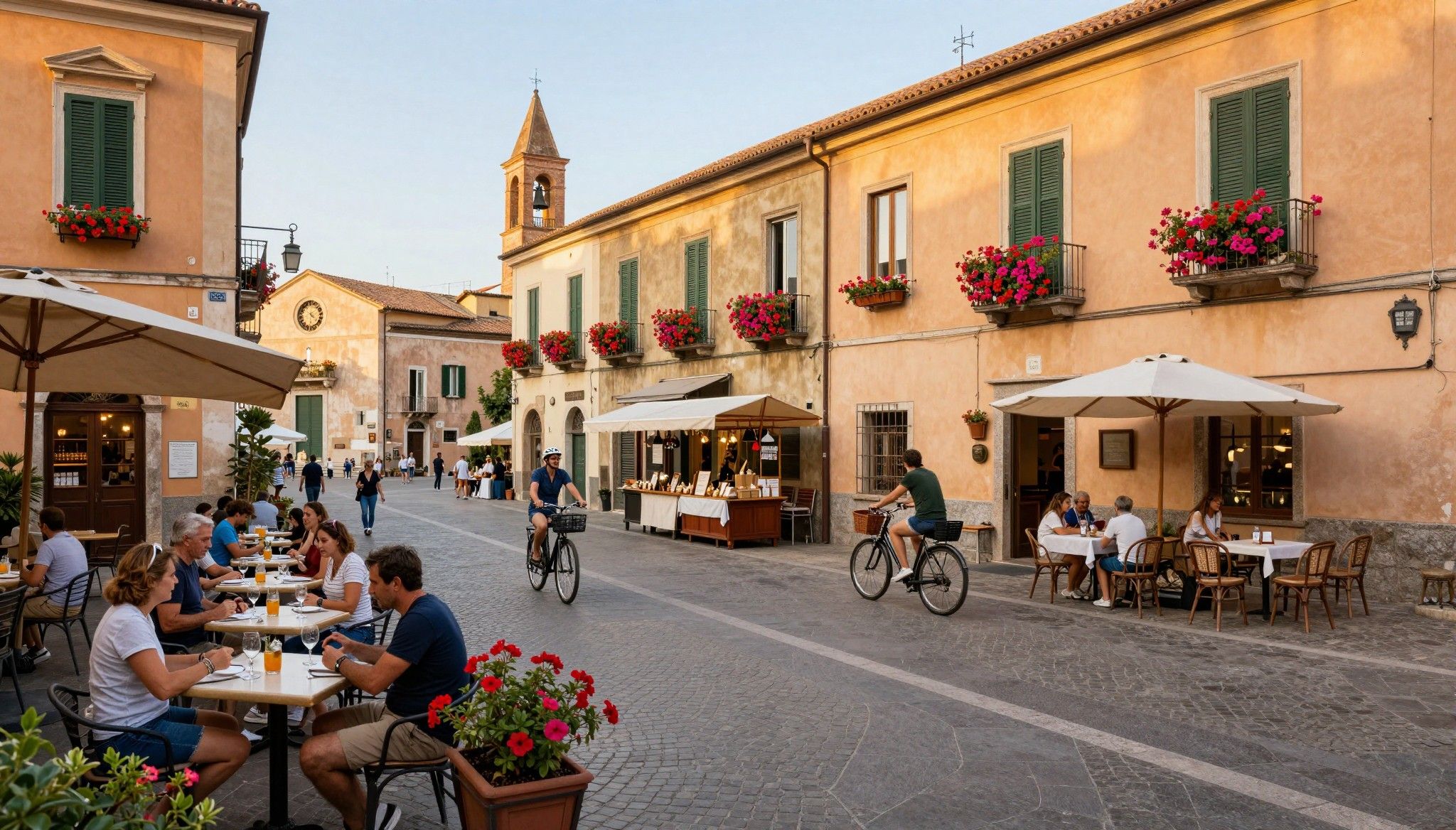
Imagine stepping out onto a piazza at dawn in a small Italian hill town — espresso steam curling in the cool air, a farmer’s van backing into the market square, and sunlight catching on terracotta roofs that glow warm and lived‑in. Italy still trades in slow rituals: morning coffee at the bar, a long weekday lunch in town squares, and Saturdays at the mercato. But beneath that timeless rhythm, a new, greener infrastructure is quietly reshaping property value: solar arrays on farmhouse roofs, revived local grids, and public investment in sustainable transport. For international buyers drawn to nature, craft and community, those green shifts don’t just change the electricity bill — they change where affordability and lifestyle converge.
Living the Italian life — rethought by renewables
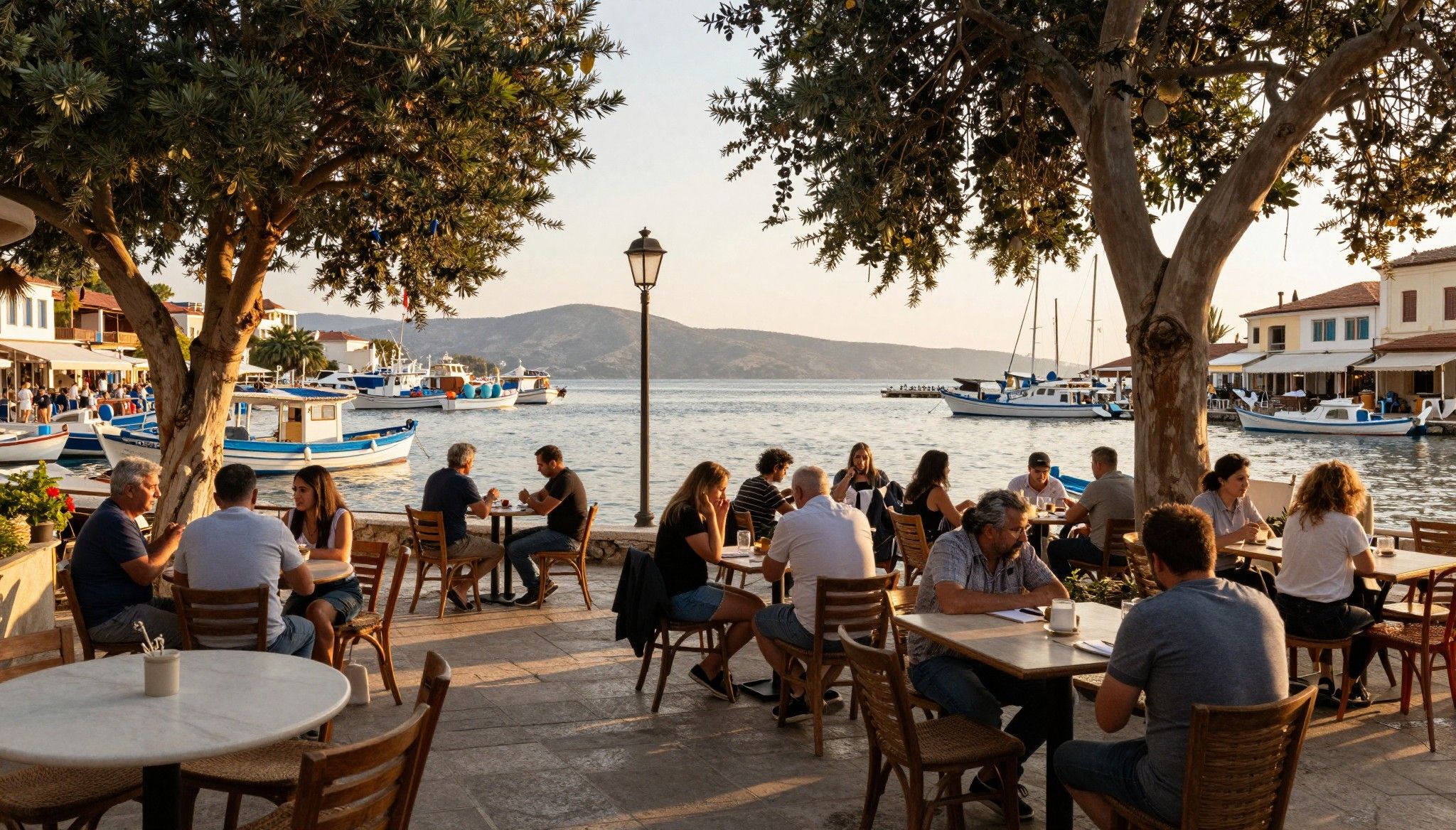
City mornings still smell of fresh bread and espresso, while coastal afternoons are salted with the sea breeze and late light. Yet the everyday scene now includes solar panels on small apartment terraces in Puglia, community energy cooperatives in Emilia‑Romagna, and EV charging points at municipal parking in Liguria. Public funds from Italy’s updated recovery plans have channelled investment into sustainable mobility and local infrastructure, making green living practical rather than aspirational. That means the life you come for — walkable markets, slow food rituals, and sea or hill retreats — increasingly pairs with energy independence and quieter neighbourhoods.
Towns where mornings still unfold slowly (but sustainably)
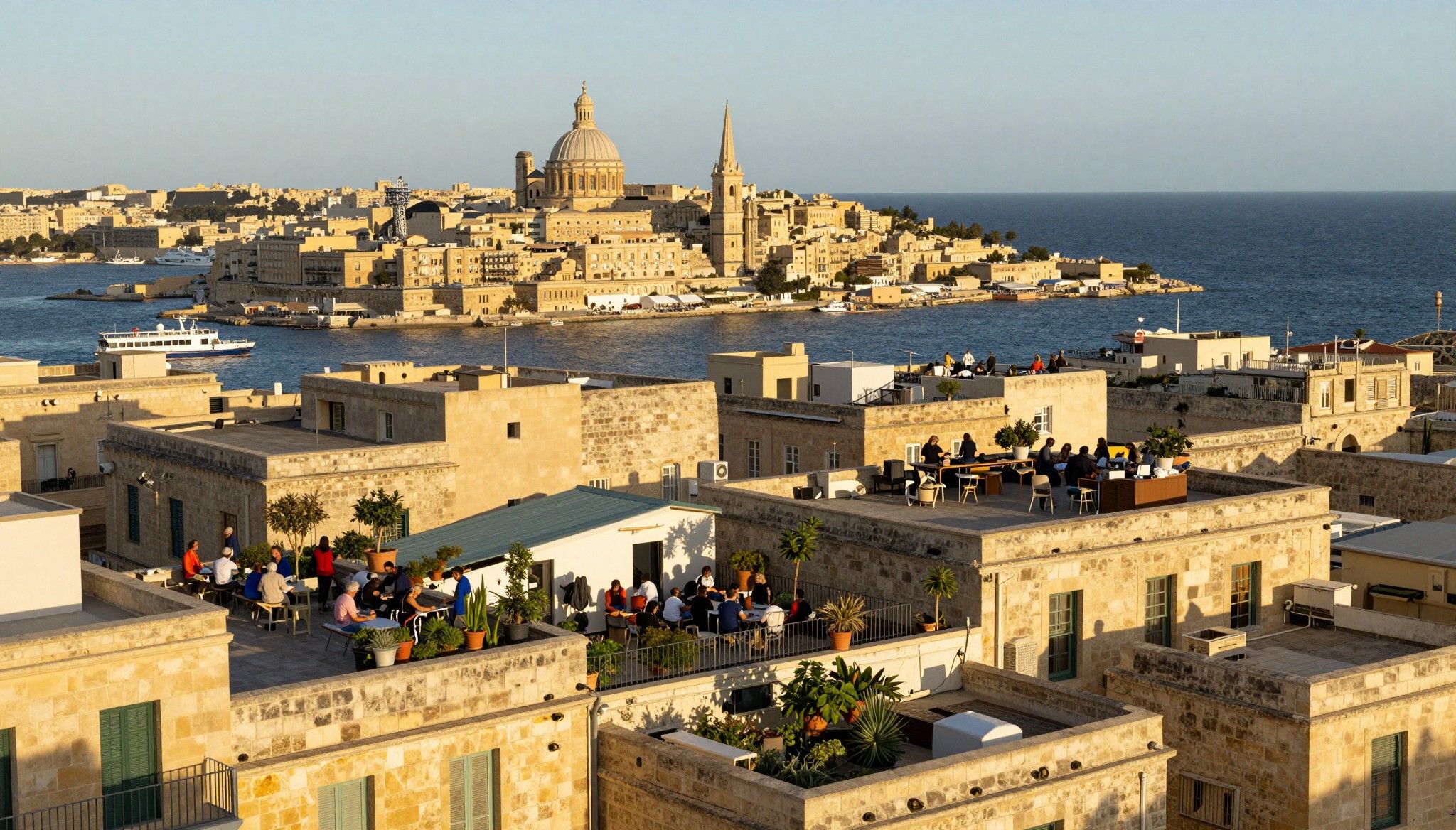
Think of towns like Matera, Orvieto or the lesser‑known inland villages of Le Marche — stone streets, community gardens, and small cooperatives retrofitting roofs for PV. These places keep the tactile pleasures of Italian life while adding pragmatic green upgrades: rainwater harvesting systems in communal gardens, solar hot water on terraces, and local incentives for energy‑saving renovations. The result is a lived‑in authenticity with lower running costs and a gentler footprint than many seaside resorts where tourist demand inflates prices and energy strain during summer months. For buyers who value calm and seasonal living, these towns are quietly compelling.
Food, markets and the rhythm of seasons
Imagine buying morning fruit from a farmer who also manages the local solar cooperative. Italy’s energy mix has shifted significantly — renewables covered a record share of electricity demand in recent years — and that shift ripples into markets and daily life. Seasonal festivals remain the heartbeat of towns, but expect festival lighting and logistics increasingly powered or coordinated around local grid resilience. For international buyers, this means investing in places where cultural continuity and green infrastructure strengthen each other: seasonal markets become year‑round community anchors supported by more reliable, cleaner local power.
- Lifestyle highlights worth looking for
- Morning espresso at Caffè Bistrot on Via Roma, then the Saturday farmer’s market where producers bring biodynamic olive oil and seasonal fruit.
- Sea swims at lesser‑crowded coves on the Amalfi coast in shoulder season, followed by late afternoon aperitivo in a piazza powered partly by local PV micro‑grids.
- Weekend hikes through chestnut woods in Tuscany that end at small agriturismi practising regenerative farming and selling local wine.
Making the move: lifestyle‑first practicalities
Dreams of terraces, local markets and long dinners are the reason many of us look to Italy, but the property checklist should reflect the country’s green transition. Whether you want a rustic stone casa with room for olives or a compact apartment in a hill town, check the property’s energy setup, possibilities for on‑site renewables, and proximity to local services that run year‑round. Local incentives and national programmes are changing fast — recent infrastructure plans and EU funds have prioritised green projects — so timing and local expertise matter when negotiating price and renovation potential.
Property types and how they support green living
Stone farmhouses offer thermal mass and thick walls that perform well with passive cooling, while renovated town apartments with insulated roofs and modern glazing are increasingly fitted with compact heat pumps. Newer eco‑builds in peri‑urban areas often include shared gardens, EV charging and photovoltaic canopies in communal courtyards. Match the property type to how you plan to live: seasonal retreats need good thermal retention and local services; year‑round homes benefit from integrated renewables and efficient heating.
Work with agents who care about green reality
A local agent who understands solar yield, permits for PV, and the rhythms of community energy projects will save you time and money. They can point you to towns with active energy cooperatives, advise on permitted rooftop installations, and help prioritise properties that already have meaningful efficiency work. Ask for recent examples of energy upgrades they’ve brokered and whether they work with trusted local architects who specialise in low‑impact restorations.
- Steps to blend lifestyle and practical buying (numbered)
- Visit in the shoulder season to feel true neighbourhood life and assess energy needs outside the tourist high season.
- Ask for recent energy bills and Terna/TSO production context to understand local grid balance and renewable penetration.
- Get a local architect or engineer to estimate PV yield, insulation needs, and simple regenerative upgrades that respect traditional fabric.
Insider knowledge: what expats wish they’d known
Expat stories converge around three truths: community matters more than square metres, green infrastructure alters day‑to‑day costs, and seasons change the value equation. Many buyers overestimate seaside glamour and underestimate the quiet value of inland areas where renewable investment and lower tourist pressure create better long‑term living. Local language helps, but what helps more is a network: a builder who knows historic walls, a neighbour who shares tools, and an agent who prefers stewardship over quick flip.
Cultural notes that affect where you settle
Italians value place continuity: shared courtyards, local festivals and family workshops. That social fabric means buying in a neighbourhood requires patience and respect — join the market, learn a few phrases, and attend local events. Those small steps unlock invitations to community projects like cooperative gardens or shared solar initiatives, which in turn reduce costs and deepen your sense of belonging.
Longer‑term lifestyle realities
Over five to ten years, places investing in green infrastructure tend to stabilise value and attract steady, like‑minded neighbours rather than volatile short‑term visitors. That means a restored farmhouse with solar, good insulation and water management will likely age into a resilient, lower‑cost home that supports a slow life. For buyers who imagine a garden, local vegetable trades and a strong neighbour network, these are the properties that become sanctuaries rather than showpieces.
- Red flags to watch for (bullet list)
- Properties advertised as “off‑grid” but lacking clear permits or realistic water sources — verify permits and local well access.
- Sellers who resist sharing recent energy bills or refuse inspections — transparency is essential for green upgrades.
- Locations with heavy summer tourism and strained services — high peak demand often hides off‑season strain on infrastructure.
If you love the idea of Italian life — the markets, the long dinners, the quiet morning walks — let green infrastructure be the lens that helps you choose. Look beyond headline price per square metre: seek towns with active renewable projects, sensible community plans, and agents who speak the language of stewardship. Start with a shoulder‑season visit, bring a local expert for energy checks, and treat the purchase as the first act of long‑term care for a place you hope to call home.
Danish relocation specialist who moved from Copenhagen to the Algarve; supports families with seamless transitions, local partnerships, and mindful purchases.