Malta’s Hidden Green Value: Solar Roofs and Lifestyle
Malta’s rising solar capacity rewrites value: choose homes for roof‑sun, walkable rituals and retrofit potential to pair lifestyle with lasting green advantage.
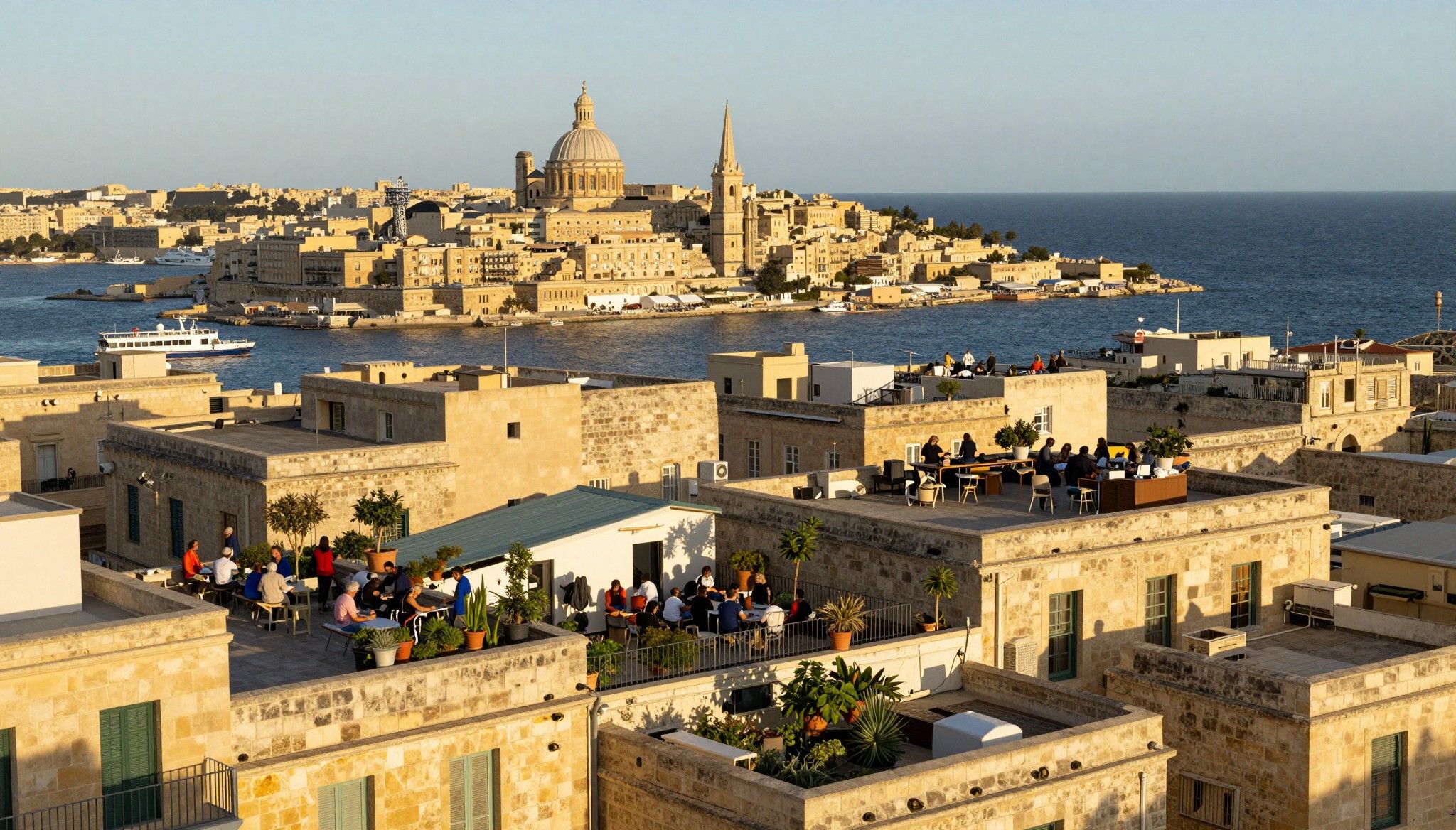
Imagine stepping out at dawn onto a narrow Valletta balcony, the air already warm with salt and baking bread, and watching a row of terraced roofs catch the first clean light of a solar morning. That domestic sun—captured on neighbours’ rooftops and in new community projects from Sliema to Gozo—is quietly changing how people live here, and how properties hold value. For international buyers who care about nature, resilience and a life shaped by seasons, Malta isn’t only coastline and history; it’s a compact experiment in renewable living.
Living the Malta lifestyle: compact, sunlit, surprisingly green
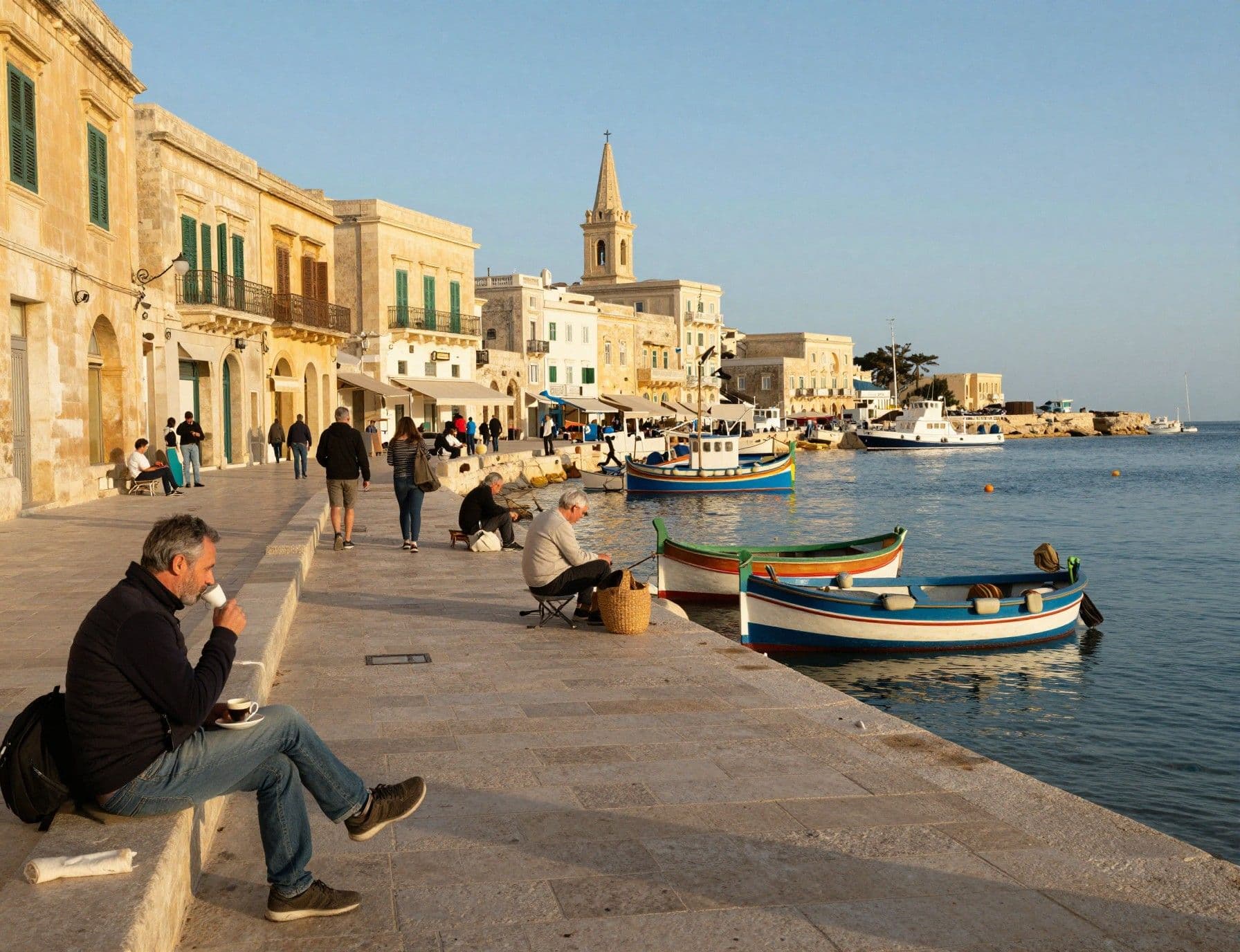
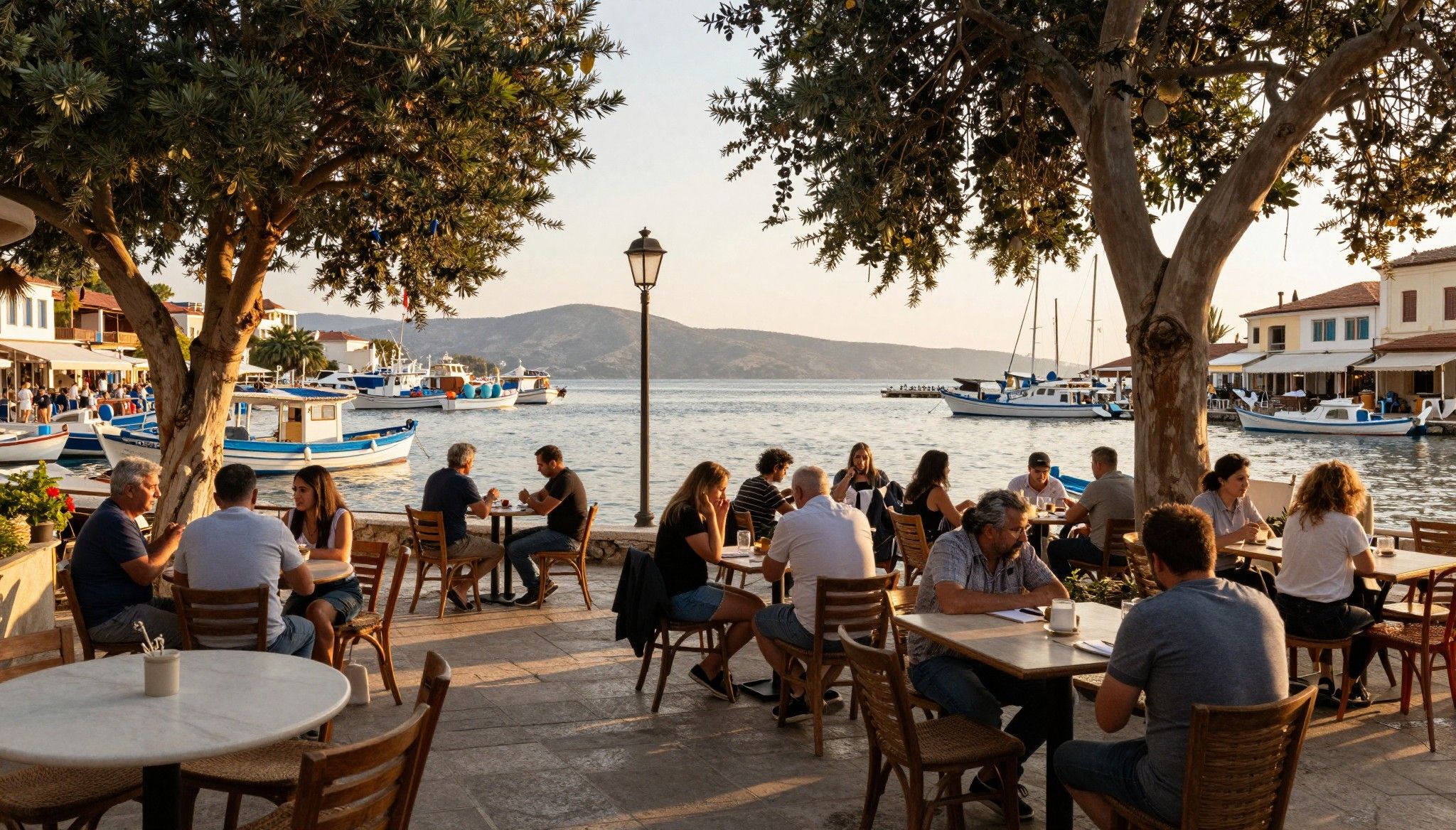
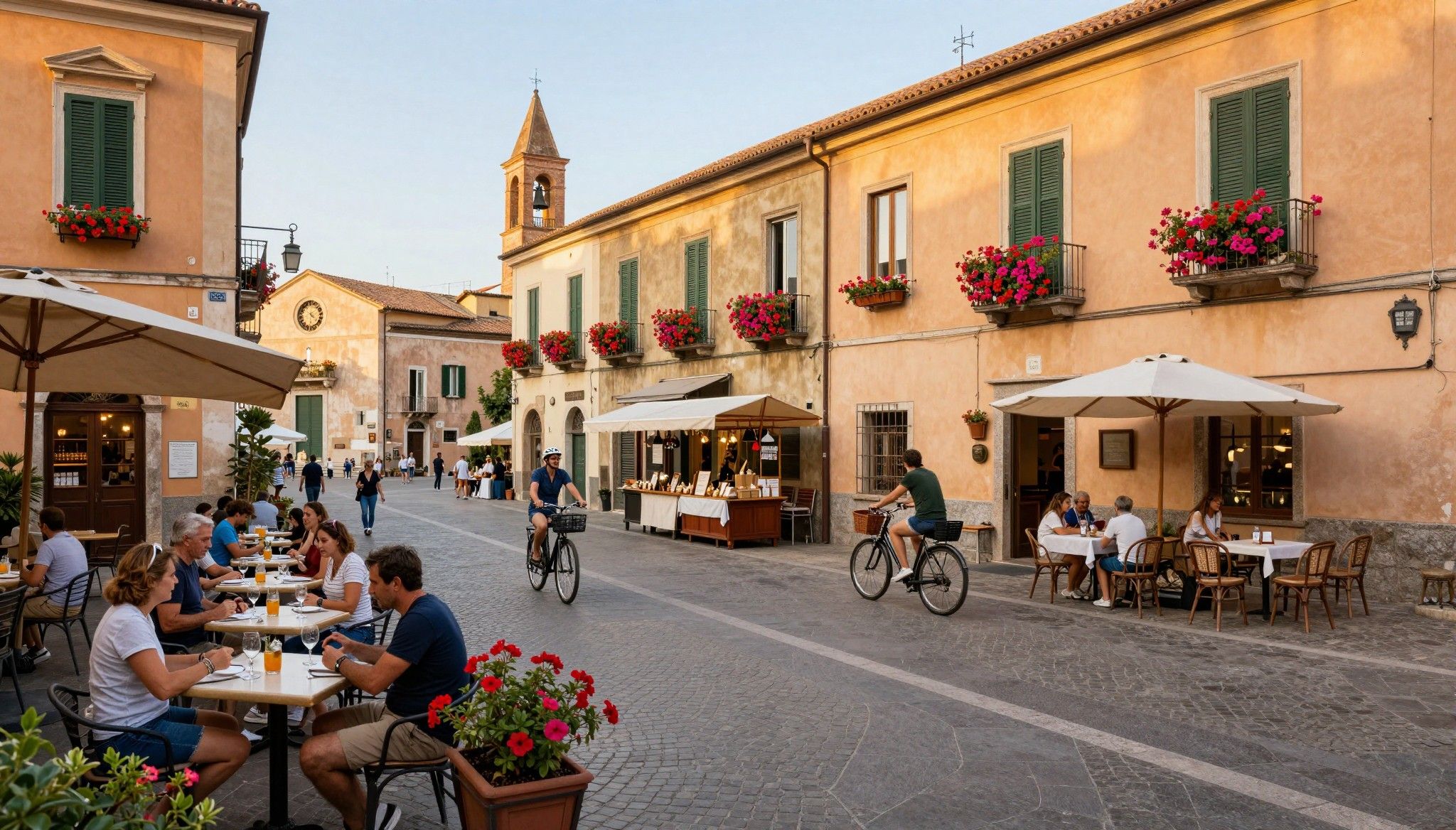
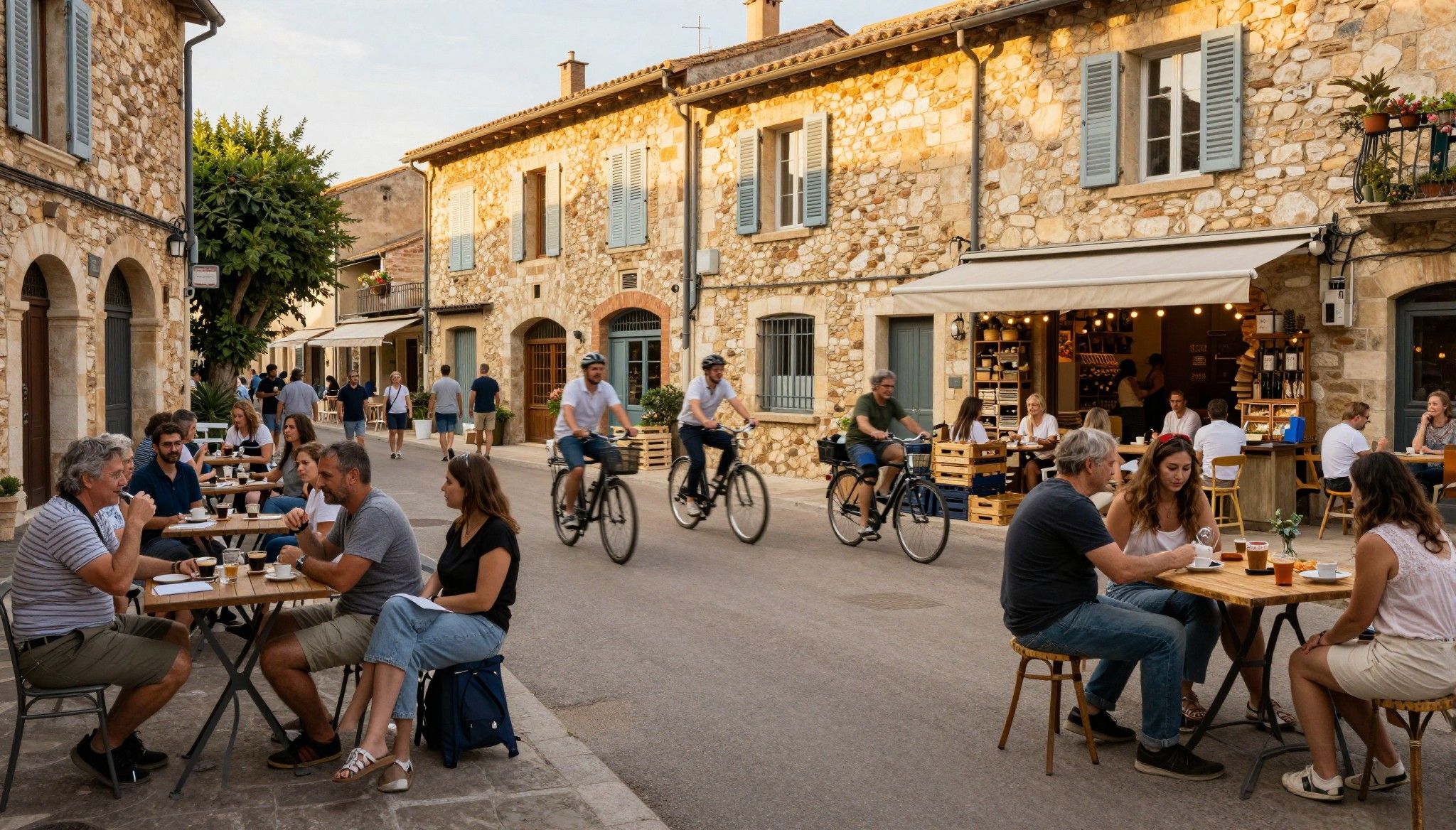
Malta is both intimate and exuberant: mornings in Valletta mean espresso and pastizzi beside limestone facades, while evenings in St Julian’s or Sliema move toward sea-front promenades, lively bistros and a steady, friendly English-language expat scene. The island’s small scale makes every errand a walkable ritual and turns neighbourhood cafés, fish markets and parish festas into the heartbeat of daily life.
Neighbourhood notes: Valletta, Sliema, Marsaxlokk
Valletta is theatrical and historic, perfect if you want daily walks past baroque palaces and waterfront gardens. Sliema and St Julian’s trade old quiet for promenade life, cafés and modern apartments. For a gentler pace, Marsaxlokk’s fish market and painted luzzus (traditional boats) offer weekend rituals that feel like a slow‑living reset. Each place smells of olive oil, sea salt and warm stone; each asks you to choose the rhythm you want to live by.
Food, markets and small pleasures
Food anchors life here: morning markets stacked with capers, fresh lampuki (mahi‑mahi), sun‑browned tomatoes and hardy local bread. Evenings often belong to slow dinners — a plate of gbejniet (sheep cheese), a carafe of local wine, the hum of conversation. These rituals shape property choices: a kitchen with a sunny terrace, a neighbourhood close to weekly markets, and easy access to sea for quick swims or afternoon sailing.
Making the move: how Malta’s green infrastructure changes the property story
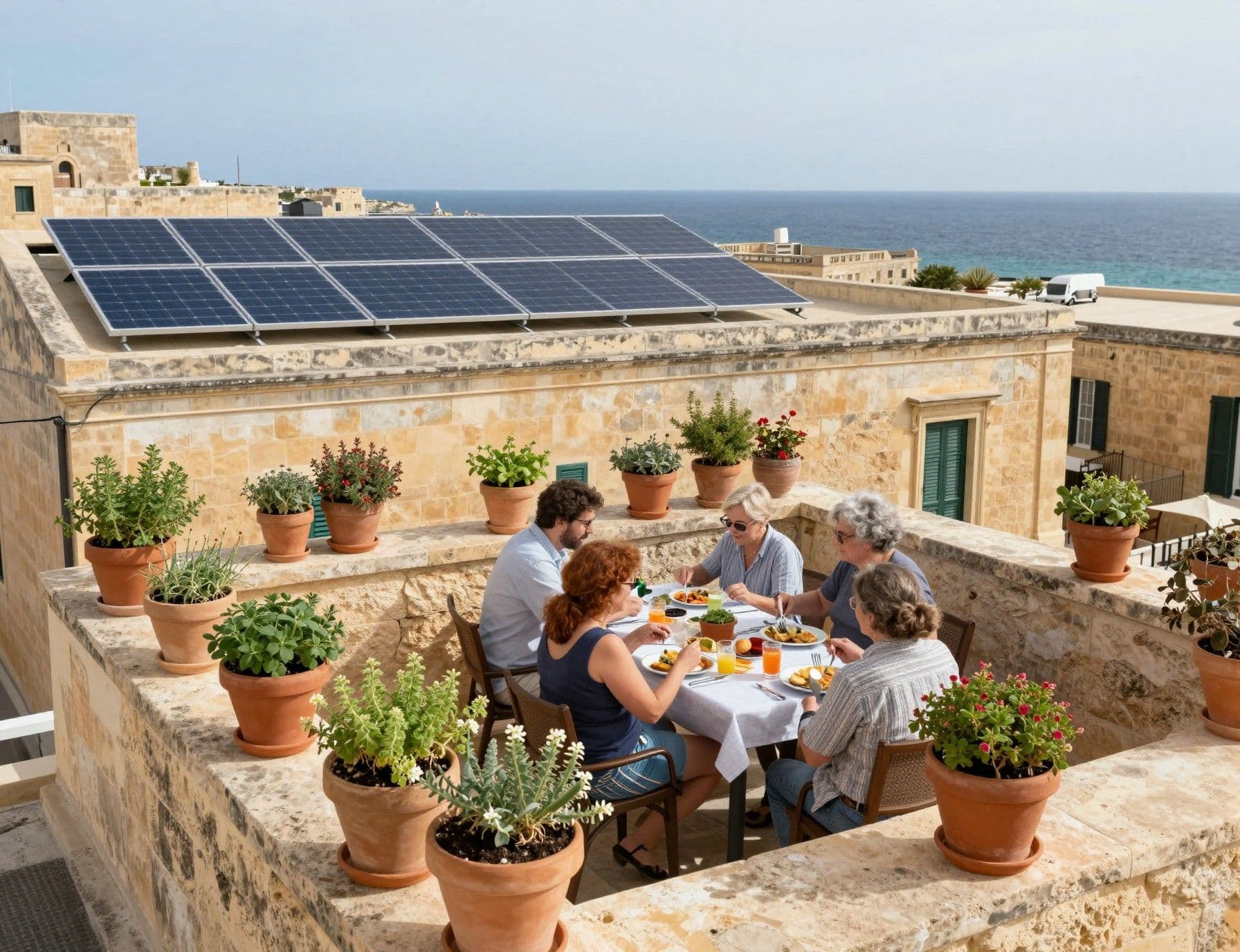
If headlines paint Malta as ‘too pricey,’ the quieter fact is that a rising tide of solar capacity and policy support is reshaping value in ways headline numbers miss. Roof‑mounted PVs, community schemes and a clearer national plan for offshore renewables are beginning to change running costs, buyer priorities and desirable neighbourhoods. For practical buyers this means looking beyond sea views to energy profiles, rooftop orientation and the potential for retrofit micro‑generation.
Property types and what they mean for everyday green living
Terraced townhouses, stone maisonettes and modern seafront apartments each offer different green opportunities. A traditional limestone house in Mdina or Rabat can be thermally comfortable when retrofitted with breathable insulation, while modern blocks in Sliema may be sized perfectly for rooftop solar and battery installs. Match the architecture to how you want to live: big terraces for gardens, compact flats for walkability, or village houses for courtyard orchards.
Working with local experts who know both lifestyle and green rules
A Maltese agent who understands rooftop solar, the National Energy & Climate Plan and local planning permissions will save you time and surprise costs. Look for advisors who can read an EPC (energy performance certificate), advise on panel orientation, and connect you with trustworthy installers. These are the people who translate a lifestyle idea — morning sun on a kitchen herb garden, weekend dives from a nearby bay — into a workable property plan.
- Practical, lifestyle-minded checks before making an offer:
- Roof orientation and usable terrace area for solar panels and outdoor living.
- Local microclimate: sea breezes, summer heat and how they affect cooling needs.
- Distance to weekly markets, ferry links and community hubs for true walkable living.
- Availability of installers and local trades for sustainable retrofits and maintenance.
Insider knowledge: what expats wish they’d known
The most common regret I hear from newcomers is falling in love with a picture-perfect view and missing the quiet mechanics of living: noisy summer streets, small‑scale storage, or a south roof that can’t take panels because it’s shaded by a neighbour. Local rhythms — festa calendars, ferry timetables, and market mornings — shape how you use a home far more than glossy photos do.
Language, community and seasonal life
English is an official language here, so settling in is straightforward for many internationals — but building a true local circle takes small acts: volunteering at a festa, joining a diving club, or shopping at the Marsaxlokk market on Sunday. These rituals are the scaffolding of community and will determine which neighbourhood truly feels like home.
Long-term lifestyle: maintenance, resilience and value
Malta’s recent rise in renewable generation and national planning for offshore projects hint at a future where energy resilience lifts neighbourhood desirability. Properties that can host panels or are near community energy initiatives may see lower running costs and stronger long‑term appeal, even in a market where headline prices have climbed.
- Steps to marry lifestyle with green value when buying in Malta:
- Define the life you want: daily routines, market walks, and how central you need nightlife or quiet.
- Ask sellers for energy data, roof plans and recent maintenance to assess retrofit potential.
- Work with an agent who can introduce local installers and explain planning permissions for solar or insulation.
- Visit across seasons: Malta’s summer brightness and winter softness show different faces of neighbourhood life.
Conclusion: Malta as a small island of big, green possibilities
If you dream of a home where sea air, limestone light and a walkable street life meet real renewable momentum, Malta deserves a closer look. The smart buyer here watches roofs and neighbours as carefully as views, balances market data with the rhythm of local life, and leans on local experts to turn a Mediterranean fantasy into a resilient, eco-minded home. Start with neighbourhood visits, bring questions about solar and insulation, and let the island’s small scale make it easy to live the sustainable life you imagine.
British expat who traded Manchester for Mallorca in 2017. Specializes in guiding UK buyers to luxury Spanish estates with clear navigation of visas and tax.