Croatia: Love the Life, Check the Permits First
Fall in love with Croatia’s rhythms—then do the paperwork: EU purchase rights, e‑Dozvola building permits, land registry checks and sustainability retrofits that unlock value.
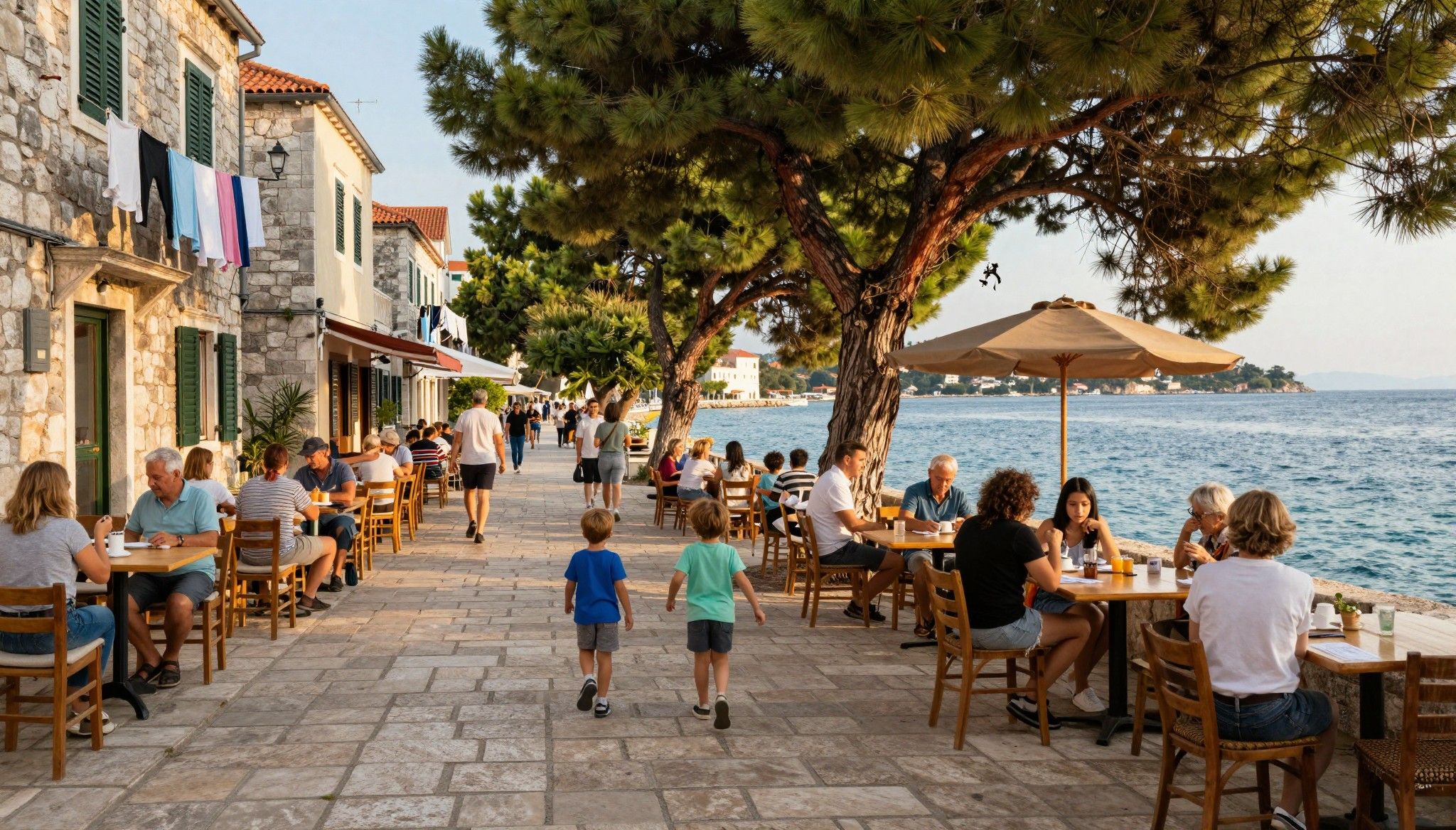
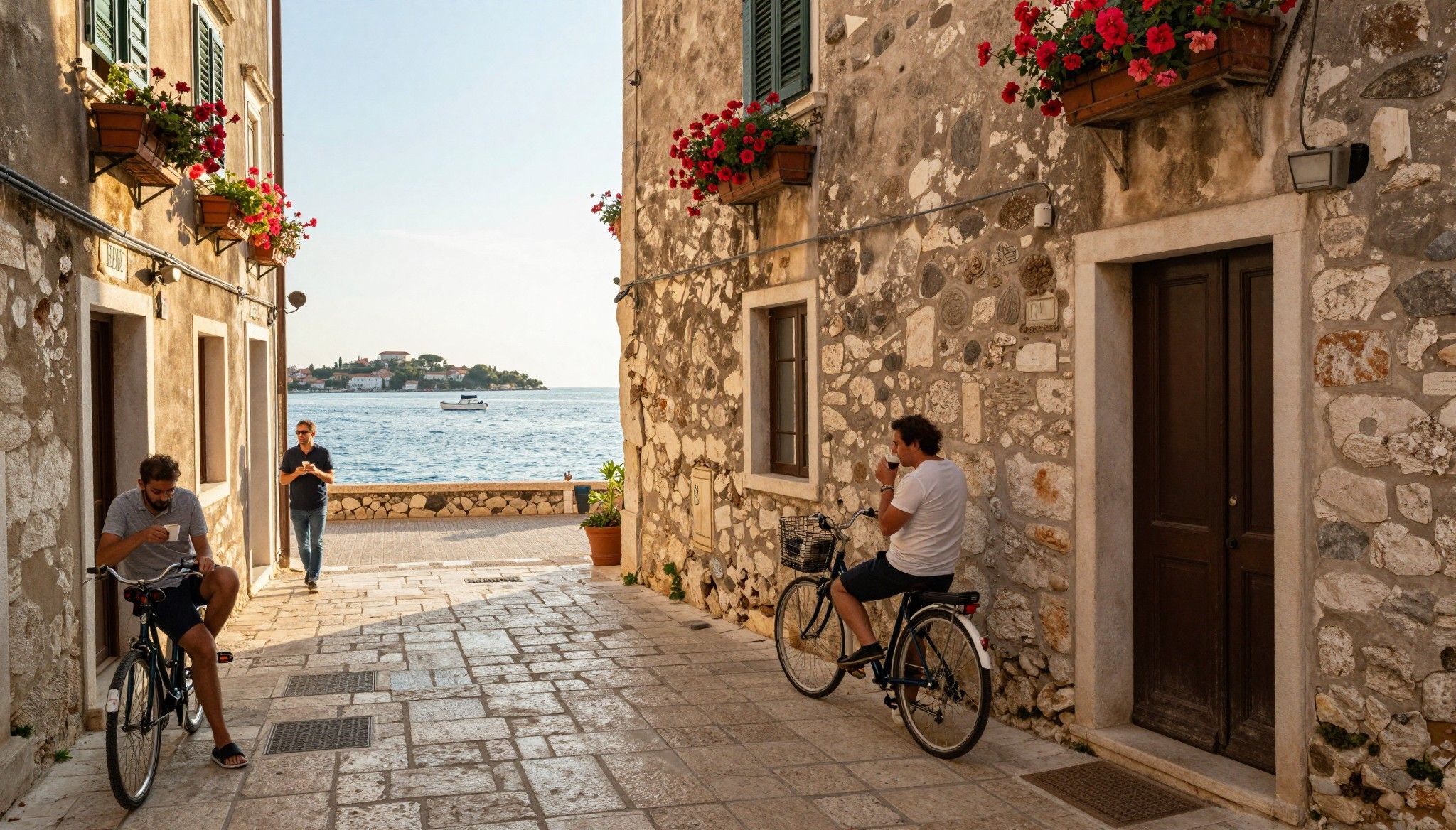
Imagine sipping espresso on Split’s Riva as fishermen mend nets nearby, or waking to pine-scented air in Istria with a stone house catching the morning light. Croatia feels at once small and wildly varied: Dalmatian coastlines, karst hinterlands, and quiet inland villages where seasons still keep time. For international buyers who love nature-first living, the country’s sensory pleasures—lime trees in squares, sun-warmed limestone, market stalls overflowing with figs—are the emotional reason to come. But the legal and permit landscape is the practical reason to pause, ask questions and do careful due diligence before saying yes.
Living the Croatian life: place, pace and palate
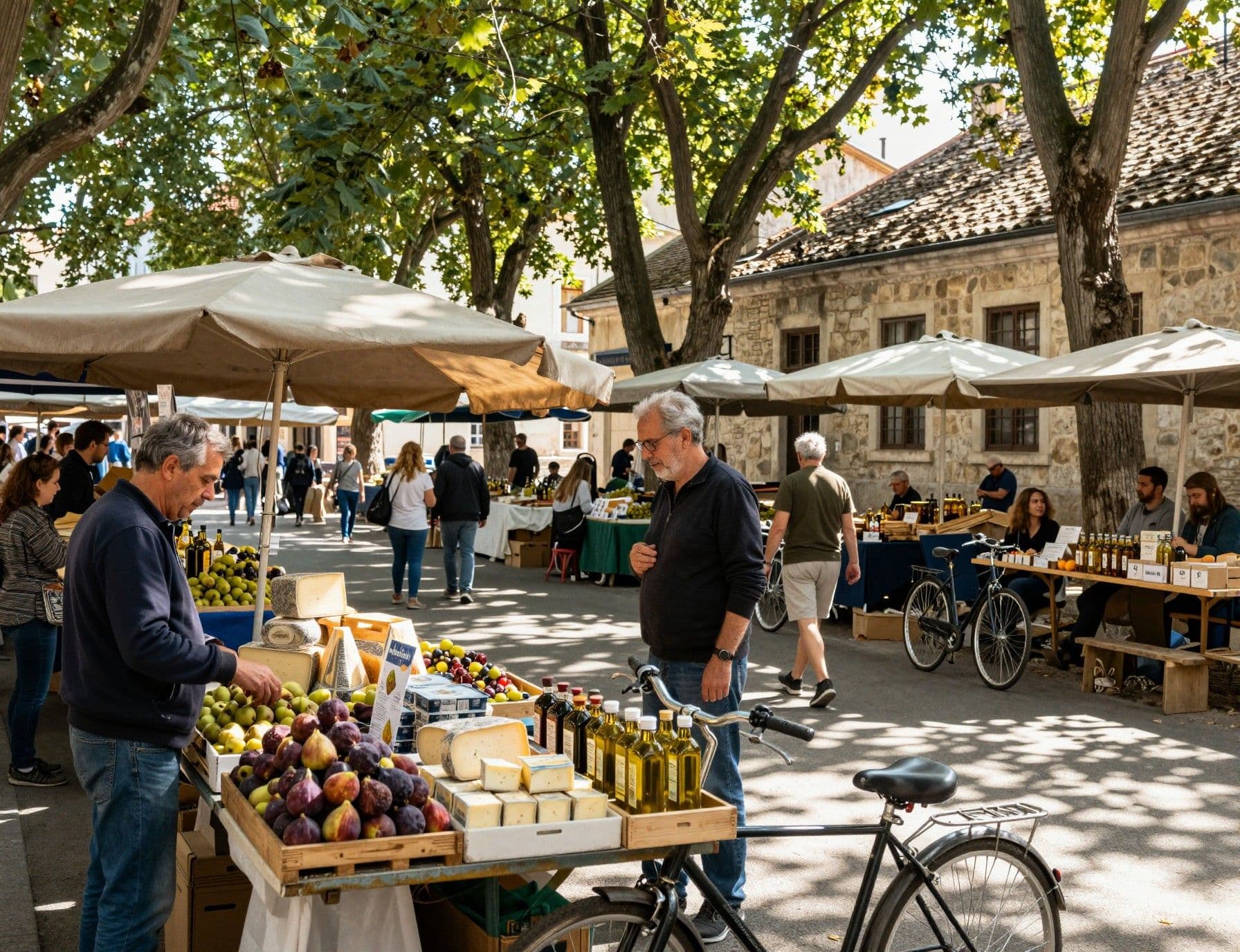
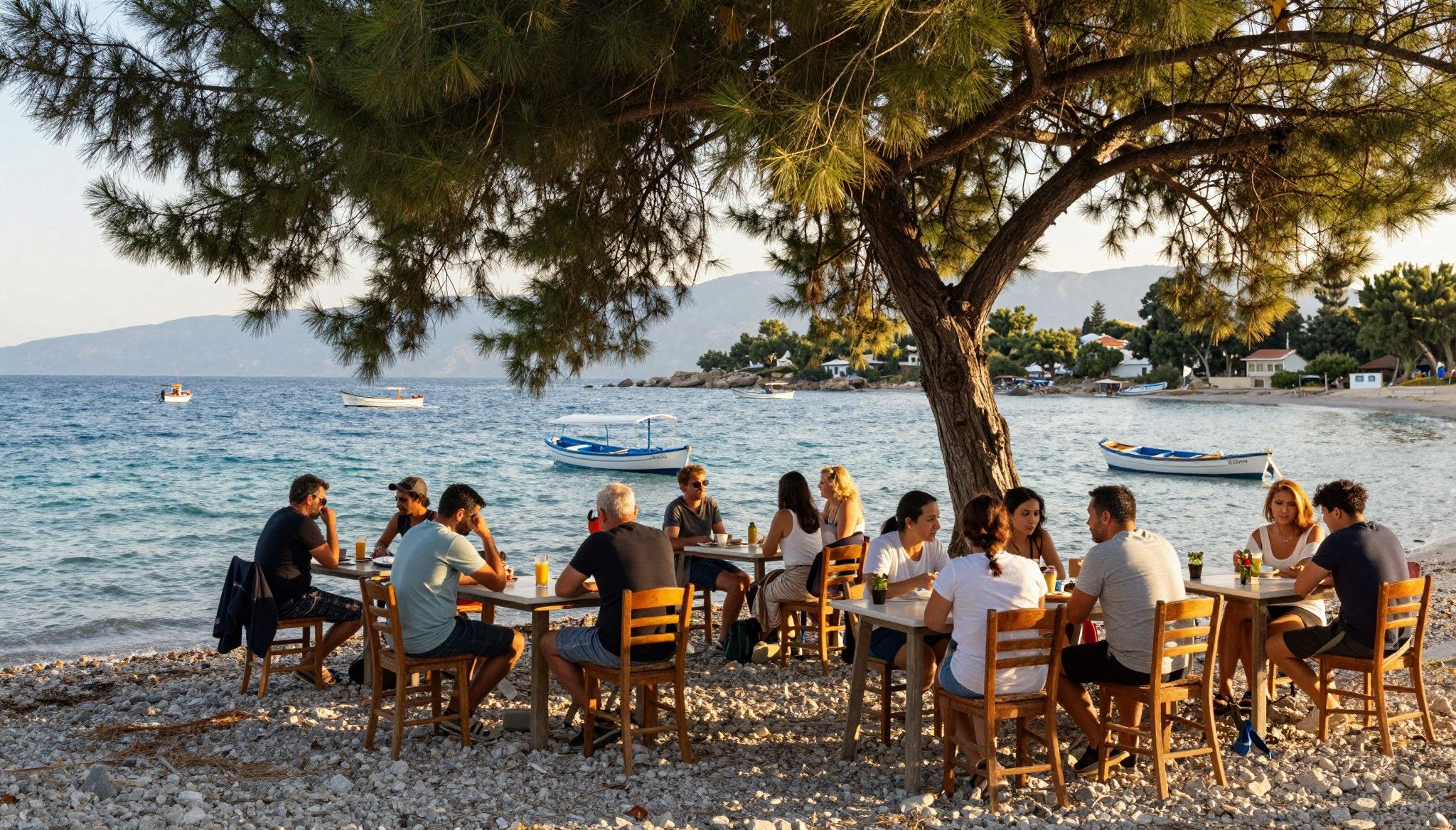
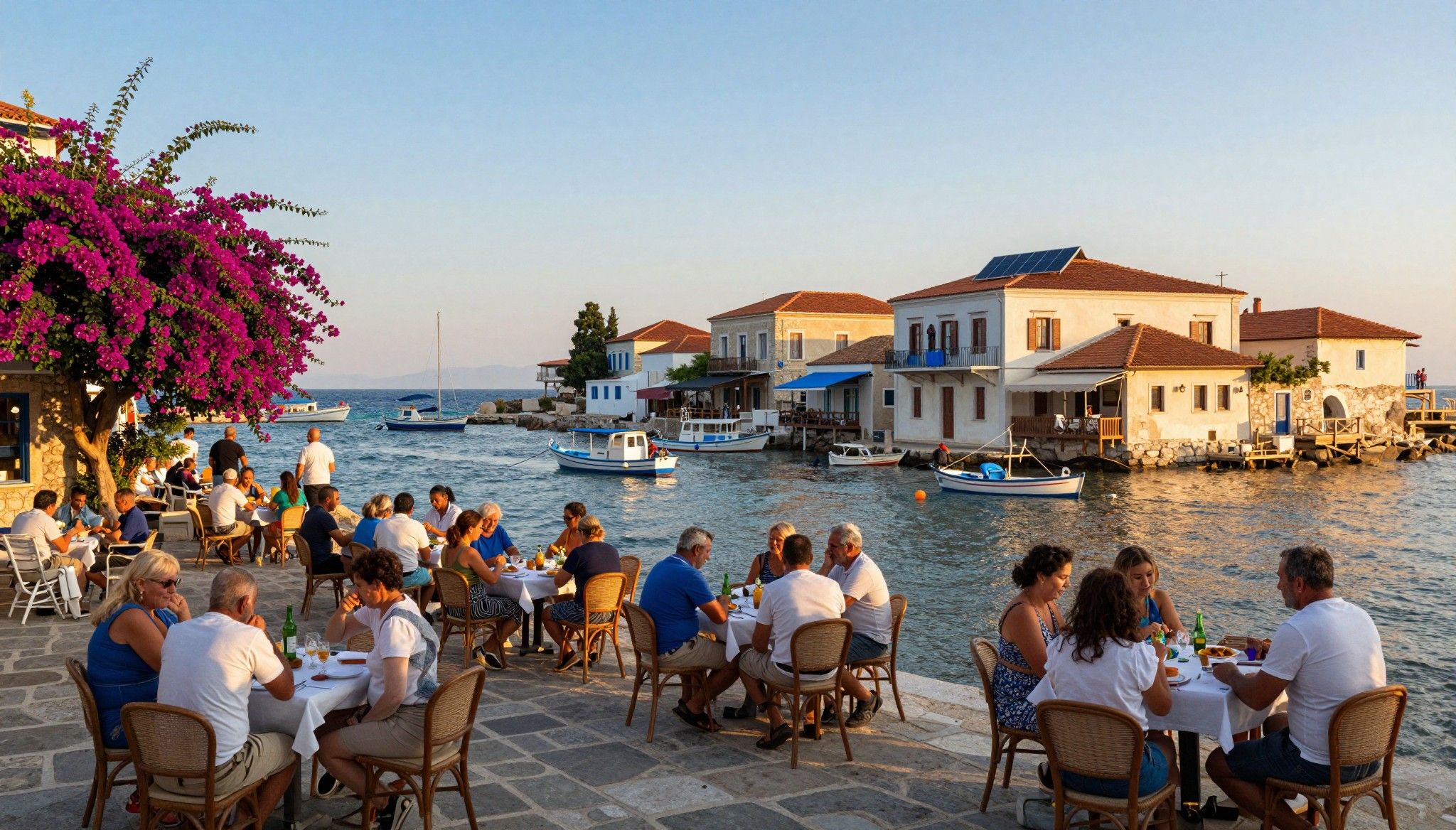
Life here is ritual and season. Mornings begin with espresso or kava; afternoons drift toward sea swims, markets, and slow lunches; evenings gather over grilled fish, prosciutto, or polenta in stone-walled konobas. The rhythm changes from Zagreb’s leafy promenades and museums to Hvar’s glossy yachts and lavender-scented lanes, to the quiet of Baranja’s wetlands where birds take center stage. For buyers, each rhythm suggests different property needs—compact city flats near schools and services, coastal houses built for shade and cross‑ventilation, or inland farms suited to regenerative gardening.
Neighborhood spotlight: Split’s Sustipan to Veli Varoš
Walkable lanes, tiled roofs, and pocket beaches define Split’s older neighborhoods. Veli Varoš offers pastel houses and intimate terraces a short stroll from Diocletian’s Palace; Sustipan’s cliff-top park delivers sunset solitude and pine shade. These are neighborhoods where a small terrace and thick stone walls matter more than a parking bay—features that influence renovation choices, energy needs, and the kind of green retrofit that will actually be used.
Food, markets and seasonality: how taste shapes where you live
From Dolac Market in Zagreb to fishermen’s auctions in Zadar, food culture shapes daily life and property value. If you want a kitchen that hosts Saturday market hauls, prioritize larger storage, breezy terraces, and a garden for heirloom tomatoes. In Istria and on Korčula, truffle and wine seasons change the tempo—visitors multiply, but so do local opportunities to connect with producers and to design properties that support small-scale food production and year‑round living.
- Dolac Market (Zagreb), Riva promenade (Split), Zlatni Rat beach (Bol), Stari Grad plain (Hvar), Lim Bay oyster beds (Istria), Baranja bird‑watching wetlands.
Making the move: permits, land registry and the reality behind listings
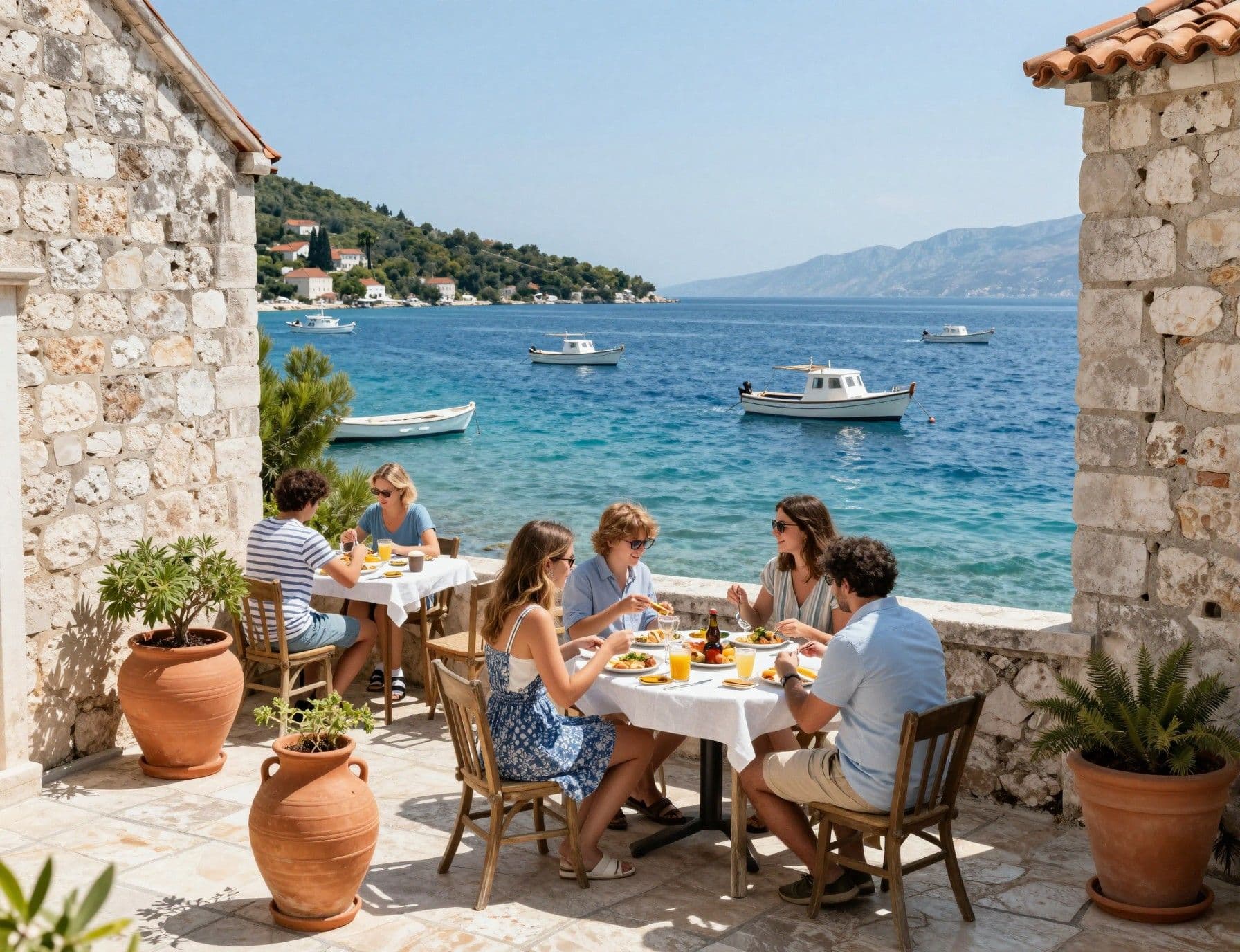
The dream and the paperwork intertwine in Croatia. EU citizens enjoy near-equal purchase rights, but non‑EU buyers face reciprocity rules or must use company structures—details that affect ownership, taxes and future resale. Even EU buyers must navigate the land registry carefully: title, encumbrances and proper entry in the land register are what make a purchase real. Start with official guidance and plan for time: registers and permits are methodical, not hasty.
Property styles and what they say about life and permits
A coastal stone house, a modern seaside villa, and an inland farmhouse each come with distinct permit realities. Coastal restorations often trigger heritage and coastal zone rules; new builds require an e‑Dozvola process and local planning approvals. If you cherish low‑impact living, look for properties with passive features—thick masonry, shading, orientated windows—and ask whether existing permits allow sustainable retrofits such as rooftop solar or rainwater harvesting before you bid.
Working with local experts who know both place and process
A green‑minded agency in Croatia does more than show properties: they translate municipal zoning, explain coastal protection rules, and introduce local craftsmen who understand lime mortar and thermal mass. Lawyers familiar with Croatian land law, a notary, and a local architect will be your trio of translators—turning local paperwork into actionable steps that protect both lifestyle and investment.
- Check land registry entries and encumbrances; confirm the seller’s right to sell and look for mortgages or easements. Demand proof of permitted uses and building permits—without a valid e‑Dozvola, you could inherit an illegal structure. Ask for utility connection certificates and seasonal access statements. Verify coastal/protected zone limits for seaside plots. Request a use permit (uporabna dozvola) for any recent works.
Insider knowledge: myths, red flags and sustainability-first bargains
A common myth: "Croatia is prohibitively expensive everywhere." Data show regional variation—city and prime coastal locations push prices, while inland towns and neglected islands can offer value for sustainable buyers willing to renovate. The Croatian Bureau of Statistics tracks steady house price growth in urban and coastal areas, so look for pockets where green retrofits transform a tired stone house into a high‑comfort, low‑running‑cost home and a unique market proposition.
Red flags buyers often miss
- Seller claims of a “private beach” (beaches are public), unclear access rights, missing use permits, conflicting cadastre vs land registry entries, disputed borders between parcels, and utility absence despite listed connections.
Why a sustainability lens uncovers better deals
Buyers who prioritize passive comfort and low‑impact upgrades often find hidden value: thick stone walls that need only insulation, south-facing terraces primed for solar, and gardens ready for permaculture. These features reduce long‑term costs and appeal to a growing market of eco‑travellers and long‑stay renters. Ask for energy performance certificates when possible and budget for modest retrofits that multiply comfort and resale appeal.
- 1) Commission an land registry and cadastral search. 2) Hire a Croatian property lawyer to confirm reciprocity or company needs. 3) Obtain building permit and use‑permit documentation (e‑Dozvola, uporabna dozvola). 4) Survey utilities, access and coastal/protected status. 5) Add a green retrofit feasibility review (solar potential, water capture, insulation).
What expats wish they’d known sooner
Expats tell us they underestimated how local life governs property use: festival schedules, seasonal tourism, and municipal maintenance rhythms all shape daily living. Language matters—learn enough Croatian to read municipal notices and to ask the right questions at the town hall. Build relationships with neighbours and local tradespeople; they become your quickest path to both repairs and belonging.
Croatia’s character—its markets, Adriatic light, and stone-built memory—rewards patience. If you want a home that breathes with the landscape, start with sensory visits, then move into rigorous checks: registry entries, permit histories, and seasonal realities. Work with a local agency that respects sustainability and can translate municipal rules into meaningful steps. When lifestyle and diligence meet, you don’t just buy property in Croatia—you inherit a place to live well.
Next steps: arrange a focused scouting trip for a single region, commission registry checks before making offers, and budget for a sustainability feasibility review. If you’d like a tailored short‑list—places where passive comfort and local life meet—partner with an agency that values stewardship as much as sales.
Swedish advisor who left Stockholm for the Costa Brava in 2019. Specializes in sustainable, sea‑view homes for Scandinavian buyers and green finance insights.