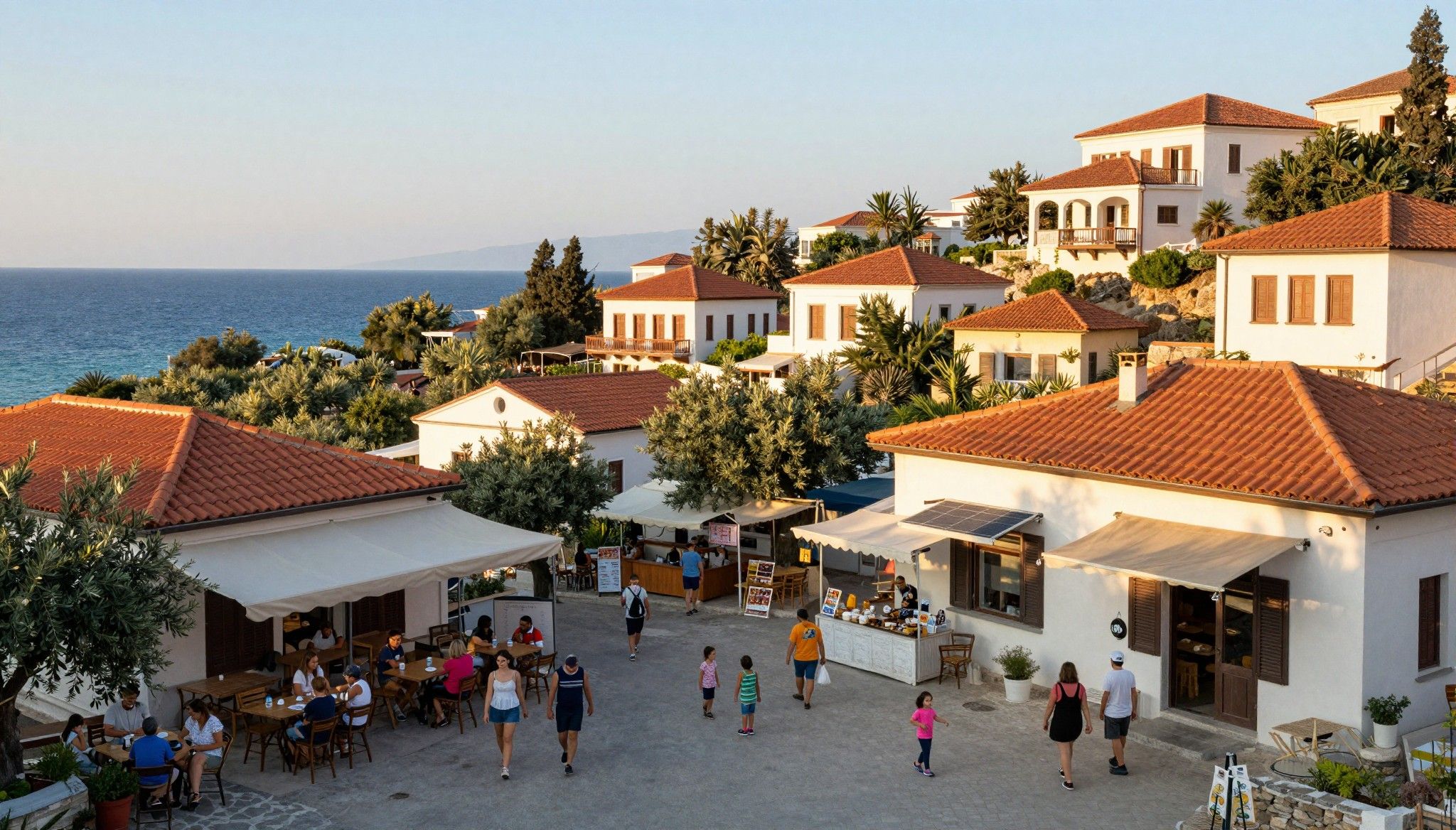
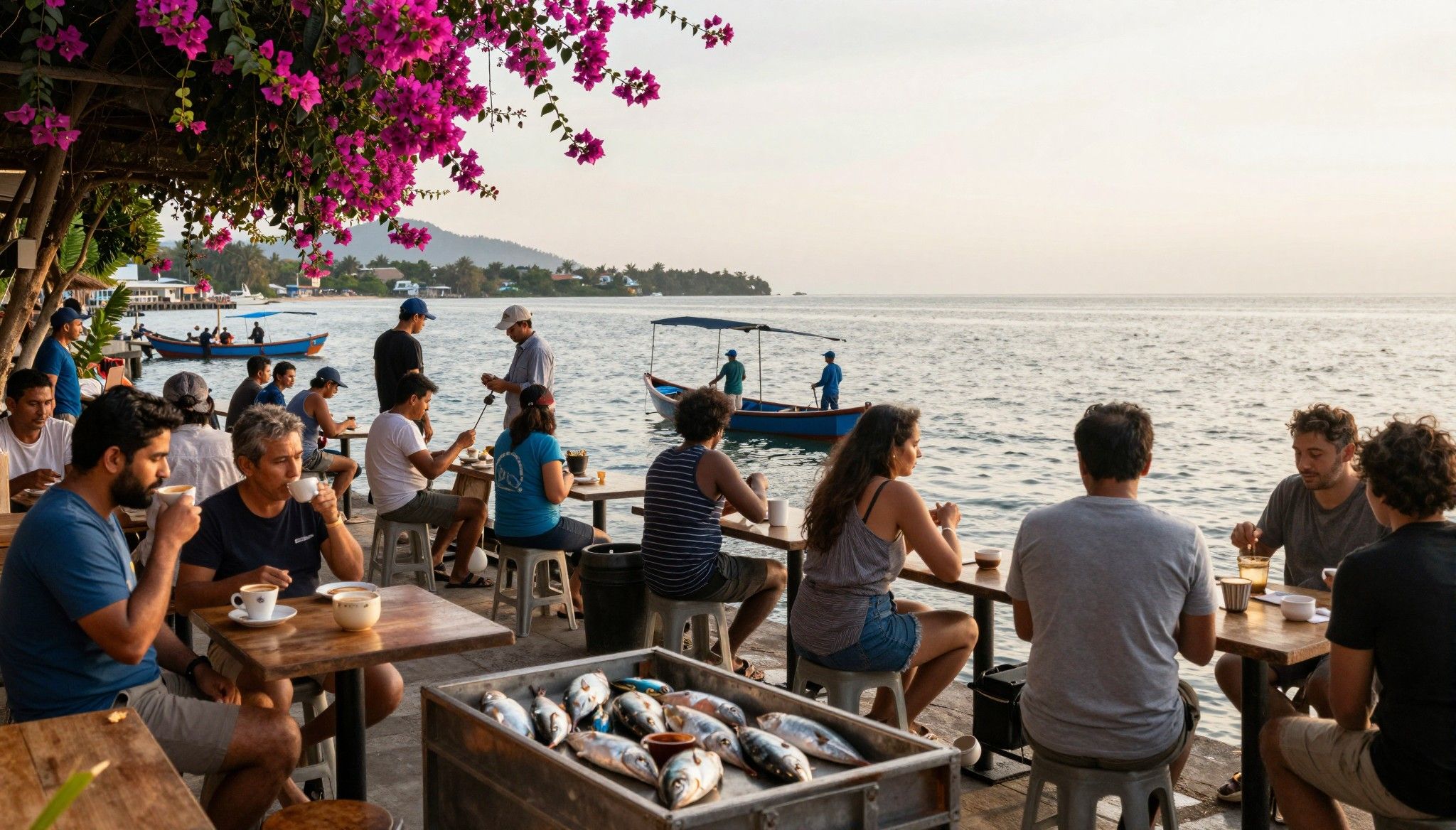
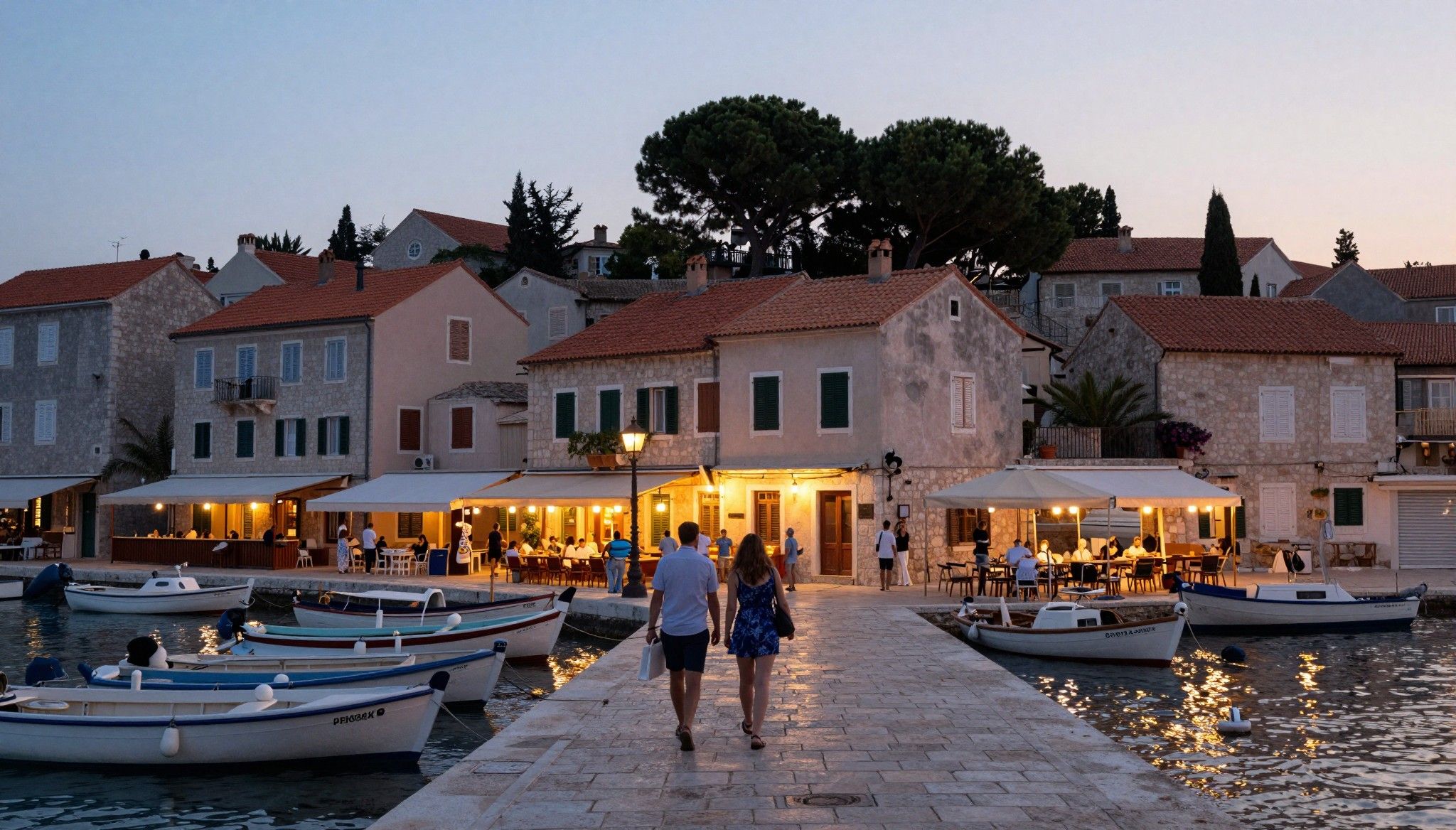
France: Where Daily Ritual Meets Renewable Reality
France blends timeless daily rituals with a rapidly growing renewable ecosystem; buy for lifestyle first, then align property choice to green infrastructure and local rules.
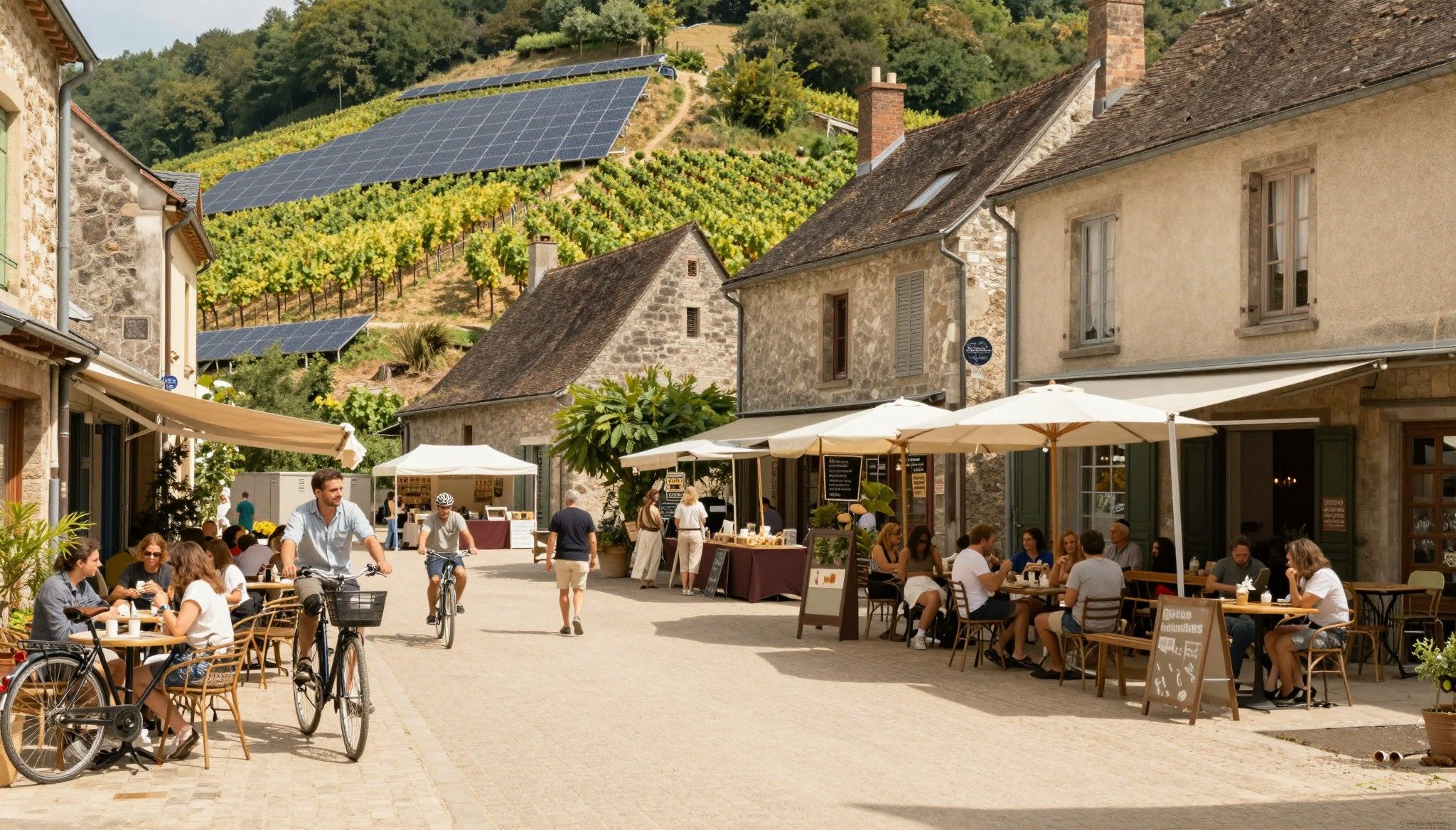
Imagine waking to the clatter of a market stall in Aix‑en‑Provence, then cycling past stone farmhouses crowned with solar tiles toward a small plot of vines you tend on weekends. In France the future and the past live together: centuries‑old stone and timber meet ambitious renewable plans, and that tension shapes where you choose a home — and how it behaves through the seasons.
Living the French life — sensory, seasonal, sustainable
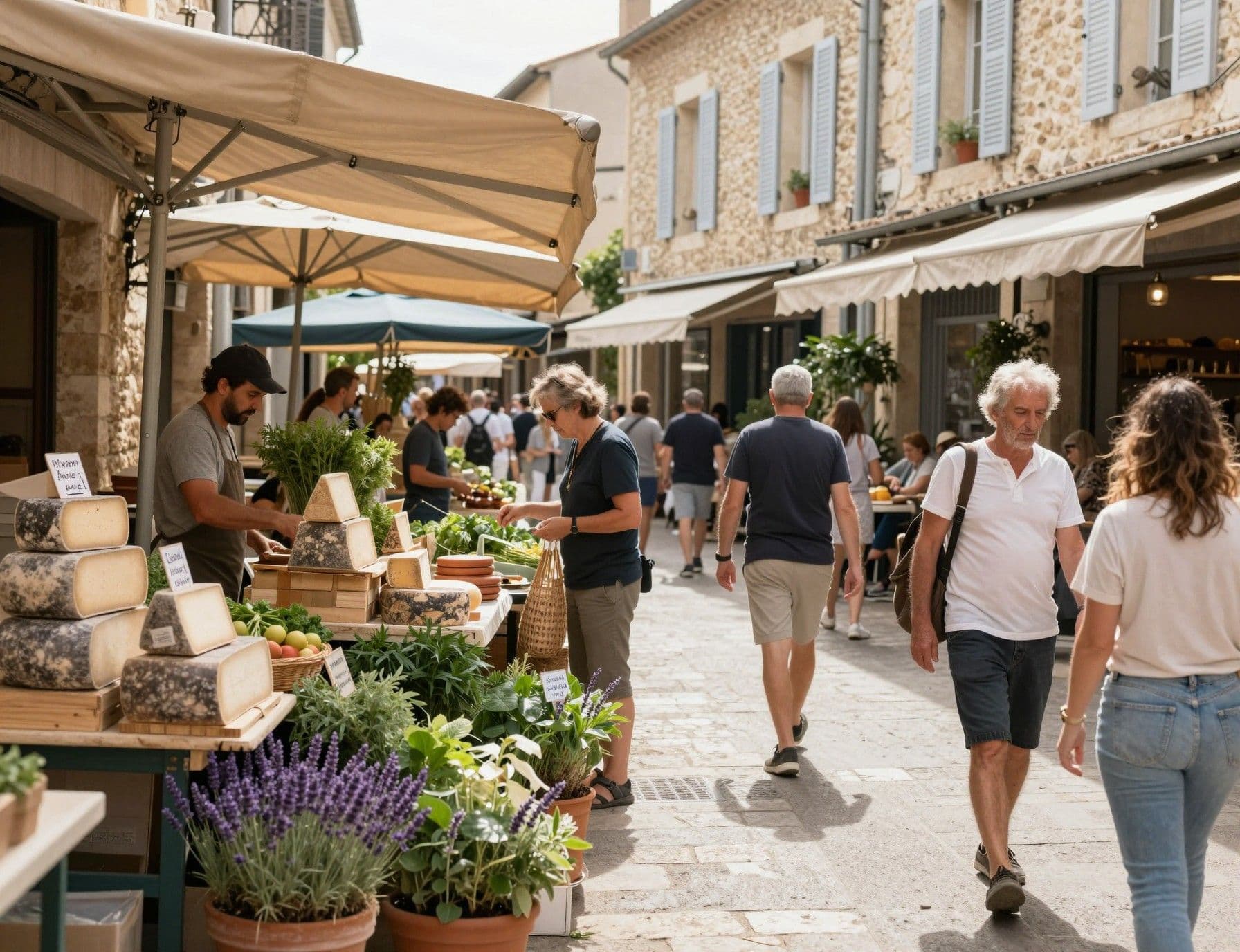
A morning in France is a small ritual: espresso at the corner café, a stroll through the marché for fromage and seasonal fruit, then the quiet of a sunlit courtyard. Coastal towns like Biarritz have a surf‑and‑brasserie rhythm; villages in Dordogne keep a measured, harvest‑centred pace; and Lyon hums with food‑market seriousness. These daily textures matter because they shape what kind of property suits you — a compact apartment near cafés, a farmhouse with space for a garden, or a solar‑ready roof for energy independence.
Neighbourhood spotlight: Aix‑en‑Provence and Provence hinterlands
In Aix, streets smell of roasted coffee and lavender; morning markets on Cours Mirabeau spill fresh goat cheese and small producers selling olive oil. Walkable lanes, vaulted façades, and community gardens make the town friendly to low‑car living. Forty minutes out, perched hamlets offer stone houses with south‑facing roofs ideal for PV panels and small orchards where permaculture projects are quietly thriving.
Food, ritual and seasons: why lifestyle drives property choice
France’s seasonal rhythms — grape harvests, coastal summers, foggy winters — influence how homes perform and how you’ll use them. Increasing solar output and rooftop installations change daily life: afternoons spent tending a small battery system, or selling excess PV back to the grid. Understanding the seasonal energy rhythm of your chosen region helps you design gardens, insulation upgrades, and lifestyle routines that align with the environment.
Aix market mornings, lavender fields, and weekend farmers’ markets
South‑facing roofs in Provence ideal for PV and pergolas
Dordogne hamlets for slow‑food living and timber‑stone restorations
Making the move: practical choices that keep the dream green
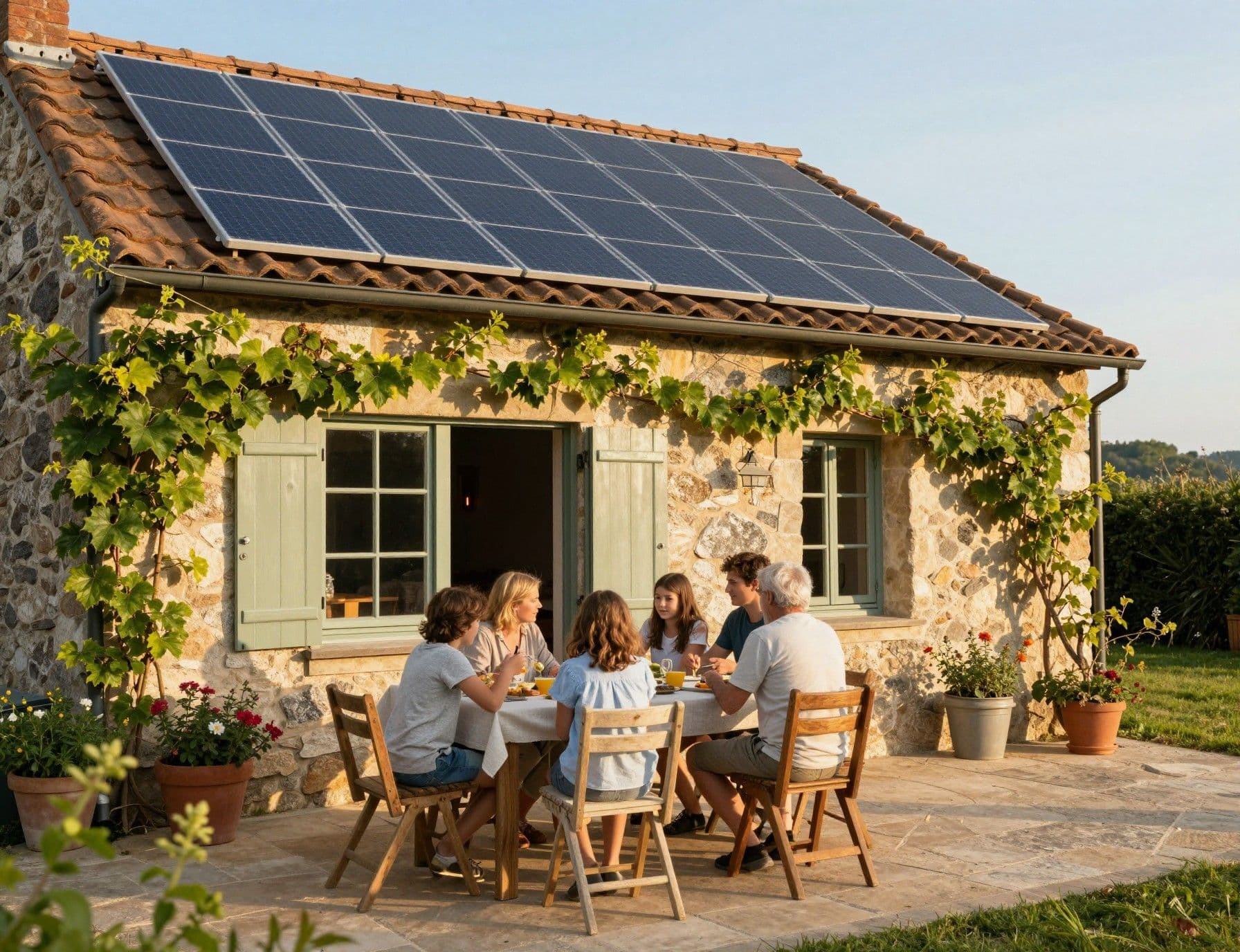
Once the lifestyle feels right, the property work begins. France’s renewable rollout — growing solar and wind capacity and national targets to cut emissions — shifts buyer priorities: good insulation, solar‑ready roofs, and space for heat pumps increase day‑to‑day comfort and reduce running costs. But these advantages come with practical steps: verify roof orientation, check local grid connection rules, and ask about shared‑building renovation plans before you bid.
Property types and what they will actually give you
Stone cottages offer thick thermal mass — excellent for passive comfort if properly insulated — while recent eco‑renovations in city apartments can deliver dramatic energy savings. New build projects often include heat pumps and rooftop PV, but older properties give you the chance to add solar and regenerative gardens. Match property type to lifestyle: choose a low‑maintenance flat for urban rhythms, or a renovated ferme for a hands‑on green life.
Working with local experts who know green infrastructure
A local notaire, an eco‑conscious architect, and a diagnostiqueur familiar with the DPE reforms are indispensable. They help you understand building performance labels, eligibility for energy‑renovation grants, and co‑ownership votes on shared‑building upgrades. Agencies with green credentials can surface properties already adapted for low‑impact living and guide you toward subsidies and local contractors.
Inspect orientation and roof capacity for PV; request recent DPE and any copropriété renovation plans; confirm local grid connection rules and potential curtailment risks; check eligibility for MaPrimeRénov' or local grants.
Insider knowledge: myths, real costs, and what expats wish they'd known
Myth: ‘‘France is too expensive for green renovation.’’ Reality: market data shows modest price recovery across many regions even as buyers prioritise energy improvements — a well‑executed insulation and PV plan often increases appeal and resale value. Expats regularly tell us the overlooked friction is not cost but coordination: scheduling craftsmen, navigating copropriété votes, and timing subsidies.
Cultural and daily‑life realities
French bureaucracy moves with deliberate rhythm. Expect formal paperwork, patient timelines, and a communal approach to decisions in co‑owned buildings. Learning a few phrases and showing respect for local rhythms — market etiquette, café small talk, and seasonal festivals — accelerates your social integration more than any glossy listing ever will.
Long‑term living and stewardship
Over the next decade, growing rooftop PV and heat‑pump adoption — plus evolving grid rules — will change running costs and the financial case for renovation. Think of a French home as part of a neighbourhood energy ecosystem: your house may produce, store, and sometimes export electricity. Buying with that future in mind keeps both your lifestyle resilient and your long‑term costs lower.
Get a recent DPE and ask for historical energy bills
Prioritise south‑facing roofs and mature tree windbreaks
Work with an agency experienced in green grants and copropriété renovations
Visit in two seasons: peak life (summer or harvest) and quiet life (late autumn/winter) to feel how the place breathes; ask the agency for recent neighbour‑led renovation records; secure a notaire and a diagnostiqueur early in negotiations.
If you can, spend three months as a local: rent in the neighbourhood you’re considering, join a market run, and meet the mairie. You’ll return to viewings with different questions — about drainage, sun angles, and who waters the communal plane trees — and that perspective is priceless.
Conclusion: France offers a rare blend of daily pleasure and green momentum. If your dream is a life shaped by seasons, markets and sustainable living, pair that imagination with local expertise: an eco‑literate agency, a trusted notaire, and a diagnostiqueur who understands DPE and renovation pathways. Then buy not only a house, but a stewarded life.
Danish relocation specialist who moved from Copenhagen to the Algarve; supports families with seamless transitions, local partnerships, and mindful purchases.