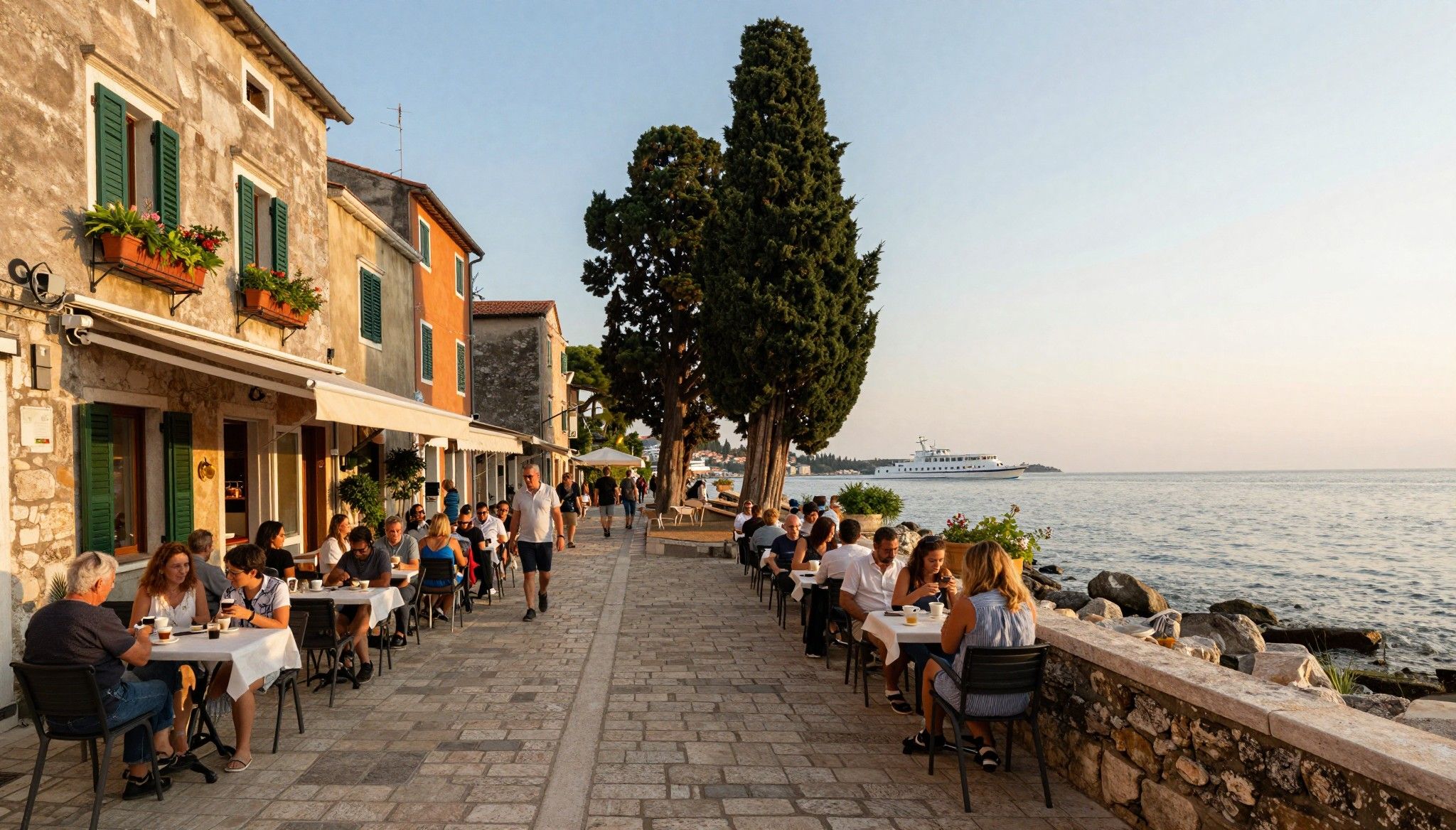
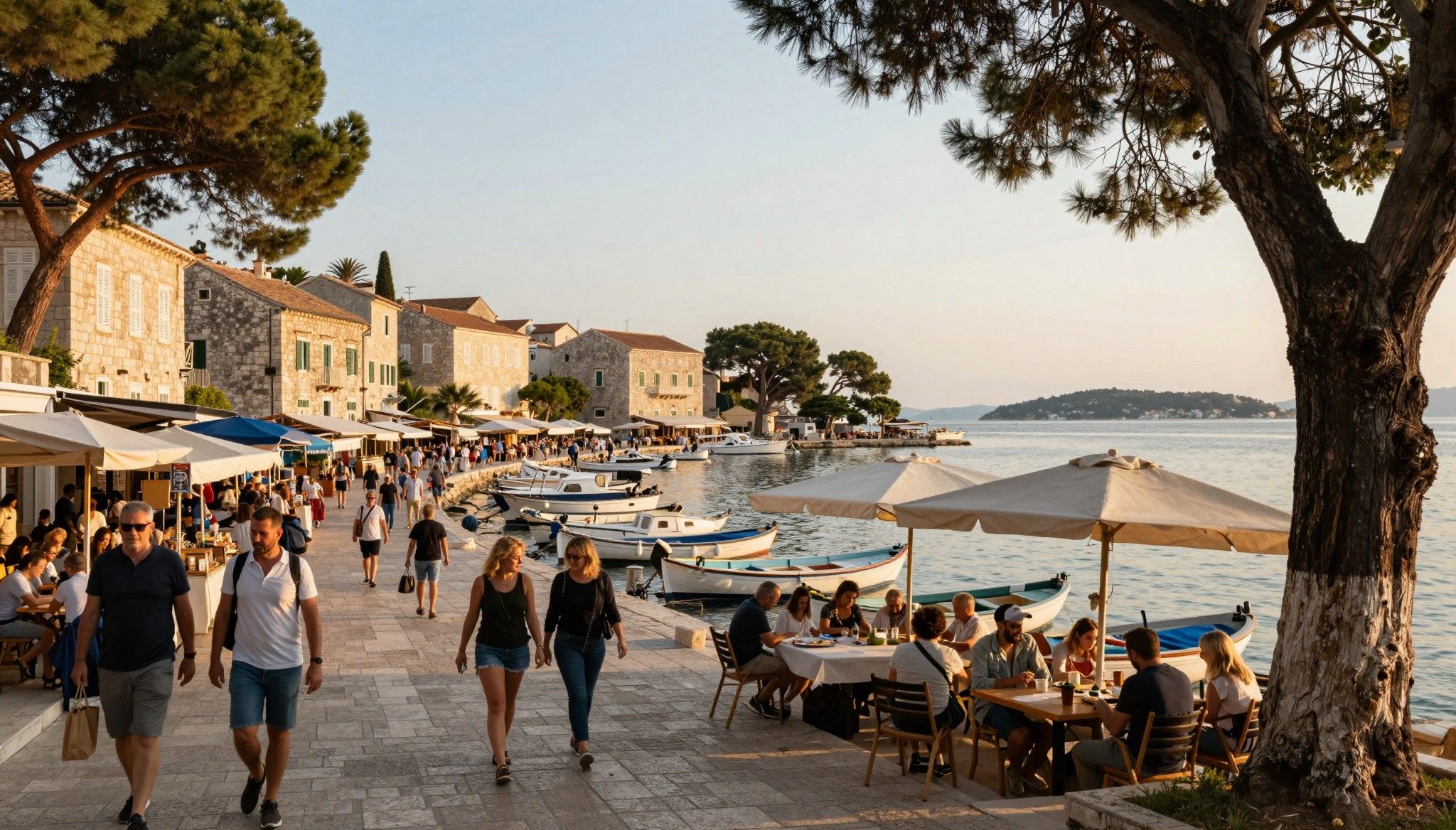
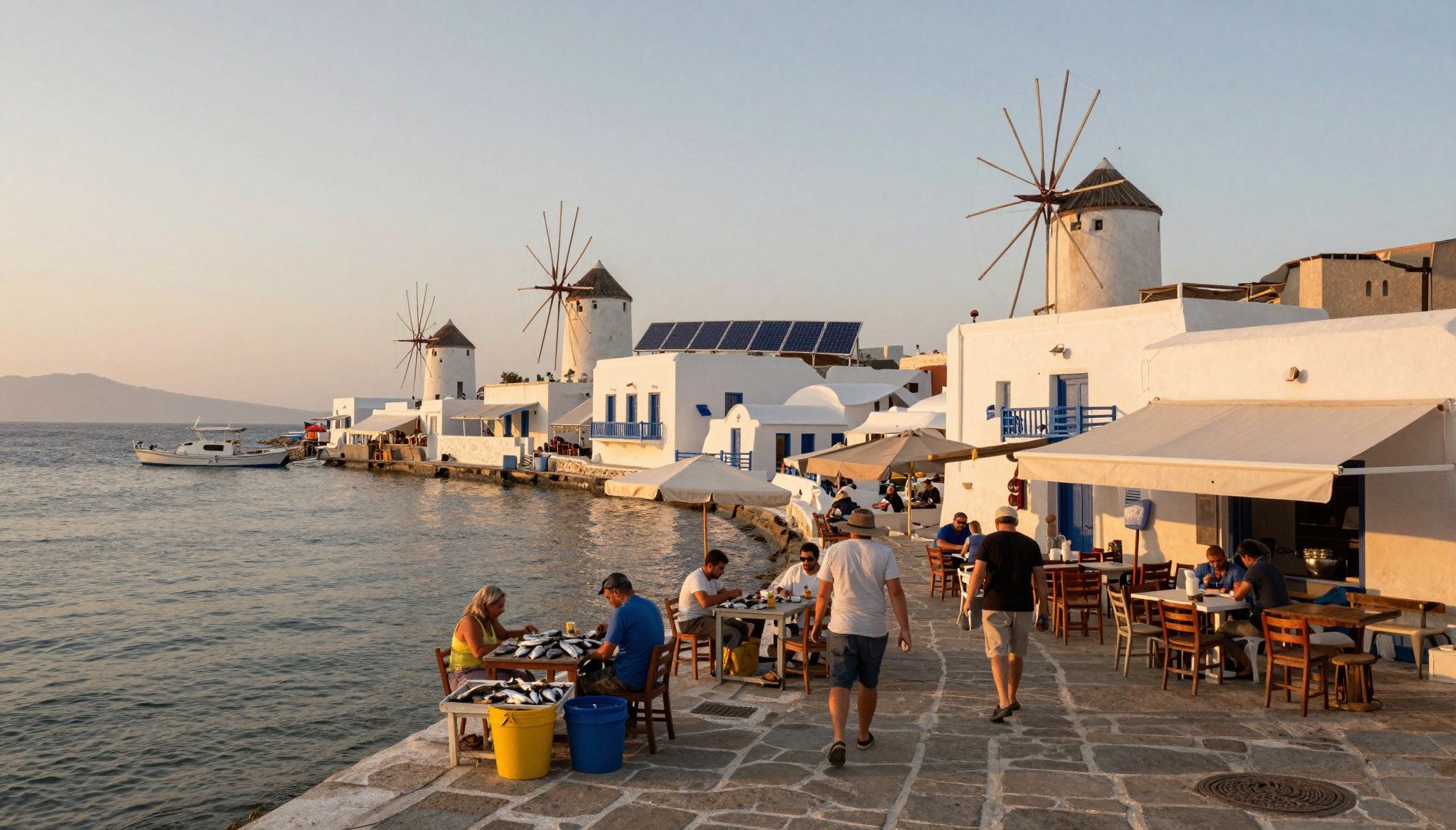
Malta: Where Rising Prices Meet Real Green Opportunity
Malta’s charm hides serious green opportunity: rising prices meet fast‑maturing renewable plans. Choose neighbourhoods that fit daily rituals and properties ready for solar, water capture and low‑impact living.
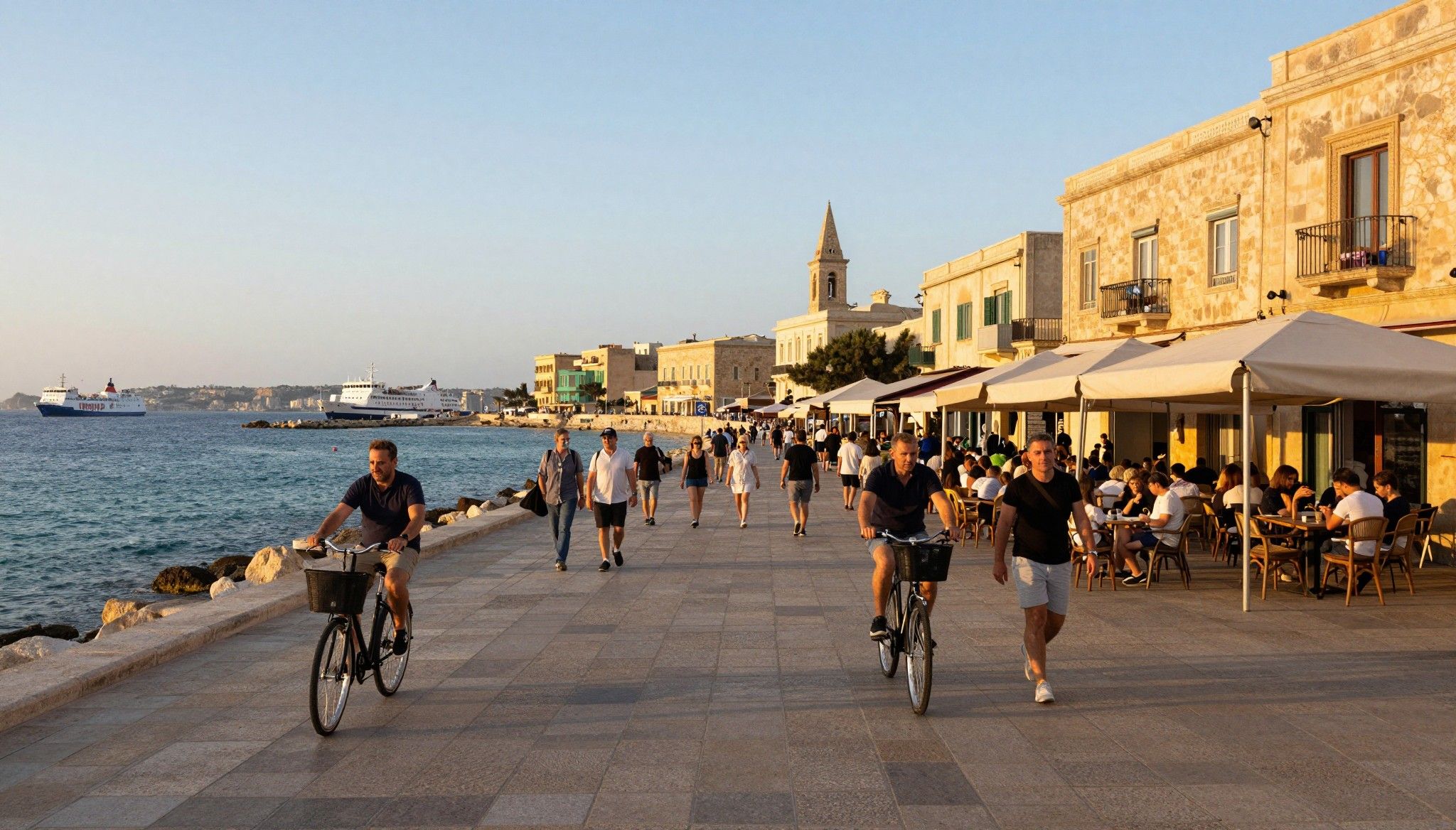
Imagine stepping out at dawn onto a limestone balcony in Valletta: the sea is a cool, flat sheet; a neighbour cycles past with a crate of bread; a café sets out tiny cups of dark espresso. Malta is compact enough that these small, sensory moments stitch together a life — morning markets in Marsaxlokk, sunset swims off Ghajn Tuffieha, late-night paseos in Mdina — all close, all immediate. For environmentally minded buyers the island’s scale becomes an advantage: renewable projects, community gardens and roof‑top solar feel like coordinated choices rather than scattered experiments.
Living the Malta Life: sun, stone and a pocket‑sized community
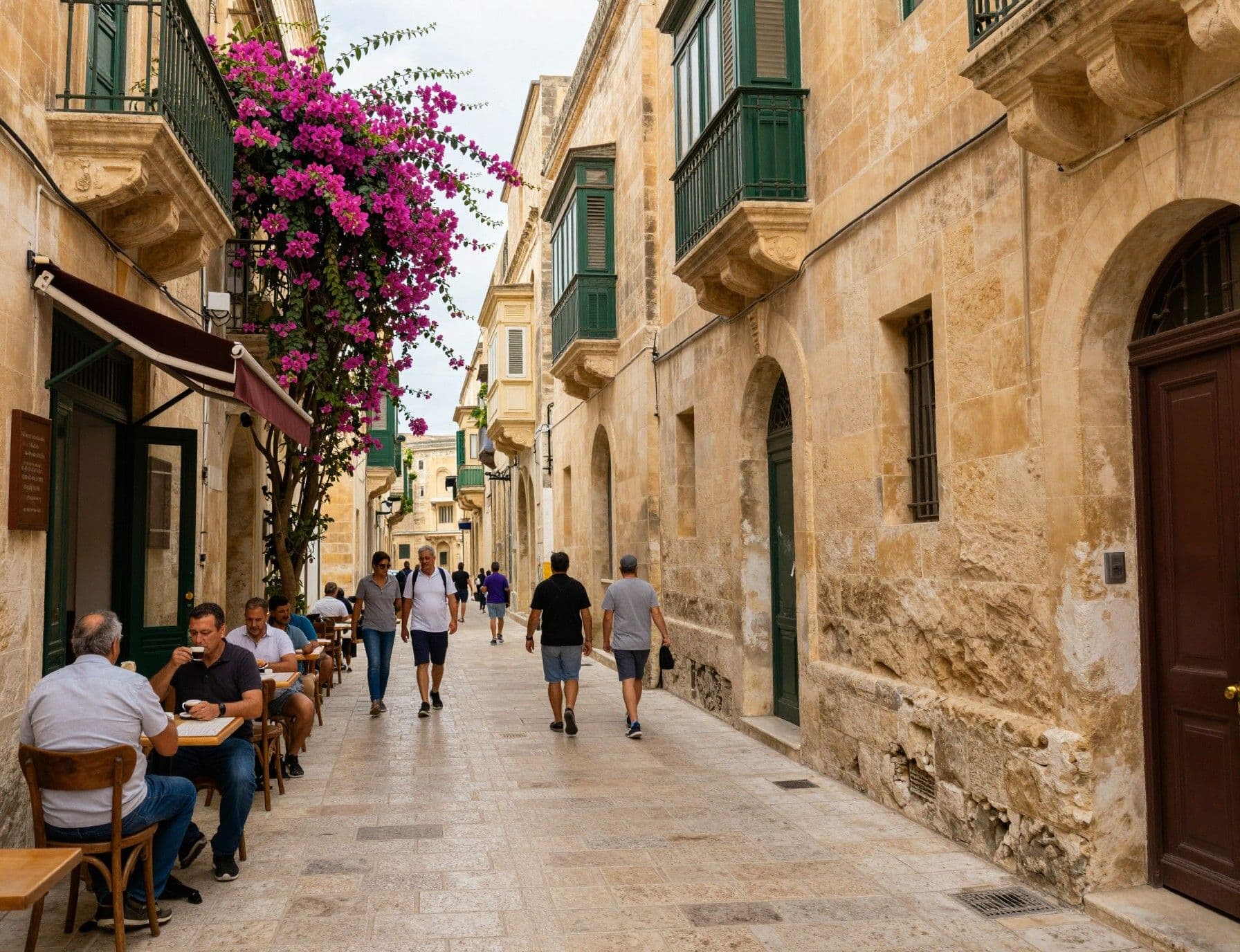
Daily life here is tactile: limestone underfoot, bougainvillea on narrow alleys, the distant hum of ferries. Valletta’s baroque avenues pulse with cafés and galleries, Sliema and St Julian’s offer sea‑edge promenades and lively restaurants, while Gozo moves at a gentler pace — village squares, morning markets and restored farmhouses. English is widely used, so integration is practical, yet the culture keeps its rhythms — long lunches, late evenings and a strong sense of neighbourliness that’s rare in larger capitals.
Neighborhood spotlight: Valletta, Sliema & the quieter edges
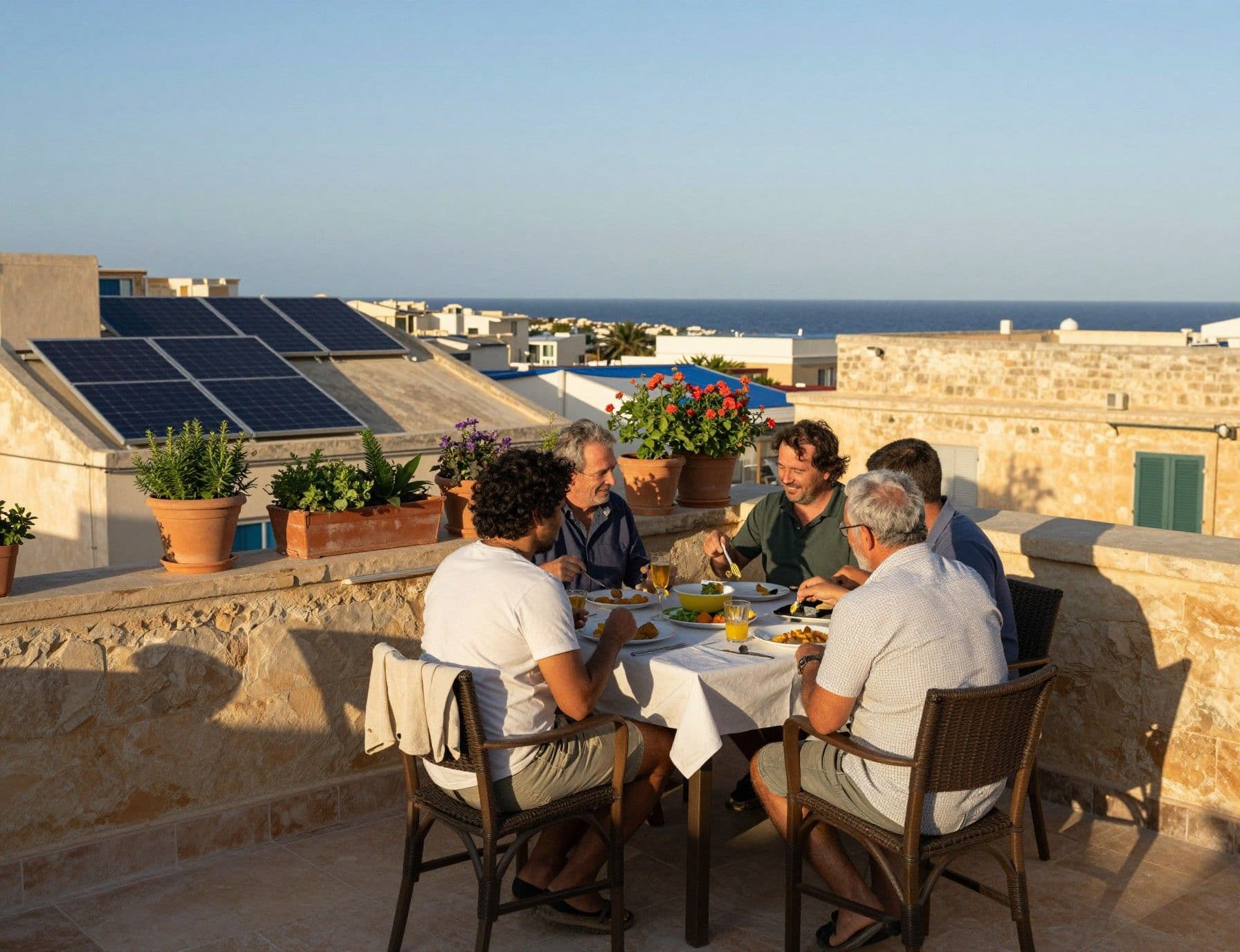
Valletta: a walkable museum-city where morning light paints honey-coloured facades and tiny terraces become private gardens. Sliema/St Julian’s: the social heart for seaside cafés, coworking spaces and a strong expat scene. Look instead to Zejtun, Marsaxlokk or parts of Naxxar for lower density streets, rooftop patios and more realistic gardens — places where solar panels and rainwater capture actually fit the architecture.
Food, markets and seasonal rhythm
Weekends belong to markets: Marsaxlokk’s fish stalls at sunrise, village festas spilling into piazzas, and bakeries that still bake by touch rather than timer. The island’s Mediterranean palette — capers, sun‑dried tomatoes, fresh amberjack — tastes like place. For the green‑minded, community-supported agriculture projects and small organic stands are growing; they reward buyers who prefer a life defined by seasonality and local supply chains.
- Lifestyle highlights to look for when house‑hunting
- Morning espresso on Valletta’s Republic Street; weekend fish markets at Marsaxlokk; late afternoon swims at Golden Bay or Ghadira; rooftop vegetable plots in older townhouses; community festivals (festa season) that knit neighbourhoods together; ferry rides between Malta and Gozo for weekend escapes.
Making the move: practical considerations that protect the lifestyle
The dream of island living has real price tags. National statistics show Malta’s property price index has continued to climb, and transaction volumes remain strong — a reminder that lifestyle choices intersect with market dynamics. For buyers seeking eco‑integrated homes, it’s important to translate that market momentum into value: prioritize properties where green upgrades are feasible, and where community infrastructure (transport, shops, waste‑management) supports a low‑impact life.
Property types and how they shape daily life
Townhouses with internal courtyards suit gardeners and rooftop solar; converted farmhouses in Gozo give space for small orchards and rainwater capture; modern apartments near Sliema are convenient but often limit outdoor possibilities. Choose by how you want to live: terrace breakfasts, evening sea breezes, or a small permaculture garden. The stone architecture lends itself well to passive cooling when coupled with shutters, insulation and shade planting.
Working with local experts who understand green life
Local agents who know neighbourhood microclimates and Maltese building customs are invaluable. They’ll tell you which roofs take panels easily, where rainwater harvesting is permitted, and which historic facades allow discreet insulation. For international buyers, choose advisors who can speak both the language of lifestyle and the language of permits — someone who maps your vision (garden, solar, water reuse) onto realistic property options.
- Steps to blend lifestyle desires with practical buying decisions
- 1) List daily rituals (swim, market, café) to prioritise neighbourhoods; 2) Identify green must‑haves (roof solar, outdoor space, rainwater) and ask agents early; 3) Commission an energy & fabric survey before making offers; 4) Ask about recent deed transactions to understand pricing momentum and seasonality.
Insider knowledge: what expats wish they’d known
Three practical truths from residents: the sun is abundant (so plan for summer shading, not just heating), green upgrades are easiest when owners embrace small, incremental projects, and community ties matter — a neighbour who waters your rooftop planter matters as much as a good rental yield. Malta is also actively planning a higher share of renewables by 2030, which will steadily improve grid options for households wanting to pair panels with storage.
Cultural cues that change how you choose a neighbourhood
Look for areas where weekday rhythms match your life: if you value quiet mornings, avoid tourist thoroughfares; if you want social evenings, choose streets with piazzas and cafés. Festa season can be charming but loud; if peace is essential, ask neighbours about annual events. Many expats find that smaller towns like Marsaskala and Zebbug offer friendlier integration than tourist hubs.
Long‑term lifestyle & sustainability: what to plan for
Think beyond the purchase: maintenance of limestone facades, seasonal cooling, and plans for water scarcity all matter. Prioritise properties where you can install discreet solar, add pergolas and shade planting, and create small productive gardens. Over a decade, these choices shape both your quality of life and operational costs — and they nest well with Malta’s national push for renewables and energy resilience.
- Red flags and practical checks before you bid
- No energy certificate or vague EPCs; impossible-to-access roofs (prevents solar); unresolved communal space disputes; recent heavy patchwork on walls (could signal damp); sellers who resist an independent building survey.
Malta’s market is alive — prices and transaction volumes have been rising according to recent national statistics — but the island’s size and planning rules make green upgrades both urgent and achievable. Choosing homes that breathe with the local climate, and advisors who understand both lifestyle and regulation, turns a purchase into a long‑term sanctuary rather than a costly mistake.
Ready to make Malta your everyday? Start by sketching the life you want — which cafés, beaches and morning rituals matter most — then translate those into neighbourhood priorities and a short list of green must‑haves. Work with agents who can translate lifestyle into permits and technical plans; commission building surveys focused on energy and water; and let seasonal life — the market’s rhythm of festas, holiday peaks and quieter winters — guide timing. Malta’s compactness means you can learn a dozen neighbourhoods in a few days; bring curiosity and an appetite for limestone, and you’ll find places that feel like home.
Danish relocation specialist who moved from Copenhagen to the Algarve; supports families with seamless transitions, local partnerships, and mindful purchases.