Stone, Sun and Solar: Greece’s Green Lifestyle Advantage
Sunlit stone and rising renewables: how Greece’s green infrastructure reshapes lifestyle choices and long‑term value for international buyers.
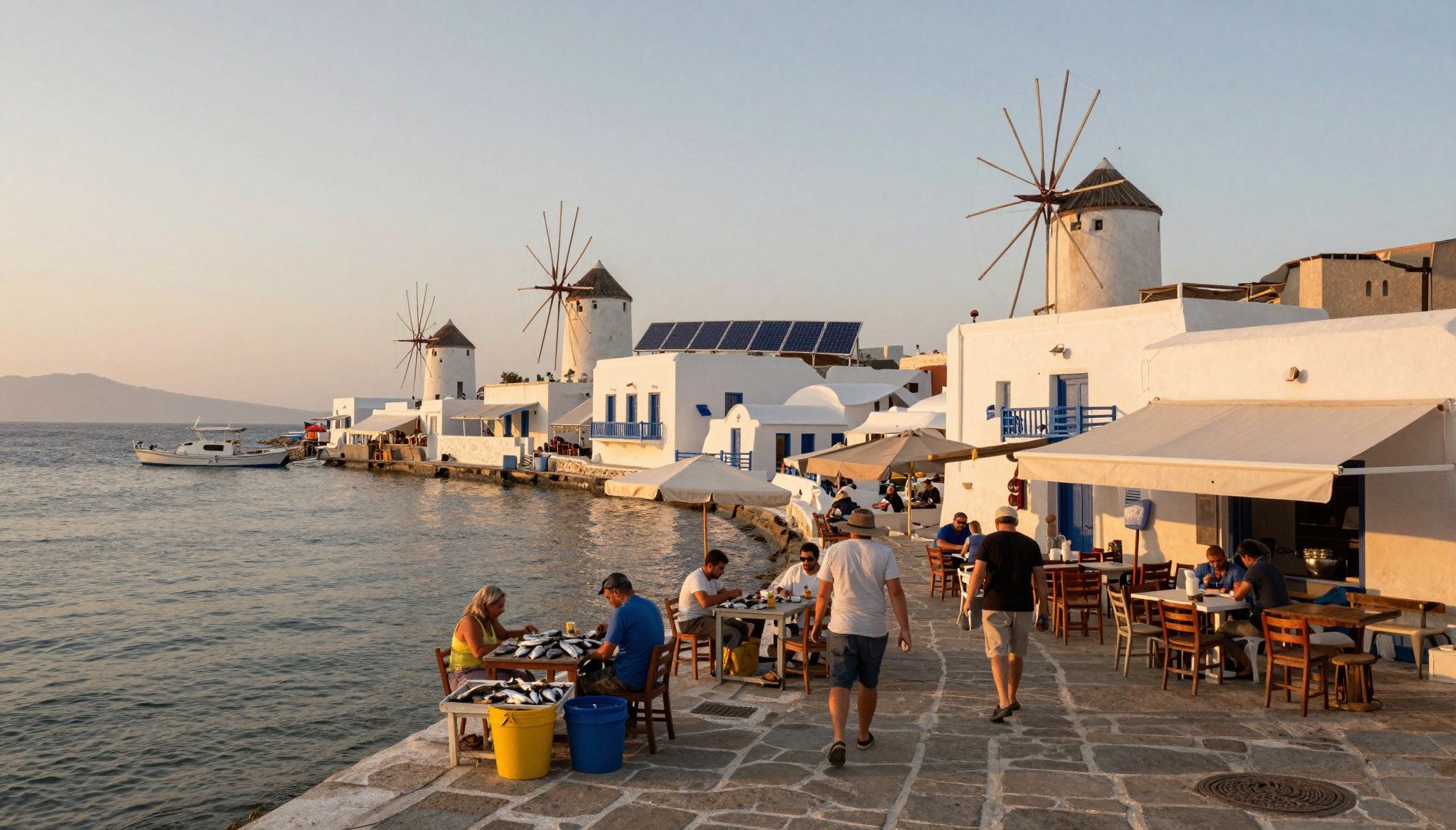
Imagine stepping out at dawn to buy figs from a stall in Koukaki, then wandering past a townhouse roof draped in bougainvillea where solar panels hum gently in the sun. That quiet pairing — old stone and new green tech — is what makes Greece feel like a place that has time to breathe and room to reimagine home. Recent market analysis shows international interest remains strong even as the market matures, and the rise of renewables is changing which neighbourhoods feel future‑proof.
Living the Greece life: sun, sea and small‑city rhythms
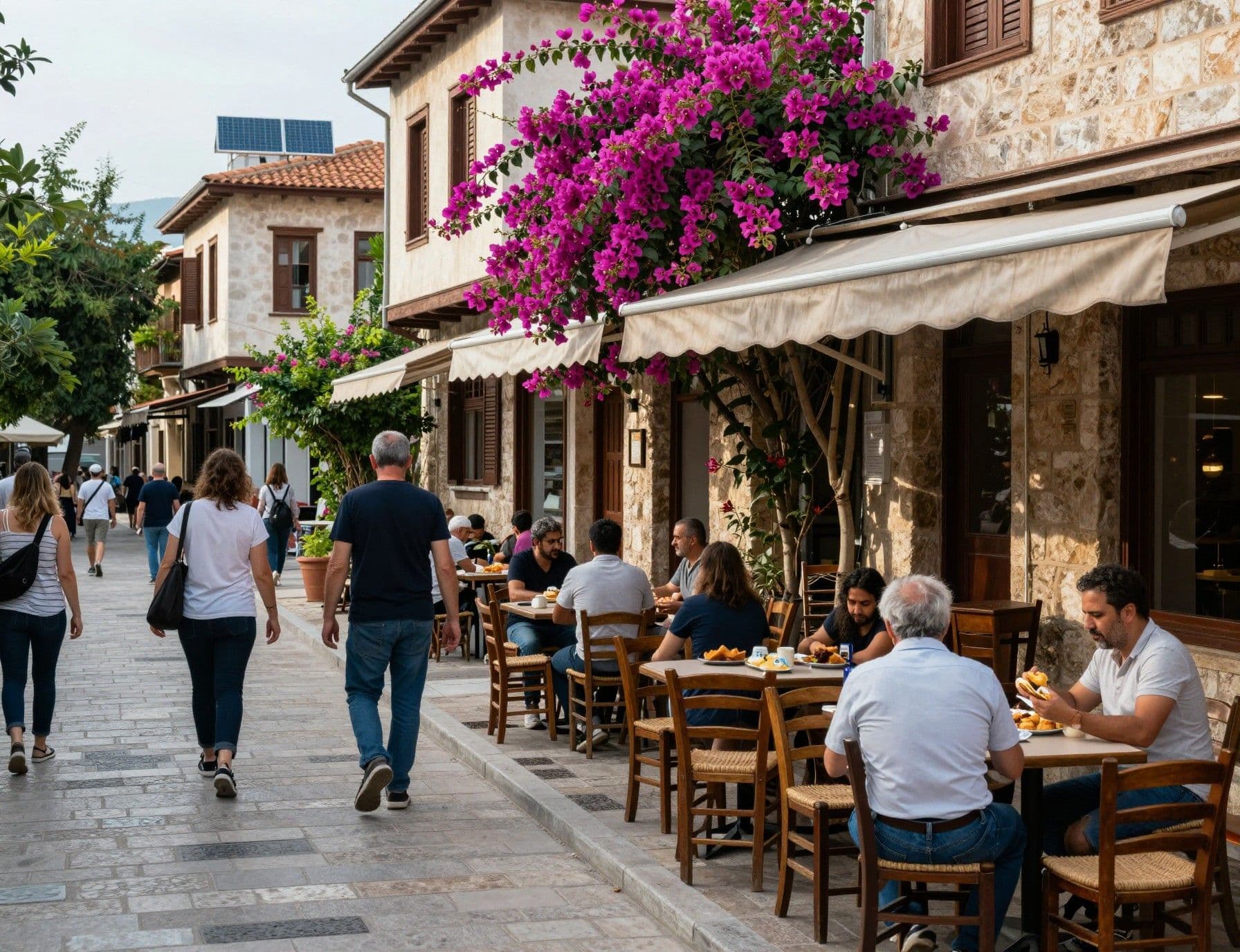
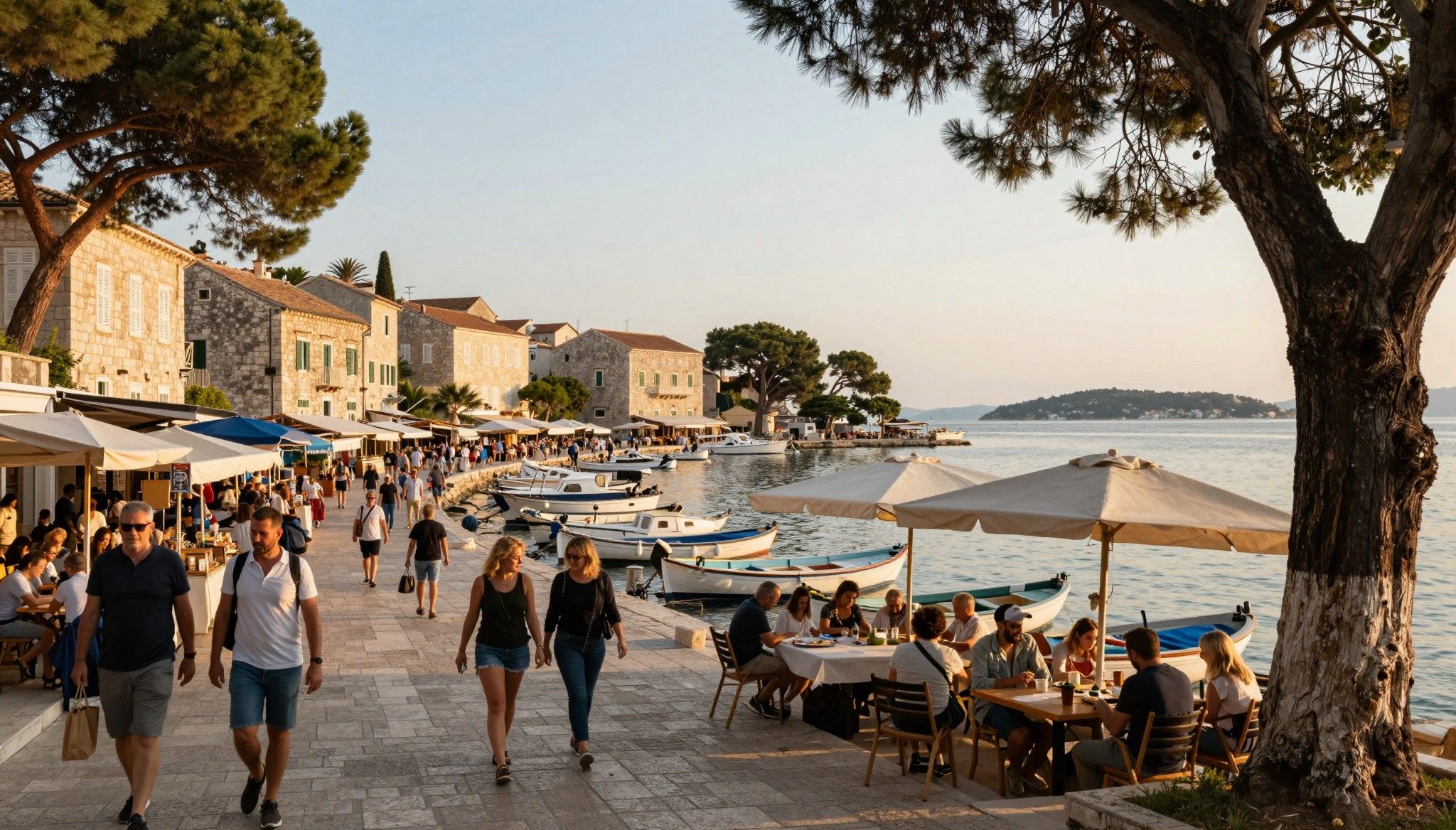
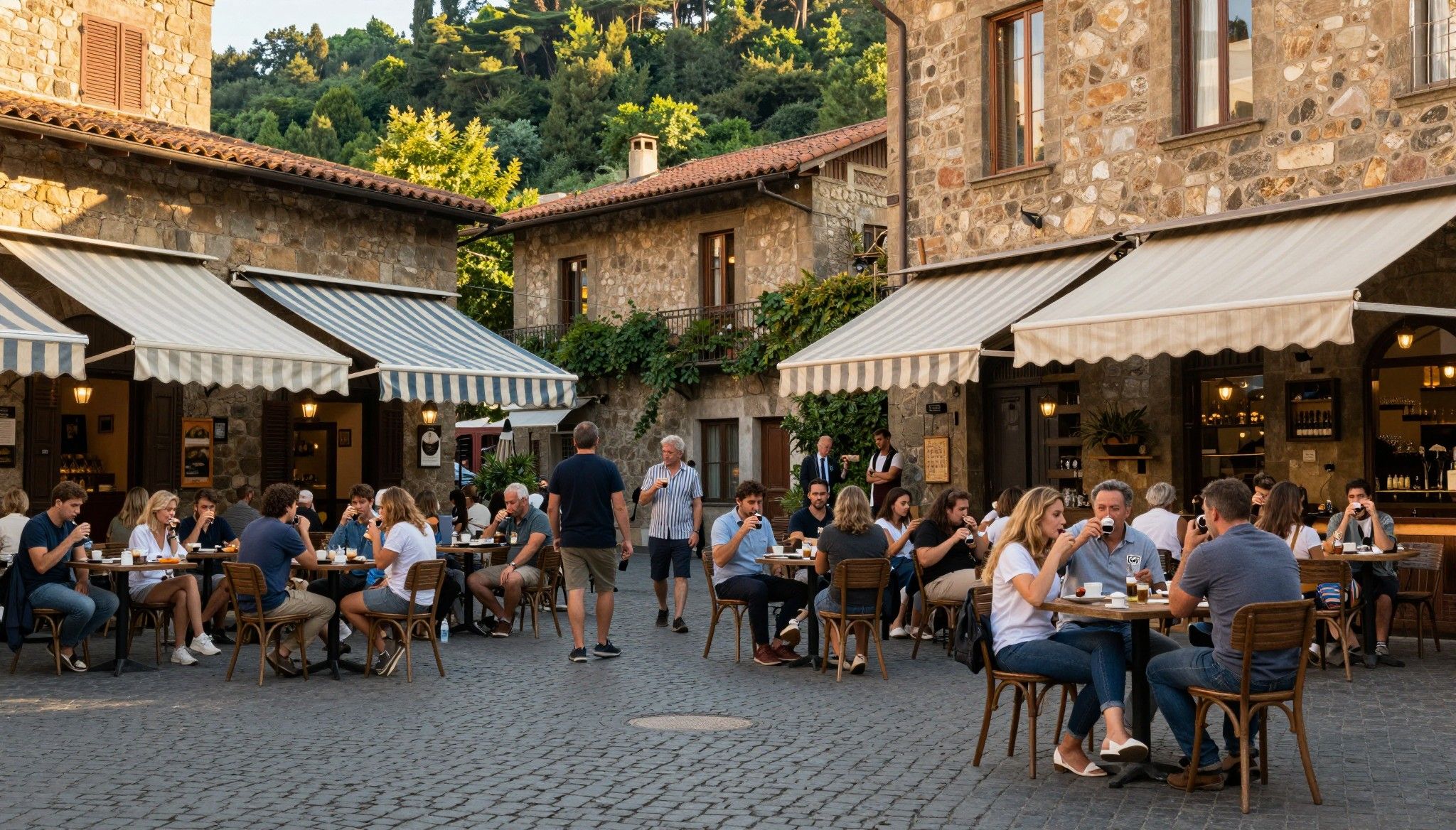
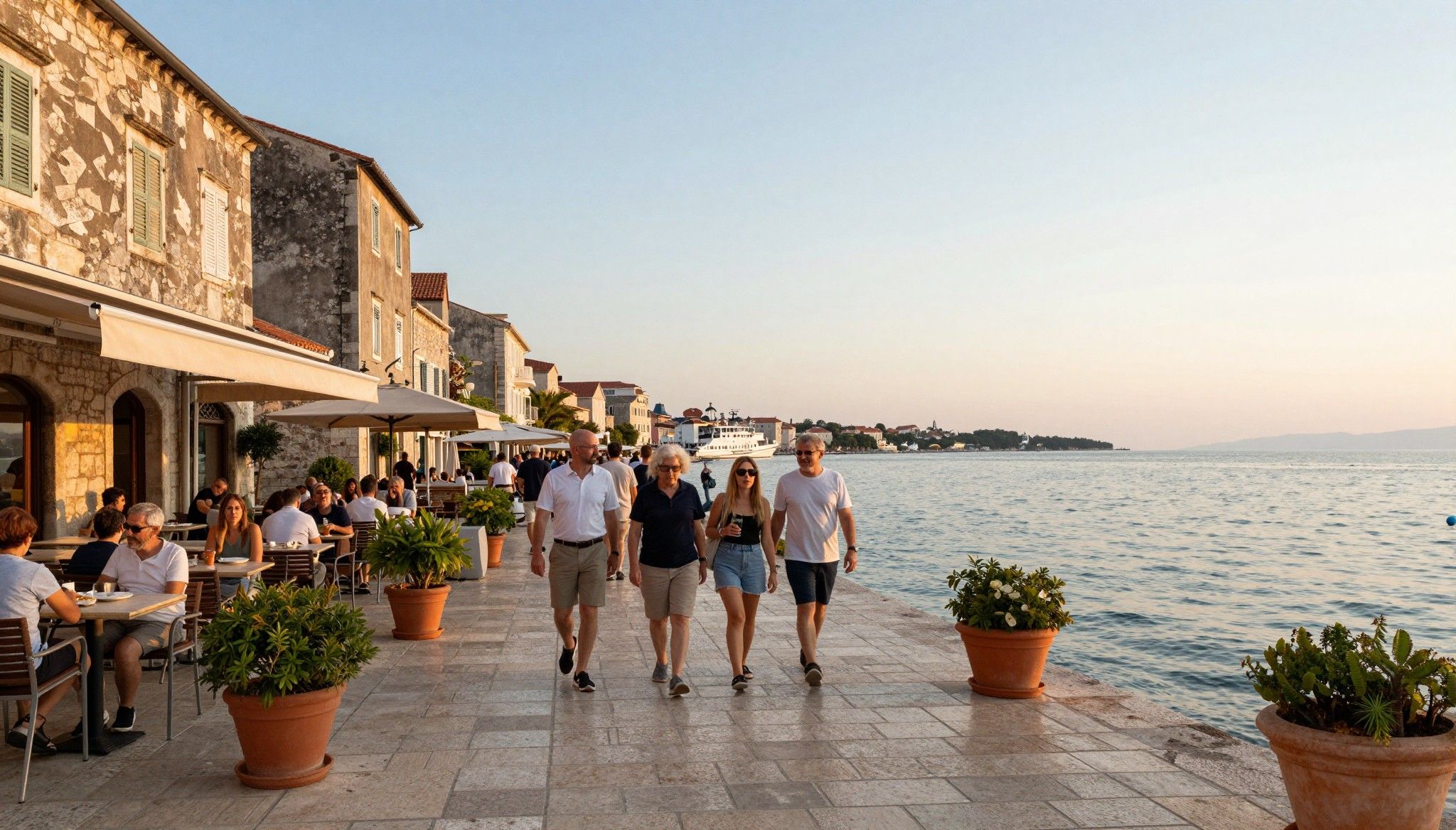
Greece moves at a pace that honors coffee and conversation. Mornings begin with short strolls to bakeries for warm koulouri; afternoons melt into siesta‑light pauses or cliffside swims; evenings are long and social, spent on tavernas' terraces. Whether you choose Athens' layered neighbourhoods or an island village, life here blends sensory pleasures — the salt air, citrus trees, and the sound of scooters — with an abiding emphasis on outdoor living.
Athens: terraces, ancient streets and a surprising green pulse
Walkable neighbourhoods like Koukaki and Pangrati sit close to the Acropolis yet feel quietly domestic: cafés with wooden chairs, under‑the‑radar modern bistros, community gardens and rooftop terraces that catch the last warm light. Many renovated neoclassical buildings now host energy‑efficient retrofits — insulation, double glazing and small PV arrays — creating homes that keep a sense of history while lowering running costs.
Islands & coast: village markets, fishing harbours and slow summers
Places such as Paros, Naxos and sections of Crete feel like slow cinema: early market runs for fresh fish, afternoons spent restoring a courtyard olive tree, and evenings walking to a small beach bar. Here, lifestyle is as much about landscape stewardship as leisure — olive groves, terraces and dry‑stone walls shape both property form and daily ritual.
- Lifestyle highlights: a local shortlist
- Koukaki morning espresso and bakery runs
- Paros fishing harbour feasts and weekly fish market
- Crete’s olive‑oil cooperatives and Sunday village markets
Making the move: where green infrastructure meets everyday life
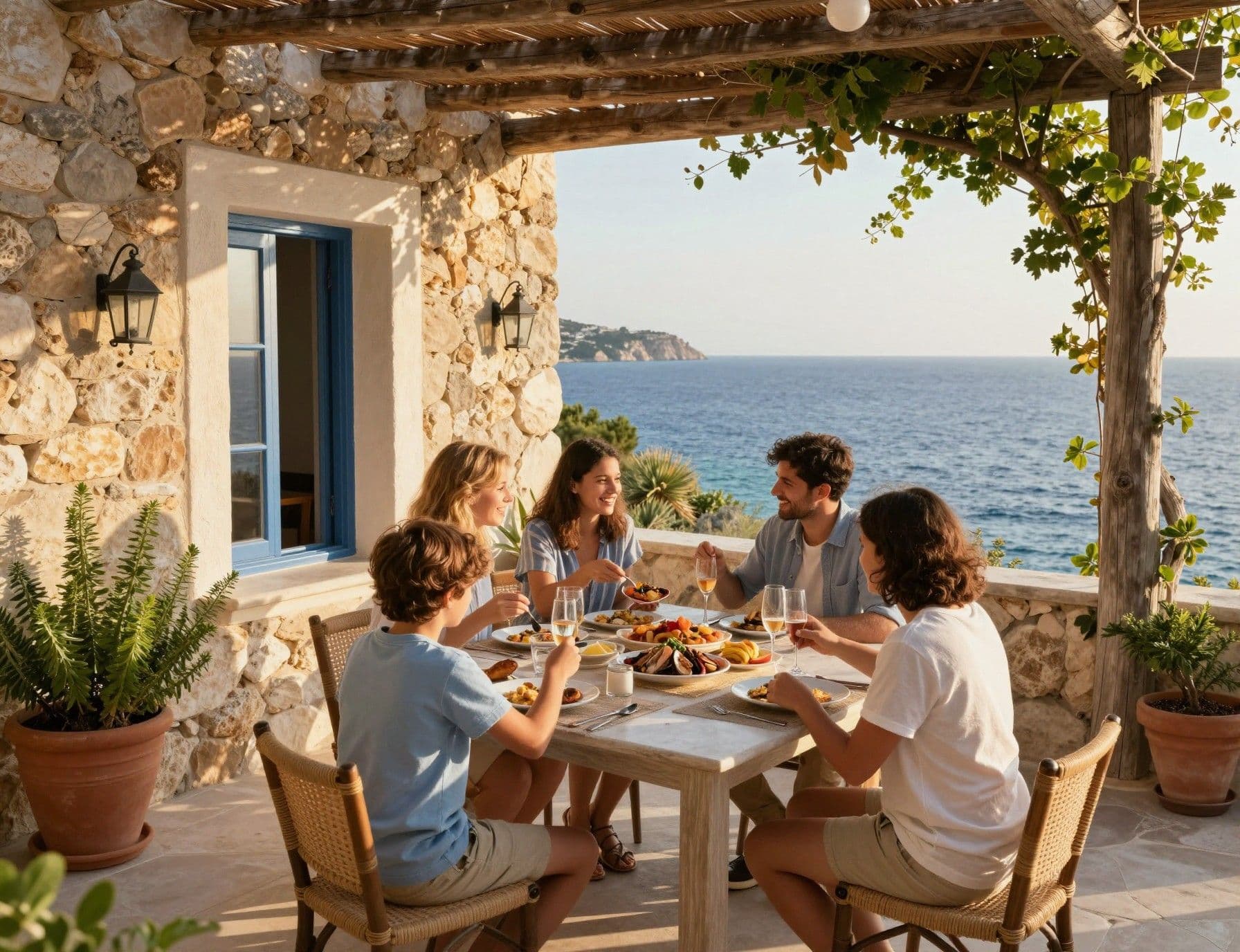
Your dream of a sunlit terrace and lower energy bills is increasingly realistic: Greece added gigawatts of PV in 2024 and renewable shares in the grid are rising, which affects both running costs and long‑term value. That shift means certain towns and islands are not just picturesque — they are becoming resilient places to live year‑round, with better connectivity to green grids and incentives for home solar.
Property styles that actually support the lifestyle
Traditional stone houses with thick walls are naturally cool in summer and pair beautifully with discreet PV and heat‑pump systems. New low‑rise builds often include rainwater capture, passive shading and native planting that reduces maintenance and encourages biodiversity. When you tour homes, picture the lived‑in moments — terrace breakfasts, late‑afternoon shade — then ask which features preserve those moments sustainably.
Working with local experts who know green tradeoffs
Local agents and architects who live here are your shortcut. They understand microclimates (coastal wind vs inland summer heat), where grid upgrades are planned, and which renovations will actually cut costs. A good local team helps you balance romance (sea views, stone floors) with resilience (insulation, battery storage) so your home is beautiful and sensible.
- Practical steps that blend lifestyle with logistics
- See the place in two seasons: visit in high summer and late spring or autumn to feel energy needs and community life.
- Ask sellers about recent energy bills and any rooftop PV or battery systems; compare running costs rather than headline prices.
- Hire an architect or local builder to estimate costs for insulation, heat pumps and water‑saving measures before making an offer.
- Prioritise neighbourhoods with planned grid or renewable projects — these often have better long‑term value and lower blackout risk.
Insider knowledge: myths, mistakes and the green reality
Here’s what people often misunderstand: 'island life equals high costs' and 'old stone means impossible renovations.' The truth is more nuanced. Islands with solid infrastructure and growing renewables can be surprisingly affordable to run. Stone homes can be brilliantly efficient when paired with modest upgrades. Expats who rush into purchases without local season‑tests or energy checks regret it; those who take time to see two seasons and talk to neighbours rarely do.
Cultural cues that change how you live and buy
Daily life in Greece is communal: you’ll build relationships in small shops, cafés and at the local laiki (open market). Learning a few phrases, joining a local association or volunteering at harvest time opens doors. Sellers often value a buyer who shows respect for the neighbourhood rhythm and local craft traditions; that matters when negotiating restorations or planning extensions.
Longer‑term: why green infrastructure matters for value
Regions accelerating renewable deployment are likely to see more stable occupancy, better tourism seasonality and lower utility volatility. Data from industry reporting shows Greece ramping up PV and renewables, which translates to more predictable energy costs and growing demand from buyers who value energy independence.
- Red flags to watch on viewings
- Absence of paperwork for recent electrical upgrades or PV installations
- Persistent damp or poor insulation despite heritage charm
- Neighbourhoods with seasonal-only services (ask about winter transport and shop openings)
Conclusion: live the life, steward the place
Greece offers a rare, textured life where traditional materials and modern green systems can coexist beautifully. Start with the sensory: spend mornings in local cafés, ask neighbours about power and water in winter, and bring a local architect early. When you marry the romance of place with careful questions about energy, water and microclimate, you’ll find homes that are both soulful and sensible — places worth stewarding.
Swedish advisor who left Stockholm for the Costa Brava in 2019. Specializes in sustainable, sea‑view homes for Scandinavian buyers and green finance insights.