Italy’s Green Advantage: How Renewables Shape Home Value
Italy’s rising renewables and local green finance mean lifestyle-rich homes now carry practical green value—seek places with visible eco-infrastructure and local expertise.
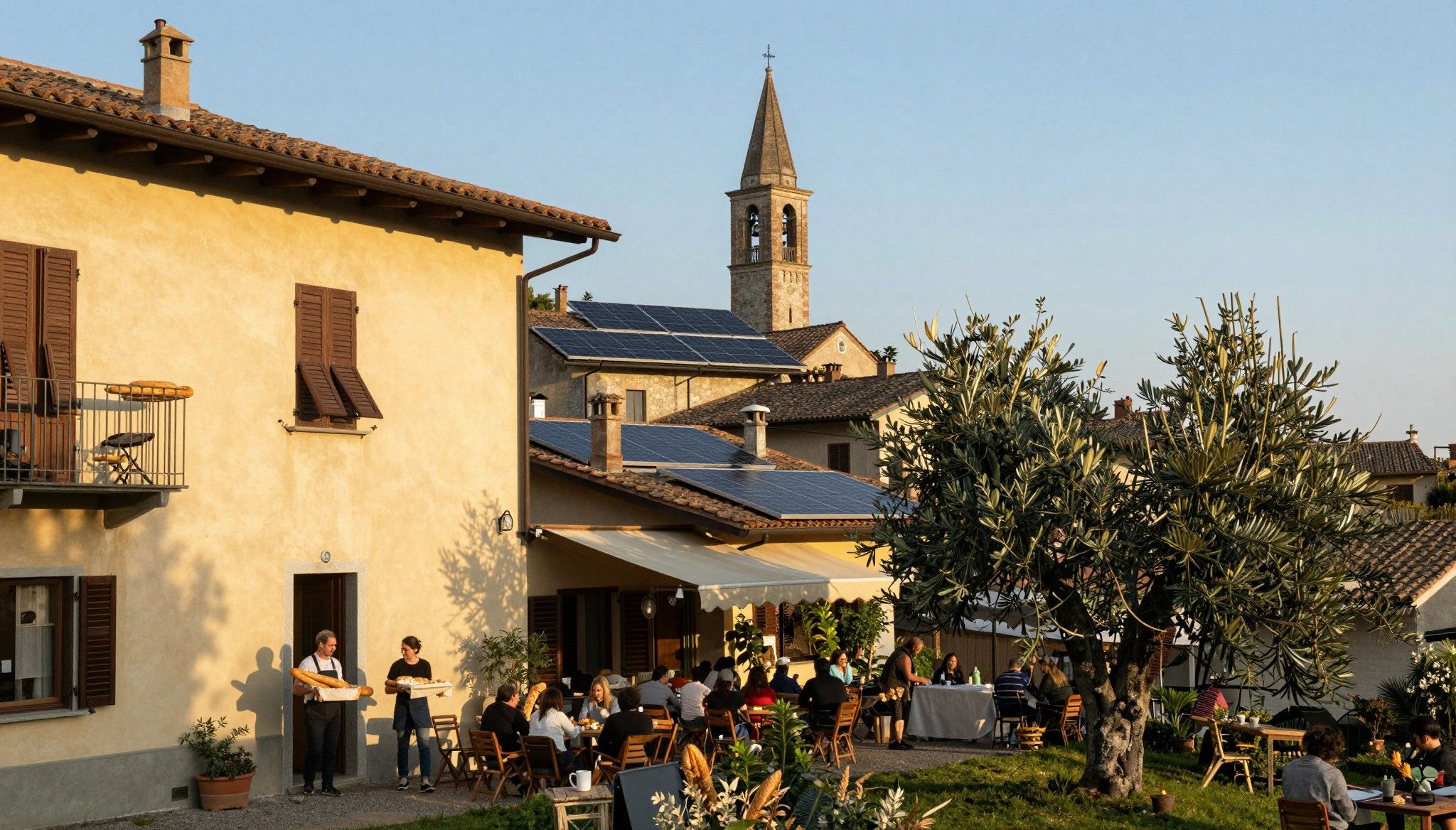
Imagine waking to the soft chime of a church bell, opening shutters to sun on ancient stone, and stepping out to a cafe where espresso is served alongside solar-shot panels on neighboring roofs. In Italy the romance of piazzas and vineyards now lives next to an unexpectedly modern story: rapid growth in renewables and a quietly shifting property market. For international buyers who care about landscape, community and low-impact living, this is the moment to think beyond clichés—sunlight, soil and smart infrastructure are rewriting neighbourhood value in very practical ways.
Living the Italy lifestyle with a green pulse
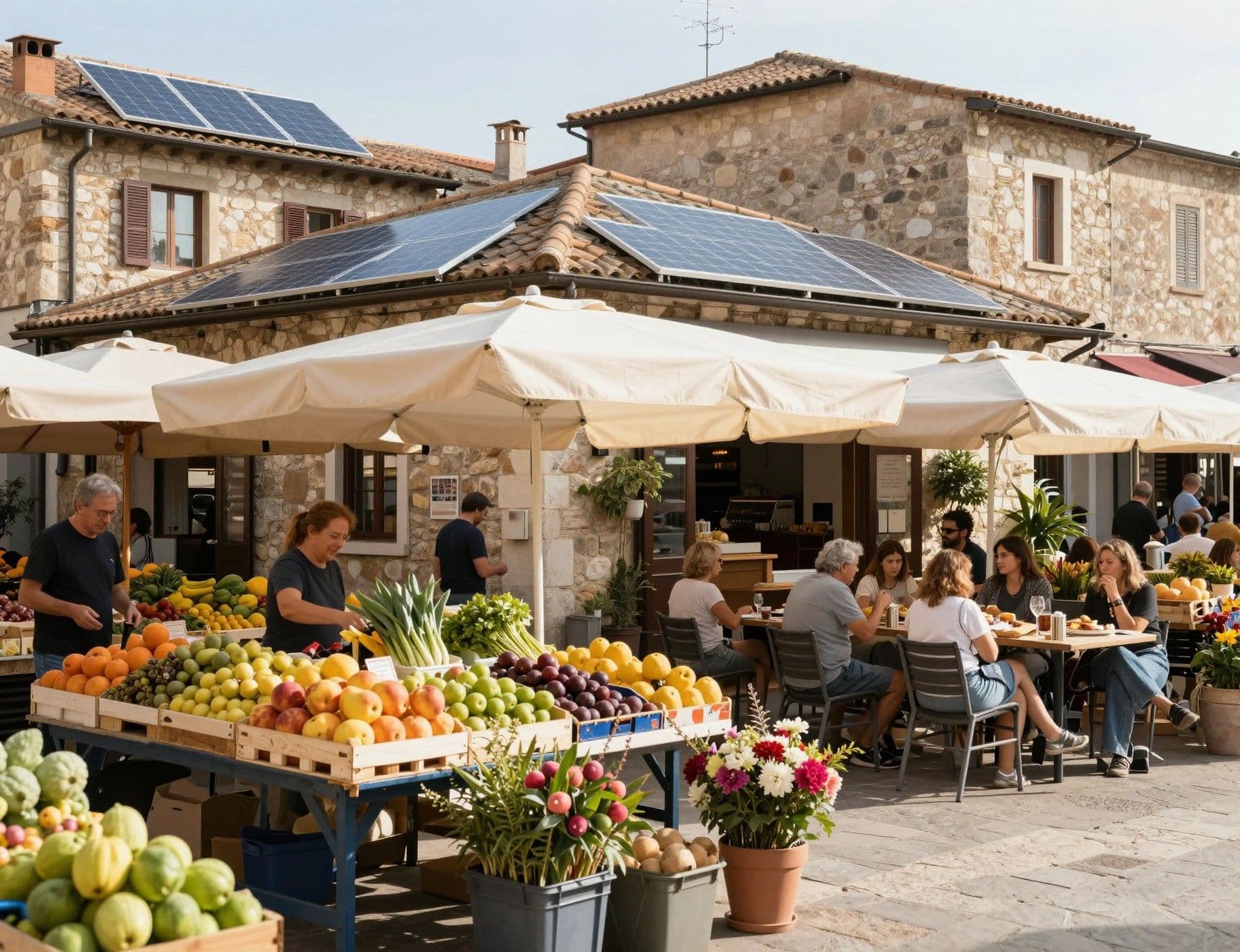
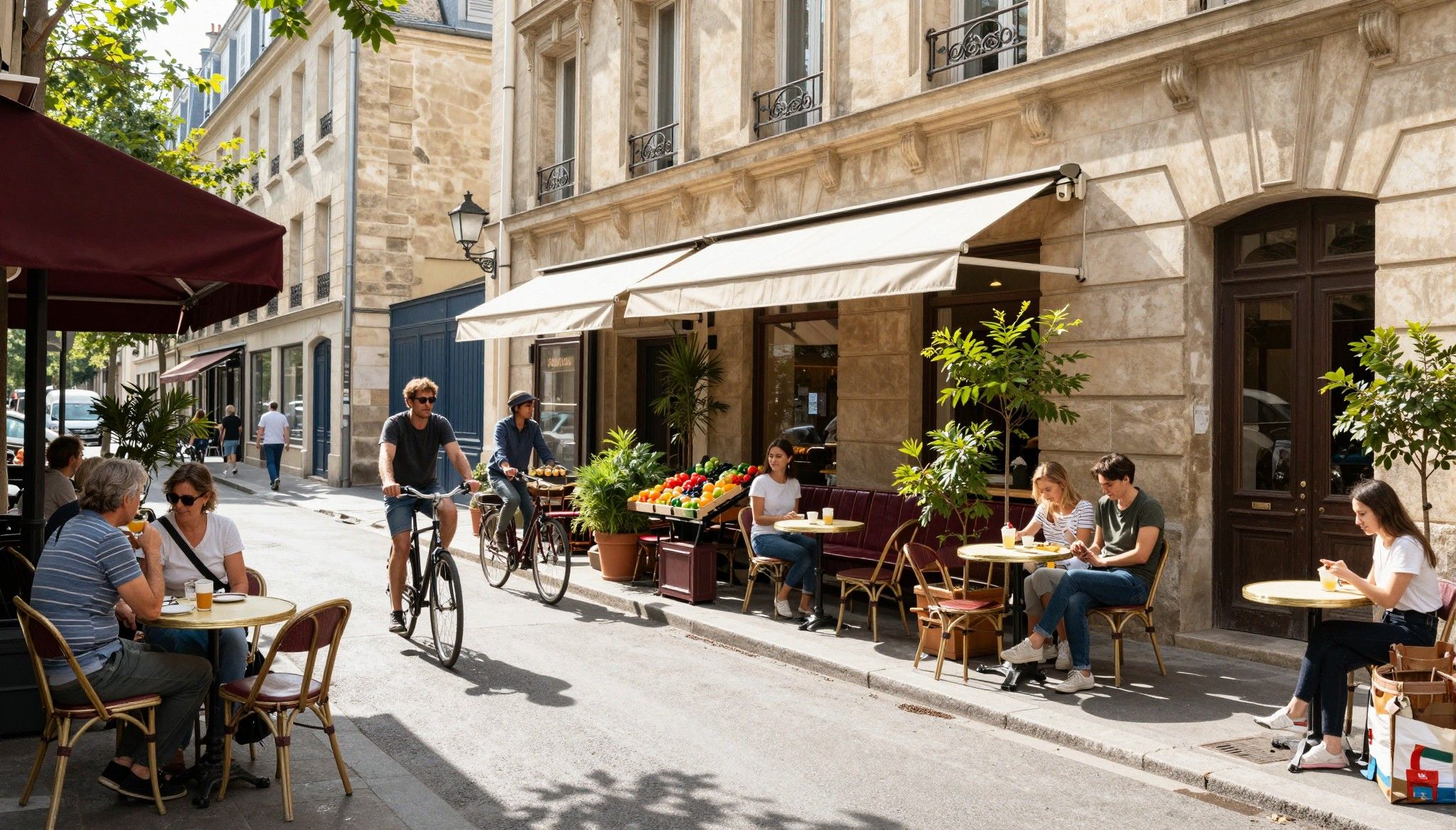
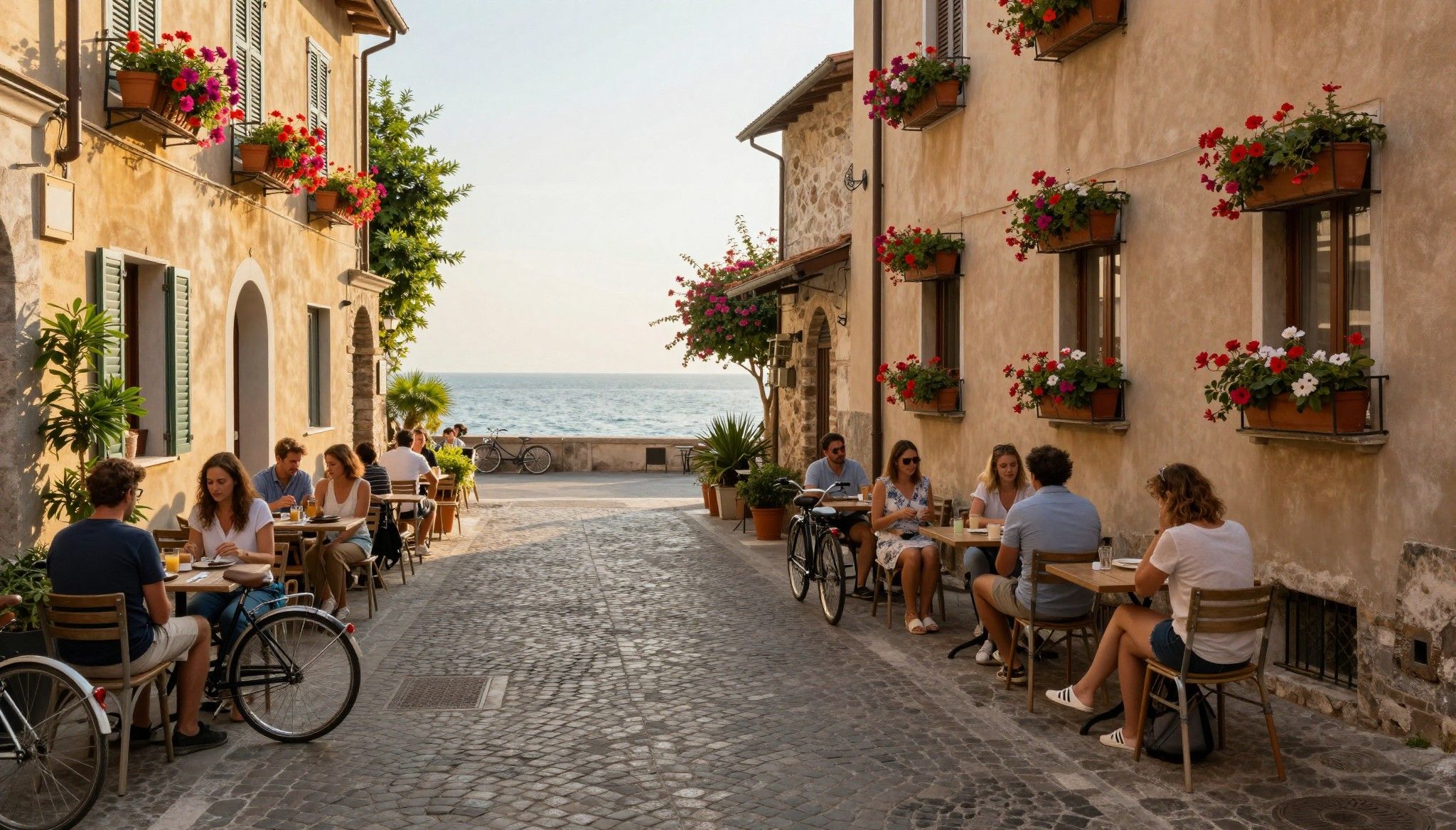
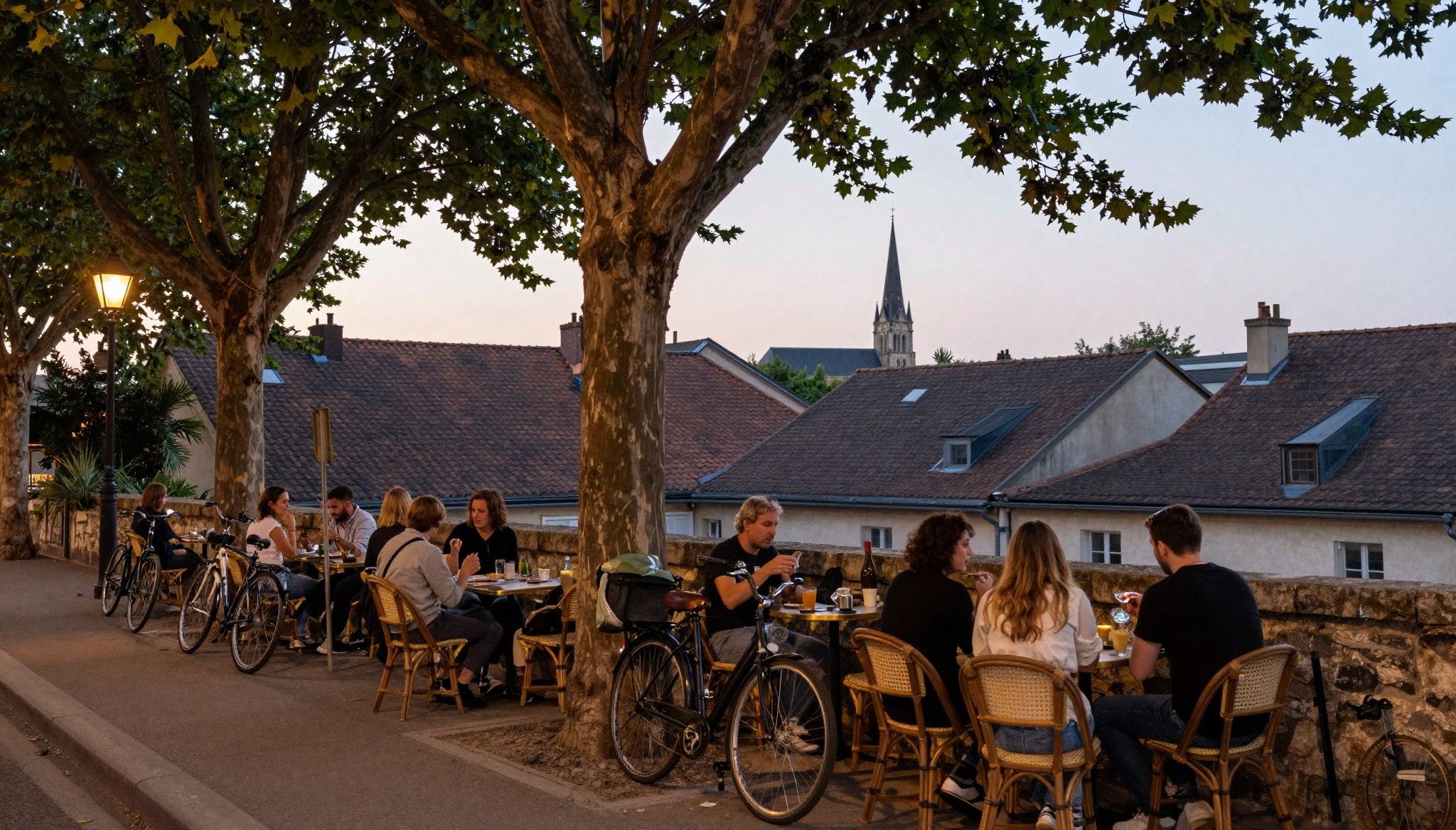
Italy still smells of fresh bread and sea salt; market stalls run with figs and fennel; bicycles thread narrow lanes and afternoons slow into long cafés. But alongside these timeless rhythms you’ll now find municipal solar canopies, community gardens irrigated by reused water and small-scale hydro in hill towns. The result is an intimate everyday life where ecological systems are visible and practical—your morning light may literally be powering your neighbourhood café.
North: lakeside calm and rooftop solar
In the lake districts and foothills—think Lake Garda villages and towns north of Milan—stone houses with family courtyards share the skyline with new PV on low-profile roofs. Terna’s recent reporting shows large additions to national solar capacity, and in these northern communities you often see discreet photovoltaic retrofits and energy-storage pilots. For a buyer, that means quieter grids in summer, stronger local resale appeal and a sense that modern infrastructure can live gently with historic fabric.
South & islands: sun-led life and community generation
In Sicily and Puglia the sun is plentiful and local communities are turning rooftops, olive groves and disused industrial roofs into generation opportunities. Renewable share of Italy’s electricity rose sharply in recent years, which makes these southern towns appealing if you value self-generation, sunny terraces and outdoor life. Expect afternoons of slow lunches, wind in the olive groves, and the practical bonus of lower daytime consumption pressure during summer months.
Making the move: lifestyle-led practicalities
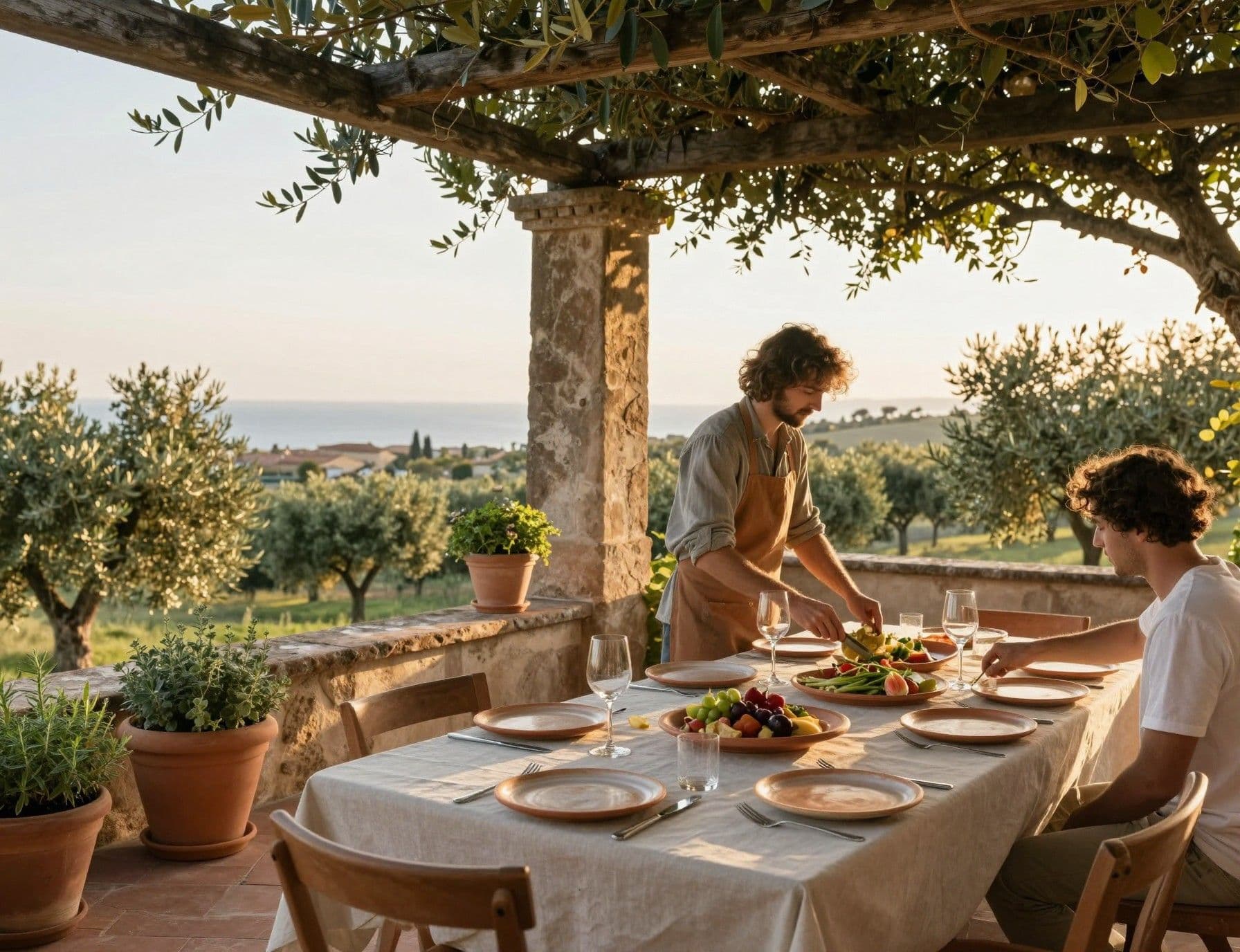
Romance alone won’t protect you from the daily realities of ownership—maintenance of stone roofs, the realities of seismic reinforcement, and the patchwork of local grids. But when green infrastructure is factored in, you gain practical advantages: lower running costs, access to local incentives for efficiency upgrades, and sometimes preferential finance. Smart buyers who pair lifestyle priorities with green credentials tend to end up with homes that are both more comfortable and more resilient to future costs.
Property styles that suit eco-minded lives
A hilltop stone casa, a renovated convent room in a small town, or a modern seafront apartment each supports different eco-lifestyles. Stone houses lend themselves to passive thermal mass strategies and vegetable terraces; restored apartments benefit from shared-wall efficiency and often easier access to grid-tied solar. Match the building fabric to how you want to live—gardening, entertaining, or low-maintenance village life—and you’ll find sustainable upgrades are simpler and cheaper to integrate.
Work with local experts who know both place and grid
Choose an agent who can point you to places with grid stability, local incentives and trustworthy installers. Italian banks have started offering green mortgages and incentives for energy upgrades, and working with a lender who understands local retrofit opportunities can mean real savings. Agencies that combine neighbourhood knowledge with technical contacts for energy audits will save weeks of guessing and reduce the chance of unpleasant surprises after purchase.
Insider knowledge: what expats wish they'd known
Expat homeowners often tell the same story: the first year is sensory bliss, the second year reveals paperwork and hidden maintenance, and the third year you’re fluent in local rhythms. House prices in Italy rose modestly in recent quarters, driven by demand for renovated and energy-efficient homes—so a lovingly renovated, green-upgraded place can outperform a bare shell. Knowing local permit timelines for solar or seismic work often separates happy owners from frustrated ones.
Cultural integration and everyday community
Learn café etiquette, market rhythms and simple Italian phrases to ease daily life; neighbours value courtesy more than fluency. Many towns host weekly mercados, volunteer olive harvests and seasonal festas where newcomers quickly weave into social life. Participating in local sustainability projects—tree-planting, community composting, or a village energy co-op—fast-tracks friendship and gives you practical leverage when proposing property improvements.
Long-term stewardship: how life evolves here
Buying in Italy is rarely a single transaction; it’s an entry into a landscape and a civic rhythm. Over time you’ll steward gardens, join local associations protecting rural biodiversity, and learn to read the microclimates of your property. For buyers who see a home as part of an ecosystem, Italy rewards patience: properties improved with native planting, rainwater collection and careful restoration often gain both in value and in daily quality of life.
- Lifestyle highlights to look for when touring properties
- Weekly market (name the town), morning espresso at the corner bar, a shady terrace for summer dining, community olive-press or local cooperativa, nearby hiking or sea-swimming spot
- Practical green signs: visible PV or battery equipment, recent roof replacement, rainwater tanks, evidence of native planting and pollinator-friendly gardens
Step-by-step: a pragmatic tour checklist
- Inspect orientation and shading for solar potential; ask for recent energy bills and any energy certificate (APE); meet the neighbours and ask about seasonal issues like water or access; confirm permit history for additions; get quotes from local installers for PV or insulation before making an offer
If you want the life—late dinners on a tiled terrace, market mornings and a garden that hums with bees—pair romance with a short list of practical checks. Work with an agent who understands both heritage fabric and modern infrastructure, secure a local energy audit early, and consider green mortgage options that reward efficiency. Doing so lets you protect the life you love and invest in a home that returns value in comfort, community and smaller bills.
Conclusion: Italy’s green infrastructure isn’t a backdrop—it’s an active part of how life feels here. From rooftop panels in a Ligurian alley to community solar on an island, these practical signals matter for lifestyle and long-term value. When you buy, think like a resident: taste the market, join the daily rituals, and pick the property that supports the life you want and the landscape that sustains it.
Danish relocation specialist who moved from Copenhagen to the Algarve; supports families with seamless transitions, local partnerships, and mindful purchases.