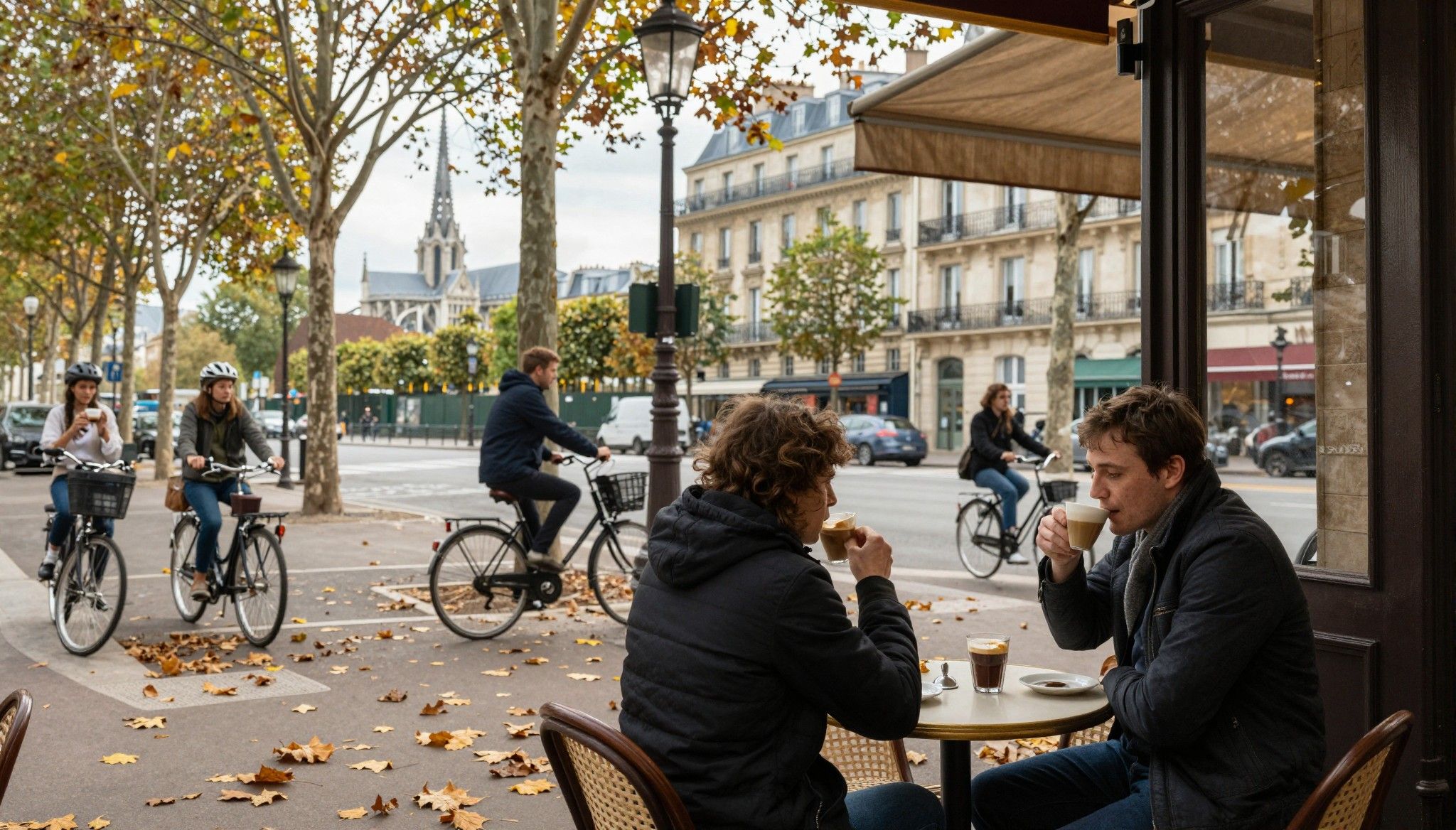
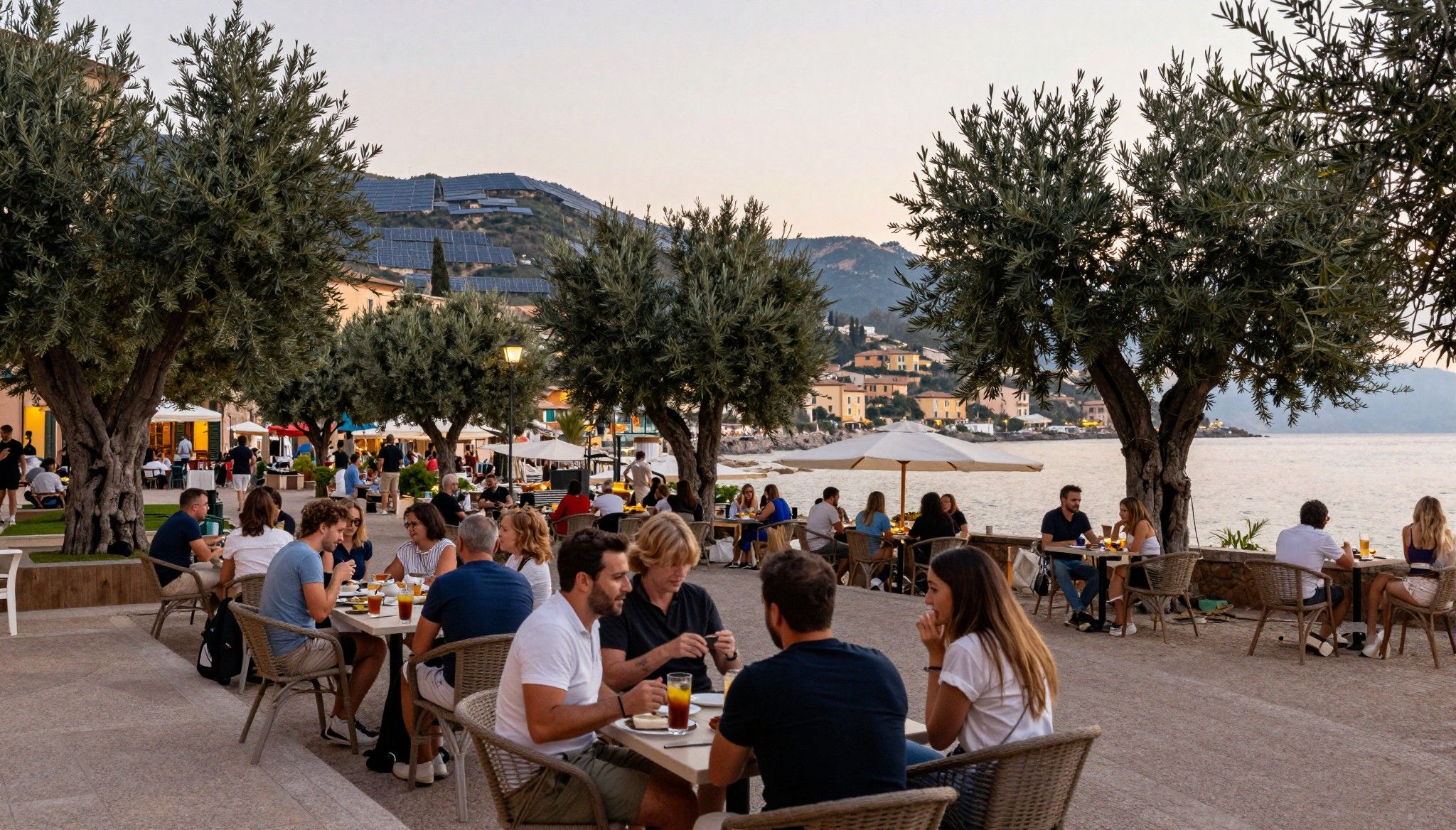
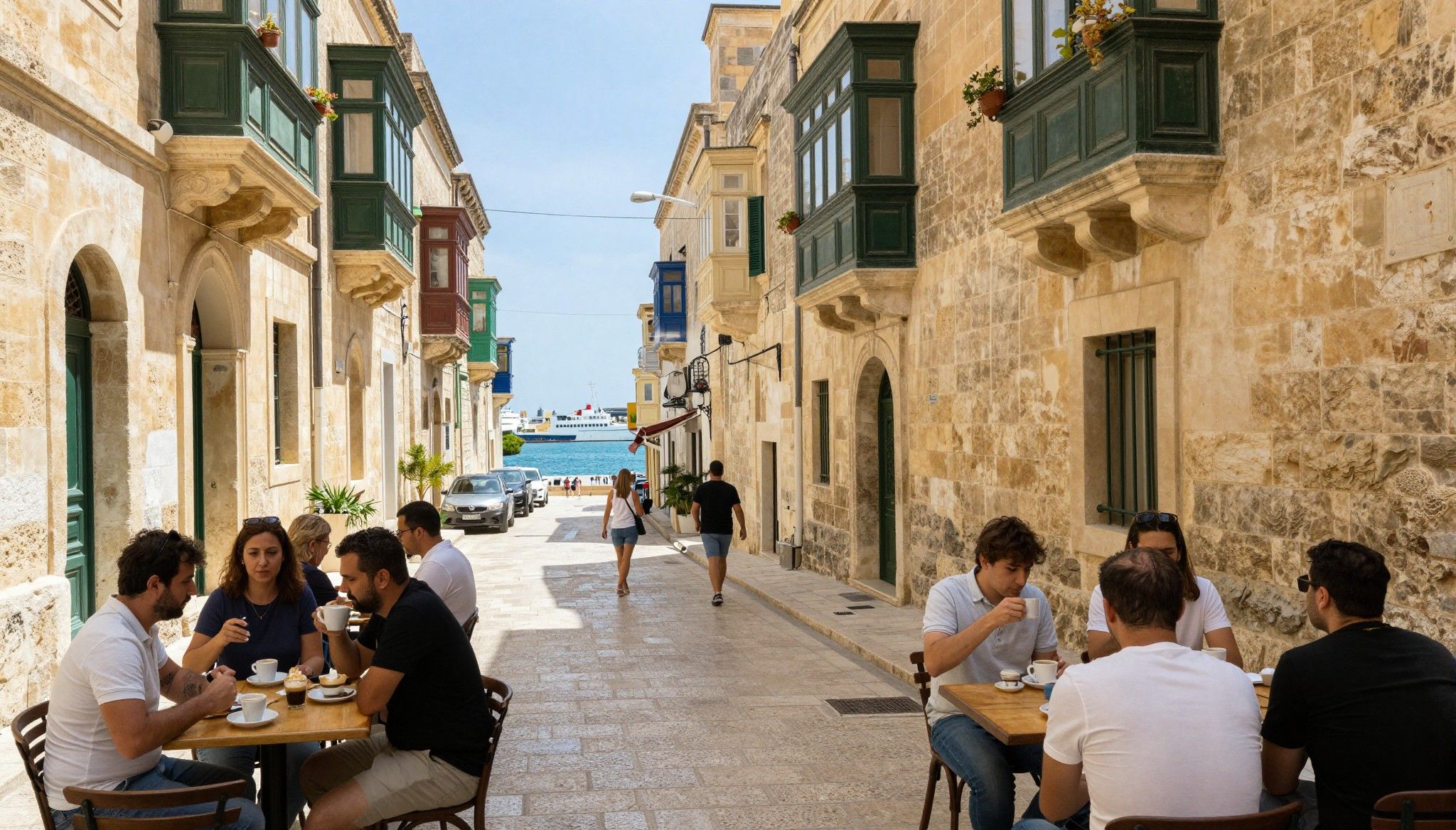
Seasonal Living in Italy: Buy for Life, Not Just Views
Italy’s charm is sensory—markets, seasons and craft—yet micro data matters: buy for lifestyle, seasonality, and neighbourhood stewardship backed by local market evidence.
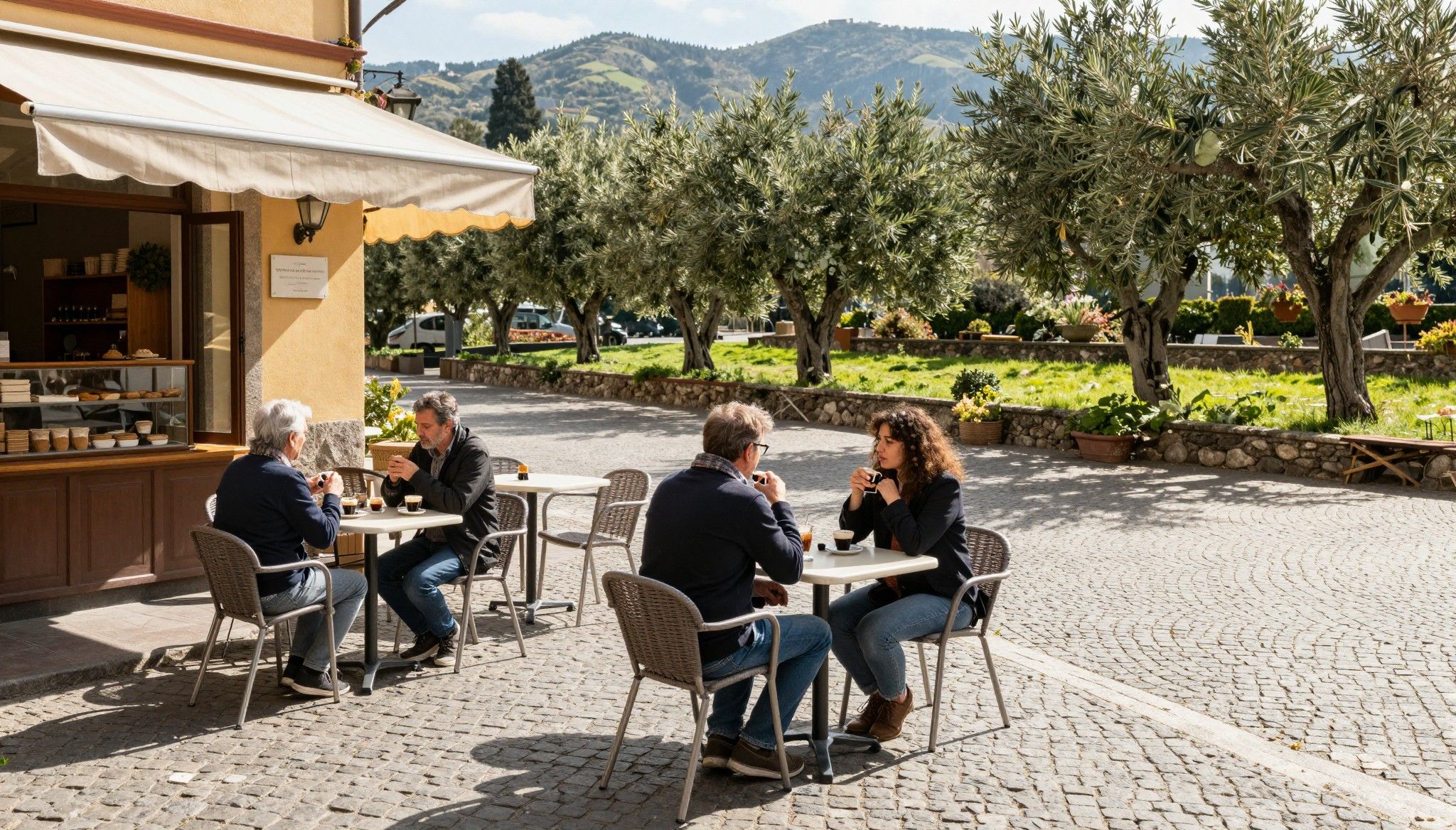
Imagine sipping espresso at a sun-warmed piazza in a stone village outside Lucca, then walking home past olive terraces where the air smells of rosemary and baking bread. That slow, sensory rhythm is what brings people—especially international buyers seeking greener, quieter life—to Italy. Yet beneath the romance there are practical rhythms too: seasons that govern daily living, neighbourhood customs that shape community life, and local market patterns that determine where true value sits.
Living the Italy lifestyle: more than scenery
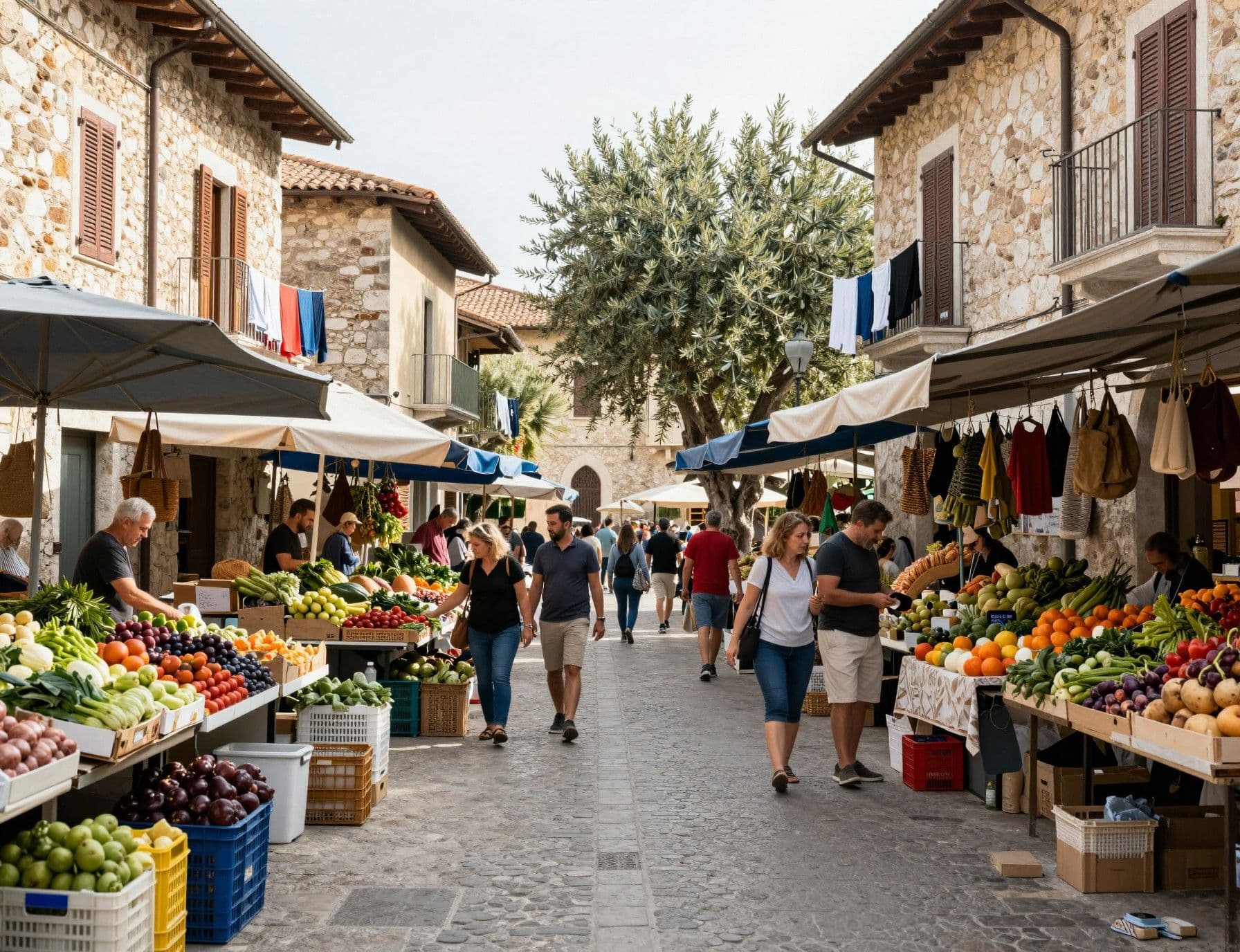
Italy is not one feeling but many: the slow mornings of Puglia, the sea-salted afternoons on the Ligurian coast, the misty olive groves of Umbria, and the cathedral-shadowed alleys of Siena where children still play bocce at dusk. Daily life is organized around markets, cafés, and seasonal rituals—Saturday mercati, mid‑afternoon riposo in small towns, and long Sunday lunches that stitch families and neighbours together. For buyers who value green living, the appeal is tangible: courtyard gardens, stone thick walls that regulate temperature, and neighbourhoods where repair and reuse are part of the local craft ethic.
Neighborhoods that breathe: pockets of real green living
Look beyond the postcard cities and you’ll find micro‑neighbourhoods where nature and daily life intertwine. In Bologna’s Santo Stefano quarter, for example, community gardens and family-run trattorie sit alongside workshops that practice centuries‑old craft; on the Amalfi Coast, inland hamlets like Praiano offer terraces and natural springs while avoiding the relentless tourist loop. These are places where an apartment’s balcony can double as an herb patch and where neighbours barter excess citrus and preserves—small acts that add up to a low‑impact lifestyle.
Food, markets and seasonality: the true calendar of life
Seasonality in Italy is not decorative: it organizes what you buy, how you socialise, and how you use your home. Truffle fairs in Piedmont redraw visitor flows in autumn, coastal towns empty and re‑fill with summer in a different rhythm, and winemakers in Tuscany move between pruning and harvest around the property calendar. For buyers, thinking seasonally means choosing a home that earns its keep in the months you’ll live there—shade and thermal mass for hot summers, insulated shutters for crisp winters, and outdoor kitchens for autumn feasts.
Making the move: practical considerations that protect the lifestyle
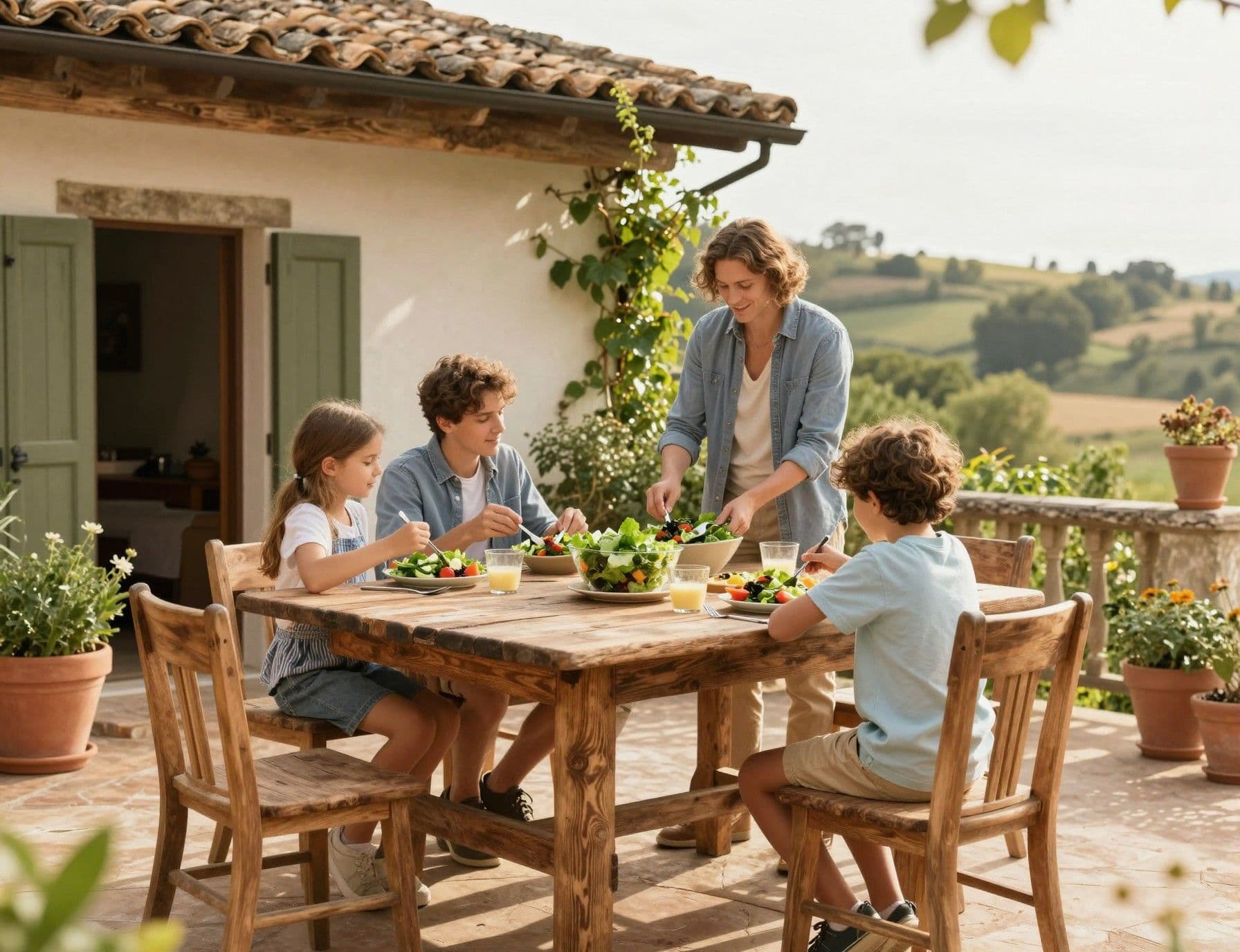
Italy’s property market has shown modest upward pressure in recent years, but it’s uneven by region and typology. National data (ISTAT) shows house‑price growth concentrated in city centres and desirable coastal towns, while inland villages can still offer lower entry points. Reading national headlines can be misleading—what matters for the lifestyle you want is micro data: whether the immediate neighbourhood supports local markets, renewable upgrades, or landscape stewardship.
Property styles: what to choose for green living
Stone farmhouses (casali) often offer thick walls and passive thermal benefits, making them easier to adapt for low‑energy living; apartment flats in historic centres lend themselves to community‑minded urban life with shared courtyards; and new builds near Bologna or Milan increasingly include heat pumps and photovoltaic-ready roofs. Match the property type to how you want to live: small garden and orchard for regenerative gardening, courtyard apartment for café culture, or a hilltop stone house if you want space to invest in solar and water catchment.
Working with local experts who steward the place
The right local agency is part steward, part storyteller: they should know the artisans who repair clay tiles, the planners who fast‑track micro‑PV permits, and the neighbour who runs the co‑op olive press. Choose agents with proven ties to community initiatives (energy co‑ops, restoration projects) and bilingual staff familiar with both Italian bureaucracy and international expectations. That relationship protects your lifestyle: a trusted local will say when a listed façade means renovation restrictions, or when a nearby floodplain requires specific insurance.
Insider knowledge: the things expats wish they'd known
Expats often arrive with romantic plans but underestimate the small, practical customs that shape daily life: riposo, the importance of the local barista, and how municipal calendars close services for festa days. Many also overlook demographic reality—Italy’s population is ageing, and that affects neighbourhood amenities and long‑term demand in quieter inland areas (ISTAT forecasts suggest an increasingly older population). Knowing this helps you decide whether you want a lively, mixed‑age town or a quieter, restorative retreat.
Cultural integration: everyday practices that matter
Learning a handful of Italian phrases will transform your life faster than a formal course: buy local at the mercato (mercato), greet shopkeepers (buongiorno), and ask about seasonal produce (che c’è di stagione?). Join a neighborhood association or volunteer at a sagra and you’ll be known, which matters when the community shares garden cuttings, compost bins, and repair knowledge. These social connections translate into a lived sustainability that no retrofit can buy.
Longer view: how your lifestyle will evolve here
Think of buying in Italy as planting a garden: immediate pleasures (markets, cafés) are followed by slower returns—community roots, adapted homes, and seasonal rituals. Over time you may retrofit for solar, harvest rainwater, or convert an attic into a studio for local craft. Sustainable upgrades not only cut running costs but deepen your place in the local economy: you’ll hire a mason for lime mortar, a carpenter for reclaimed shutters, and a gardener who knows local pollinators.
- Practical checks before you commit
- Micro‑climate: does the property get harsh winter winds or hot afternoon sun that affect comfort and energy needs?
- Planning constraints: is the façade listed or are there limits on enlarging windows for passive cooling?
- Community infrastructure: is there a local market, volunteer groups, or a cooperative that supports low‑impact living?
- Step-by-step for a lifestyle‑aware purchase
- 1) Visit across seasons: autumn for harvest rhythms, winter to test insulation, spring for markets.
- 2) Meet the neighbours and local artisans: they’ll tell you about hidden costs and upkeep realities.
- 3) Ask your agent for energy performance certificates and recent renovation permits before making an offer.
- 4) Budget for medium‑term stewardship: a green retrofit, garden work, and joining local initiatives.
Conclusion: live what you buy
If you choose Italy for green living, buy with the seasons, the neighbours, and the landscape in mind. Let lifestyle lead the search—then use data and local expertise to secure a property that supports that life. An agency rooted in local stewardship can help you find not just a house, but a place where your daily rituals—morning markets, evening aperitivi, tending an olive tree—become the architecture of a new life.
British expat who traded Manchester for Mallorca in 2017. Specializes in guiding UK buyers to luxury Spanish estates with clear navigation of visas and tax.