Italy: Season‑Aware Buying for Stewardship‑Minded Buyers
Italy’s lifestyle-rich regions reward buyers who pair seasonal, place-aware choices with data-backed market insight—visit across seasons, hire local craftsmen, and match property type to how you want to live.
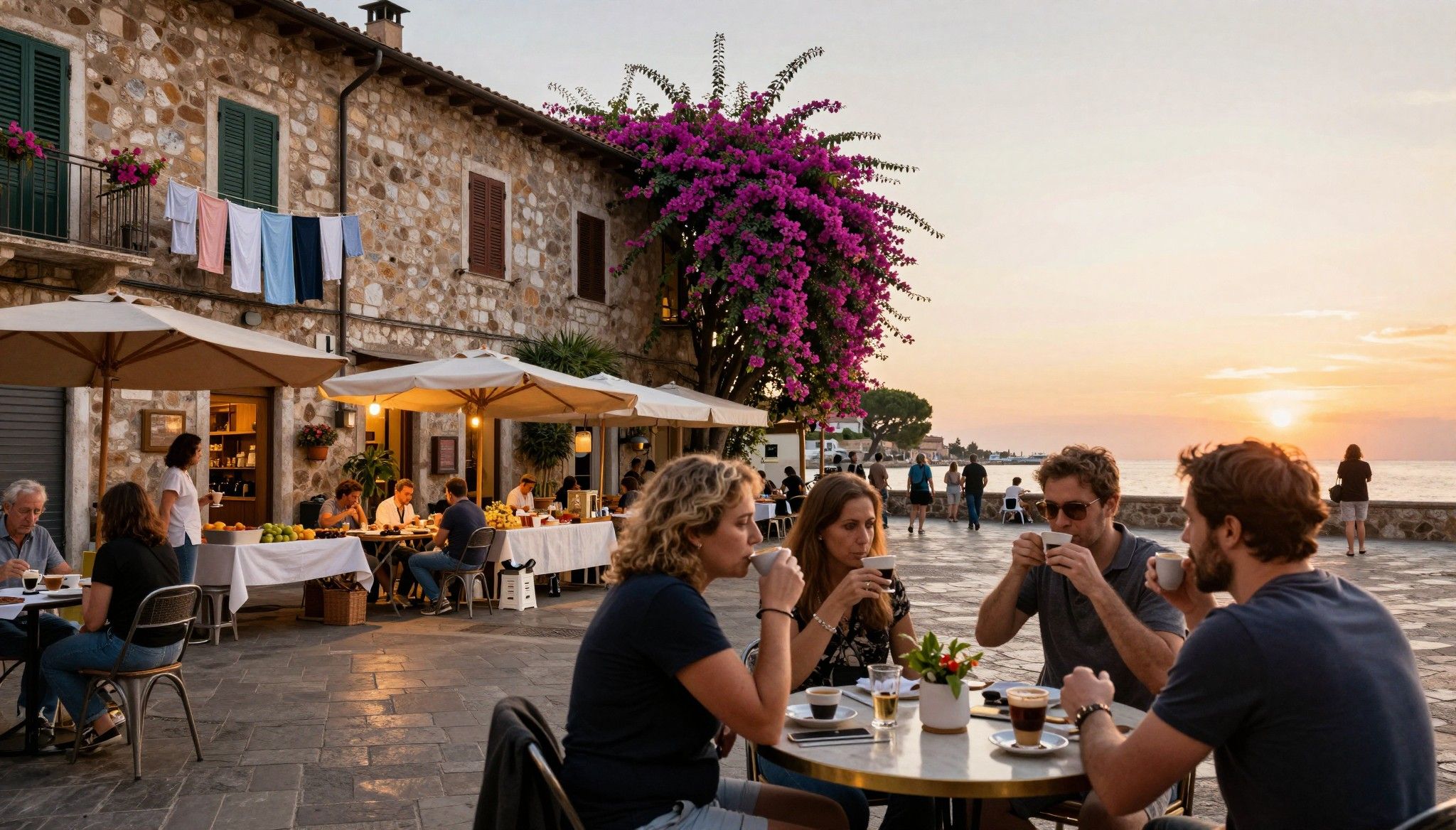
Imagine waking to the smell of fresh espresso and sun-warmed stone, stepping out to a piazza where an elderly man folds morning newspapers while a vendor arranges late-season figs. That gentle, textured rhythm—market chatter, church bells, and the hush of olive groves—defines daily life in many parts of Italy. For international buyers drawn by culture and nature, Italy is less a single lifestyle and more a tapestry of seasons, crafts and local customs that shape how you live, garden and care for a home. Recent national data shows modest but steady price movement across regions, so pairing that romance with current market facts matters if you want a home that fits both heart and long-term stewardship.
Living the Italian Life: More Than Postcards
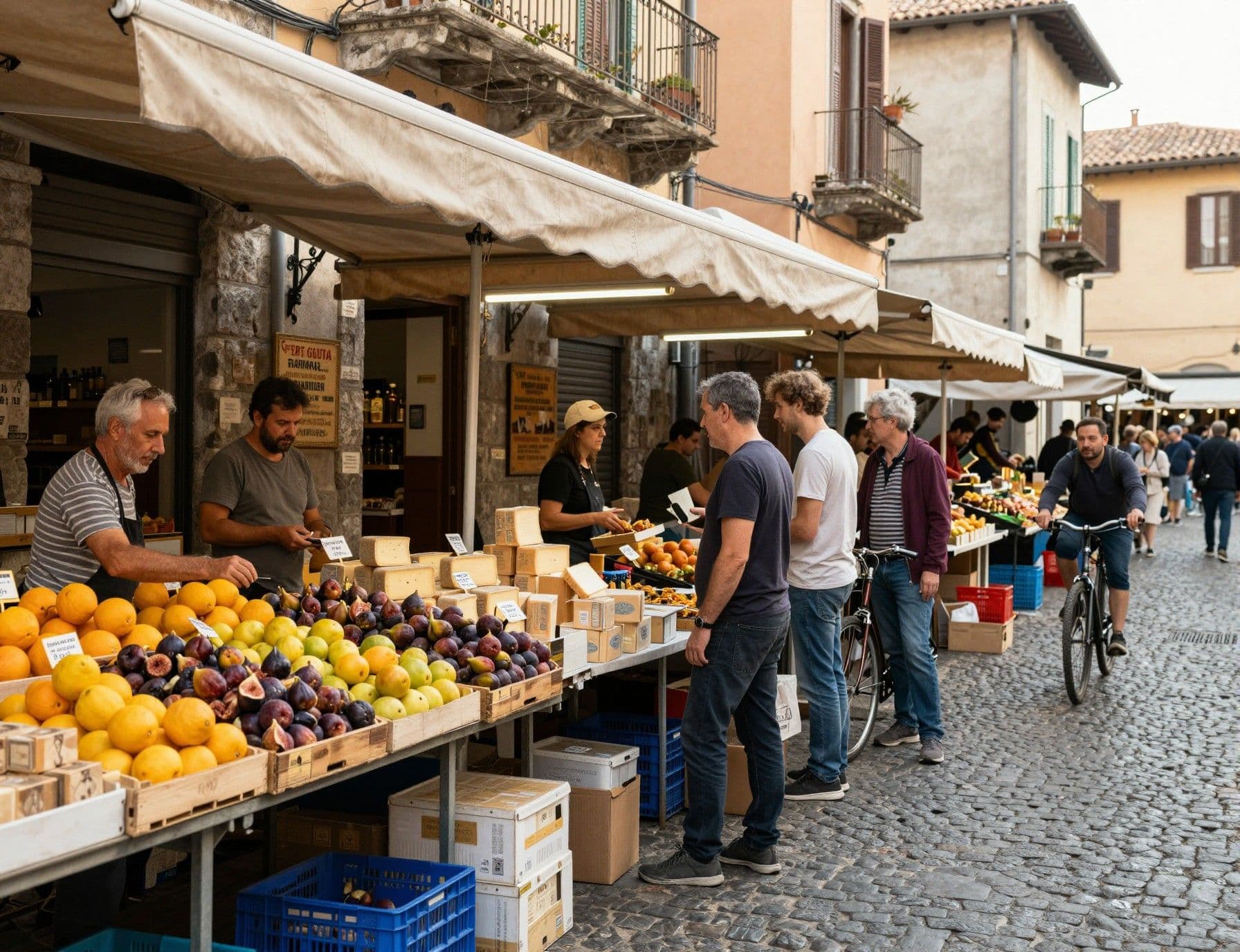
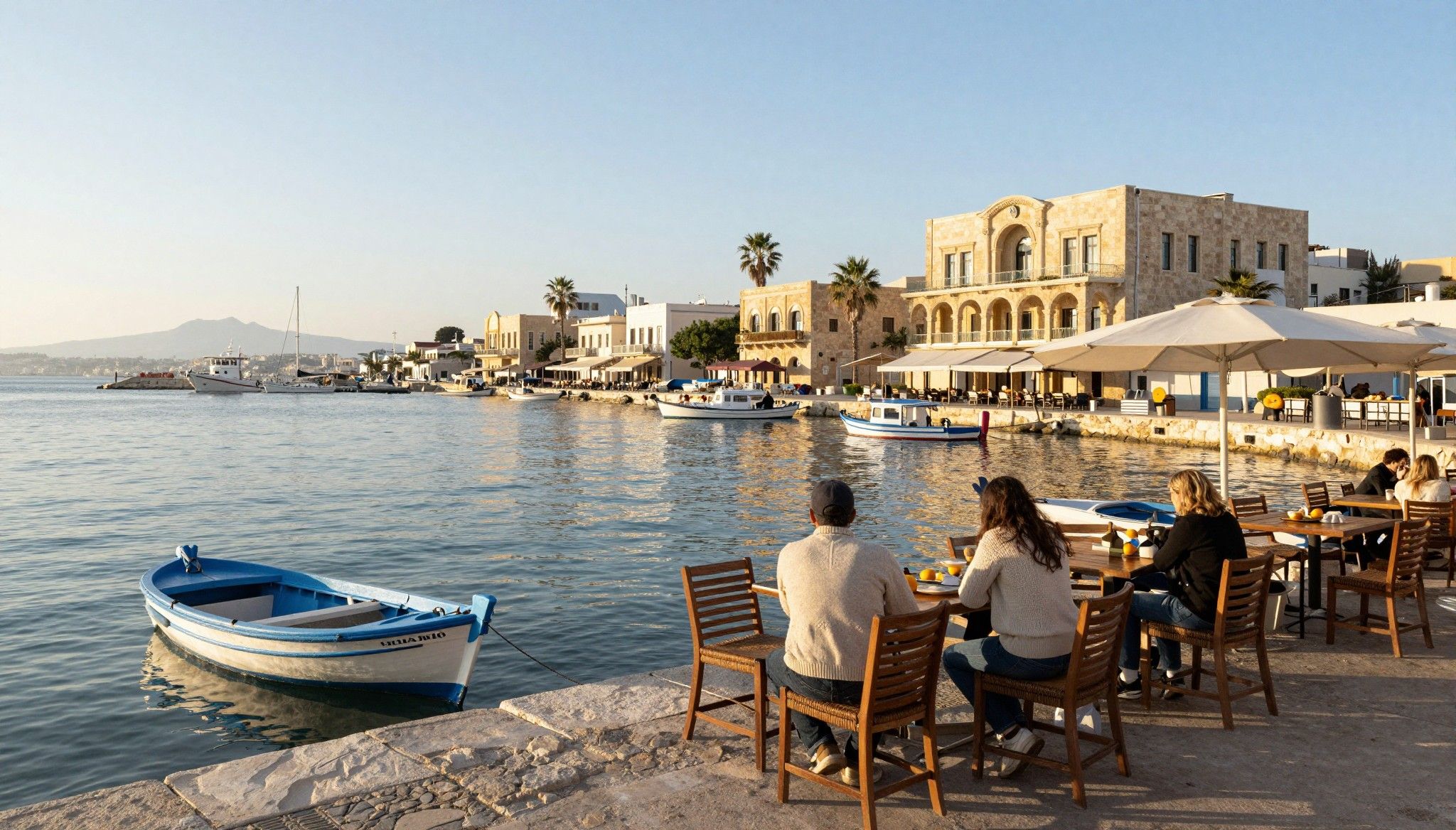
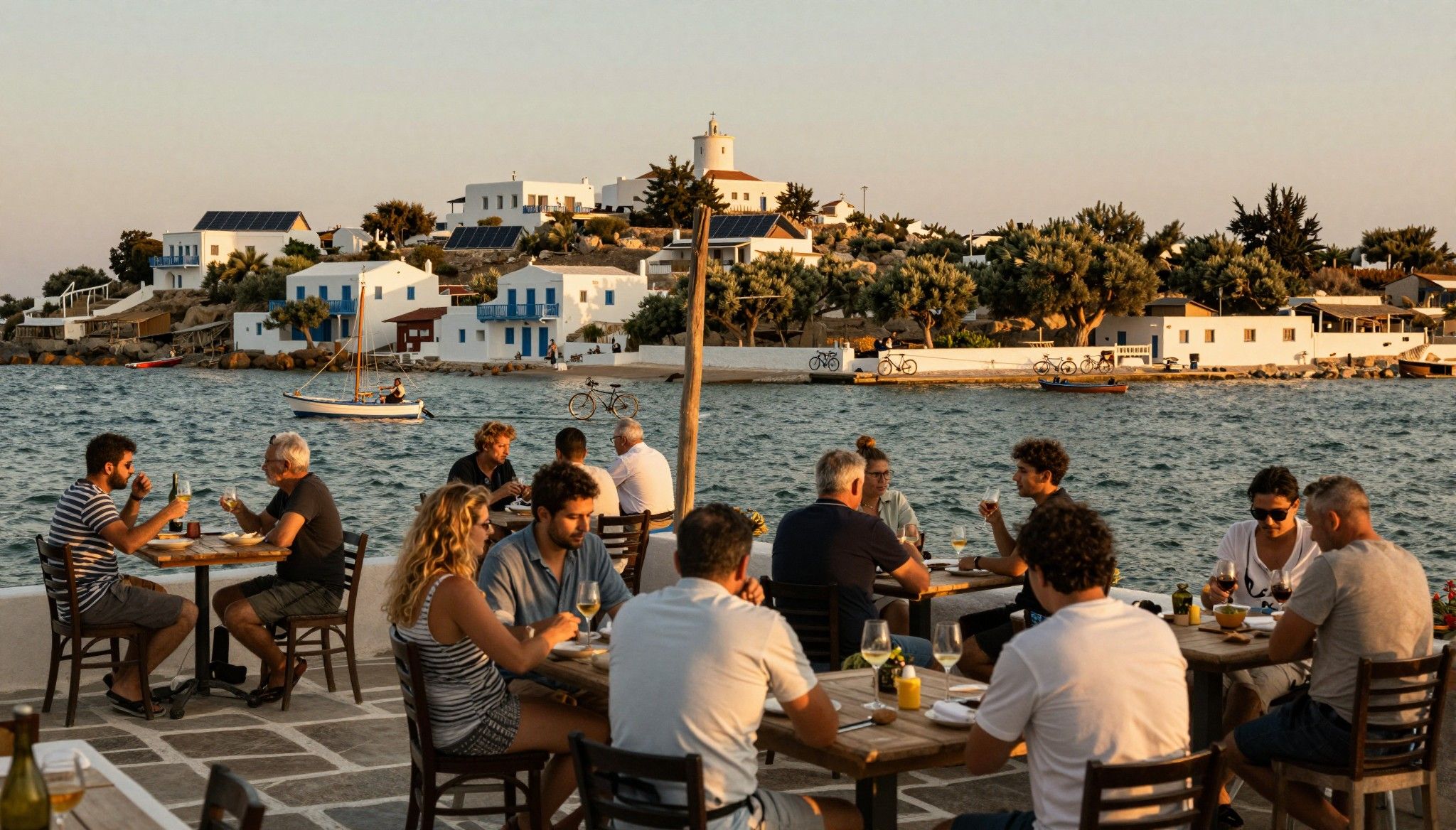
Italy’s daily life is tactile: morning coffee at a corner bar, afternoons wandering open-air markets, evenings pulling up a chair for a slow dinner. In cities like Florence and Bologna the cadence favors walking and small-scale artisans; on the Amalfi Coast or Lago di Como the rhythm leans to water, terraces and outdoor living. Your choice of town determines not just views but the smell of the season—salt and lemons in the south, truffle earth in parts of Piedmont, pine and resin in coastal Corsican-influenced pockets. That sensory map is essential when you imagine sustainable features: a south-facing courtyard for solar gain, a courtyard cistern for rainwater, or a chestnut roof beam that invites restoration rather than replacement.
Neighborhoods that feel like belonging
In Rome, Trastevere still moves at a village pace despite tourism; its narrow streets spill into small artisan workshops and late-night trattorie. In Milan, Brera hums with design energy and compact courtyards that suit those seeking stylish, walkable urban life. For quiet green living, hilltop towns in Tuscany—Pienza, Montefollonico or parts of the Val d’Orcia—offer restored stone homes, orchards and community markets where seasonal food is woven into social life. Choosing a neighborhood means weighing ritual over convenience: do you want a daily market run, or a weekly pilgrimage to a farmers’ co-op?
Food, craft and seasonal living as daily practice
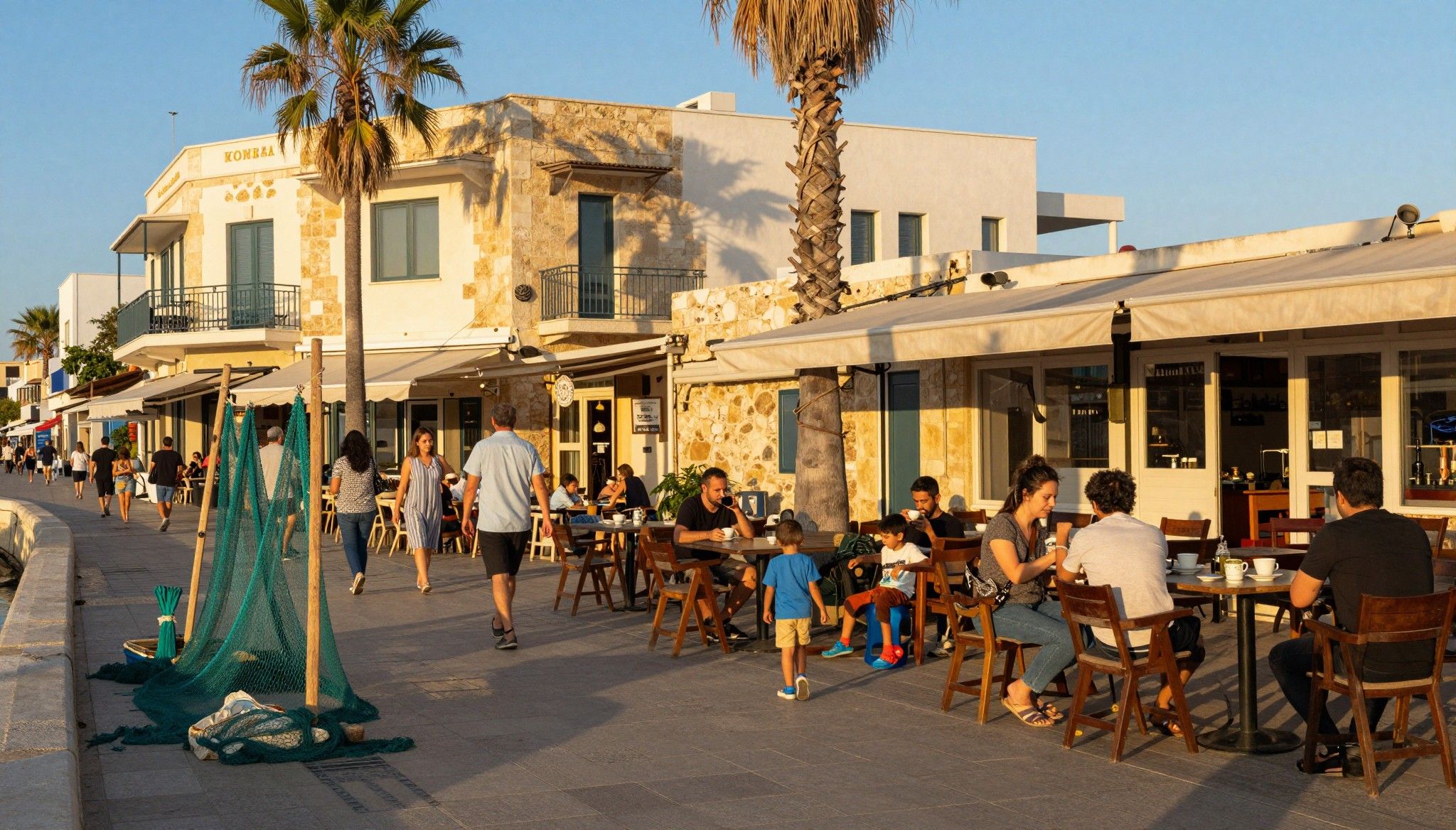
Markets and meals are inseparable here: morning markets in Palermo or Naples brim with citrus and fresh fish, while Emilia-Romagna’s salumerie keep traditions of cured meats and cooperative food lore alive. Many Italians plan the year around harvests and festivals—olive-pressing in autumn, chestnut fairs in late October—so owning land or a kitchen garden connects you directly to seasonal rituals. This is also where local crafts matter: skilled masons who repair lime plaster, carpenters who conserve chestnut beams, and terracotta artisans who can help you make a renovation both beautiful and ecologically thoughtful.
- Lifestyle highlights to look for when choosing where to live
- Daily espresso culture in small piazze (e.g., Trastevere, Orta San Giulio)
- Open-air food markets and cooperative produce stands (Mercato di Campo de’ Fiori, Mercato Centrale)
- Seasonal festivals tied to local harvests and craft (olive presses in Tuscany, chestnut fairs in the Apennines)
- Access to skilled traditional craftsmen for low-impact restoration (local masonry, lime plaster, timber repairs)
Making the Move: Practical, Place‑Aware Choices
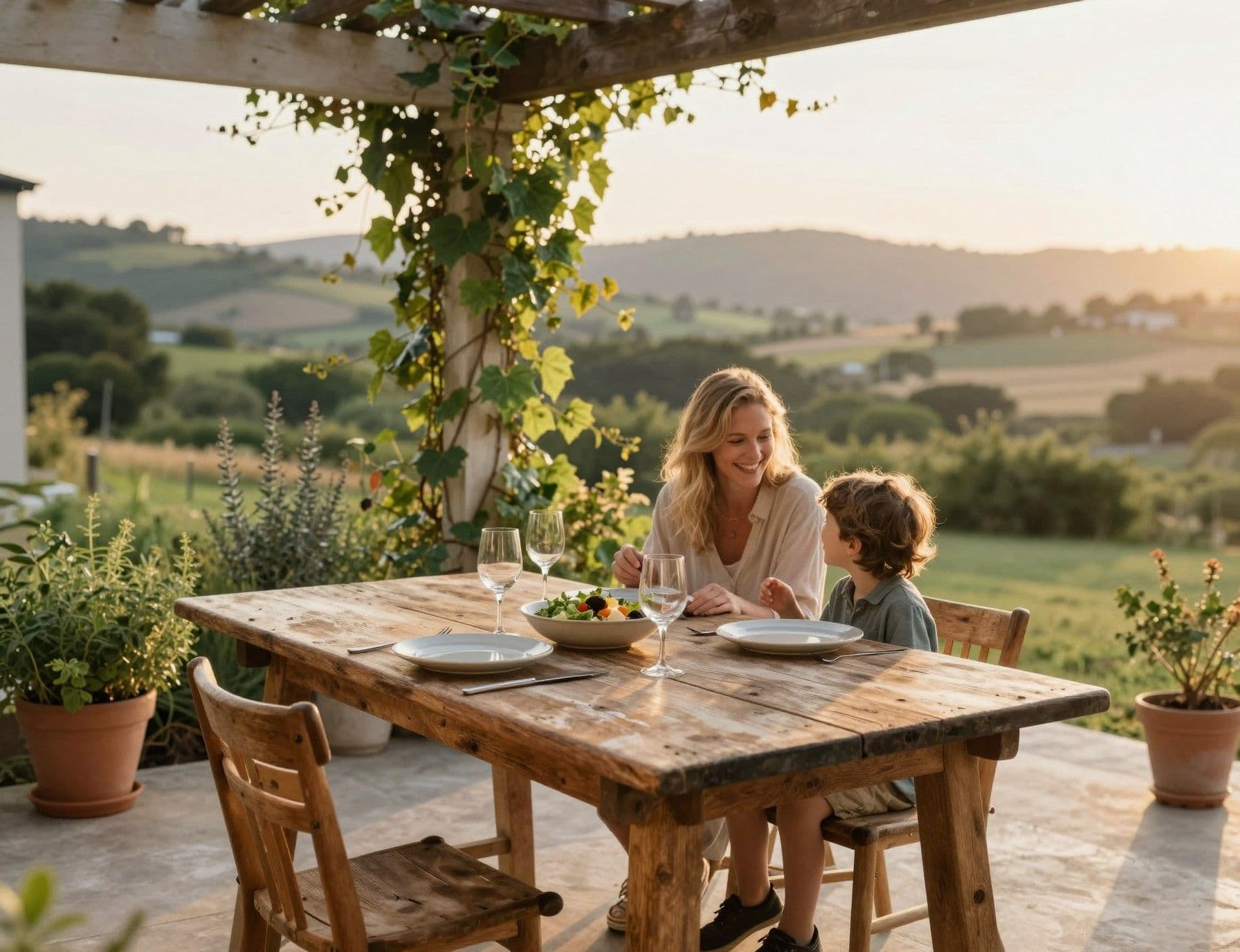
Romance needs to be balanced with fact. Italy’s national statistics show modest price growth in recent years, with regional differences that matter: cities like Milan and Florence command higher per-square-metre rates while inland and southern towns often offer greater value and opportunities for eco‑minded renovation. Buyers seeking sustainability should prioritise orientation, microclimate, roof condition and simple systems like water capture and thermal mass—these choices reduce long-term costs and increase comfort across seasons. Local market reports confirm that demand from foreign buyers remains meaningful, especially in tourism-adjacent lakes and coastal towns, so choose carefully if you prefer quieter stewardship over short-term rentals.
Property styles and how they shape life
A medieval stone house in Umbria asks for hands-on stewardship—thick walls, small windows and an appetite for careful restoration—while a contemporary villa on the Ligurian coast supports passive cooling, outdoor living and solar panels more readily. Apartments in historic centres often require conservation-minded upgrades (insulation, discreet heat pumps) while countryside properties allow for vegetable gardens, olive trees and small-scale renewable installations. Match the property type to how you want to live: if you dream of a year-round garden, prioritise land, sunlight exposure and water access; if you want city life, focus on walkability and community services.
Working with local experts who understand place
The right agent is more than a salesperson—they are a translator of local rhythms and regulations. Look for agents or consultancies with demonstrable experience in green restoration, contacts with certified craftsmen, and knowledge of regional incentives for energy upgrades. Lawyers and notaries who know regional building traditions can speed due diligence on permits and vincoli (land-use protections) that often affect old stone houses. A local advisor will also help you understand hidden seasonal costs—heating in mountain towns, sea-spray corrosion on the coast—and how those shape maintenance budgets.
- Practical steps that blend lifestyle and due diligence
- Visit across seasons (spring bloom, hot summer, autumn harvest, winter quiet) to feel the year-round life and test microclimate assumptions.
- Commission an energy and structural survey focused on passive design opportunities: orientation, masonry condition and potential for rainwater capture.
- Ask agents for vendor history—how long properties sit unsold, and whether past owners made incremental green upgrades.
- Check local planning vincoli and heritage protections early; some restorations require specific materials or artisan sign-off.
Insider Knowledge: Expat Truths and Seasonal Surprises
Expats often tell a similar story: you fall for the light and the market square, but you stay for the small rituals and the neighbour who helps find a trusted craftsman. Yet many underestimate winter in hill towns—waterproofing, efficient heating and roof maintenance become daily concerns and affect livability. Conversely, buying in a quieter inland village can deliver lower purchase prices and stronger community ties, but it may mean accepting slower public transport and seasonal services. Those trade-offs aren’t right or wrong; they are choices about how you want to spend your time and energy once the honeymoon months end.
Cultural integration, language and belonging
Learning a few conversational phrases opens doors—literally and socially—and participating in local festivals or market rituals accelerates acceptance in small towns. Many expats find community through seasonal volunteering at harvests, language exchange at local libraries, or cooking classes that honour regional recipes. Respect for local customs—quiet hours, festival days, and the primacy of local relationships—makes sustainable living more than a building choice: it becomes a negotiated, reciprocal practice.
Long-term stewardship and what buyers often miss
Beyond the purchase, stewardship means committing to maintenance rhythms that honour local materials—repointing stone with lime, preserving original timber and using breathable paints. Buyers who factor these costs and the search for skilled local tradespeople into their initial budget seldom regret it; homes age gracefully when cared for with region-appropriate methods. Additionally, consider how your presence affects the local economy: favouring local suppliers and artisans keeps craft knowledge alive and reduces the ecological footprint of renovations.
- Red flags and local realities to watch for
- Properties marketed as ‘authentic ruin’ without structural surveys—ask for clear condition reports and recent photos of foundations and roofs.
- Unclear boundaries or old easements on land—verify cadastral maps and recent notarial deeds.
- Areas with heavy short‑term rental demand where local life is seasonal—decide if you want a rental income strategy or year‑round community integration.
- Steps to turn a dream into a responsible purchase
- Spend at least two multi-week visits: one in high season and one off-season to test the lived reality.
- Hire a notary and a local technical surveyor (geometra or ingegnere) early in negotiations; their input shapes price and renovation feasibility.
- Budget 10–25% of purchase price for region-appropriate renovations and eco-upgrades (insulation, efficient heating, rainwater capture).
Conclusion: If Italy calls you, answer with curiosity and care. Choosing where to live here is as much about the way you want your days to unfold—markets, meals, craft, and seasonal rituals—as it is about price per square metre. Use national data (ISTAT) and local market reports (Nomisma, Idealista) to set realistic expectations, but let local rhythms and stewardship values guide the ultimate choice. When you pair a love of place with practical, place-aware buying—trusted local agents, seasoned craftspeople and visits across seasons—you find homes that return a fuller, greener life.
Dutch property strategist who helped 200+ families find sustainable homes in southern Europe; expert in legal pathways and long-term stewardship.