Why Cyprus’s “Expensive” Tag Masks Green Opportunity
Fall into Cyprus: sensory neighborhood life meets practical, sustainability-first steps for international buyers ready to invest in green living.
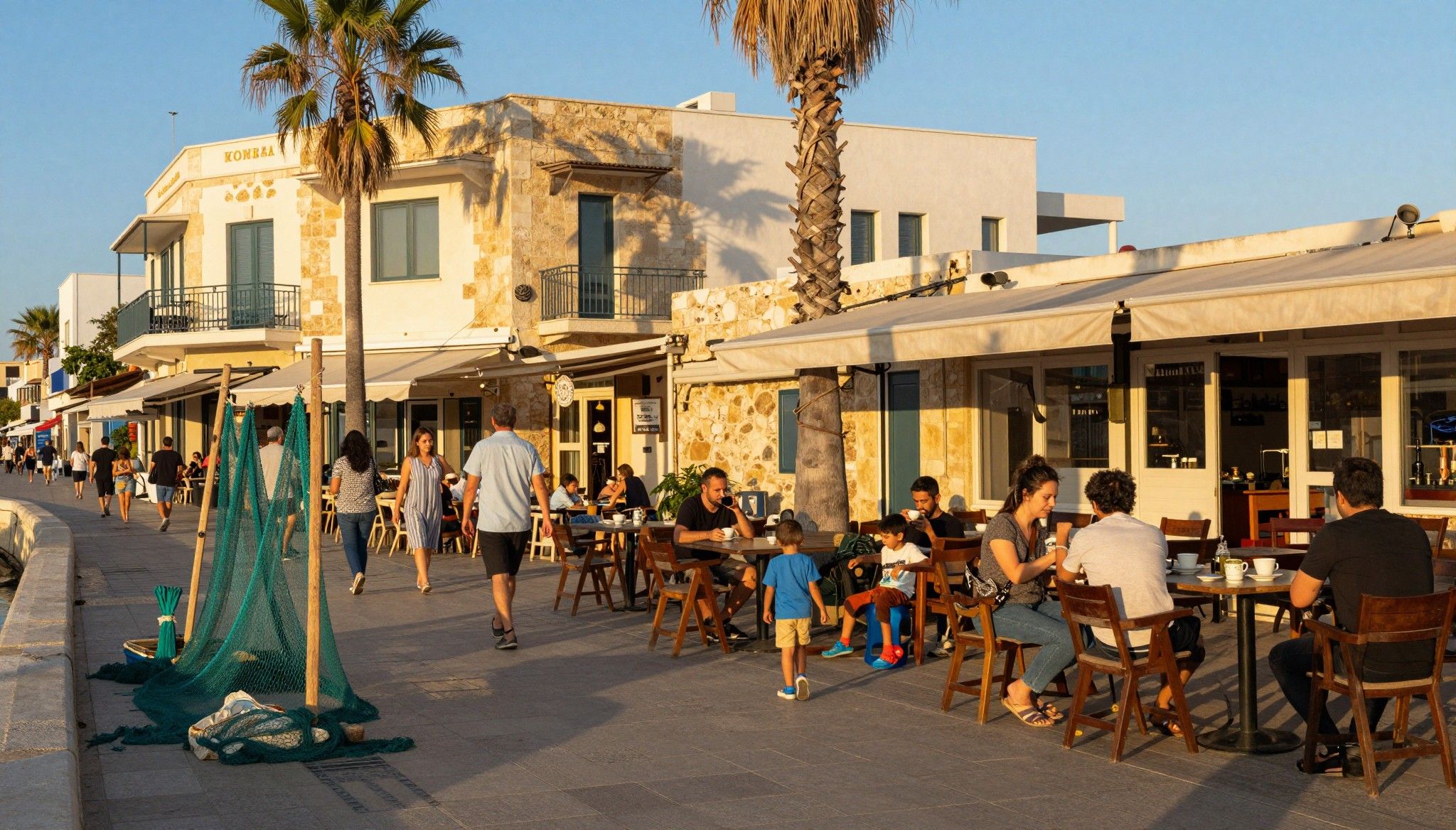
Imagine stepping out at dawn to a sea-salted breeze on a Limassol promenade, then wandering narrow, sun-warmed streets of old Paphos by lunchtime — that slow, sensory rhythm is Cyprus. This island is cedar-scented hills, village squares that fill with conversation at dusk, and a coastline that stitches blue to stone. For buyers who care about sustainable living, Cyprus pairs simple, tactile pleasures with a surprising wealth of green-building potential and community-minded neighborhoods. But dreams need practical footing: local market trends, regulations for foreign buyers, and honest trade-offs shape how that first espresso on a tiled balcony becomes a lasting life.
Living Cyprus: the slow, sunlit everyday
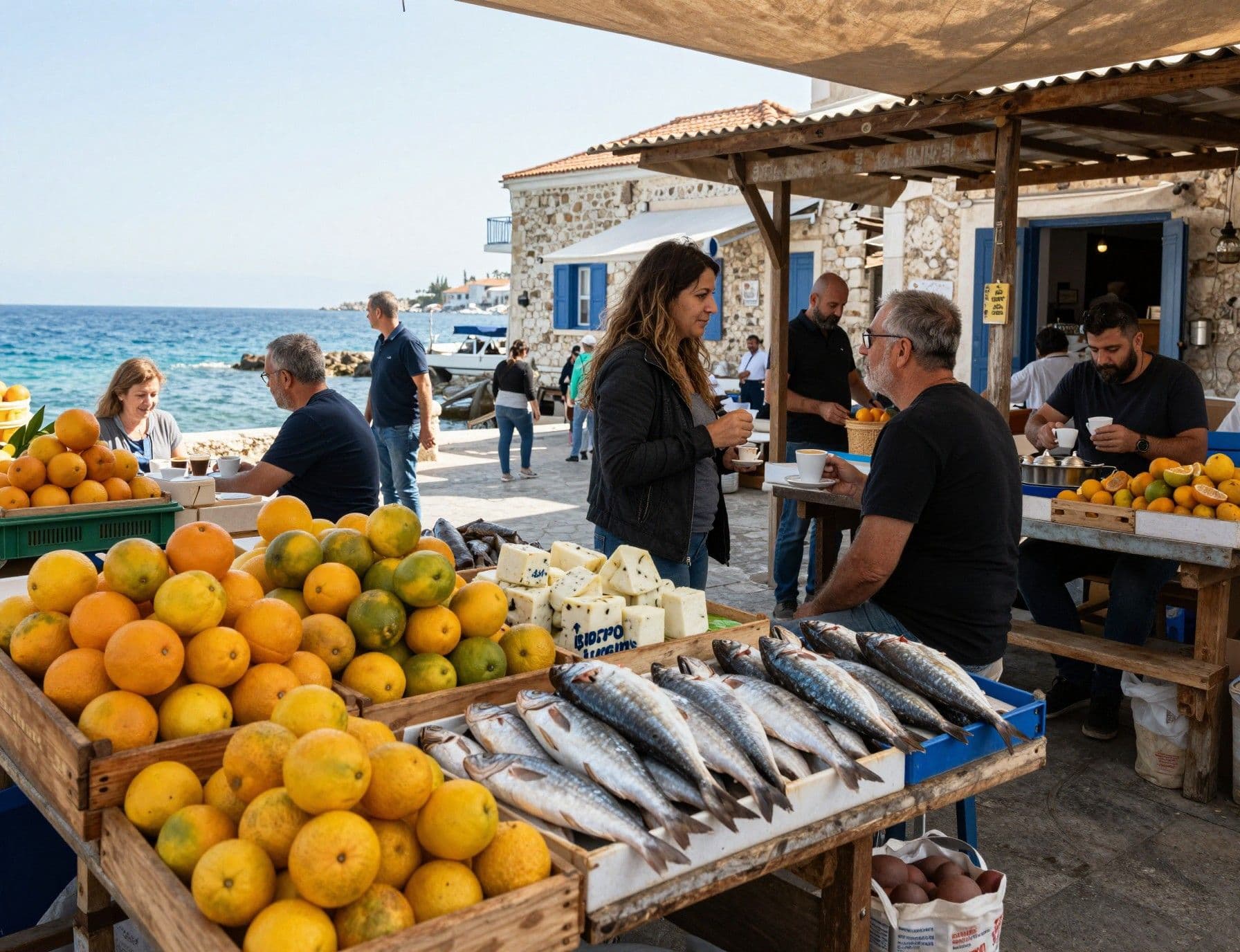
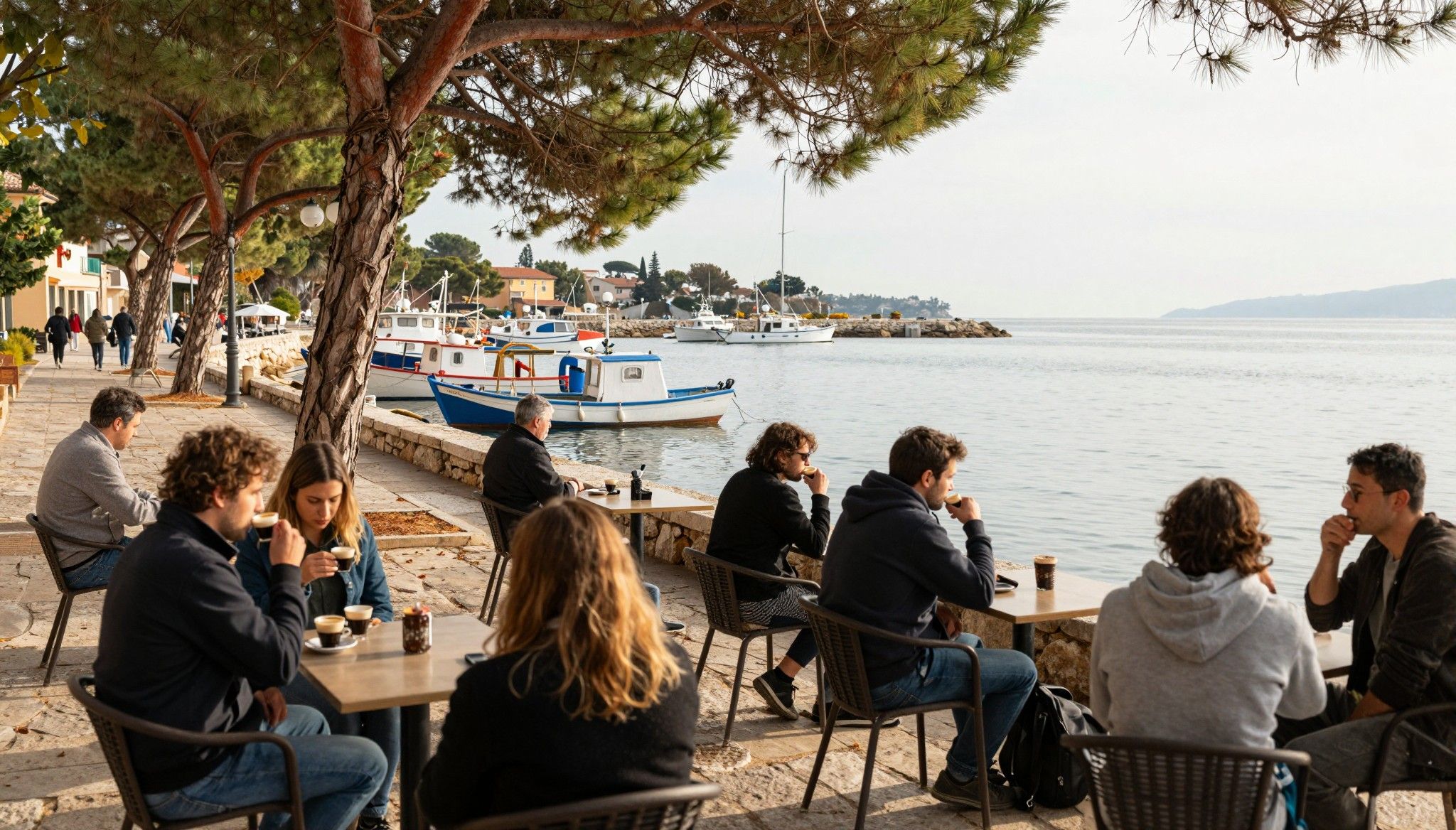
Cyprus moves at a rhythm set by season and sun: winters that coax olive harvests and mountain walks in Troodos, springs of wildflower-dotted lanes, and long, social summers when terraces and taverns pulse into the night. Neighborhood life matters here — you’ll notice how a bakery’s morning line becomes the day’s anchor, how coffee rituals stitch strangers into community, and how local produce markets shape weekly menus. This island rewards homes that work with nature — thick stone walls, shaded courtyards, and terraces that catch evening breezes — making sustainability not only ethical but practical.
Neighborhoods that breathe: coastal towns and mountain villages
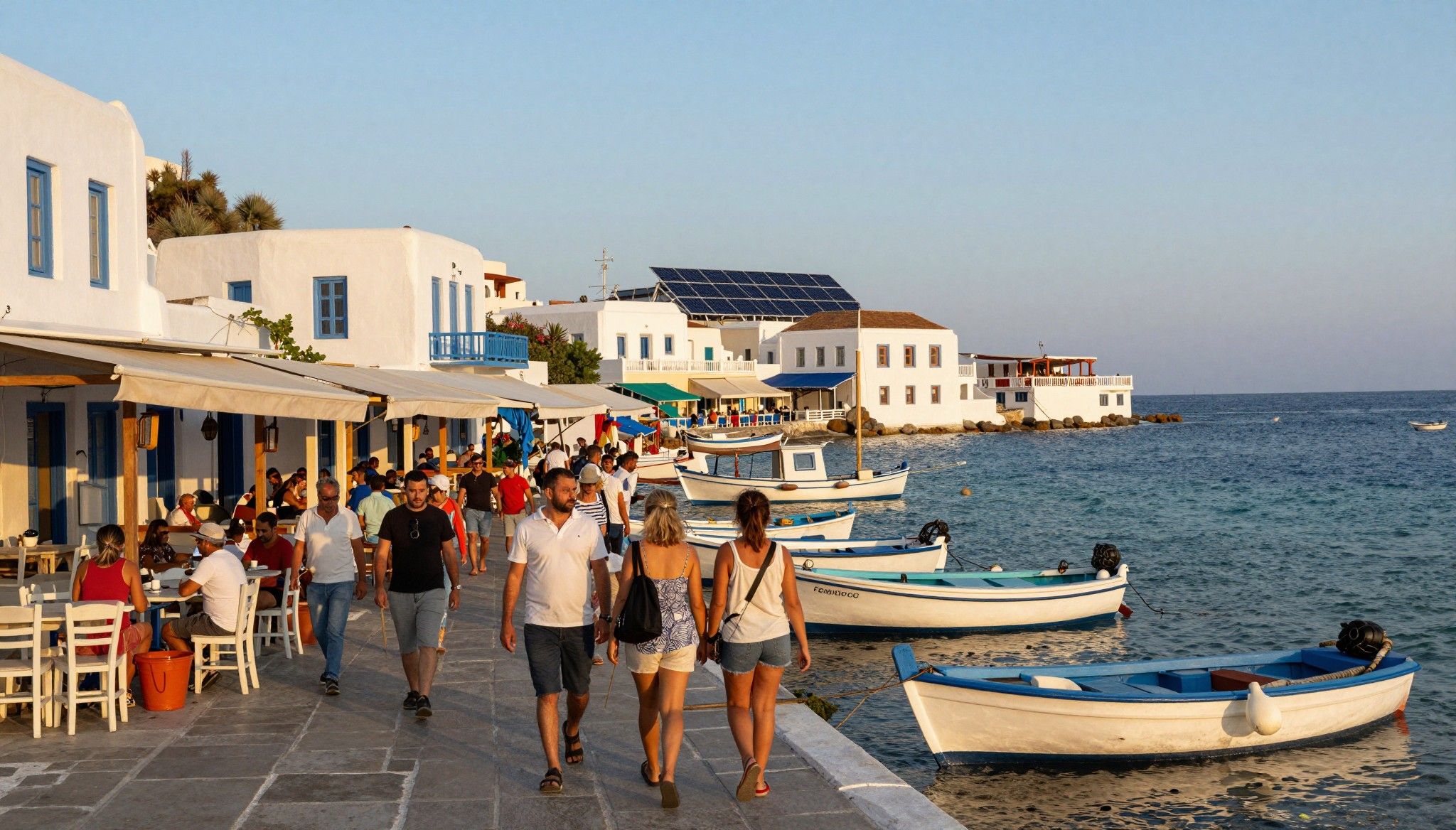
Limassol hums with a cosmopolitan pulse — waterfront cafes, boutique grocery shops, and compact streets near Agios Nikolaos where early-morning walkers meet. Paphos keeps a quieter, antiquity-tinged pace: coastal promenades, stone houses in Geroskipou, and tavernas where sea-salts and citrus scent the air. Nicosia’s Ledra Street offers layered urban life and markets that knit neighbors together, while Troodos villages like Omodos and Kakopetria deliver mountain cool, stone architecture, and a chance to garden olives and almonds. Each place suggests a different relationship to land and community; choose by how you want to live day-to-day, not by a postcode myth.
Food, markets and the social kitchen — living that local life
Morning market trips shape weekly life: fresh halloumi, citrus tucked in brown paper, sun-warmed tomatoes and freshly caught fish sold beside friendly chatter. Cafes double as meeting places; even small villages have a corner café where someone knows your name. For buyers, this means kitchens that face markets and terraces for long, simple meals are not luxury extras — they are the backbone of how life happens here. Think outdoor cooking niches, modest vegetable plots, and rainwater-friendly landscaping if you want to live like a local.
- Market & lifestyle highlights to scout on visits: • Limassol promenade morning coffee and Agios Nikolaos neighborhood strolls • Paphos harbour walk, Geroskipou bakeries and Cabana Beach bars • Nicosia’s Ledra Street markets and layered urban courtyards • Troodos mountain villages for cooler summers, stone houses and orchards • Larnaca’s Salt Lake at dusk, and local seafood tavernas • Small-scale producers markets (Saturday town markets) where you’ll meet neighbors
Making the move: practical steps with a green lens
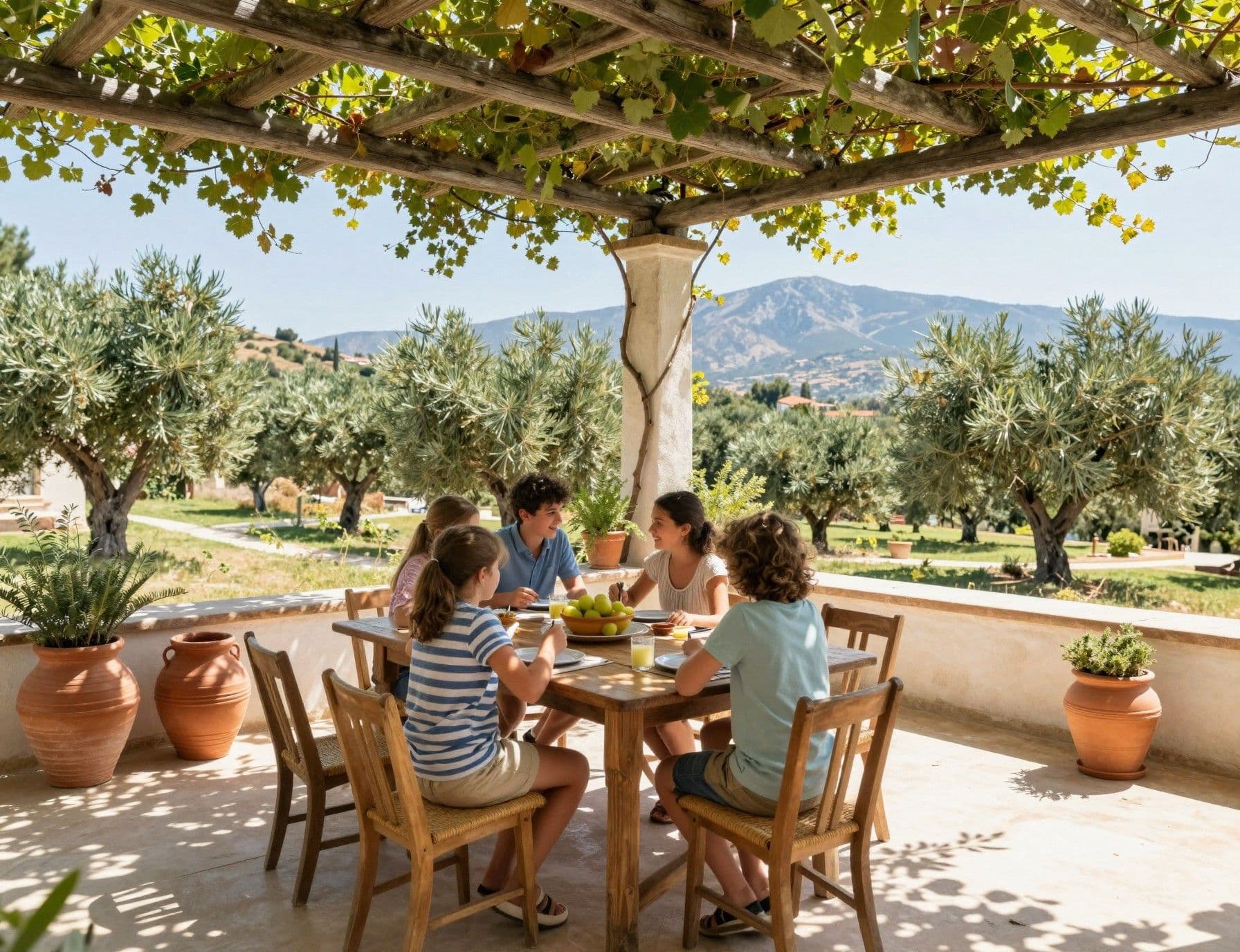
After the romance of mornings and markets comes the pragmatic arc of buying: assessing title, understanding permissions for non‑residents, and matching property type to a climate-resilient lifestyle. Cyprus tends to require a clear, local legal track for foreign buyers and sensible attention to energy, water and landscape details that will shape living costs and comfort. Recent guides suggest 3–6 months from offer to keys for typical purchases, with fees and taxes that add to upfront costs — planning for these logistics early protects both your budget and the life you imagine.
Property types and what they mean for sustainable living
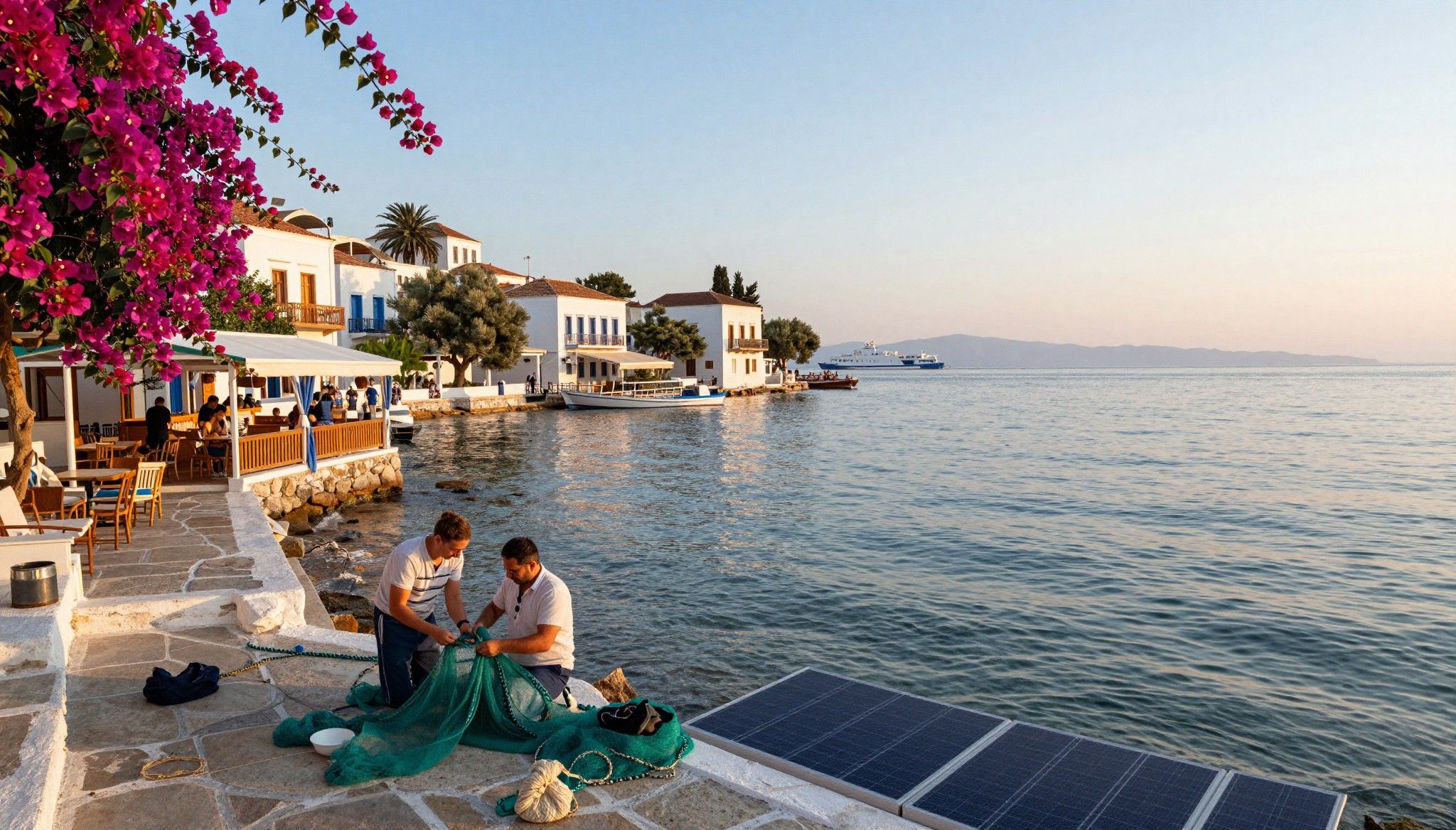
Stone village houses: thick walls, small windows and courtyards that suit passive cooling and low‑energy renovation. Coastal apartments and new-builds: often designed for sea views and outdoor terraces but watch for heat-gain and consider shading, glazing and cross‑ventilation. New eco‑conscious developments increasingly include solar readiness and water-saving landscaping; when they don’t, simple retrofits (photovoltaic panels, greywater systems, native-plant gardens) deliver outsized environmental and cost benefits. Match property type to how much renovation and stewardship you want to take on.
How local experts help preserve the lifestyle you seek
- Steps to hire local help and protect both ecology and value: 1. Engage a bilingual lawyer experienced in foreign purchases and Cypriot title procedures; they’ll check land registry records and any north/south jurisdiction sensitivities. 2. Ask agents for examples of homes with passive design, solar installations, or native landscaping — demand specifics, not green-sounding claims. 3. Commission an energy/roof survey before closing to understand retrofit needs and long-term running costs. 4. Connect with local community groups or environmental NGOs to learn about water restrictions, reforestation efforts, and composting infrastructure. 5. Include a contingency in offers for climate-related improvements (e.g., shading, rainwater capture) so renovations begin on day one.
Insider knowledge: myths, red flags and sustainable opportunities
Myth: 'Cyprus is too expensive for honest buyers.' Reality: island-wide averages obscure pockets of real, green value — village restorations, overlooked coastal stretches near Larnaca, and apartments just outside Limassol’s headline zones. Market reports show moderate price growth in recent quarters but also point to diversification by area and type. A second myth is that modern comforts automatically mean higher ecological cost; thoughtful retrofits and small-scale renewables can make conventional properties into low‑impact homes quickly and affordably.
Red flags and how to spot them before you fall in love: unclear title chains (especially properties marketed across the divide), sellers promising fast titles without documentation, communal blocks with poor drainage or no shading, and developments without solar-ready roofs. Always request land registry extracts, service-charge histories for apartments, and evidence of recent planning compliance. When in doubt, a local conservation architect can translate charming quirks into tangible risks and retrofit possibilities.
Longer view: how the island’s market and ecology may evolve
Reports from local consultancies and banks show steady demand and a growing appetite for energy-efficient homes, digital land services that speed transactions, and niche interest in rural renovations. For long-term buyers, this suggests two sensible strategies: seek properties that already reduce running costs (thick-walled houses, passive features) and prioritise sites where modest ecological investments (solar, water capture, native planting) will both improve daily life and protect value as sustainability criteria become market standard.
- Small, practical sustainability switches that make big lifestyle differences: • Fit PV panels and a simple battery to cut summer bills and keep your home independent during storms • Plant native trees and pergolas to shade terraces naturally and lower cooling needs • Use greywater for garden irrigation and select low‑water Mediterranean landscaping • Insulate and reseal older windows to keep winter warmth in and summer heat out • Prioritise walkable neighborhoods or easy bike routes to reduce daily car use
Picture the change: arriving anxious about administration and costs, then settling into a life where an afternoon dip, a market-run and a rooftop solar quick‑brew feel ordinary. That transformation is what buying in Cyprus often offers — an island life made durable by small, climate-aware choices and the right local team. If you’re ready to move from dreaming to doing, start with a short scouting trip focused on lifestyle rhythms, commission a local energy survey, and speak with bilingual legal counsel before offering. Real local expertise will preserve both the feeling you fell in love with and the environmental integrity of your new home.
Danish relocation specialist who moved from Copenhagen to the Algarve; supports families with seamless transitions, local partnerships, and mindful purchases.