When the Adriatic’s Quiet Pays: Closing & Stewardship in Croatia
Fall for Croatia’s shores, then close with care: use seasonal visits, stewardship clauses, and local experts to protect lifestyle value and ecological quality.
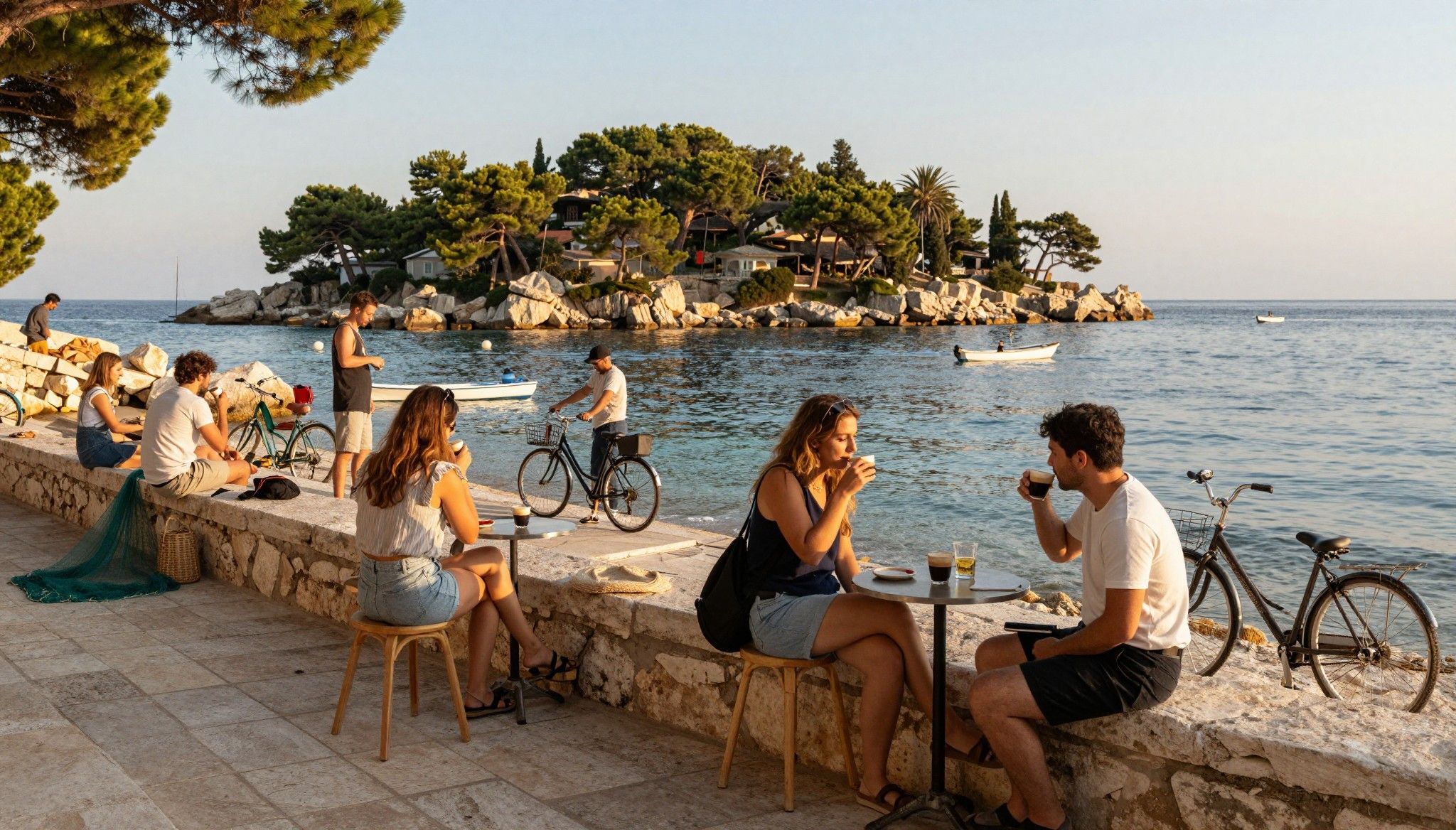
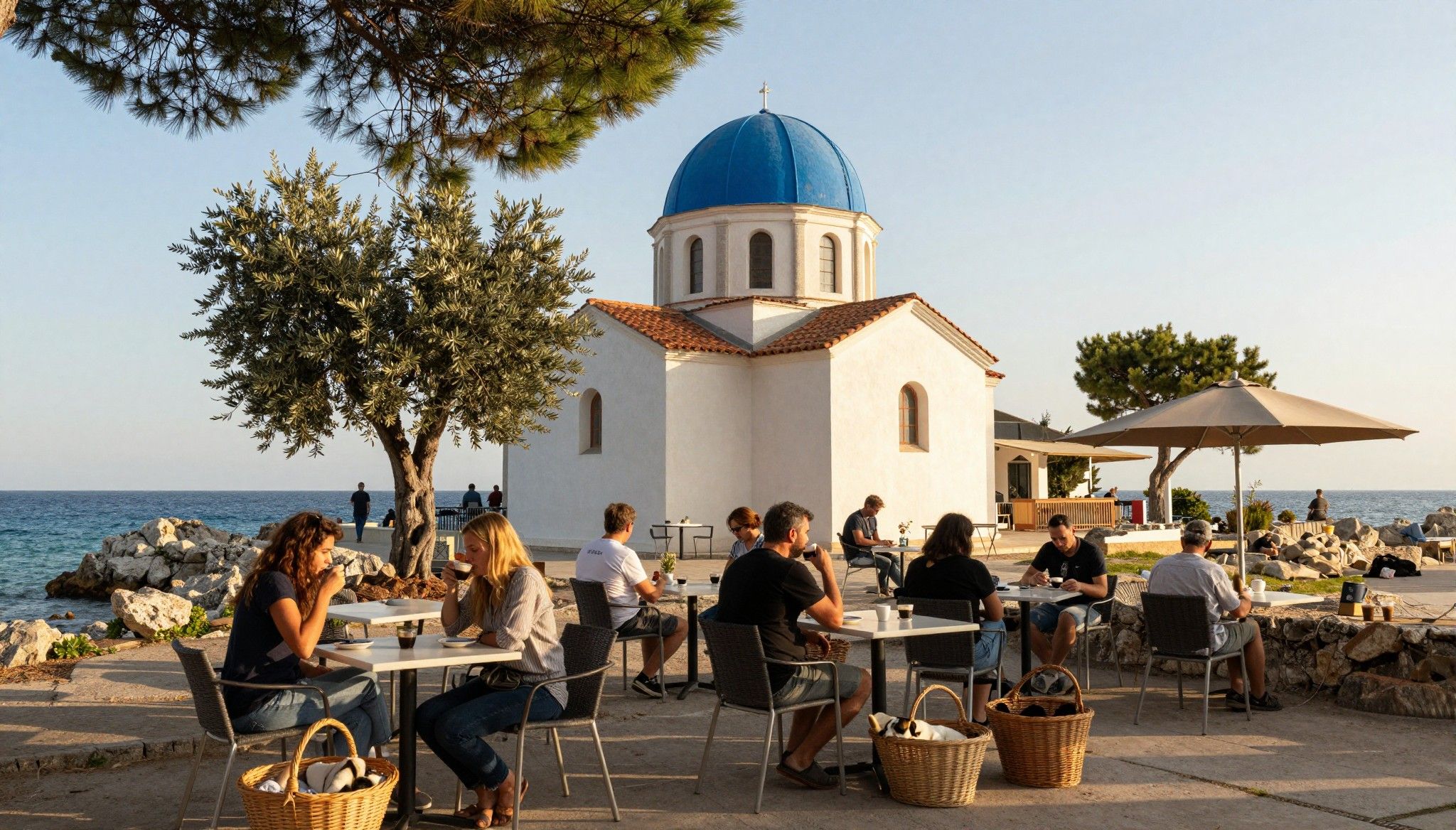
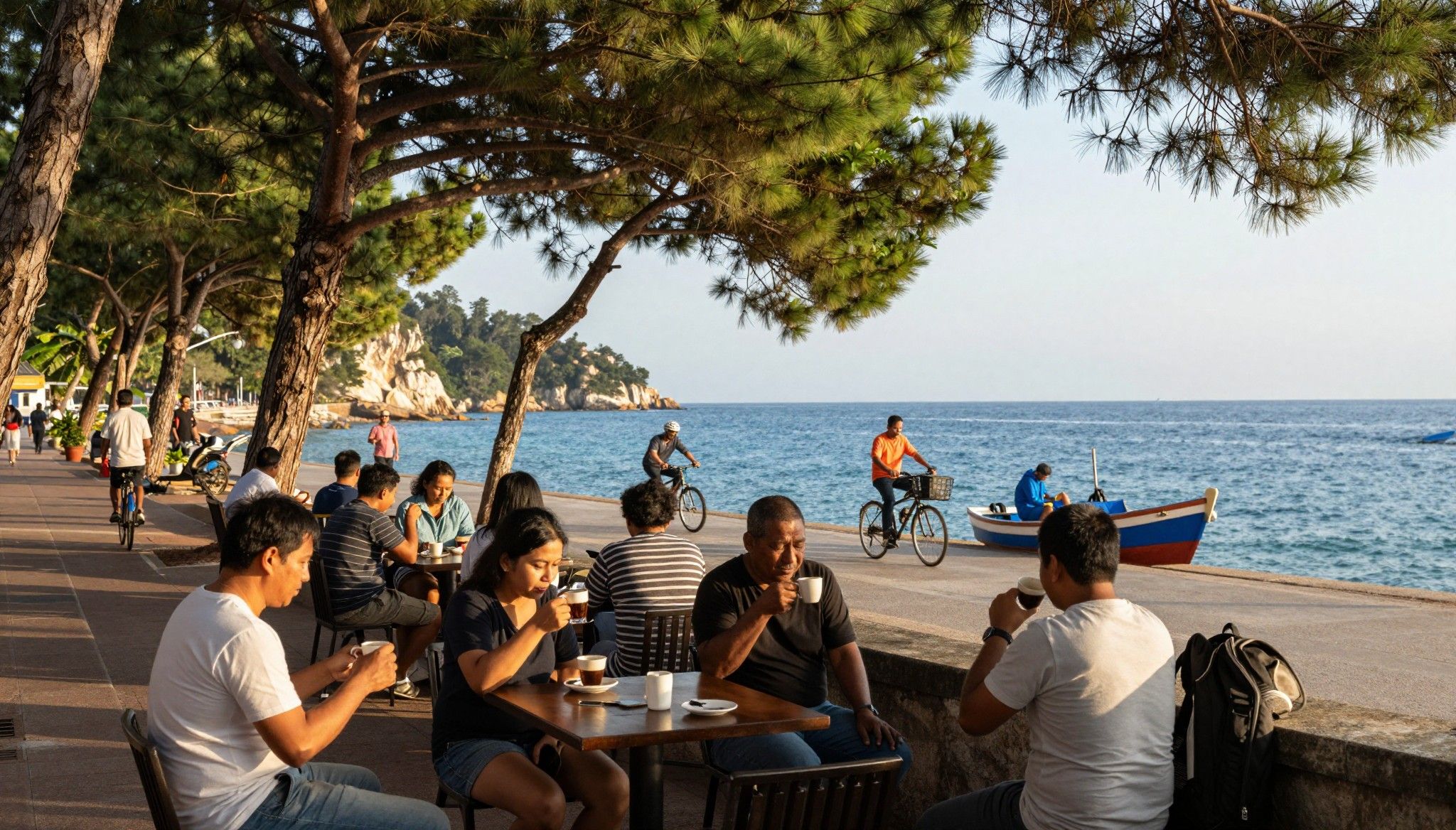
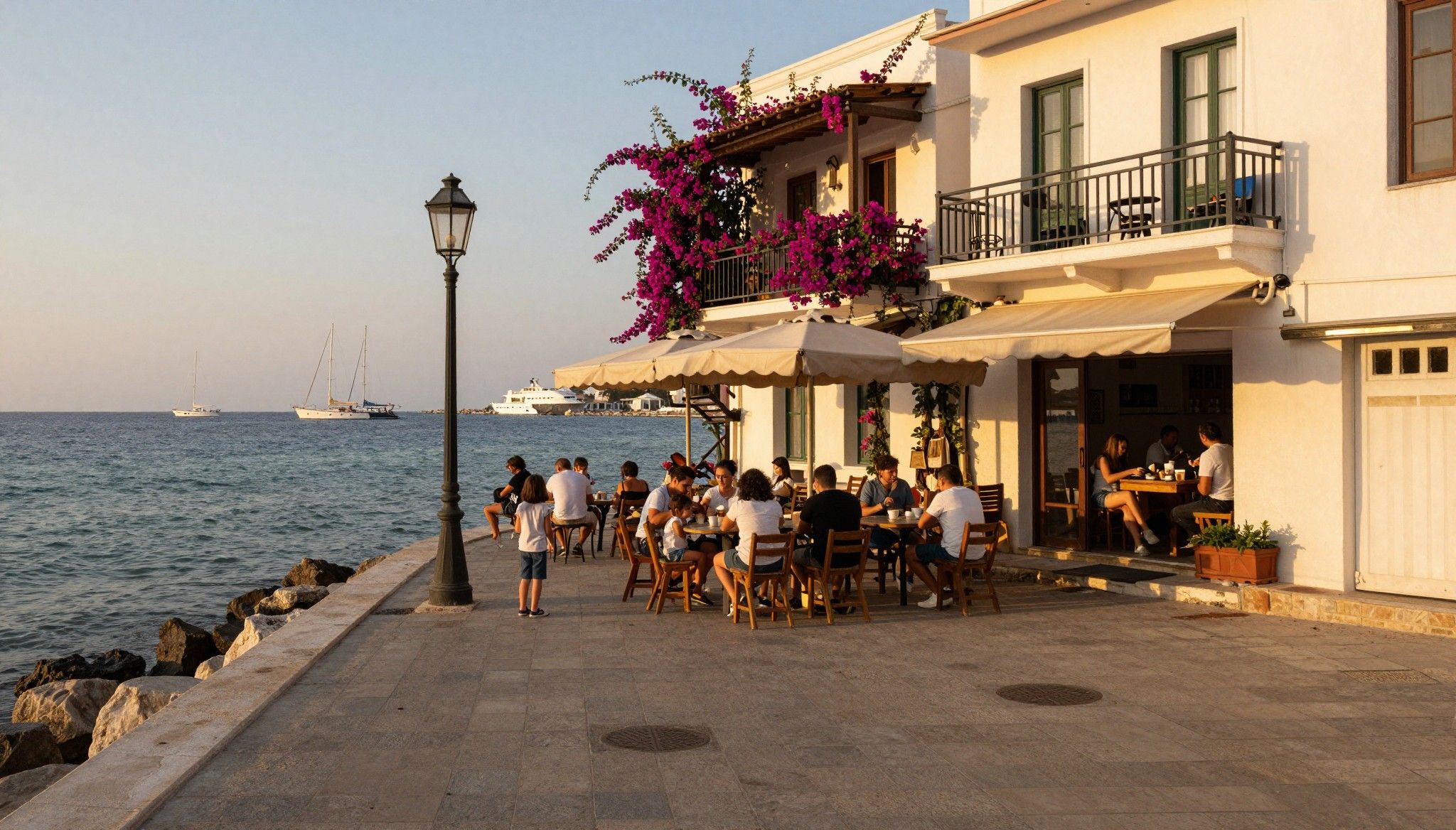
Imagine waking to the smell of espresso drifting from a stone piazza in Split, or an early-morning walk through pine-scented lanes above the Elafiti islands. Croatia asks you to slow down: markets still move, but life here is measured in seasonal rhythms, local markets and seaside rituals. That pace shapes how you should negotiate, close and care for a property — especially if your priorities include low-impact living and stewardship of the landscape.
Living the Croatia lifestyle
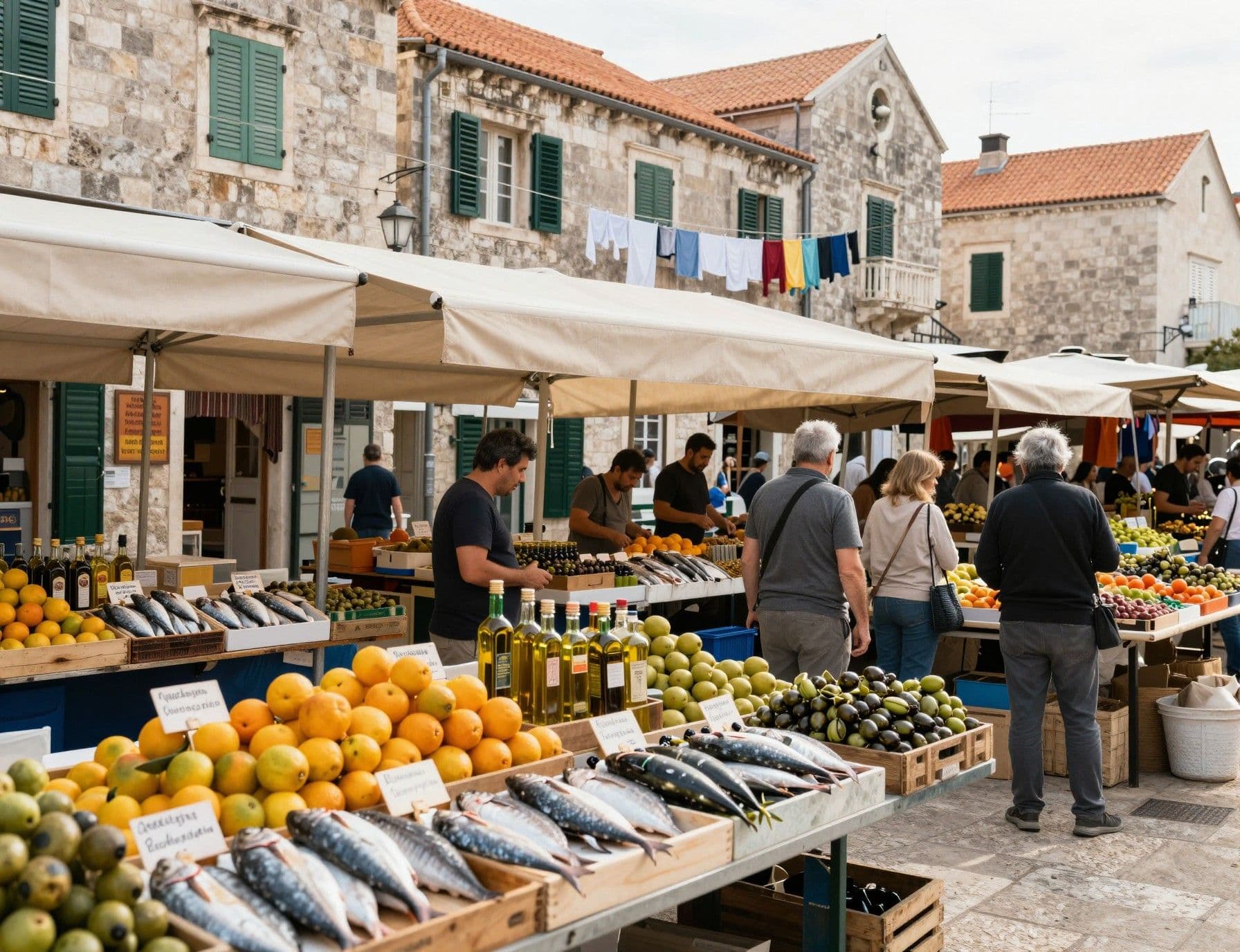
Croatia is a study in contrasts: medieval walled towns like Dubrovnik’s Stradun, the salt-baked simplicity of Pelješac villages, the soft urban hum of Zagreb’s Tkalčićeva. Summers shimmer on the Adriatic; winters bring a quieter, more local life that reveals how communities actually live year-round. For green-minded buyers, this means choosing properties that suit real seasonal use — passive cooling for hot coastlines, rainwater capture inland, and insulation for cooler months in continental regions.
Neighborhood spotlight: Old Towns vs. Bay Villages
Pick Dubrovnik’s Old Town for immediacy — cobbled streets, tiny terraces, the theatre of tourism — but expect tourist-season noise and strict conservation rules. Choose a bay village such as Vrbnik on Krk or Stari Grad on Hvar for a gentler daily rhythm: fishermen’s markets, community gardens and neighbors who know your name. Each offers different stewardship responsibilities: historic centres demand heritage-friendly renovations; rural bays reward regenerative landscaping and water-wise gardens.
Food, markets and daily rhythms
Your day might begin with fresh brioche from a kafeterija in Rijeka, move to a seaside lunch of grilled fish in Kaštela, and end with olives from a neighbour’s tree. Local markets in Split’s Pazar or Zagreb’s Dolac are more than food; they are social infrastructure. When choosing a home, consider proximity to these markets — they feed both your table and your ability to live lightly, buying seasonal produce and supporting small producers.
- Lifestyle highlights
- Morning espresso at Café Uliks on Split’s Riva; evening swims off Zlatni Rat (Bol).
- Weekend market runs at Dolac (Zagreb) or Pazar (Split) for seasonal, low‑waste cooking.
- Stone houses with pergolas in Istria and Pelješac vineyards offering passive cooling and outdoor living.
Making the move: practical considerations
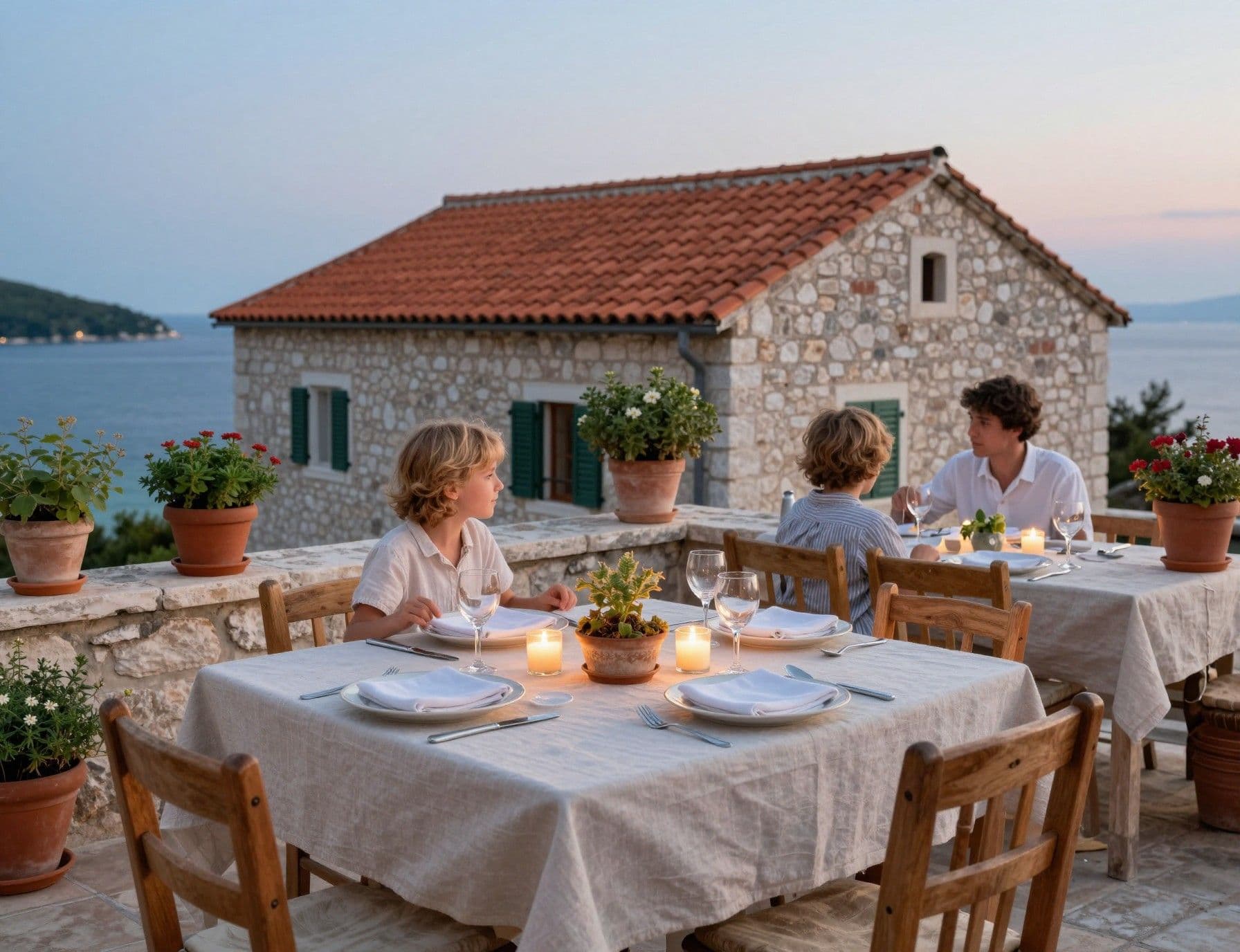
The Croatian market has seen notable price growth in recent years, with coastal and Zagreb markets particularly active. That pressure changes negotiation dynamics: sellers often expect rapid decisions, but buyers who bring clarity on stewardship commitments (green upgrades, landscape plans) can use that as a negotiation lever — especially on properties where owners prefer responsible long-term neighbours.
Property styles and what they give you
Stone dalmatian houses offer thermal mass and character but often need modern rainproofing and sewage upgrades. New builds deliver insulation and solar-ready roofs but can lack the mature gardens and community ties of older plots. Match style to stewardship: if biodiversity and garden food production matter, prioritise plots with mature soil and sheltered courtyards over glossy sea-view boxes without land.
Work with local experts who understand place
Find agents who can speak Croatian or provide certified translators, know municipal conservation rules (especially in protected coastal towns), and have a network of eco‑builders and landscape specialists. The right advisor helps you structure conditional offers — for example, contingent on a wetlands survey or on solar feasibility — so the lifestyle promise you fell for survives the first winter.
- Steps that blend lifestyle and practical checks:
- 1) Visit in two seasons (high summer and off-season) to sense real neighbourhood life and maintenance needs.
- 2) Commission a local survey that includes water access, roof condition, and microclimate for gardens.
- 3) Negotiate a stewardship addendum — a short clause committing to ecological improvements (olive regeneration, native planting, pollinator corridors) as part of closing.
Insider knowledge: what expats wish they'd known
Expats often romanticise summer life, then discover maintenance, tourists and local regulations shape reality. Many wish they’d visited in late autumn to hear neighbourhoods breathe, check heating, and meet neighbours. Others found that investing in a rainwater cistern or native-plant garden paid social dividends: neighbours thanked them, local bees returned, and summer maintenance costs dropped.
Cultural integration and daily belonging
Learning a few phrases, taking part in market mornings, and joining local cooperative olive harvests open doors. Croatia values neighbourliness; small acts — sharing a jar of jam from your garden — are as important as formal contracts. A local notary and municipal clerk will smooth legal steps, but community rituals are often the fastest path to feeling at home.
Long-term stewardship: the practical green checklist
- Key stewardship investments to negotiate at closing:
- • A roof and gutter warranty or contribution (essential on old stone roofs).
- • Rainwater collection or cistern feasibility included in the sale report.
- • Native-tree replacement plan if mature trees are removed during renovations.
- • Agreement on who arranges coastal protection or shoreline permissions where applicable.
These items protect value and relationship to place. They also signal to sellers that you’re a buyer committed to long-term stewardship — a useful negotiation advantage in markets where price momentum meets local conservation concerns.
Red flags to spot before you sign
- • Unexplained roof patching or recent quick fixes without permits.
- • Properties advertised as 'coastal' but separated by unbuildable strips or protected zones (check zoning maps).
- • Vague ownership histories — insist on a full extract from the land registry (zemljišna knjiga) via a local notary.
When transactions slow but prices rise, transaction friction increases. Use reputable local advisors to verify registry extracts, check conservation boundaries, and draft closing conditions. The Ministry’s 2024–2025 market overview notes fewer transactions even as average prices grew, especially along the coast — a reminder to look past glossy listings and insist on paperwork that proves long-term suitability.
Conclusion: Fall for the life, close with care
Croatia rewards patience. Visit beyond summer, learn neighbourhood rhythms, and let stewardship be central to your offer. Negotiate not just price but commitments — warranties, water management and native planting — and you’ll buy more than a home: you’ll inherit a way of life and the responsibility to keep it alive.
Norwegian market analyst who relocated from Oslo to Provence; guides investors with rigorous portfolio strategy and regional ecological value.