Croatia: Fall for the Life, Do the Ministry Check
Fall in love with Croatia’s coast, towns and seasons — then protect your dream with reciprocity checks, translated land‑registry extracts, and season‑aware due diligence.
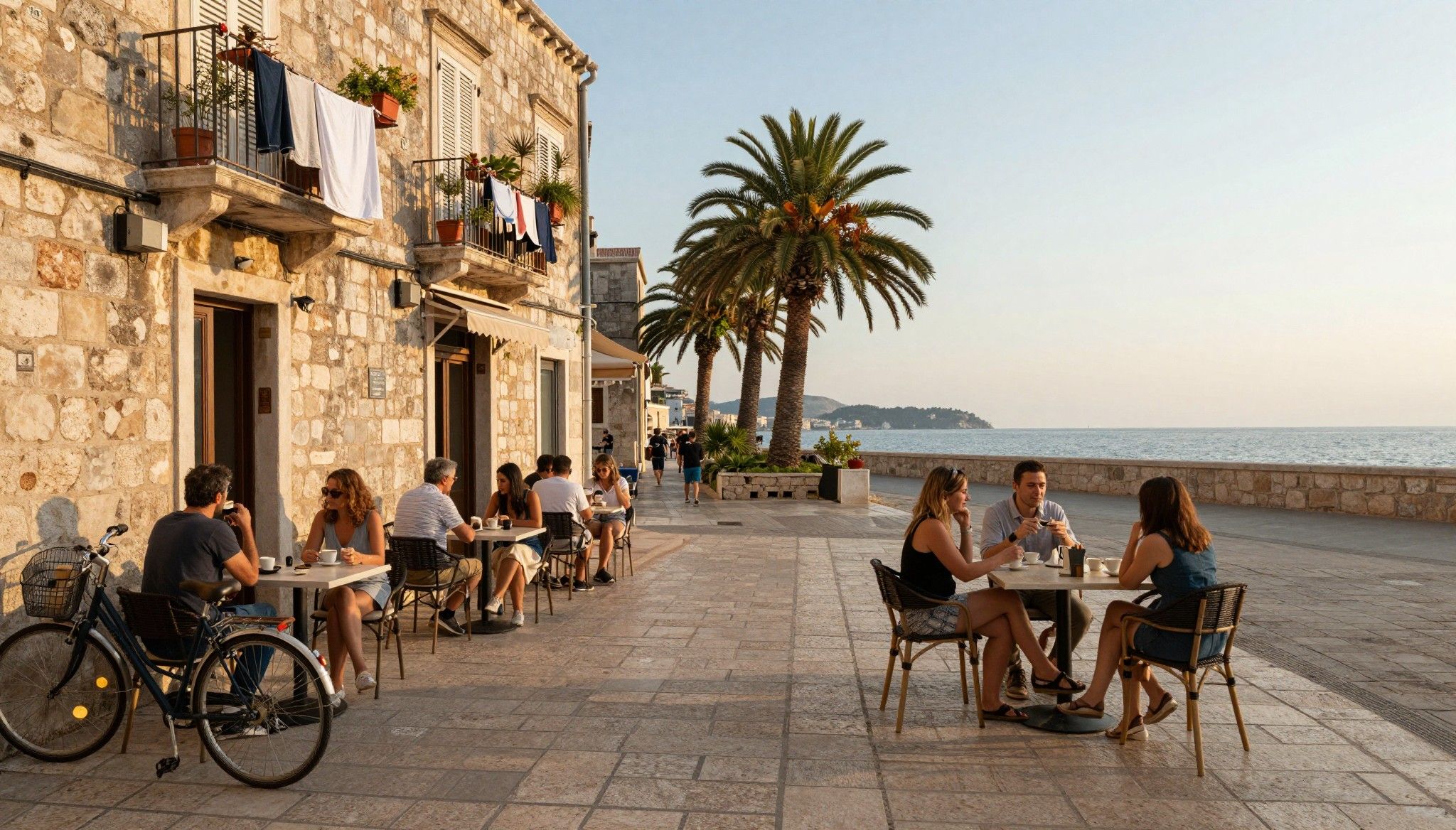
Imagine arriving in a sunlit morning market in Split, the smell of grilled sardines and pine resin in the air, then strolling narrow streets where stone houses hold olive presses and rooftop herbs. Croatia is a place where the rhythm of life leans toward the sea, seasonal cycles, and a strong sense of place — a country that rewards patient, place‑centred buying. But beneath that coastal romance are specific rules and paperwork that shape what you can actually own. This guide mixes the sensory joy of everyday Croatian life with clear, research‑backed due diligence steps so you can fall in love — and close with confidence.
Living the Croatian life: sensory rhythms and neighbourhood characters
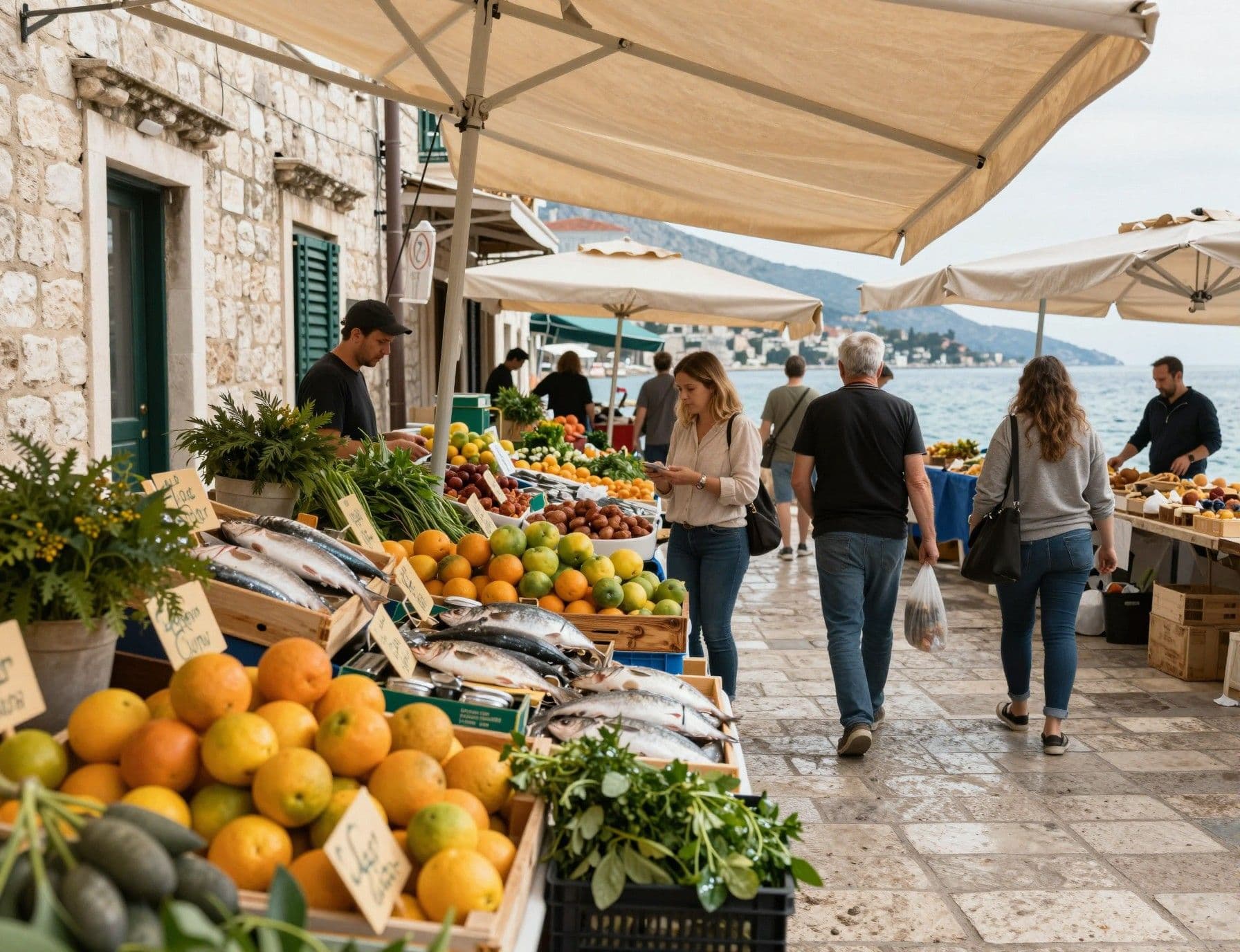
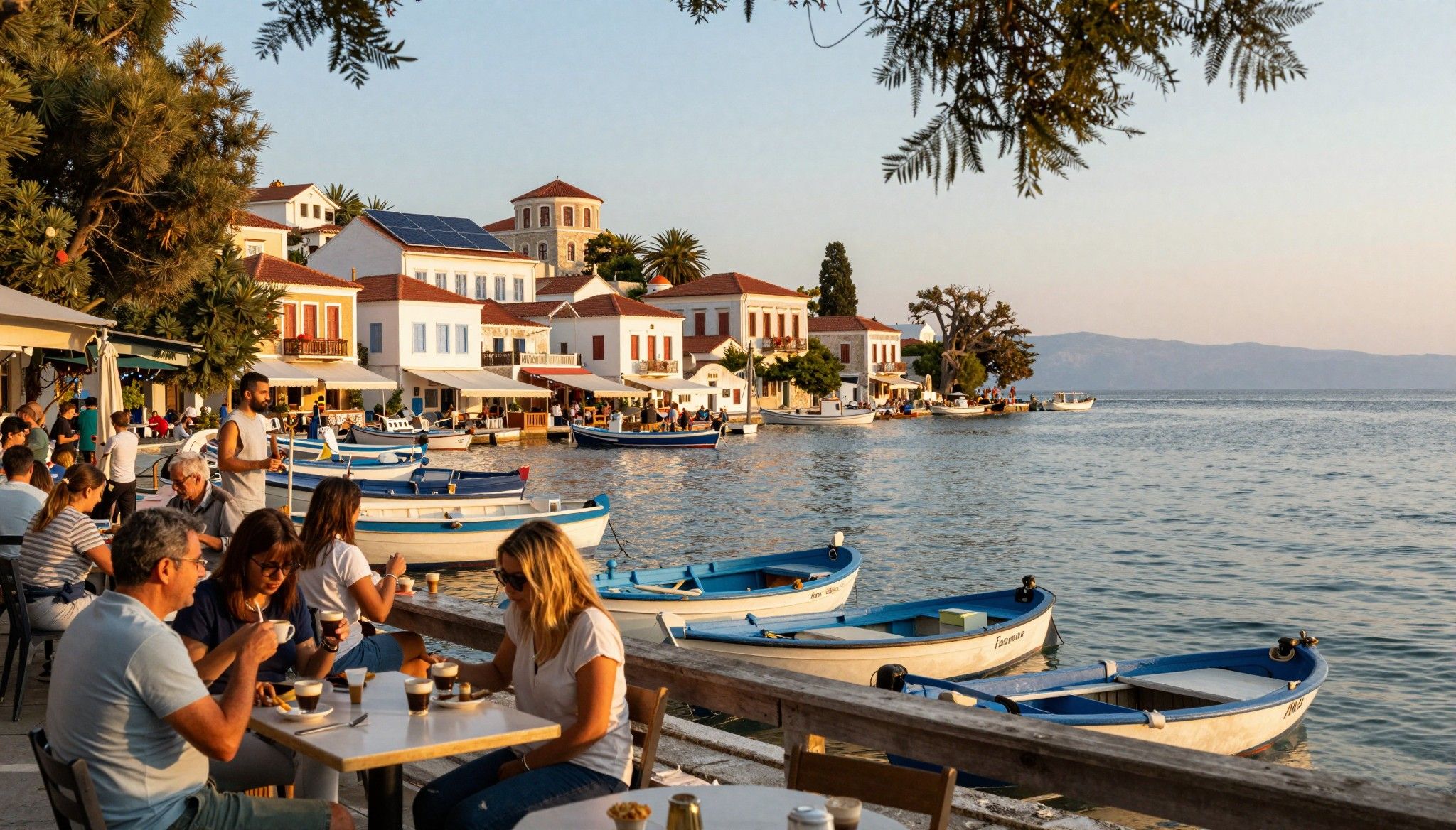
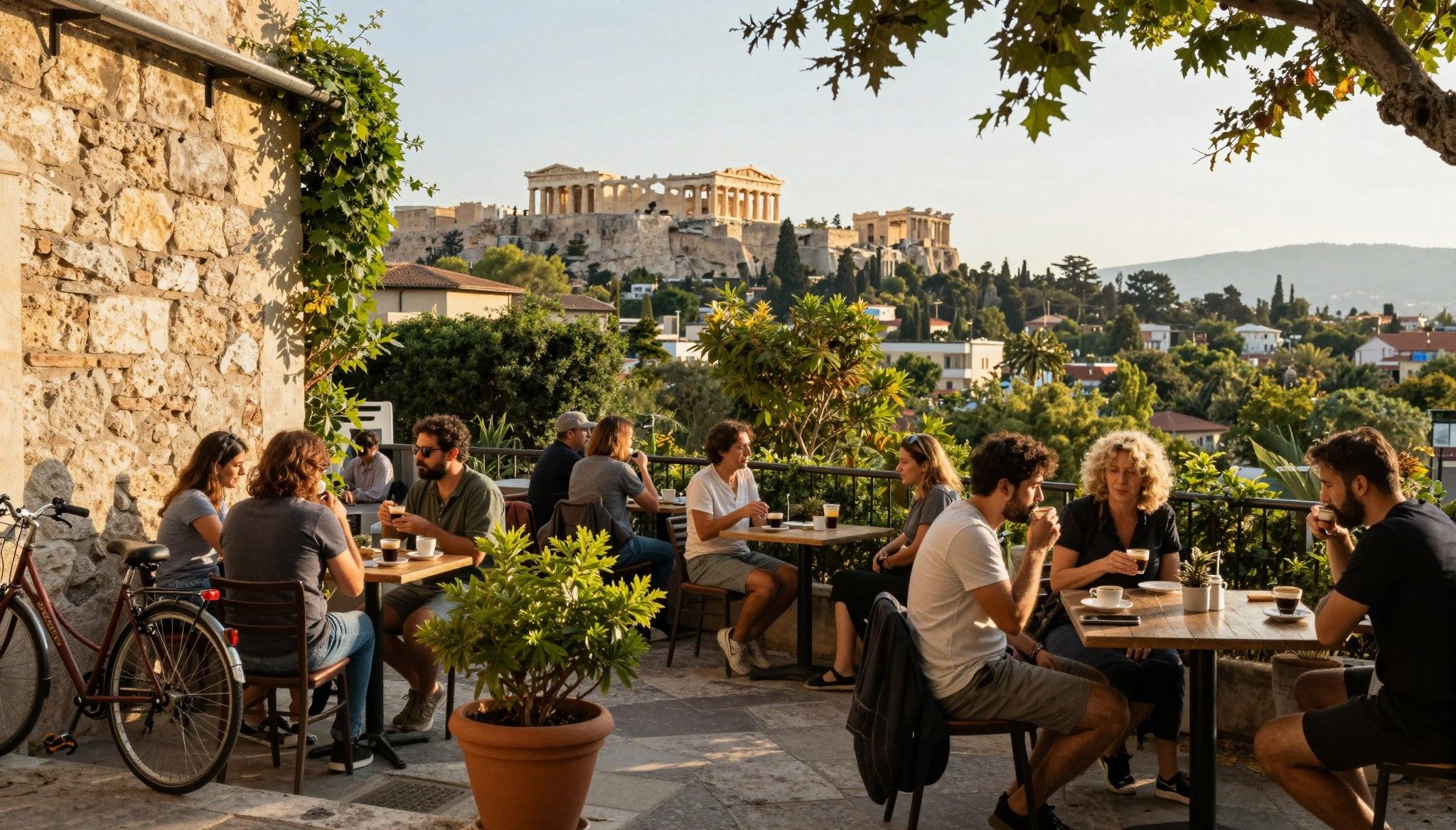
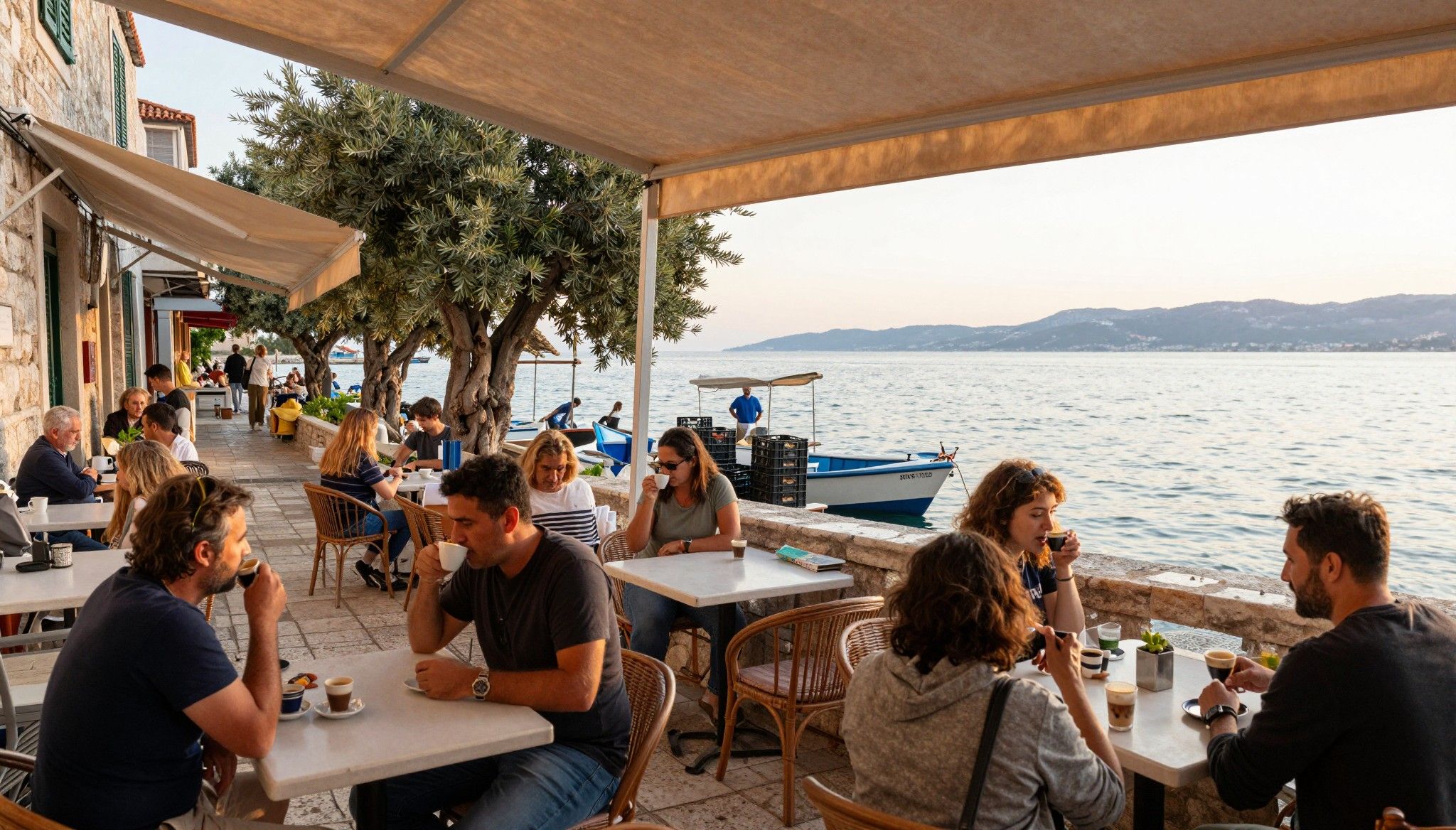
Daily life here is textured: morning espresso in Zagreb’s Tkalčićeva, late‑afternoon swims off Brač’s Zlatni Rat, and long family lunches in Istrian villages where truffles and olive oil are civic pride. The Adriatic coast pulses with tourism in summer and hushes to a gentler local pace in winter; inland towns like Varaždin and Samobor keep quieter rhythms, with weekly markets, community bakeries and strong craft traditions. When you picture home in Croatia, think living woven with seasons, neighbourly rituals and food‑forward days.
Coastlines and old towns: Split, Dubrovnik, Šibenik and the islands
Historic centres like Dubrovnik’s old town or Split’s Diocletian‑era streets offer immediacy to sea and culture but demand patience with renovation rules and higher prices; islands such as Hvar and Korčula are intoxicating for summer life yet quieter for year‑round living. Seek properties on quieter side streets—near café‑lined squares like Split’s Pjaca or Šibenik’s old port—where community life endures beyond tourist season.
Inland charms and slower rhythms: Zagreb, Istria and continental pockets
Zagreb’s leafy quarters (Maksimir, Gornji Grad) offer urban trees, café culture and cultural life with quieter winters; Istria’s hill towns — Rovinj, Motovun — combine wine, truffle hunting and stone houses with expanding eco‑tourism. For buyers drawn to gardens, orchards, and restorative landscapes, look inland where renewable systems (solar, thermal) and gardens flourish and renovation rules are often more flexible.
- Dawn and day highlights: local markets in Dolac (Zagreb), fish stalls at Split’s Riva, early coffee at Caffe Bar Riva in Hvar; beaches: Zlatni Rat (Brač), Punta Rata (Brela); hidden gems: Stari Grad Plain (UNESCO), Istrian hilltop truffle roads; seasonal rituals: olive harvests (Oct–Nov), summer klapa singing nights.
Making the move: practical due diligence that preserves the lifestyle
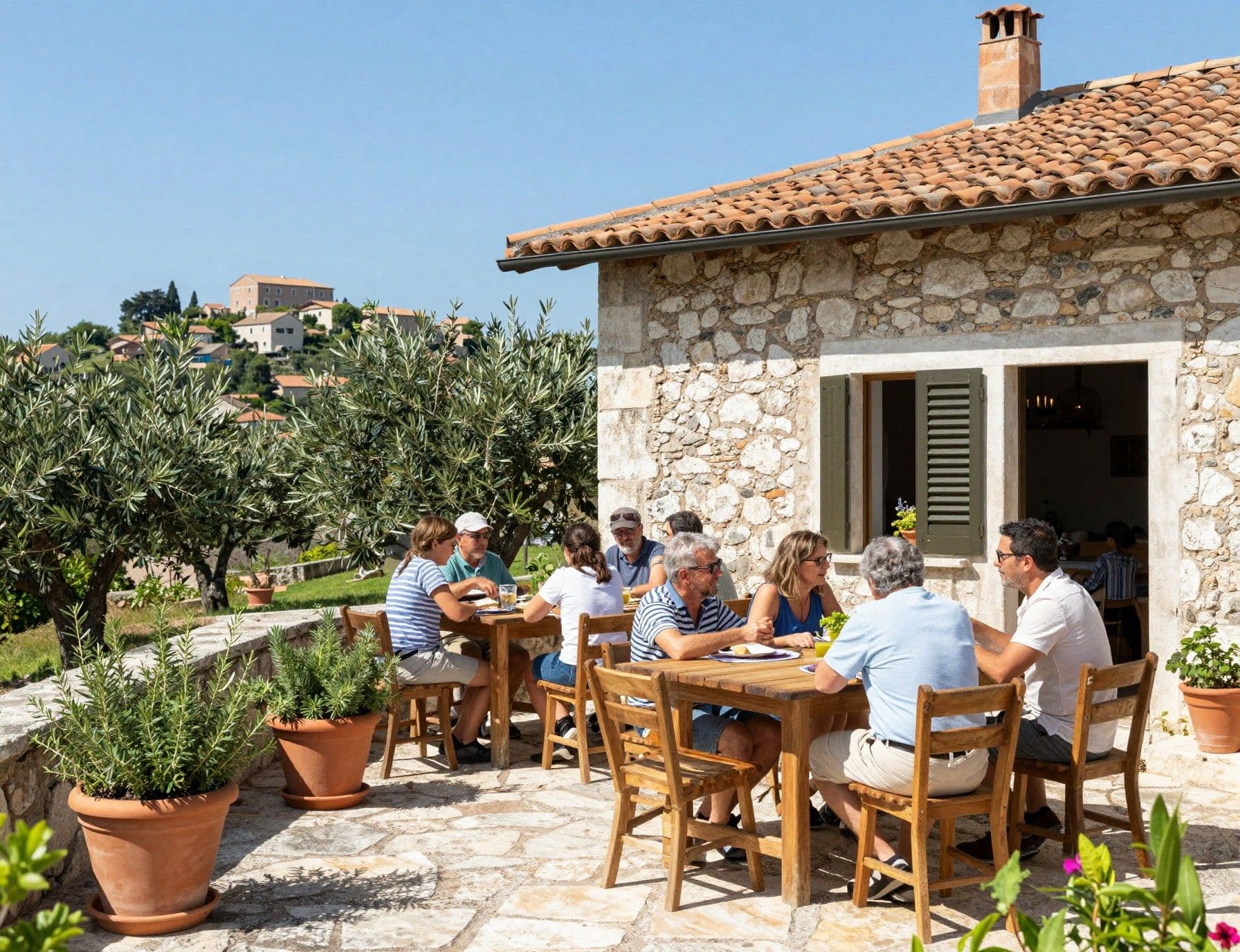
Romance must meet regulation. Croatia has clear public guidance on purchases — buyers must report transactions, notary involvement is mandatory, and specific documentation like land registry extracts, building permits and energy certificates are essential. Knowing where lifestyle priorities (sea view, garden, orchard) intersect with paperwork will save weeks and keep renovation dreams realistic. Start by requesting the land register extract and formal planning statements before you fall too hard for the view.
Who may buy: reciprocity, EU freedom and ministry approvals
EU/EEA/EEA‑equivalent citizens enjoy near‑parity with Croatian buyers for most properties, while non‑EU nationals are subject to the principle of reciprocity and often require Ministry of Justice approval. That means Americans, Australians and many others can and do buy, but the administrative step lengthens timelines — an essential factor when you want to sign quickly on a coastal renovation or a restored stone home.
Practical property checks that protect the life you imagine
- 1) Obtain a land registry extract and cadastral plan to confirm boundaries and legal ownership; 2) Request planning authority confirmation that the plot is inside a development zone if you plan to rebuild; 3) Verify building permits and the use (occupancy) permit — many coastal houses lack formal permits for added terraces; 4) Ask for an energy certificate and note renovation‑ready properties may need upgrades to reach efficient living standards; 5) Confirm any protected‑area restrictions if the property is close to Natura sites or heritage zones.
- Quick agency checklist: insist on translated land registry extracts, local planning confirmations, notary‑led escrow timelines, and a written roadmap for ministry approval if you’re a non‑EU buyer.
Insider knowledge: seasonal timing, hidden costs and sustainability wins
Market data show Croatia’s prices rose notably in recent years, especially along the coast; that means timing and region matter. Buying outside peak tourist towns or during the quieter months (late autumn through early spring) reveals authentic neighbourhood life and better negotiation leeway. But don’t mistake lower activity for lesser due diligence — sellers may have delayed paperwork for years. For eco‑minded buyers, this is also the moment to look for properties with roof orientation, outdoor space for food growing, and the potential for solar and rainwater systems.
Hidden costs often missed by dreamers
- Transfer tax (usually 3% of market value), notary and registration fees, potential municipality administrative fees for change of use, costs for retroactive building permits or compliance, seasonal maintenance for coastal homes (salt, sea humidity), and costs to upgrade inefficient heating or install renewable systems.
Sustainability-first opportunities: where stewardship meets value
- Look for south‑facing roofs for solar, natural stone with thermal mass for passive cooling, existing olive or fruit trees that cut food miles, plots with rainwater capture potential, proximity to community markets for low‑impact living.
- 1) Ask your lawyer to confirm reciprocity and expected ministry timelines before making offers. 2) Commission a notary‑verified land registry extract and written planning status. 3) Factor transfer tax and renovation‑to‑eco standards into your budget. 4) Schedule viewings in shoulder seasons to see real neighbourhood life. 5) Insist on clear handover conditions for fixtures, olive trees, wells and boundaries.
What expats wish they’d known: human, cultural and practical truths
Expats tell a familiar story: ‘We bought because we loved the street, not the floorplan — and later realised small legal details (an unauthorised terrace, a missing permit) shaped our renovation and community life.’ Learn the local lullabies: neighbours value reciprocity and gestures, municipal clerks are human and helpful when you come with clear documents, and small translations — of land registry entries and planning comments — avoid big surprises.
Language, integration and neighbourhood rituals
A few phrases in Croatian goes far: a morning ‘dobar dan’ at the baker’s, helping pick olives, or joining a local festa earns trust. Join local markets and seasonal harvests — they’re not just cultural, they’re where practical help and tradespeople are found. For non‑Croatian speakers, a bilingual agent and a local lawyer are priceless allies.
Long‑view stewardship: how your purchase becomes place care
Think of your purchase as stewardship: invest in durable materials, embrace passive design (stone walls, cross‑ventilation), and plan landscaping that supports biodiversity and water efficiency. Such choices protect your lifestyle — shady terraces, herb gardens, and productive orchards — and often increase long‑term value in a market growing as Croatia’s does.
- If you want to move forward: work with a local notary and lawyer experienced in ministry reciprocity, commission a pre‑purchase technical survey, visit in shoulder season, and ask agencies for translated, notarised registry extracts before bidding.
Croatia is a place to plan for slowly: the food, the light and the neighbours reward patience. Pair your lifestyle vision with early legal checks, translated land registry evidence, and an agency that understands sustainable living. When the paperwork aligns, the life — market mornings, sea swims, and harvest dinners — is everything you hoped it would be.
Danish relocation specialist who moved from Copenhagen to the Algarve; supports families with seamless transitions, local partnerships, and mindful purchases.