Buy Where the Sun Pays Your Bills: Italy’s Green Neighbourhoods
Italy’s renewable surge is turning neighbourhoods into assets—choose homes with solar-ready roofs, community batteries and seasonal living in mind.
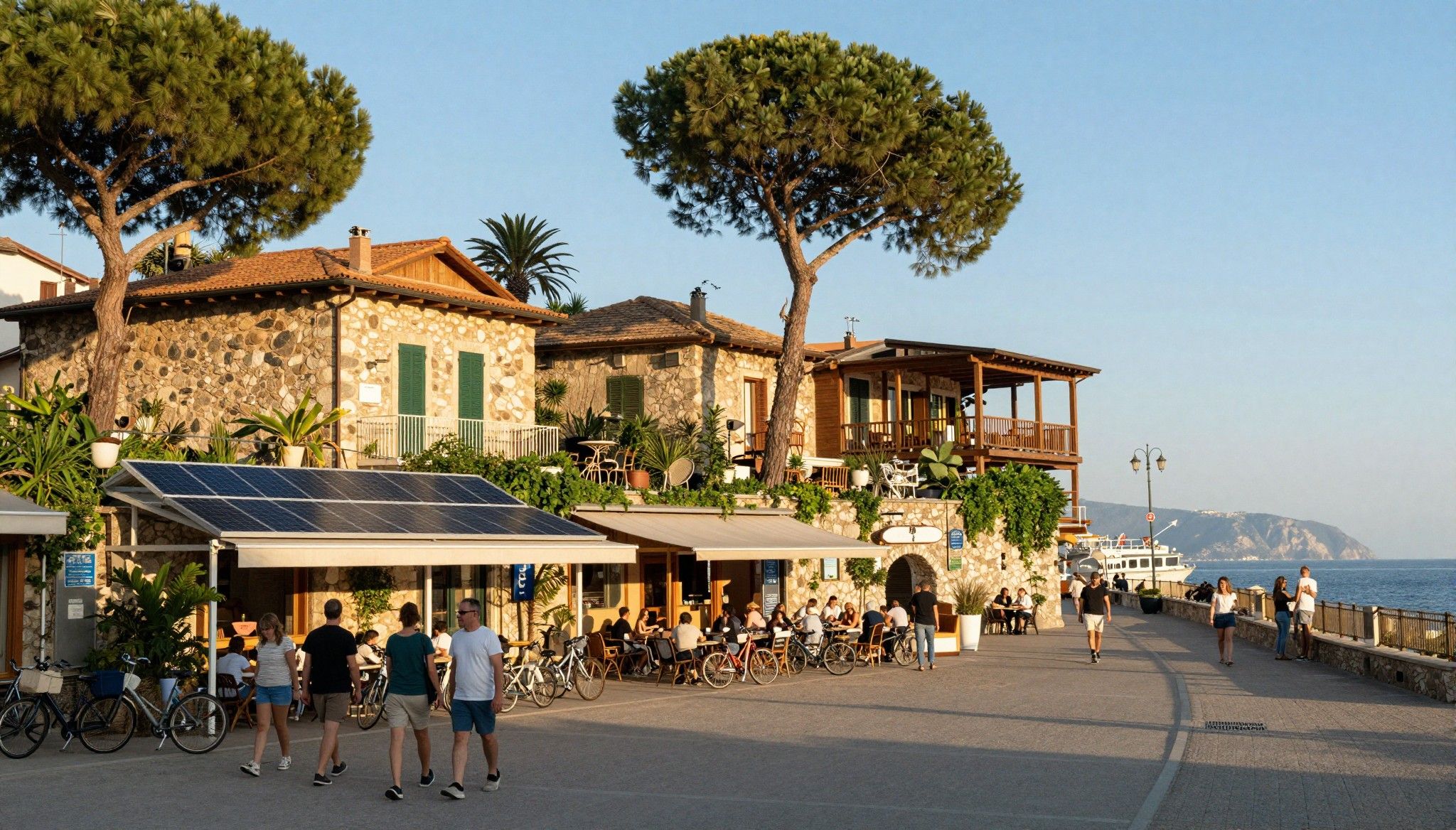
Imagine waking to sunlight pooling on stone terraces in Puglia, or hearing the soft whirr of neighborhood solar inverters as the town opens. Italy still smells of espresso and fresh bread, but increasingly it hums with panels, small turbines and community batteries—local infrastructure rewriting what a home can be. For international buyers who care about beauty and impact, Italy’s quiet energy revolution turns everyday streets into neighbourhood assets rather than mere backdrops.
Living the Italy lifestyle: place, pace, palate
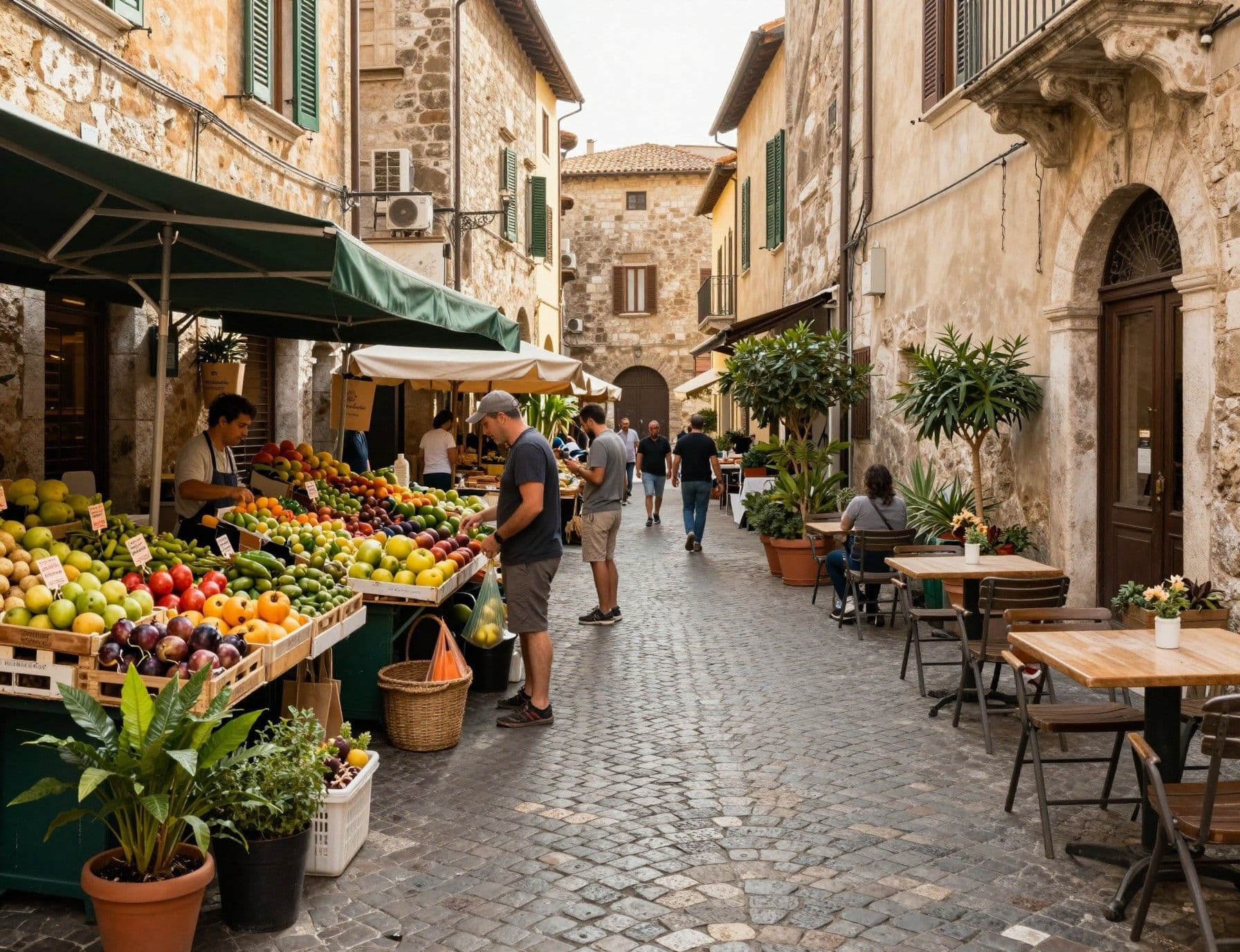
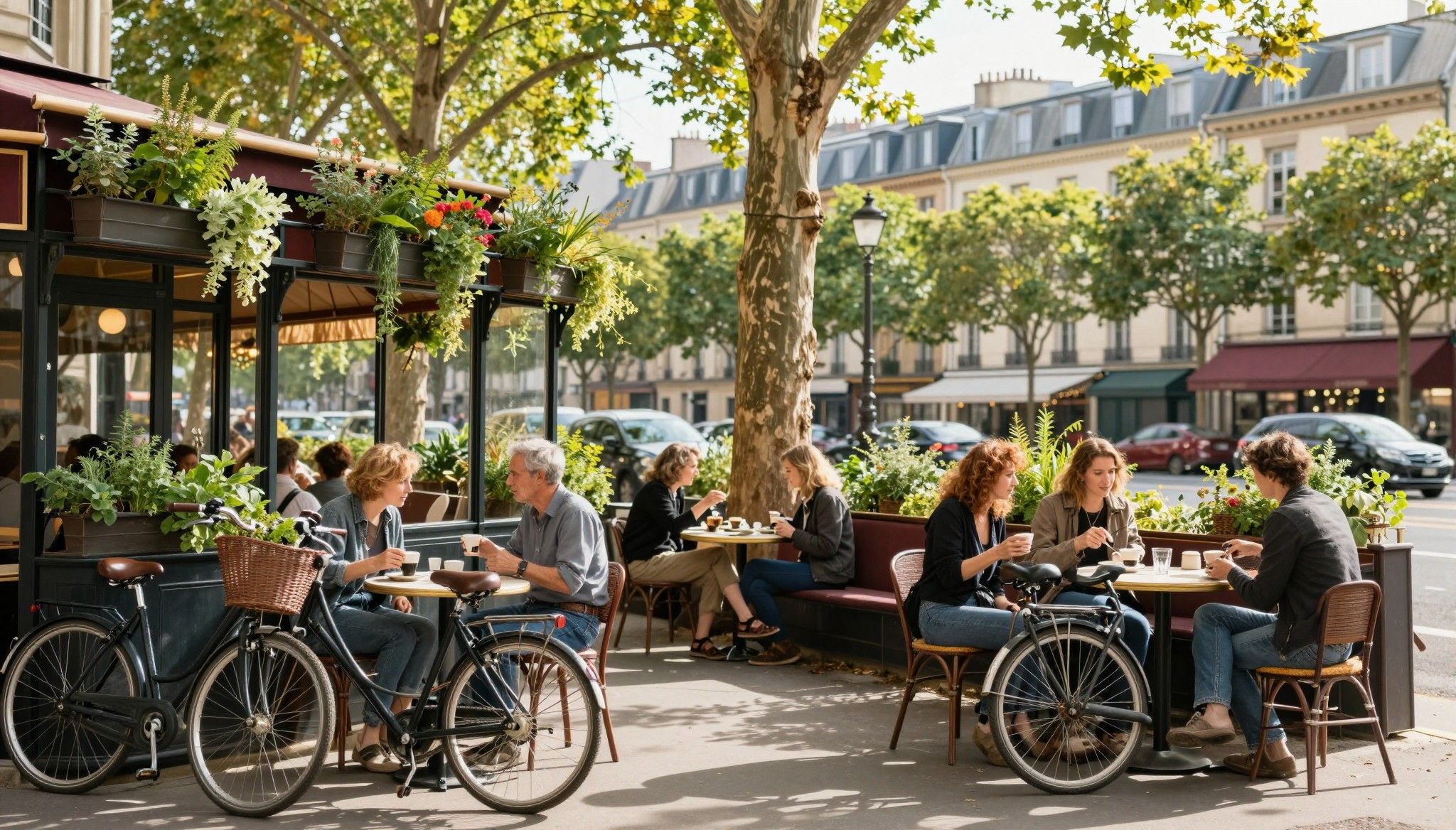
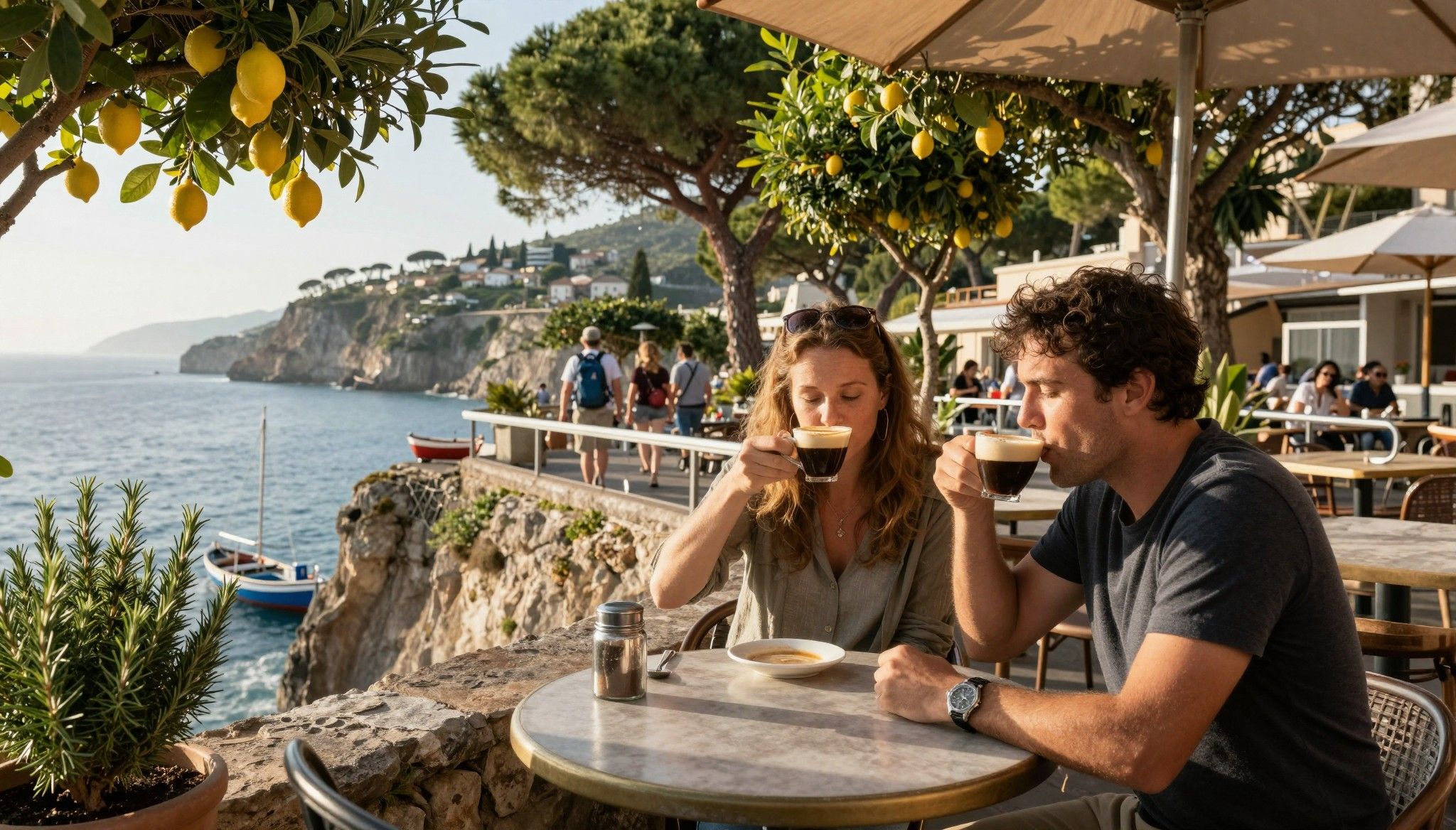
Italy is a collage of daily rituals: morning markets in Bologna’s Quadrilatero, late-afternoon passeggiata in Posillipo, weekend hikes along the Cinque Terre trails. Neighbourhoods are defined by cafés, small grocers and the piazza—places where you’ll learn names and recipes faster than grammar. Recent real-estate momentum in cities like Milan and pockets of Tuscany has been driven not just by glamour but by buyers seeking authentic living patterns: outdoor meals, seasonal markets and walkable routines that make sustainability a lived habit, not an ideal. (See market notes for recent buyer interest.)
Neighbourhood spotlight: Ostiense to Oltrarno — local character up close
Walk down Via del Porto in Florence’s Oltrarno and you’ll pass artisan workshops, tiny enotecas and a communal vegetable garden tucked behind an old palazzo. In Rome’s Ostiense, former industrial plots now host shared rooftops and solar canopies, while Puglia’s Martina Franca offers limestone streets and a surprising number of renovated masserie with solar arrays and olive-grove microgrids. These are the places where architecture, food and small-scale green infrastructure intersect — and where life leans outdoors, seasonal and local.
Food, markets and the season that shapes your home life
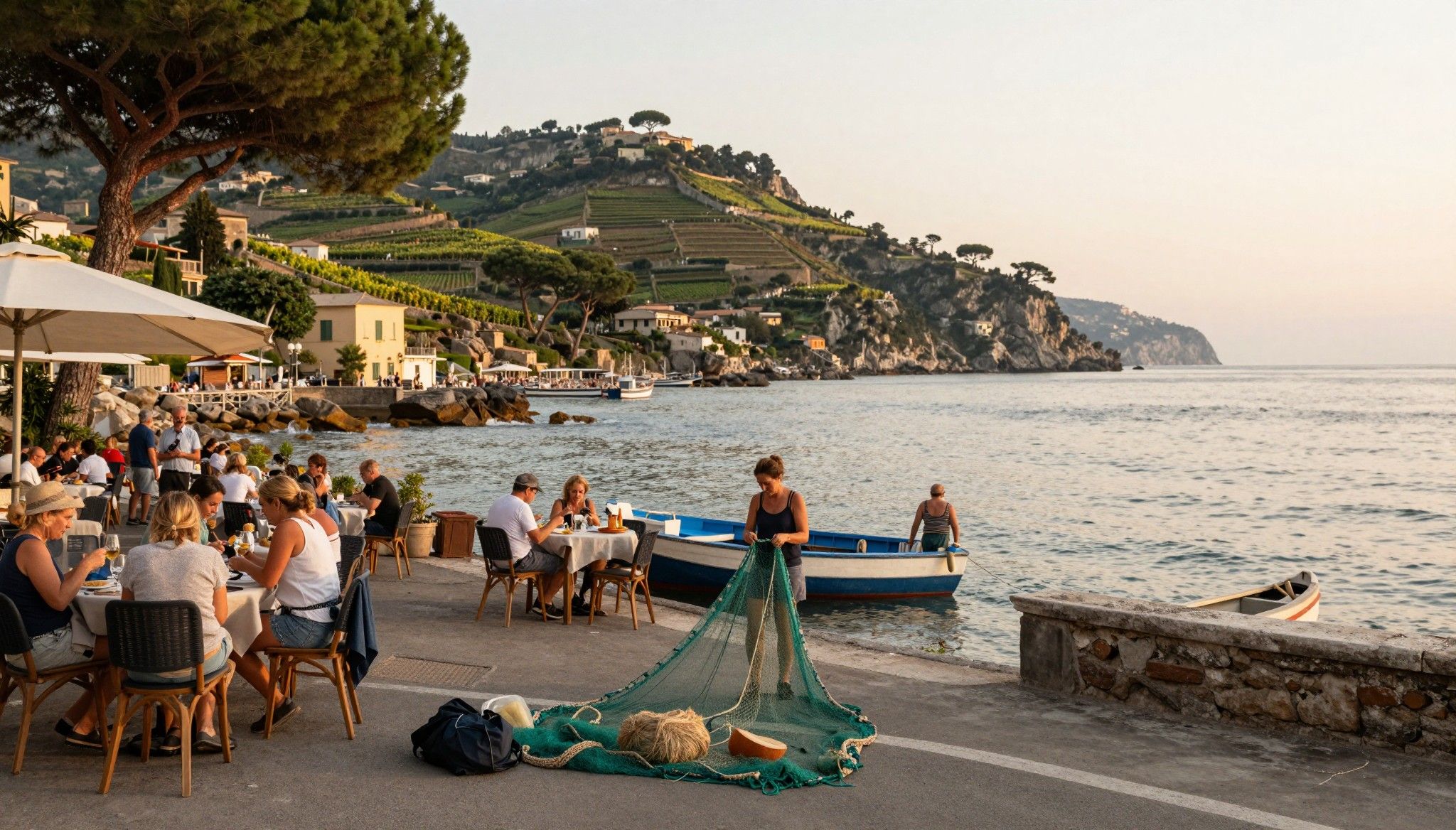
Imagine buying as harvest begins: truffle fairs in Alba, olive-press season in Umbria, or the late-July seafood festivals along Sicily’s west coast. These rhythms steer how you use kitchen space, storage and garden areas. A larger dry food pantry, a shaded outdoor kitchen, space for drying herbs—these modest features matter in an Italian life and in the market. Properties that support seasonal living often attract long-term renters and conscientious buyers alike.
- Morning espresso at a corner bar in every town
- Weekly market ritual (fish, fruit, and fresh pasta stalls)
- Seasonal festivals that animate neighbourhoods (sagre, feste patronali)
- Walkable streets with cafés, bakeries and small grocers
Making the move: practical considerations that match the lifestyle
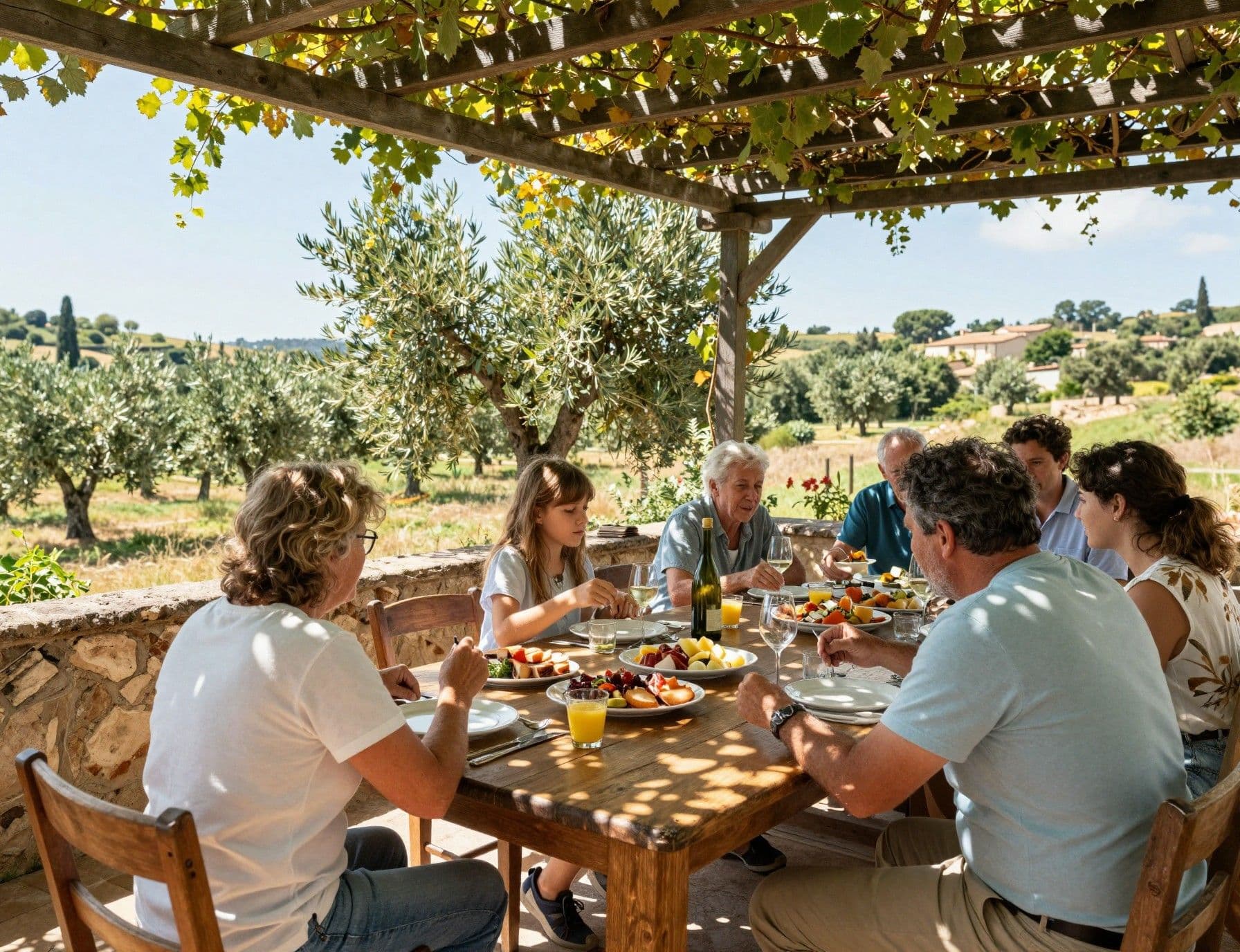
Dreams meet paper quickly in Italy: historic streets and modern green grids co-exist, but property choices must respect both. Pick a stone farmhouse for quiet, rural stewardship; pick a Milan apartment for culture and connectivity. Market momentum favors energy-efficient upgrades, and local agencies increasingly list EPC (energy performance) details — a practical filter for buyers who want light-filled living and lower bills. Recent market analysis shows returning international interest and premium on ‘immediate liveability’ features like terraces and outdoor space.
Property styles and how they shape everyday life
A restored Tuscan farmhouse offers thick stone walls that moderate temperature and a garden for orchards; a renovated Milan loft prioritises passive solar and nearby bike lanes. Choose with the rhythm of your days in mind: if you crave markets and cafés, a compact centre apartment is liberating; if you want seasonal food production and sun-drenched terraces, rural properties with solar-ready roofs matter more than square metres alone.
Working with local experts who know the green rhythm
Find agents who speak the language of neighbourhood life and of the grid: those who can point out where rooftop solar is common, which comuni permit small turbines, and where community batteries or heat-pump retrofits are trending. A local expert will also help you prioritise features that reduce running costs—insulation, shaded loggias, and simple PV-ready roofs—so your home feels like a sanctuary and an efficient machine.
- Start with visits at different times of day; check morning light, afternoon shade and evening noise before offering.
- Ask sellers for recent energy bills and EPC documents; compare those to nearby properties rather than national averages.
- Prioritise roof orientation and potential for panels, and ask about roof condition and local permitting for renewables.
- Consider properties within microgrids or towns with visible storage projects — these often offer resilience during heatwaves or blackouts.
Insider knowledge: surprises, red flags and local truths
Expats often arrive enchanted, then discover small, persistent realities: regional permit delays for renewables, seasonal road closures in mountain comuni, and neighbourhoods that change rhythmally with tourism. The good news: the grid is greener than you think—renewables supplied a record share of electricity in recent years—so many properties already benefit from lower-emission power and a growing local appetite for retrofits and community energy projects.
Cultural integration and everyday social life
Language opens doors but gestures and routines do more. Offer to help at the market, learn a few recipes, and accept invitations to local festa. Small acts of stewardship—volunteering for the olive harvest or attending the neighbourhood council—are the fastest way to belong, and they reveal which houses are maintained with care and which are not.
Long-term lifestyle and how a place changes with you
Over years a home becomes part of the local ecology: gardens mature, panels pay back, and neighbourhood initiatives take shape. Look for towns with active municipal plans for energy upgrades and resilience. Where local governments prioritise renewables and storage, your home is more likely to appreciate in both value and everyday comfort.
- Check if the comune publishes energy or climate plans before you buy.
- Speak with neighbours about winter heating costs and summer electricity spikes.
- Consider small land plots for edible gardens and water harvesting—these boost everyday quality without big permits.
Conclusion: Italy’s green transition is local, sensory and investible. Buying here means choosing a life shaped by seasons, neighbourhood rituals and increasingly by renewable infrastructure that lowers costs and deepens resilience. If you want a home that feels alive and acts responsibly, look beyond grand claims: ask about roof orientation, local grid projects, and the tiny rituals that make a place worth staying in. Start with neighbourhood visits, an agent who knows the green pulse, and a simple checklist that keeps lifestyle first and paperwork close behind.
British expat who traded Manchester for Mallorca in 2017. Specializes in guiding UK buyers to luxury Spanish estates with clear navigation of visas and tax.