Verdant Coastlife: Terraces, Pines & Buying Wisdom in Italy
A visceral look at Italy’s rugged, green coasts: how to match lifestyle dreams of terraces and pines with practical buying steps, local insights and market data.
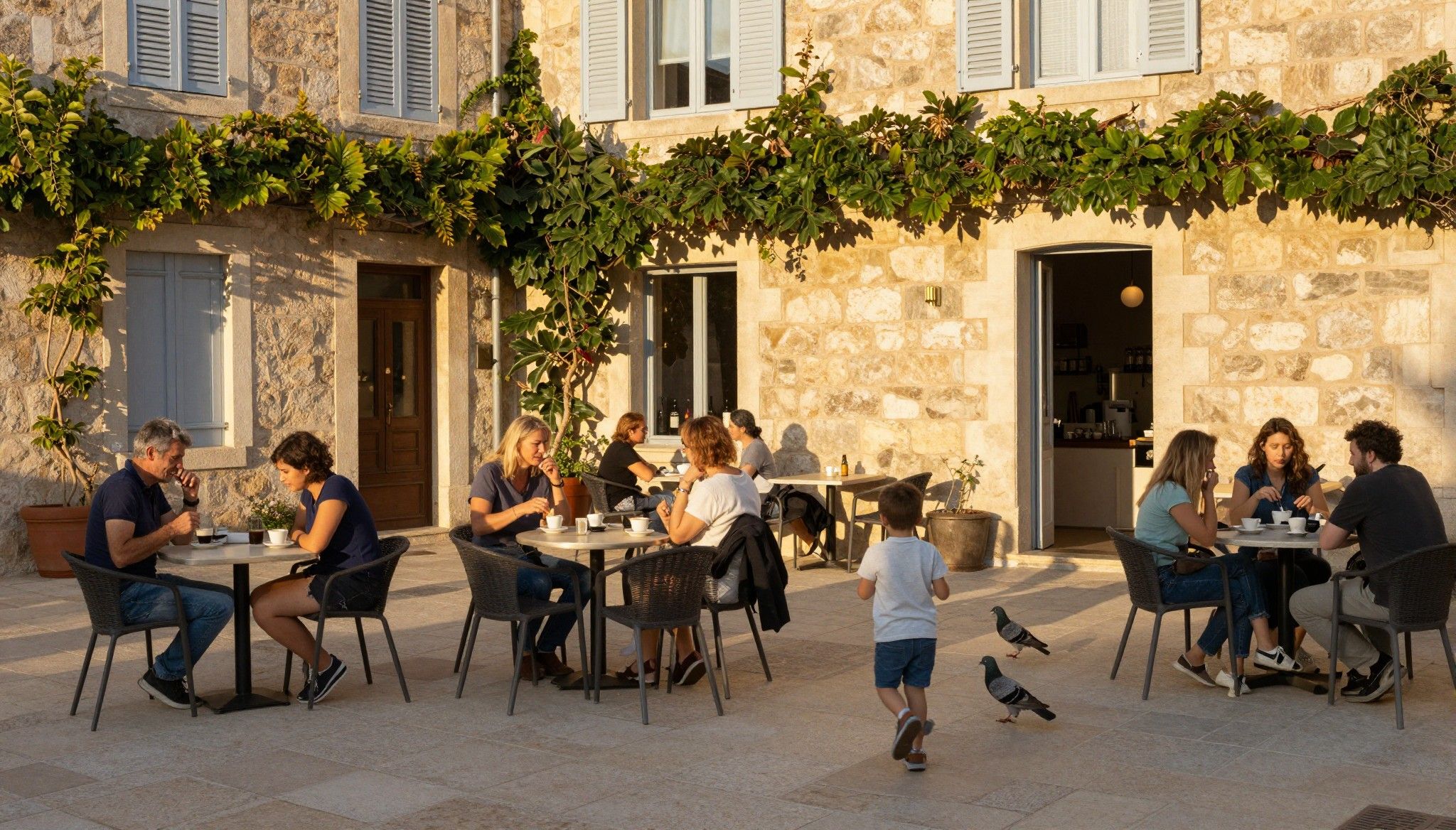
Imagine stepping out at dawn to buy bread in a sunlit piazza, then wandering to a sea-scrubbed cliff path where rosemary scents the air and fishermen mend nets. In Italy the landscape writes your daily rhythm — terraces, olive groves, and pines threaded with coastline — and that rhythm changes how you live and how you should buy. Recent market analysis shows steady interest from international buyers, but the true story is written in small villages and forested coves where value and verdant living meet.
Living the Italian Verdant Coastline
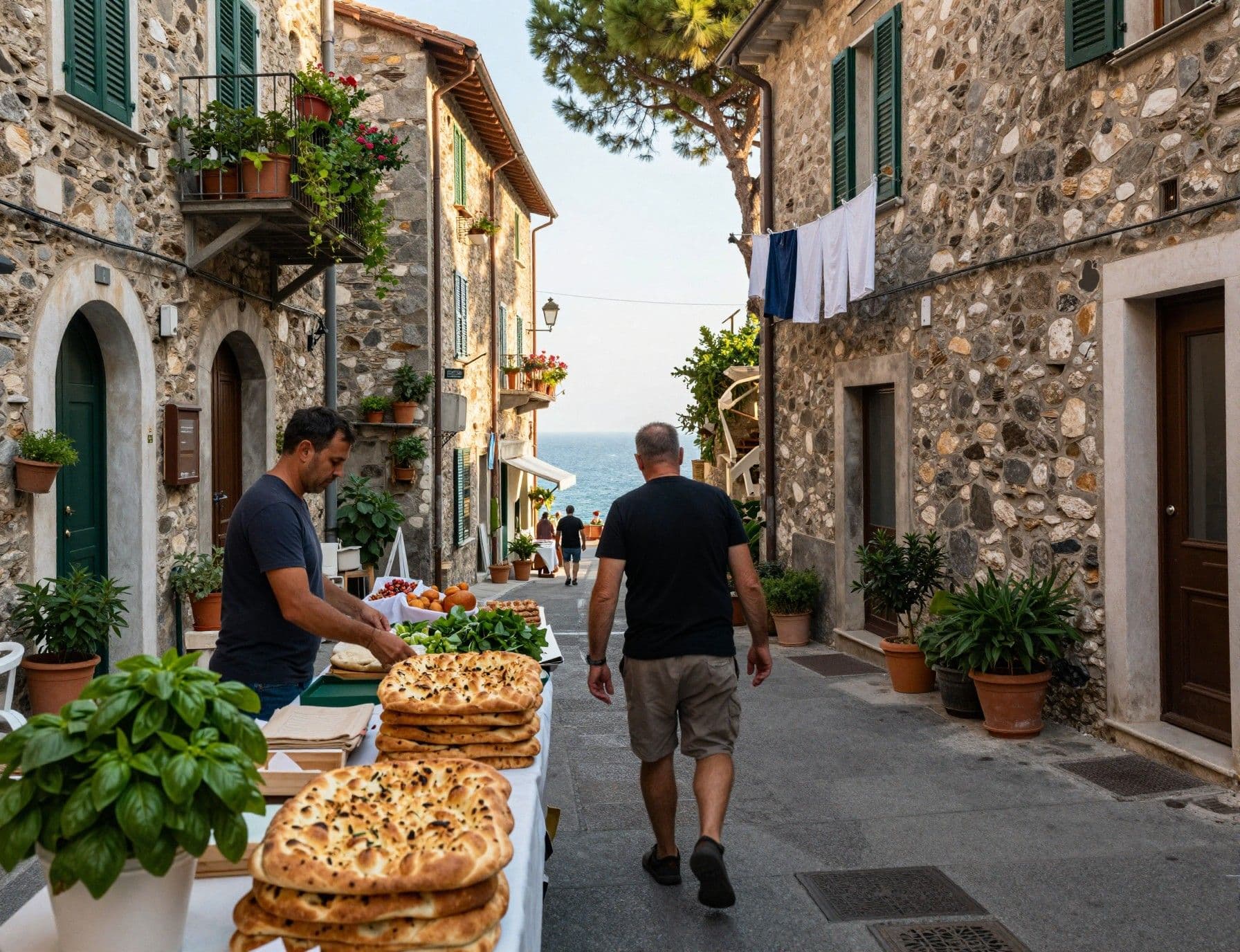
Living here is tactile: the salt at the edge of your hair, the creak of shutters, markets that close for a midweek siesta. From Liguria’s terraced vineyards to Tuscany’s maritime pines and the wild maquis of the Amalfi and Cilento coasts, the coast is rarely flat or manicured; it’s rugged, intimate and stitched to forested hills that shelter biodiversity and cooler microclimates. That interplay of sea and green makes these places restorative — and it determines the features buyers prize: terraces, rainwater capture, thick stone walls and integrated gardens that invite birds and shade.
Liguria’s terraces and micro-villages
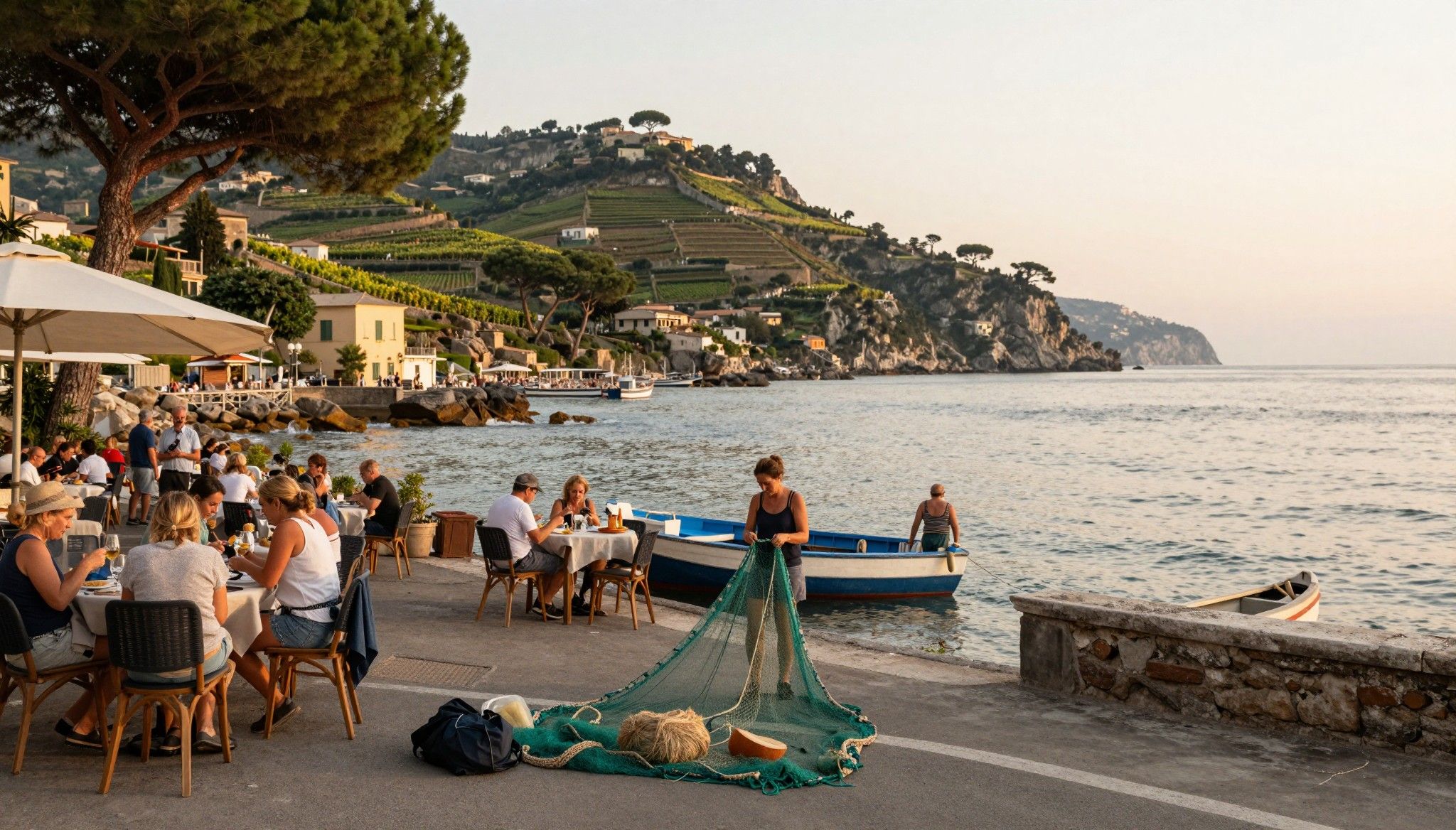
Walk the steep lanes of Vernazza or Zoagli and you’ll feel why terraces once grew vines and citrus — every stone tells a craft story. Here, small village houses and Liberty-era villas are common; inventory is tight, view premiums are real, and the hinterland (Val Nervia, Val Argentina) hides more affordable stone houses that offer the same coastal lifestyle with lower price tags and more room for gardens. Local markets hum with Ligurian basil, focaccia and anchovies — a daily language of food and place.
Tuscany’s maritime hills and quieter coves
Beyond Florence’s fame, Maremma and the Etruscan Coast offer pine-scented lanes, wide beaches and farmhouses that embrace agrarian stewardship. Here, buyers often trade a central piazza for acreage: chestnut woods, olive groves and vineyards that encourage solar retrofits and permaculture gardens. Expect slow-paced markets where seasonal rhythms — harvest, truffle fairs, local sagra — shape life and often present the best moments to meet neighbours and see properties in their lived season.
- Lifestyle highlights: a map of the senses and small pleasures
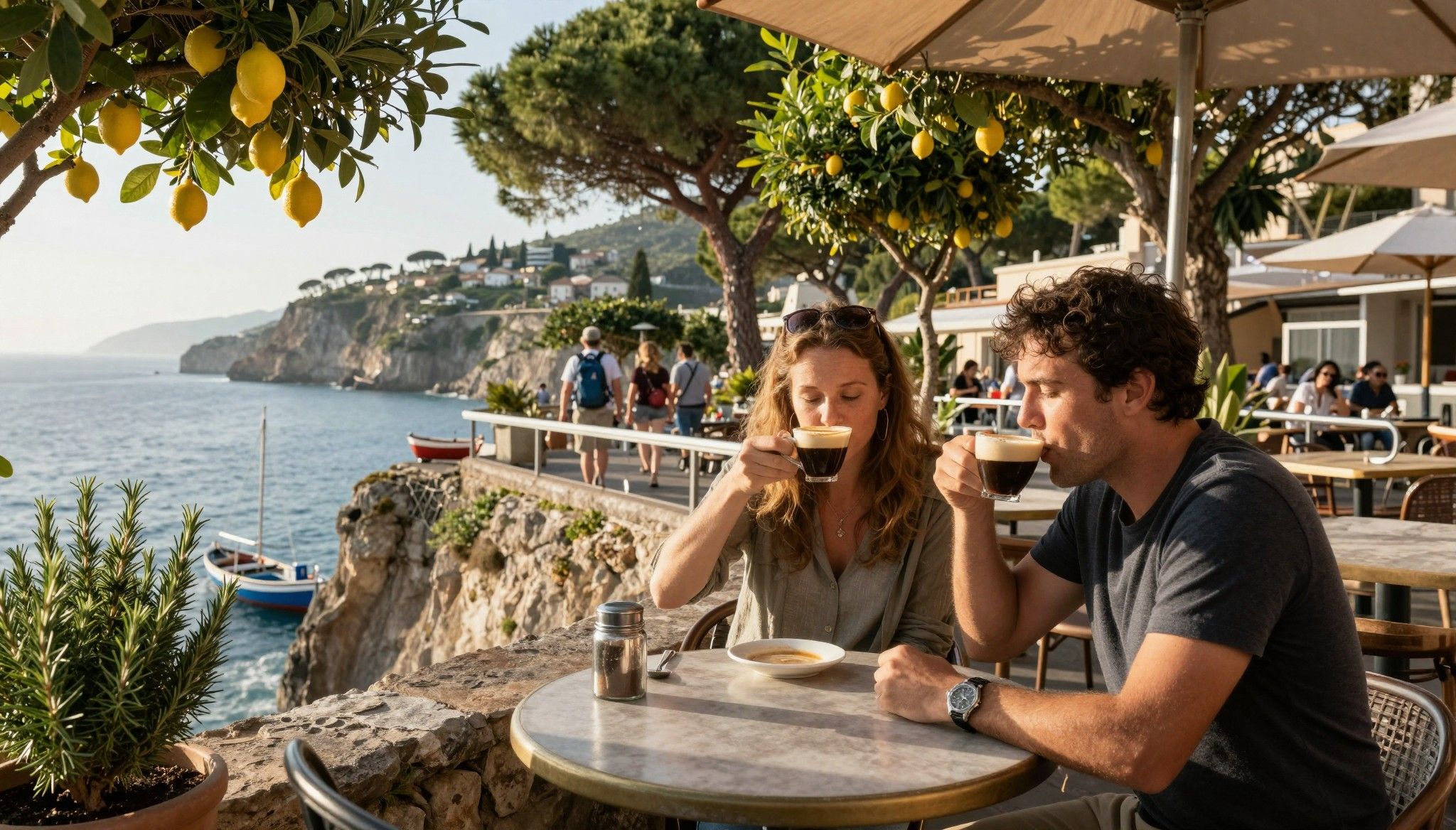
- Morning espresso at a cliffside bar in Monterosso; late-afternoon foraging in umbrella pine woods near Amalfi; a Sunday market in La Spezia for fresh trofie and sheep’s cheese; wine tastings among biodynamic producers in coastal Maremma; hidden pebble beaches accessed by mule tracks in Liguria.
Making the Move: Practical Considerations for Verdant Living
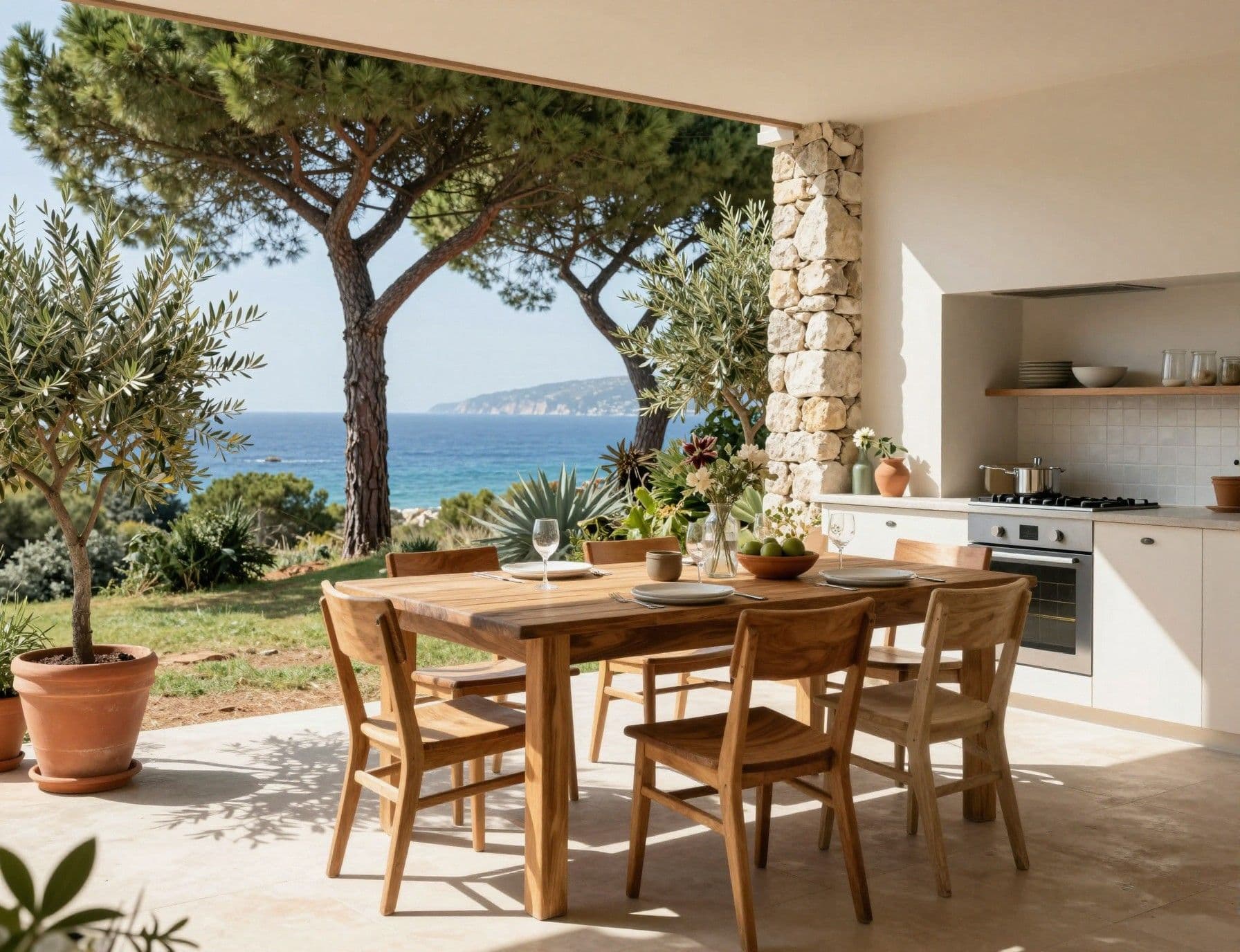
Dreams of terraces and pine-shaded courtyards meet paperwork, local regs and market timing. Italy’s national market shows steady interest and recovering transaction volumes, but the coastal and hillside submarkets behave differently: inventory is fragmented, local planning can protect heritage (limiting new builds) and microclimates affect insurance and maintenance needs. Work with agents who read both the ecology and the cadastre—those two maps together tell whether a house will live well for decades.
Property types that match verdant coastal life
A stone terraced house in Liguria, a restored farmhouse (casa colonica) in Maremma, or a compact cliff apartment on the Amalfi Coast each offer different relationships to land. Terraced houses promise outdoor rooms and cultivated terraces but demand steep maintenance. Farmhouses give room for regenerative gardens but may need seismic retrofitting and energy upgrades. Cliff apartments trade outdoor space for effortlessly walkable village life.
Working with local experts who care about place
Choose agencies that understand sustainable retrofit, local planning (Soprintendenza) and microclimate risks. The best advisors know where off-market heritage cottages appear, which towns incentivise solar and insulation upgrades, and which comuni have restrictive rules that protect olive terraces but complicate extensions. They act as translators between the lifestyle you imagine and the paperwork it requires.
- Steps that blend lifestyle with practical action
- 1) Visit in two different seasons — harvest and late spring — to feel microclimate and community rhythm. 2) Inspect terraces, water collection systems and stone mortar condition — these determine maintenance time and cost. 3) Ask the agent about local incentives for energy retrofits and seismic upgrades. 4) Meet a neighbour: practical knowledge about roads, access and seasonal tourism is priceless. 5) Use a notary and local architect early to flag planning limits and restoration opportunities.
Insider Knowledge: What Expats Wish They’d Known
Expats often romanticise light-filled terraces and forget the choreography of maintenance: terraces need drainage, cliff roads may be narrow and seasonal ferries run on summer timetables. The best purchases are those where lifestyle and stewardship align — properties that allow you to harvest olives, warm with passive solar gain, and host neighbours without excessive upkeep. Recent economic bulletins underline stable national demand, but local liquidity varies wildly between tourist hotspots and quieter hinterlands.
Cultural integration and everyday life
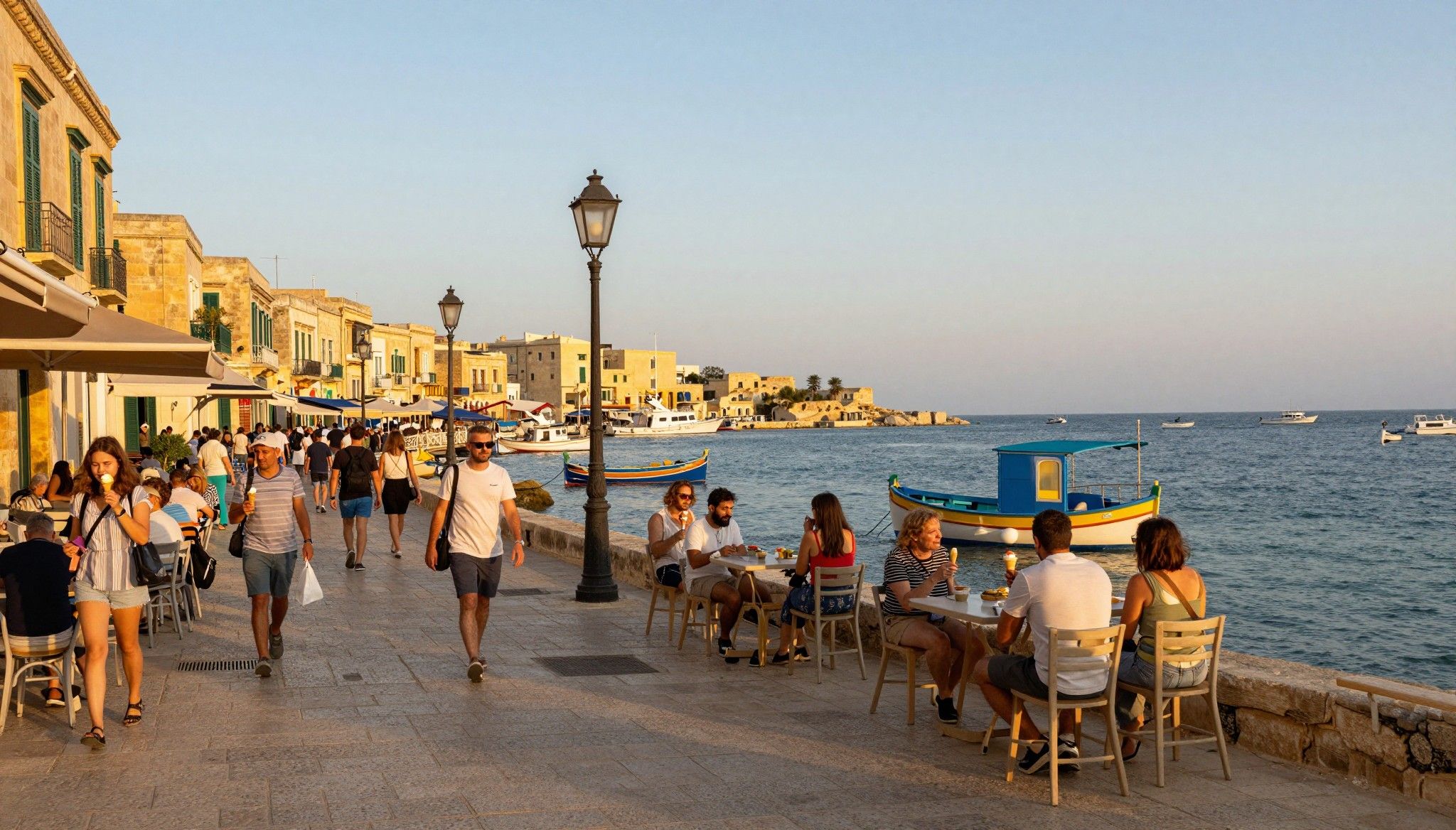
Learning a few phrases, joining a local volunteer group that restores trails, or buying from the same market stall will open doors faster than legalese. Italians prize reciprocity: return favours, attend the sagra, and tend the communal garden. Expat communities exist but the most joyful residents are those who root small daily rituals — morning espresso, passing greetings, seasonal cooking — into local life.
Long-term living: stewardship over speculation
If you buy with stewardship in mind, you join an intergenerational story: restoring terraces to slow erosion, fitting solar compatible with historic roofs, and planting native hedges to sustain pollinators. These choices often reduce running costs and earn community goodwill. For buyers who value biodiversity, Italy offers grants and incentives in many regions for energy efficiency and seismic works — small investments that preserve both place and price.
- Red flags to watch for before you sign
- Unclear terrace ownership (who maintains ancient dry-stone walls); properties without clear access rights on cliff roads; missing seismic compliance paperwork on older masonry; drainage that channels water down, not away, from foundations; over-optimistic rental income figures in peak months.
Conclusion: imagine living here — and plan for the work that keeps it that way. Fall for Italy’s scent, seasons and small-scale civility, then bring local experts who respect ecology and heritage. Visit in harvest, talk to neighbours, prioritise land stewardship, and let an agency that knows both olive groves and building regs be your translator. Start with a walk at dawn, then make the practical calls: that is how a dream becomes a durable life.
Dutch property strategist who helped 200+ families find sustainable homes in southern Europe; expert in legal pathways and long-term stewardship.