Let the DPE and Cadastre Decide — Not Just Charm
Prioritise energy scores and cadastre checks over cosmetic charm—use DPE, local planning and notaire oversight to secure the sustainable French life you want.
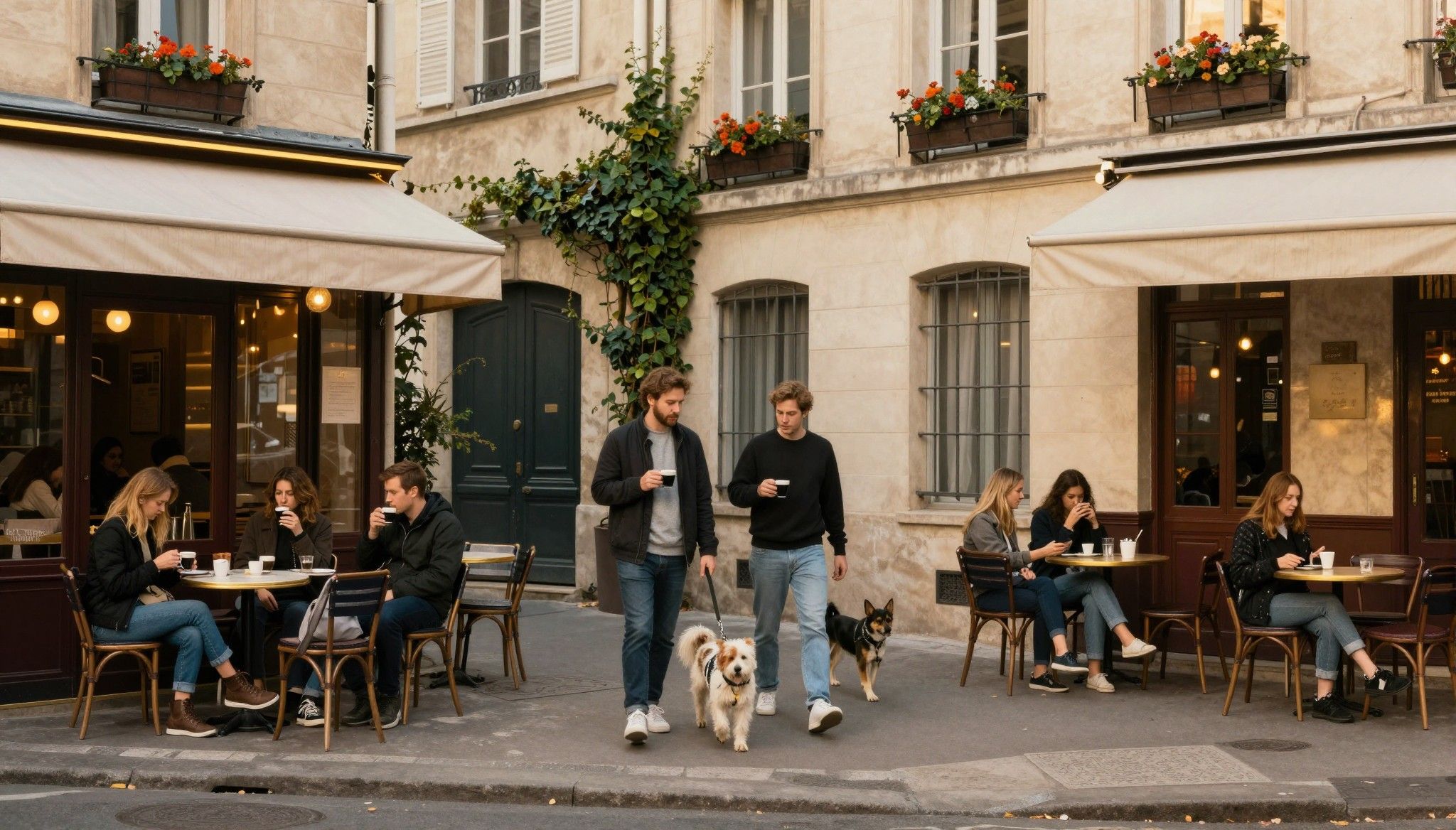
Imagine mornings in a tiny café on rue Cler in Paris, the smell of warm croissants and coffee spilling into the street, or late afternoons wandering the walled lanes of Uzès with light catching the limestone façades. In France the romance is real — but so are the technical checks that turn enchantment into a secure purchase. Start with atmosphere; follow with paperwork.
Living the French life — sensory, seasonal, sustainable
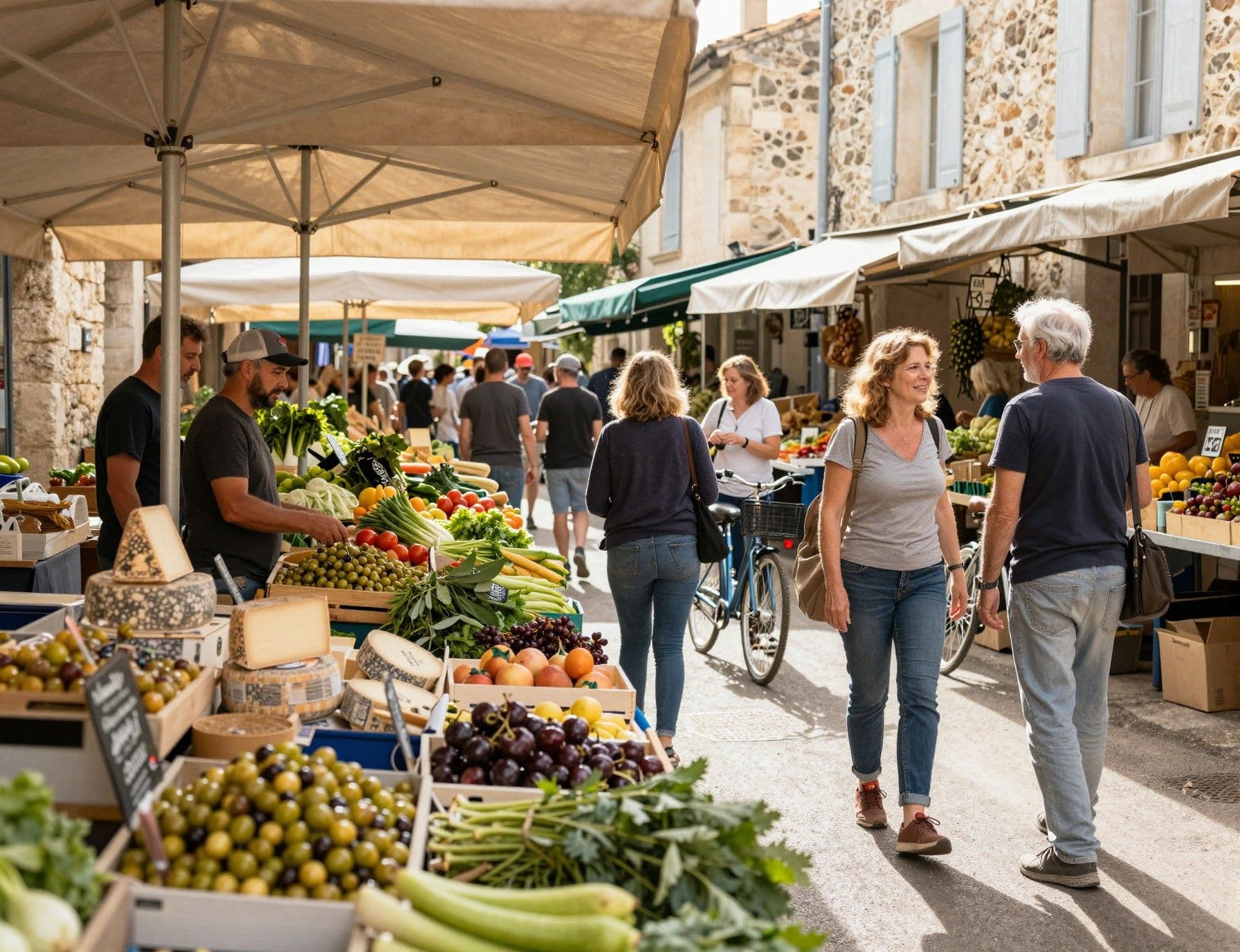
France moves at a rhythm of markets and meals, light and land. In Provence you’ll hear church bells over cicadas; on the Atlantic coast the tide sets the pace for weekend surf and seafood; in Lyon and Bordeaux nights are for long meals and wine. For eco-conscious buyers this variety is an invitation: pick a place where the landscape supports your life — vegetable beds, sun for solar panels, sheltered courtyards for passive warmth — and the home will feel like an extension of place.
Neighbourhood spotlight: Paris 7 to Marseille’s Vallon des Auffes
Walk the Seine-side quays in the 7th and you’ll feel the city’s classical calm; cross to Belleville for lively markets and creative energy. In Marseille, seek small harbours like Vallon des Auffes or the up-and-coming Cours Julien for community life and local producers. These micro-areas are where local habits — morning boulangeries, evening aperitifs, shared gardens — shape how you use a home more than the headline city name ever will.
Food, markets and seasonal life that should guide where you buy
If you dream of farm-to-table living, look for villages with weekly marchés and a thriving producers’ network — Loire Valley markets, the olive‑oil routes of Provence, or the seafood stalls of Brittany. These rhythms affect everything: storage space requirements, kitchen layout, outdoor workspace, and even insulation needs for winter market visits. Sustainability isn’t only about solar panels — it’s about how a region’s food systems and seasons support low-impact living.
- Lifestyle highlights to map before you buy: market days, nearby producers’ cooperatives, walking access to cafés, community gardens, local repair cafés, coastal access for tidal living.
Making the move: paperwork that protects your lifestyle
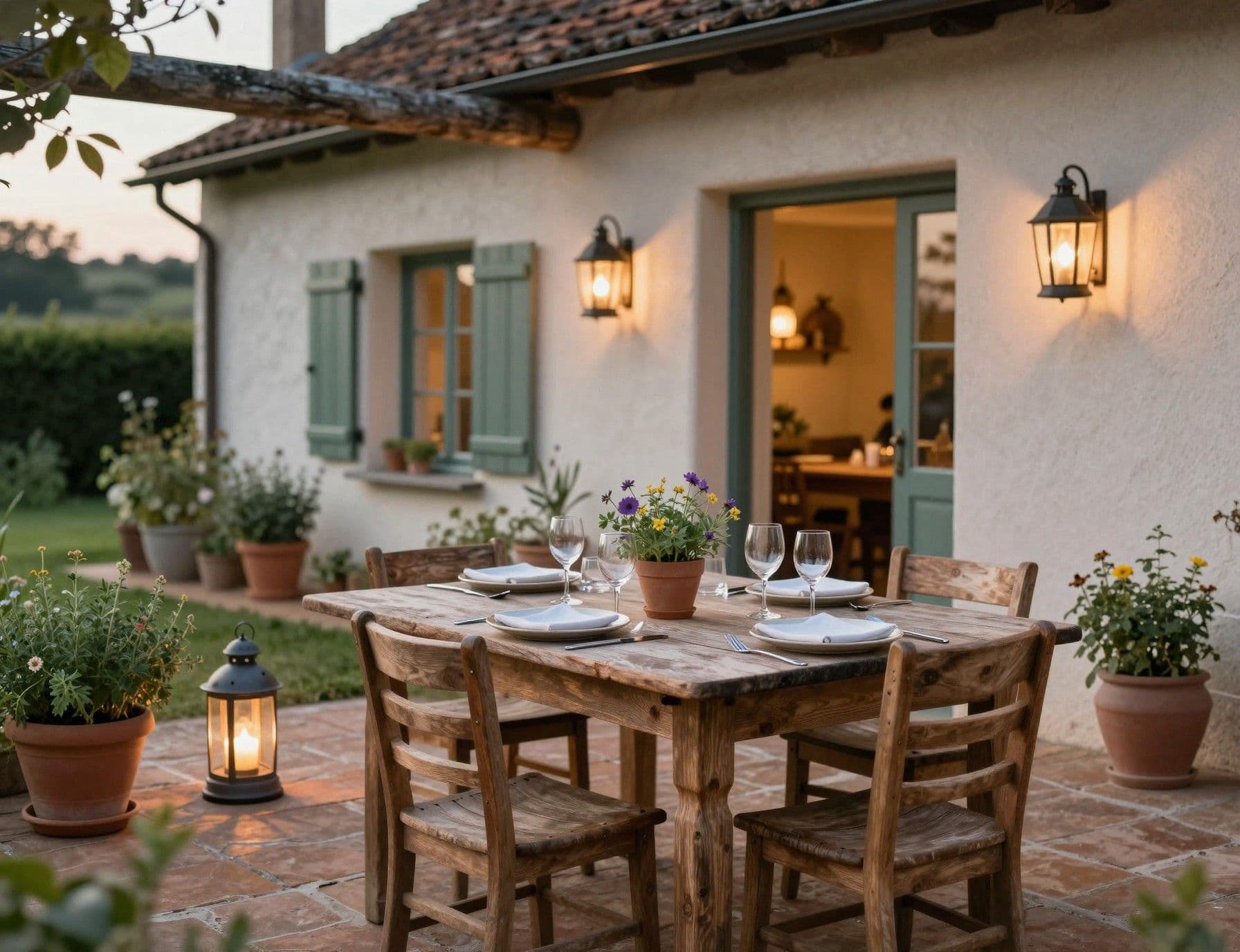
The kompromis de vente and final acte protect both dream and deposit — but they also frame the technical checks you must insist on. For eco-minded buyers, don’t let charm obscure compulsory documents that measure environmental fit: the DPE (energy performance diagnostic), cadastral plans, and any local planning constraints that affect gardens, ateliers, or PV arrays. Read the promise; then read the engineer’s notes.
Energy first: why the DPE matters more than a glossy kitchen
DPE labels (A–G) are increasingly decisive for pricing and future renovation obligations. A low score can mean meaningful discounts — but it also signals work and regulatory timelines. Recent French reforms have tightened DPE reliability, and in some areas sellers must provide energy audits if multiple units are affected. Treat the DPE as a lifestyle filter: it predicts running costs, comfort in winter, and the scale of retrofit needed for your eco-goals.
Permits, cadastre and the garden you really want
Local rules govern what you can add: terraces, outbuildings, vegetable tunnels, or solar panels. The cadastre reveals boundaries and servitudes; the mairie holds local urban plans and any protected‑site rules. Before you fall in love with a plot’s walnut tree, check setback rules, heritage overlays and whether the water table will complicate a natural swimming pond. These constraints shape the garden life as much as soil or sun.
- Six practical steps to marry lifestyle and legal certainty: 1) Ask for the DPE and recent energy audit if available; budget retrofit before offering. 2) Check cadastre and servitudes with the notaire and mairie. 3) Confirm planning zones for extensions or PV with the local mairie. 4) Request recent utility bills to estimate running costs by season. 5) Insist on written confirmation of any shared‑ownership rules in co‑ops. 6) Engage a local architect or chantier manager if you plan sustainable retrofits.
Insider knowledge: what expats wish they’d known
Expat buyers often say the surprises weren’t the taxes but the local rhythms: market days that change trash collections, winter closures of bakeries, or council rules on façade repairs. The best local agents act like cultural translators — pointing out where the neighbourhood truly lives (a weekday boulodrome, a Friday market) and what paperwork will shape daily life. Learn the calendar before you commit: seasons change how a place breathes, and the home must suit all of them.
Language, community and everyday integration
A little French goes a long way at the mairie and with neighbours. Invest time in weekly rituals — markets, village fetes, repair cafés — and you’ll gain practical help for permits and renovations. If you’re non‑French speaking, appoint a trusted notaire and a bilingual architect; they smooth both culture and compliance, and reduce the risk of misunderstandings that can delay permits or inflate costs.
Long-term lifestyle checks: resilience and stewardship
Look beyond purchase price to resilience: access to healthcare, seasonal transport, broadband for remote work, and local renewable‑energy incentives. Local authorities and national programmes (France Rénov’) offer grants for energy retrofits — factor those into renovation timelines. For non‑residents, local taxes (taxe foncière, taxe d’habitation rules for second homes) are managed in situ and should be part of your annual budget planning.
- Common red flags to halt a signing: missing recent DPE, unclear cadastre boundaries, contradictory mairie statements about permitted works, unexplained shared‑ownership charges, or pressure to skip independent diagnostics.
- Three negotiation moves that protect lifestyle value: 1) Tie your offer to a satisfactory DPE or an agreed energy-improvement schedule. 2) Require written confirmation of permitted external works before transfer. 3) Ask the notaire to list any servitudes or easements in the acte de vente and reserve funds for immediate sustainable upgrades.
If you want the life — the markets, the sunlight, the community tables — let the documents confirm it. A home in France is not just stone and tiles; it is seasons and neighbours, permits and soil. Fall in love with the place first; then use DPEs, cadastre maps, mairie rules and an honest local notaire to make that love durable and low-impact.
Dutch property strategist who helped 200+ families find sustainable homes in southern Europe; expert in legal pathways and long-term stewardship.