Malta: Coastal Rhythm, Green Living, Real Choices
Malta’s compact, sunlit life blends coastal drama and verdant micro‑gardens; pair that lifestyle with NSO market data and local stewardship for smarter buying.
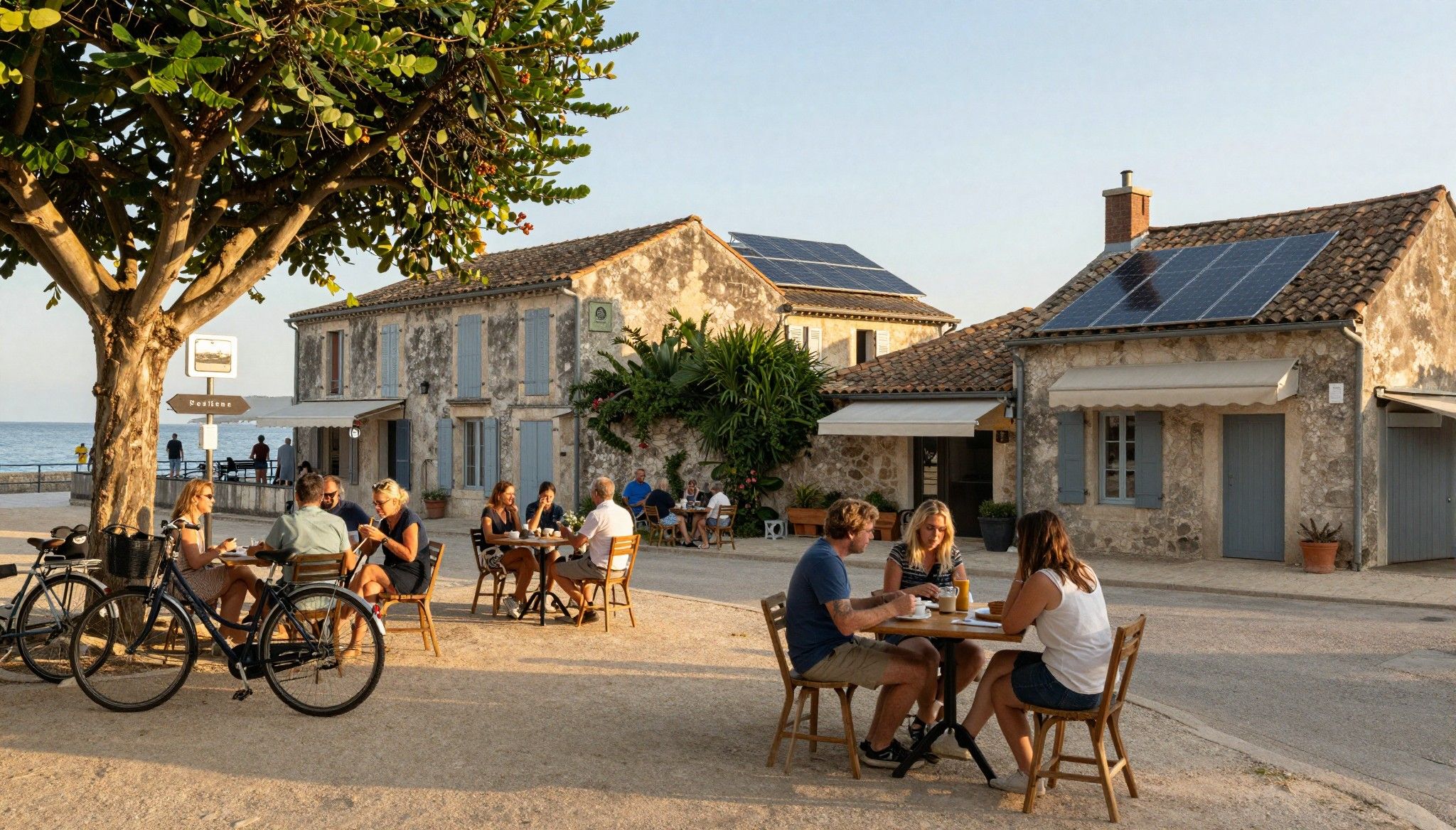
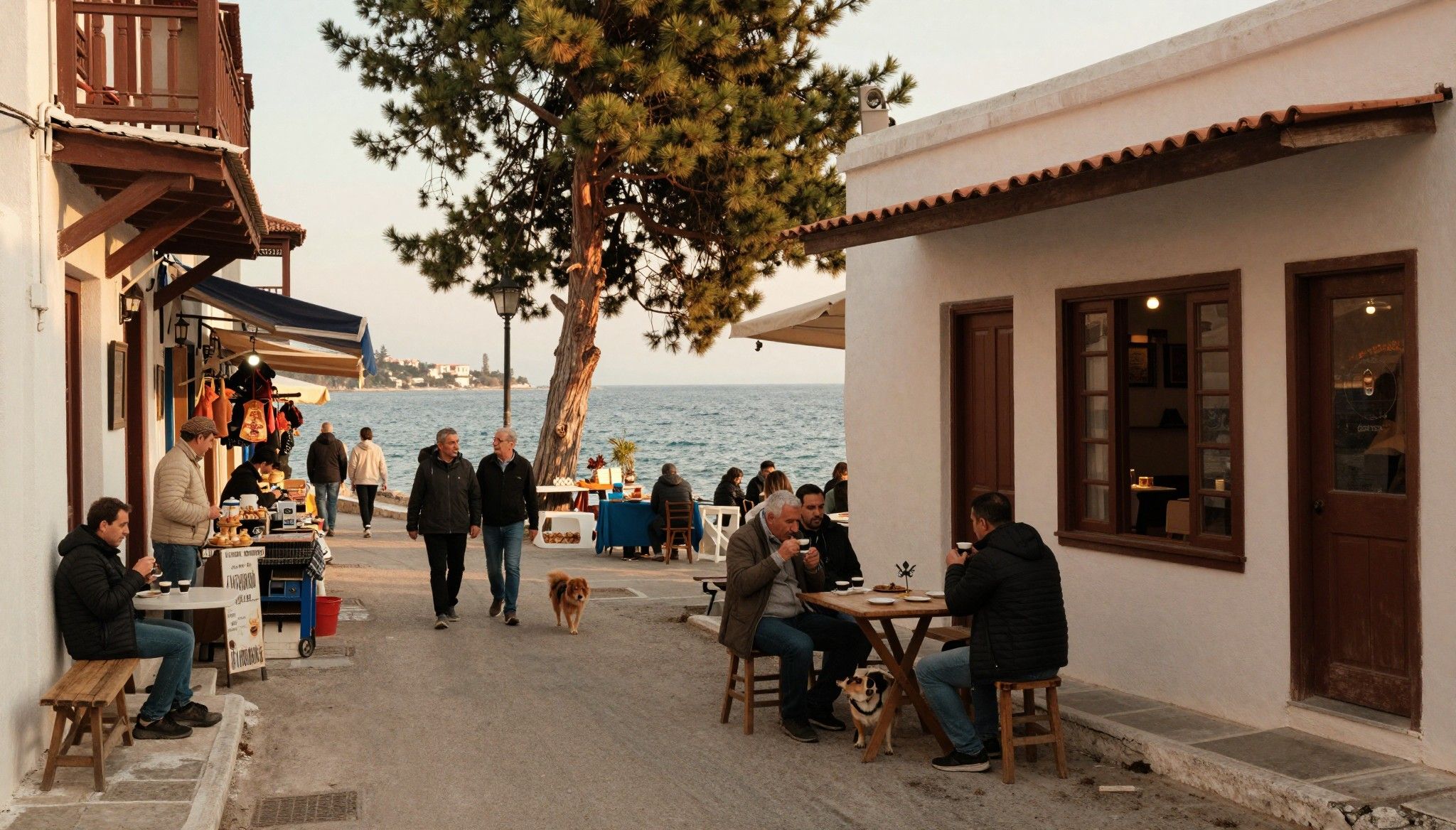
Imagine a still morning in Malta: sunlight warming limestone facades, the scent of sea and basil, espresso cups clinking at a pavement table on Triq ir-Repubblika in Valletta. Life here unspools at the intersection of coastline and old stone — compact, lush in micro‑gardens, and remarkably lived‑in. For international buyers drawn to green living and coastal drama, Malta feels both intimate and invigorating; but the choices you make — town flat, farmhouse, or sea‑edge maisonette — will shape how you live every salted, sunlit day.
Living Malta: small island, big texture
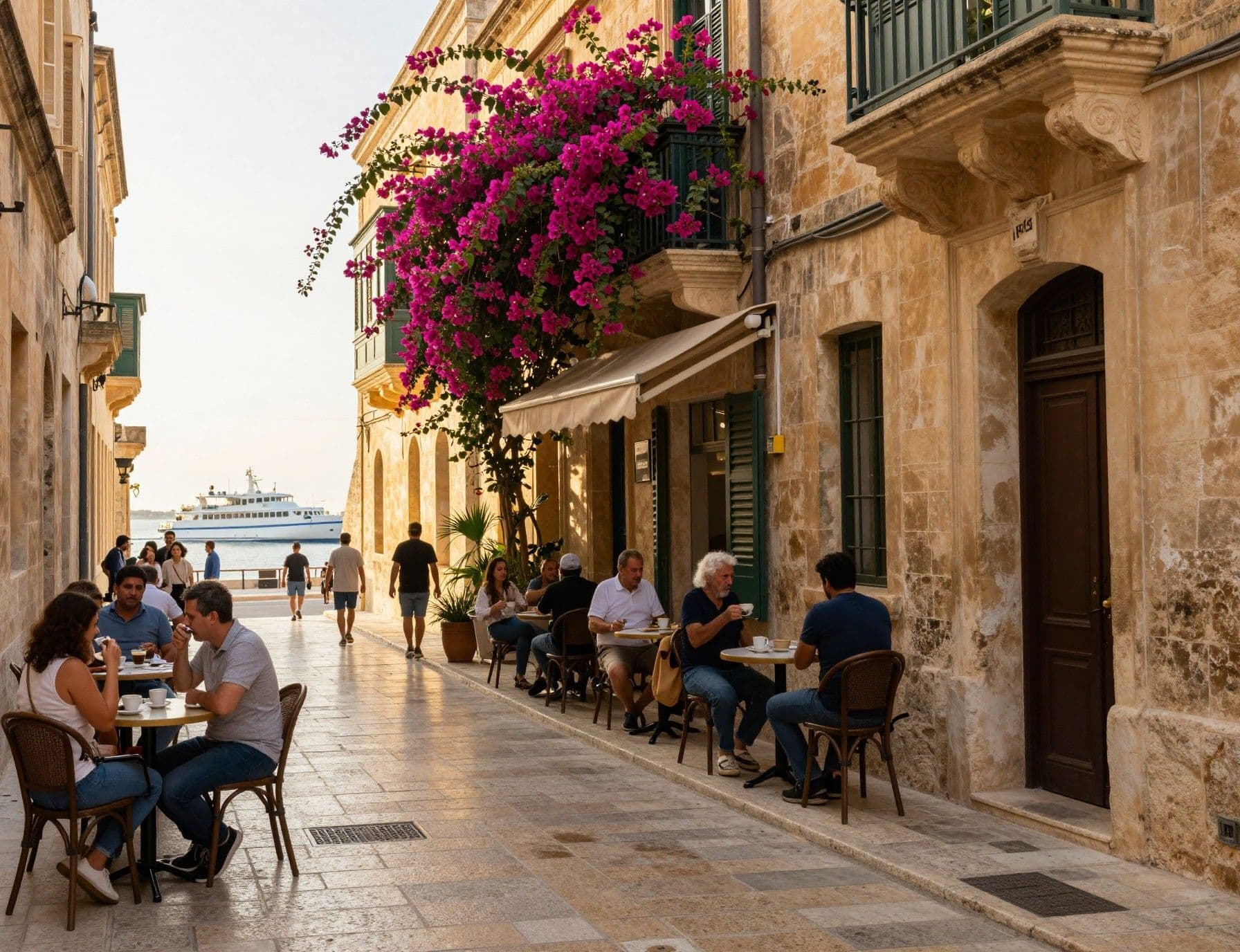
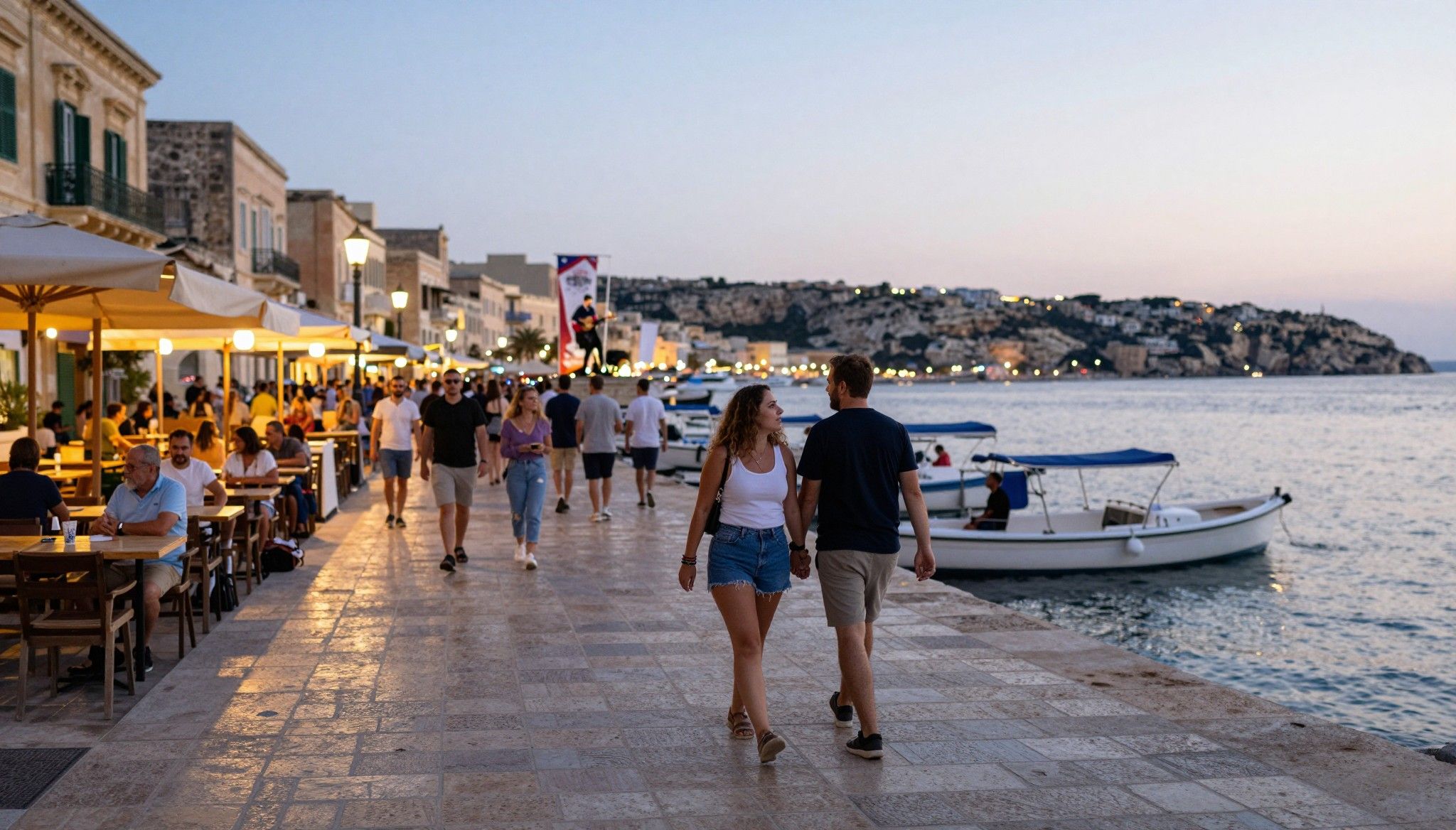
Malta’s compact scale makes every neighbourhood feel close to the sea or a green pocket — even in dense Sliema there are rooftop vegetable beds and courtyards where bougainvillea spills over stone walls. The island’s rhythm is shaped by light and season: summer evenings filled with band marches and seafood grills; winter mornings that favour long walks along cliffs in Dingli or wildflower spotting in Buskett Gardens. Recent official data show steady price growth rather than runaway spikes, a reminder that demand is enduring even as the market matures. (See NSO RPPI Q4/2025 and local market commentary.)
Neighborhood pulses — where to place your day
If you wake to barista steam and patisserie crumbs, Valletta and Sliema answer. If dawn finds you wandering towpaths and coves, consider Marsaxlokk, Mellieħa or the quieter northern villages. For countryside and character, seek a restored farmhouse or 'house of character' in central Malta or Gozo where terraces, inner courtyards and stone walls invite gardening and solar siting. I love the tiny streets off Repubblika where neighbours still greet each other — that social fabric is a daily luxury.
Food, markets and ritual
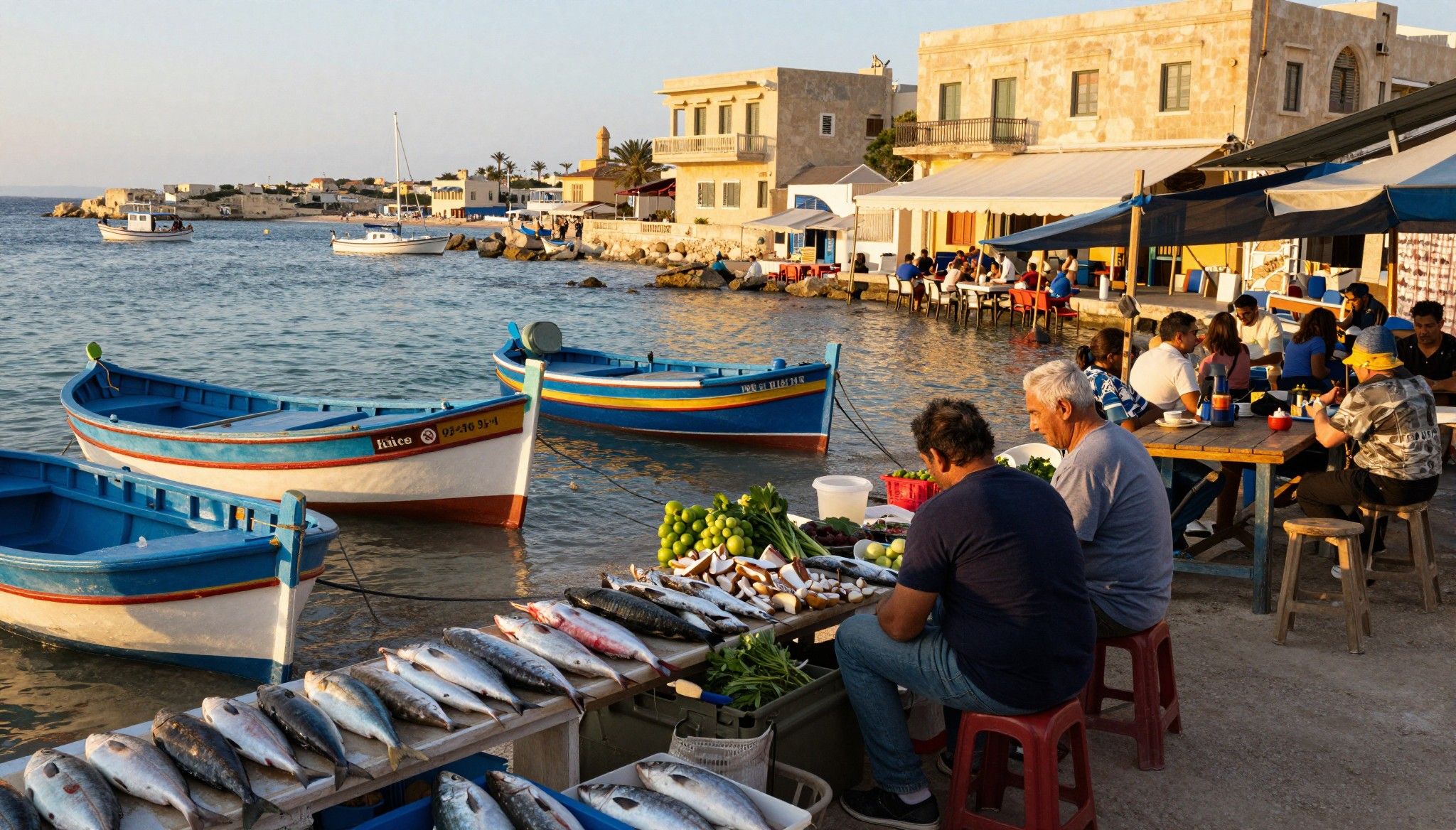
Maltese life is deliciously local: fishermen selling early‑morning catches at Marsaxlokk, bakery queues for ftira, and neighbourhood hole‑in‑the‑wall restaurants that serve rabbit stewed slow. Weekends are for mercato runs and sea swims; weekdays for lingering coffee and midday walks through pasejos. These rituals matter when choosing a property: proximity to a lively piazza or a quiet cove changes how you live more than square metres do.
- Lifestyle highlights to seek in Malta
- Morning espresso on Merchant Street (Valletta) and dusk swims at St Peter’s Pool
- Weekend fish market at Marsaxlokk and rooftop gardens in Sliema
- Country walks in Buskett and cliffside sunsets at Dingli
Making the move: lifestyle choices that shape real decisions
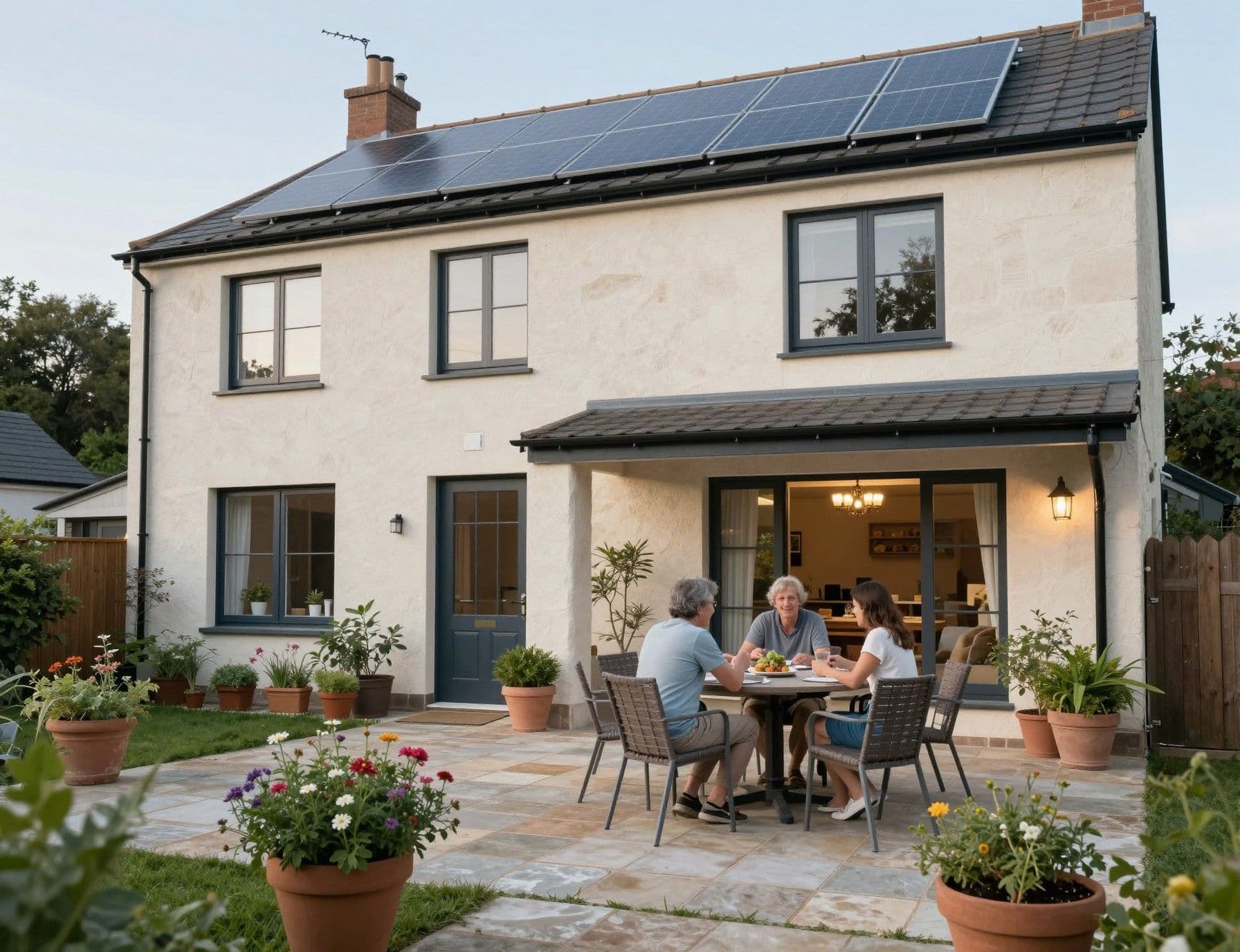
You can fall in love with a lane of ochre stone and Mediterranean light, then be surprised by practicalities: microclimate on a north‑facing terrace, access for delivery vans, or the cost of restoring lime mortar in an historic town house. Local market reports indicate steady, moderate growth in recent quarters — a useful reality check if you expected bargain prices. Pair the lifestyle wish‑list with property realities early on, and you’ll avoid the remorse that comes from choosing view over warmth, or romance over insulation.
Property styles and how they live
Apartment living in Sliema or St Julian’s gives easy access to cafes, services and ferry routes — compact, walkable, and often suited to people who value convenience over outdoor land. A townhouse in Mdina or Vittoriosa offers stone thickness that keeps interiors cool, and courtyards for container gardens. Farmhouses and Gozo homes give you land and privacy: think productive terraces, solar potential, and space for biodiversity. Each type supports a different eco‑rhythm; match building fabric to how you want to live.
Working with local experts who share the green vision
A good local agent isn’t an intermediary — they’re a translator of neighbourhood life and a steward of local building traditions. Seek agencies that understand passive cooling, rooftop rainwater capture and the logistics of installing photovoltaic on protected facades. They can point to homes that will cost less to run and age more gracefully. Ask for recent case studies of energy retrofits or permaculture gardens — practical evidence beats green promises.
- Steps to marry lifestyle with practical buying (a simple checklist)
- List the three daily rituals you can’t give up (coffee spot, sea access, green space) and prioritise properties that deliver at least two.
- Commission a short energy and fabric survey before making an offer — in Malta that can reveal insulation gaps and solar opportunity.
- Work with an agent who has local renovation contacts and knows protected‑building constraints if you plan to restore a historic home.
Insider knowledge: what expats really wish they'd known
Expats often tell me the same surprises: language is easy (English is official), but social integration takes time; tiny maintenance problems need local hands; and seasonal life matters — summers are lively and bright, winters quietly restorative. Many also wish they had budgeted more for restoration of stonework, or had asked about water pressure and municipal waste arrangements before buying. These practical details shape long‑term contentment here.
Cultural rhythms and community
Malta’s social life gravitates around family, festas and the sea. Neighbourly warmth is real but earned: join local clubs, help at a festa, or learn a few Maltese phrases and you’ll be part of the rhythm. For many internationals, community forms around schools, bays, or shared garden projects rather than nationality — a reminder that place itself creates belonging.
Longer view: stewardship, seasons and resale
If you plan to hold a Maltese home, think in stewardship terms: lime mortar repairs, native planting for water‑wise gardens, and modest solar arrays will reduce ongoing costs and support resale to conscious buyers. Official indices show steady appreciation — but the most resilient properties are those that work with Malta’s climate and community, not against them.
- Red flags and quick checks before signing
- Unclear planning status for extensions or terraces (ask the local planning authority)
- Lack of documentation for historical renovations (request invoices and permits)
- Poor drainage or signs of rising damp in basements and lower floors
- Unusually high proportion of short‑term rentals in a block (affects community feel)
Imagine yourself six months after the move: you know the barista by name, have a corner where rosemary and tomatoes thrive, and your evenings end with walks along a wind‑carved headland. That picture is within reach — but it’s made real by the small practical steps above. Start with lifestyle priorities, pair them with local market data and an agent who understands sustainable retrofit, and you’ll choose a Maltese home that feels like it has always been yours.
Danish relocation specialist who moved from Copenhagen to the Algarve; supports families with seamless transitions, local partnerships, and mindful purchases.