When Italy’s Green Grid Becomes Your Neighbourhood Asset
Italy’s timeless lifestyle now runs on renewables: choose regions where green infrastructure meets local life to protect comfort, costs and long‑term value.
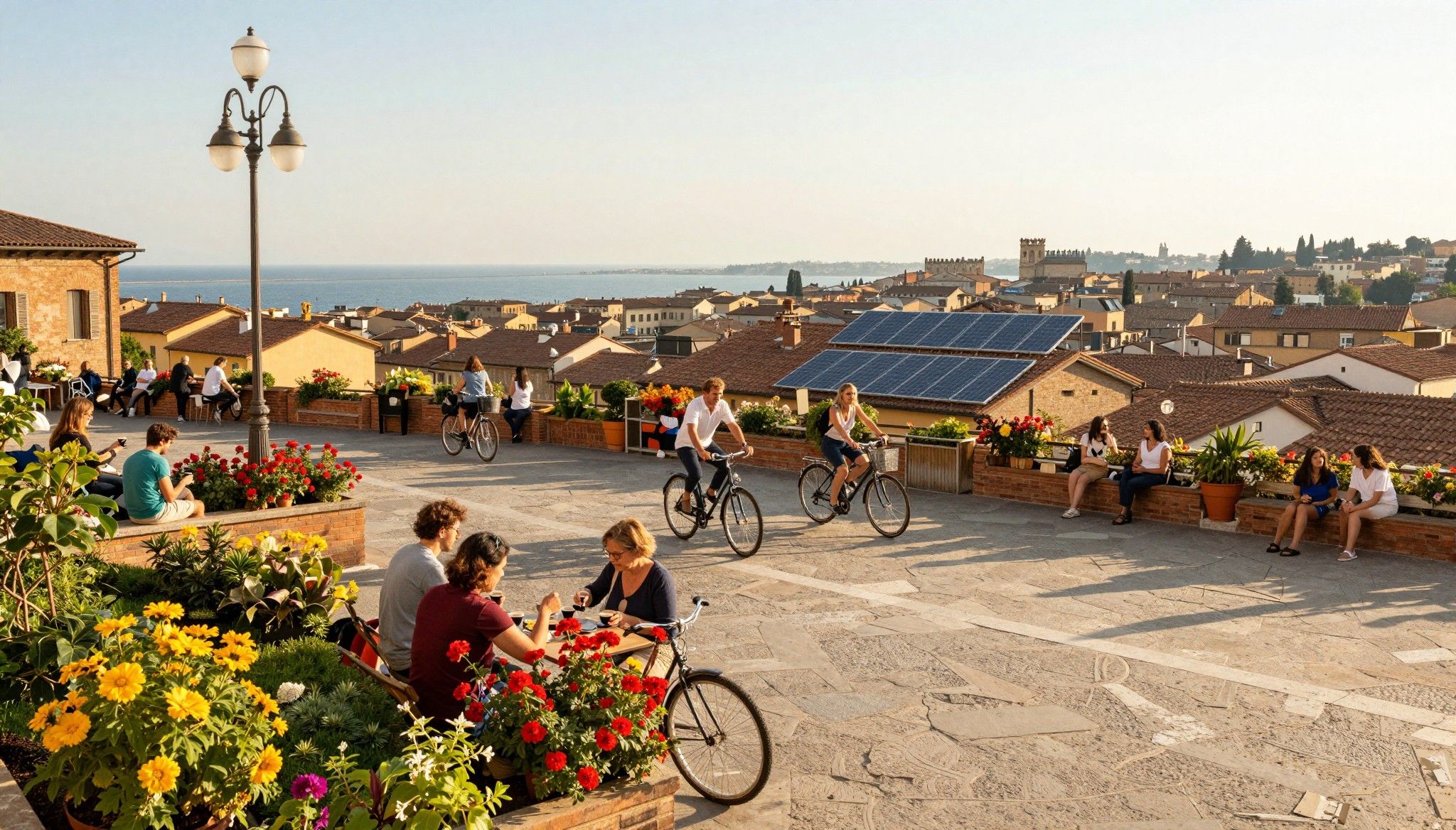
Imagine waking to the smell of espresso on a narrow cobbled street in Trastevere, then leaving the car under a canopy of olives because your home’s solar roof and local microgrid make driving optional. Italy’s lifestyle still feels timeless — morning markets, late dinners, small towns that pulse with seasons — yet beneath that beauty a practical green transformation is reshaping where value hides.
Living the Italy lifestyle — green, local, sensory
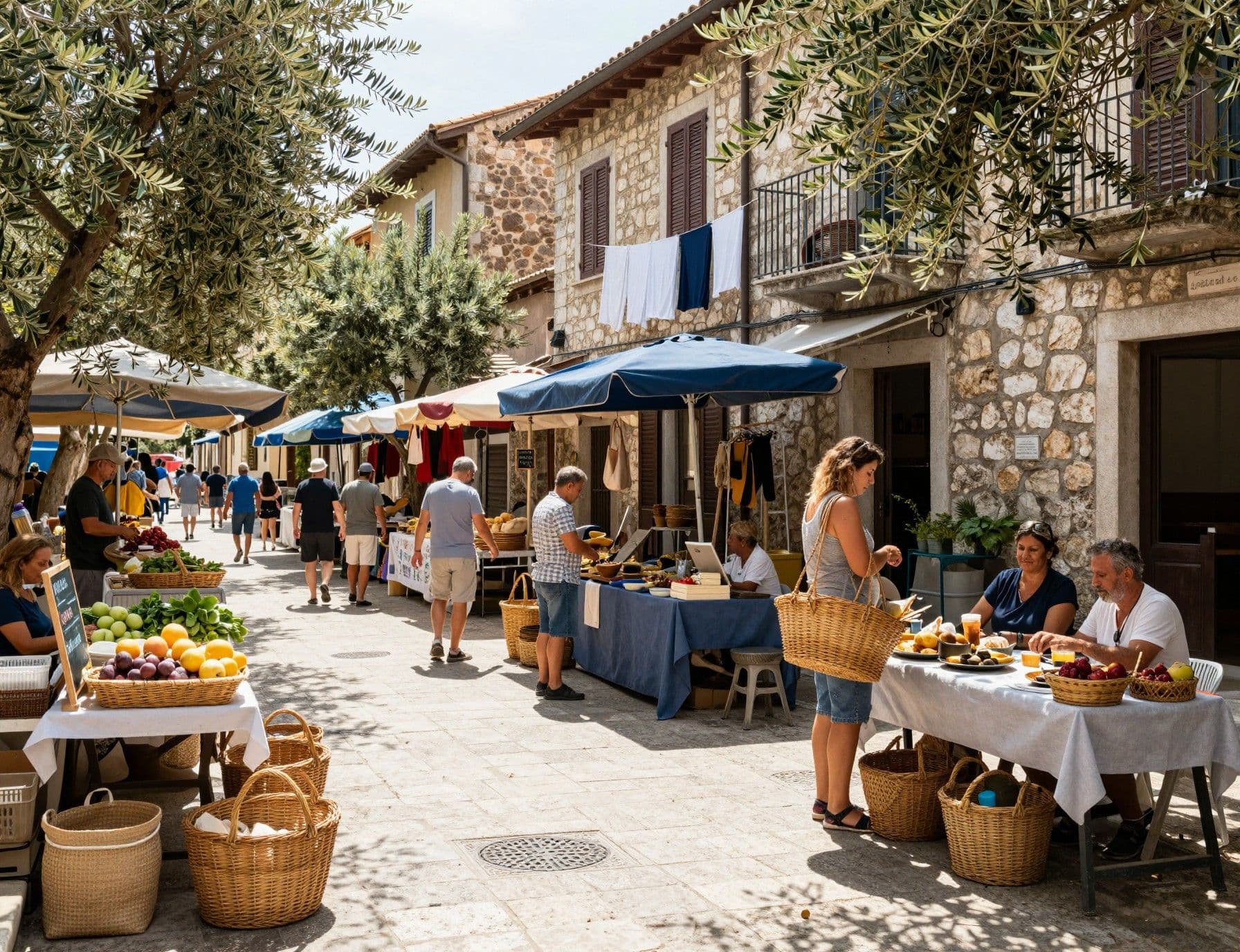
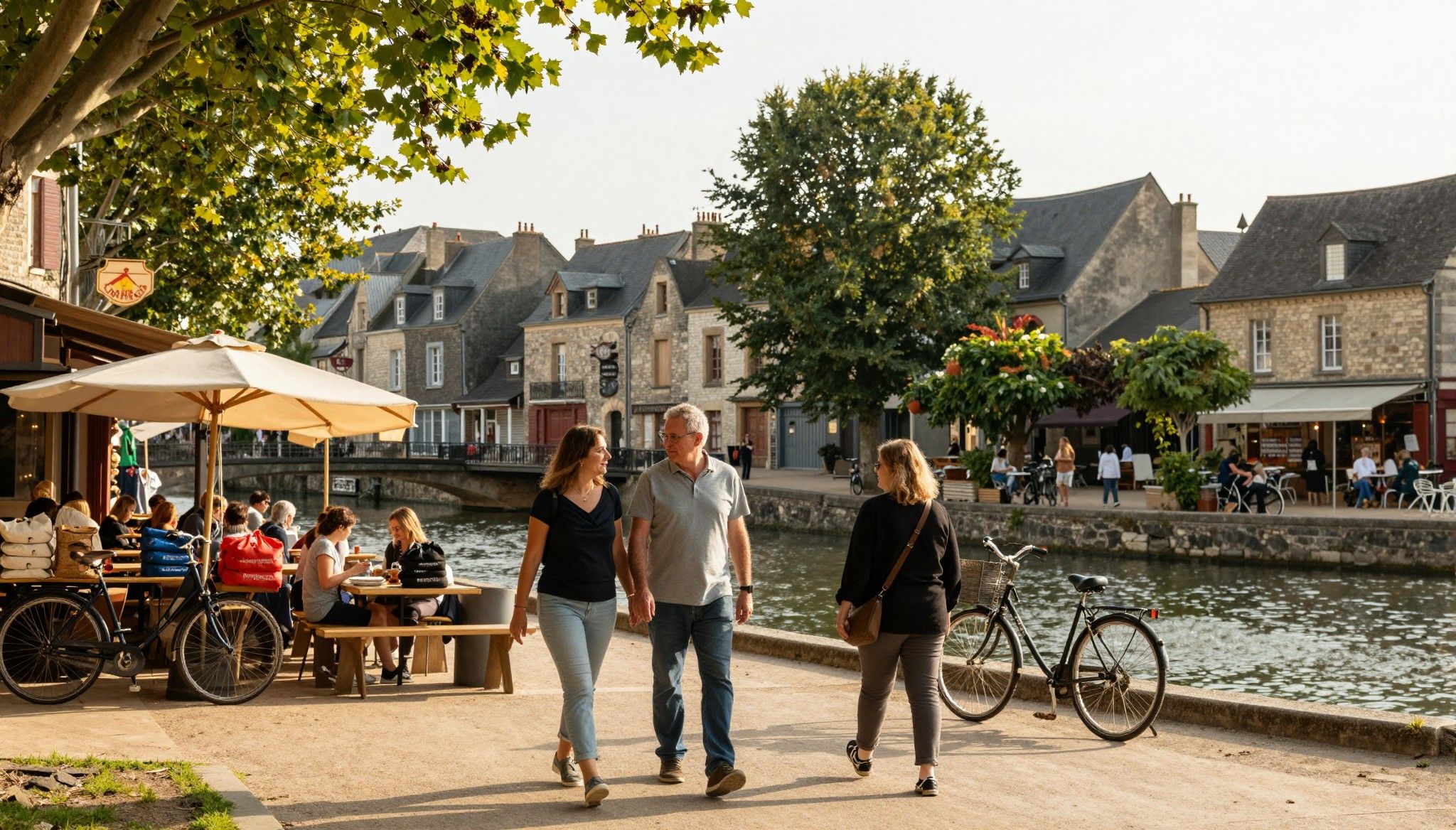
Italy is less a single place than a dozen lived-in worlds: café-packed lanes in Milan’s Brera, the olive-scented hills of Val d’Orcia, the wind that sings down Sardinia’s coast. For buyers who prize green living, these are not aesthetic choices only — they are the contexts where solar potential, local grids, and seasonal water management determine comfort and ongoing costs. Southern regions from Puglia to Sicily now host major renewable capacity and community energy projects that change daily life — and utility bills.
Neighborhood spotlight: Trastevere, Oltrarno, Brera
Trastevere hums with street-level life: early bakers, barefoot kids on piazza steps, and tiny osterie that open late. Oltrarno in Florence is where artisans keep traditional stone and timber techniques alive — a buoyant setting for homeowners who want an eco-conscious restoration. In Milan’s Brera, compact living meets strong public transport and retrofitted historical facades with hidden courtyards that invite green roofs and vertical gardens.
Food, markets and the seasonality of place
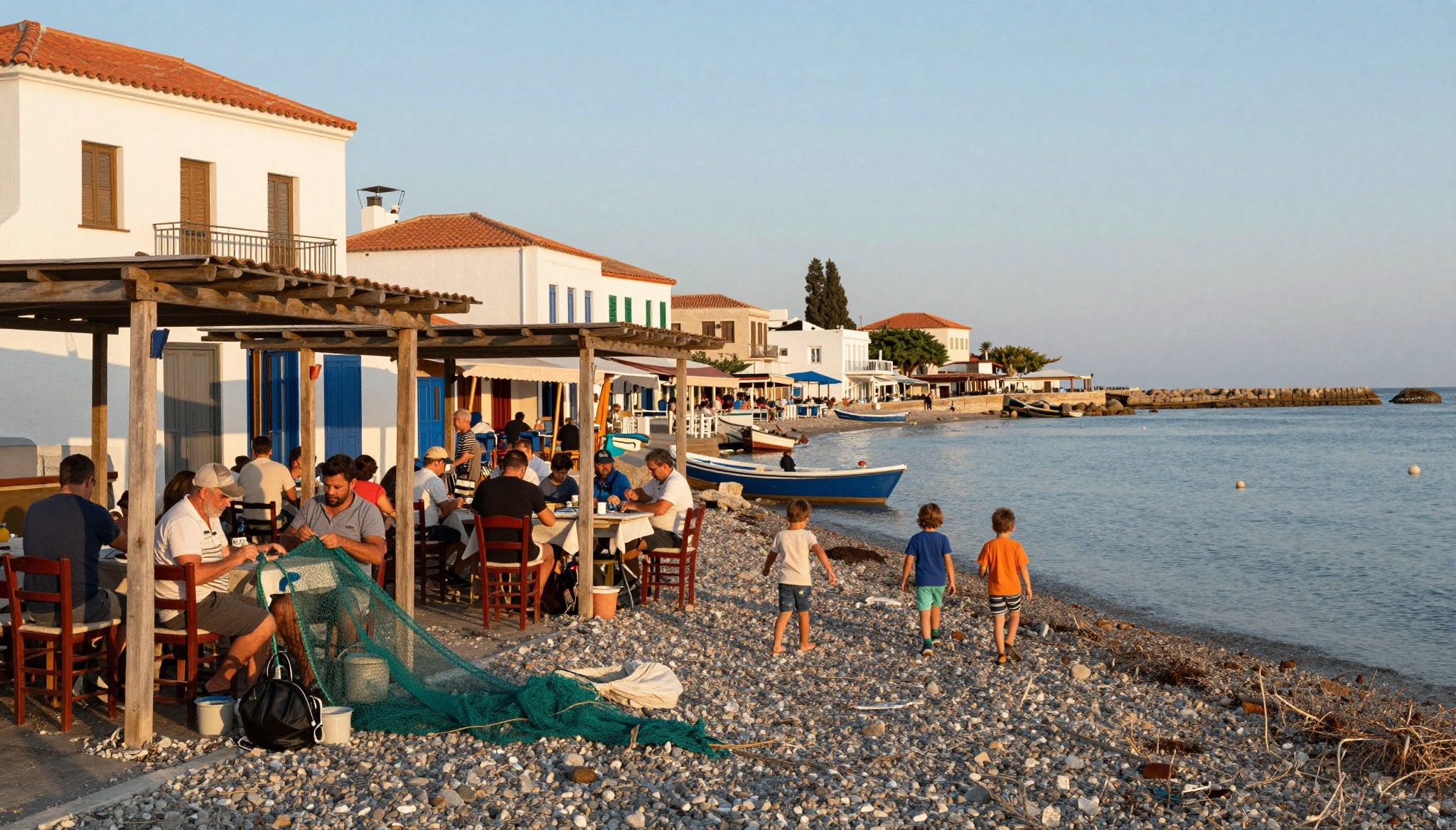
A day here moves from market to table: early fish stalls in Amalfi, winter truffle fairs in Alba, farmers’ markets in Bologna’s Quadrilatero. These rhythms matter to buyers: a property with a small orchard in Emilia-Romagna or a courtyard garden in Puglia is both a lifestyle asset and a micro-ecosystem that supports biodiversity and lowers food miles. Modern Italian house-hunting often treats the market calendar — harvest, festival, tourist season — as a practical tool for seeing a place at its truest.
- Lifestyle highlights: street-level joys and green advantages
- Morning espresso at Roscioli (Rome) or Pasticceria Marchesi (Milan); weekly mercato visits for seasonal produce
- Olive groves and vineyard walks in Val d’Orcia and Piedmont with direct provenance to your kitchen
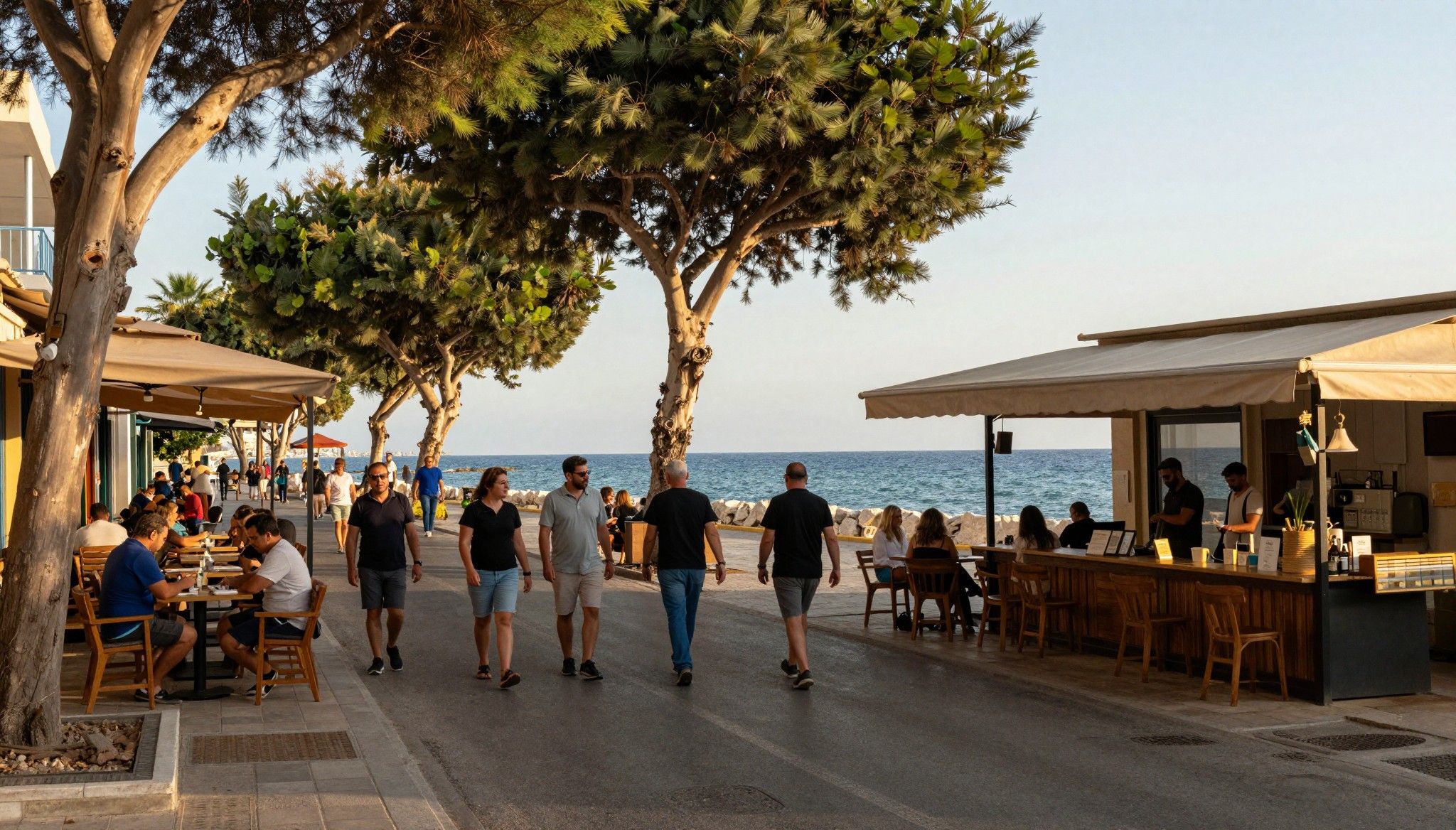
- Sea-swim routines on Sardinia’s Costa Smeralda or hidden coves near the Amalfi Coast; local community-led beach clean-ups
Making the move: practical steps that honor the lifestyle
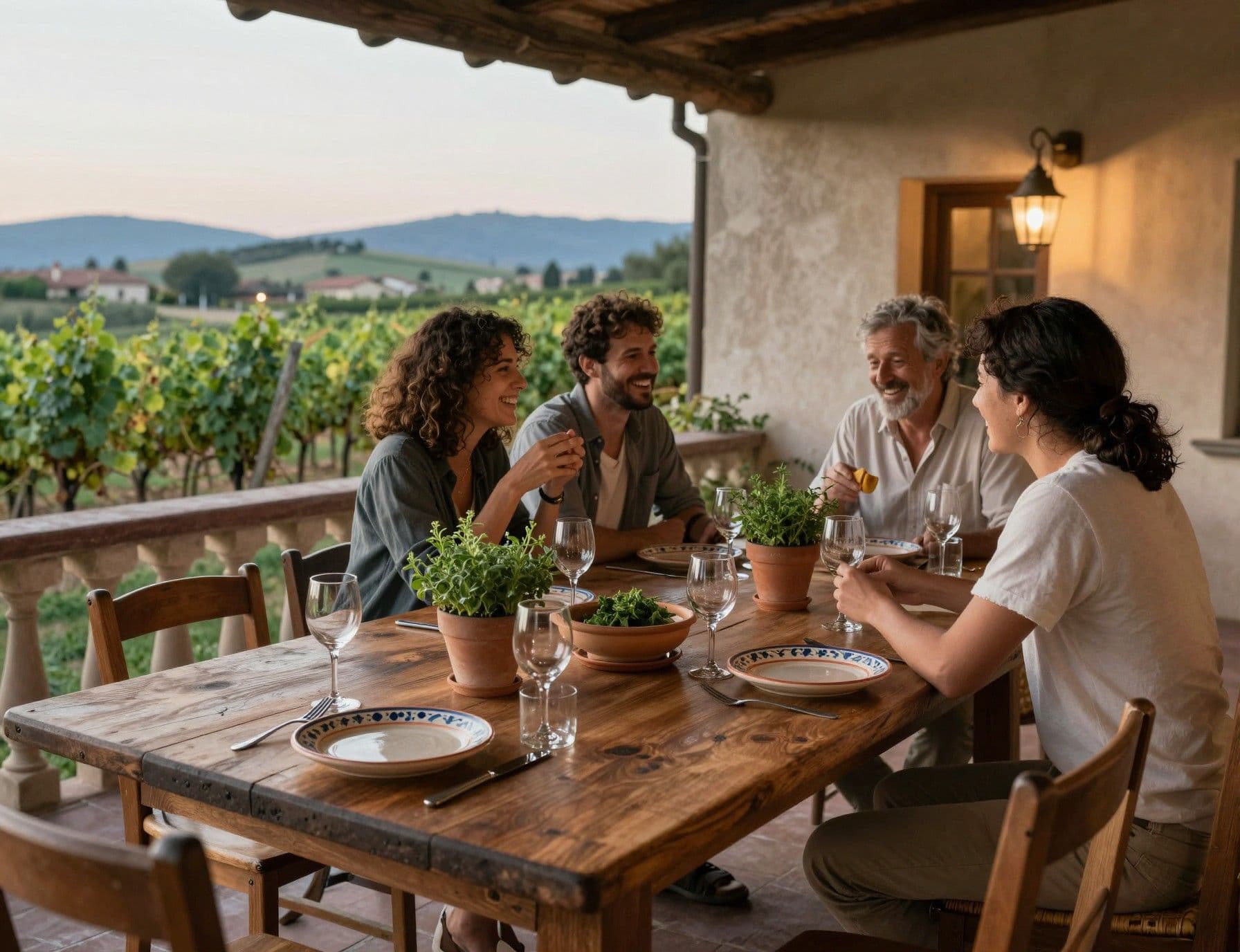
Dreams that start with sunrise and a terracotta terrace must meet the reality of contracts, energy credits, and local building rules. Italy’s residential market showed steady growth into 2025, with stabilizing prices in many cities — a reminder to balance romantic timing with market signals and green upgrades that add resilience and value. Use local market reports and regional energy statistics to prioritise towns where renewables and grid upgrades reduce long-term costs.
Property styles and how they shape daily life
Stone farmhouses in Tuscany offer thermal mass that cools interiors in summer; sea-front apartments on the Amalfi Coast rely on cross-ventilation and outdoor terraces; new-builds in Emilia-Romagna often include energy-saving systems and battery-ready wiring. Choose the form of home that supports your daily rituals — olive-press seasons, market runs, or long remote-work afternoons by a shaded loggia — and then check whether the building’s envelope and systems can be upgraded without losing character.
Work with experts who know both place and green tech
A local agent who understands microclimates, permitted renewable installations, and traditional building methods is invaluable. Look for agencies fluent in municipal heritage rules (Soprintendenza), energy incentive programs, and local contractors experienced in masonry, lime plastering, and passive cooling. They are the bridge between the life you imagine and the permits you’ll need.
- Six steps that blend lifestyle and practical due diligence
- Visit at different seasons to feel water, heat, and tourist rhythms; verify microgrid and solar potential with local installers
- Ask sellers about insulation, roof orientation, and historical renovation permissions; request past energy bills
- Get a local architect’s estimate for green retrofits (solar, thermal windows, greywater systems) before making offers
- Check regional renewable capacity and incentives — southern regions often have stronger solar resources and active community projects
Insider knowledge: what expats wish they'd known
Expat voices converge on a few truths: seasonal life can surprise you (quiet winters, frenetic summers), local bureaucracy runs on patience and relationships, and green upgrades pay off emotionally and financially. Many who moved here for the romance now measure joy by the way a courtyard fills with light or how a photovoltaic system keeps the lights on during a summer storm — practical comforts that deepen attachment to place.
Cultural integration and daily community
Learn basic Italian phrases for market bargaining and building relationships — neighbors are often the gatekeepers to practical help like trusted carpenters or water-well technicians. Regular participation in local festivals or volunteer conservation efforts (beach cleans in Liguria, olive-harvest helpers in Puglia) accelerates belonging and gives buyers a lived understanding of seasonal cycles.
Long-term lifestyle and stewardship
Think of buying in Italy as joining a living landscape. The best long-term purchases are those that increase habitability through small, thoughtful investments: rain-harvesting terraces, native-plant gardens, thermal-retrofit windows, and flexible spaces for multi-season use. These upgrades preserve authenticity while building both resilience and resale appeal.
- Practical red flags to watch for
- Properties listed without clear roof or wiring condition reports
- Claims of 'unlimited sea-views' that ignore seasonal access issues or coastal erosion
- Heritage-protected façades where internal upgrades require Soprintendenza approval
Conclusion: Italy rewards those who see home as habitat. Fall in love with the walkable piazzas, the seasonal markets, and the slow light over terracotta roofs — then match that romance with local expertise, a clear list of green priorities, and seasonal visits. An agent who knows where regional renewables are growing, which towns pair tradition with modern grids, and which local craftsmen can restore rather than replace will turn the dream into daily life.
Swedish advisor who left Stockholm for the Costa Brava in 2019. Specializes in sustainable, sea‑view homes for Scandinavian buyers and green finance insights.