Cyprus: Fall for the Life, Buy with Eco‑Sense
Fall for Cyprus’s slow rhythms—then buy with eco-sense: use seasoned visits, solar-ready checks and local agents to turn romance into a resilient home.
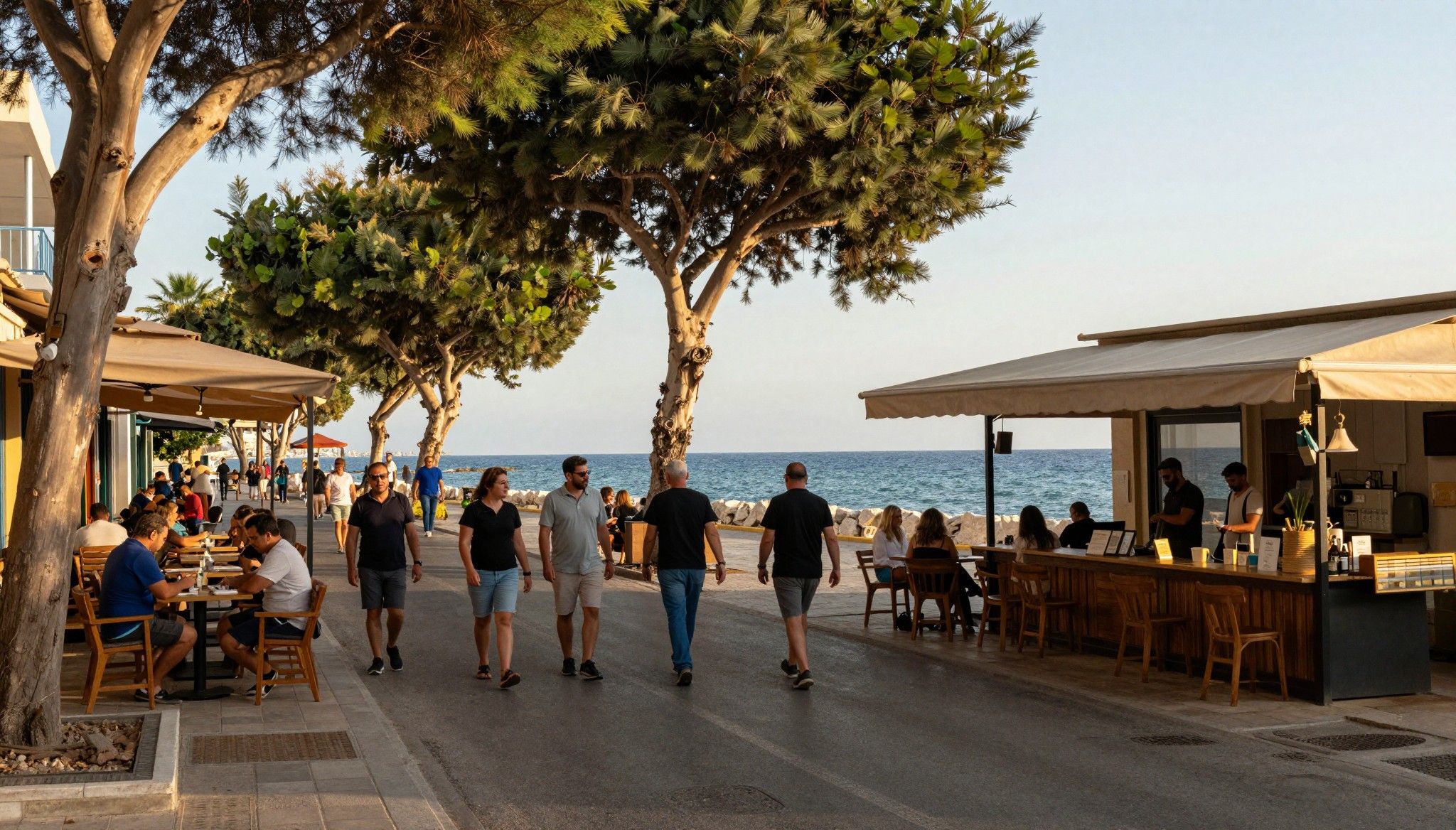
Imagine waking to the smell of strong coffee and citrus trees, stepping onto a stone terrace that looks out over a scrubby, sunlit slope toward the sea. In Cyprus the day moves slowly at first—market stalls set up, fishermen head out, cafés warm their machines—then gathers energy in a way that makes even practical tasks feel like part of the rhythm. For international buyers who dream of a life lived outdoors, rooted to a landscape of olive groves, pines and coastline, Cyprus offers a texture of daily life that is hard to leave.
Living the Cyprus life: light, food and small-town rhythms
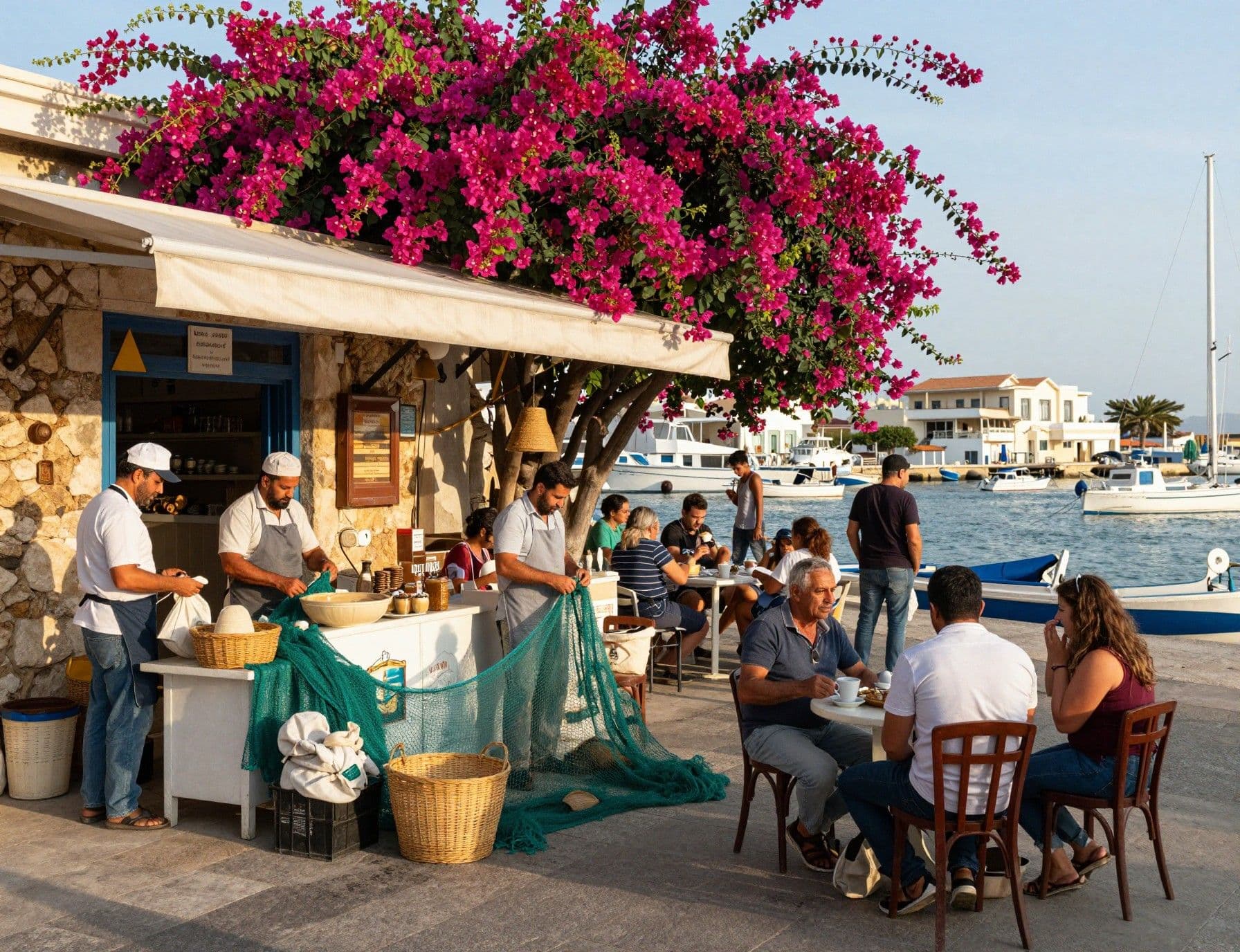
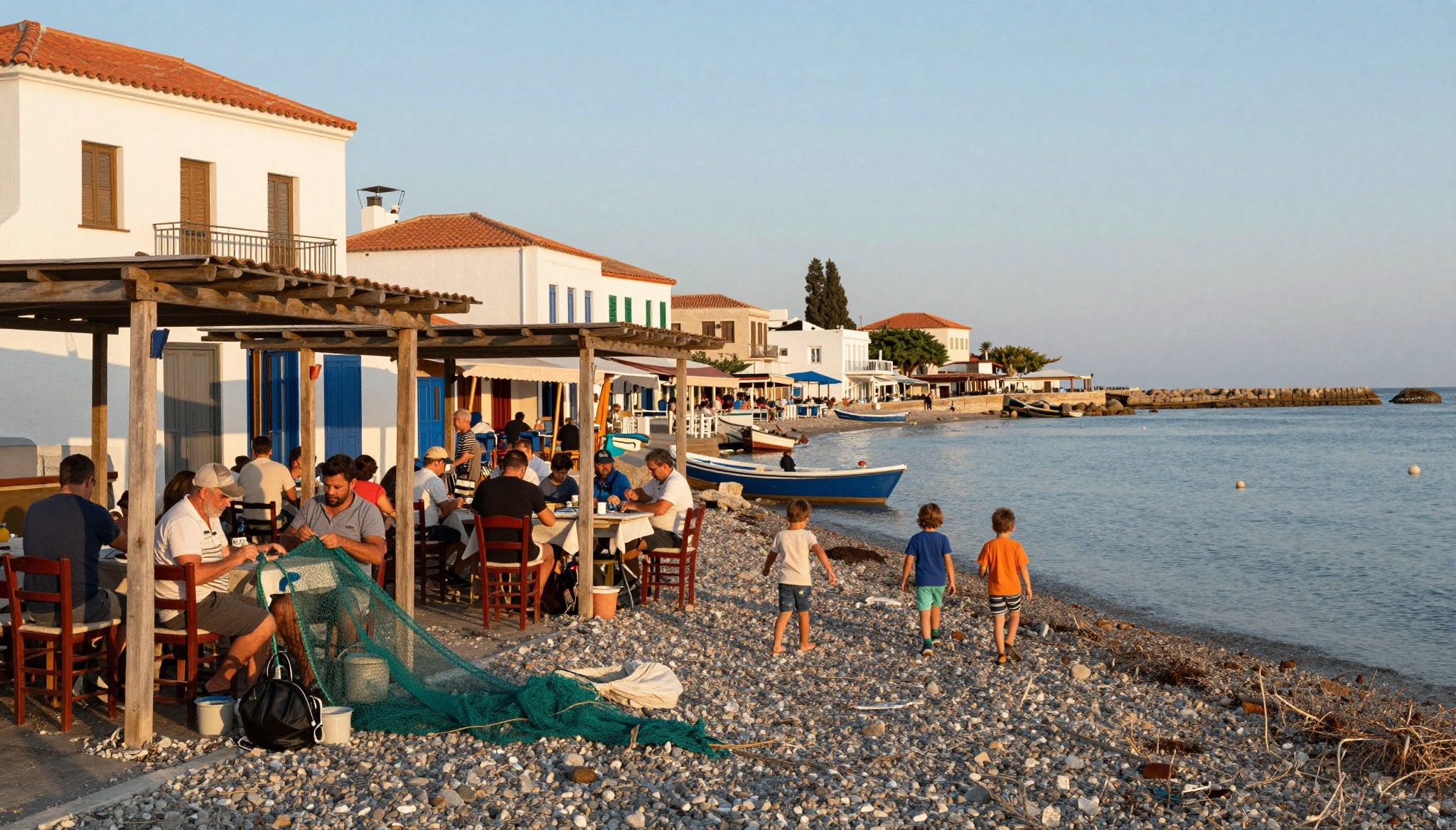
Stroll through Kato Paphos at sunrise and you’ll find bakers pulling warm sesame breads from ovens, elderly men gossiping by the harbour and bougainvillea tumbling over stone walls. Limassol’s marina mornings are different—yachts and slow-motion espresso ritual for an international workforce. Larnaca and the villages of the Troodos foothills offer quieter alternatives: mornings of church bells and mountain air, afternoons spent at tavernas with friends. Each place is its own tempo; learning it is half the pleasure of buying here.
Neighbourhoods that feel like home
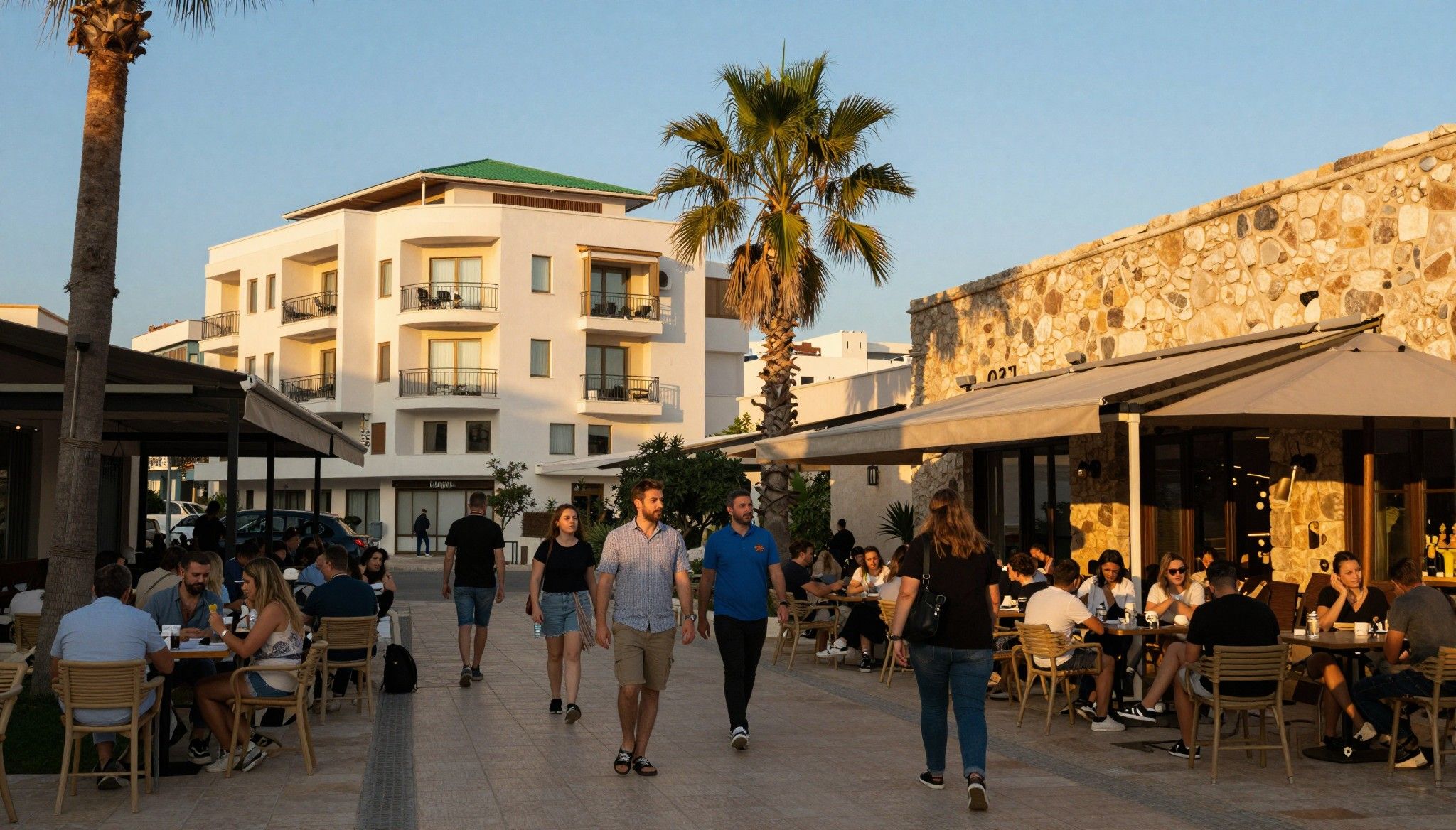
If you love a cosmopolitan coastline, look at Germasogeia or the Marina area in Limassol where cafés, boutique delis and co‑working spaces hum. For a slower, gardened life, communities around Paphos—Kissonerga and Chloraka—offer village squares, English-language services and a strong sense of neighbourliness. Up in the interior, villages like Kakopetria and Omodos bring stone houses, vineyards and cool mountain air; they reward patience and curiosity with authentic local life.
Food, markets and small pleasures
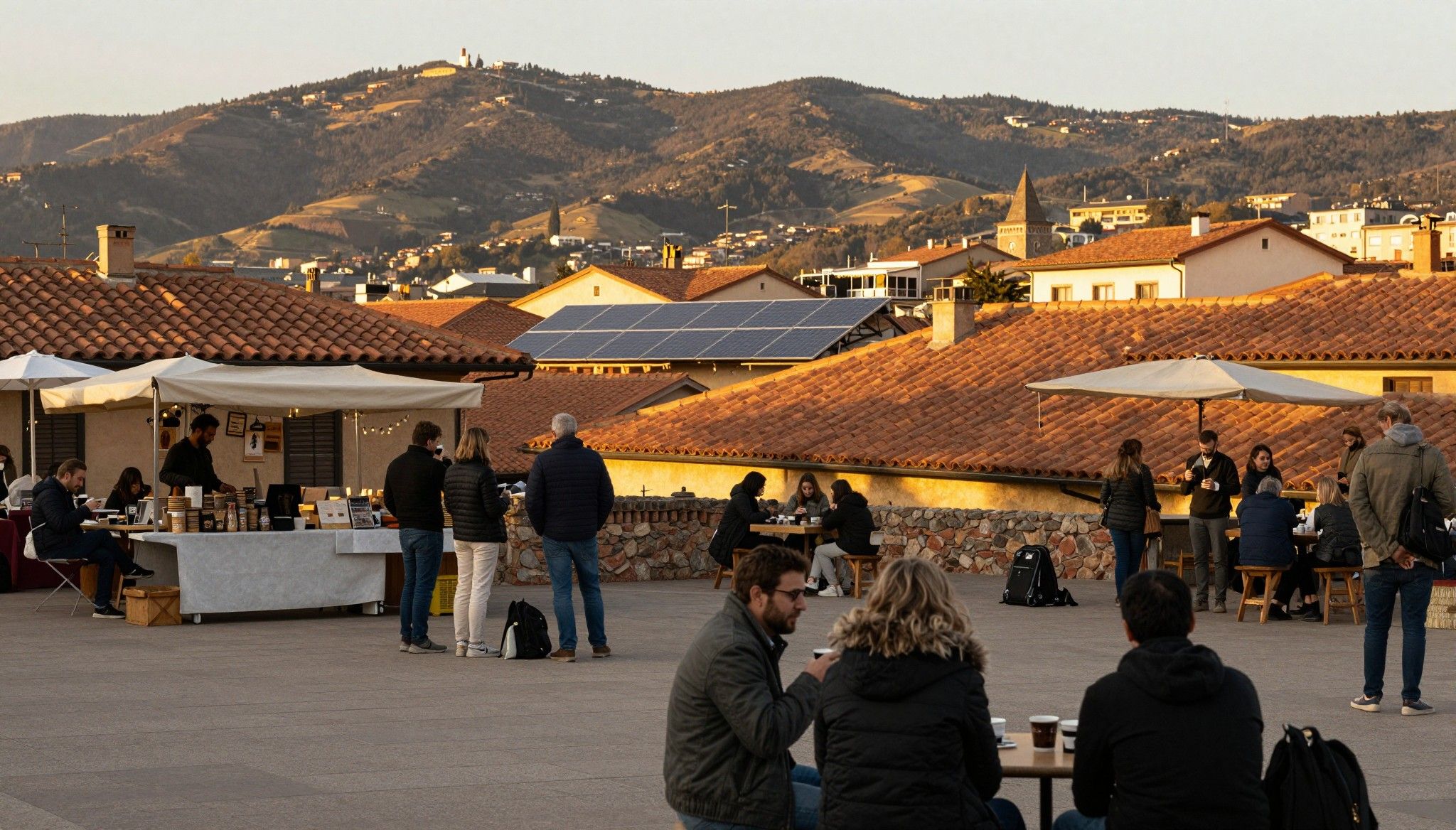
Mornings here mean fresh halloumi, lemons, thyme-scented pastries and market tomatoes that still hold the sun. Friday markets in Larnaca and Limassol spill over with local honey, mountain cheeses and jars of loukoumades; find a corner café and you’ll be invited into conversation. For buyers, this sensory economy matters: proximity to markets and seasonal producers changes how you use a kitchen, how you think about storage, and whether you want land for a kitchen garden.
- Daily-life highlights to plan around
- Morning coffee at a harbour café in Kato Paphos
- Weekend markets in Larnaca and Limassol for fresh produce
- Afternoon swims on small coves (Petra tou Romiou, Pissouri) instead of crowded beaches
Making the move: practical choices that preserve lifestyle and nature
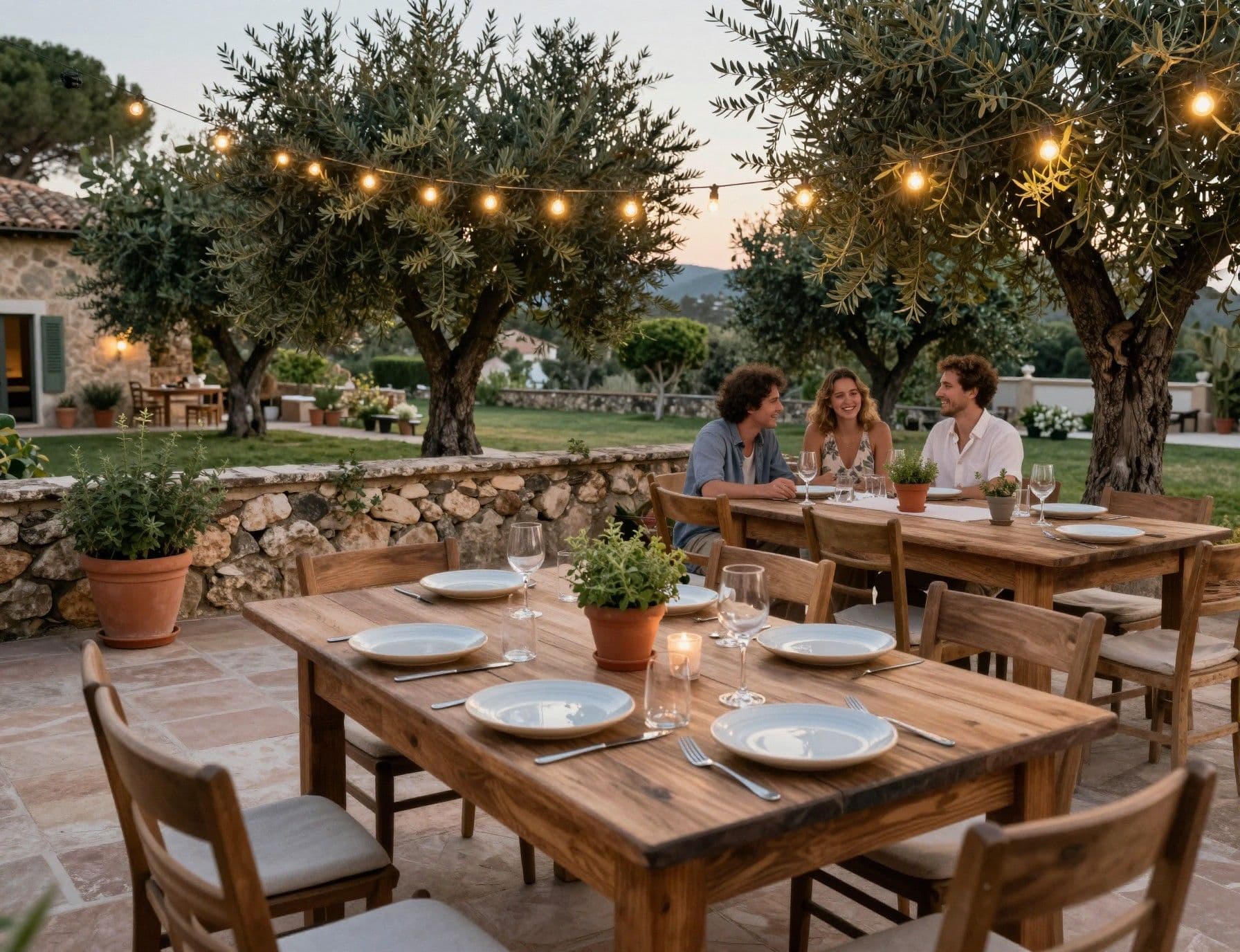
Dreams meet reality at the contract table. Cyprus’s market has shown steady but cooling price growth in recent quarters—official indices report modest annual increases rather than runaway inflation—so timing and local knowledge matter. Use macro insights to guide expectations, then turn to micro decisions: streets, orientation, water access, garden microclimate and the possibility of adding rooftop solar. These features shape the lived experience and long-term costs far more than a view alone.
Property types and how they shape days
A stone village house invites slow mornings, courtyard meals and thick walls that keep summer heat at bay. Coastal apartments deliver sea walks and a café culture but often ask for less private green space. New coastal developments can offer energy-efficient designs and pools, while Troodos restorations reward patience with cooler summers and connection to local craft. Decide first how you want to live—outdoors every day, part-time, or as an investment—and the right property type becomes clear.
Working with local experts who understand the life you want
An agent who knows cafés, markets and microclimates is worth their weight in olive oil. Beyond finding a fit, they can advise on orientation for solar, local planning rules for green retrofits, and where eucalyptus or pine provides valuable shade. Ask agencies about past projects that improved insulation, integrated rainwater harvesting or added PV systems—these practical sustainability moves will cut running costs and deepen the sense that your home belongs to its place.
- Steps to align lifestyle goals with property choice
- List priorities: outdoor living, proximity to markets, energy independence, renovation appetite.
- Visit in two seasons—spring and late autumn—to feel temperature, light and community rhythms.
- Check orientation, shade, and roof suitability for solar before making an offer.
Insider knowledge: what expats wish they’d known (and why it matters)
Expat buyers often regret underestimating seasonality and community pace. Many arrive enchanted by summer life and discover autumn and winter bring a quieter, richer social fabric—village festivals, harvest markets and a sense of neighbourliness that cements long-term happiness. Conversely, buying in peak summer can inflate expectations and price comparisons; several seasoned buyers recommend autumn or spring visits to assess a place honestly.
Cultural rhythms and making local friends
English is widely spoken, but kindness is repaid by learning a few phrases of Greek, joining a village festa, or buying from the market stall you’ll see every week. Cafés are social engines; volunteering at a local association or joining a church fête is often how lasting friendships begin. Expect invitations—Cypriot hospitality is real—and plan for a slightly slower administrative pace when handling permits or renovations.
Long-term life and sustainability choices
Cyprus is moving fast on residential solar: recent reporting shows substantial rooftop PV growth and nearly 100,000 households now generating under net metering schemes. Choosing a property with good roof orientation or a garden for a small battery array can mean lower bills and more resilience through occasional outages. For buyers who value stewardship, look for thick-walled traditional homes (low-tech thermal mass) or modern houses designed for cross-ventilation and rooftop PV readiness.
- Red flags local buyers watch for
- Properties with blocked sea views where orientation prevents decent solar access
- Strips of brownfield land near developments—look for drainage and erosion evidence
- Overly staged ‘vacation’ listings that hide poor insulation or shading problems
If you imagine your future life in Cyprus—tending a small garden, walking to a harbour café, joining harvest festivals—let those images lead your search. Then use local data (official house price indices) and sustainability signals (PV adoption, planning openness to green retrofits) to choose a property that will deliver both beauty and lower running costs. An agent who can speak to both lifestyle and technical details will save you time and disappointment.
- A practical three-step first move
- Visit in shoulder season (April/May or October/November) to see community life and test the climate.
- Ask viewings about orientation, roof condition and past energy bills; request a simple technical report before offers.
- Choose an agent who can introduce you to a local architect or builder experienced in low-impact retrofits.
Conclusion: fall in love, then steward what you buy
Cyprus gives you a life measured in light, food, and seasons. Let that lifestyle be the map for your property search—then use data and local expertise to translate feeling into a wise, low-impact purchase. Start by visiting, prioritising solar-ready roofs and market access, and working with agencies who care about both place and planet. The result is not just a house but a home that belongs to the island and will repay stewardship with years of quiet abundance.
Swedish advisor who left Stockholm for the Costa Brava in 2019. Specializes in sustainable, sea‑view homes for Scandinavian buyers and green finance insights.