Seasonal Life, Smarter Buys: Living in Greece
Fall for Greece’s seasonal life — then buy with local data: visit in two seasons, check cadastral maps, prioritise solar‑ready homes and community ties.
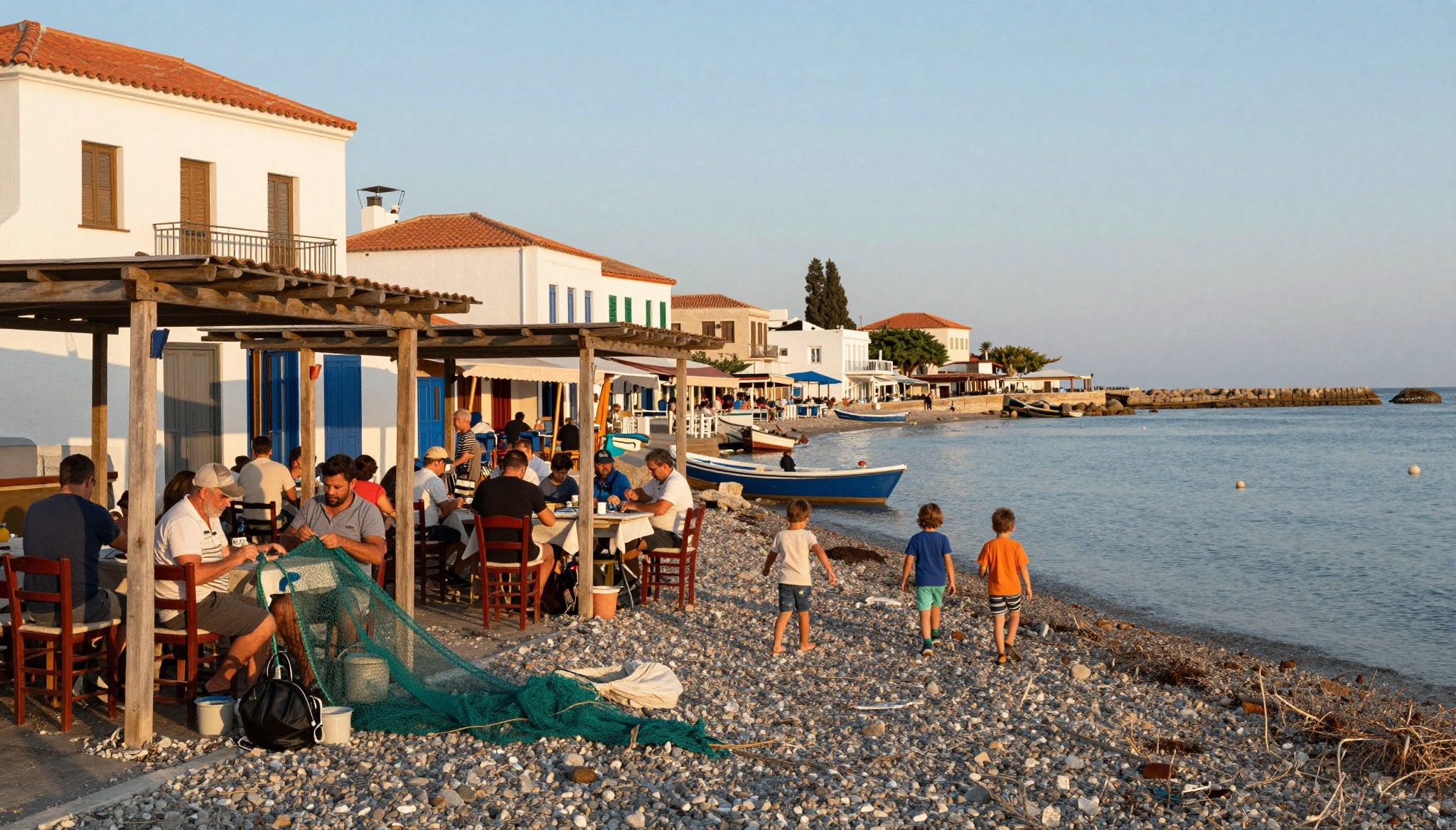
Imagine waking to the smell of freshly baked koulouri, wandering a shaded neighborhood lane where stone houses wear bougainvillea like jewelry, and spending afternoons dipping into a quiet cove before returning to a terrace garden that hums with bees. Greece is a place where seasons shape daily life — winter light that sharpens the hills, spring that turns olive groves luminous, and summers that stretch afternoons into long island evenings. For many international buyers this sensory life is the magnet; the practicalities follow, but they must. Below I mix lived-in portraiture with research-backed buying insight so you can fall for Greece and still make smart choices.
Living the Greece lifestyle
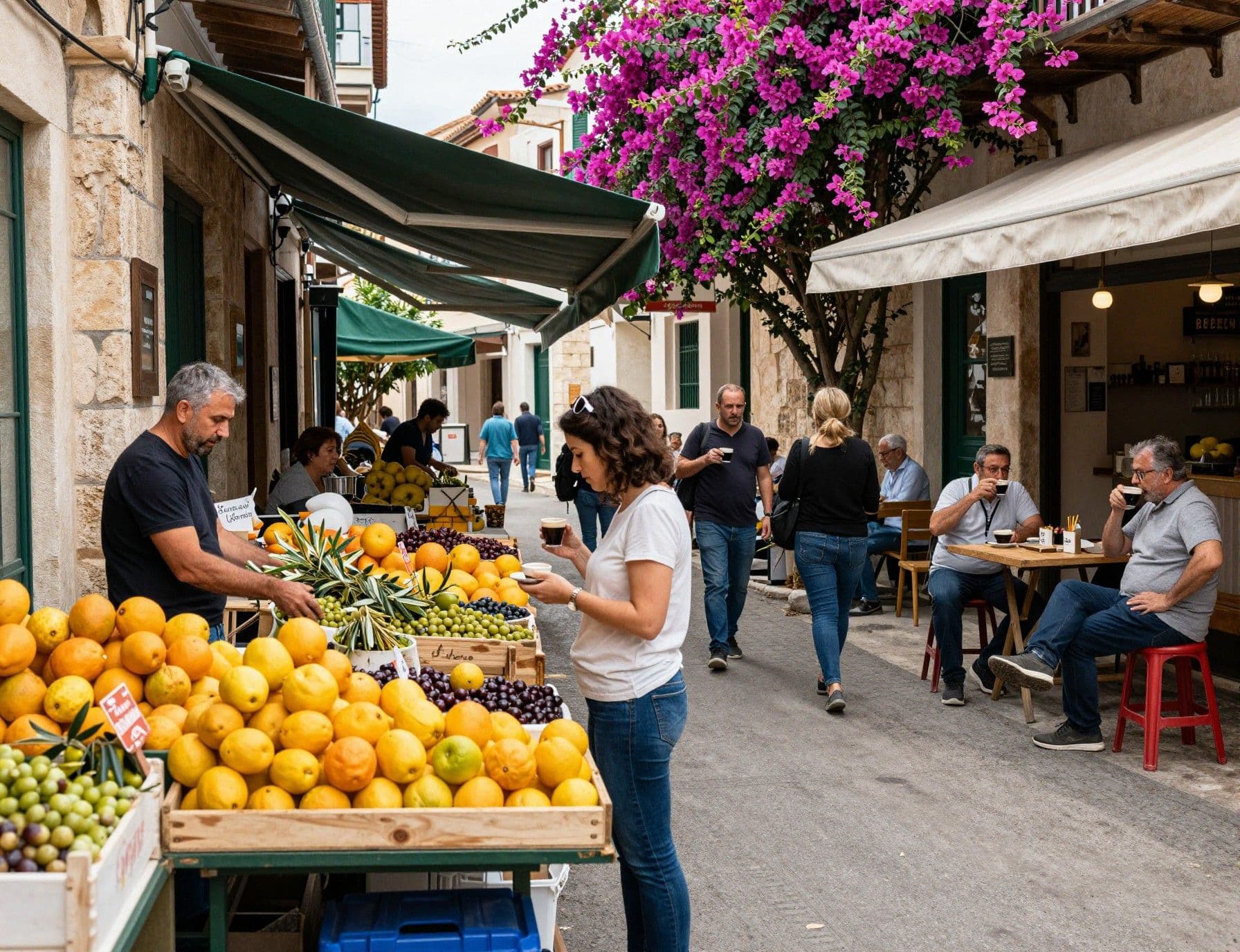
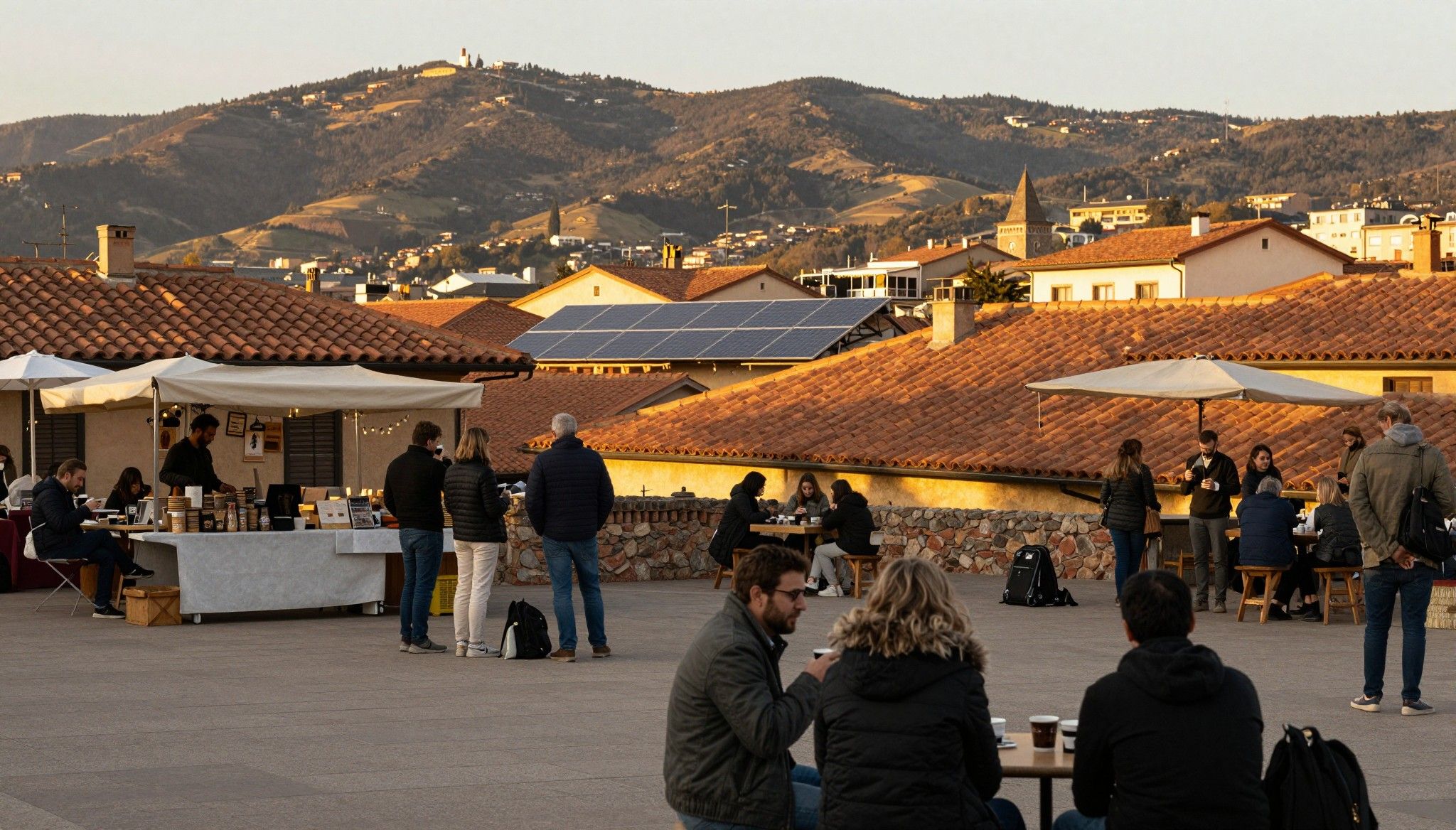
Daily life in Greece moves at a rhythm shaped by light, food and neighbourhood rituals. In Athens districts like Koukaki and Anafiotika the mornings belong to espresso and paper, narrow streets echo with vendors setting out produce, and rooftop gardens collect sun for winter warmth. On the islands — think Naxos’ soft sand coves or the rocky terraces of Milos — mornings are for swimming and afternoons for siesta or slow cooking. That cadence matters when you buy: a home on a hillside feels different from one tucked into a historic centre, and each will ask different things of maintenance, insulation and outdoor space.
Neighbourhoods that teach you the place
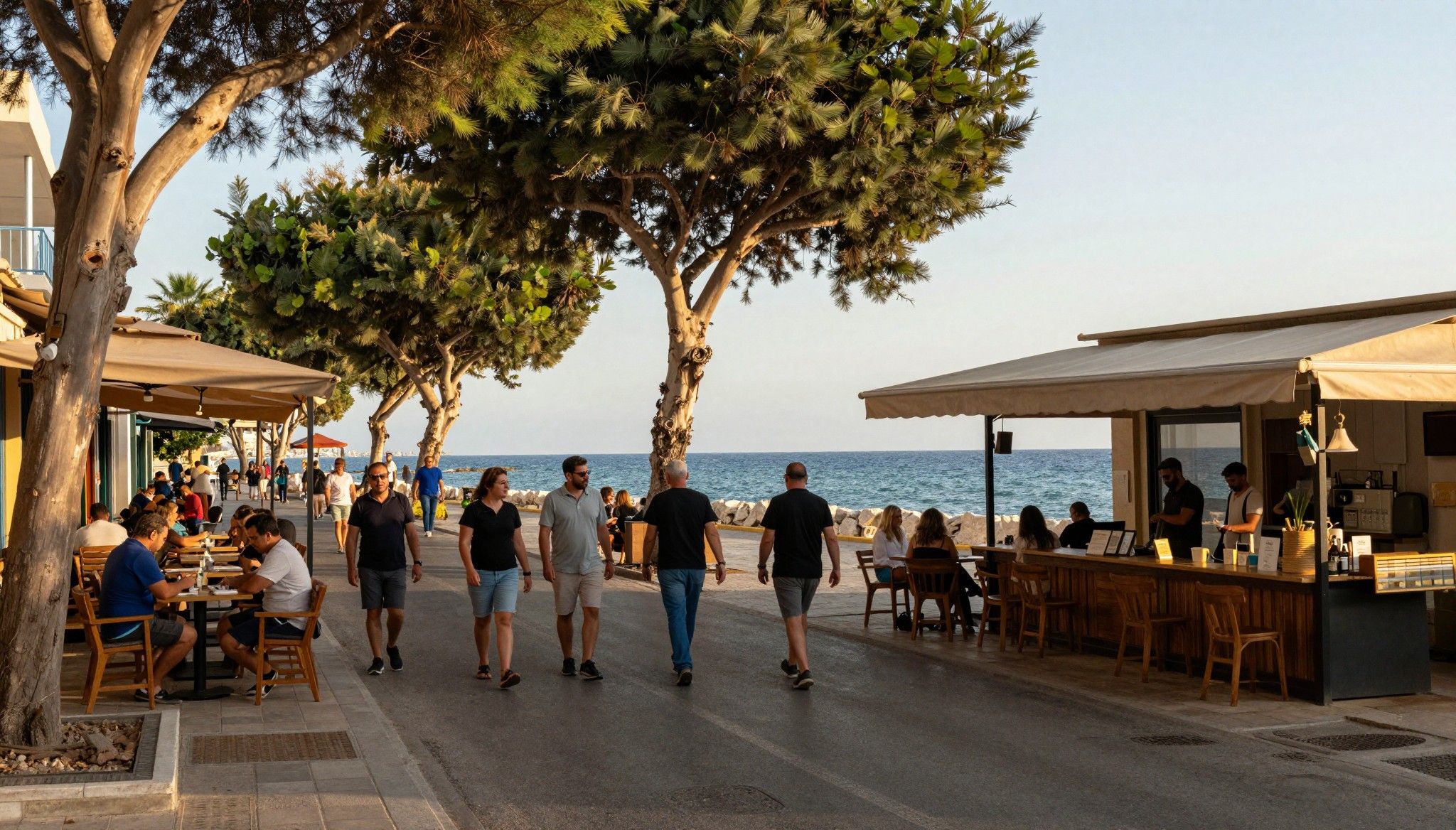
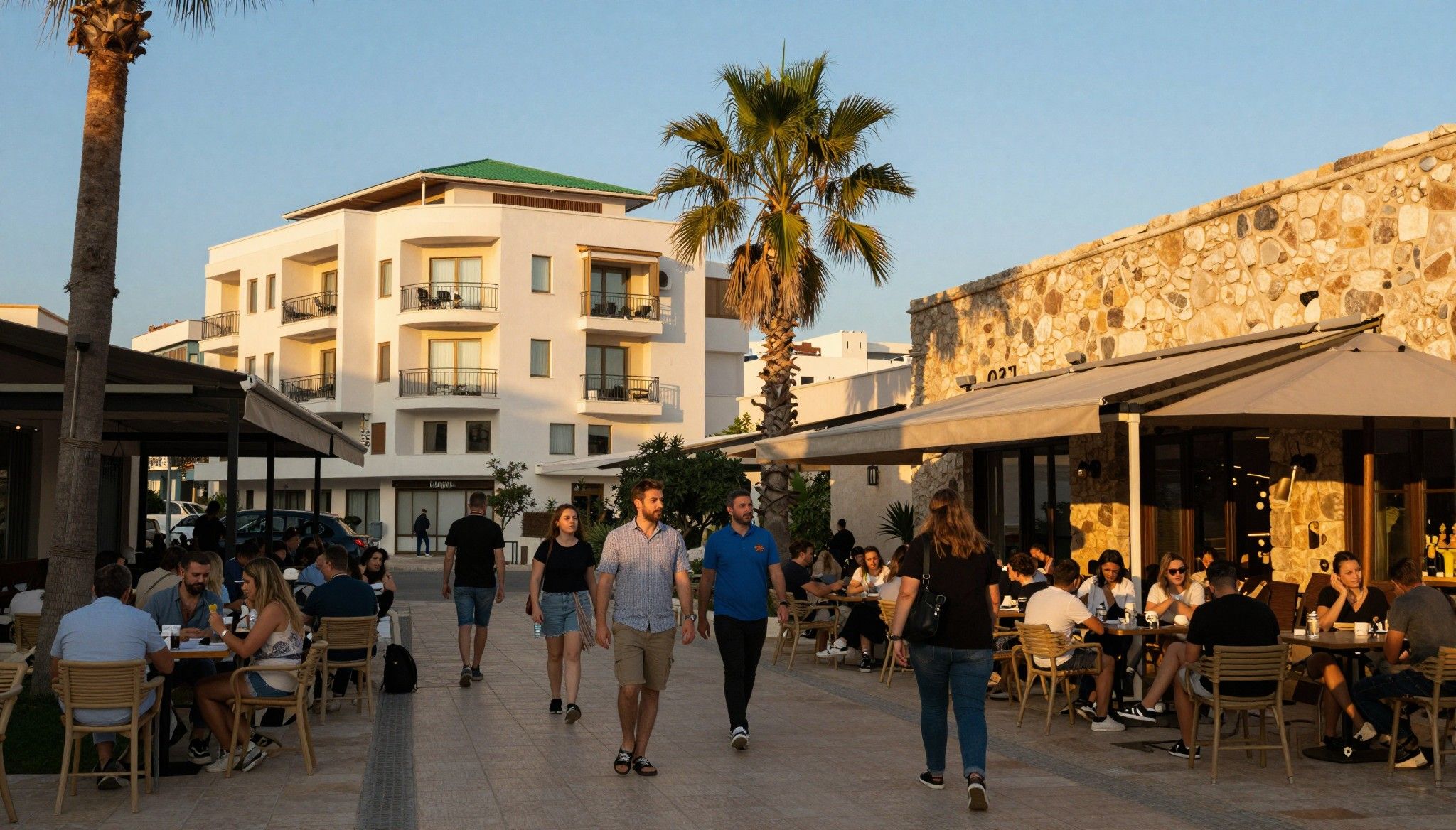
Walk through Glyfada and you’ll feel seaside suburbia — cafes with striped awnings and families cycling to the marina — while Psyrri in central Athens teaches you about late‑night music, restoration projects and tight stone apartments with surprising terraces. Each neighbourhood’s character influences what buyers value: proximity to a market, a garden plot for herbs, or a short ferry hop instead of a daily commute. Market signals show urban areas have seen strong price rises recently, so the emotional pull of a district should be balanced with data on local demand and supply.
Food, markets and seasonal life
Buying in Greece means buying into seasons: spring markets piled with wild greens and citrus, autumn olive harvests that animate villages, and winter raki shared in tavernas warmed by wood stoves. The local food scene is not only pleasure but practical: a kitchen garden reduces grocery bills, while a home with south-facing walls will harvest solar warmth all winter. These everyday rhythms shape what properties truly feel like a home here.
- Café culture and market rituals in Athens (Koukaki, Monastiraki), morning swims and local fish tavernas on Naxos and Paros, olive‑press season experiences in Peloponnese villages, village festivals (panigyria) that knit community, walking the Venetian harbour in Chania for weekend ritual, rooftop gardens and south‑facing terraces for winter sun
Making the move: practical considerations
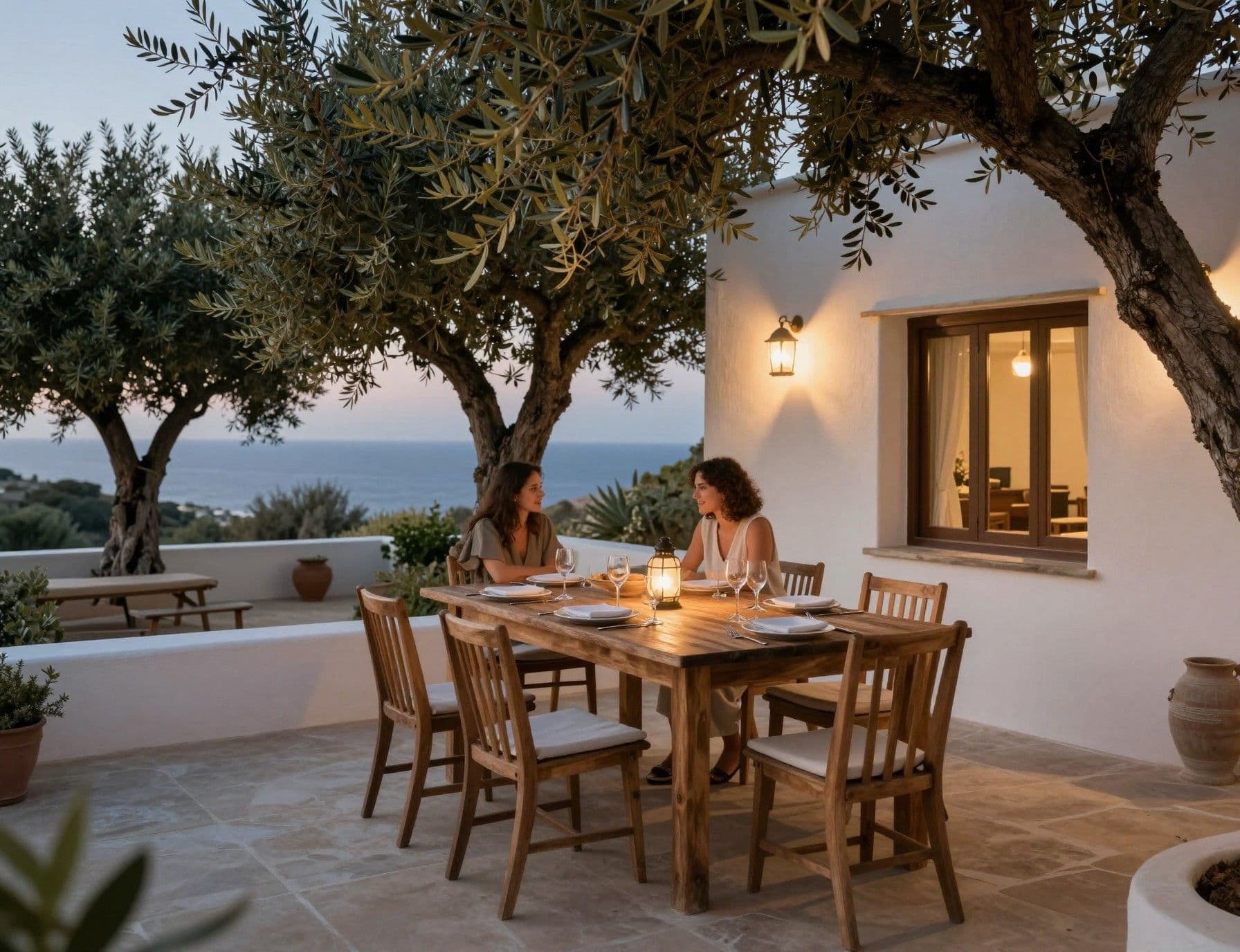
The romance of Greece is real — and so is a market where demand outstrips supply, especially in cities and popular islands. Recent analyses point to continued price growth driven by both domestic demand and foreign interest, alongside a long-term shortfall in supply. That reality affects timing, negotiation and the kind of property you target: if you want a garden, prioritise rural plots; if you need rental income, focus on year‑round accessibility rather than only summer charm.
Property styles and how they shape daily life
Stone island cottages with thick walls offer cool summers and low running costs but often need structural care; Athens apartments near tram lines bring connectivity but less private outdoor space. Newer builds tend to command higher prices and better insulation, while restored neoclassical homes offer character at the cost of ongoing upkeep. Match the property type to the life you imagine: if you want a year‑round home, prioritise insulation, water storage and easy access in winter months.
Working with local experts who know how life actually works
- 1) Ask an agent for neighbourhood routines — where markets open, which streets are noisy after midnight, and where the sun hits a terrace in winter. 2) Verify energy performance and ask about solar-ready roofs; Greece’s sun makes photovoltaic options practical and often cost-effective. 3) Check seasonal access: ferry frequency and road maintenance matter more than views for year-round comfort. 4) Prioritise a local lawyer who can read cadastral maps and confirm ownership — many boundary and title issues are historical and require local knowledge.
Insider knowledge: expat realities and the unglamorous truths
Expat life in Greece is rich, but not always romantic. You’ll love the markets and neighbours, yet you may find bureaucracy slow and seasonal services limited in winter. Many expats learn to favour community ties — a local kafeneio owner who collects packages, or a neighbour who knows the plumber. These informal networks often matter more than glossy amenities when problems crop up, so invest time in meeting people before signing.
Cultural integration and everyday language
A little Greek goes a long way: learning basic greetings and market phrases opens doors and speeds repairs. Social customs value hospitality and reciprocity — invitations to a village feast are sincere and can become the foundation of friendship. For buyers, this sociability is an asset: neighbours who like you will notice maintenance issues early and help keep a property healthy.
Long-term lifestyle and stewardship considerations
Think in seasons of ownership: restoration needs, energy upgrades, and landscape stewardship will define costs and joy over decades. Many buyers choose properties that can adapt — ample roof orientation for future solar panels, rainwater capture for dry summers, and native planting to reduce irrigation. These choices protect value and make life here quieter and more connected to the natural cycles that define Greece.
- Practical red flags to watch for: unclear cadastral records or missing title deeds, properties without functioning water connections in rural areas, roofs needing replacement (ask for photos of joists), steep access roads that close in winter, and unpermitted renovations.
- 1) Visit in two seasons — summer and late autumn — to test noise, services and light. 2) Ask your agent for recent comparable sales in the exact neighbourhood; national averages hide local spikes. 3) Insist on a cadastral check and an engineer’s roof report before offer. 4) Build a cost buffer for retrofit works: insulation, solar-ready wiring and water storage are common upgrades that pay back in comfort and lower bills.
Greece seduces easily, but good buying is the quiet work that follows enchantment. If you want a home that breathes with the landscape, prioritise south light, native gardens and a local agent who knows festivals, ferries and where the winters are kind. Fall in love first, then use the checklist above, a local lawyer and the market data cited to make a purchase that will feel like it was always meant to be yours.
Dutch property strategist who helped 200+ families find sustainable homes in southern Europe; expert in legal pathways and long-term stewardship.