When Title Deeds Take Time: Buying Realistically in Cyprus
Fall in love with Cyprus’ markets, beaches and village rhythms — then prioritise title deeds, planning permits and staged payments to protect your eco-minded purchase.
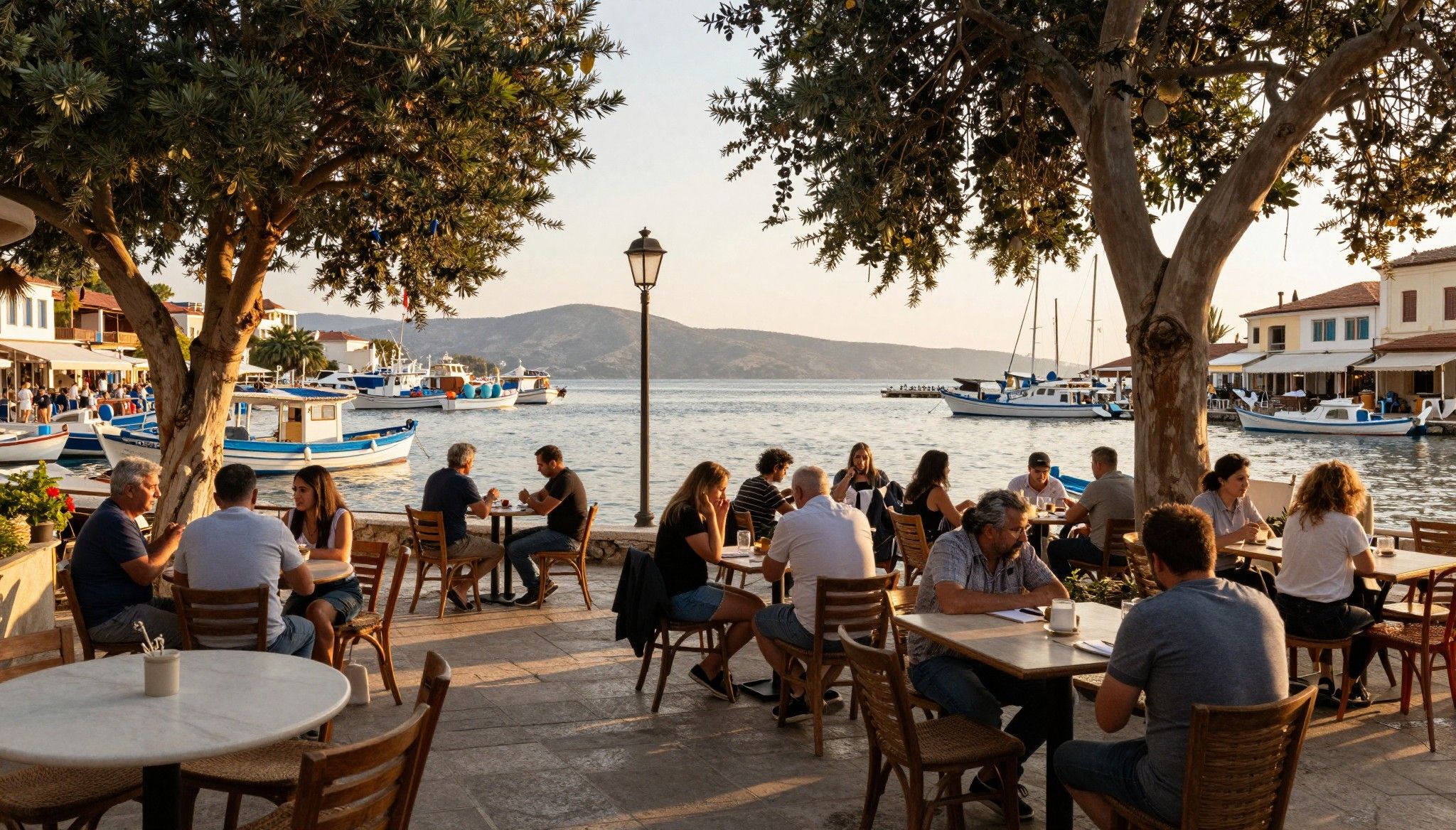
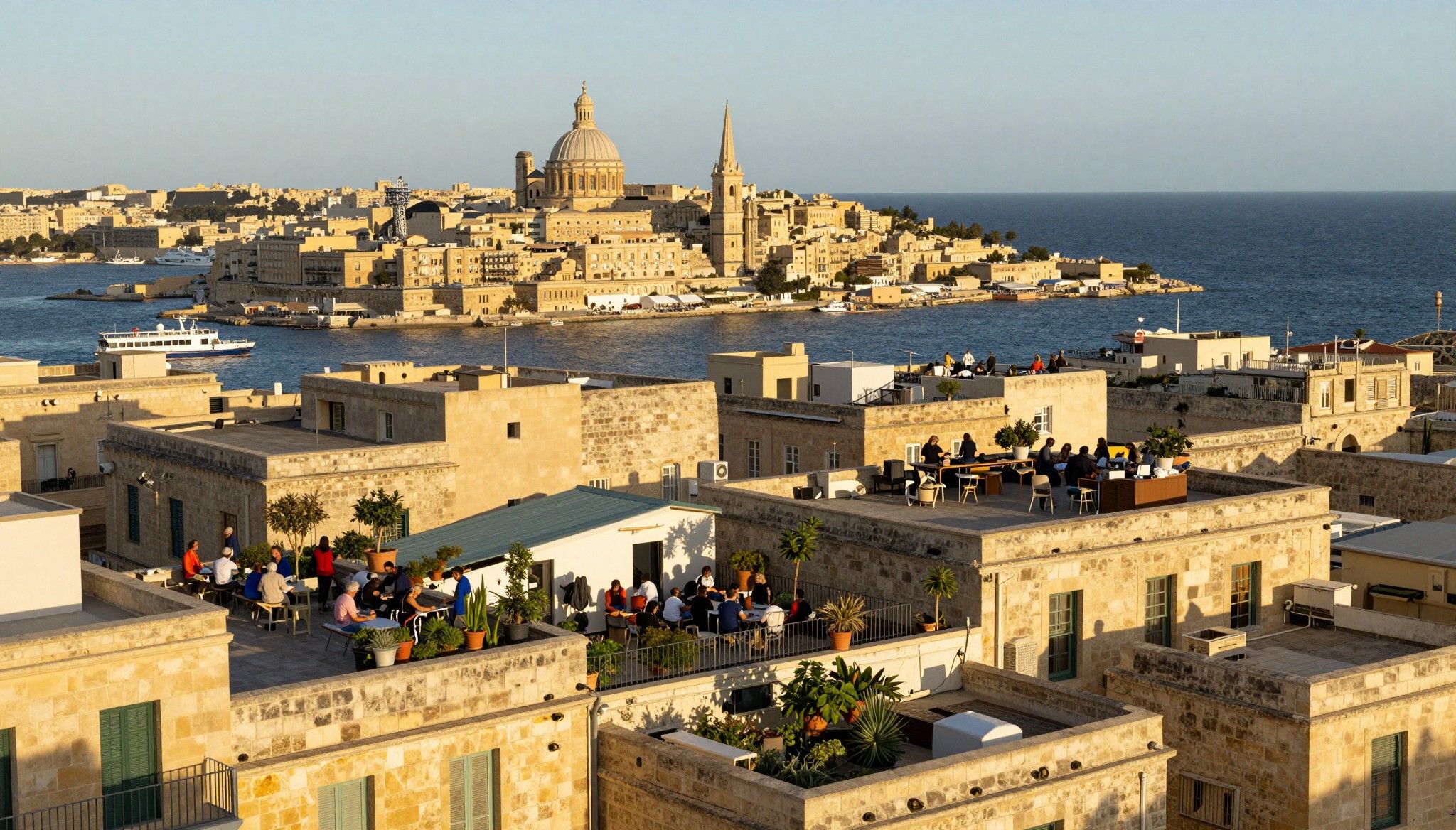
Imagine waking before dawn to the smell of cardamom coffee and warm bread on a narrow Larnaca lane, then slipping down to the sea for a swim before the day fully wakes—this is Cyprus: sun-soft mornings, stone villages stitched into green hills, and a coast that moves at its own Mediterranean rhythm. But the dream of stepping into that morning requires more than a good agent; here the subtle, slow-moving mechanics of title deeds, planning permissions and local custom shape whether a house becomes yours in law as well as in feeling. For eco-minded buyers who want a home that sits lightly on the land, understanding these regulatory rhythms is essential.
Living Cyprus: daily rhythms and places that root you
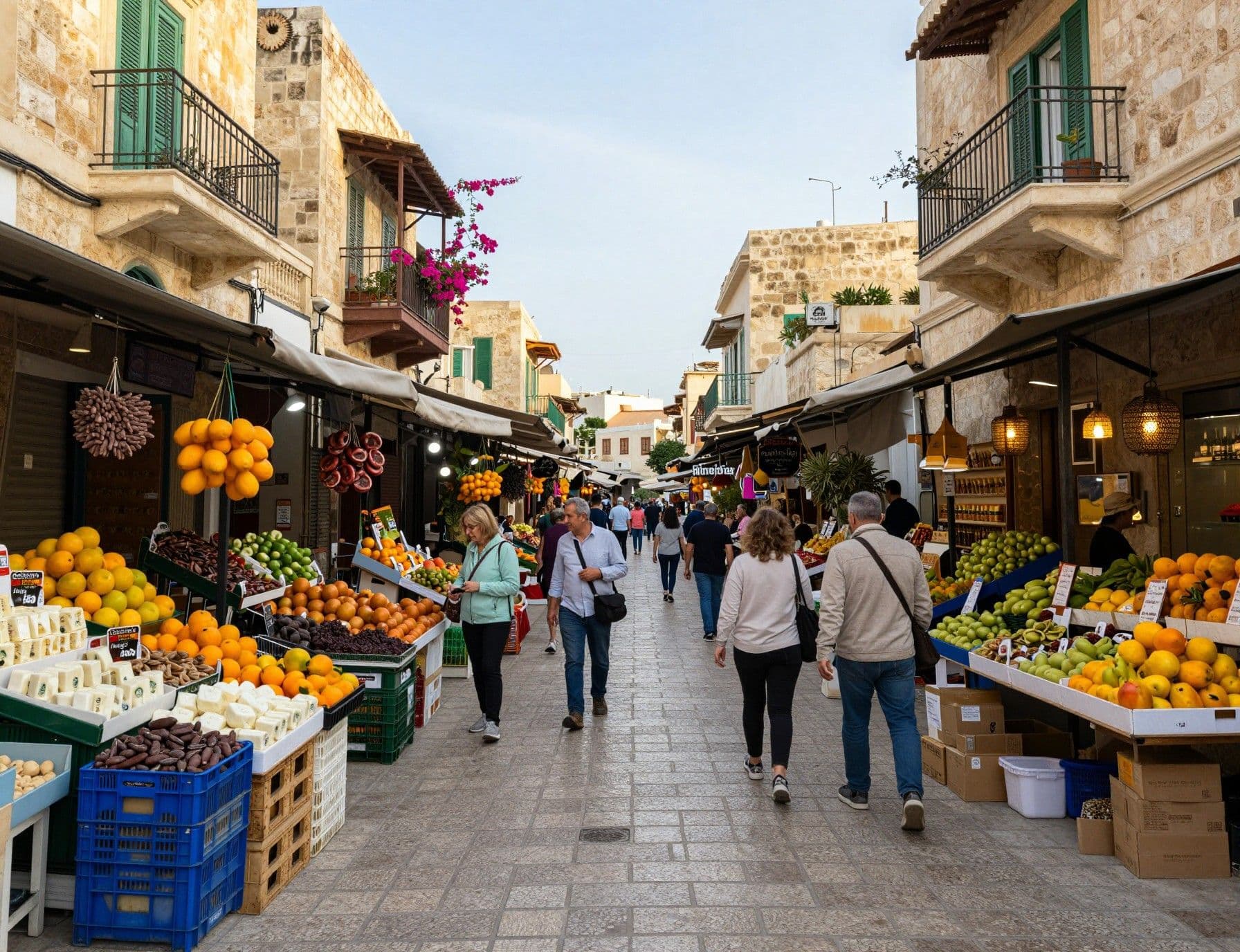
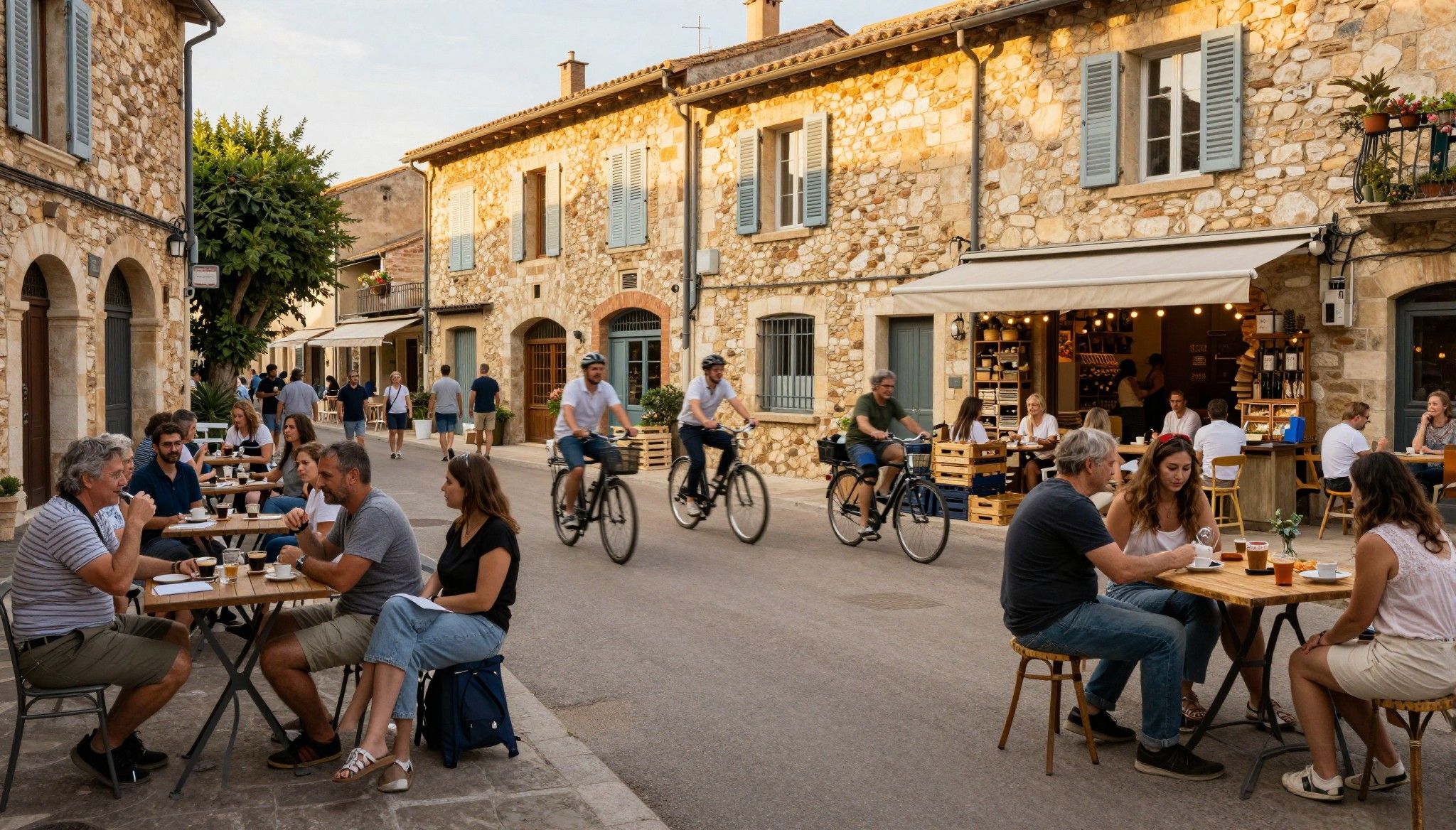
Cyprus moves between intimate village life and island-wide conviviality. Mornings in the old quarter of Nicosia mean narrow streets warming up, espresso pulled at kafeneia on Ledra Street; afternoons find families drifting to the sands of Fig Tree Bay or Agia Napa; evenings lean toward long tavla games and meze on shaded terraces. The island’s small scale means a weekend in the Troodos mountains or a seafood dinner in Limassol is never far away—so choosing where to buy is as much about the life you want as the asset itself.
Neighborhood spotlight: Old Nicosia, Limassol’s Marina, and Paphos’ Polis Chrysochous
Old Nicosia hums with restored stone houses, craft coffee and municipal markets—ideal for buyers who want culture and a walkable life. Limassol Marina answers the call for cosmopolitan seaside living and green rooftop projects; Paphos’ quieter Polis Chrysochous and the villages near Akamas promise a closer relationship with nature and traditional architecture. Each place delivers a distinct tempo—seekers of biodiversity and low-impact living will often prefer the village-and-coast fringe where gardens, native plantings and seasonally cooled homes feel most natural.
Food, markets and the seasonal pulse
Weekends are for markets: Larnaca’s municipal market, Paphos’ harbour stalls and Limassol’s farmers’ stands offer local halloumi, carob products, and citrus that map the seasons. Festival life—village harvest festas, olive-press weekends and spring flower fairs—gives you a quick education in place, people and produce, and points to neighbourhoods where community life is robust enough to support long-term stewardship projects like community orchards or shared solar co-ops.
- Lifestyle highlights: Larnaca coffee rituals; Troodos hikes and cedar groves; Akamas coastal bays for wild swimming; Limassol’s seaside promenades and organic markets; Paphos village feasts and craft workshops.
Making the move: the slow, local reality of title deeds and permits
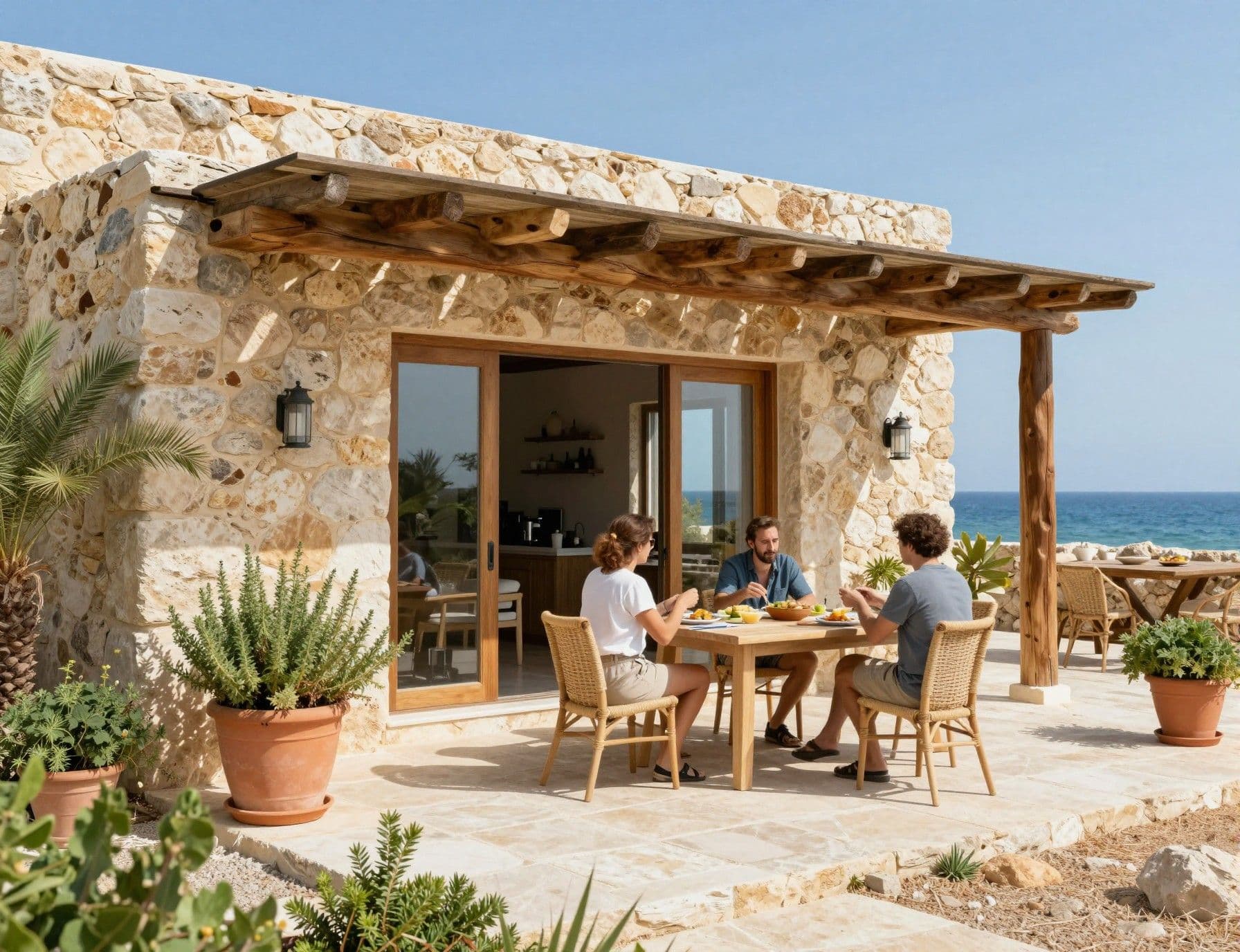
Cyprus is rhythmic in paperwork: contracts can be signed quickly, but the legal transfer of ownership—the title deed—can lag. For foreign buyers this matters practically: you can fall in love with a sunlit courtyard, but until the Land Registry and the local district permissions clear, full legal ownership may be delayed. The Department of Lands and Surveys offers practical checklists that should be your first reading because they flag encumbrances, pending partitions and the exact document set you must obtain before paying in full.
Who can buy land? What counts as owner-occupation?
Non‑EU buyers frequently need district-level permission before title transfer and there are limits on buying undeveloped land; in many cases foreign buyers may buy an apartment or a single house plot up to a defined size. Always confirm the current rules for your nationality and property type with the relevant district administration because exceptions and conditions (for example, owner-occupation requirements) can apply and will affect whether you can develop, subdivide or resell freely.
Planning permission, building permits and the ‘as built’ truth
A home without proper planning or building permits is not just a paperwork problem: it can mean no electricity connection, no final certificate of completion and potentially no title deed. Town Planning permission (the planning permit) must precede the Building Permit and both must correspond exactly with what sits on the land—‘we’ll sort the paperwork later’ is a red flag. Always ask to see the planning permit, building permit and the completion certificates and check that the as-built layout matches the permits.
- Step-by-step due diligence you can do before signing
- Order a current title deed search at the Land Registry; confirm no mortgages or court orders.
- Request copies of planning permission, building permits and completion certificates and compare them to the as-built condition.
- Engage a local lawyer to verify district permissions for foreign purchasers and any owner‑occupation clauses.
- Insist on staged payments tied to registry milestones and keep a portion until the title deed is ready or an escrow is in place.
Insider knowledge: red flags, local wisdom and green advantages
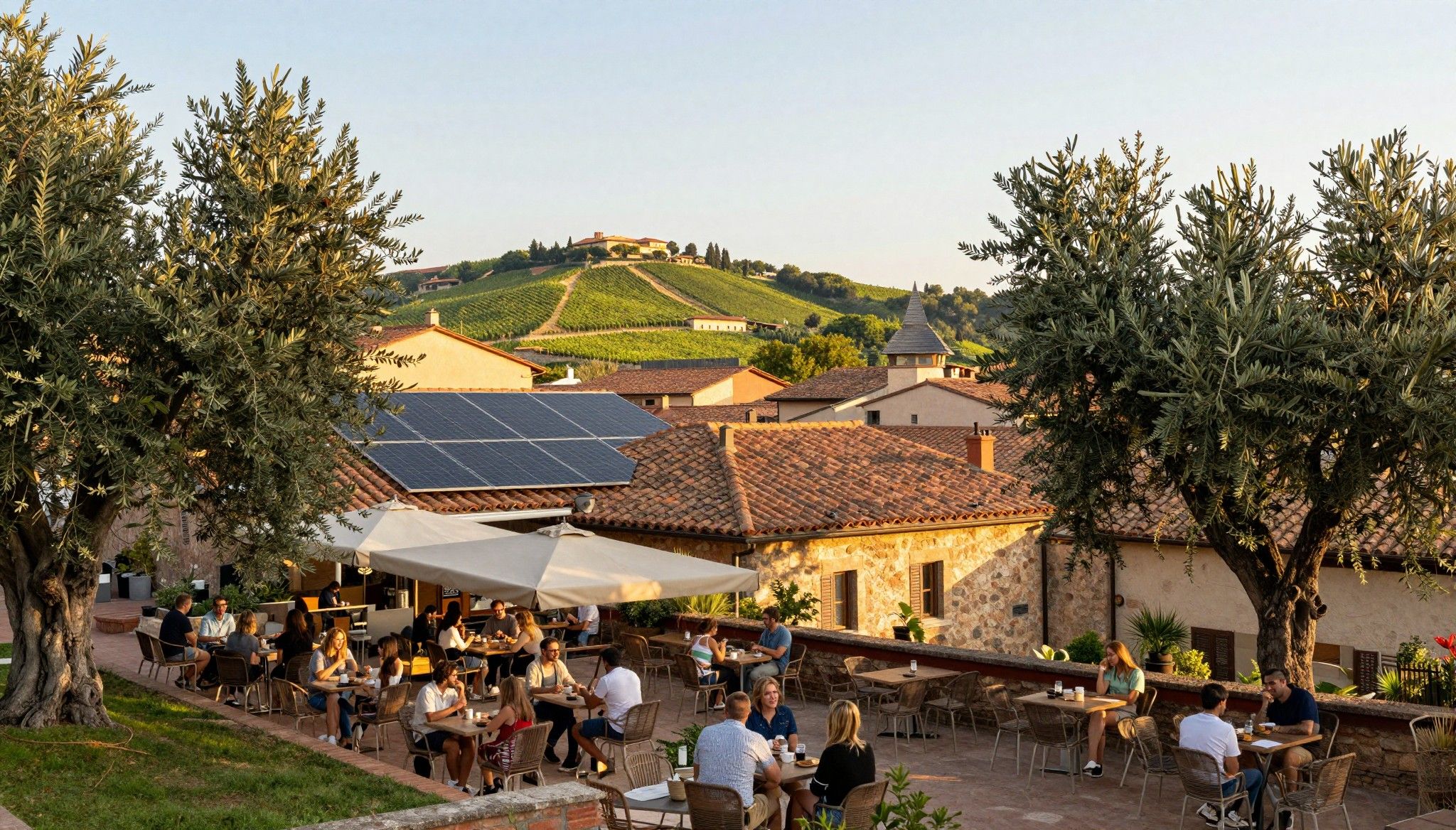
Expat buyers tell the same stories: a low-priced coastal apartment that lacked a completion certificate, an off-plan plot stalled for years, or a ‘fully permitted’ villa that differed from the permit plans. The Land Department’s caution leaflets are blunt for a reason—purchase only after paperwork checks and local consultations. Conversely, eco-focused buyers have an edge: by seeking properties with solar-ready roofs, native landscaping or existing rainwater systems you reduce later permit headaches tied to retrofitting and often align with simpler planning consent paths.
What locals do: retrofit slowly, plant native, and ask neighbours
Local owners often avoid heavy-handed renovations without prior neighbour consultations and gradual permitting. That matters for buyers: permission for extensions, larger terraces or pools can be contested by adjacent owners or require environmental considerations. A simple, locally sympathetic retrofit—adding solar PV, improving insulation with natural cork or sheep‑wool, or restoring stone walls—usually wins faster approvals and keeps community goodwill.
- Red flags and green checks: quick checklist
- Seller can’t produce the title deed or gives vague timelines for its delivery.
- Planning permission documents are missing, incomplete, or the as-built home differs materially from permits.
- Property lies within a protected zone (Akamas, conservation areas)—you’ll need specialist environmental permits for changes.
- Positive sign: evidence of solar-ready roofs, native landscaping, and previous, permitted renovations.
Practical partnerships matter: a local conveyancer, an architect who knows the Town Planning Department, and an agent who understands the seasonal life of neighbourhoods will save months and reduce risk. For international buyers who care about low-impact living, ask early about orientation, passive cooling features, existing PV capacity and water management—these reduce operating costs and mesh with Cyprus’ planning emphasis on landscape protection in many districts.
- A simple six-step process to move from dreaming to held deed
- Visit and live‑test the neighbourhood across seasons; taste markets and sample the commute.
- Order title and planning searches; ask for completion certificates and utility connections.
- Negotiate staged payments with escrow or bank guarantees tied to registry milestones.
- Engage a local lawyer and an architect for any planned changes before signing.
- Register the contract with the Land Registry and follow up until the title is issued.
- Celebrate mindfully—plant native shrubs, join a local association, and steward your plot for long-term value.
Conclusion: love the life first, close with care
If Cyprus has a single lesson for international eco-minded buyers it is this: fall in love with the mornings, markets and the mountain trails, but let the paperwork follow a different tempo. Work with local experts, verify title, respect planning processes, and prioritise homes that are already gentle on the land. Then the island’s everyday pleasures—sea walks, village tavernas and gardened courtyards—become yours in both feeling and law. When you’re ready, bring those senses to your first meeting with a Cypriot lawyer and ask for the title search; it’s the most romantic, grown-up step you can take.
British expat who traded Manchester for Mallorca in 2017. Specializes in guiding UK buyers to luxury Spanish estates with clear navigation of visas and tax.