Croatia: Love the Life, Finance the Future
Fall in love with Croatia’s island markets and stone courtyards — then buy with green finance: practical steps, local checks and real links to Croatian green loan options.
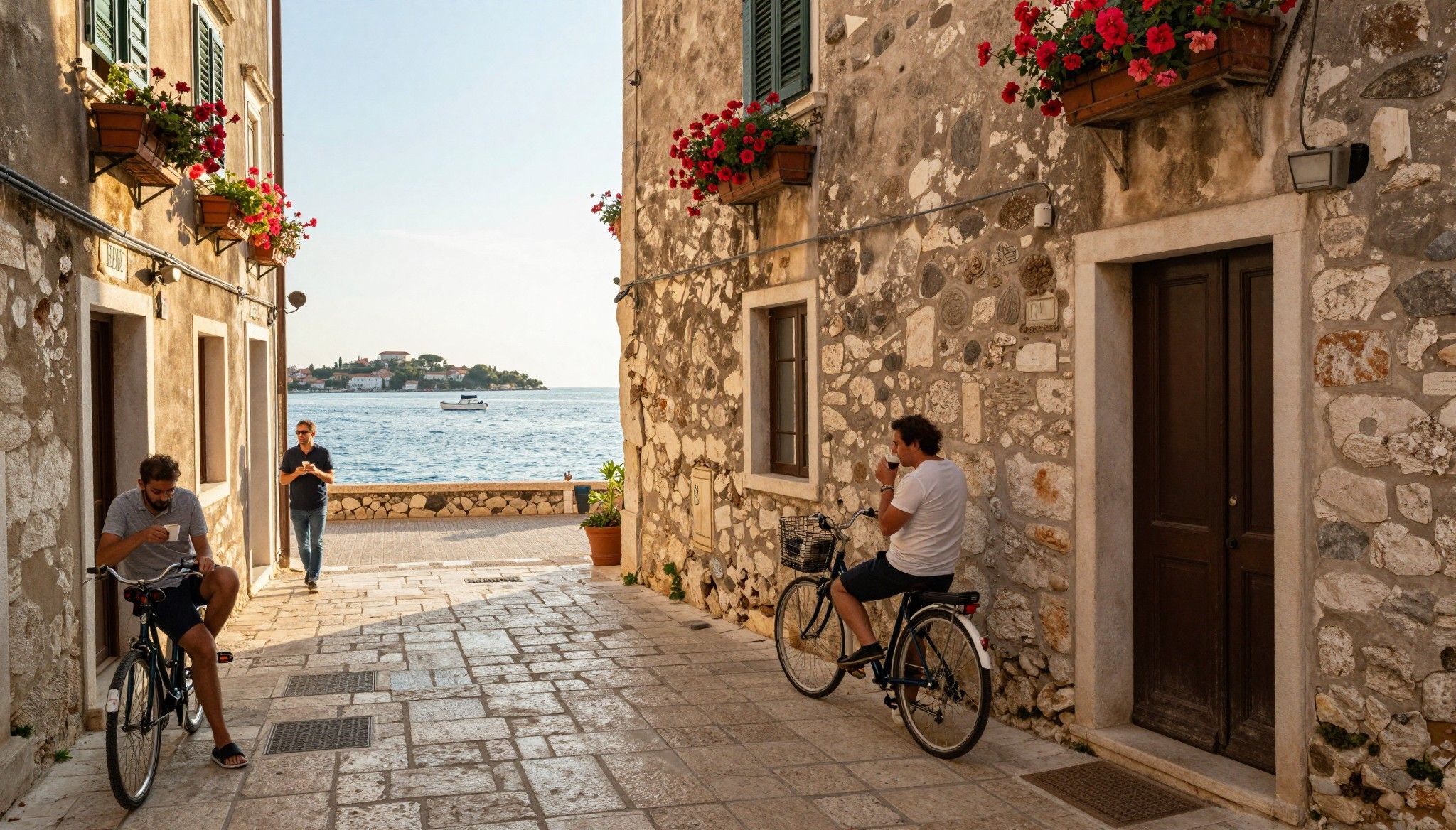
Imagine waking to the smell of fresh espresso at a shaded kafana in Split’s Diocletian quarters, then biking home past terraced olive groves to a stone house that hums with slow, sunlit life. Croatia offers that rare mix of Adriatic clarity and inland hush — a place where markets, marinas and mountain trails meet in a single weekend. But for international buyers the romance collides with realities: fast‑rising prices, evolving bank products and a new wave of “green” finance. This guide threads lifestyle and hard facts so you can buy with heart and a sustainable plan.
Living the Croatian life — sensory first, practical second
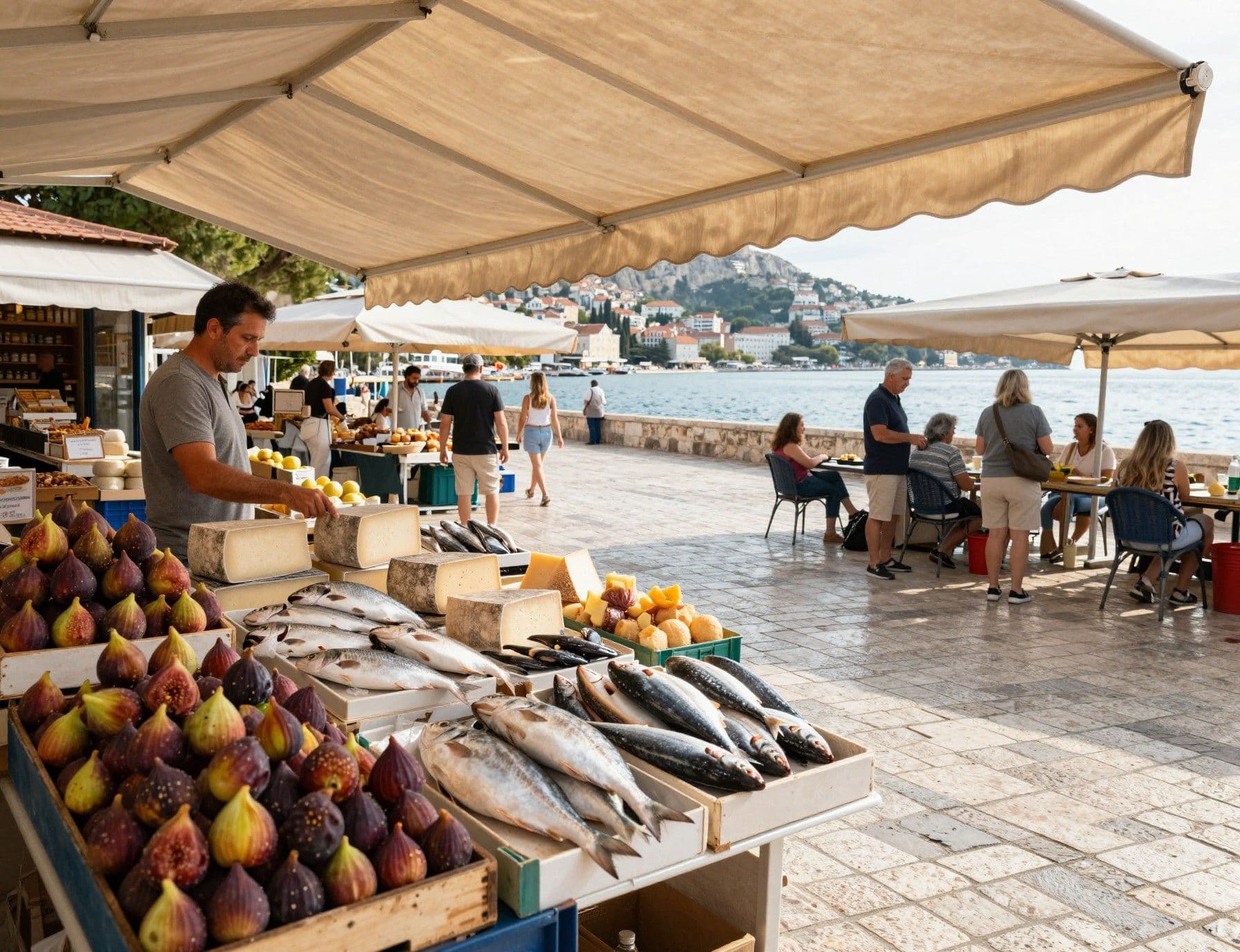
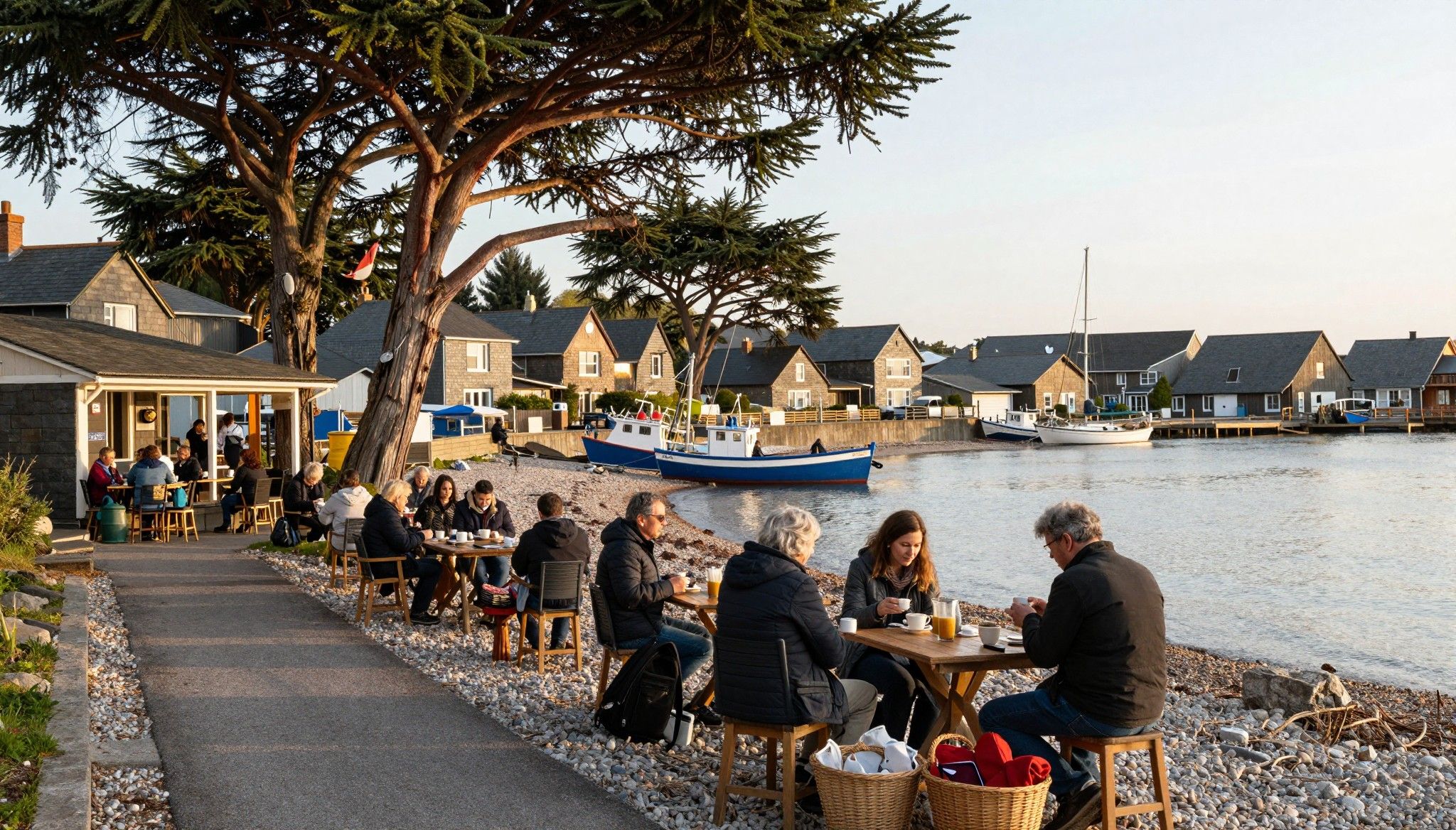
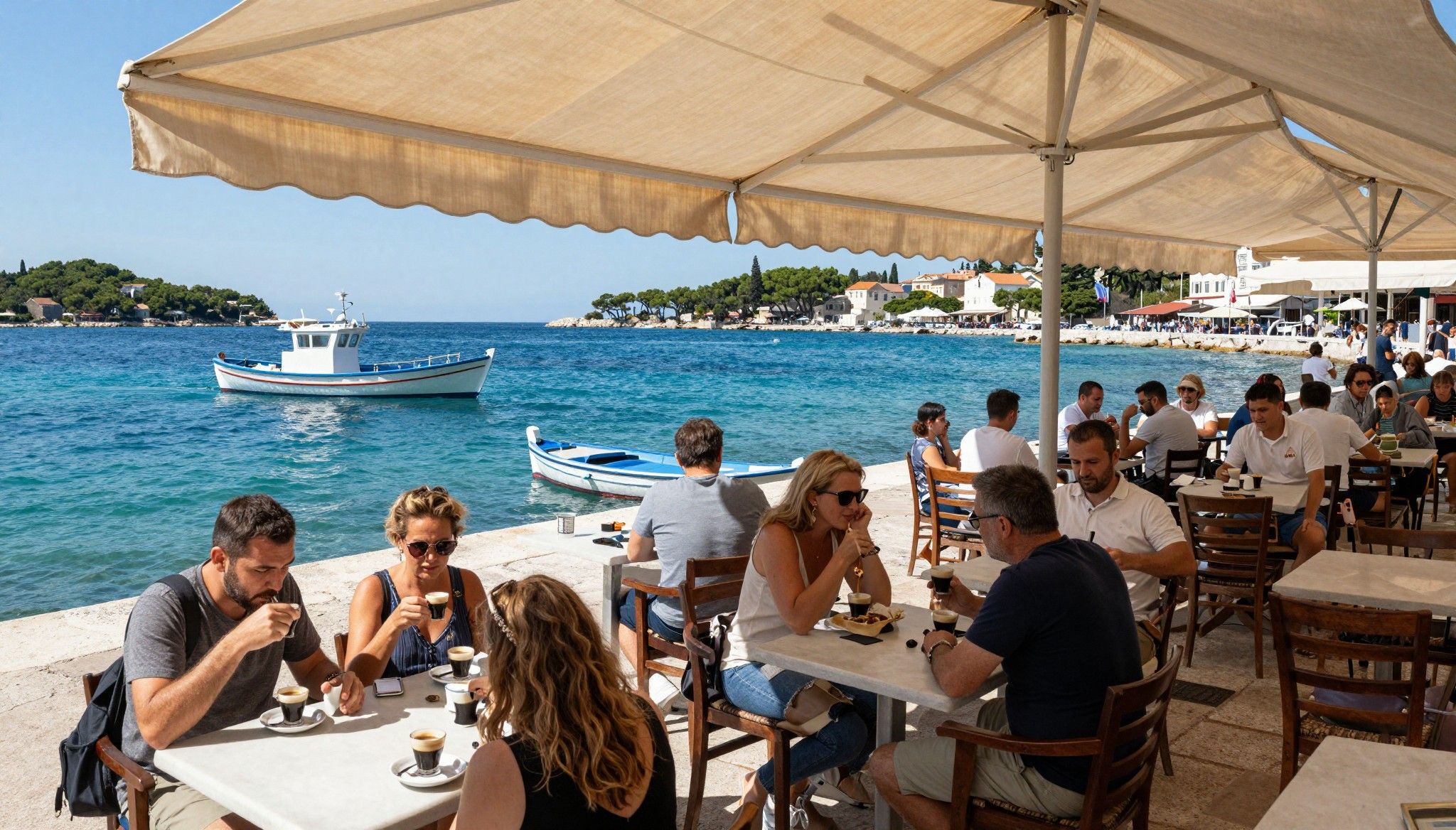
Mornings in Croatia are a study in small pleasures: market stalls piled with figs and rakija bottles, cafés lingering over late espressos, fishermen mending nets in the harbours of Rovinj and Omiš. The rhythm changes by region — Zagreb’s leafy avenues and weekend farmers’ markets feel urban and cultivated, while Istria’s hilltop villages trade slow hospitality for truffle festivals and vintages. Living here means curating a life around seasons: spring for vineyards and sea-sprayed walks, summer for islands and open windows, autumn for chestnuts and quieter towns.
Spotlight: Split’s Veli Varoš & Diocletian’s pulse
Veli Varoš — the old fishermen’s quarter below Marjan hill — is where you hear local dialects over sea-breeze dinners and where courtyard life still rules. Walkable, with tiny bakeries on each corner and terraces that catch the evening light, it’s beloved by artists and slow-lifers. If you want easy island access and a lived-in neighbourhood that’s not a tourist stage, Varoš is the counter‑intuitive choice compared with Split’s glossy Riva; properties here reward buyers who value character over postcard perfection.
Food, markets and the Adriatic table
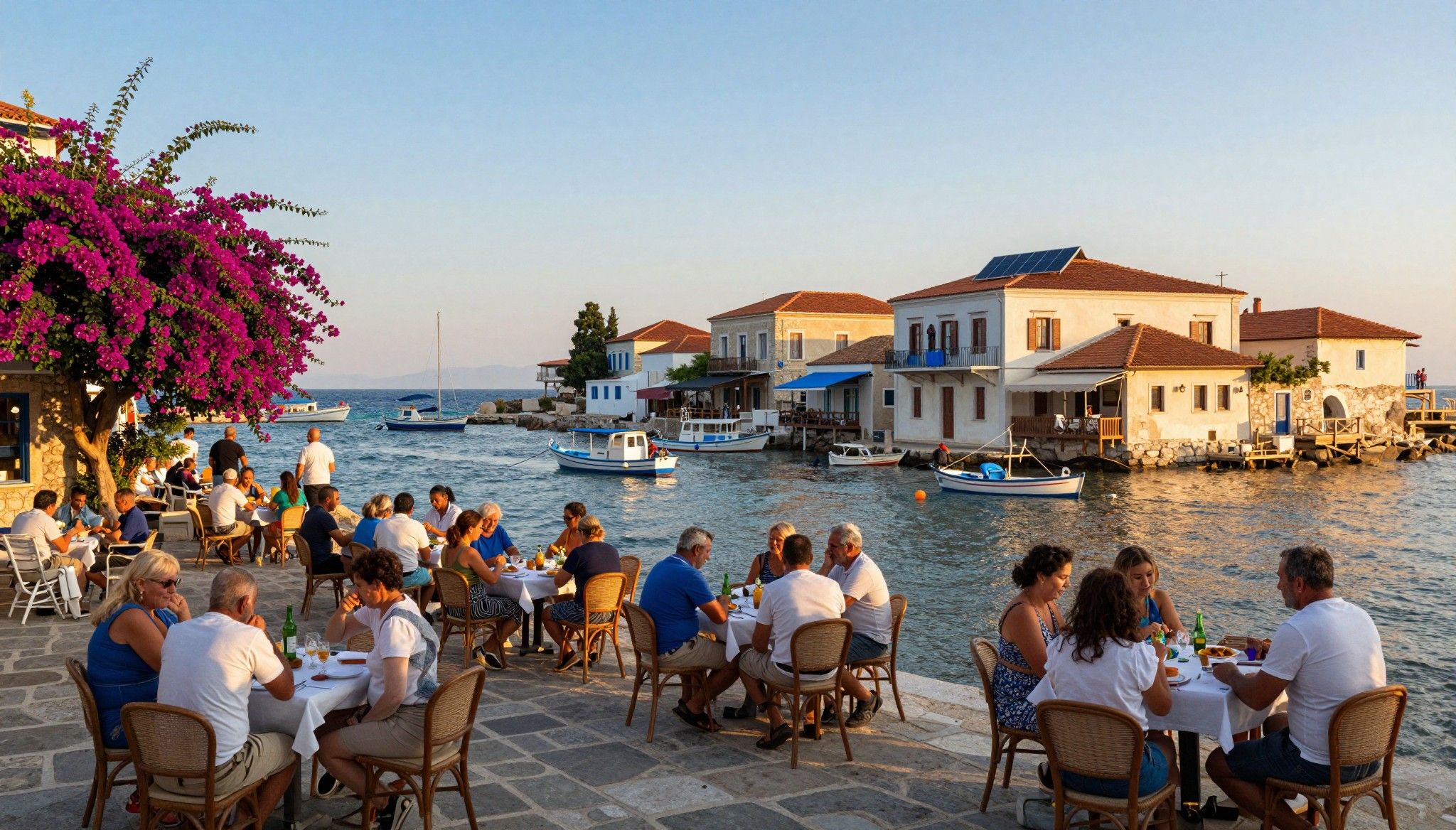
Dinner in Croatia is often outdoors, casual and anchored to the sea: grilled scampi in Hvar, squid ink risotto in Zadar, and creamy Pag cheese in Istria. Weekly markets — Dolac in Zagreb, Pazar in Split, and Hvar’s waterfront stalls — are social anchors where you’ll meet growers, learn seasons and source ingredients for a kitchen that connects you to the land. For buyers, proximity to markets and good kitchens matters: properties designed for indoor–outdoor life tend to hold value and suit the Croatian pace.
Making the move: prices, finance and green options
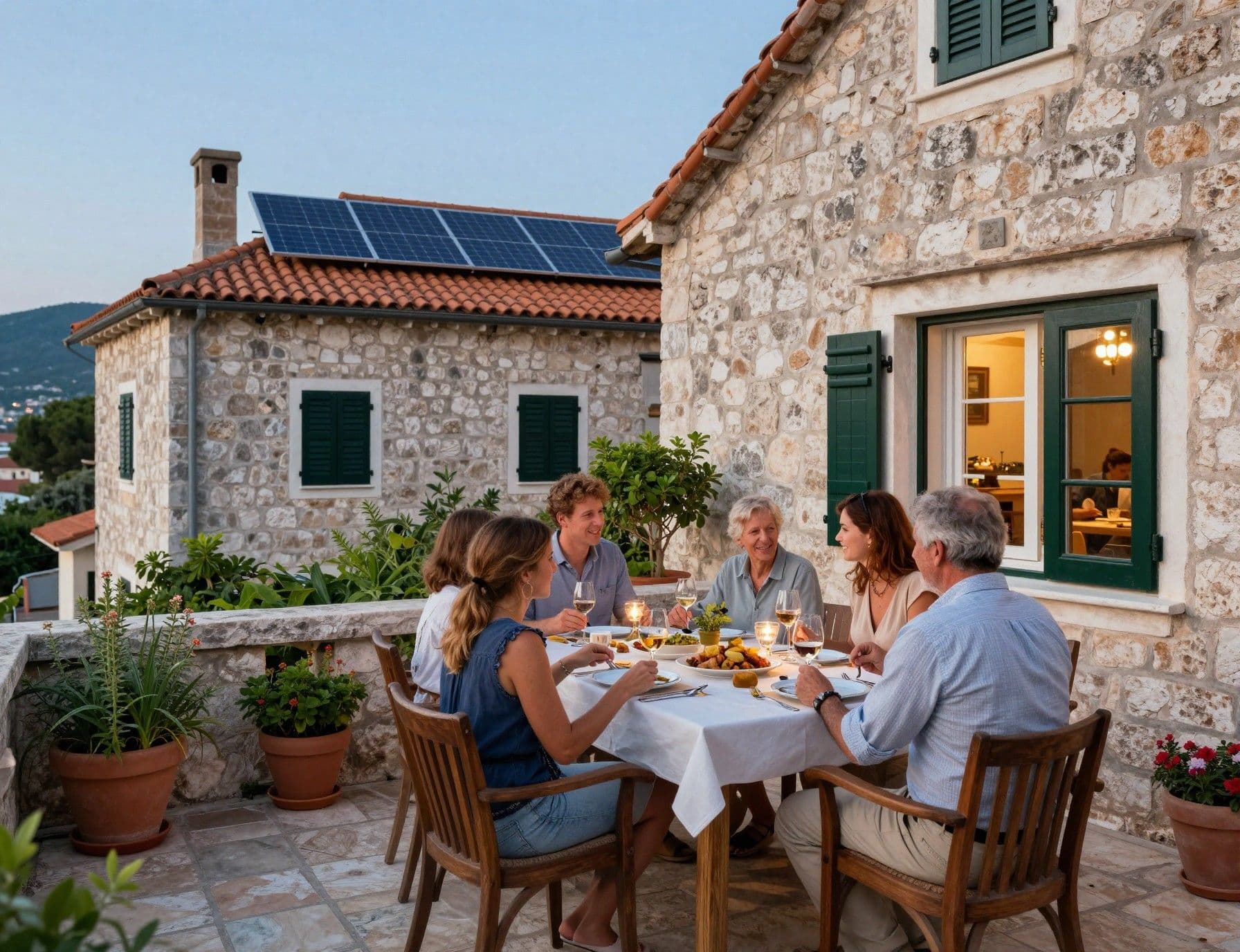
Croatia’s market has been brisk: national house price indices rose strongly in recent years, driven by limited supply and high demand in coastal counties and Zagreb. That momentum means timing matters and that buyers should pair lifestyle desires with a clear financing plan. Fortunately, Croatian banks and development institutions increasingly offer green loan products and incentives for energy upgrades — tools that lower running costs and make coastal stone houses more comfortable year‑round.
Green mortgages and renovation loans: what’s available now
Major Croatian banks already publish dedicated green home loans for energy renovation, solar installations and efficient heating, often with preferential rates or extended terms. Public lenders such as HBOR and EU funds also support energy upgrades that align with Croatia’s climate goals. These products are practical for buyers: financing immediate energy works (insulation, windows, solar thermal or PV with battery storage) reduces bills and increases comfort in old stone houses while improving resale attractiveness.
Why green finance matters beyond sticker rates
Green loans are more than marketing: they can be structured as lower fixed rates, reduced fees or tied to specific retrofit milestones, and they often unlock grant co‑funding from EU programmes. The European conversation around a voluntary green loan label should make offers clearer for buyers, but until labels are standardised you should read terms closely — what the bank defines as “green” may be narrow (e.g., only solar) or broad (comprehensive renovations). Use expert advisors to match loan purpose with measurable energy improvements.
Insider knowledge: local rules, red flags and the expat reality
Expats often arrive enchanted, then discover three common surprises: higher inland price growth than expected, administrative timelines that vary by municipality, and renovation realities in protected historic cores. Knowing these ahead of time changes everything: you’ll budget for extra permit time, prioritise energy upgrades that respect historic fabric, and choose locations where services suit year‑round life rather than seasonal tourism.
Cultural & practical tips for feeling at home
Learn a few Croatian phrases, shop at the local konoba, and attend a neighborhood klapa or market day — community ties form more quickly that way. For practical integration, secure a local notary and a bilingual realtor early, and plan visits across seasons so you see a place in its full cycle. Expat groups in Dubrovnik, Split and Zagreb are active and pragmatic; they’ll tell you the small, human details that listings never show.
- Red flags & quick checks when viewing properties
• Unclear ownership records or missing cadastral entries — insist on up-to-date land registry extracts. • Lack of insulation or damp in stone walls — cheap to photograph but expensive to fix if ignored. • No permits for extensions or terraces — check municipal archives before you bid. • Misleading ‘sea‑view’ photos that don’t show access or noise levels — visit at different times of day. • Energy bills that spike in winter — request historical utility data when possible.
How to blend romance with a sensible financing plan
Start with a two‑stage approach: (1) define the life you want — morning market access, island weekends, garden space — and translate that into property features; (2) assemble finance that rewards low‑impact upgrades. Many buyers combine mortgage offers with green renovation loans or HBOR programmes to spread cost and increase comfort. This keeps monthly cashflow manageable while improving long‑term value and reducing carbon footprint.
- Step-by-step: financing a green retrofit in Croatia
1. Get a mortgage pre‑approval with a local bank and ask about green top-ups for energy works. 2. Commission a basic energy audit (or at least a builder’s report) so you know priorities. 3. Apply for any eligible national or EU grants alongside bank offers to lower capital costs. 4. Stage works: insulation and windows first, then heating upgrades and PV with battery, to unlock successive finance tranches. 5. Keep documentation of works to qualify for future green mortgage discounts or sale disclosures.
Working with the right local team
An eco‑minded local agent, a bilingual notary, an architect experienced in protected buildings and a mortgage broker who knows green products form the core team. Ask agents for recent examples of properties where buyers combined purchase finance with renovation loans; concrete case studies reveal how offers are structured and what banks will accept as eligible works. Good local partners translate moodboard dreams into permitted, fundable plans.
Conclusion: a life that looks like a postcard but lives like a thoughtful stewardship decision. Croatia’s light, sea and small‑town rituals are irresistible, but buying here well means pairing that affection with current market intelligence and a sustainable finance strategy. Start visits in shoulder seasons, ask about green loan options, and budget for measured upgrades that make old stone homes comfortable and future‑proof. When you buy with place and planet in mind, the Adriatic becomes not only a holiday but a home.
Dutch property strategist who helped 200+ families find sustainable homes in southern Europe; expert in legal pathways and long-term stewardship.