Croatia: Love the Life, Plan the Green Finance
Fall in love with Croatia’s daily rituals, then pair that lifestyle with green financing, reciprocity rules, and local stewardship for secure, sustainable buying.
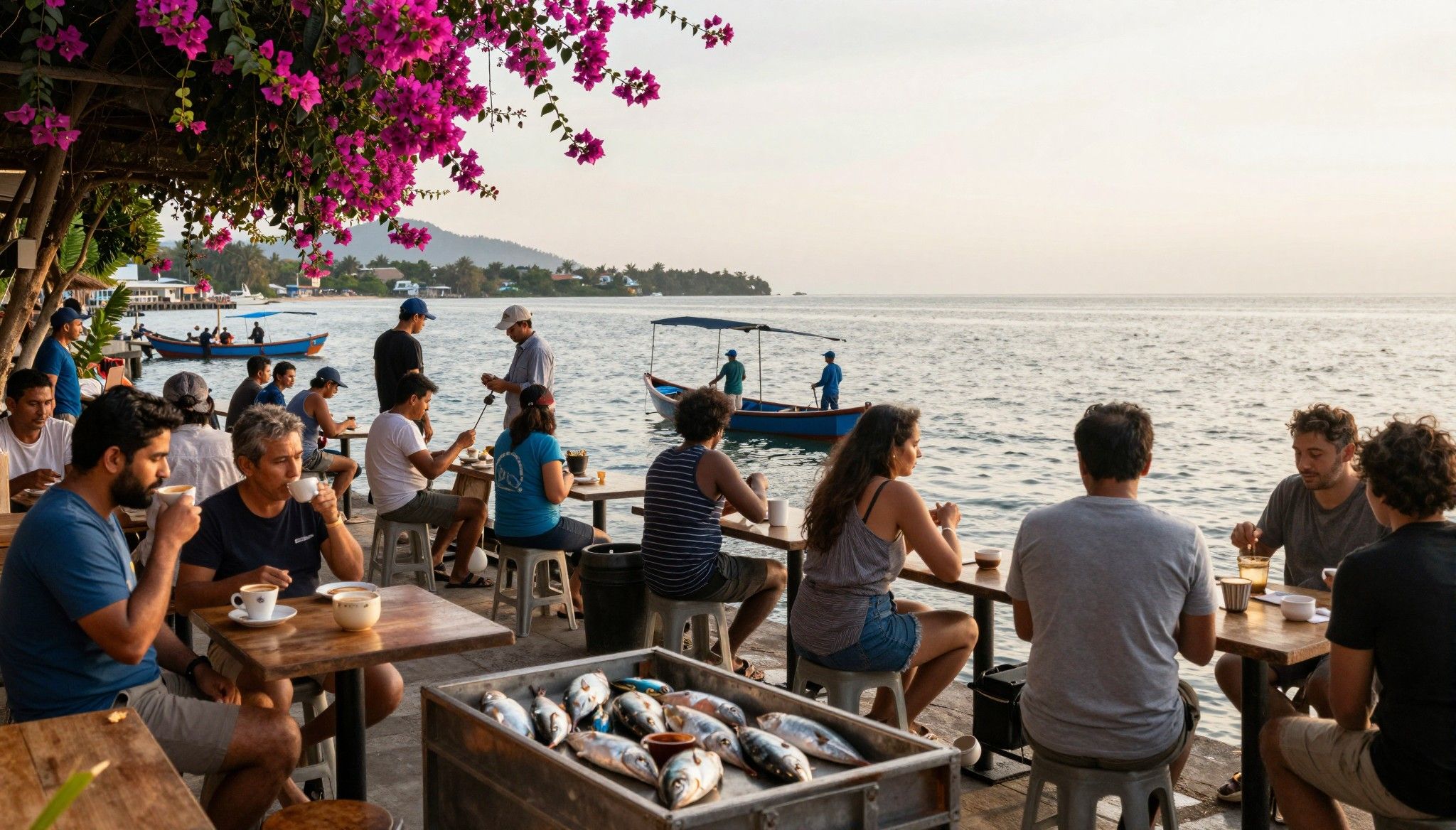
Imagine waking to the smell of roasting coffee in Split’s Veli Varos, spending afternoons hunting truffles near Motovun, and evenings on a stone terrace watching the Adriatic breathe. Croatia offers a rhythm that slows and deepens life — and a property market where sustainable choices shape daily living. Recent market analysis shows lively coastal demand that rewards buyers who pair lifestyle clarity with financing savvy.
Living the Croatia lifestyle
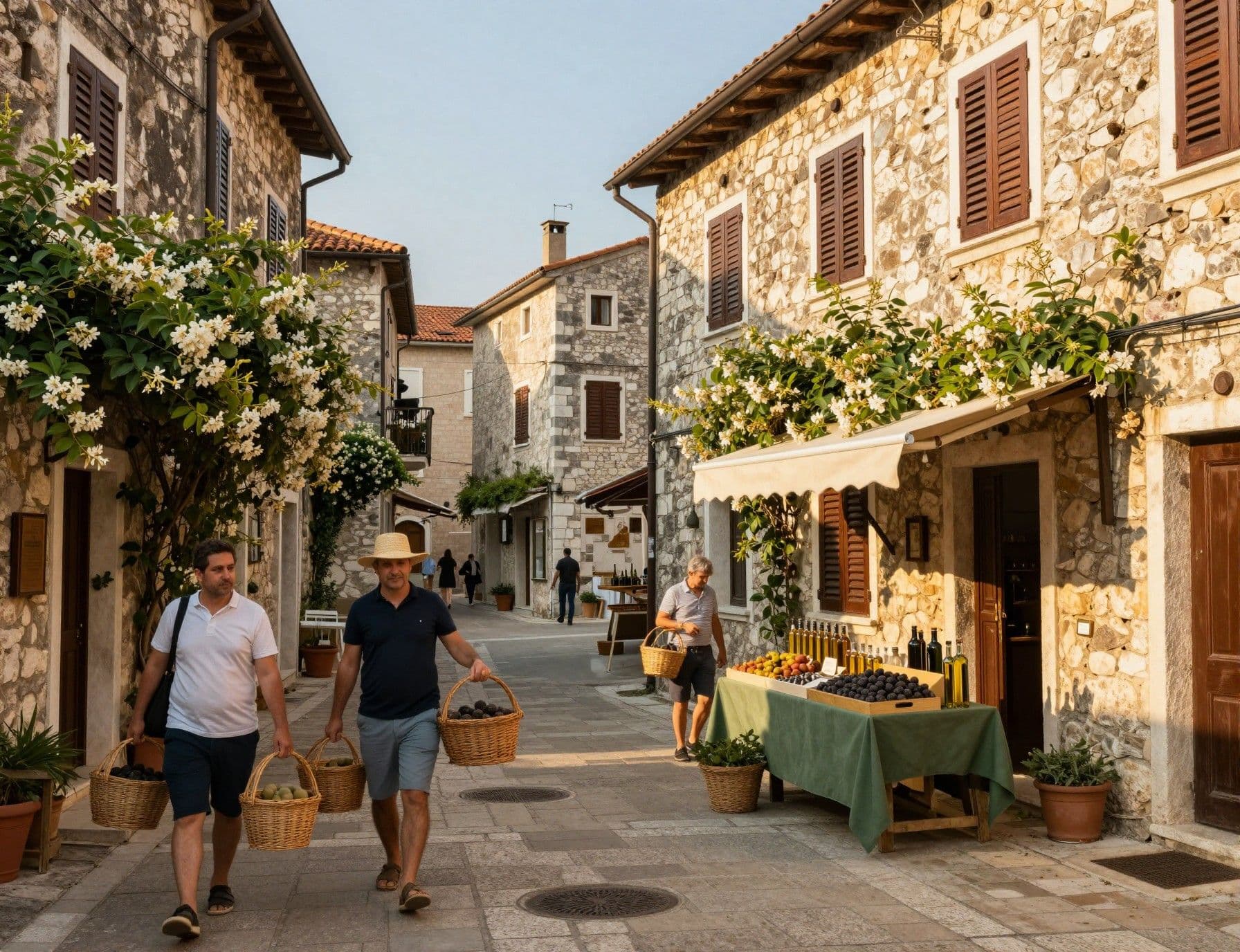
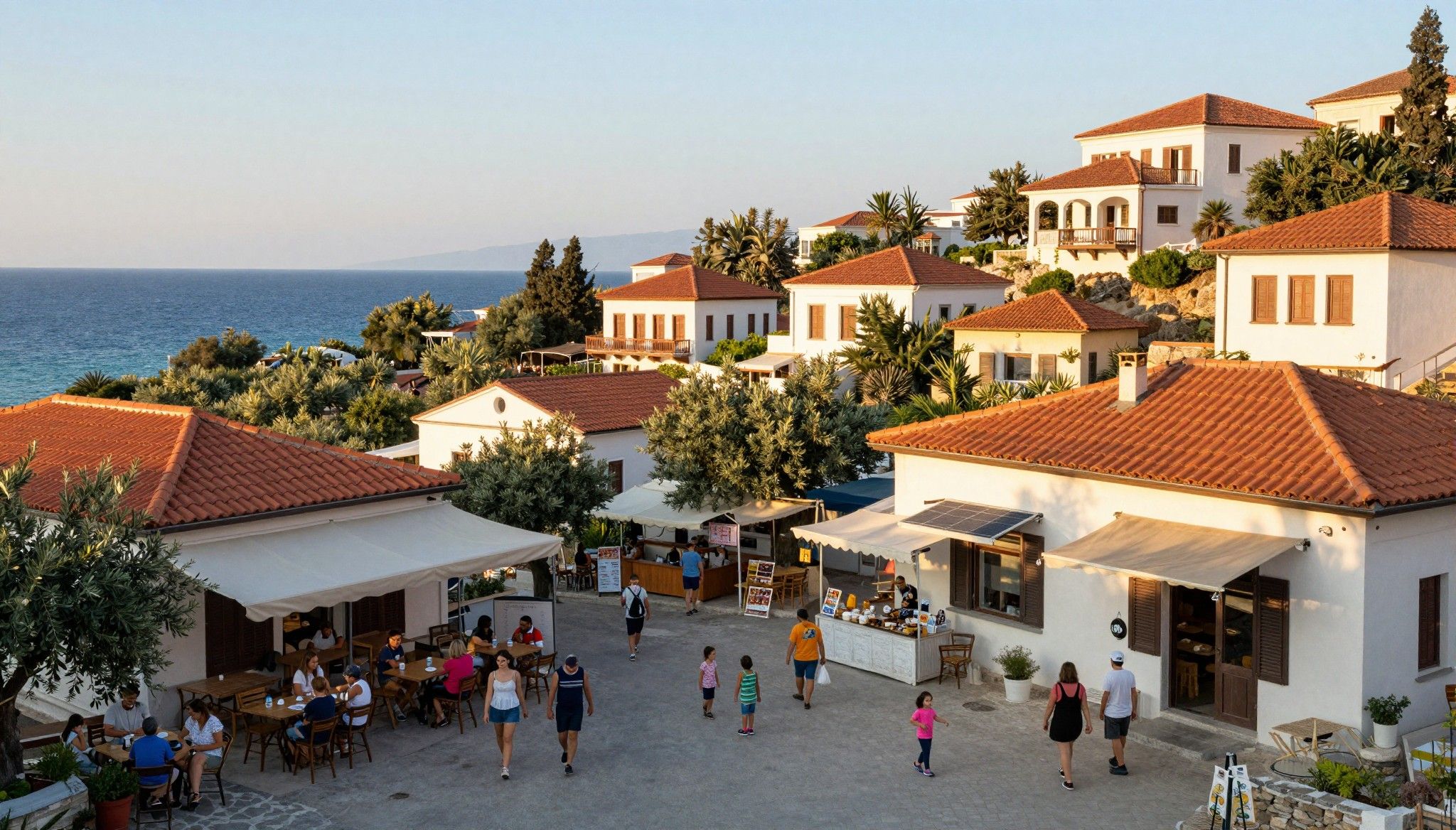
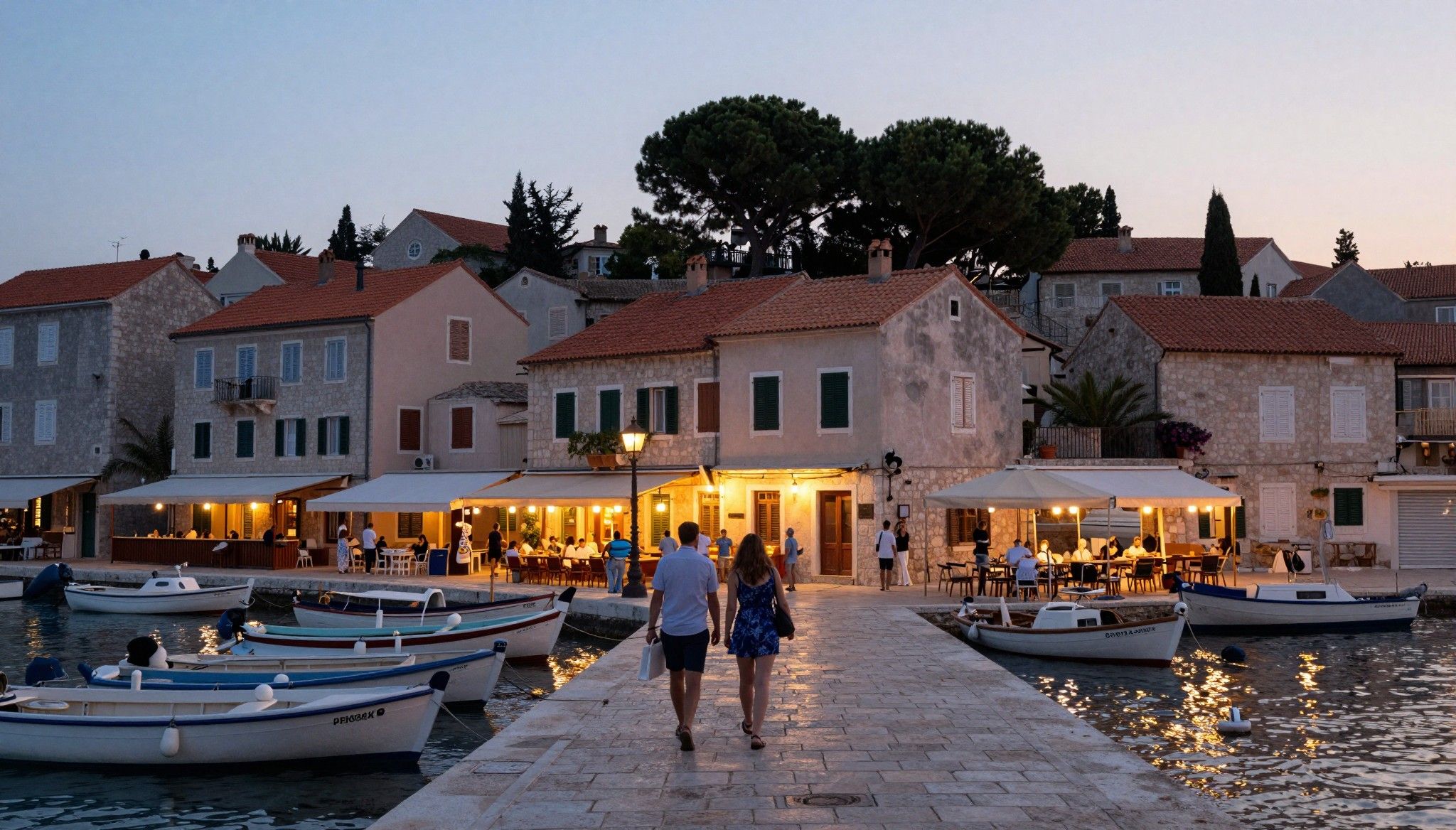
Cobblestones, cafés that open at dawn, and olive groves trimmed by generations — that’s the feeling of life here. From the marble alleys of Dubrovnik’s historic core to the quiet fishing coves of Brač, everyday life centers on fresh markets, small-batch olive oil, and a culture that prizes outdoor living. These textures of place should steer where you look: if you want morning market runs, search near Varaždin or Zadar; if quiet island summers matter, consider Šolta or Lastovo.
Neighborhoods that feel like home
Istria’s hill towns — Motovun and Grožnjan — are small but magnetically alive with food culture and craft markets. Coastal Split neighborhoods like Veli Varos and Žnjan offer morning sea walks and old‑stone houses with terraces. Zagreb’s leafy neighborhoods (Maksimir, Britanski trg) mix city services with easy access to green spaces. Each area carries its own tempo; choose where the daily rituals you love are possible on foot.
Food, markets and seasonal life
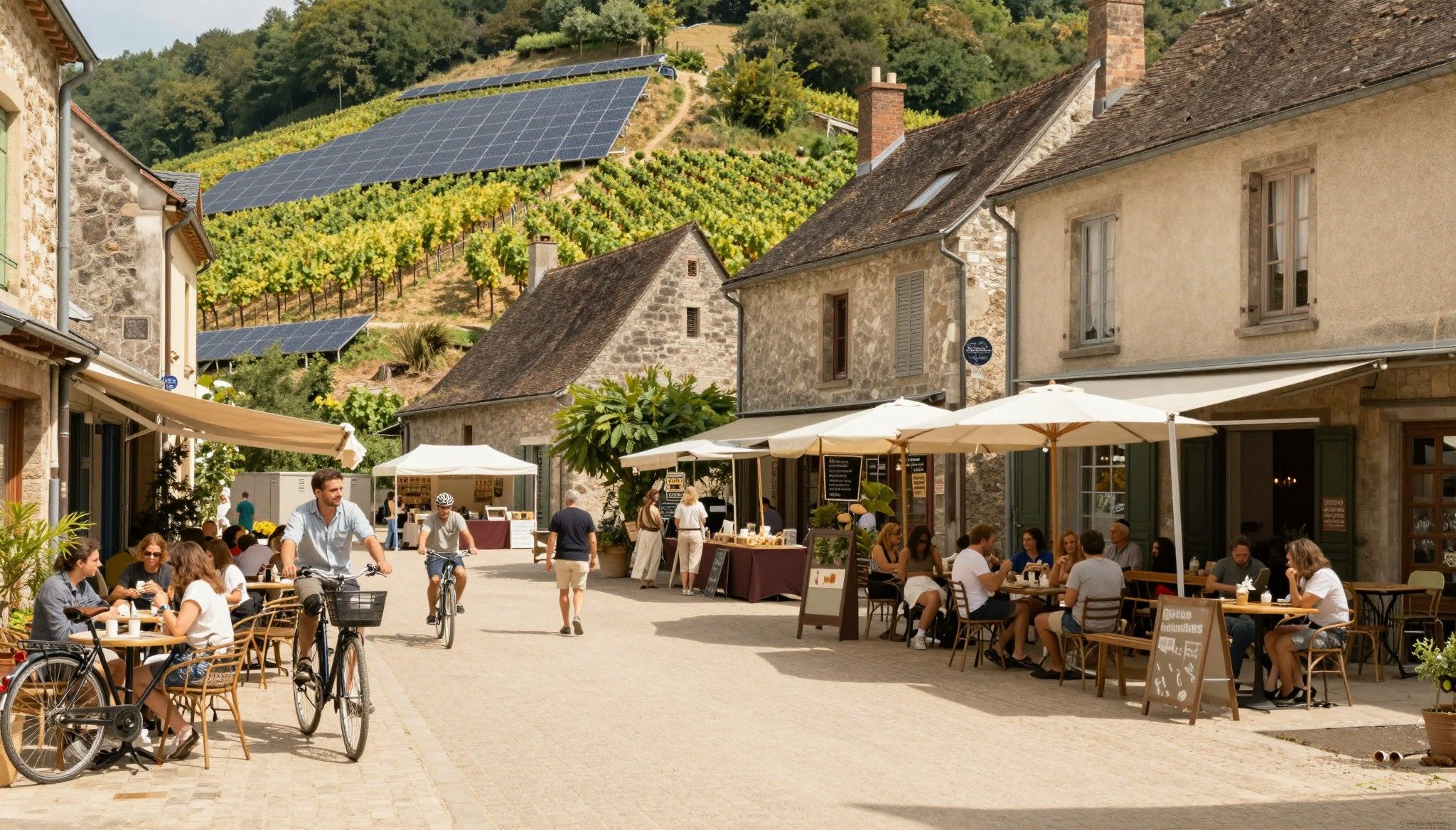
Picture Saturdays at Dolac market in Zagreb or fish auctions at the Split harbour at dawn. Seasons matter: autumn brings truffle hunts in Istria and a quieter, more authentic coast; summer is festival-rich but busier. If you crave local produce and slow food rituals, prioritize proximity to markets and small producers — those everyday decisions shape sustainability as much as solar panels do.
- Lifestyle highlights: morning espresso at D16 in Split; truffle tastings near Motovun; bike rides on Hvar’s lavender roads; markets at Dolac (Zagreb); evening swims off Zlatni Rat (Brač); weekend farmers’ stalls in Istria.
Making the move: practical considerations
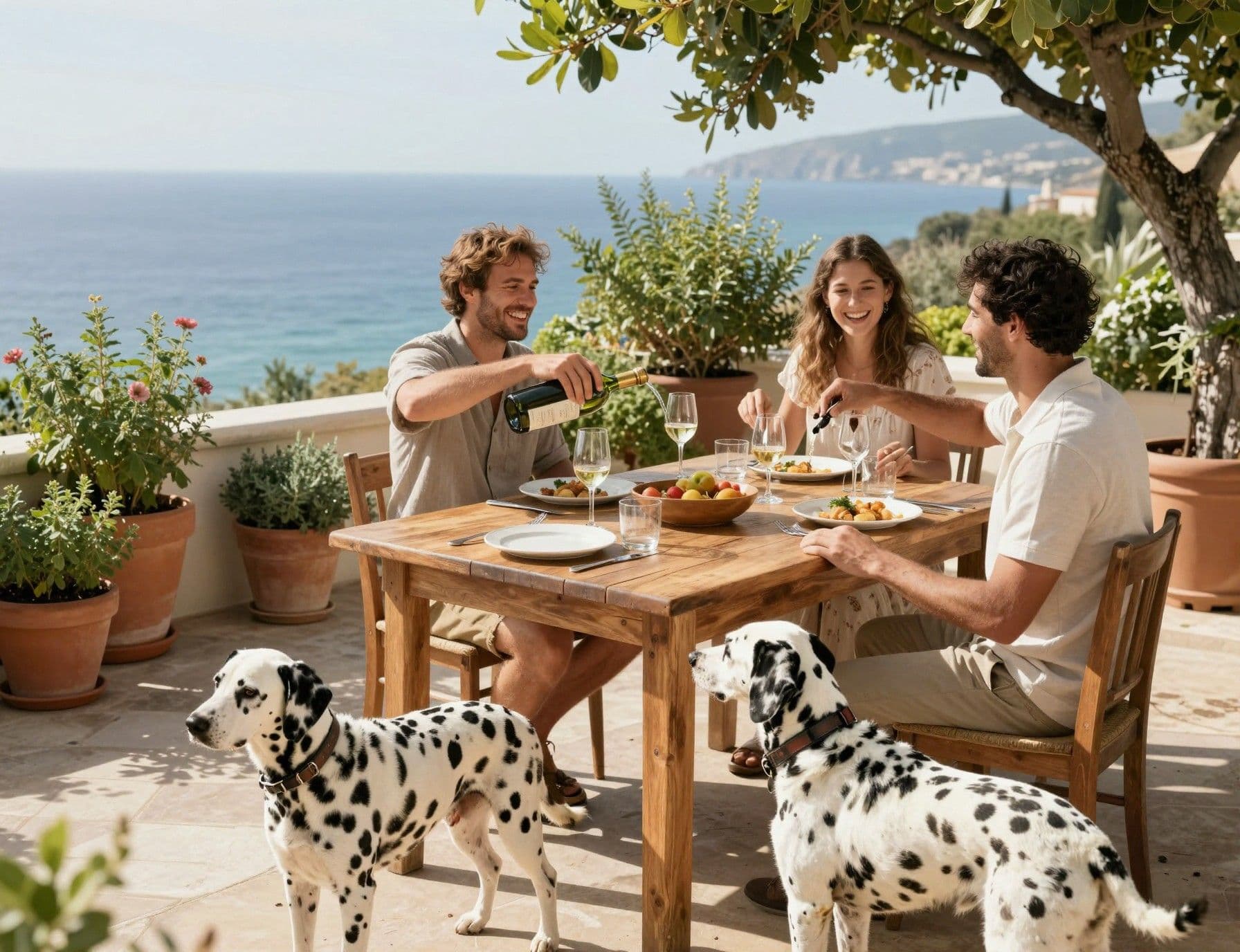
Dreams meet paperwork here, and the good news is Croatia’s EU membership simplifies many steps for European buyers. But myths persist: buying a house doesn’t automatically grant residency, and mortgage access for non‑EU buyers can be limited. Match your lifestyle wish‑list to a financing plan early — it narrows searches and avoids heartbreak after a favorite property is found.
Property styles and sustainable living
Stone Dalmatian houses, Istrian rural restorations, and modern coastal apartments each offer different sustainability starting points. Old stone homes often have thick walls that regulate temperature naturally; new builds can include heat pumps, high‑performance glazing and PV-ready roofs. Decide whether you want a blank-slate restoration (high stewardship reward) or a low‑maintenance eco‑efficient build (immediate comfort).
Work with experts who understand both lifestyle and law
Hire a Croatian lawyer who speaks your language, an agent with local eco‑credentials, and an accountant familiar with recent property tax changes. These professionals translate cultural norms (like konservatorski odjel rules for historic buildings) into practical options and help you access green financing where available.
- Steps to marry lifestyle with financing: 1) List daily rituals that matter (market access, sea access, garden space). 2) Confirm your mortgage options early — EU citizens have broader access; non‑EU buyers may need company structures or international financing. 3) Ask sellers for energy certificates and recent utility bills. 4) Build green retrofit costs into your budget. 5) Lock an expert team (lawyer, eco‑consultant, agent) before negotiations.
Insider knowledge: what expats wish they'd known
The common myth — 'buy property, get residency' — is false. Ownership is separate from immigration rights. Many expats find securing temporary residence easier when property ownership is combined with business, employment, or family ties. Plan immigration alongside purchase, not after it.
Green finance: real options today
Green lending is nascent but growing: some Croatian banks offer purpose loans for solar installations and energy-efficiency upgrades, and national programmes are expanding support for household solar, heat pumps and batteries. Ask lenders about lower‑rate eco‑products and check EU/EIB programmes that fund municipal green upgrades — these can lower lifetime costs and improve resale value.
- Green financing checklist: • Request energy-efficiency loan options early • Compare interest and required contractor partners • Verify grant programmes or tax credits for solar/heat pumps • Include retrofit timing in closing schedules • Prioritise PV-ready roofs and space for battery storage
Common red flags and how to spot them
Watch for unrealistic rental yield promises, missing permits for seafront additions (Croatia has strict coastal protections), and properties sold as 'off‑grid' without certified systems. If the seller cannot produce recent energy bills or a valid land registry extract, pause. Local agents who specialise in sustainable retrofits will flag conservation department constraints early.
- A small diligence routine: 1) Obtain land registry extract (izvadak iz zemljišne knjige). 2) Request energy performance certificate and recent bills. 3) Confirm coastline and conservation restrictions with konzervatorski odjel. 4) Get written quotes for green upgrades. 5) Verify reciprocity or ministry consent if you are non‑EU.
Long‑term lifestyle stewardship
Think like a steward, not just a buyer. Plant native species in gardens, choose lime‑based renders for stone houses, and prioritise passive cooling: these choices protect the landscape you bought into and often reduce long‑term costs. Local craftsmen — stonemasons, roofers versed in terracotta — are as important as lenders when you plan sustainable homeownership.
- Stewardship starter tasks: register with local municipality, map utility and waste services, meet neighbours at the market, hire a local eco‑builder for an energy audit, schedule seasonal maintenance for roofs and cisterns.
If Croatia has been calling you, remember: it’s the daily rituals — market mornings, sea swims, neighbourly dinners — that turn a house into a home. Pair that longing with a clear financing and compliance plan, and you’ll buy not just a property, but a life that feels rooted and regenerative.
Next steps: speak with a Croatian lawyer about reciprocity and residency options, ask local banks about green loans early, and visit neighbourhoods across seasons — autumn stillness often reveals more than a summer show. Let local experts translate the lifestyle you love into a legally secure, sustainably financed purchase.
Norwegian market analyst who relocated from Oslo to Provence; guides investors with rigorous portfolio strategy and regional ecological value.