Greece’s Quiet Energy Boom: Homes That Power Themselves
Explore Greece’s lifestyle-rich regions where rising renewables meet everyday living — lifestyle hooks and practical checks for buyers seeking green homes.
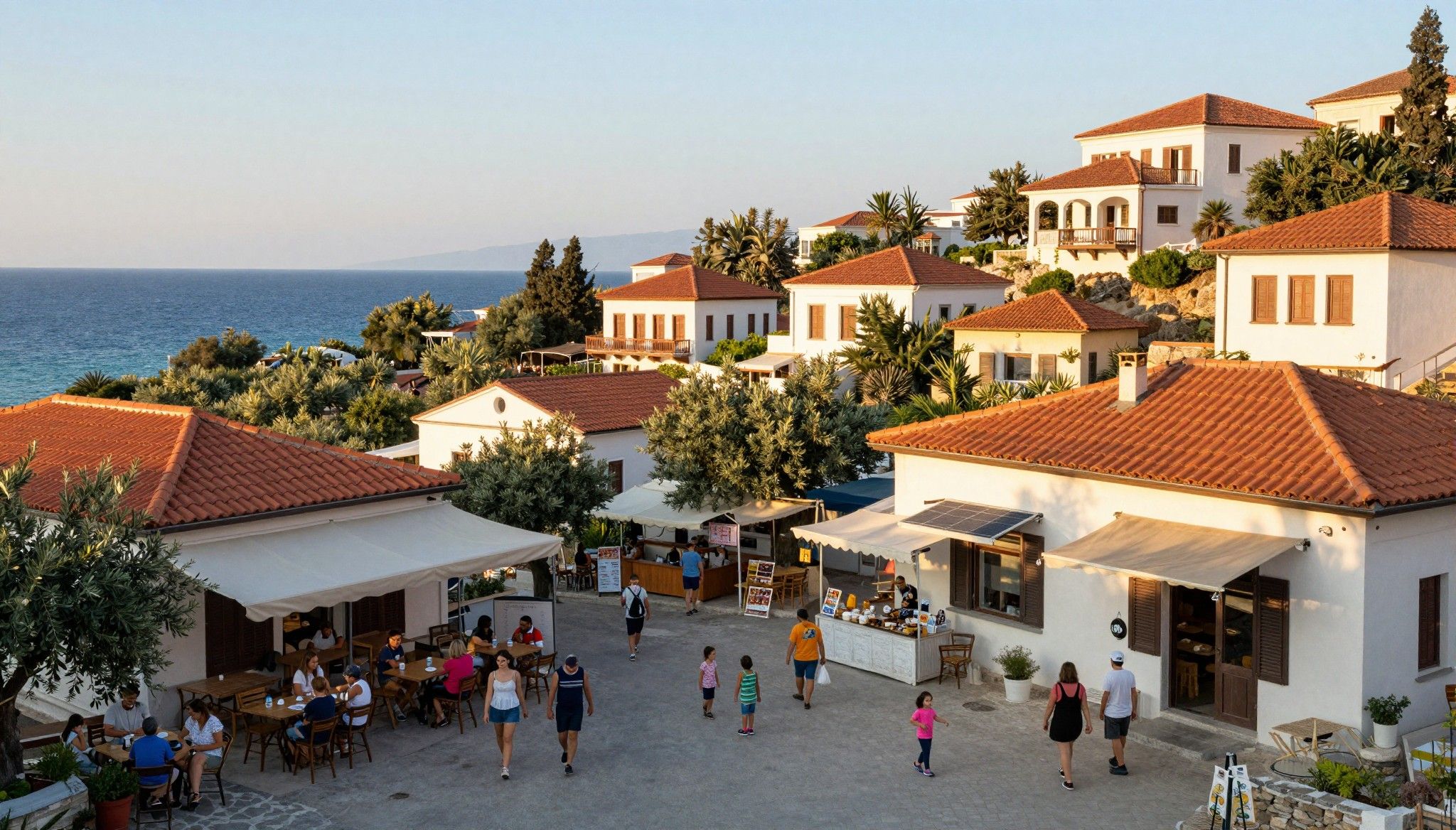
Imagine waking to the smell of strong Greek coffee, stepping onto a stone terrace warmed by morning sun, and seeing solar panels tucked among terracotta roofs while olive trees hum with bees — a way of life where built and wild landscapes share the same breathing room.
Living the Greece lifestyle: sun, sea and quietly green neighbourhoods
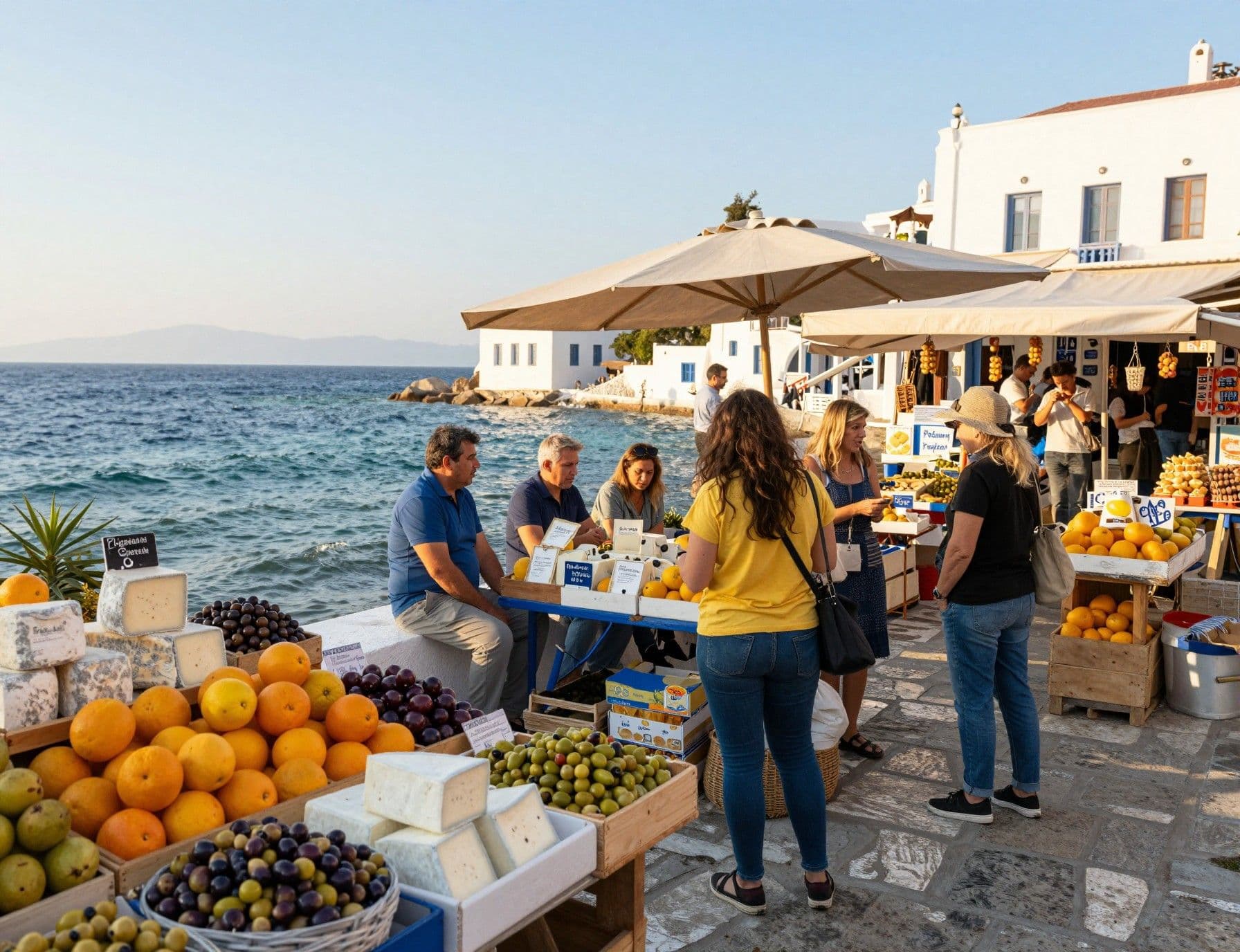
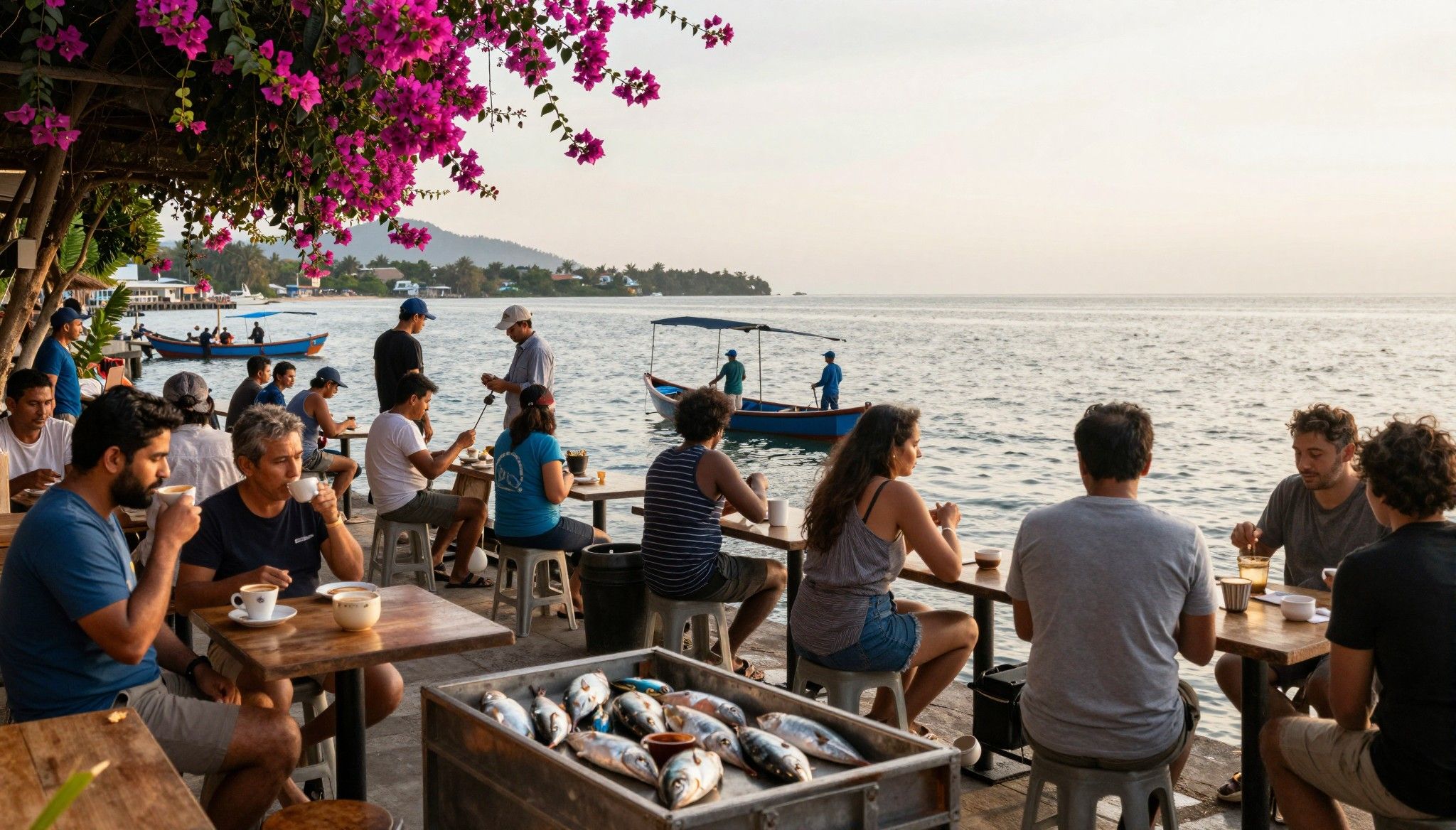
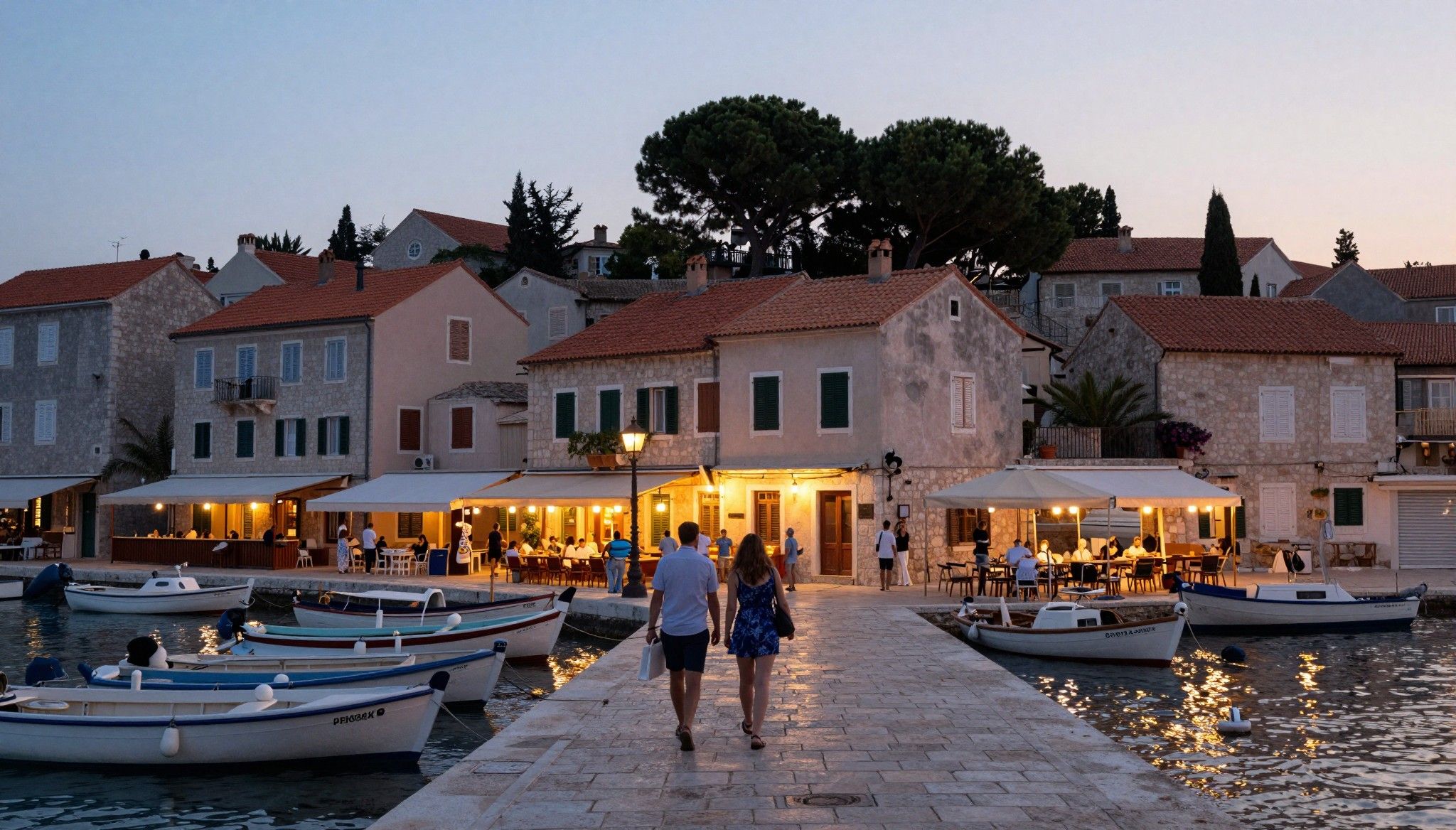
Life in Greece moves at the tempo of daylight and diners. Morning markets on Ermou in Athens or on Voukourestiou’s side streets pulse with farmers’ produce; by late afternoon, tavernas on Serifos and Naxos spill into harbours with families sharing fish and conversation. That rhythm shapes where people choose to live — you buy not only a home, but a daily pattern framed by light, scent and community.
Athens neighbourhoods that feel like villages
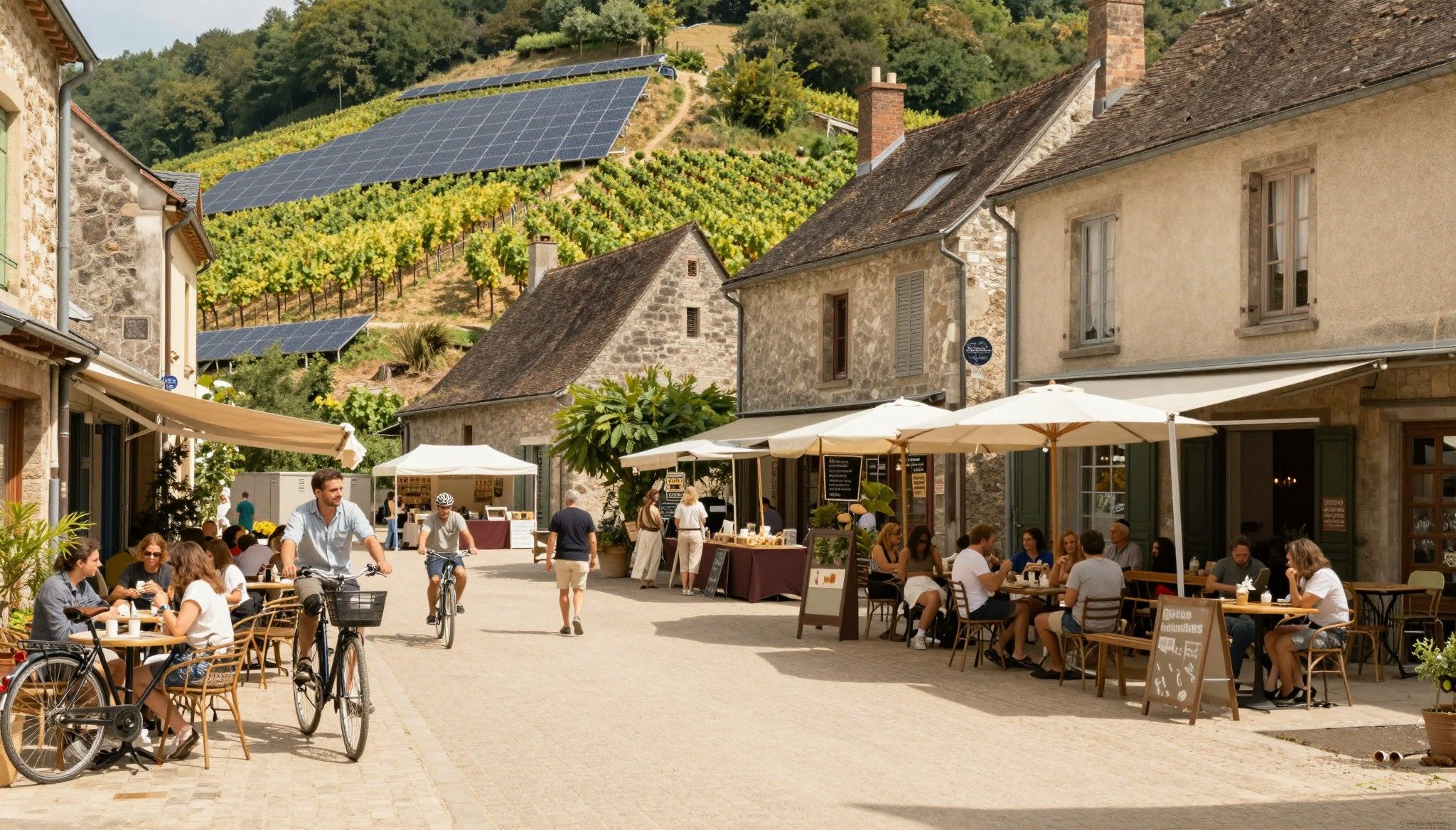
Walk Plaka at dawn for narrow lanes, then cross to Koukaki where rooftop gardens and solar terraces are quietly common. Pangrati offers tree‑lined squares, coffee corners and a surprising number of small co‑working hubs, while Kifisia on the northern hills trades city bustle for green avenues and villas wrapped in mature gardens — every area presents a different pace of life for eco‑minded buyers.
Island life: choices between hush and celebration
From the quiet coves of Ikaria to the architecturally compact lanes of Syros, islands compose a spectrum: some are for languid, self‑sufficient living with gardens and cisterns; others, like Tinos and Crete, blend agricultural traditions with village co‑ops and emerging solar co‑ops that lower running costs for residents.
- Lifestyle highlights you’ll fall for
- Morning markets in Monastiraki and Chania — local cheese, citrus and fresh herbs
- Rooftop terraces in Koukaki with sun traps for winter gardening
- Small cooperatives on Crete and Lesvos offering olive‑oil exchanges and seasonal workshares
Making the move: lifestyle‑first, practical second
Dreams meet paperwork — but the paperwork is easier to handle when you start from how you want to live. Recent building permits and growing new‑build activity show supply is bouncing back in many regions, which can be an advantage for buyers seeking energy‑efficient new homes rather than renovation projects. Understanding supply trends helps you choose where green features are available off the shelf and where you'll need to bring them in later.
Property styles and how they shape daily life
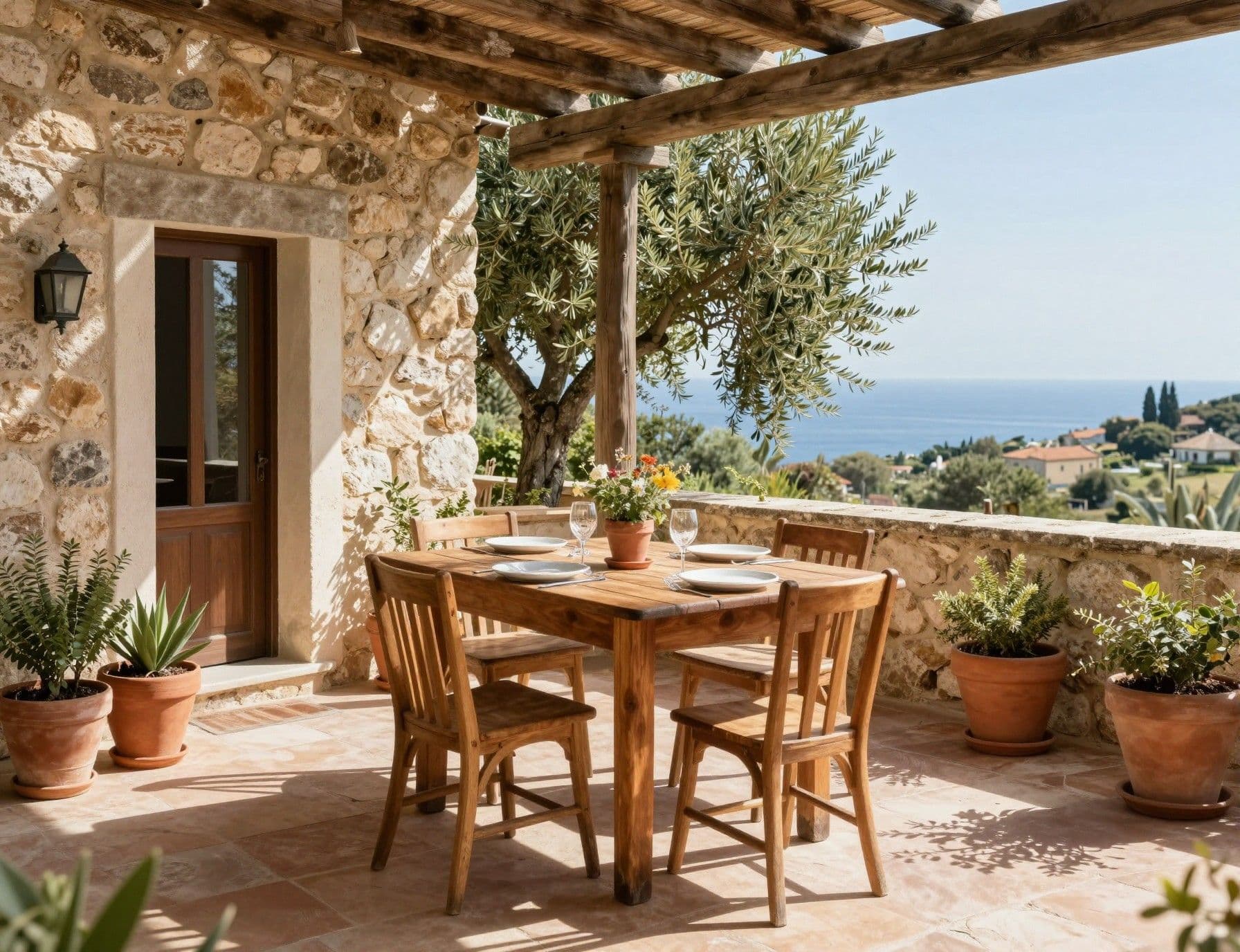
Stone-built island houses feel cool in summer but need careful insulation for damp winters; modern Athens apartments increasingly include heat‑pump ready systems and communal solar in new developments. If low running costs matter, prioritise roof orientation, insulation quality and whether communal PV or battery systems are allowed — these practicalities determine whether a terrace truly becomes a year‑round living room.
Working with local experts who care about green living
A local agent who knows neighbourhood rhythms and permitting quirks will save you months. Look for agencies that can show completed green retrofits, local installers for solar and rainwater capture, and track record working with non‑Greek speakers. Bank of Greece price indices show steady price appreciation in many areas — combining that market view with green upgrade potential tells a fuller story than headline prices alone.
- Steps that blend lifestyle and practical checks
- Visit neighbourhoods at different times (market morning, late afternoon, and after dark) to feel daily rhythms
- Ask sellers for recent energy bills and inquire about roof orientation and shading for solar potential
- Request local quotes for insulation, heat‑pump conversion and battery systems to compare real renovation costs
- Check municipal zoning and recent permit activity to understand future development that could alter light, views or village character
Insider knowledge: what expats wish someone had told them
Expats often arrive enchanted and then notice the small frictions: shops close mid‑afternoon, storms can flood narrow streets, and bureaucratic timelines are measured in weeks not days. Those are manageable when offset by community warmth, abundant local food, and — increasingly — neighbourhoods powered in part by renewables. National data shows rapid growth in renewables, which is reshaping both energy costs and the kinds of homes developers build.
Cultural rhythms and how they change where you live
Language needn’t be a barrier: a few phrases open doors, and community hubs — a kafeneio in small towns or a cooperative market stand — are where friendships form. Expect invitations to local festivals and to share seasonal food; being present and curious is the most reliable way to be welcomed into micro‑communities.
Longer-term lifestyle considerations
Think beyond the house: access to local health centres, winter sunlight for gardens, and whether neighbours share resources (tools, compost, childcare) will determine if a place feels regenerative or merely picturesque. Homes that allow for small-scale food production and water capture age better into sustainable lifestyles than those that only promise views.
- Red flags and green signals to watch for
- Red flag: inconsistent permits or missing energy bills — this complicates retrofits
- Green signal: evidence of communal solar, recent roof upgrades, or rainwater collection in neighbouring homes
- Red flag: neighbourhood over‑tourism that empties villages in low season
- Green signal: active local markets, co‑ops and a visible practice of seasonal living
Conclusion: Greece as a place to belong, not just invest — and next steps
If you dream of a life where morning light and low‑impact living set the day’s agenda, Greece offers landscapes and communities that reward slow, deliberate choices. Start by visiting the neighbourhoods that call to you at different hours, ask sellers for concrete energy data, and work with an agency that values stewardship as much as sale price. The right property will fit your life and the local ecology — it should make you both feel rooted and capable of tending what you love.
Danish relocation specialist who moved from Copenhagen to the Algarve; supports families with seamless transitions, local partnerships, and mindful purchases.