Greece’s Verdant Coasts: Green Homes, Quiet Value
Greece’s verdant coasts hide greener, often cheaper homes than headline hotspots—buy with season‑aware visits, local experts, and phased sustainability upgrades.
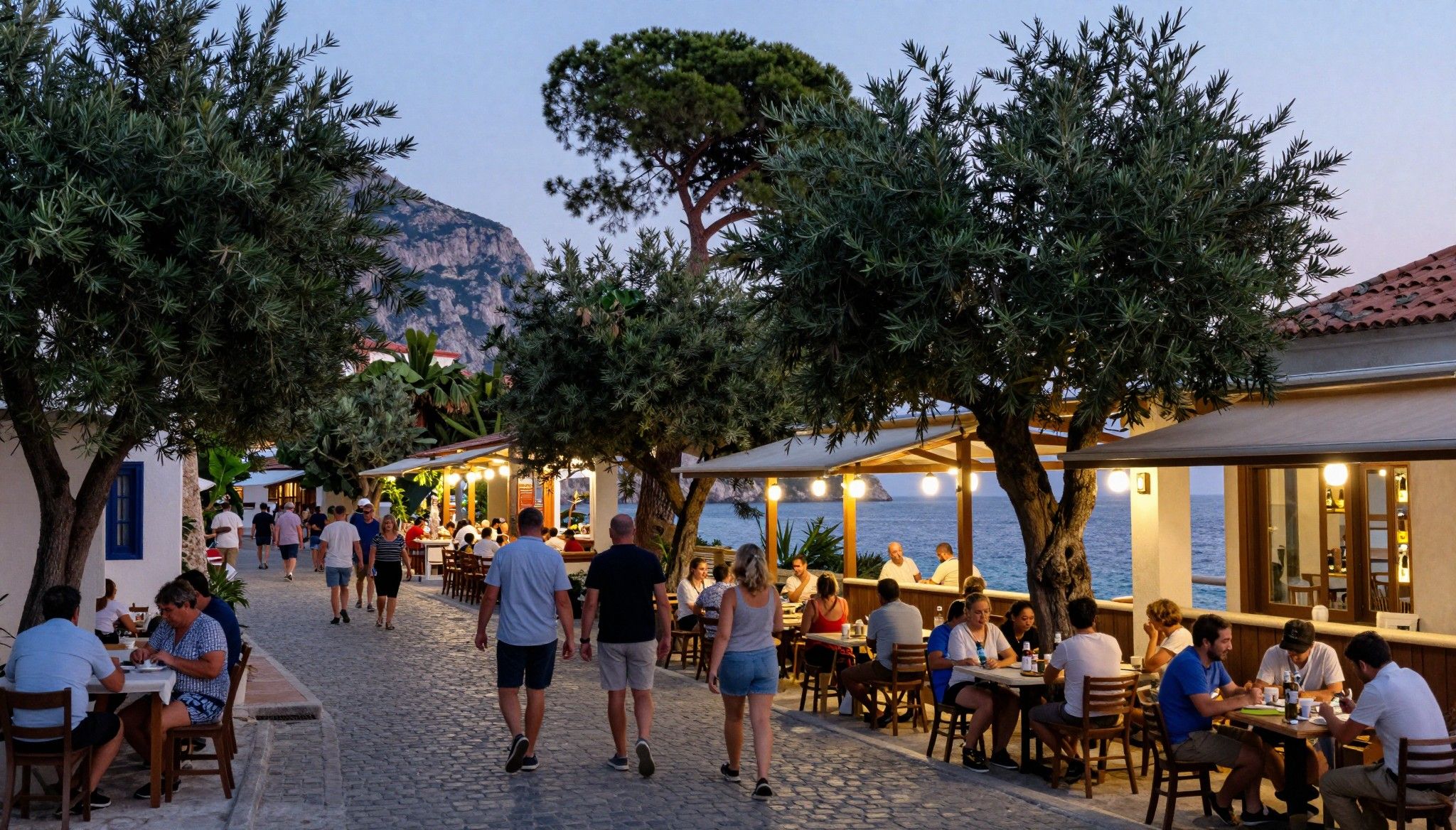
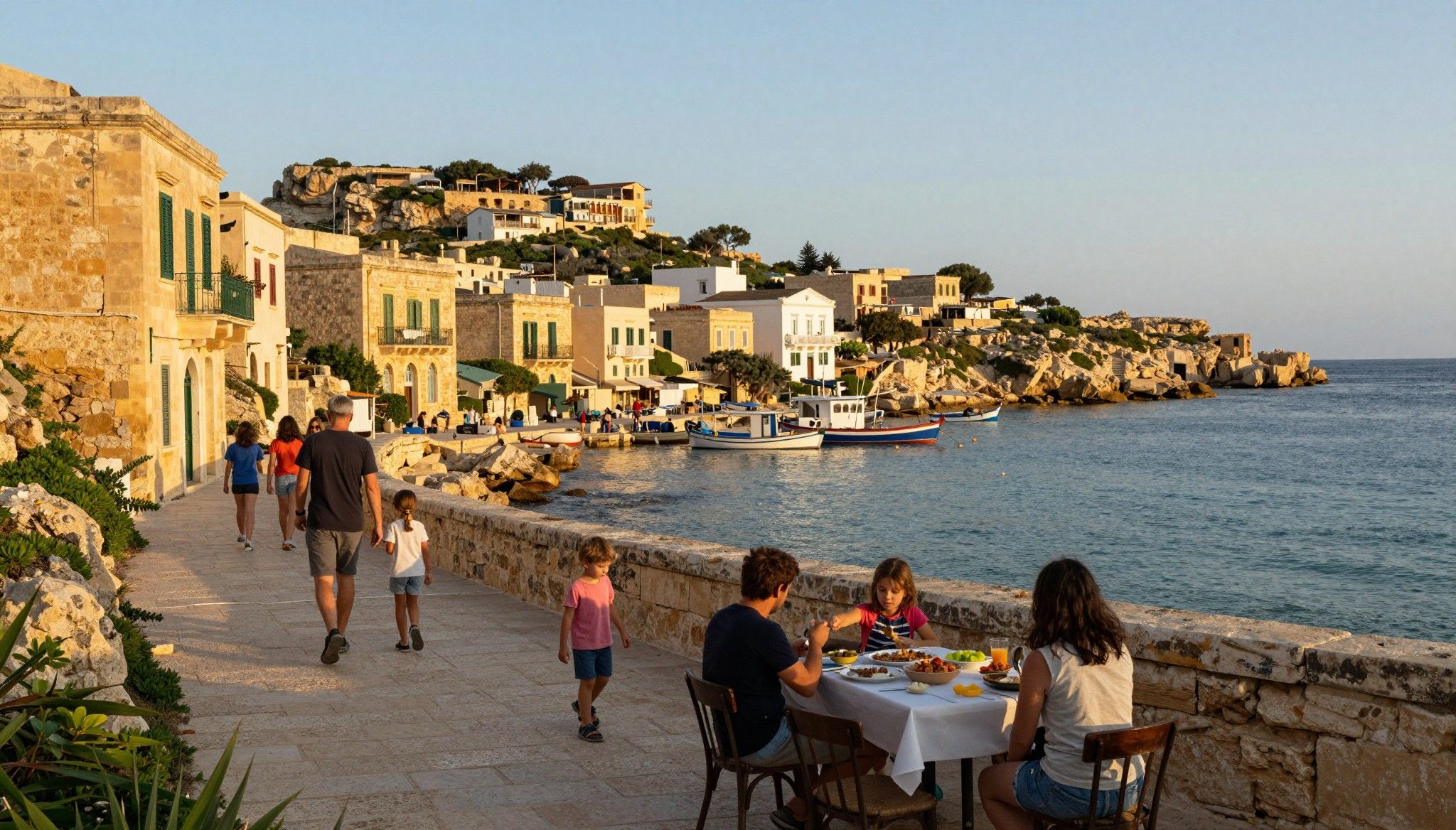
Imagine waking to the light on a rough-stone terrace, the scent of thyme from a neighbor’s roof-garden and the distant crash of surf against volcanic cliffs. Greece’s verdant coastal corridors—where pine forests meet dramatic shorelines—offer a life that feels stitched to the landscape. But beneath that postcard calm is a complex market; recent national price indices show steady rises, yet pockets of real affordability remain for buyers who look past the obvious islands and seaside postcards. (Data: Bank of Greece property price indices).
Living Greece: A Sensual, Seasonal Rhythm
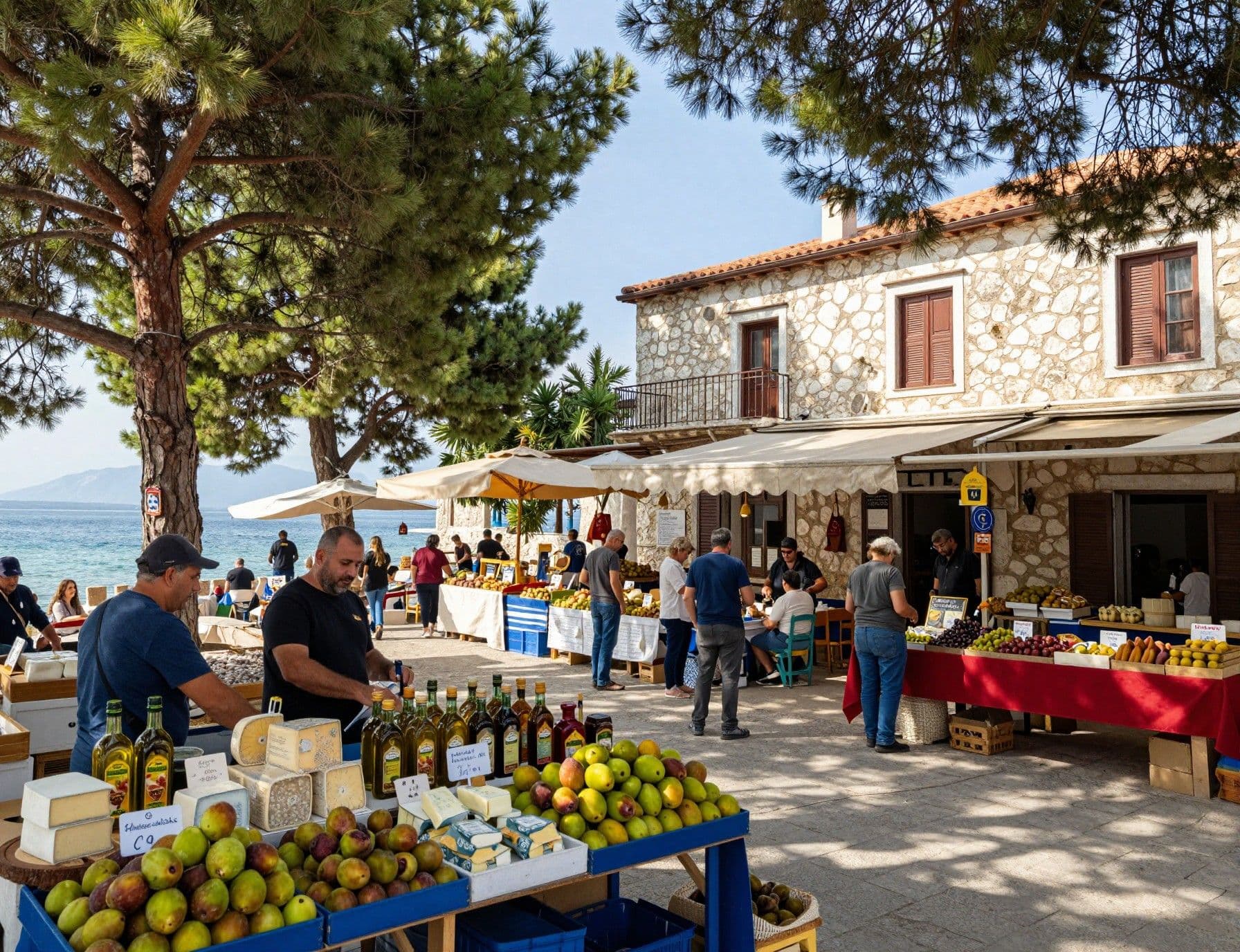
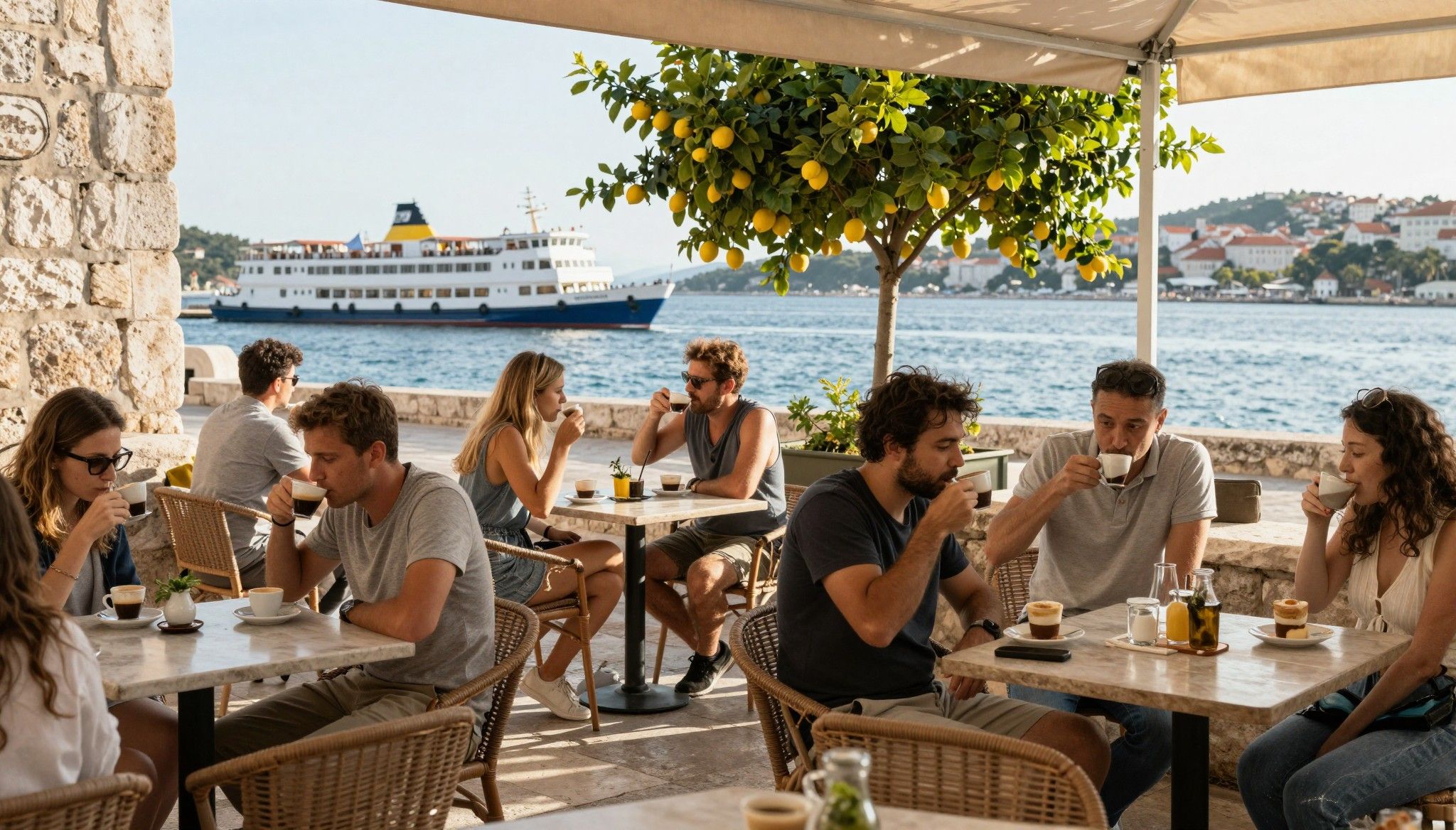
Mornings in Greece move slowly: espresso at a corner kafeneio, baskets of figs at the municipal market, fishermen unloading glistening catch. Summers are full and social; winters breathe quiet and restorative life into villages. The result is a rhythm that shapes how homes are used—outdoor kitchens for long evenings, stone cellars for preservation, and compact, sun‑wise windows to temper heat. These patterns also shape value: seasonal demand concentrates prices in obvious hotspots while quieter, greener coasts—especially parts of Epirus, Pelion and lesser‑visited Cycladic inlets—retain stronger bargains and potential for sustainable living. (Market notes: Savills research).
Coastal forests and cliffside hamlets
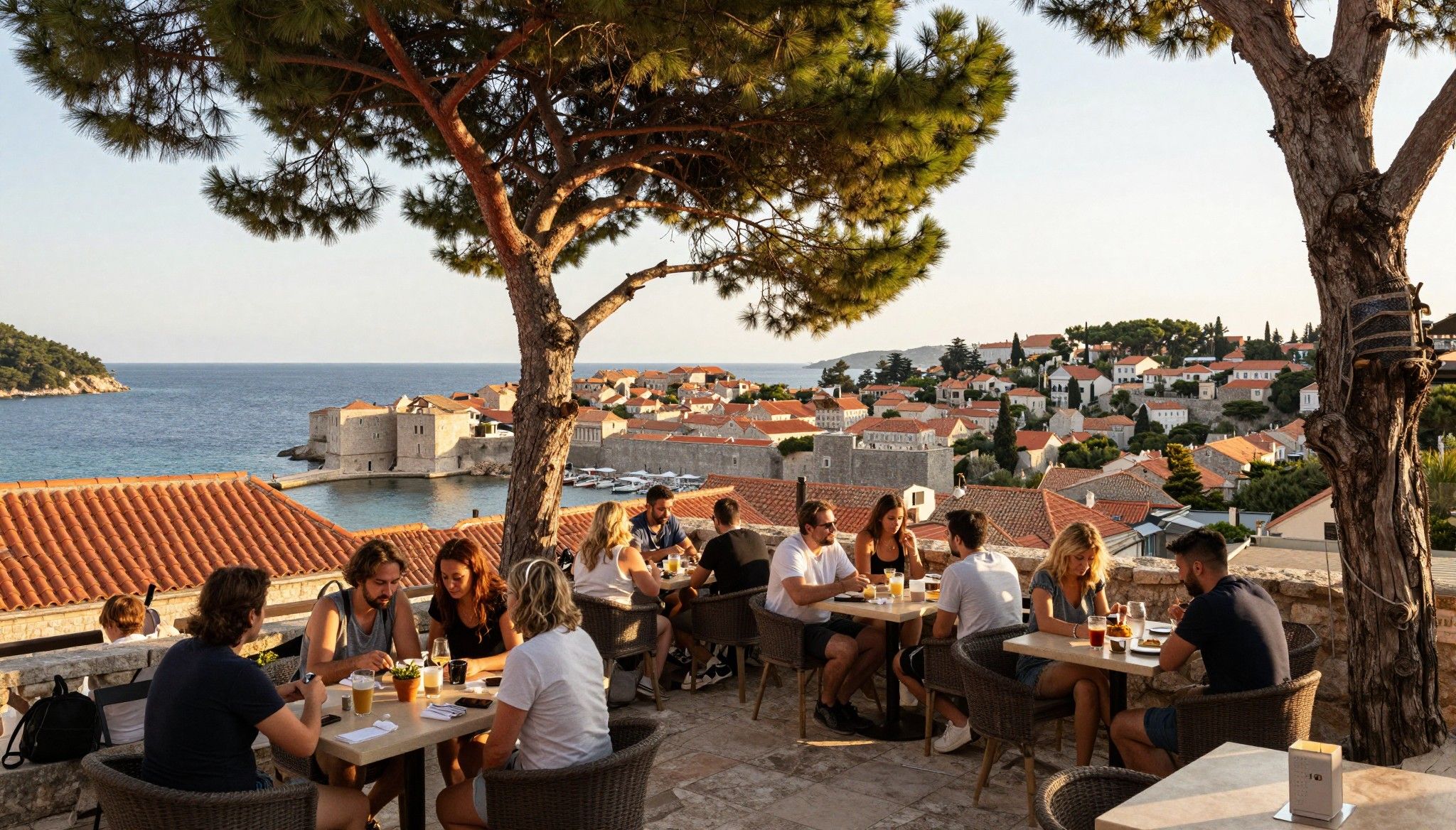
Walk a pine‑fringed trail above the Ionian and you’ll find stone houses with terracotta roofs, rainwater cisterns and terraces planted with olives. These homes are about low‑impact living: passive cooling, local stone, and gardens that feed you. If you prize biodiversity and quiet, neighborhoods along the Mani coast, the hidden coves of Kefalonia and the green slopes of Pelion offer a life that feels both wild and domestic.
Food, markets and micro‑seasons
Every town has its food calendar: oyster seasons on the western shore, mushroom foraging in Thessalian hills, late‑summer tomato festivals. Buying here means fitting your home to those cycles—space for canning, a shady veranda for afternoon naps, and proximity to lively markets such as Varvakios in Athens or the modest Saturday market on Hydra. These micro‑seasons make life delicious and inform the design priorities buyers should seek.
- Lifestyle highlights: morning markets, coastal trails, village kafeneia, seasonal festivals, olive‑press visits, local organic co‑ops.
Making the Move: Practical, Place‑Aware Choices
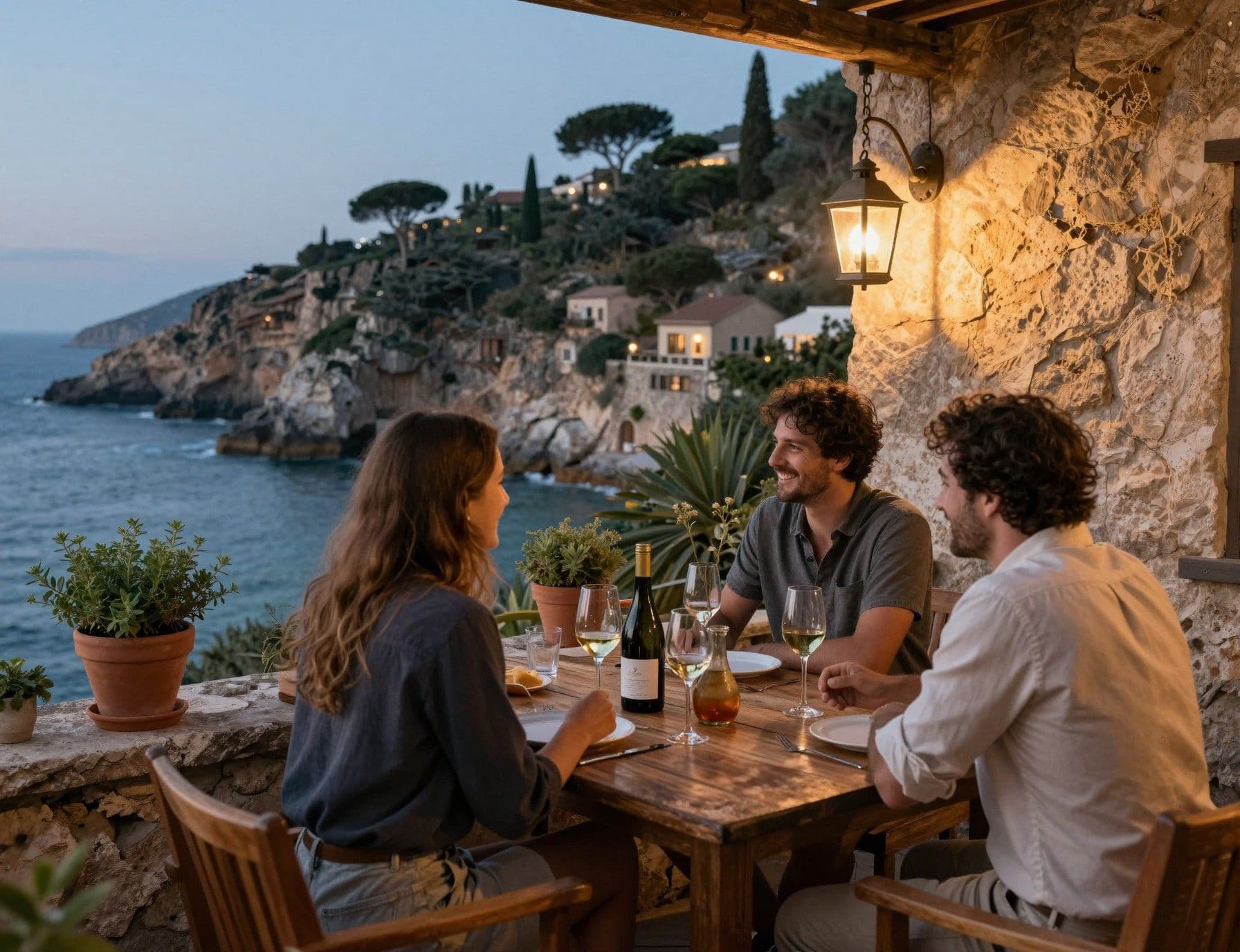
Dreams meet spreadsheets when you begin house‑hunting. National indices confirm prices have been rising—but local variation is wide. Coastal and island hotspots saw sharper increases; inland and forested coastal belts have been slower to follow. Understanding these gradients will help you buy a home that supports an eco‑minded life without overpaying for seasonal glamour. Use national data as context, then zoom in on municipal records and recent sales in the village you love. (See Bank of Greece and RE/MAX reporting.)
Property styles that suit green living
In Greece, traditional stone cottages, renovated farmhouses and low‑rise contemporary villas each offer different ecological footprints. Stone buildings have thermal mass and local materials; renovated farmhouses can be retrofitted with solar and greywater systems; new eco‑builds deliver insulation and PV integration from day one. Think less in square metres and more in adaptability: roof orientation for panels, cistern capacity, and garden space for food and pollinators. Savills notes the market’s maturing stock—older properties often reward sensitive upgrades.
How local experts bring the lifestyle to life
- 1. Start with an agent who knows rivers, olive groves and seasonal access—ask for recent homes within walking distance of a market, not just sea view. 2. Request an energy walk‑through: ask about insulation, water systems and microclimate risks (erosion, exposure). 3. Insist on recent sale comparables in the specific village or municipal unit, not the whole island. 4. Plan for phased upgrades: buy the intangible (location, microclimate) and stage sustainability improvements over 12–24 months. 5. Check local planning rules—coastal setbacks and protected landscape zones can limit additions but preserve natural value.
Insider Knowledge: What Expats Wish They’d Known
Expat life here is richly social but also quietly bureaucratic. Neighbors matter; introductions through local kafeneia, municipal offices and church festivals smooth practical tasks. Many buyers underestimate the time it takes to convert a seasonal renovation into a year‑round home—permissions, utility upgrades and community acceptance all matter. Local legal advisories advise measured timelines and trusted local counsel to avoid surprises (legal note: consult a local law office for specifics).
Cultural rhythms and community codes
In many villages, the rhythm of social life flows from church festivals, harvests and market days. Learn a few Greek phrases, show up to community clean‑ups and buy from local producers—these small gestures open doors. Also, expect a flexible sense of time; meetings can run long and renovations may pause around August and Easter. That’s part of the charm, but it affects project timelines and expectations.
Longer view: stewardship, not speculation
For buyers drawn to Greece’s green coasts, think like a steward. Prioritize properties that protect soil and water, can integrate renewables and support local biodiversity. Over ten years, well‑stewarded homes in stable towns often outperform flashier holiday investments because they remain in community use, require fewer drastic retrofits, and retain authentic appeal to responsible renters and future owners.
- Red flags to watch for: missing cadastral records, fragile coastal permissions, seasonal-only access roads, limited winter services, properties without water storage.
- 1. Visit in two seasons—late spring and late autumn—to test microclimate and community life. 2. Commission a local surveyor and a simple energy assessment before signing. 3. Budget for phased sustainability upgrades (solar, insulation, water systems) as part of purchase planning. 4. Choose an agency that can introduce local craftsmen and municipal contacts.
Conclusion: Greece offers a rare mixture of wild landscapes and village life that reward patience and local knowledge. National indicators show a market that has moved from rapid growth toward steadier, place‑specific value—an opportunity for buyers who cherish ecology, community and long‑term stewardship. Your next step: visit outside high season, work with an agency steeped in local green living, and plan upgrades that honour the land as much as the home. (Sources: Bank of Greece; Savills; RE/MAX reporting.)
Dutch property strategist who helped 200+ families find sustainable homes in southern Europe; expert in legal pathways and long-term stewardship.