Why Autumn House‑Hunting in Croatia Finds Greener Value
Why house‑hunting outside summer in Croatia often finds greener value: seasonal rhythms, local markets and legal realities shape sustainable buys.
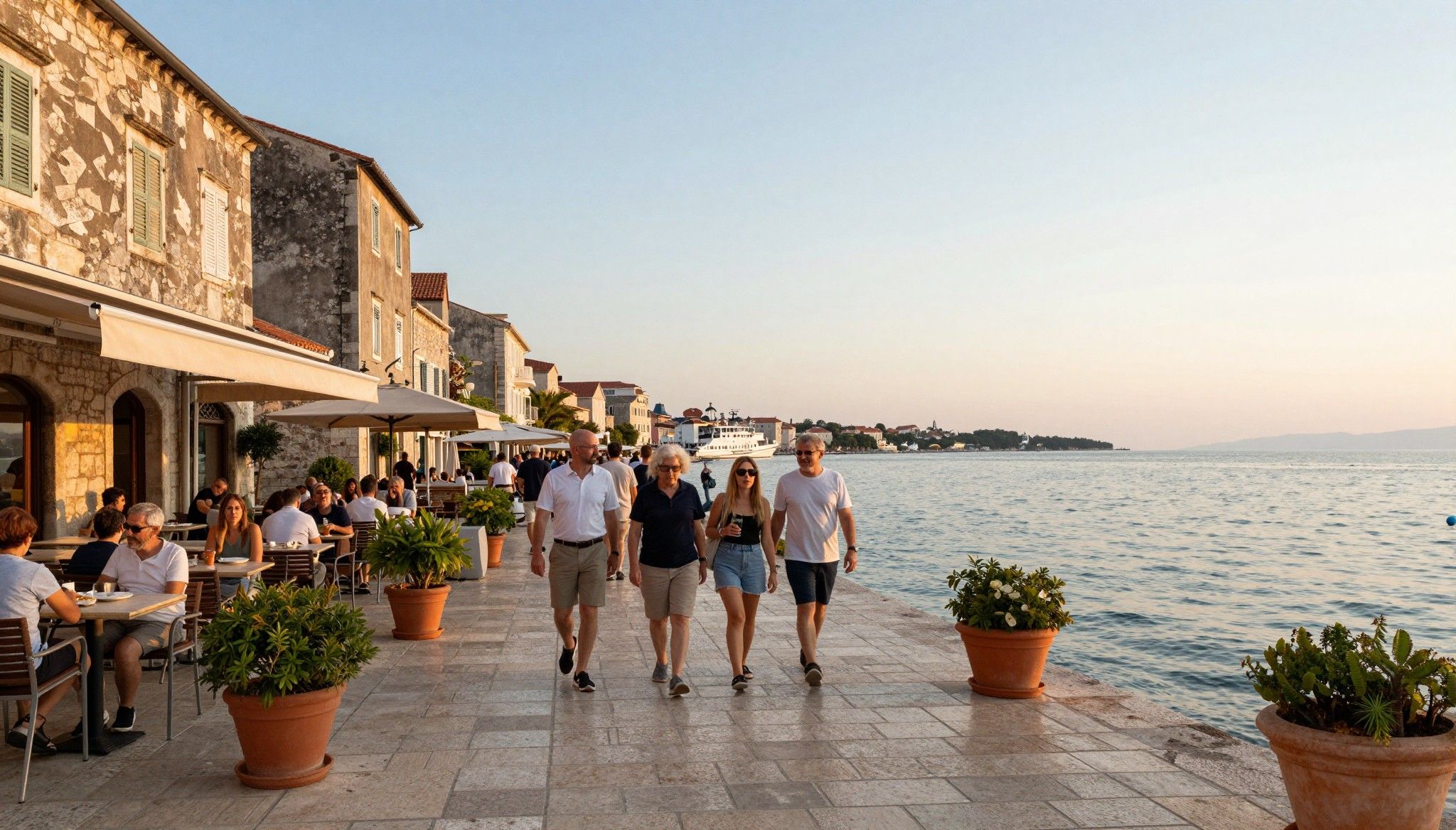
Imagine the Adriatic at dusk: small boats tapping gently against a stone quay, a bakery on a sun-warmed corner releasing the scent of rozata and fresh bread, and a quiet lane behind the waterfront where olive trees shade renovated Dalmatian stone houses. This is Croatia lived slowly — not a postcard of relentless summer crowds, but a rhythm of seasons, markets and community that shapes how a stewarded home performs and feels.
Living the Croatia lifestyle
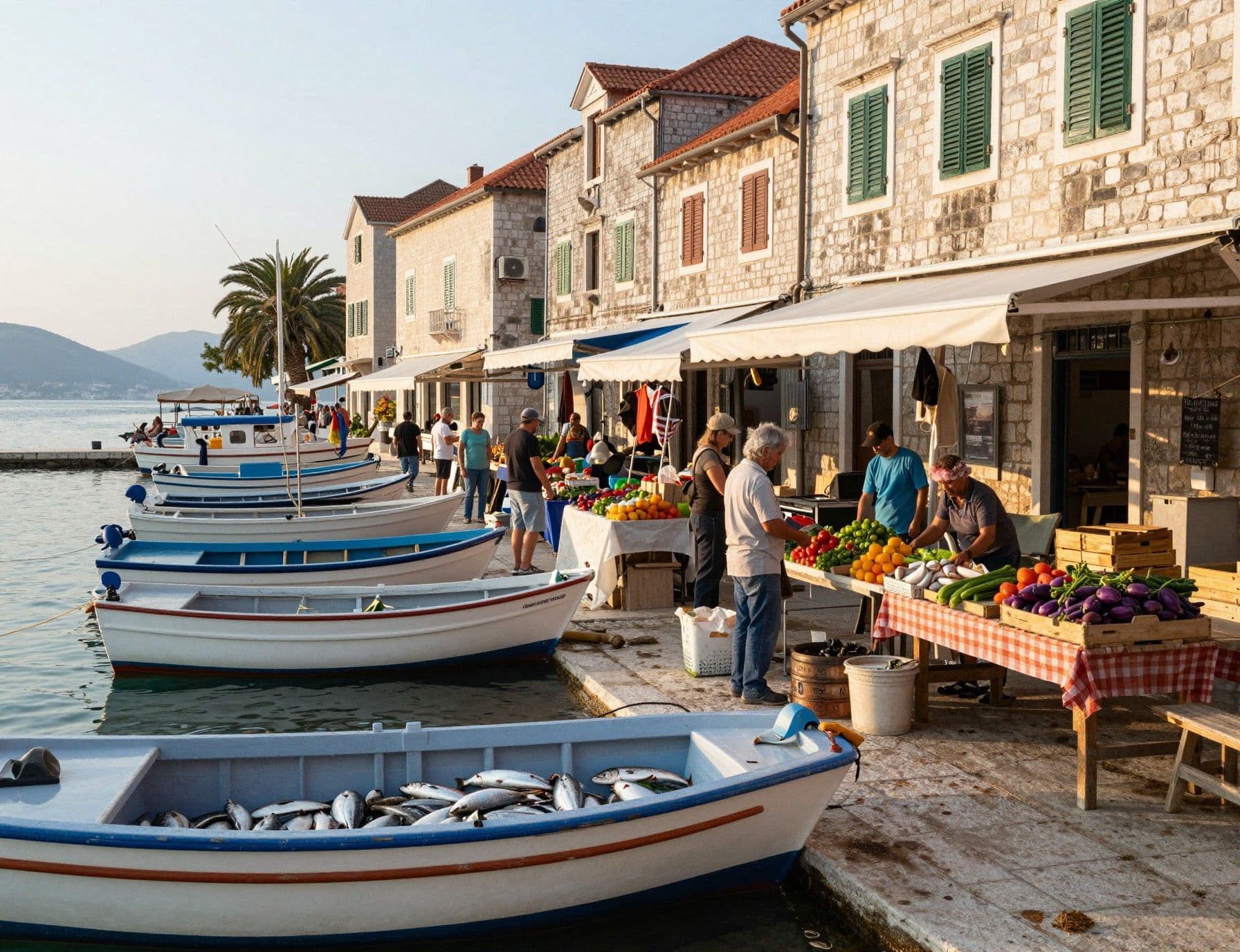
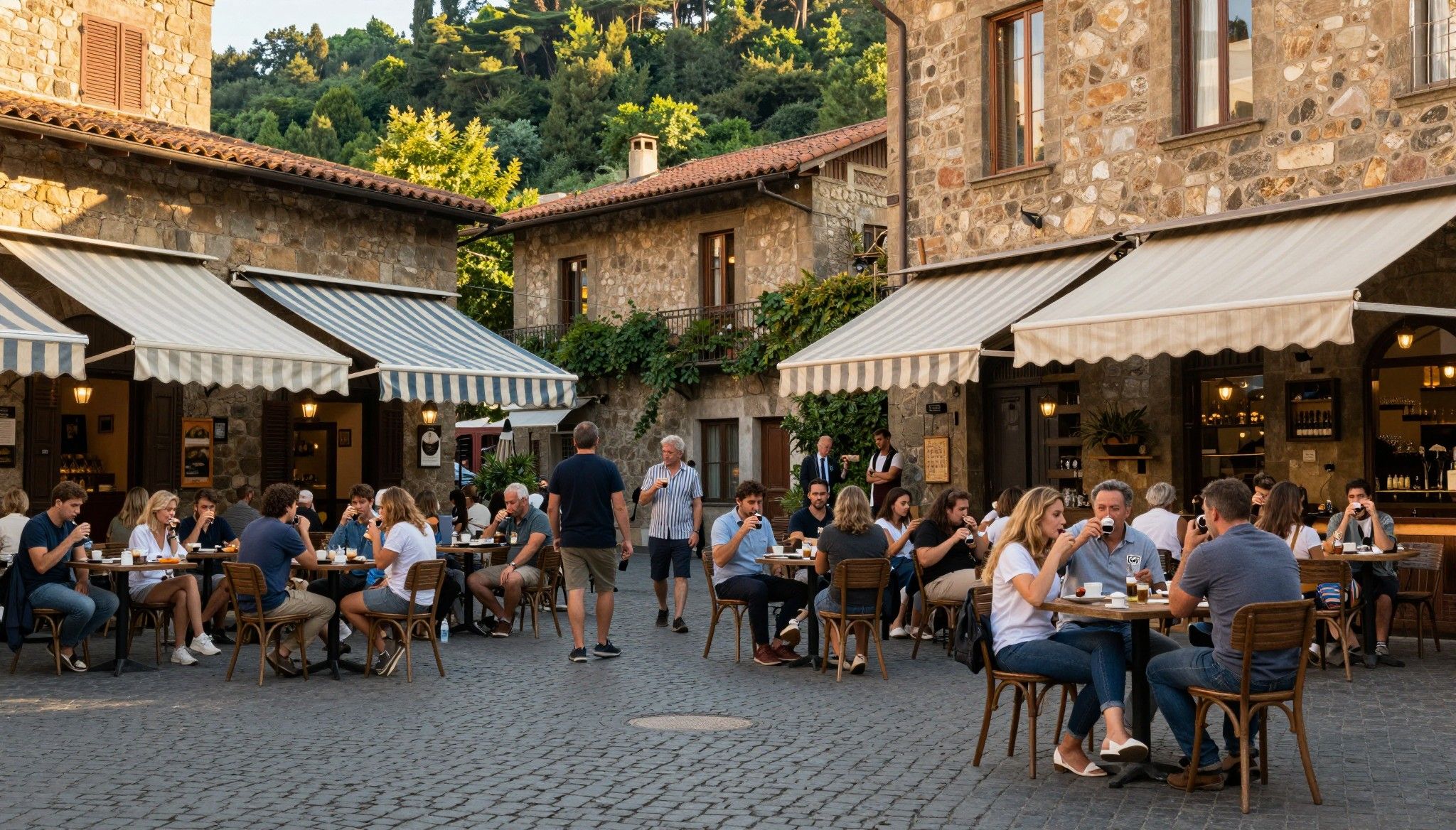
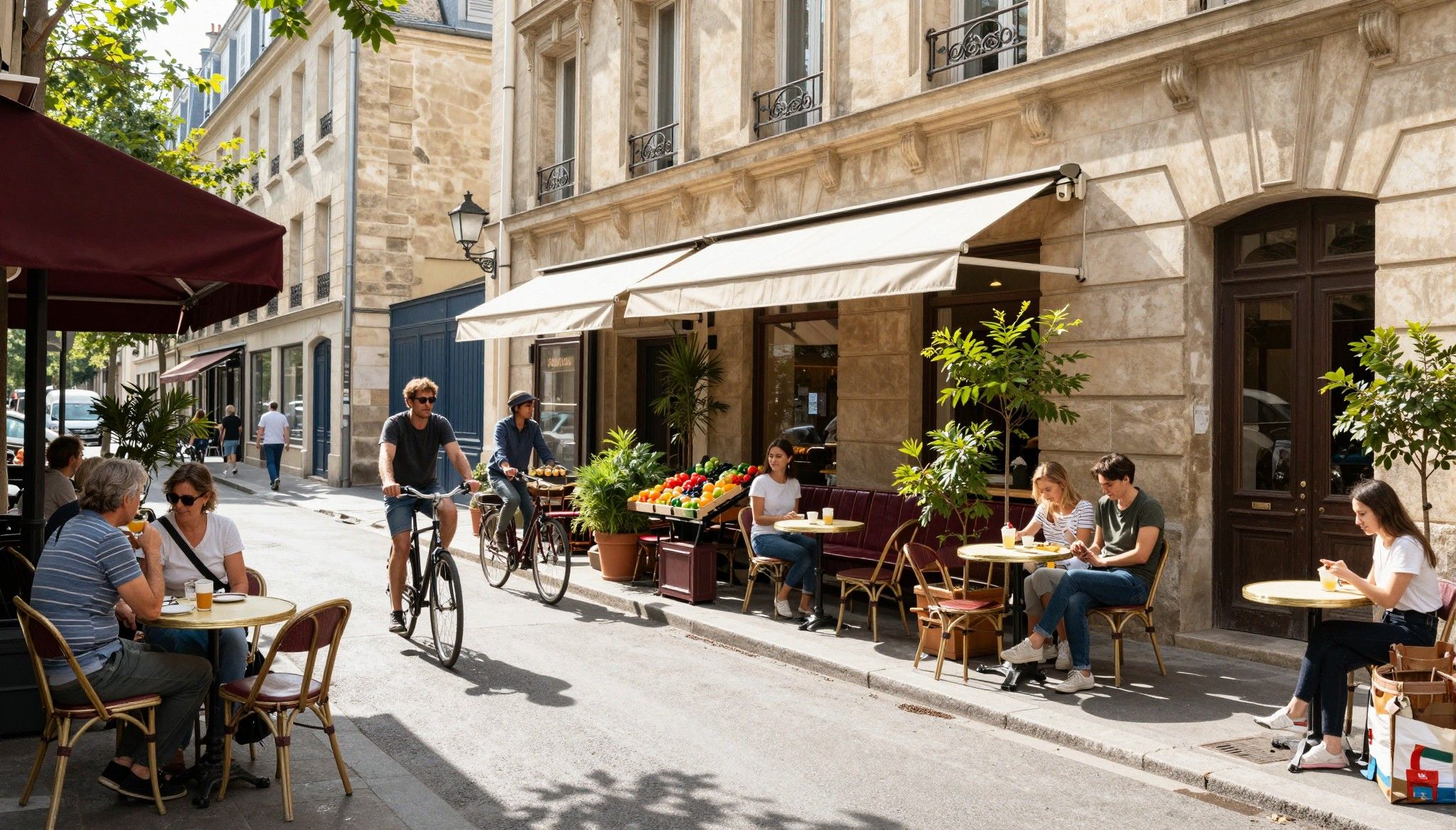
Daily life in Croatia folds Mediterranean warmth into Central European steadiness: morning espressos in neighbourhood konobas, midweek open-air markets selling sun-ripened figs and fresh fish, and long autumn walks through pine-scented hills. The country’s house price index shows steady long-term growth, but the lived experience — which neighbourhoods hum year-round and which melt into tourist-season quiet — is what determines whether a house becomes a home or a brief investment.
Coastal pockets and inland calm
Split’s Varoš lanes, Zadar’s riva mornings, Hvar’s lavender-scented alleys and Šibenik’s small‑scale coves all feel different at dawn and dusk. Inland, Istria’s hilltop towns like Motovun offer truffle-season intensity and small farmer markets; near Zagreb, leafy neighbourhoods such as Maksimir let you sip coffee next to park pathways. Each place dictates the lifestyle your property must support: terraces for evening breezes, thick stone walls for thermal comfort, or a small olive grove for seasonal rituals.
Food, markets and ritual
Weekends orbit around markets: fish markets in Rijeka and Dubrovnik’s early-morning stalls set the week’s menu, while Istrian konobe celebrate slow food and local wine. For eco-minded buyers, this market culture means you can lean on local supply chains — seasonal produce, small-batch olive oil, and artisan cheeses — when designing a low‑impact household that values local cycles.
- Sea-to-table breakfasts, autumn truffle hunts, island ferry rituals, community konoba nights, market mornings, olive-harvest volunteering
Making the move: practical considerations
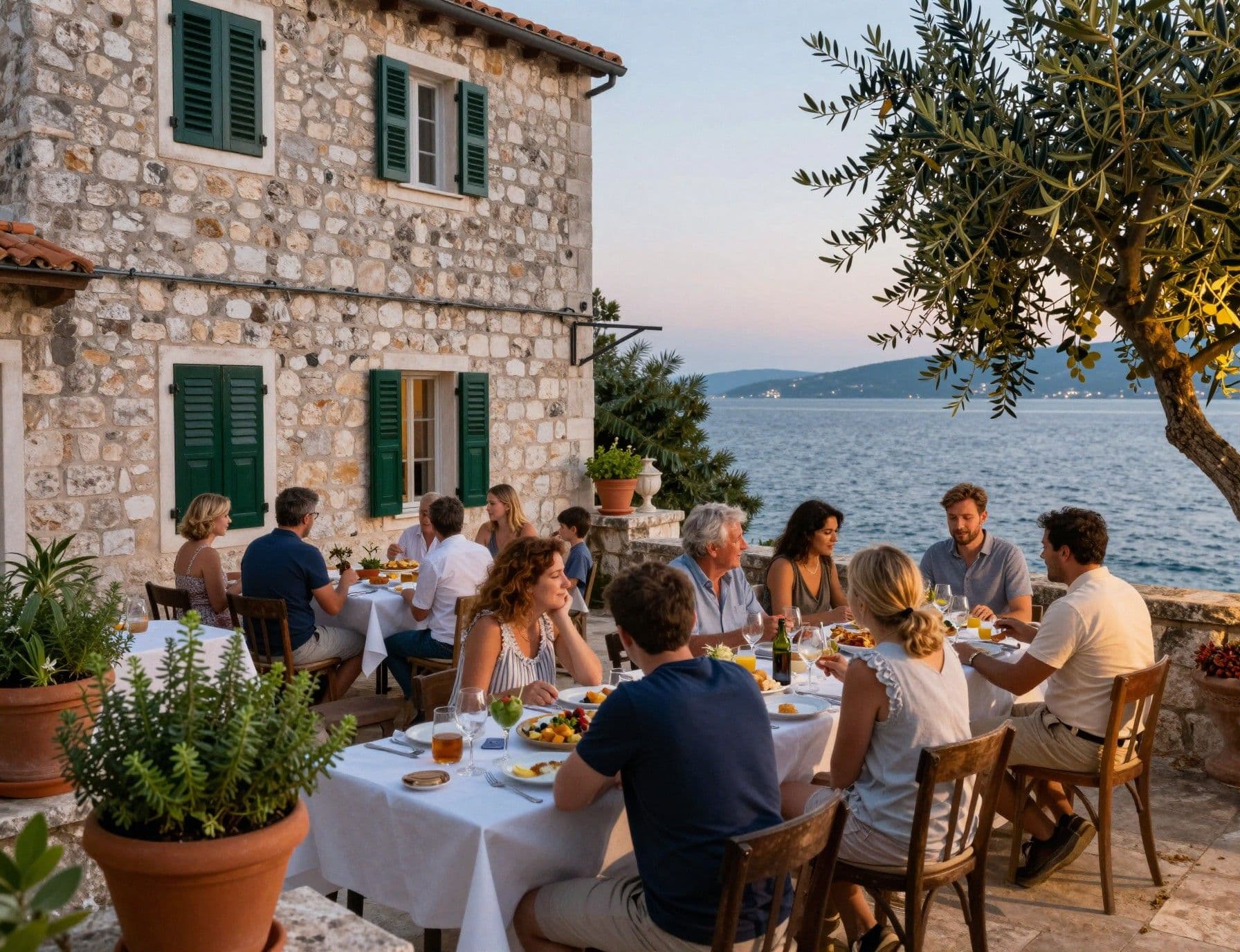
Dreaming of cobbled streets and sea views is the easy part. The practical steps — who can buy, where you’ll get permissions, and what the seasonal realities will cost — are what protect that lifestyle. Croatia’s rules are friendly for EU/EEA citizens but often need ministerial consent for non‑EU buyers; understanding these distinctions early saves months of delay and lets you plan a purchase that matches your stewardship goals.
Property styles that suit eco-living
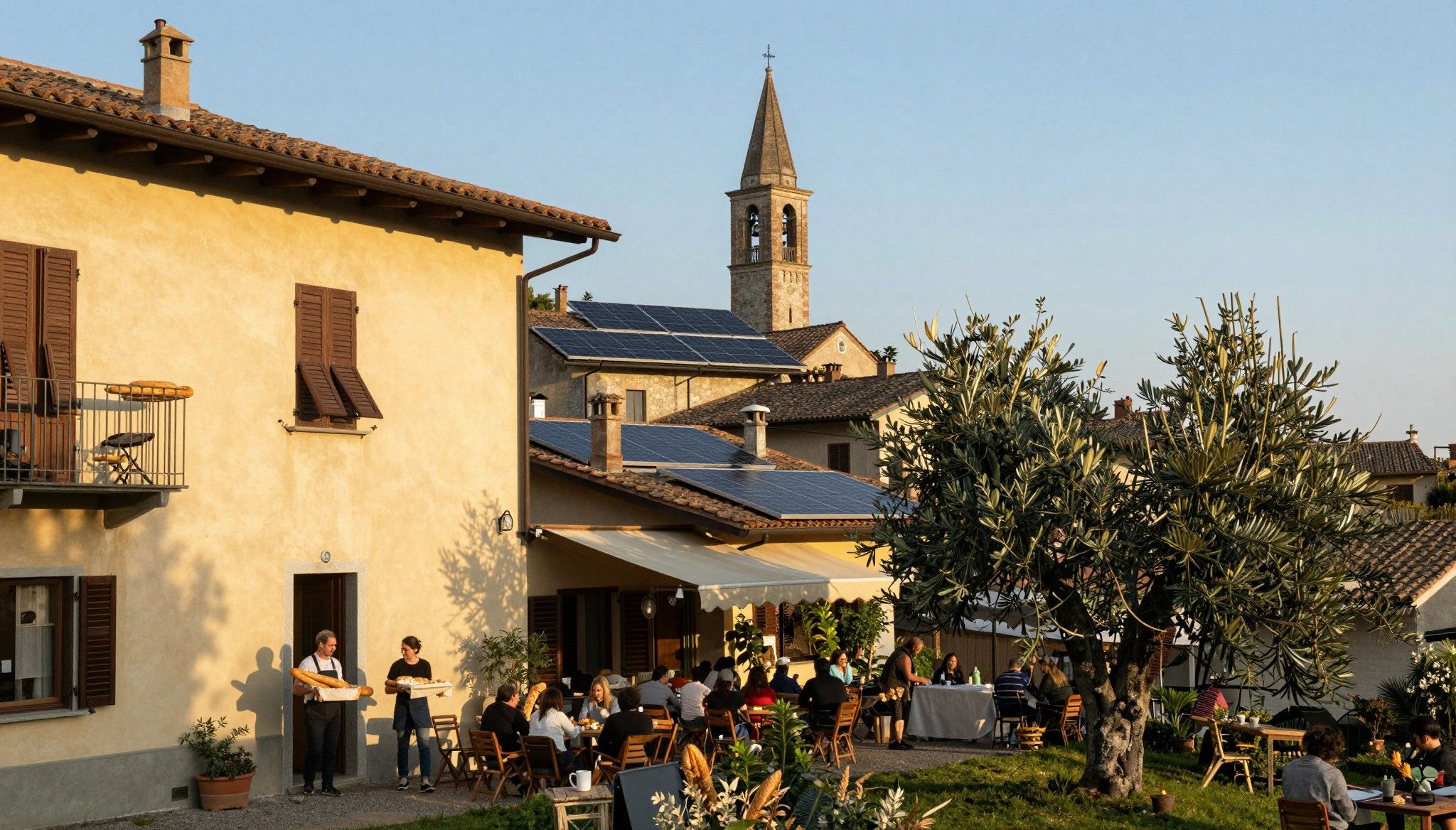
Stone village houses, renovated coastal villas, and low-rise new builds each carry different ecological potentials. Thick stone walls are naturally thermally efficient; south-facing terraces can host solar arrays and small edible gardens; and new low‑rise developments often include modern insulation and greywater systems. Match the architecture to your climate goals — an Istrian farmhouse is a different sustainability project than a seaside villa on Pelješac.
Working with local experts who know place
Choose agents and lawyers who speak both languages of law and lifestyle. The right agency will point not just to compliant titles and permits but to neighbourhood microclimates, reliable winter sun exposure for panels, and community initiatives such as municipal composting. Ask agencies about local contractors experienced in traditional stone repair and modern low‑energy retrofits — these profiles matter when you want a home that’s both beautiful and responsible.
- 1. Identify the lifestyle you want (coastal mornings, inland harvests, city weekends). 2. Shortlist three neighbourhoods and visit off‑season to test rhythms. 3. Ask local agents about energy performance, water access and reuse options. 4. Engage a notary and lawyer familiar with foreign-purchase approvals. 5. Budget for seasonal upkeep (roofing, shutters, irrigation) and green upgrades.
Insider knowledge: what expats wish they'd known
Many expats say their biggest surprise wasn’t the paperwork but seasonality: towns that feel empty in November spring back to life by March thanks to local festivals, olive harvests and returning families. That seasonal heartbeat affects rental potential, neighbour availability and community projects — all important if you plan to steward your property or rent it sustainably when away.
Cultural integration and everyday life
Learn a few Croatian phrases, show up at market stalls and local events, and you’ll be invited into the informal networks that keep neighbourhoods lively. Hospitality is earnest and local; neighbours help with small repairs, tradespeople are relationship-driven, and local committees often drive sustainability projects such as community gardens and beach clean-ups.
Long-term stewardship and value
Think beyond resale. A home that embraces olive groves, rainwater capture, passive cooling and local materials will cost less to run and feel rooted to place. In Croatia, investing in traditional materials and local craftsmen often appreciates the home’s social as well as financial value — neighbours see it as a contribution to the village’s long-term character.
- Ask about: winter heating needs, roof and shutter condition, access in off‑season, local recycling rules, water rights and irrigation, proximity to farmers’ markets
If Croatia feels right, the next step is practical: visit in shoulder season, interview agencies with environmental sensibilities, and ask for a local‑based sustainability checklist. For non‑EU buyers, confirm whether ministerial approval or purchase via a Croatian company will be faster. A considered approach lets you buy not just a property, but a life aligned with place.
Ready to see how Croatia fits your life? Start by picking three neighbourhoods that match your daily rituals, schedule off‑season visits, and connect with local agents who understand low‑impact homes. Small choices — a south-facing window, a rainwater tank, a local mason — add up to a lifetime of better living here.
Danish relocation specialist who moved from Copenhagen to the Algarve; supports families with seamless transitions, local partnerships, and mindful purchases.