Italy: Season‑Rich Living and Stewardship‑First Buying
Fall in love with Italy’s seasons, markets and craft culture — then buy with stewardship: research-backed tips and local checks for sustainable living and sound purchases.
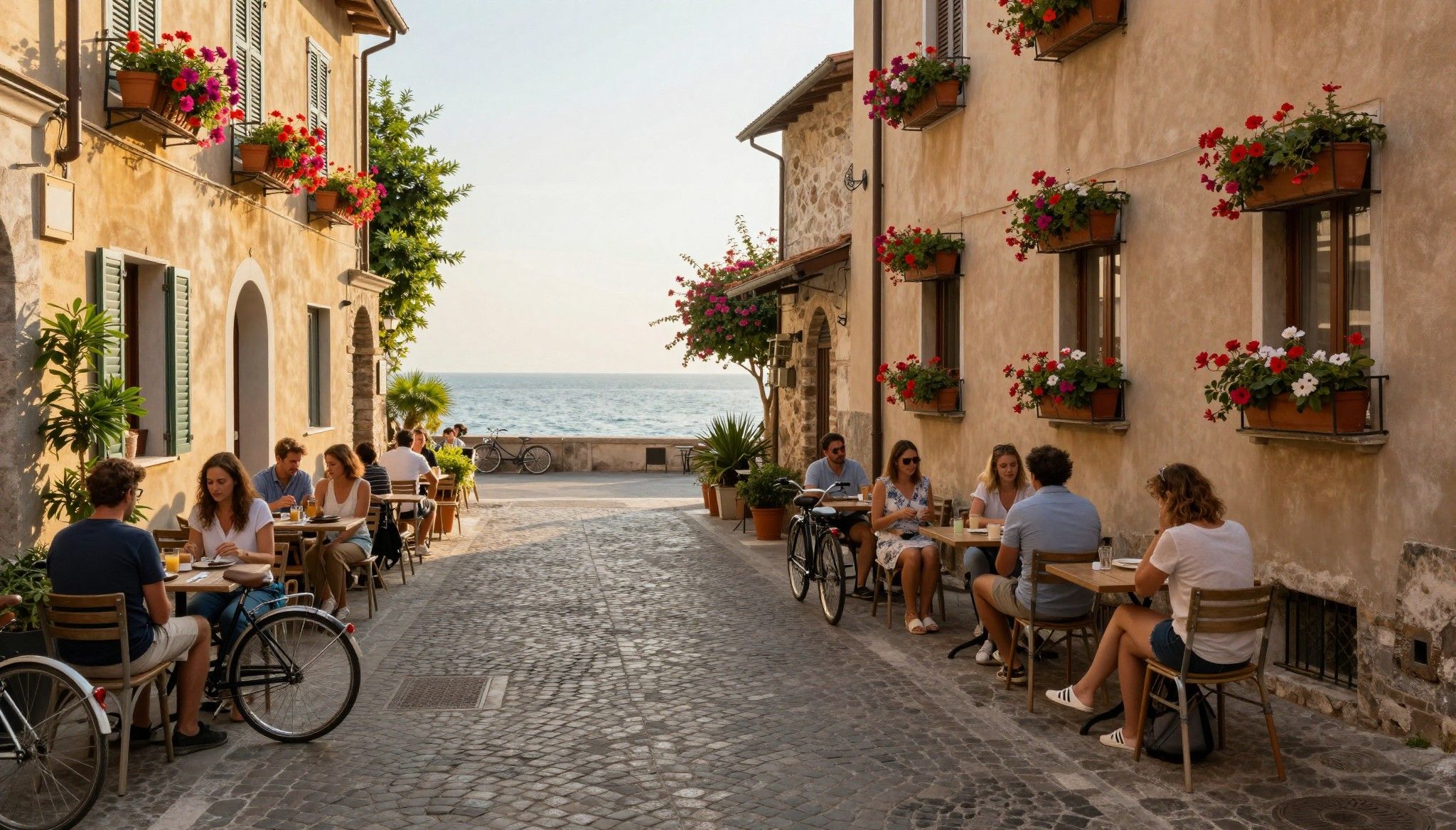
Imagine waking to bell chimes in an old stone piazza, picking up warm focaccia from a corner forno, then cycling past terraced olive groves toward a turquoise stretch of coast. That rhythm — slow mornings, intense community life, and a deep attachment to seasons — is how many internationals find Italy feels like home. But lifestyle and market reality are entwined here: regional price gaps, historic rules, and seasonal living change how a dream becomes a sensible purchase. Below I blend sensory local life with research-backed market notes so you know what you’re buying into — and why.
Living the Italy lifestyle
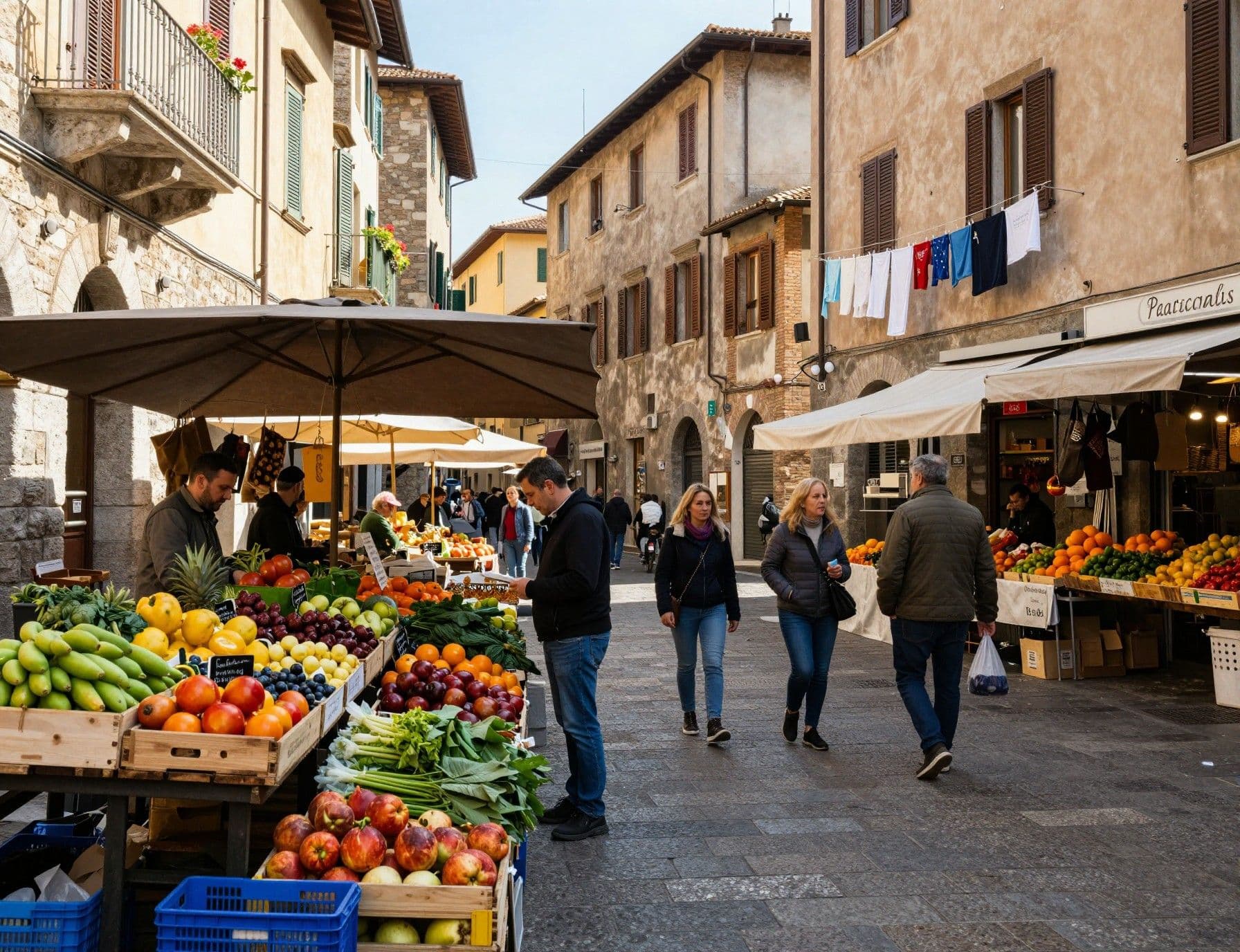
Italy is not one place but a dozen: marble-lit northern lanes, sun-baked central hill towns, and wild southern coasts each keep their own tempo. Daily life is tactile — market stalls, neighbourhood bars where the barista knows your name, and community festivals that reshape a town for a weekend. For green-minded buyers, the everyday also includes small-scale gardens, terrace-grown herbs, and renovations that favour stone, reclaimed timber, and passive shading. These lived textures inform which property types really work for your life here.
A few signature neighbourhoods to picture
In Milan’s Brera you’ll smell espresso and leather; narrow streets host ateliers and late-night aperitivo culture, ideal for those who want design, transit, and compact green courtyards. In Florence’s Oltrarno, artisans still hand-finish wood and leather — craft culture bleeds into daily life and small-town rhythms within a city. On the Amalfi Coast, towns such as Praiano and Minori trade the postcard bustle of Positano for gentler coves, terraced lemon groves, and a year-round fishing community. Each neighbourhood’s feel suggests different property priorities: insulation and courtyard gardens in the north, passive cooling and rainwater capture in the south.
Food, markets and seasons that shape days
A Saturday in Italy often begins at the mercato: stalls heavy with citrus in winter, wild asparagus in spring, and late‑summer tomatoes that taste like sunlight. Dining is local — from tiny seafood osterie on Sicily’s coast to hearty polenta in Veneto — and this influences how people use kitchens, terraces and storage spaces. If you crave a farm-to-table life, look for homes with balcony gardens, space for a cold cellar, and proximity to cooperative markets or small producers. The seasonality of supplies makes seasonal living an asset rather than an inconvenience.
- Market & food rituals: weekly mercados, neighbourhood bakeries, seasonal festivals (sagre), and produce co-ops
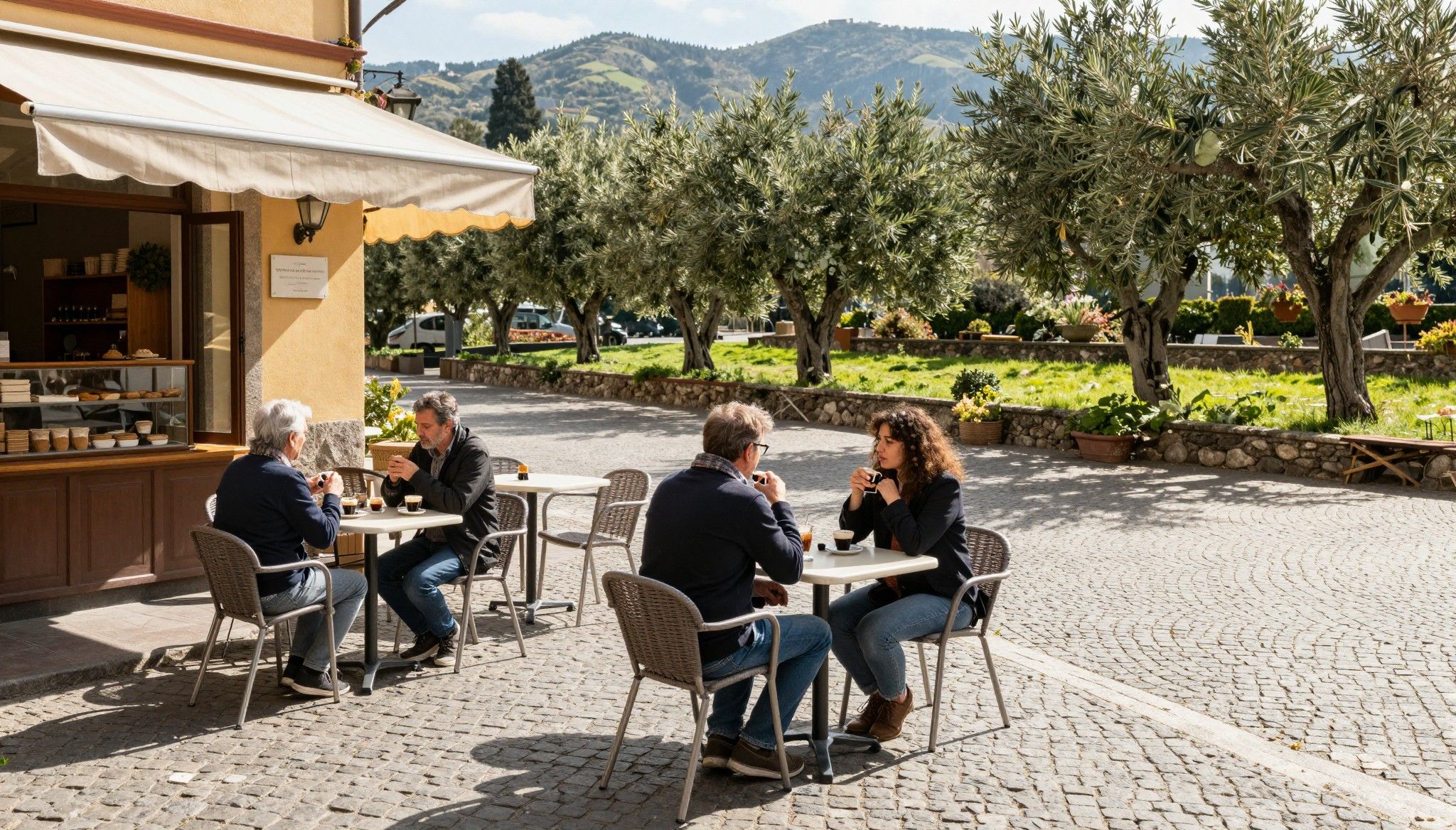
- Outdoor life: village piazzas, coastal walks (e.g., Cinque Terre paths), and communal olive-press weekends
- Craft culture: leather workshops in Florence, ceramics in Deruta, and mosaic traditions that shape interiors
- Seasonal rhythms: truffle season in Umbria, citrus harvests in Calabria, wine vendemmia in Tuscany
Making the move: practical, place-led considerations
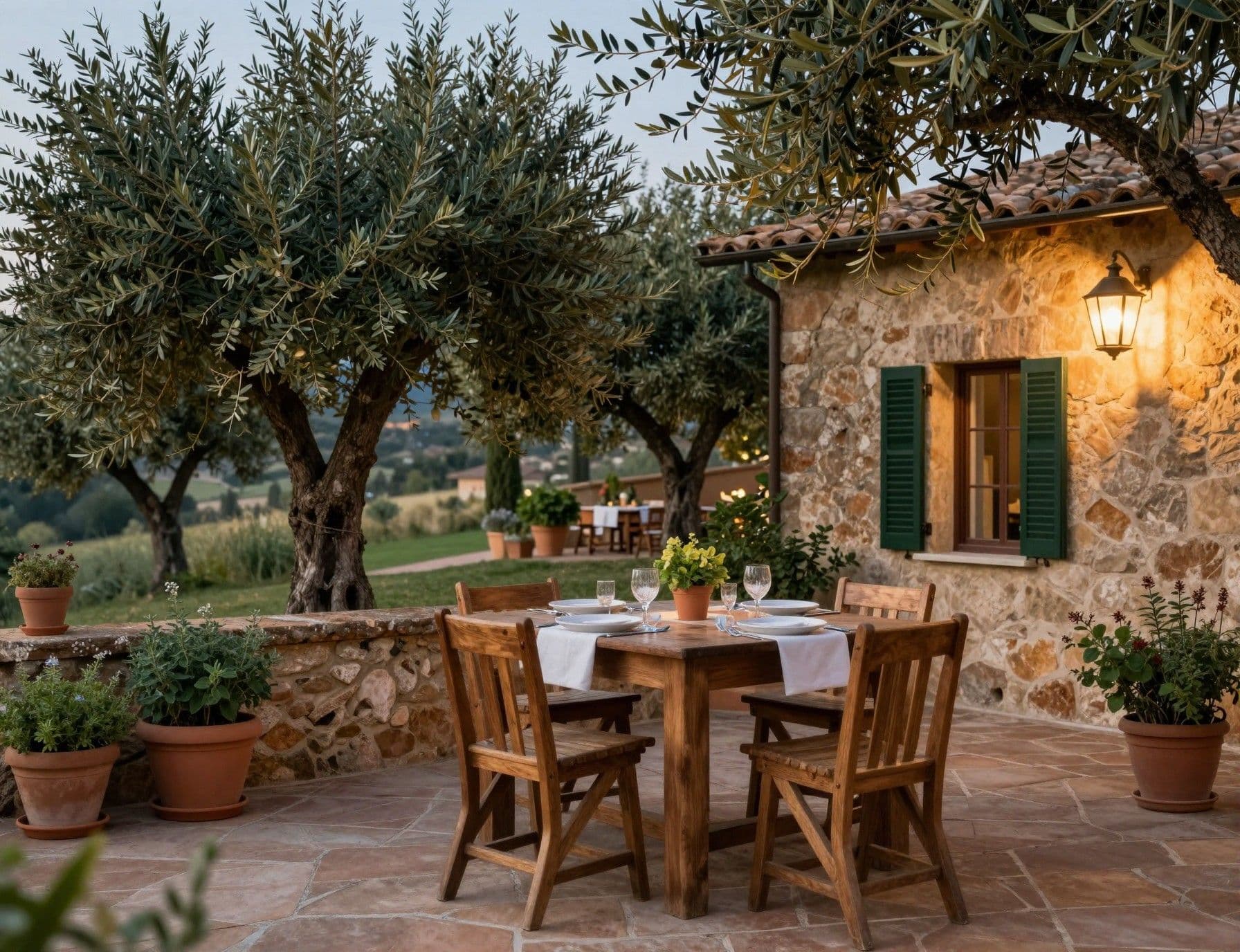
Wanting coastal light and a garden is one thing; finding a property that legally and sustainably supports that life is another. Italy’s market shows modest, uneven price growth across regions and a steady interest from foreign buyers, according to recent national statistics. That means there are opportunities in overlooked towns but also competition where lifestyle demand is strongest. Practical choices — building fabric, solar potential, and local planning rules — determine whether a house becomes a home that sustains both you and the landscape.
Property styles and how you’ll actually live in them
Stone farmhouse (casale): offers thick walls for thermal mass and room for terraces and orchards, but check for seismic retrofits and moisture issues. Urban apartment: great for easy access to cafes and services, often with limited outdoor space — consider community gardens or shared rooftops. Restored historic home: charmed by artisan details, yet be ready for permit-heavy renovations and local conservation rules. For each, probe energy performance, rainwater reuse potential, and orientation before you commit.
Working with local experts who live the lifestyle
Choose agents who can describe both the building’s bones and the weekend rituals: where neighbors buy olive oil, which artisan does lime-plaster work, and which town council supports solar upgrades. A local architect versed in heritage conservation is invaluable when your home sits in a protected zone. Local notaries, too, are cultural guides; they know common neighborhood practices that never make it into listing sheets. Good local advice turns dreamy checklists into realistic, long-term living plans.
- Visit rhythm-based checks before you buy: 1) Spend one week in high season and one in low season to feel the true tempo. 2) Sit in the piazza at different times — morning, siesta, and evening. 3) Ask neighbors about winter heating and summer ventilation. 4) Confirm licensing for short-term rentals if you plan to let seasonally. 5) Check local waste collection and water supply reliability for gardens.
Insider knowledge: what expats wish they’d known
Expat buyers often underestimate how much community ties shape daily comfort: who will water your plants in August, whether the butcher closes for a month, or if the local council prunes olive trees on a schedule. Investment flows are strong in prime cities, yet many buyers find richer, greener value in secondary towns where community life is intact and restoration yields character. Knowing where capital is going helps you decide whether you want market liquidity or a slower, place-rich life.
Cultural integration, language and daily routines
Learning a little Italian opens doors: barista banter, market haggling, and invitations to local sagre come more easily when you speak the rhythms of place. But many towns have friendly expat clusters and bilingual services, especially in Tuscany, Liguria and parts of Puglia. Expect hospitality mixed with deliberate formality — punctual appointments with tradespeople, but slow social rituals in piazzas — and tailor your expectations accordingly. The trick is to match your sociability style to the town’s tempo.
Long-term stewardship: how your life and the property evolve
Think in decades rather than months: mature olive trees, solar panels, and restored lime plaster deepen a property’s soul and reduce long-term costs. Prioritize improvements with ecological impact — insulation, solar orientation, and water-retention landscaping — so the house pays you back in comfort and lower bills. If you plan to rent part-time, design for low-impact hospitality: separate access, durable natural materials, and clear instructions that preserve the building’s life.
- Stewardship checklist: energy audits, heritage permit review, rainwater systems, native-plant landscaping, and local trades contact list
Buying in Italy is as much about choosing a way of life as it is choosing bricks and roofs. If you want mornings at a café, afternoons tending a terrace garden, and evenings at small concerts in a local church, pick locations where those rituals are alive and supported by practical infrastructure. Agencies who can show you not only properties but the weekly markets, the artisans, and municipal attitudes toward sustainability will help you make a choice that feels right in the body and on paper.
- Next steps for a stewardship-minded purchase: 1) Shortlist towns after two visits (high and low season). 2) Commission an energy and structural survey with local specialists. 3) Build a neighborhood welcome plan (contacts for gardener, plumber, and local artisans). 4) Discuss long-term conservation options with your agent and architect. 5) Close with a notary who explains both legal protections and customary neighborhood agreements.
Italy’s particular blend of craft, seasons, and community is what makes it endlessly lovable — and what requires careful, place-aware buying. Let the language of markets and the language of markets’ people inform each other: read ISTAT and Nomisma for the numbers, then spend mornings at the market to learn the living values. When you rely on local expertise that honours both heritage and ecology, you buy into a life that grows more valuable in comfort and meaning over time.
Dutch property strategist who helped 200+ families find sustainable homes in southern Europe; expert in legal pathways and long-term stewardship.