How Italy’s Solar Boom Makes Hidden Homes Valuable
Italy’s rapid solar and renewables expansion is reshaping which homes deliver the best lifestyle and long‑term value — seek places where charm and green infrastructure meet.
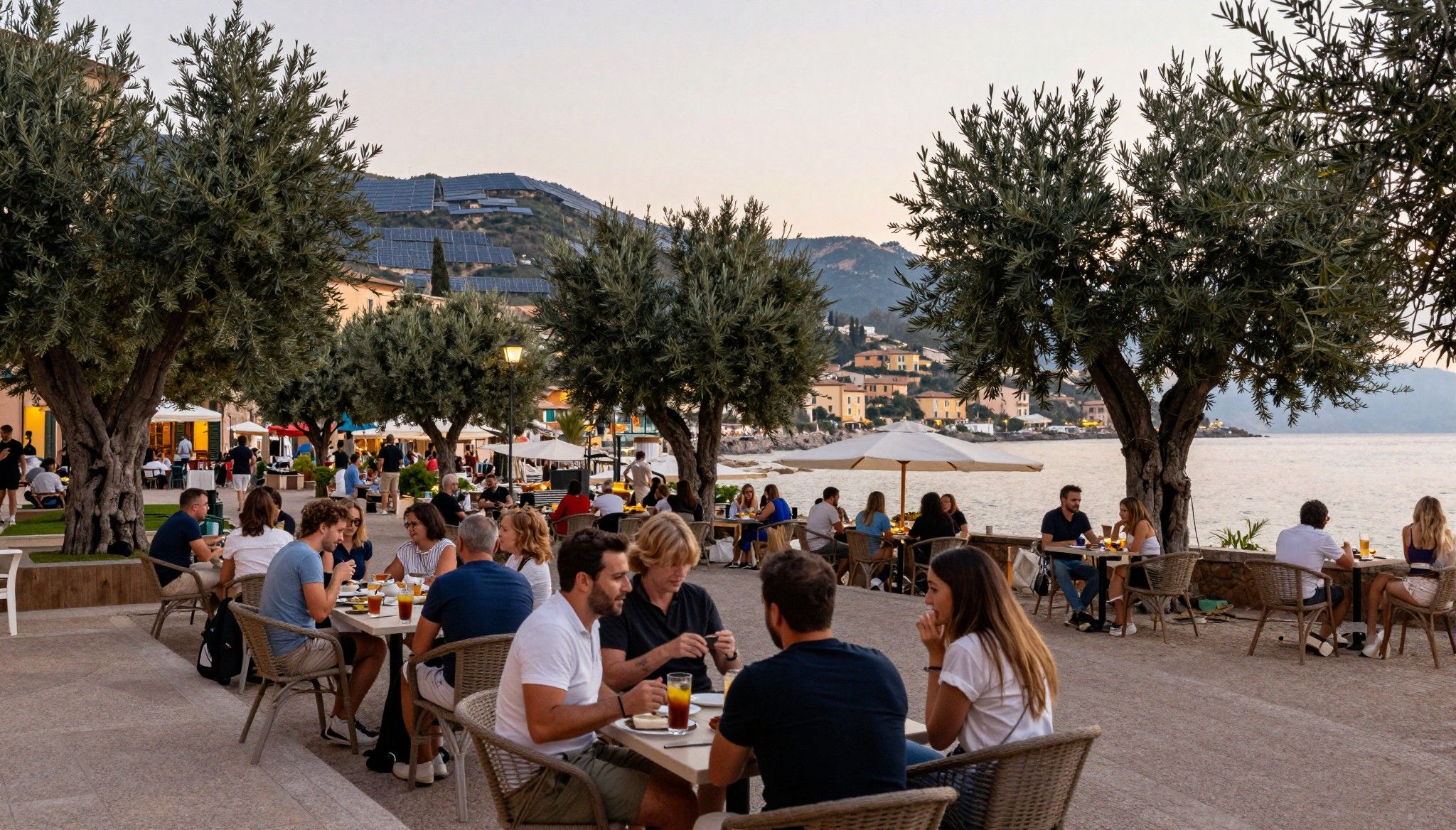
Imagine waking to the smell of espresso and sun-warmed stone, stepping onto a terrace shaded by grapevines while a small rooftop array quietly tops up batteries for the week. Italy asks you to slow down: market mornings here begin at cafés, afternoons bend toward siesta and markets, and evenings are long with community dinners. But beneath that timeless rhythm is a modern, fast-moving reality — a solar boom, rapid renewables build-out and new green infrastructure quietly reshaping where value sits. This piece shows you where lifestyle and green infrastructure intersect in Italy, and how that changes what to look for when you buy.
Living the Italian lifestyle — with new green bones
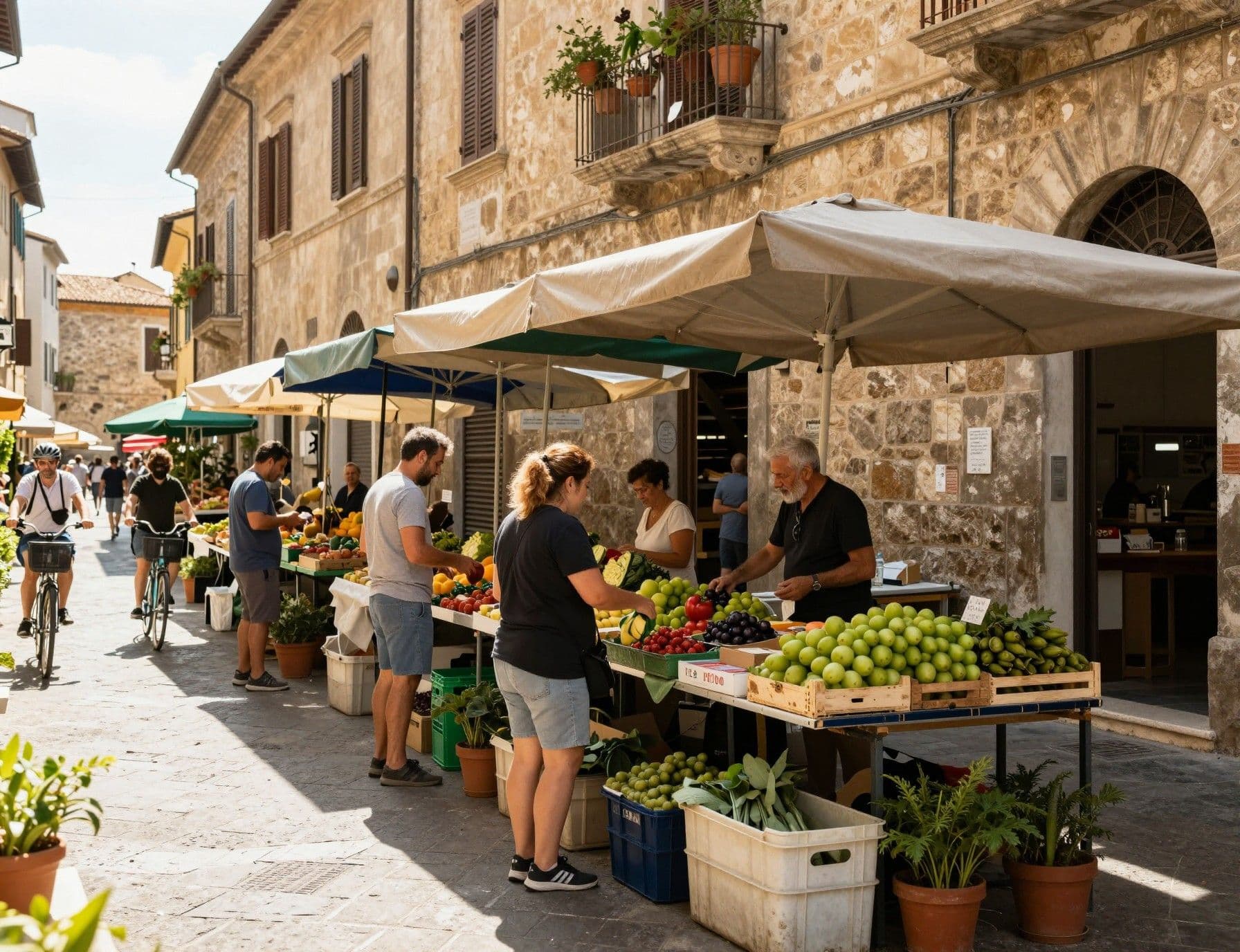
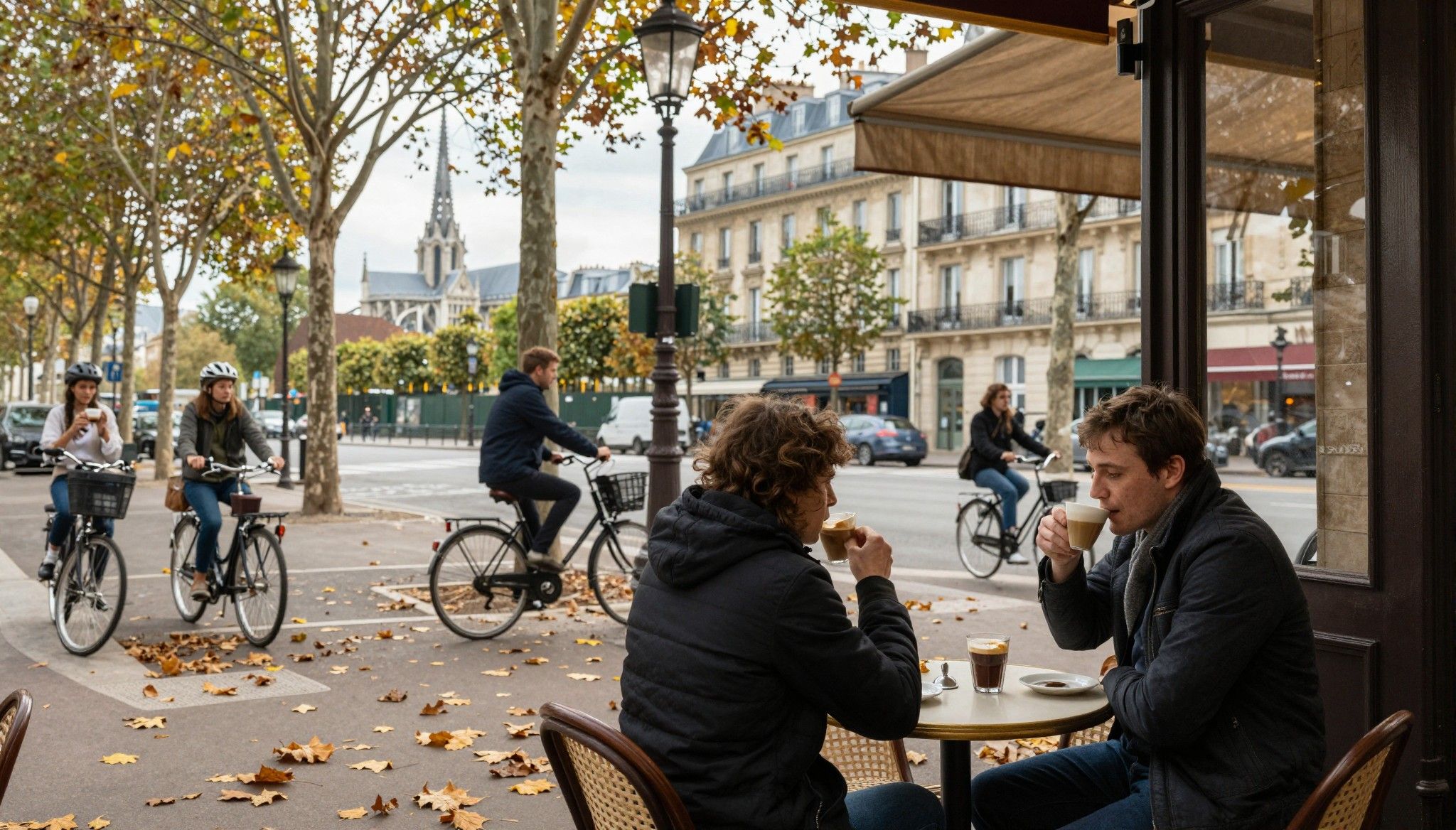
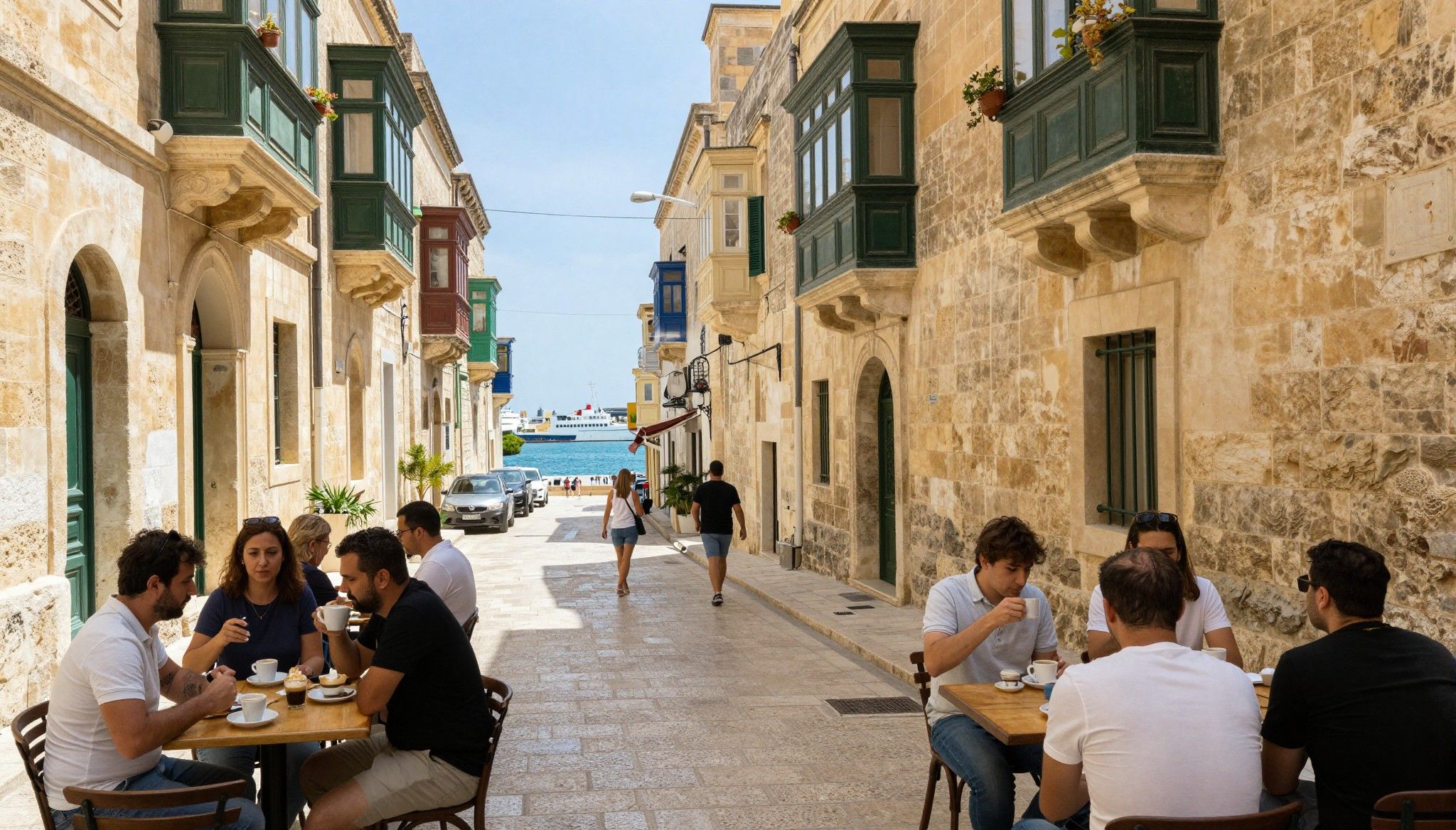
Italy’s light, food and social rituals still define daily life: café-lined streets in Trastevere, market mornings on Viareggio’s fish stalls, and sunsets over the olive groves in Puglia. Yet national energy reports show a quieter transformation — large solar and wind projects and growing grid modernisation — that is changing which neighbourhoods feel both timeless and future-ready. For buyers, that means seeking places where the lived-in charm lines up with energy independence and lower seasonal running costs.
Tuscany hill towns and the gentle tech front
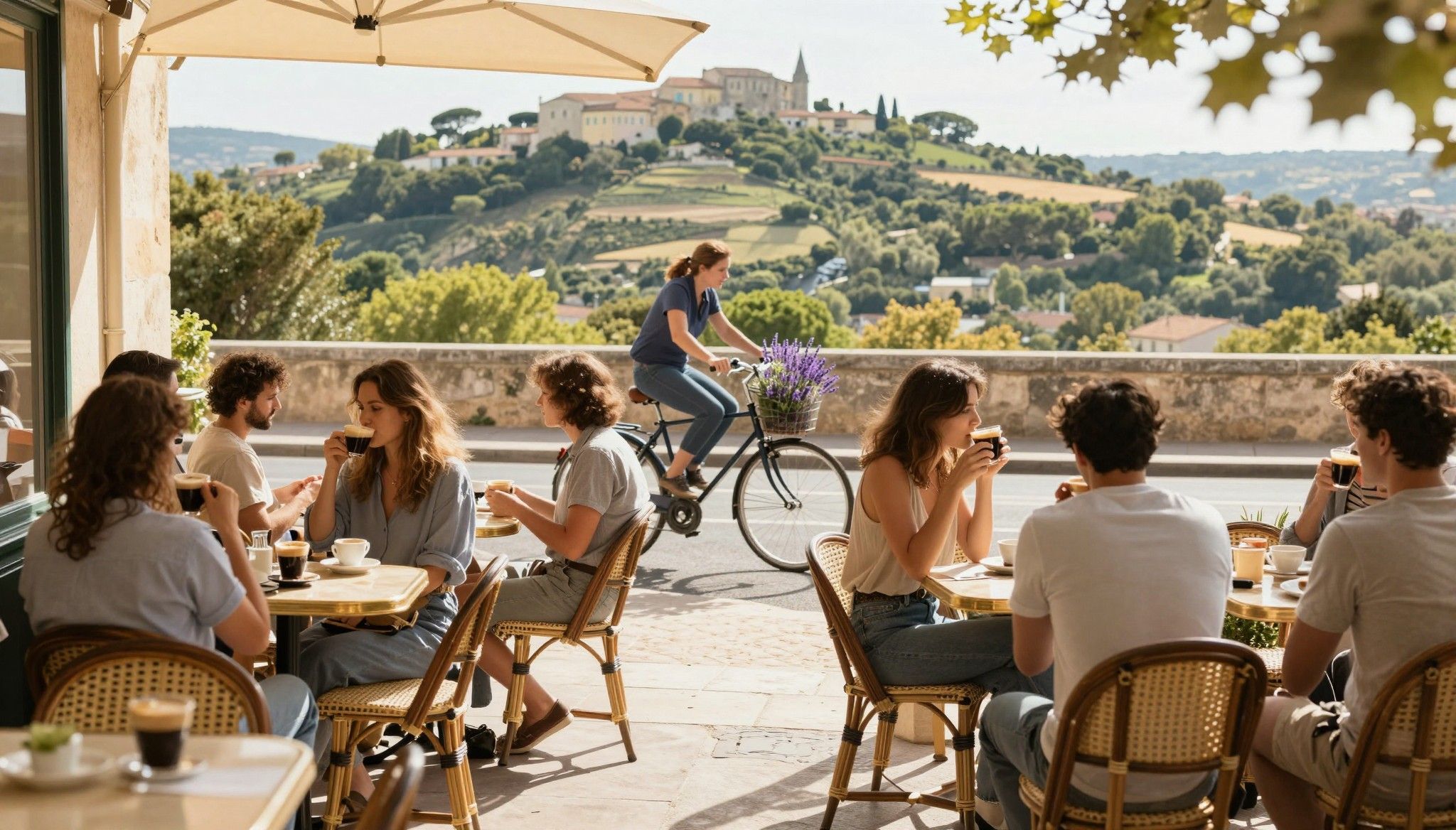
Picture casting a line from a stone piazza in Pienza to a passive-heated farmhouse with thick walls and a modest rooftop PV system. Regions like Tuscany combine heritage architecture with local incentives for solar and efficiency upgrades, making renovated farmhouses more comfortable year-round. The result is a lifestyle where morning market runs and vineyard walks coexist with reduced energy bills and quieter reliance on fossil fuels — an appealing blend for buyers who want authenticity and resilience.
Puglia and the wide-open promise of solar
In Puglia and across the south, long sunlit days and available land have attracted large-scale solar farms and community energy projects — a practical match for buyers seeking space, lower property prices and strong local commitment to renewables. Living here often means open skies, farm-to-table dinners and the hum of a renewable economy nearby, rather than noisy tourism crescendos. For international buyers, that combination offers both a slower pace and an infrastructural boost that can reduce long-term ownership costs.
Lifestyle highlights to scout when you visit: morning markets on Corso Garibaldi (Milan) or Mercato di Testaccio (Rome); beachfront promenades in Camogli and Sperlonga; agriturismi with on-site olive presses in Maremma; small coastal cafés in Tropea; local cooperative solar initiatives in Puglia.
Making the move: practical considerations that keep life green
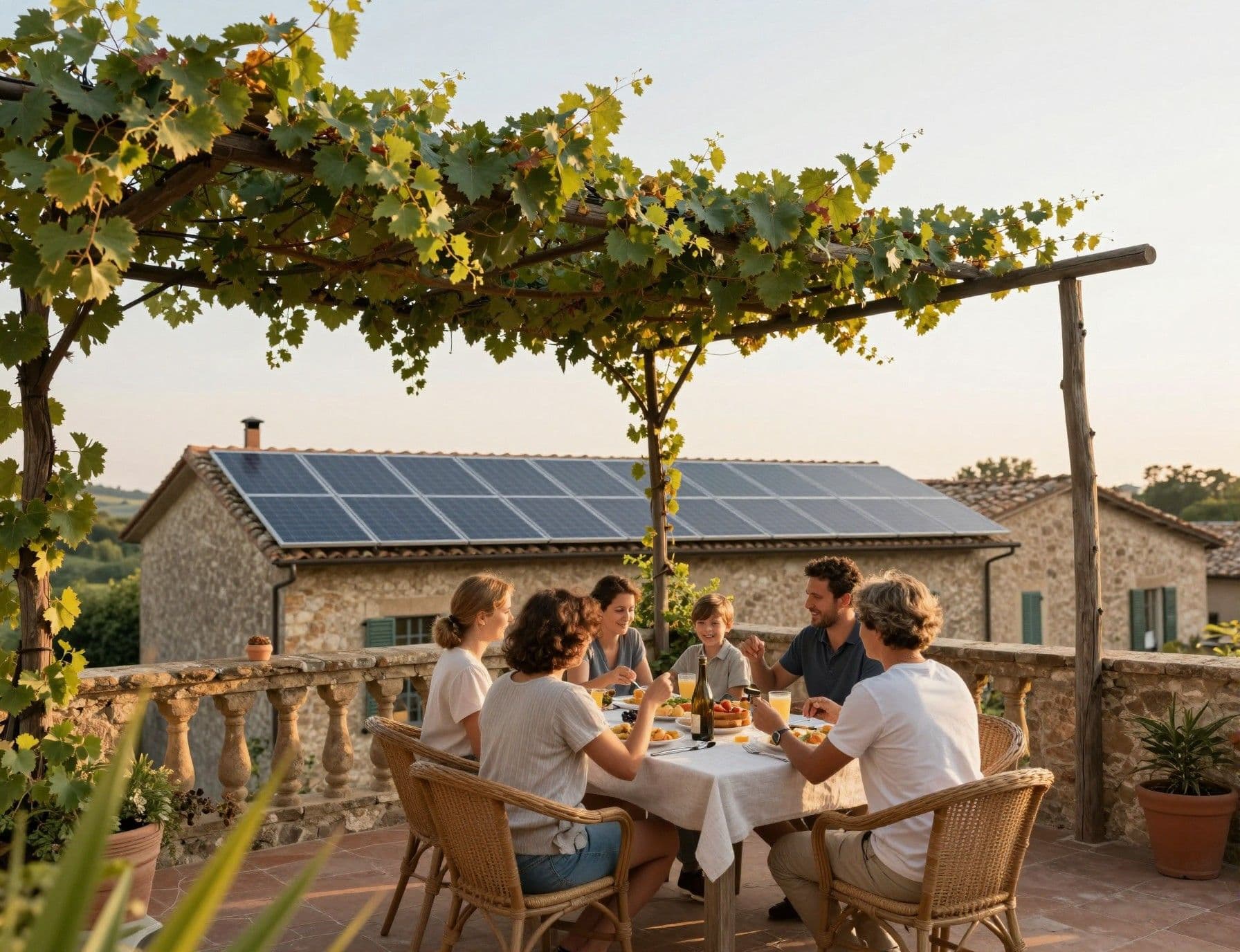
Dreams of terracotta and lemon trees meet paperwork, prices and region-specific realities. National portals show modest price growth with sharp local differences, so the green premium — the extra value for homes with efficient systems or local renewables access — can vary widely between, say, central Florence and inland Abruzzo. Practical buying means pairing lifestyle choices with data: check local grid connections, rooftop orientation for PV, and whether municipalities support retrofit grants.
Property styles that fit a low‑impact life
Stone farmhouses with thick walls, village apartments with shared courtyards, new-builds with integrated PV and insulated facades — each supports a green lifestyle in different ways. Farmhouses excel at thermal inertia and garden space for food, while modern retrofit apartments can deliver heat pumps and battery storage with minimal visible change. Match the property type to how you want to live: grow food, host community dinners, or minimise upkeep and energy paperwork.
How local experts help bring lifestyle and logistics together:
Work with agents who can: 1) identify properties with good solar orientation and permit histories, 2) flag local retrofit incentives and recent grid upgrades, 3) recommend trusted renovators who understand traditional materials and modern insulation, 4) explain seasonal occupancy patterns that affect running costs.
Insider knowledge — what expats wish they'd known
Expats often discover two truths quickly: first, the lifestyle you imagined arrives faster than bureaucratic timelines; second, green infrastructure changes where it makes sense to live. Areas near recent grid upgrades or large renewable projects often see improved services and local investment — but also changing neighbourhood character. Ask where new solar or storage projects are being built; the national trend toward more than 37 GW of solar capacity means some towns are quietly becoming more resilient and more desirable.
Cultural rhythms, language and community
Learning Italian opens doors to friendships and local stewardship projects — from communal vegetable gardens to energy co‑ops — and integrates you into the rhythm of la vita quotidiana. Participate in weekly markets, volunteer at a vineyard harvest, or join a cooperative solar meeting: these are where real integration happens. Local customs, from late dinners to the priority of neighbourhood ties, will shape how you buy and how you plan long-term stewardship of the land.
Practical red flags and smart checks before you buy:
Confirm roof orientation and structural condition for solar; ask if local grid connections limit export; check for planned large-scale projects that could change views or land use; verify municipal incentives for retrofits and energy upgrades; understand seasonal occupancy rules that affect rental or community life.
Italy offers a rare mix: slow, sensual days threaded with decisive modern change. If you want olive trees, neighbourhood cafés and an honest pasta alla norma, but also lower running costs and a sense that your home is part of a living system, look where renewables and community life intersect. Start with regions known for renewable investment but retain local character — then work with a local agent who understands both the taste of place and the technical details that protect it.
If this feels like the life you want, next steps are simple: visit in shoulder season to feel the real rhythm, ask an agent to map local renewable projects and retrofit incentives, and prioritise properties with good orientation, durable materials and community ties. Those choices deliver that warm Italian day-to-day — and keep your home in step with a greener, quieter future.
Danish relocation specialist who moved from Copenhagen to the Algarve; supports families with seamless transitions, local partnerships, and mindful purchases.