When France’s High‑Season Misleads the Buyer
Fall in love with France’s daily rhythms — then do the permit, planning and energy checks that protect your dream and your wallet.
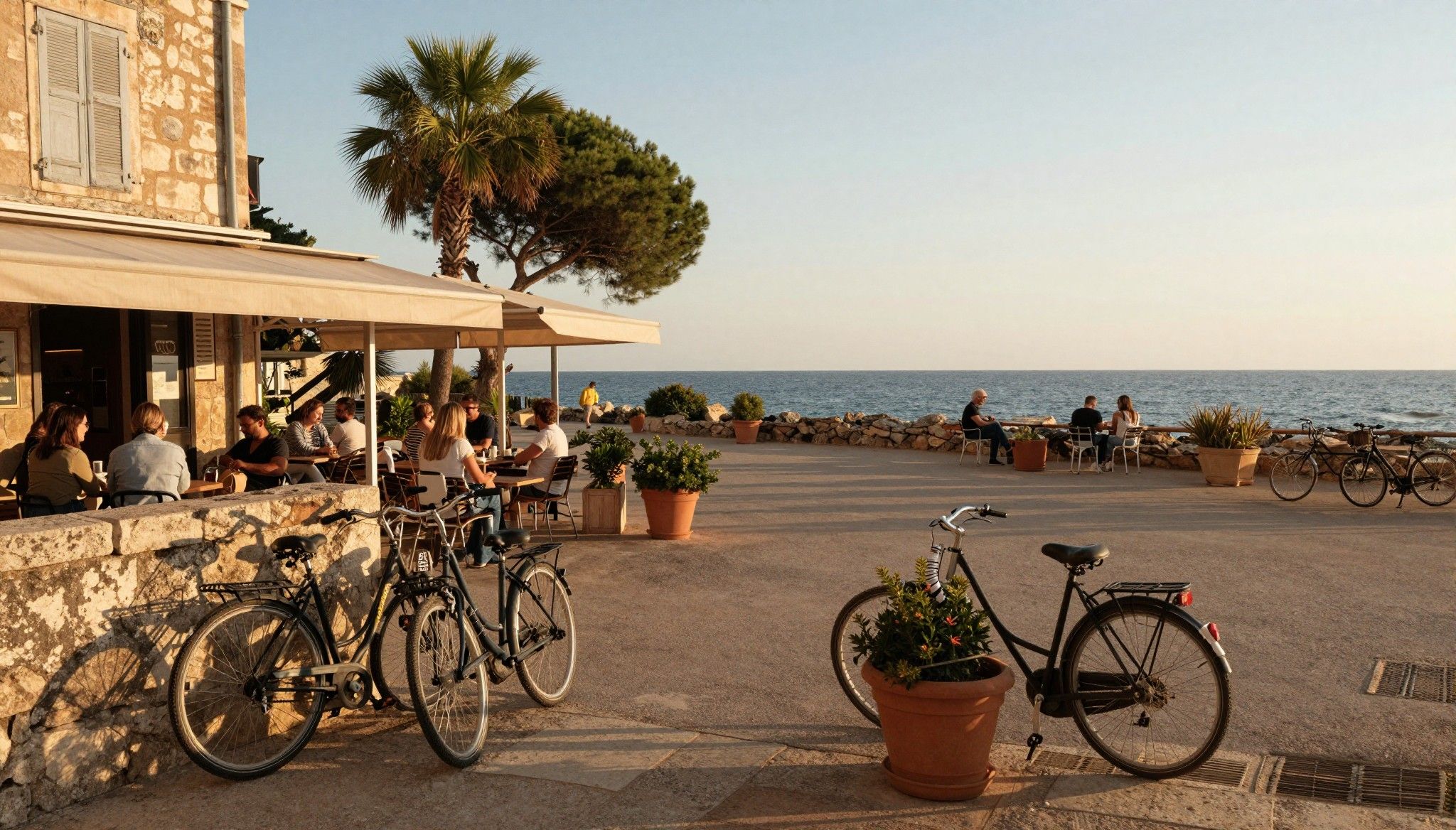
Imagine a warm morning market in Aix‑en‑Provence: olives glinting in the sun, a boulanger opening a shutter on Rue Gaston de Saporta, and a terrace where neighbours speak in easy Provençal rhythms. It’s addictive—so much so that many buyers arrive in France during festival season, seduced by the light, food and celebration. But seasonal charm can hide important realities about permits, prices and long‑term living. Read on for an honest, place‑forward look at how to fall in love with France without being seduced into a hurried purchase.
Living the France life: senses, seasons, streets
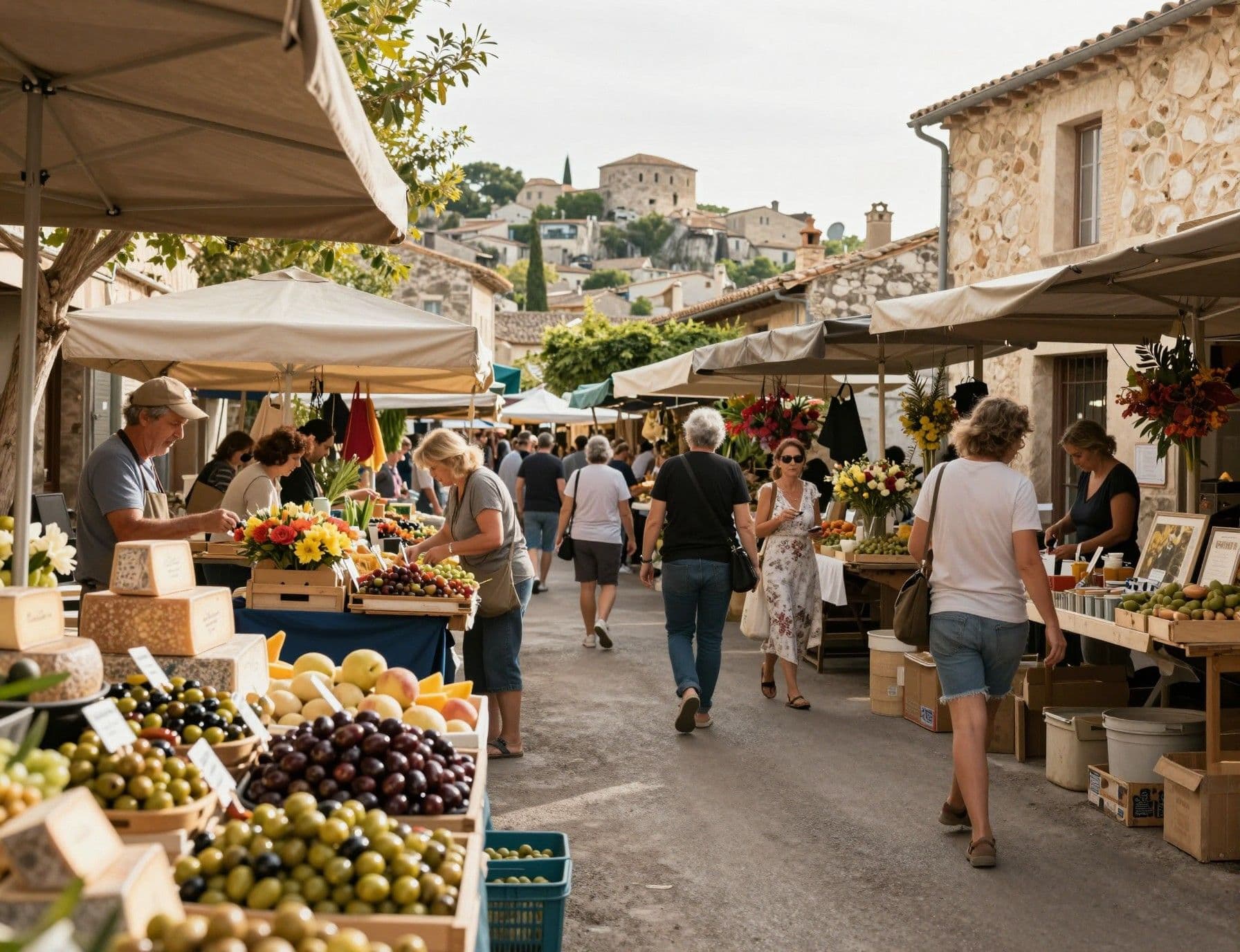
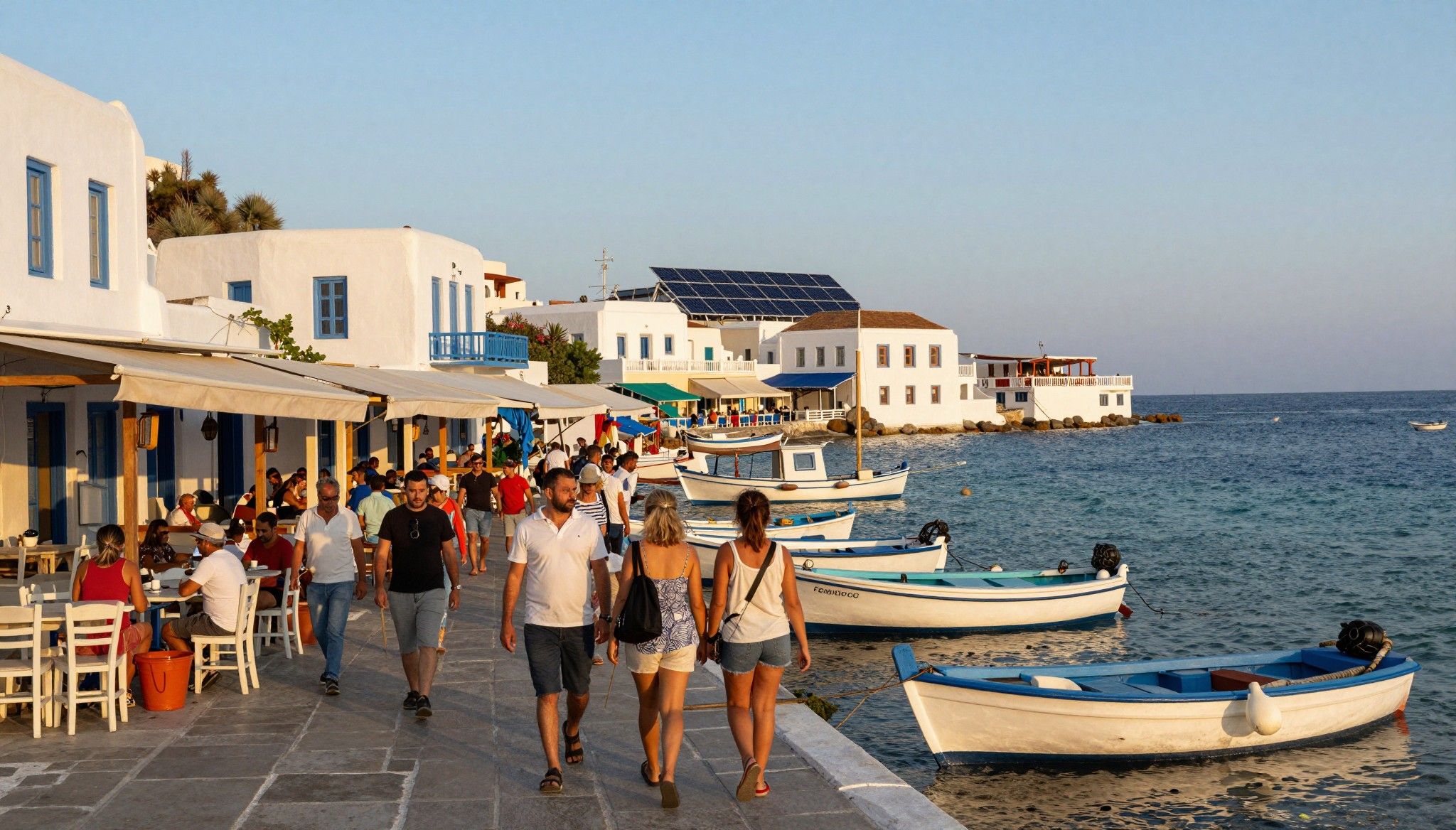
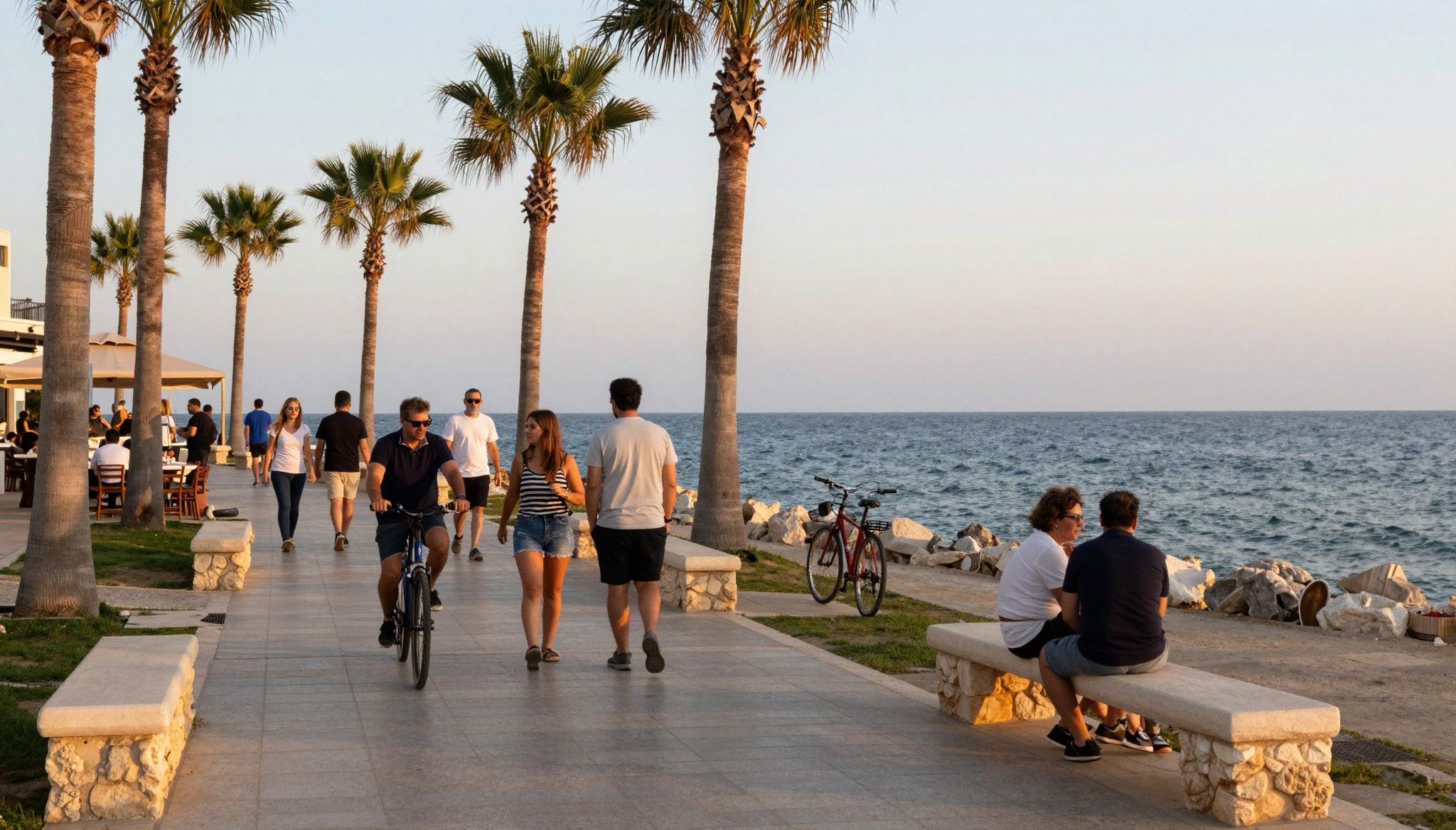
France is not a single rhythm but a chorus: the slow dawn of Brittany fishing ports, the afternoon stillness of Dordogne lanes, the late‑night chatter on Parisian terraces. The country’s everyday magic comes from local markets (Marché Forville in Cannes, Marché des Enfants Rouges in Paris), boulangeries with early loaves, and small squares where life is exchanged in cups of coffee. When buying, think first about daily life — light, local food, seasonal transport — and then about square metres. That order changes how you look at property: a house that sings in July may feel empty in November unless it suits year‑round rhythms.
Neighborhoods that teach you the country
Head beyond the postcard: in Paris the 20th arrondissement offers alive‑at‑dawn markets and affordable ateliers; in Provence, villages like Lourmarin pulse in summer but reveal artisans and woodland walks in cooler months. Coastal towns such as Biarritz and the Languedoc coast have surf culture and small‑scale farming nearby. Spend a week in a place across seasons before deciding: weekdays, not only weekends, show how a neighbourhood breathes through work, school runs and grocery runs.
Food, ritual and the rhythm of seasons
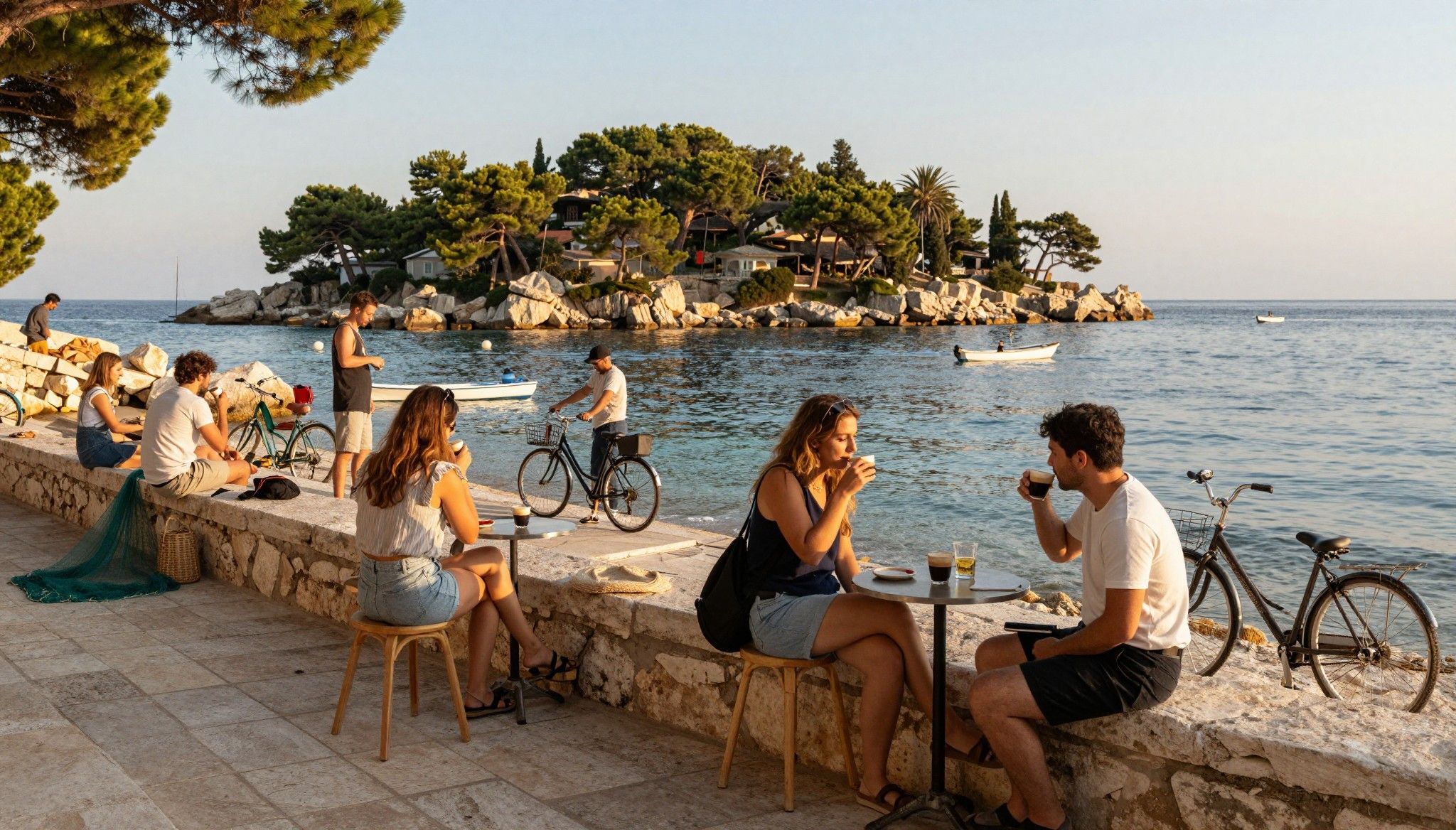
Food is the social spine of French life — from morning espresso at Café de Flore to market stalls in Saint‑Remy with seasonal truffles and summer peaches. For sustainable buyers, local producers and short supply chains matter: look for properties near weekly markets or small organic AMAPs (associations pour le maintien d'une agriculture paysanne). These networks shape your weekday rituals and lower your household food miles, transforming a house into a regenerative home.
- Lifestyle highlights to scout during visits: Marché des Enfants Rouges (Paris), hiking in Vaucluse’s Luberon, surf at La Côte des Basques (Biarritz), oyster stalls in Arcachon, Sunday brocantes in Lyon.
Making the move: practical considerations that match the lifestyle
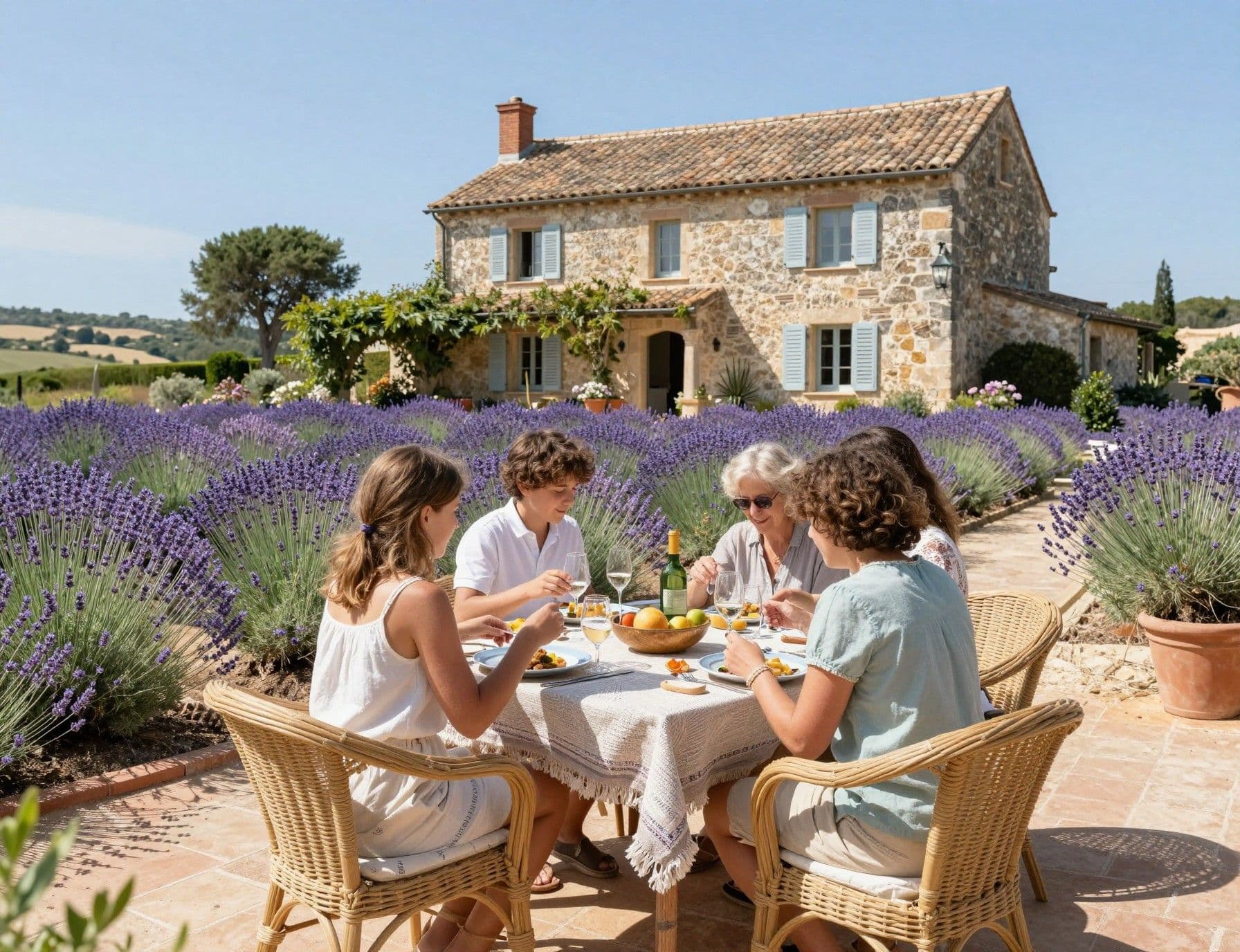
Chasing summer light is natural, but the due diligence that protects your life in France must follow. Planning rules, building permits and local tax regimes determine what you can do with a garden, a roof terrace or an old stone barn you hope to convert. French urban planning is local: mayors and municipal services hold key approvals, and national guidance (like on building permits) explains which works need a permis de construire or a déclaration préalable. Respecting these rules preserves village character — and avoids legal headaches.
Property styles and how you’ll actually live in them
Stone farmhouses in Dordogne are beautiful but often require insulation and upgraded heating; Parisian apartments offer culture and transport but less outdoor green. Recent market data show modest, regionally uneven price rebounds, meaning affordability windows exist outside prime seasons and zones. Match property type to year‑round life: if you dream of gardens and low‑energy living, prioritise south‑facing plots, thermal renovations and renewable energy potential over instant summer views.
How local experts help preserve lifestyle intent
- Work with a bilingual notaire or an eco‑minded agency to secure rights and permits; local architects familiar with the Architectes des Bâtiments de France (ABF) are essential for heritage areas; a certified diagnostiqueur will document energy performance (DPE) before purchase; engage a surveyor for land boundaries and servitudes; consult municipal planning documents (PLU) for build limits.
Insider knowledge: real‑talk on red flags and small wins
Expats often report two surprises: the emotional rush of a holiday view, and the dry legal reality of commitments. Red flags include ambiguous land titles, missing permits for past works, and energy‑inefficient shells that will cost years to retrofit. On the flip side, small wins — an overlooked south terrace, a municipal grant for insulation, or a gardener who knows the local microclimate — translate directly into daily joy.
Common traps and how to avoid them
- Do not assume past work was permitted; verify planning history and ask for the dossier; beware properties advertised only in high‑season—visit in low season to test livability; calculate real renovation costs including taxe d’aménagement and DPE upgrades; confirm water rights and drainage on rural plots.
Steps I recommend — a short checklist
- Visit across seasons; hire a local notaire early; commission an energy audit (DPE); request the cadastral and PLU extracts; check municipal permits and ABF constraints; budget 7–8% for frais de notaire on older properties and expect additional local taxes.
When you pair seasonal curiosity with careful checks, France rewards devotion. You’ll find markets that feed you, neighbours who show up for village fêtes, and land that feels generational. Practical homework — permits, surveys, and expert advice — is the stewardship that turns a holiday romance into a sustainable, regenerative home. If you’d like, we can connect you with bilingual notaires and eco‑minded agencies who know the districts mentioned and the municipal pathways to legal, low‑impact renovations.
Danish relocation specialist who moved from Copenhagen to the Algarve; supports families with seamless transitions, local partnerships, and mindful purchases.