Greece: Where Sun, Stone and Grid Shifts Shape Home Life
Greece’s renewable surge and neighbourhood rhythms reshape where eco-minded buyers should look — choose sun-facing roofs, cistern-ready gardens, and local agents who know island grids.
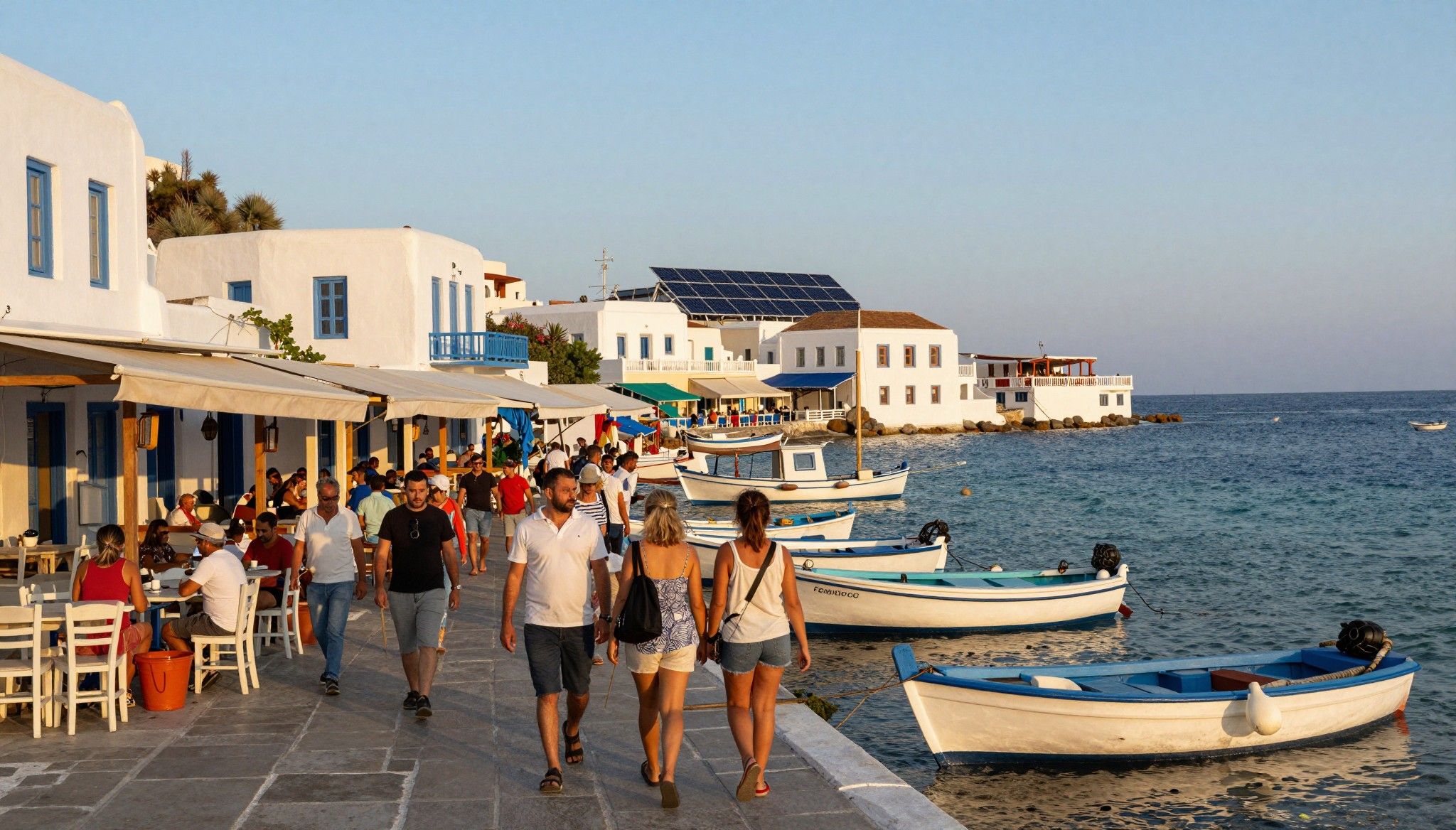
Imagine waking to a soft Aegean light, the smell of freshly baked koulouri from a corner stall and the distant hum of solar inverters on a neighbouring rooftop — Greece can feel like a life redesigned around seasons, food and the long, slow work of green infrastructure. For international buyers drawn to sustainable living, the country’s rapid renewable rollout and island energy pilots are more than headlines: they shape where communities thrive, which neighbourhoods stay comfortable off-grid in summer, and how your future home pays (and behaves) through the year.
Living the Greece lifestyle
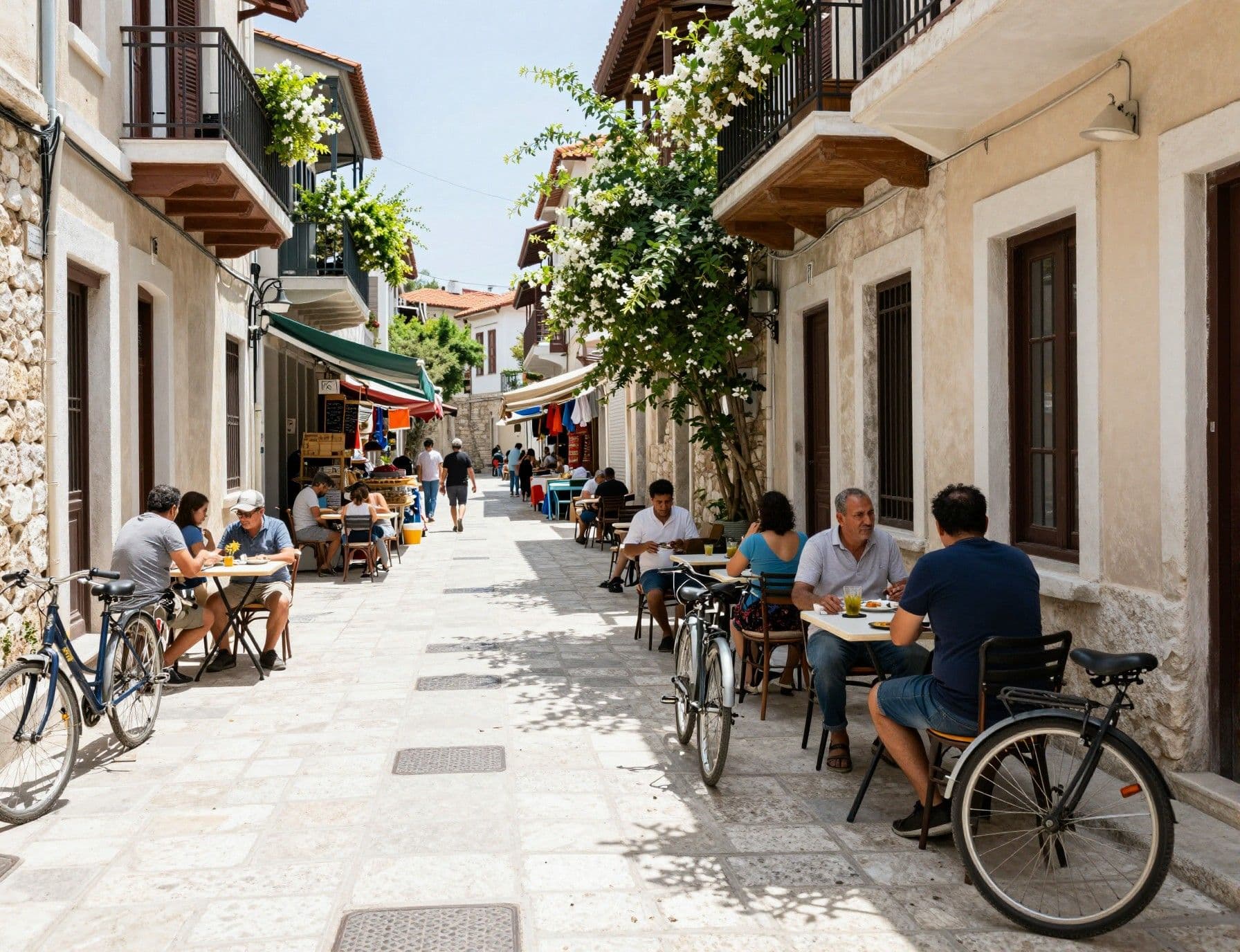
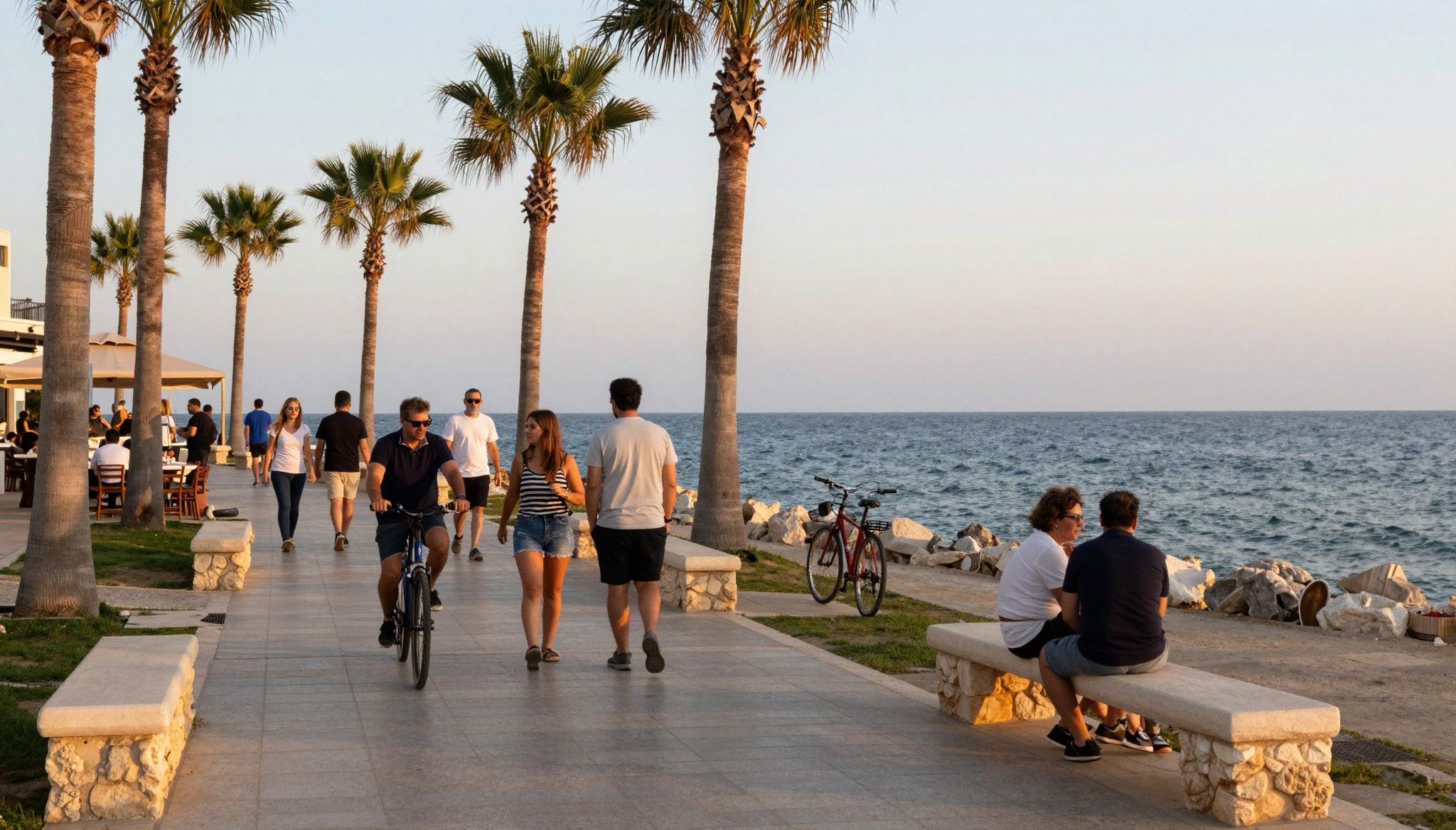
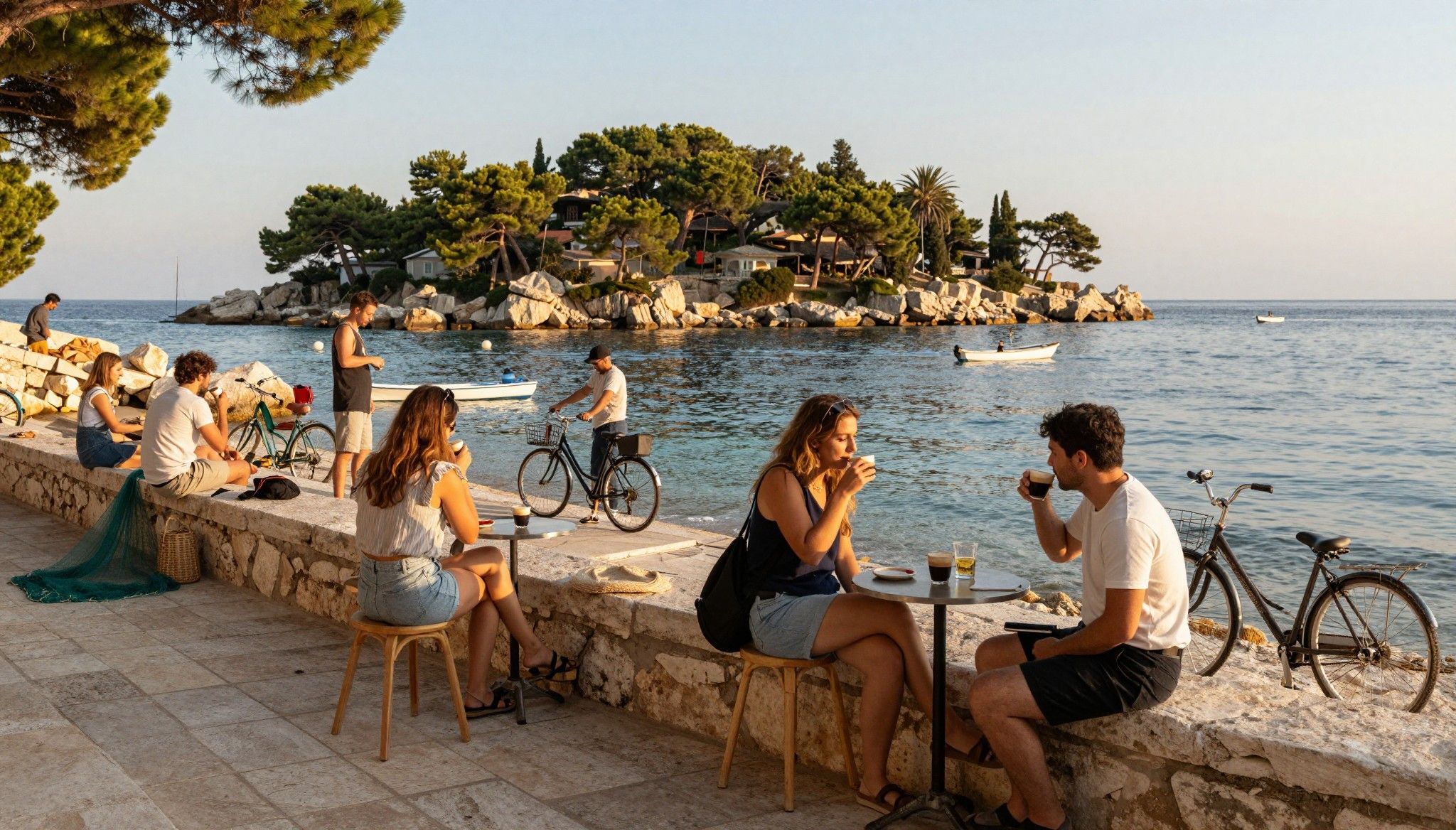
Life in Greece moves with light and tableware. Mornings in Athens’ quieter quarters — Koukaki or Pangrati — mean espresso stands that know your name and small markets where olives and greens arrive from a nearby Peloponnese grove. On islands such as Naxos or Paros, days are measured by beach walks, taverna dinners, and honest conversations with neighbours who source vegetables, cheese and fish locally. The rhythm is social, slow, and deeply seasonal; your home becomes a place for sunlight, meals and open-air living more than formal rooms.
Neighbourhood spotlight — Koukaki & Pangrati (Athens)
Tucked under the Acropolis, Koukaki feels residential and local rather than postcard-perfect. Think narrow lanes with weathered shutters, small bakeries, and Drakou’s pedestrian strip for evening aperitivo. Pangrati, closer to green avenues and public parks, is where joggers, early market runs and family cafés set the week’s tempo. These neighbourhoods show the everyday Greece that many buyers fall in love with — not the tourist show, but the lived-in corners where neighbours trade bread and childcare tips.
Food, markets and ritual
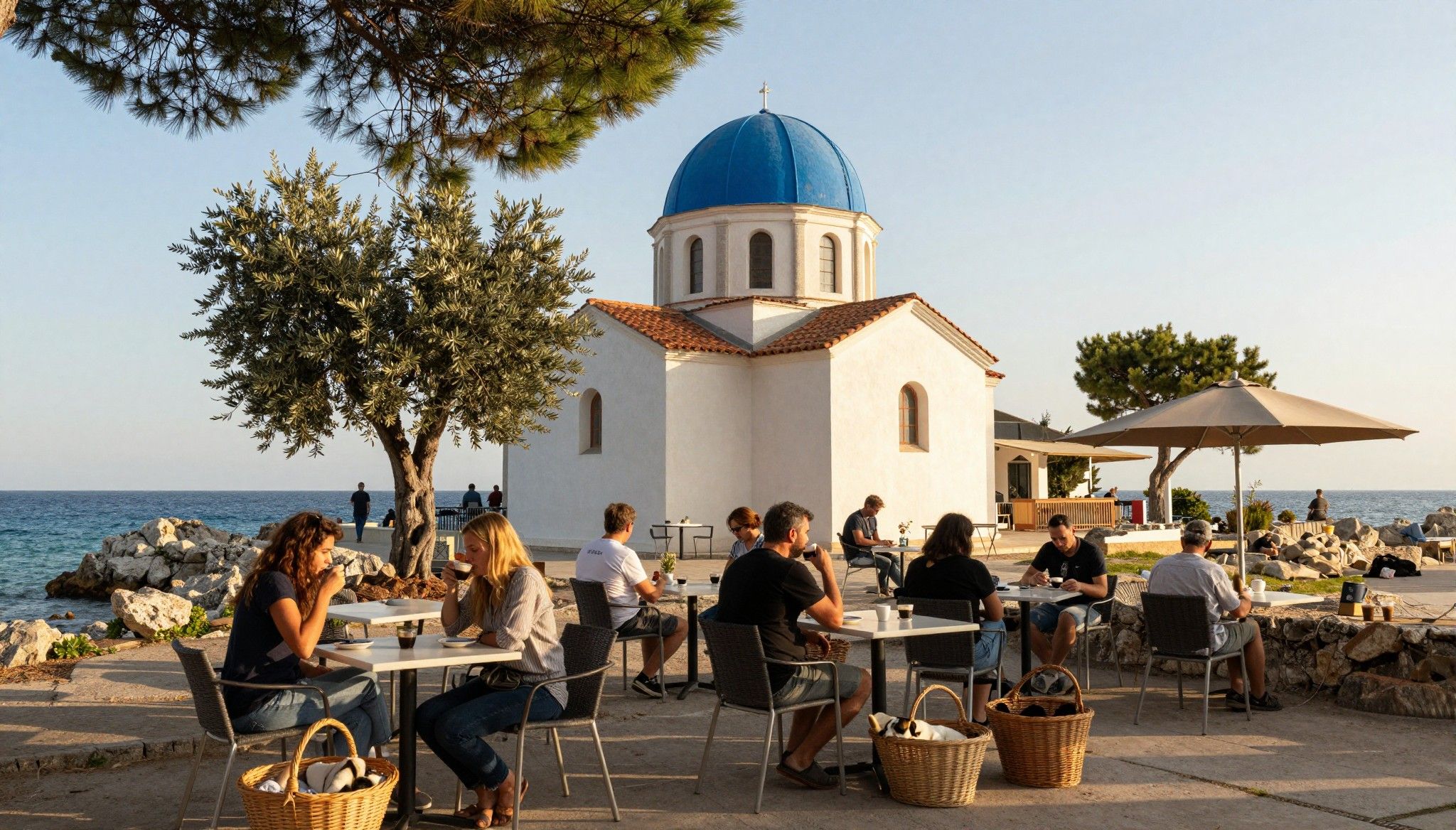
From the Saturday laiki (street market) to late-night meze on a rooftop, food is civic life in Greece. Expect fragrant bakeries, small fishmongers in coastal towns, and cafés that double as living rooms. For buyers seeking regenerative living, neighbourhoods with nearby farmers’ markets or cooperatives mean easier access to seasonal produce and a built-in green lifestyle that’s both joyful and practical.
- Lifestyle highlights: Koukaki Friday market; early-morning swim at Agios Georgios beach (Naxos); evening meze at Proskopon Square (Pangrati); Sunday olive‑press visits in Peloponnese; community-run coastal clean-ups on smaller islands.
Making the move: practical considerations where green infrastructure matters
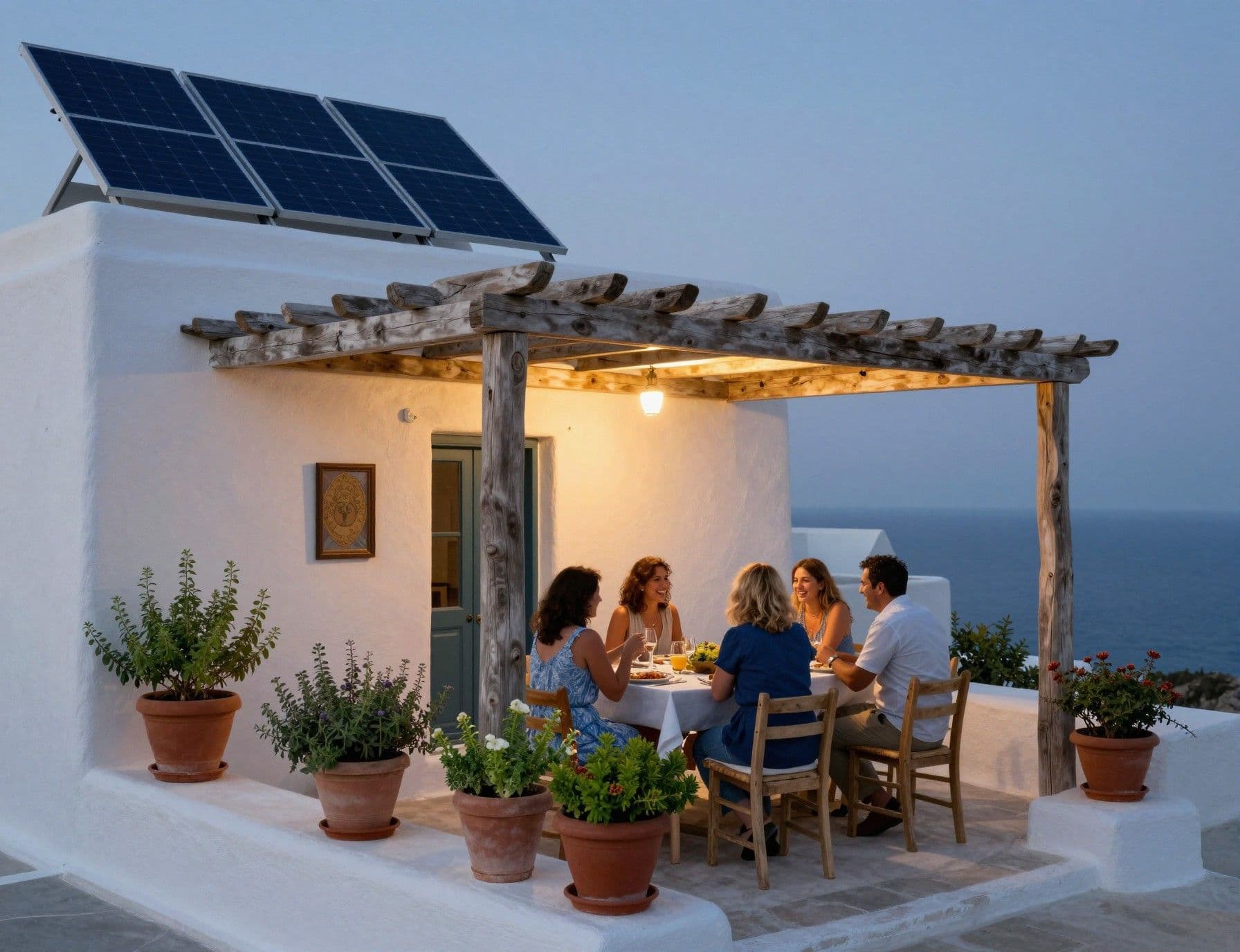
Dreams of terrace dinners and sea-breeze sleep must meet reality: Greece’s accelerating renewables rollout changes the calculus of comfort, resale and running costs. Solar and wind capacity grew strongly through 2024–25, meaning grid resilience is improving, but local variations remain: some islands are already piloting near‑energy independence while other rural areas still depend on seasonal diesel generation. As a buyer, prioritising properties with on-site PV, battery-ready wiring and water-wise gardens will save money and deepen your quality of life.
Property styles that support green living
Stone-built village houses with thick walls naturally regulate temperature and pair beautifully with modest photovoltaic arrays; modern builds on islands often include shaded pergolas, rainwater capture and cisterns. When you choose between a renovated farmhouse in Crete or a sun-facing Cycladic villa, think not only of charm but of orientation, roof strength for panels, and garden design that reduces irrigation. These real features make green living ordinary rather than aspirational.
Working with local experts who understand both lifestyle and infrastructure
Choose agents and local architects conversant in island grid quirks, planning for rooftop PV, and practical water management. A good local team will translate lifestyle wishes — morning coffee on a wind-protected terrace, garden beds that keep bees — into technical checklists: roof load, permit histories, existing lease obligations for rooftop space, and feasibility for battery storage. That translation is where the dream becomes a resilient home.
- Six practical steps that combine lifestyle and green checks: 1. Inspect roof orientation and shading for PV potential. 2. Ask sellers for recent energy bills and any generator usage logs. 3. Check local water sources and cistern capacity for summer drought resilience. 4. Confirm connection rules with local DSO for export or net-metering. 5. Discuss native landscaping options that reduce irrigation needs. 6. Budget for battery-ready inverters and storm-proof mounting for coastal wind.
Insider knowledge: expat truths, seasonal realities and red flags
Expats often romanticise island life, then learn that summer heat, tourist season logistics and patchy local services require planning. An off-grid-capable home with good storage and a shaded courtyard transforms hot afternoons into comfortable evenings — and keeps rental income steady in high season. Red flags include unclear roof ownership (common in stacked island buildings), missing permits for added terraces, and properties that rely heavily on diesel generators without recent maintenance records.
Cultural integration & everyday logistics
Learning a few Greek phrases, joining a local market co-op, and showing up for town cleaning or festival setup are the fastest ways to be welcomed. In Athens, community cafés and neighbourhood associations in places like Pangrati are hubs for connection. On islands, small acts — buying produce at the local kantina, attending panigyri (village feast) — make you part of the social fabric and reveal where real stewardship matters.
Long-term lifestyle and sustainability considerations
Greece’s national targets for 2030 and local wind/solar zones mean that infrastructure will continue to evolve. Buyers who purchase with an eye for retrofit potential — roof strength, space for batteries, greywater systems and native plant gardens — will find homes that age gracefully and command higher long-term appeal. Consider how nearby projects (like wind development areas) will affect view corridors, noise and community attitudes before you commit.
- Quick red flags to watch for when touring properties: • No formal paperwork for rooftop additions or terraces. • Reliance on undocumented diesel generation or ad-hoc wiring. • Roofs or facades unsuitable for panel mounting without heavy retrofit. • No cistern or inadequate water storage in semi-arid island locations. • Sellers unable to produce recent energy bills or local DSO contacts.
If you can already picture your life — coffee at a sunlit table, a small kitchen garden, neighbours who share tomatoes — then Greece will likely repay that imagination. Your next steps: prioritize viewings in shoulder seasons (spring or October) when communities are active but not overwhelmed; bring an engineer or architect to any island viewing; and ask agents for recent energy bills and permit histories. Moss & Hearth’s local partners can help translate those lifestyle priorities into a shortlist of homes that feel rooted and resilient.
Swedish advisor who left Stockholm for the Costa Brava in 2019. Specializes in sustainable, sea‑view homes for Scandinavian buyers and green finance insights.