Greece’s Quiet Value: Green Coasts and Unexpected Corners
Greece’s green coasts blend forested coves, seasonal markets and rising property demand — learn lifestyle-first buying tips backed by market data and local insight.
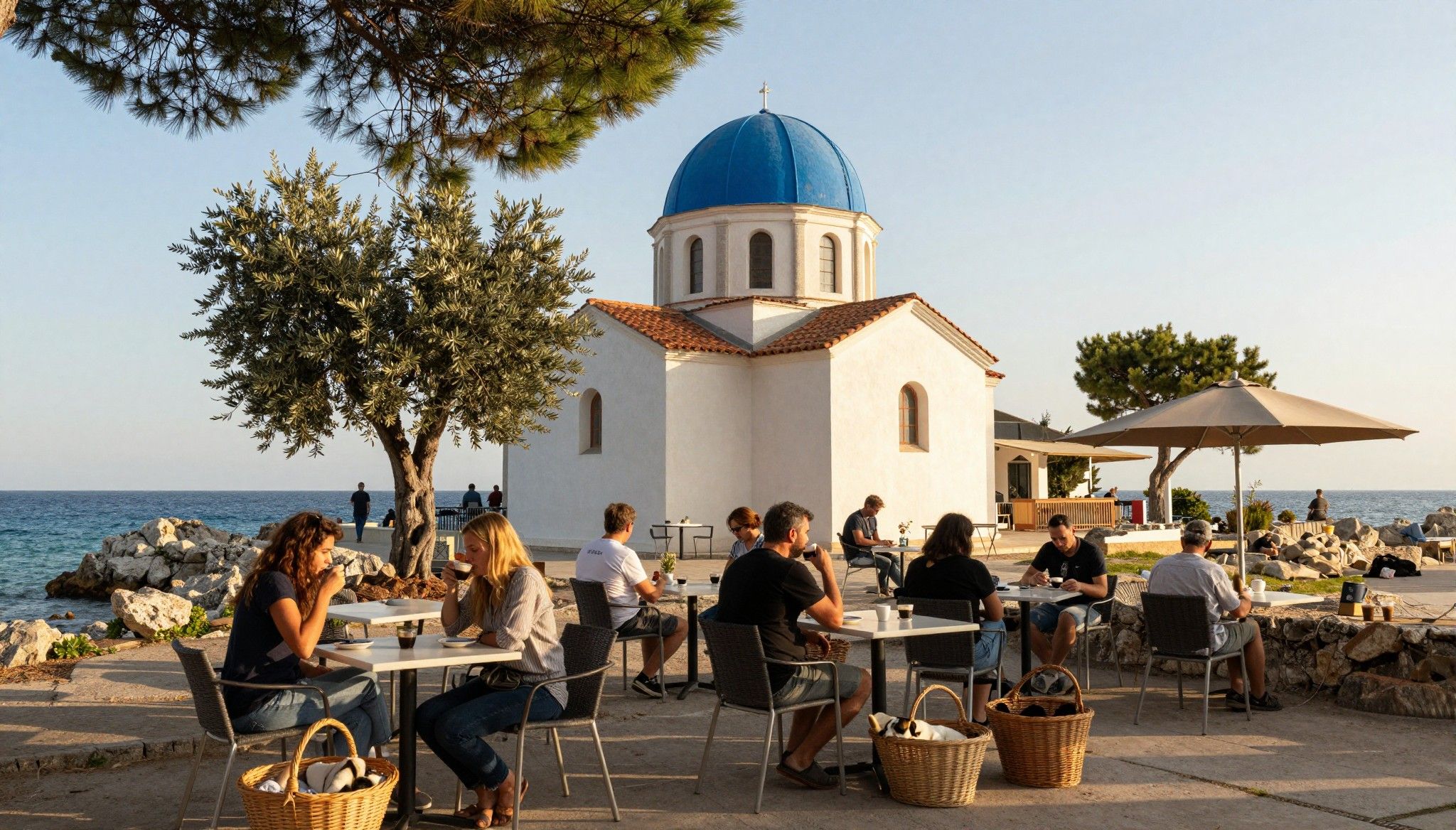
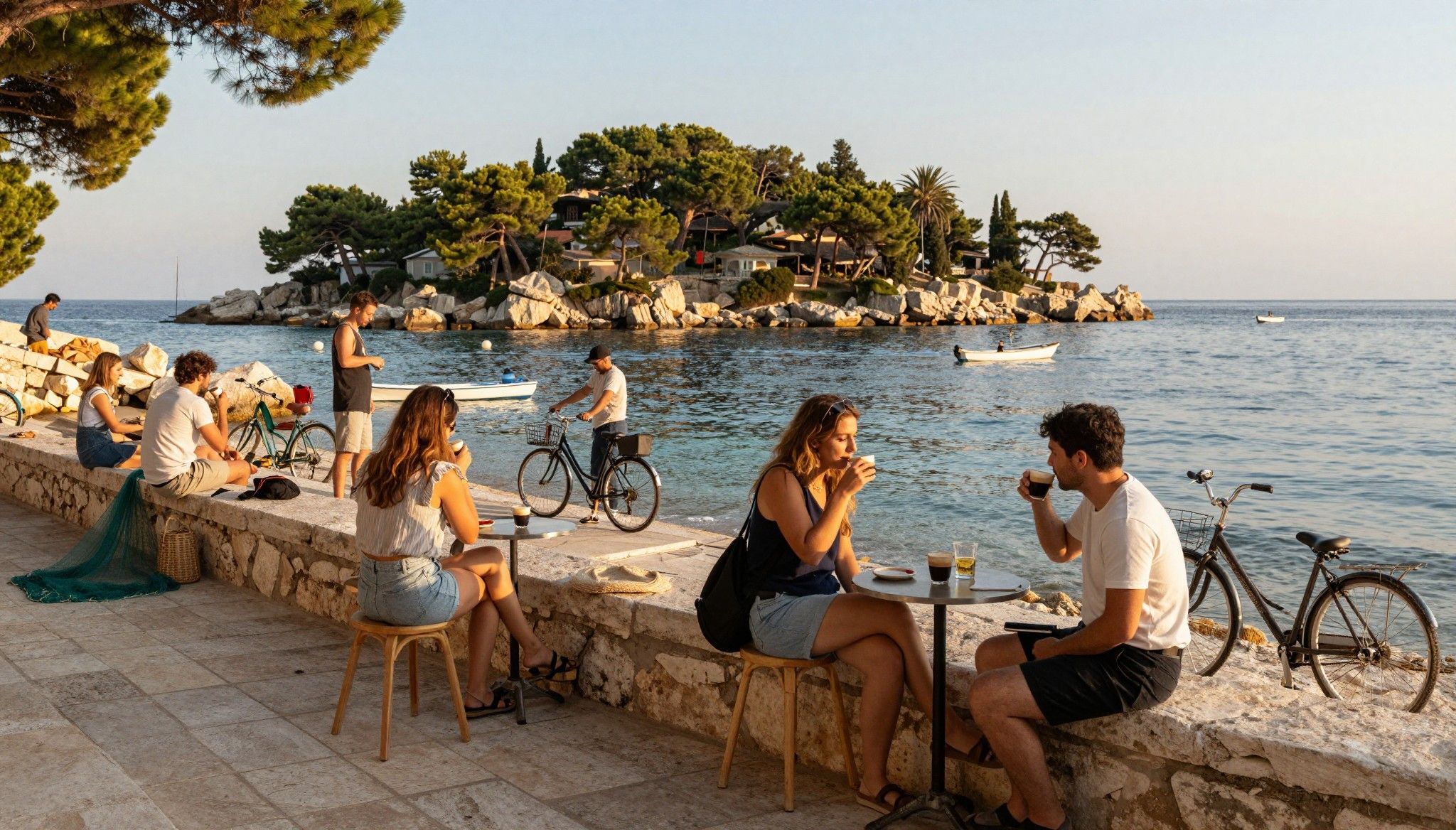
Imagine waking to the smell of pine and sea salt, buying figs from a market stall on a narrow stone street, then cycling to a patch of wild beach where the afternoon light turns the Aegean into molten glass. Greece is that slow, luminous rhythm — islands and coastlines stitched with olive groves, craggy headlands and cool forests that feel almost private. For international buyers who crave green living with rugged coastline, this country offers surprising value and seasonal depth; but it also asks you to learn the local tempo.
Living Greece: coastal forests, markets and the small-town tempo
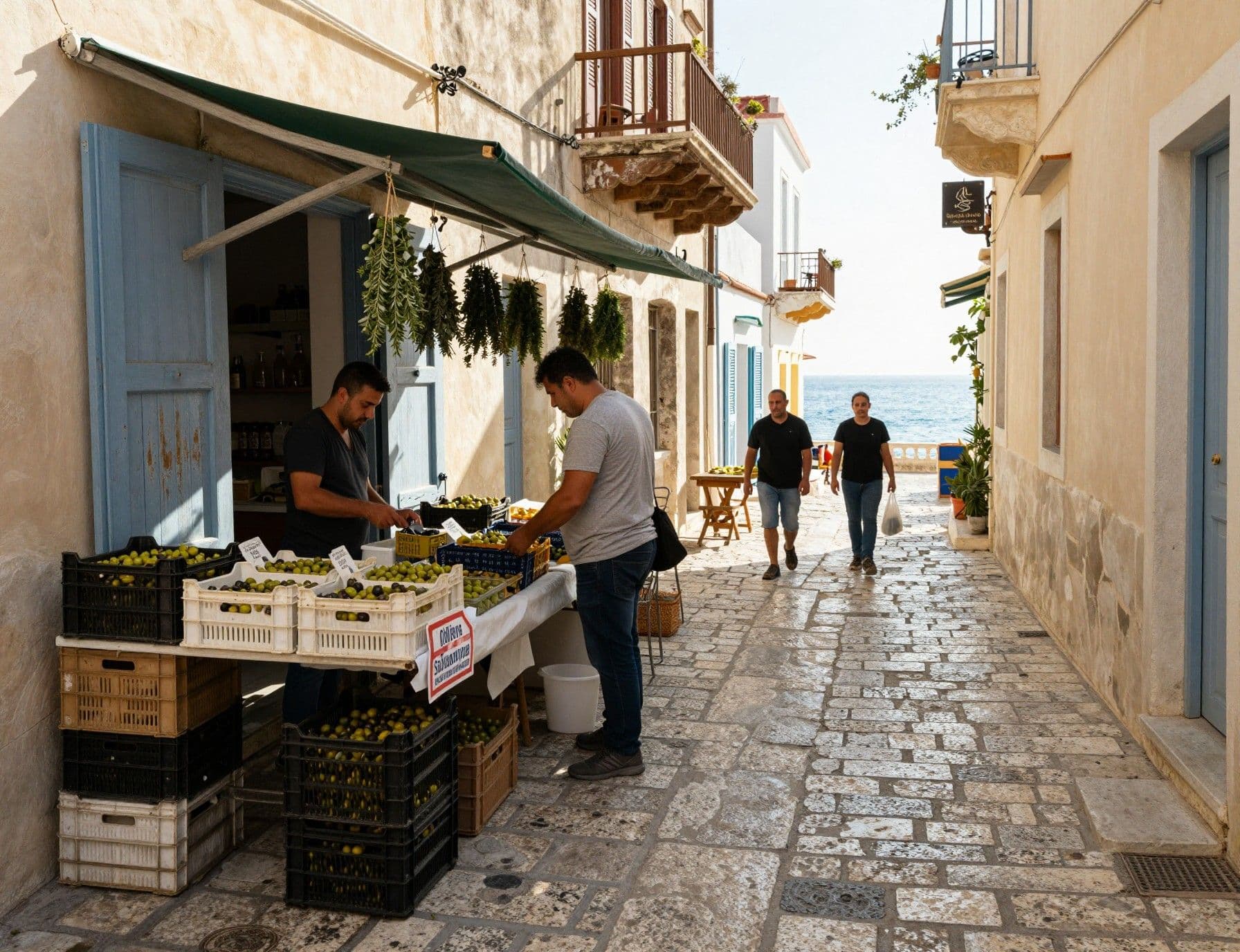
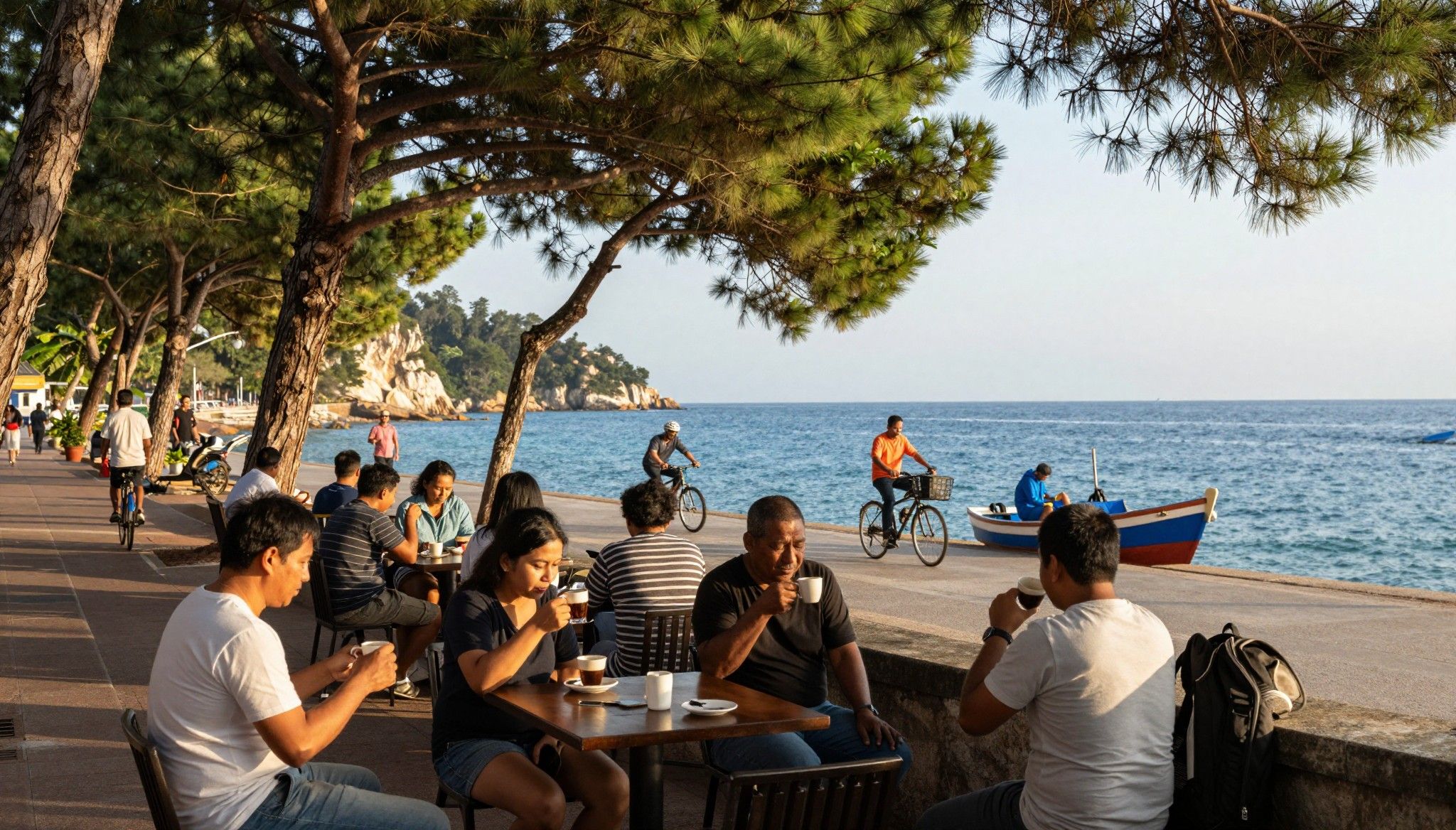
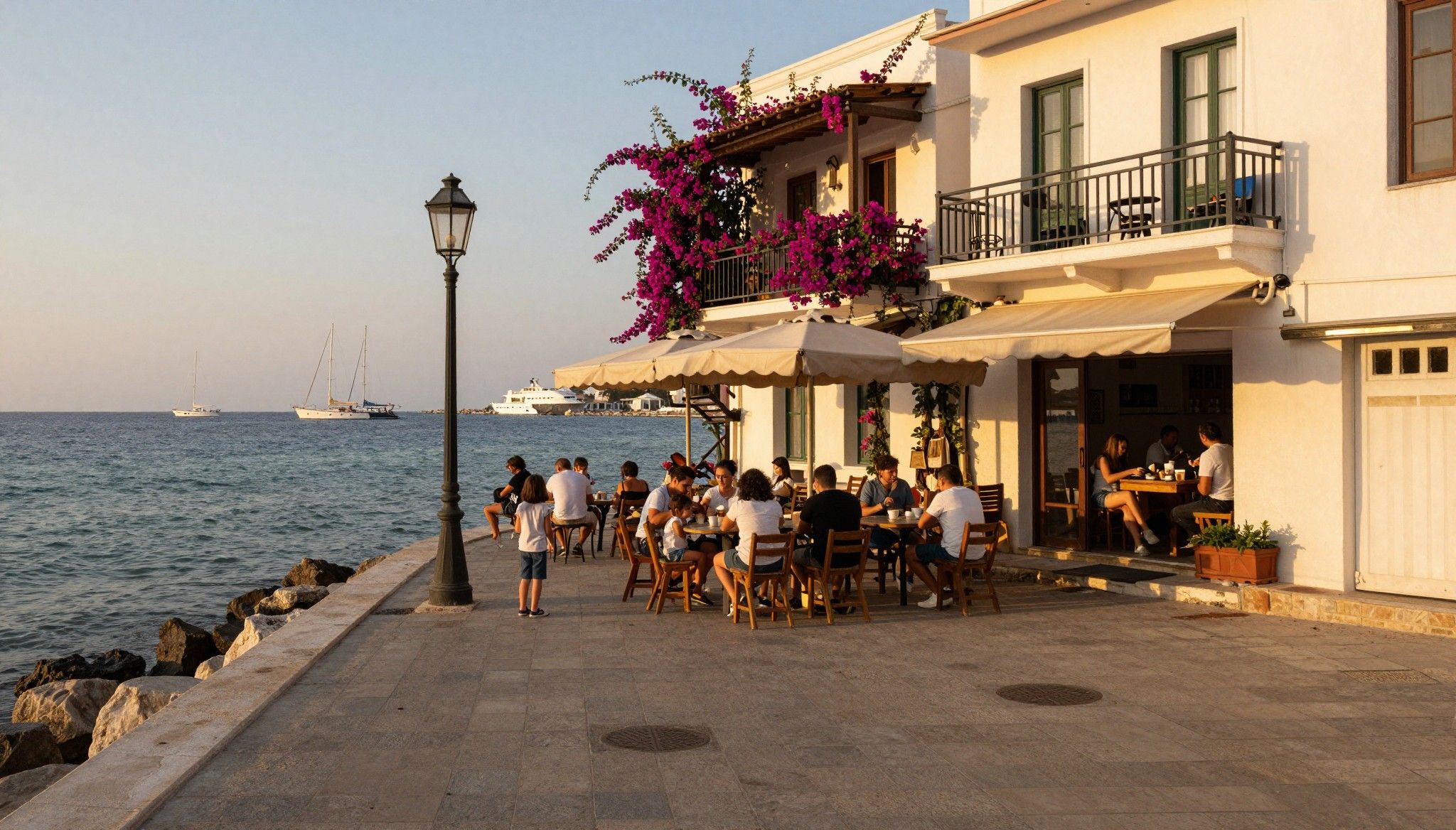
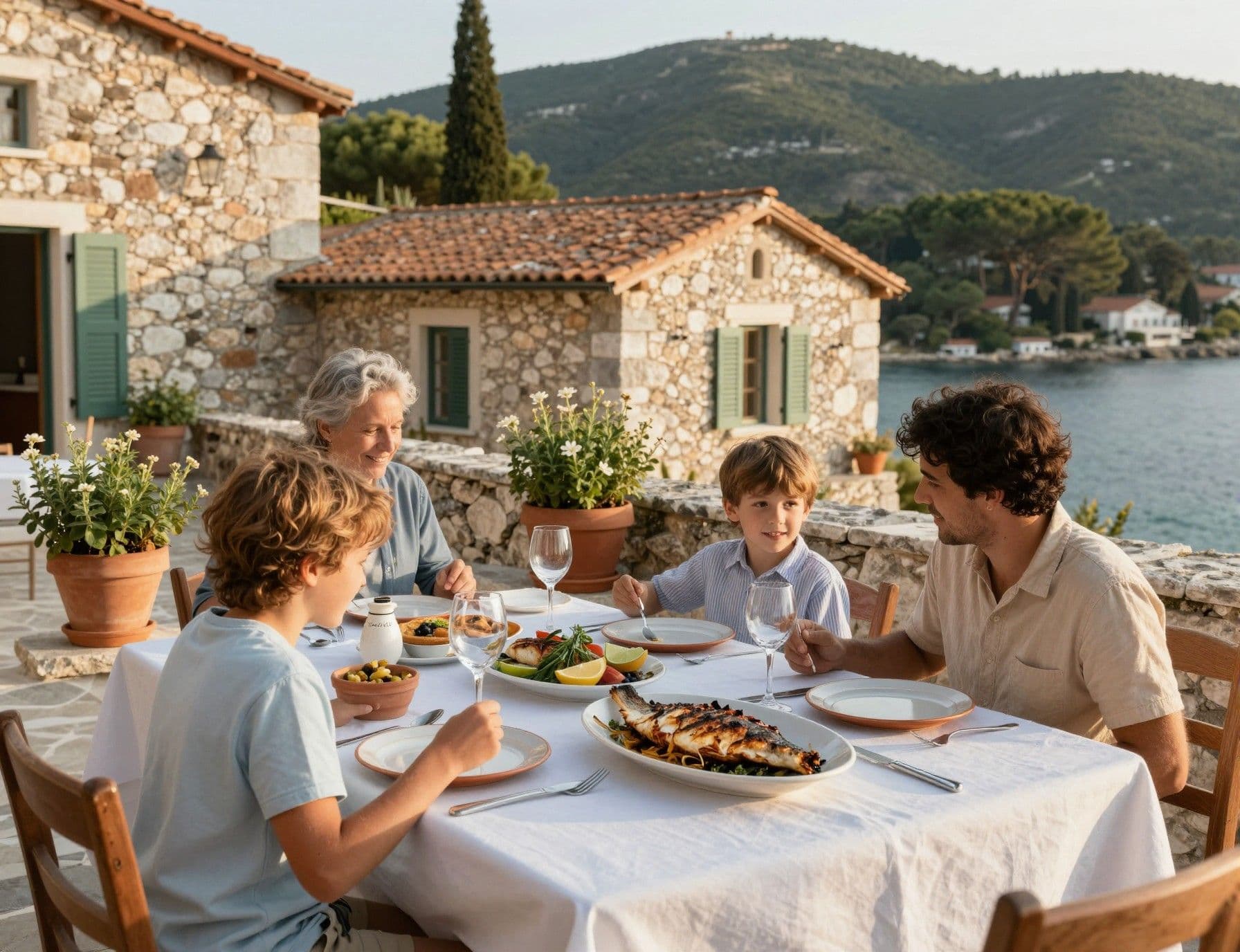
Daily life here is tactile and sensory. In Chania’s old town you can hear vendors calling from the leather-shaded alleys; in Pelion, mornings start with fog lingering over chestnut woods; on the Mani coast, stone courtyards warm slowly beneath a low sun. Whether you choose a terrace in Glyfada with espresso bars and yacht clubs or a restored farmhouse in the Ionian’s green interior, the pace rewards open-air living, seasonal cooking and long communal meals.
Neighborhood spotlight: Athens and its greener edges
Athens surprises many buyers: alongside the marble and museums, neighborhoods like Koukaki and Pangrati have community gardens, tree-lined streets and cafés where locals sit for hours. South of the city, Glyfada and Voula blend coastal life with easy access to green promenades. Market reports show strong interest in Attica, where lifestyle and transport improvements have pushed demand upward, making city-edge properties attractive for those wanting sea access without island volatility.
Food, markets and seasonal rituals
Weekends are for markets: Kalamata olives, fresh sea urchin on the Peloponnese coast, wild greens (horta) picked by grandmothers in mountain villages. This seasonal food culture shapes how you live: large kitchens for canning and preserving, terraces for drying figs, and small orchards rather than manicured lawns. It’s why many buyers prefer homes with garden space or terraces — a lifestyle choice that also influences property selection and value trends in greener regions.
- Lifestyle highlights to seek in verdant Greek regions: weekly farmers' markets in Nafplio and Chania; morning swims at secluded coves in Pelion; tavernas with wood-fired cooking on Mani lanes; community olive presses in autumn; local cafes in Koukaki where neighbors trade produce and stories.
Making the move: how lifestyle choices shape practical decisions
Lifestyle first, then logistics. If you want an olive grove and walking trails, your due diligence changes: access roads, water rights, and renovation permissions matter more than a pristine view. If you prefer walking to a café and a reliable flight connection, proximity to regional airports and year-round services becomes the priority. Recent pan-European housing reports and national indices show price gains — which means lifestyle-led choices often intersect with market timing.
Property types that match a green coastal life
Stone farmhouses and renovated neoclassical homes offer thick walls, natural insulation and the storage needed for seasonal living. New builds often include rooftop PV-ready spaces and efficient glazing; look for properties that marry traditional materials with modern insulation. Match the style to how you want to live: courtyards and terraces for community meals, small plots for permaculture gardens, and storage for seasonal gear.
Working with local experts who understand life, not just listings
Choose agents who live the lifestyle they sell: someone who can tell you where the best morning markets are, which village has reliable solar installers, and which municipality approves garden sheds without months of permits. Local brokers, bilingual lawyers and a sustainability-minded architect will save time and help you spot green retrofit opportunities that actually increase comfort and cut long-term costs.
- Steps to blend lifestyle with a safe purchase: 1. Visit in two seasons to feel winters and summers. 2. Ask for recent energy and renovation records — check roof, insulation and PV readiness. 3. Meet the mayor’s office about water and building rules. 4. Get a local structural survey and a green retrofit estimate. 5. Work with a bilingual lawyer to confirm land use and access rights.
Insider knowledge: what expats wish they'd known
The honest truth: Greece is both easier and trickier than you think. Energy independence is increasingly feasible — rooftop solar and battery options have scaled quickly, especially after 2024’s surge in net-metered systems — but grid quirks and permitting can delay installations. Expats also underestimate how much seasonal life matters: many coastal towns slow dramatically in winter, which is glorious if you crave quiet but requires planning for services and social life.
Cultural cues that change how you live
Greece values hospitality and place-based rhythms. Expect late dinners, long café conversations, and neighbours who trade produce rather than paperwork. Language matters but so does presence — join local festivals, help at olive harvests, and you'll be welcomed. These social practices influence where you feel at home: a community-minded village will reward participation more than an isolated luxury estate.
Long-term lifestyle considerations
Think in seasons and decades. Will the house support multiseason use? Does the roof take solar, does the plot allow a small orchard, can a car reach the property in winter? Buyers who plan for stewardship — soil care, native planting, modest water management — find that their homes knit into local ecologies and retain value better than those bought only for a view.
- Red flags to spot during viewings: unclear access rights, no recent structural survey, land plots with unknown irrigation history, promises of fast permit approvals, and listings without energy or insulation details.
If you finish reading this and can see yourself foraging in a pine-scented hill or sharing a fish tavern table at sunset, start with visits tied to seasons, work with agents who live local life, and prioritise properties that support stewardship. The right Greek home gives you more than shelter — it offers a slower heartbeat, a community of taste, and green systems that reward care. When you’re ready, a local, sustainability-minded agency will translate that life into a secure purchase.
Dutch property strategist who helped 200+ families find sustainable homes in southern Europe; expert in legal pathways and long-term stewardship.