Italy’s Verdant Coasts: Life, Seasons & Smart Buys
Fall in love with Italy’s verdant coasts—then buy with clarity: seasonal life, green-retrofit checks and local market data guide confident international purchases.
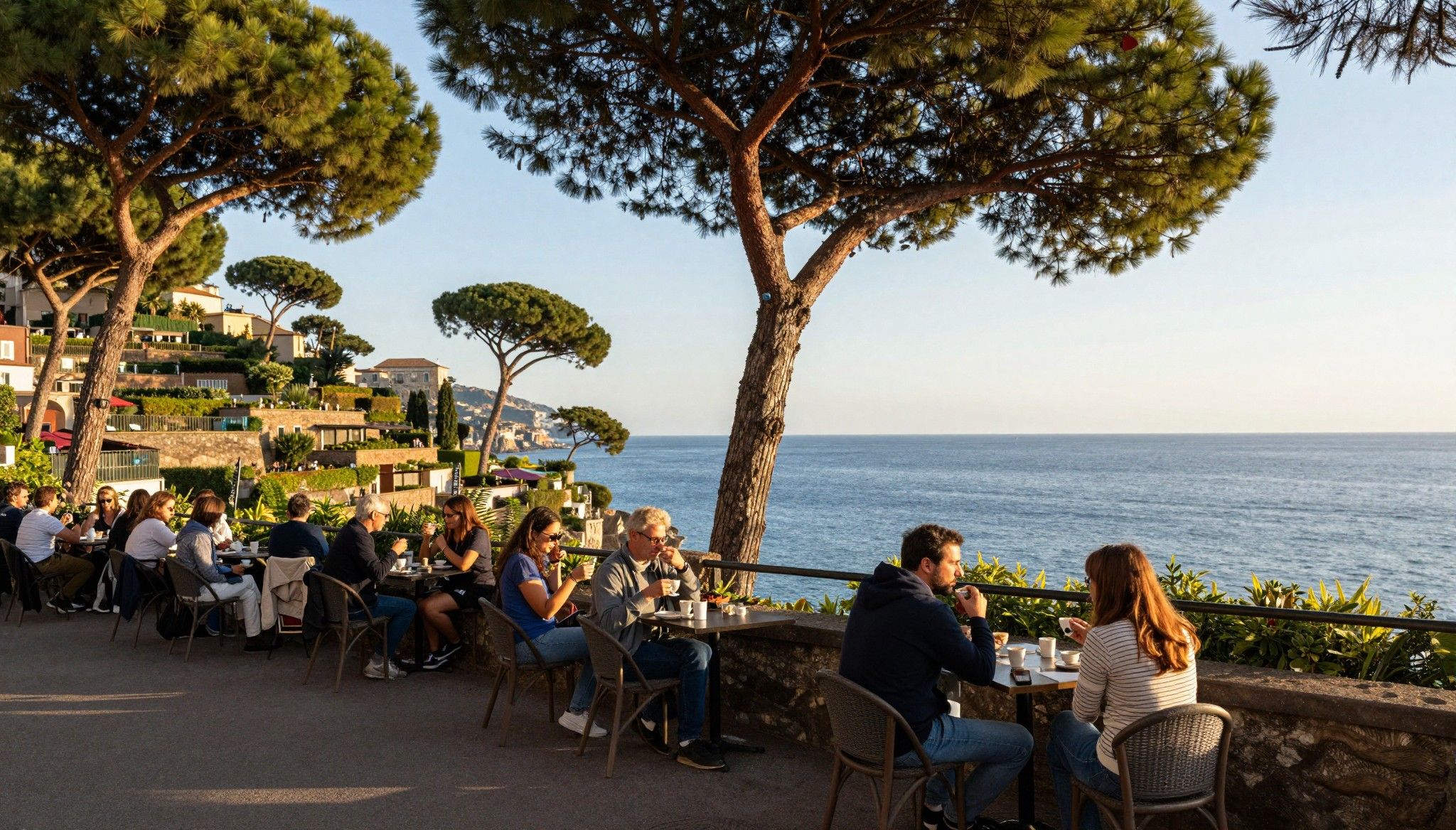
Imagine waking to the smell of espresso and pine resin, stepping onto a stone terrace that overlooks a jagged stretch of sea where wind-sculpted pines cling to cliffs. In Italy, these verdant coastal edges — from Liguria’s terraces to Calabria’s wild coves — are less a postcard and more a lived season: market mornings at market stalls; afternoons spent repairing terraces and tending small orchards; evenings of slow meals under vines. For international buyers drawn to green living, Italy’s coastal-forest edges offer a rare union of rugged coastline, ancient building craft, and communities still rooted in local rhythms. This piece mixes that sensory life with concrete, research-backed guidance so you can fall in love wisely and buy with confidence.
Living the verdant Italian coast
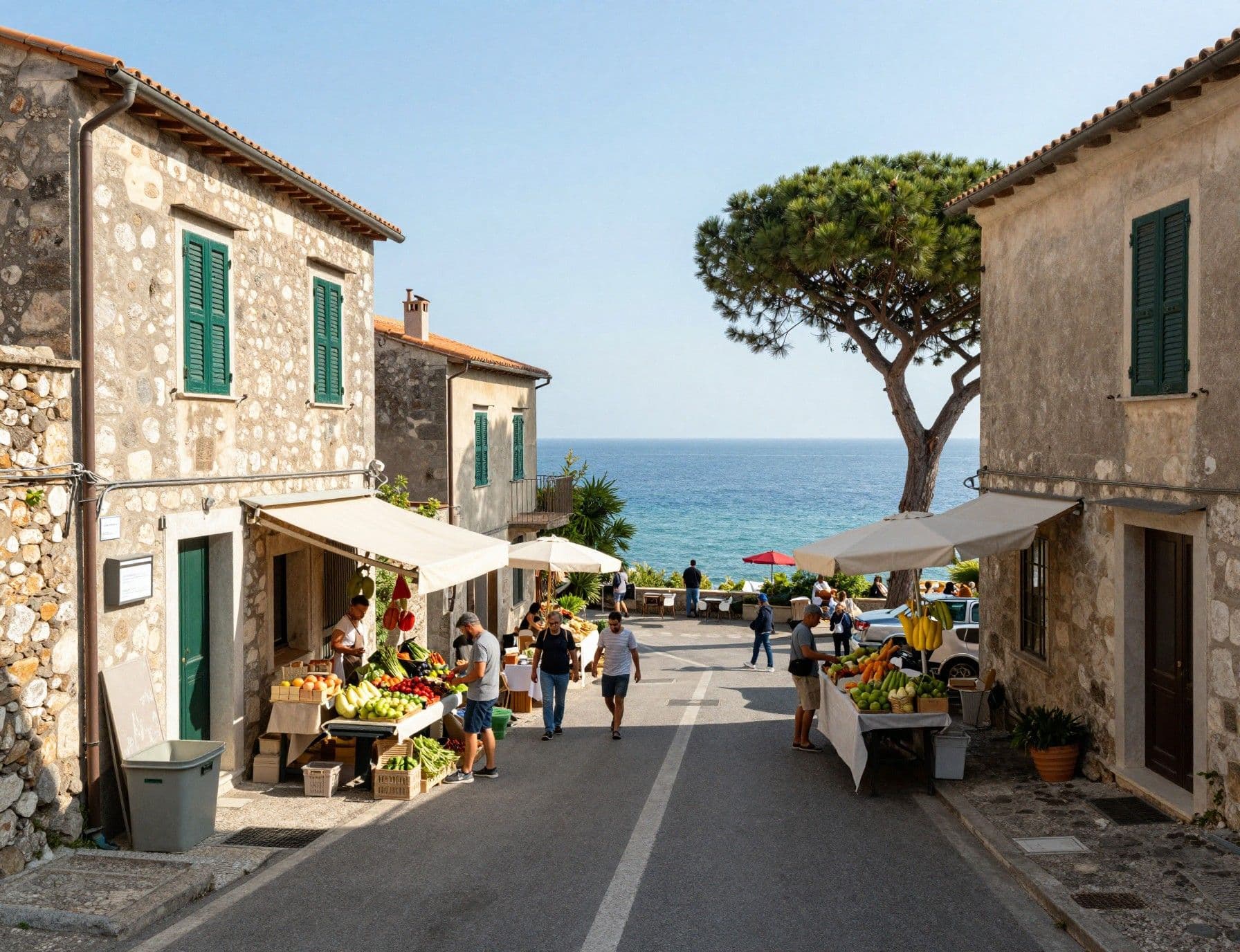
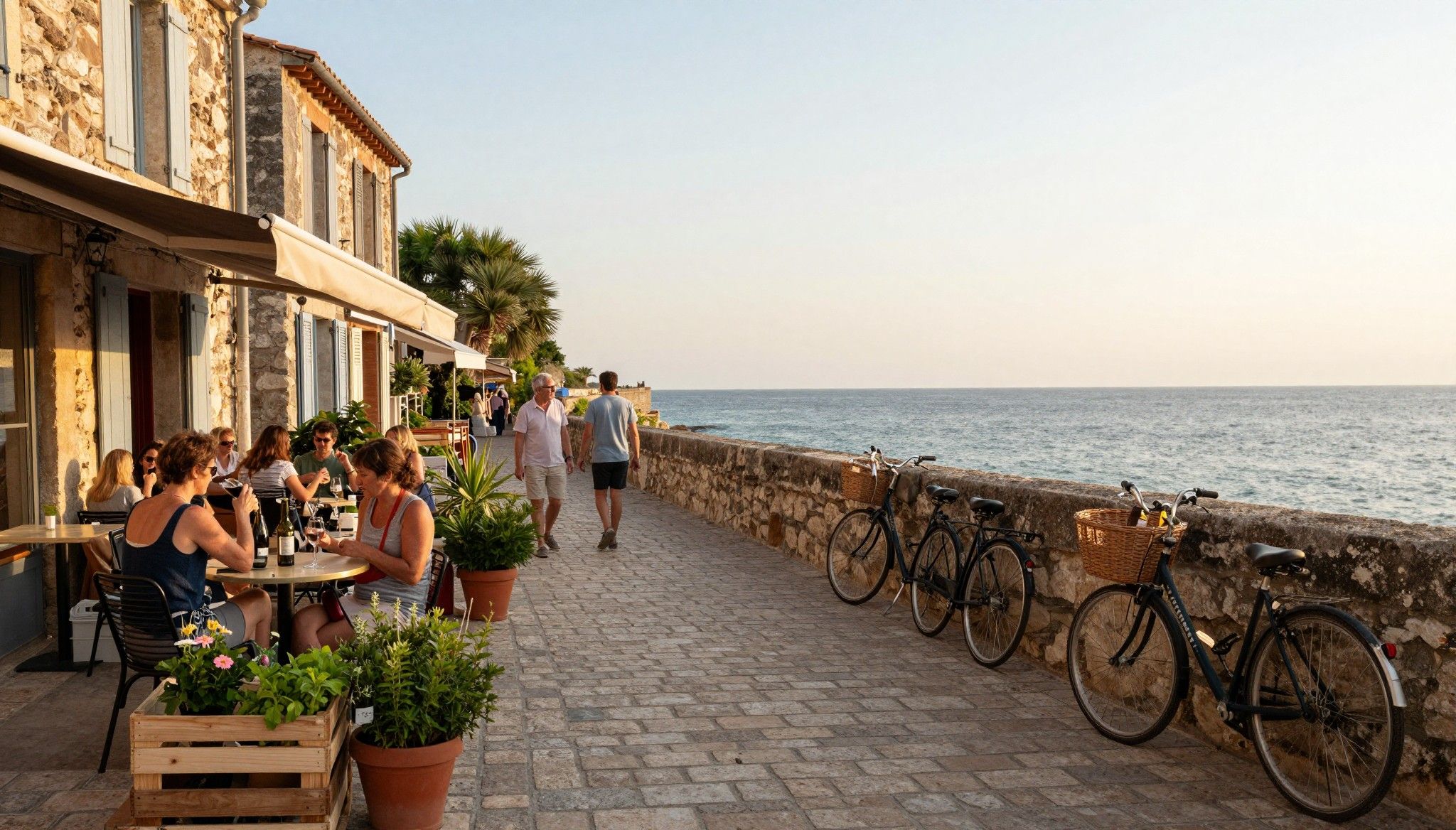
Life on Italy’s verdant coast moves at the tempo of seasons and small-scale rhythms. Mornings begin with barista chatter in village piazzas; markets brim with wild herbs, sea bass and peaches; afternoons invite coastal walks beneath umbrella pines and afternoons spent on terraces patched with native succulents. The interplay of olive groves, terraced vineyards and maritime pine creates microclimates that shape how homes are built and used: stone walls and deep eaves for summer shade, thick masonry for winter warmth, and terraces that become outdoor rooms for half the year. Recent national statistics show tourism and regional population patterns that sustain seasonal economies while also increasing interest from international buyers looking for community and nature-based living.
Liguria’s stone terraces vs. Tuscany’s pine-lined coves
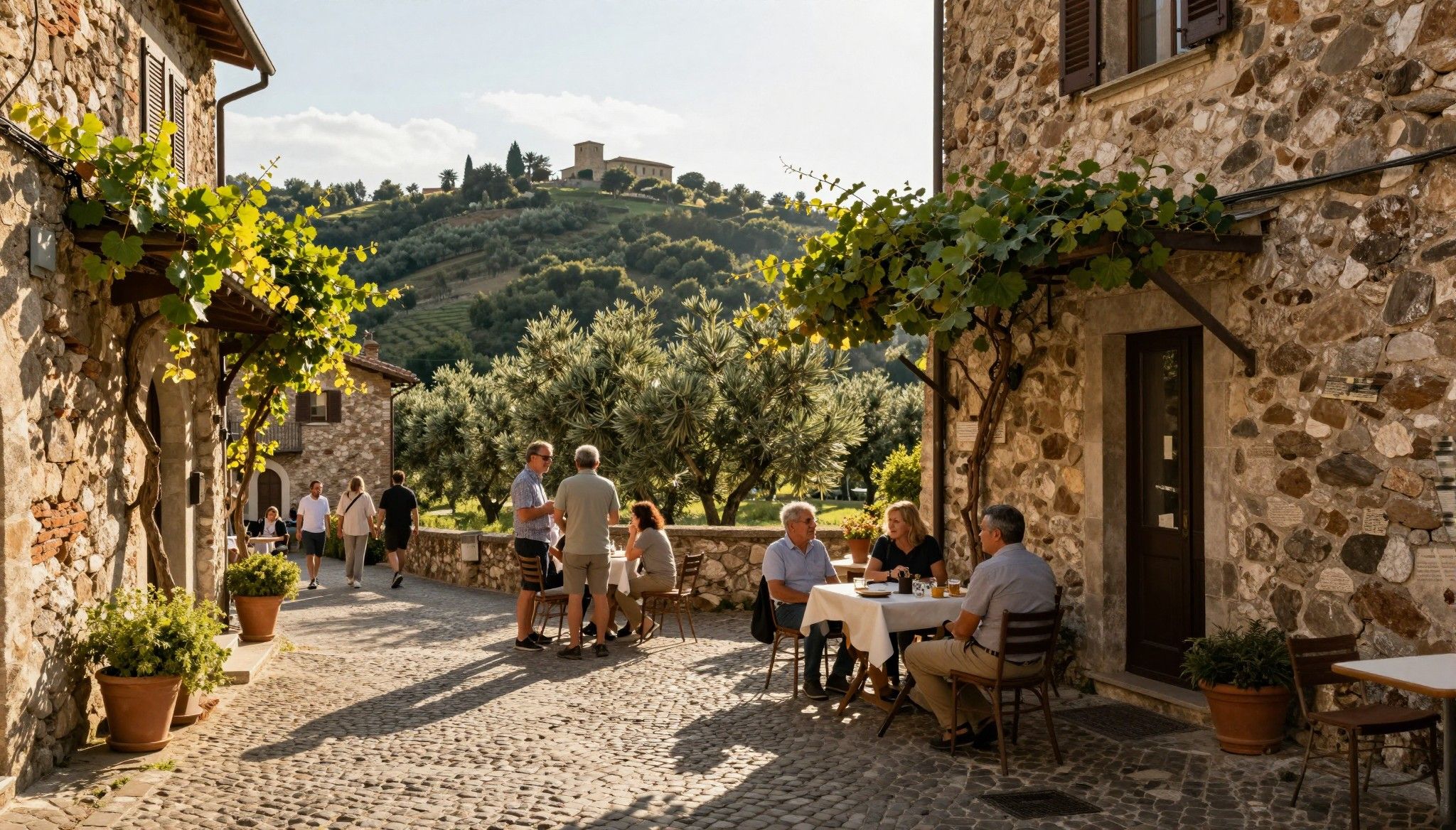
If you picture terraces cut into cliffs, think Liguria — its narrow lanes, wisteria-draped facades and stairways that connect tiny cafés to the sea. In contrast, Tuscany’s coastal arc and Maremma offer broader olive-scattered slopes, pine forests that meet sandy beaches, and hamlets where you can still find a carpenter who knows lime plaster. These differences shape daily life: Ligurian homes prize compact outdoor niches and sun management; Tuscan coast properties often include orchards and larger garden rooms. Property architecture echoes the landscape — and your lifestyle choice should too.
Food, markets and seasonal rituals
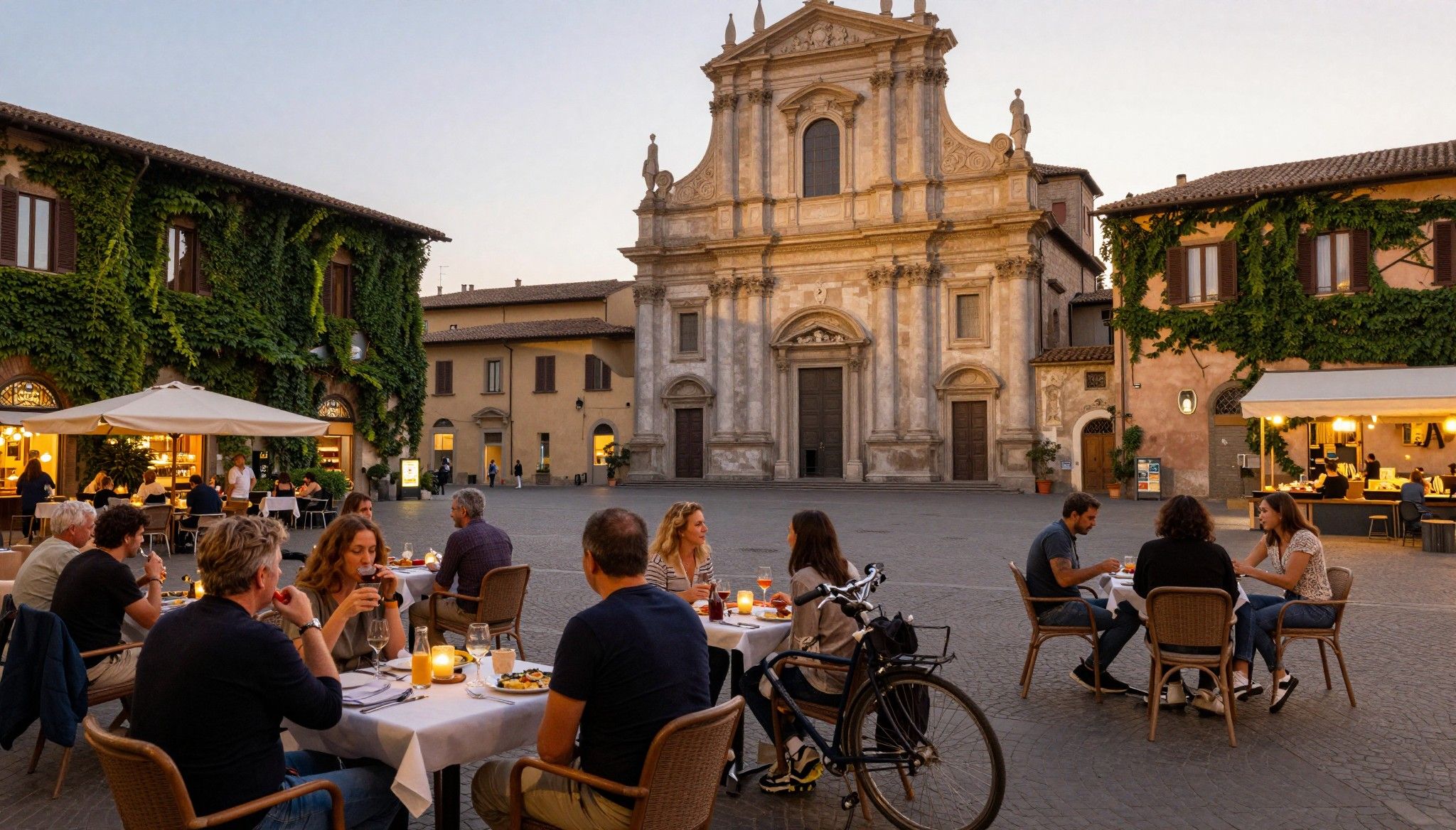
A day could begin at the mercato comunale picking sea bass and wild fennel, lunch be a seaside trattoria’s mussel stew, and the evening a chilblain of neighbours sharing preserves. Festivals — from small patronal sagre to olive harvest parties — are where neighbourhood ties are woven. For buyers, proximity to weekly markets and a good forno or pescheria matters as much as square metres; these everyday anchors determine how much you truly belong. The seasonal ebb — quieter winters, vivid summers — also means some neighbourhoods hum differently across the year, a fact with both lifestyle and pricing implications.
Making the move: lifestyle-led practicalities
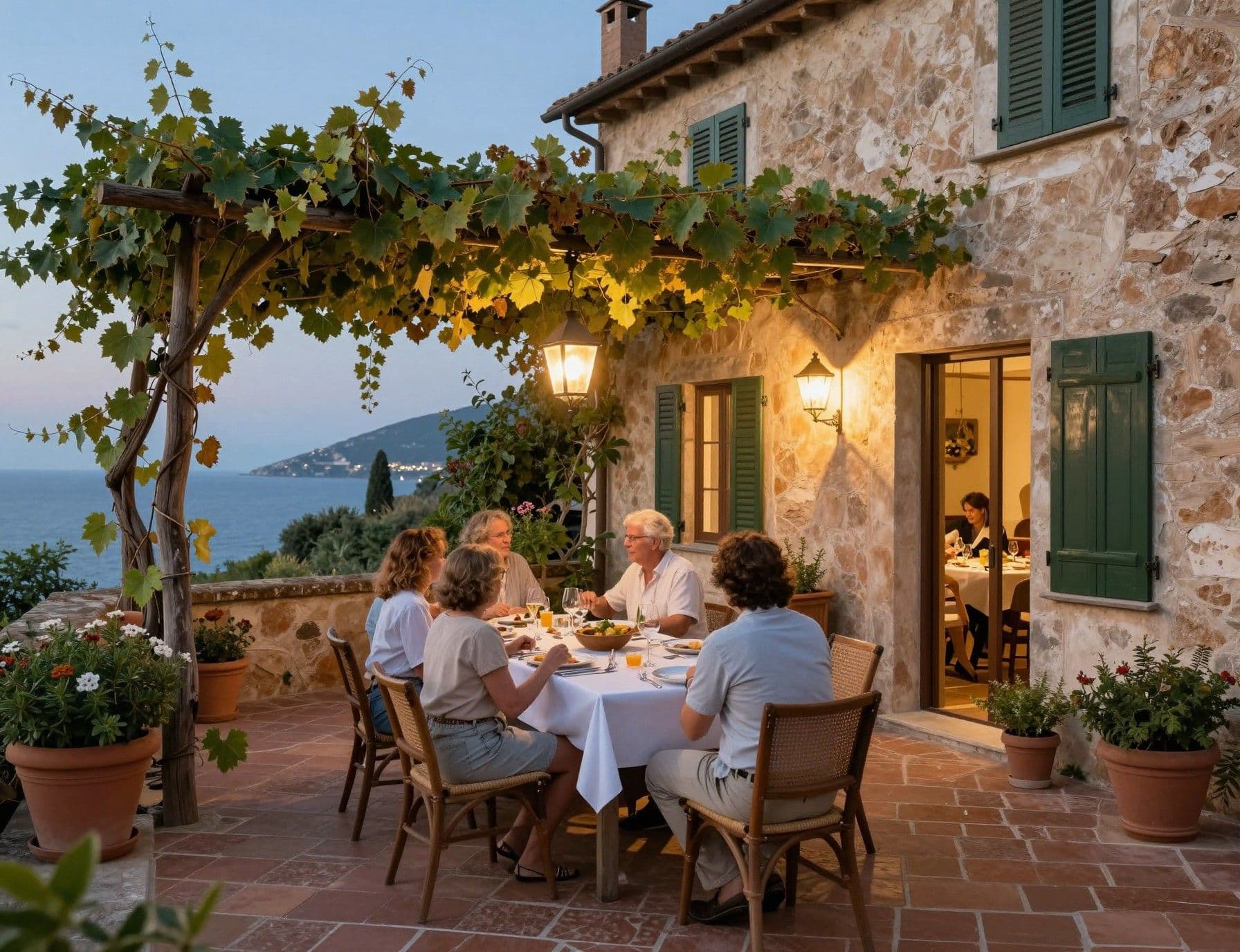
Dreams of terraces and wild gardens meet a few realities: market cycles, local zoning, and the everyday logistics of living on sloped coastal land. National market reports indicate a cautious recovery in transactions and pockets of buyer interest returning in 2024–2025, often driven by mortgage-financed purchases and renewed investor appetite. That translates into opportunity for international buyers who pair lifestyle clarity with solid local advice: know the seasonality of an area, understand the maintenance needs of terraced land, and match your home type to how you will actually live there.
Property styles that suit green coastal living
Choices run from compact stone houses in cliffside villages to restored farmhouses with chestnut beams and native gardens. Stone cottages deliver thermal mass and authenticity but often need modernisation for energy efficiency; restored villas may already include solar or heat-pump systems but come with higher asking prices. For eco-conscious buyers, look for homes with passive design features (thick walls, north–south orientation), opportunities for innocuous photovoltaic placement, and gardens designed with native species to reduce watering and support biodiversity. Practical upkeep — terracing, access roads, and water rights — will directly affect your seasonal living experience.
Steps to marry lifestyle and purchase (a numbered checklist)
1. Visit in different seasons — a summer weekend and a winter week to feel true rhythms. 2. Pick neighbourhood anchors: market, farmacia, local café; if these are missing, community life will feel thin. 3. Check building orientation and shade — will terraces be liveable from spring to autumn? 4. Ask about water supply and road maintenance — cliffside serenity can come with practical limits. 5. Request recent OMI and transaction data for the municipality; local trends show where value is stabilising. Each step blends how you want to live with hard data, ensuring you buy a place that supports the life you imagine.
Insider knowledge: what expats wish they’d known
Expat buyers often arrive enchanted by sea-sprayed lanes and find themselves surprised by maintenance, bureaucracy and seasonal quiet. Locals will tell you that a nearby community shop and friendly neighbours are more valuable than sea views if you plan year-round living. Practical realities such as aged septic systems, access limitations for emergency services, and the cost of restoring lime-mortar stonework are common regrets. The smart approach blends imagination with on-the-ground checks: treat charm as an invitation to ask deeper questions.
Cultural rhythms, language and belonging
Integrating into small coastal communities rewards patience and respect for local ritual. Learning basic Italian opens market chats and the door to neighbours who’ll share olive oil or pruning tips. Many expats find volunteer activities — helping at a sagra or the communal olive harvest — accelerate belonging more than attending expat meetups. Administrative tools such as the Investor Visa and local municipal services support longer stays, but community entry is human work: regular presence, shared labour, and respect for seasonal pace.
Practical red flags and sustainability checks (quick list)
• Check slope stability and historical landslide records before buying terraces. • Verify water rights and irrigation easements — coastal olive groves rely on predictable supply. • Ask for recent energy retrofit documentation; stone houses can be made efficient but need proper insulation and ventilation. • Confirm road access year-round and emergency vehicle reachability. • Look for native landscaping and rainwater capture features that reduce maintenance and support biodiversity. These checks protect both your wallet and the landscape you love.
Buying in Italy’s verdant coastal regions can be a deliberate act of stewardship as much as a property purchase. Market indicators from national observatories signal a stabilising and selective recovery in 2024–2025, which means attentive buyers who prioritize green features and local fit can find properties that offer both lifestyle richness and long-term resilience. Work with agencies that speak both languages of place and process — those who know how to read OMI transaction data, coordinate energy retrofits, and translate municipal rules into realistic timelines. When lifestyle first guides the search and research anchors the purchase, Italy’s green coasts become homes you can care for and belong to.
If you’re ready to go deeper: visit in shoulder seasons, bring a local expert for one field walk, and ask sellers about recent energy or drainage work. Begin conversations with agencies that specialise in eco-retrofits and verdant properties; their local networks will surface off-market opportunities where charm and sustainability already coexist. In the end, buying here is not just about square metres or market timing — it’s about choosing a way of life that becomes part of a living landscape.
Danish relocation specialist who moved from Copenhagen to the Algarve; supports families with seamless transitions, local partnerships, and mindful purchases.