Life-First Buying in France: Green Finance & Local Truths
A lifestyle-led look at buying in France: live like a local, use éco‑PTZ and green mortgage options, and pair neighbourhood rituals with practical checks.
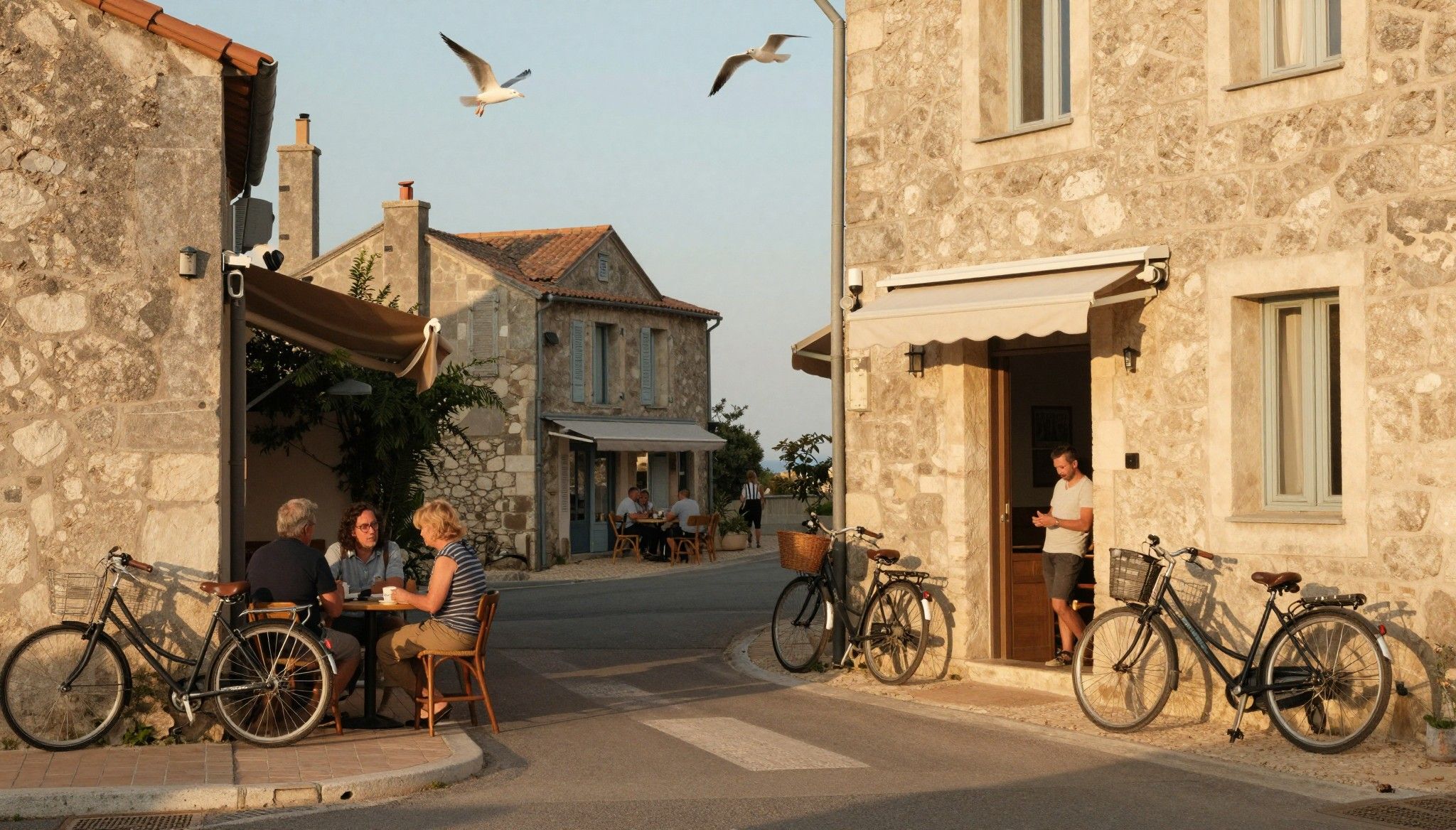
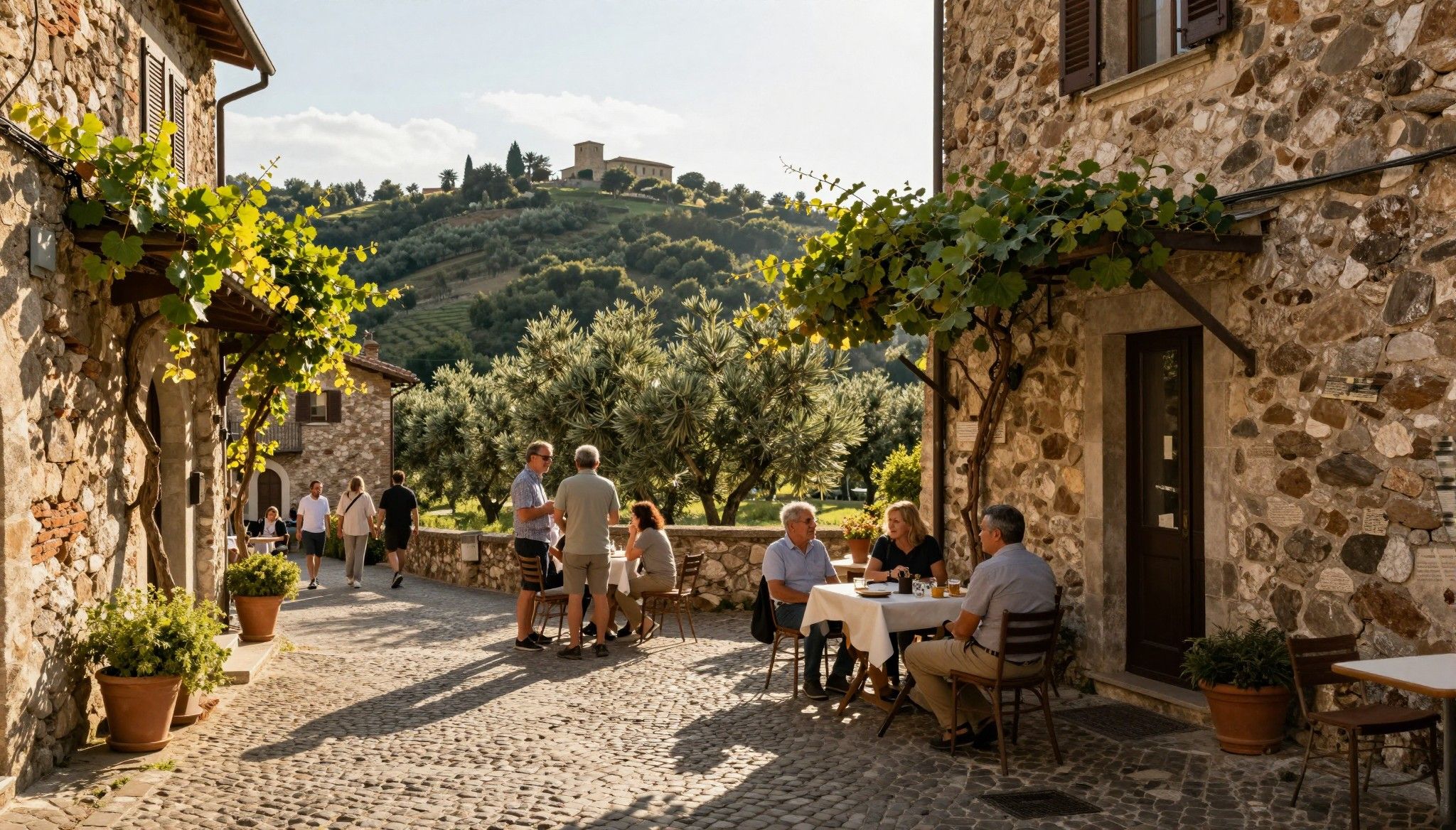
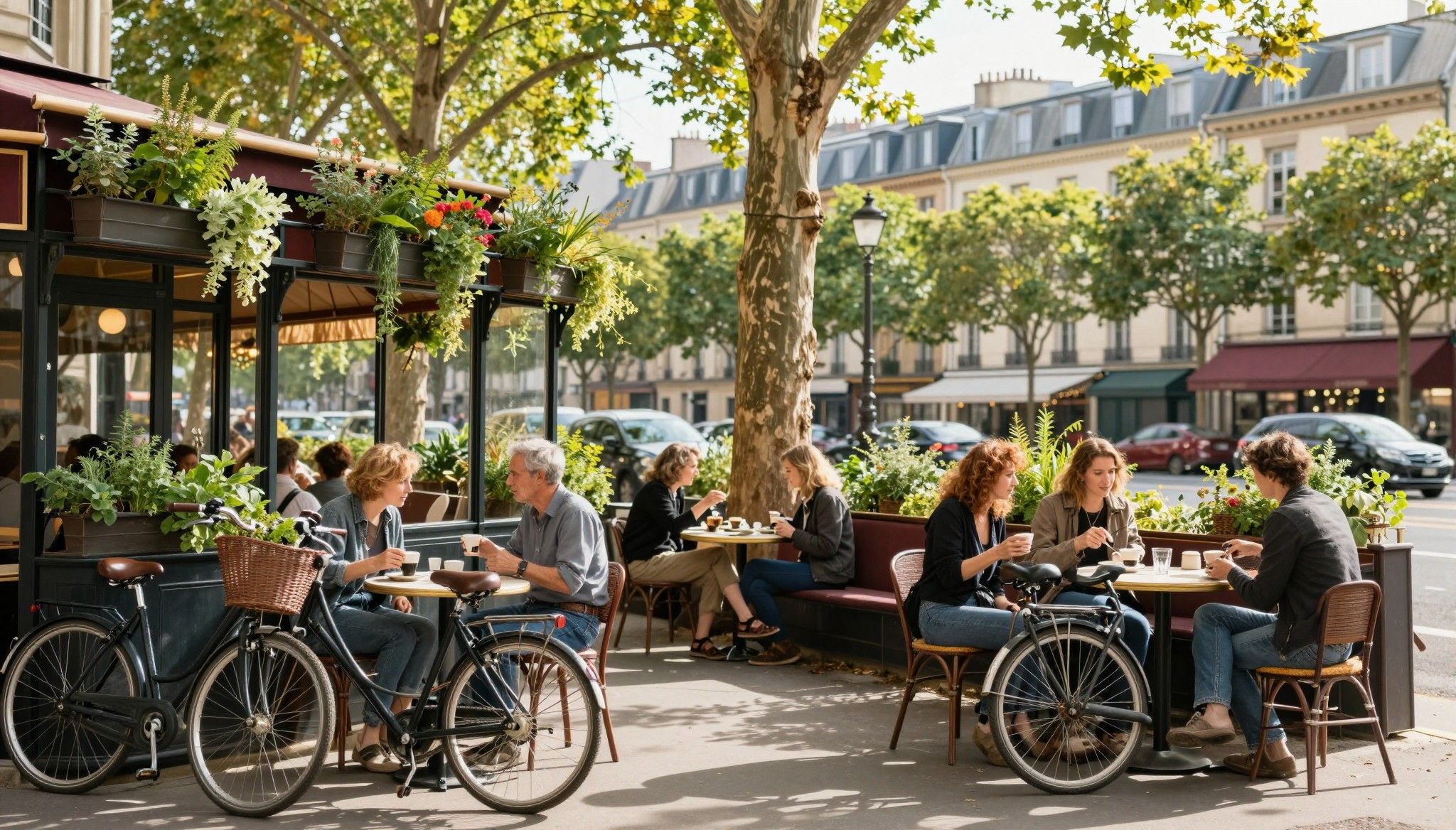
Imagine a slow morning in France: a boulangerie on rue des Martyrs in Paris, fishermen mending nets in Cassis, and a sun-warmed stone farmhouse in Dordogne where lavender scent drifts through open shutters. That feeling—the gentle rhythm of market mornings, long lunches under plane trees, and evenings that belong to neighbours and gardens—is what draws many of us across borders. But the romance and ritual of living here meet a very French set of rules, incentives and financial tools that shape what you can buy and how you keep it green. Read on for an intimate portrait of daily life in France, and clear, research-backed steps to finance a more sustainable home in harmony with place.
Living the French Life: Days, Places, and Small Rituals
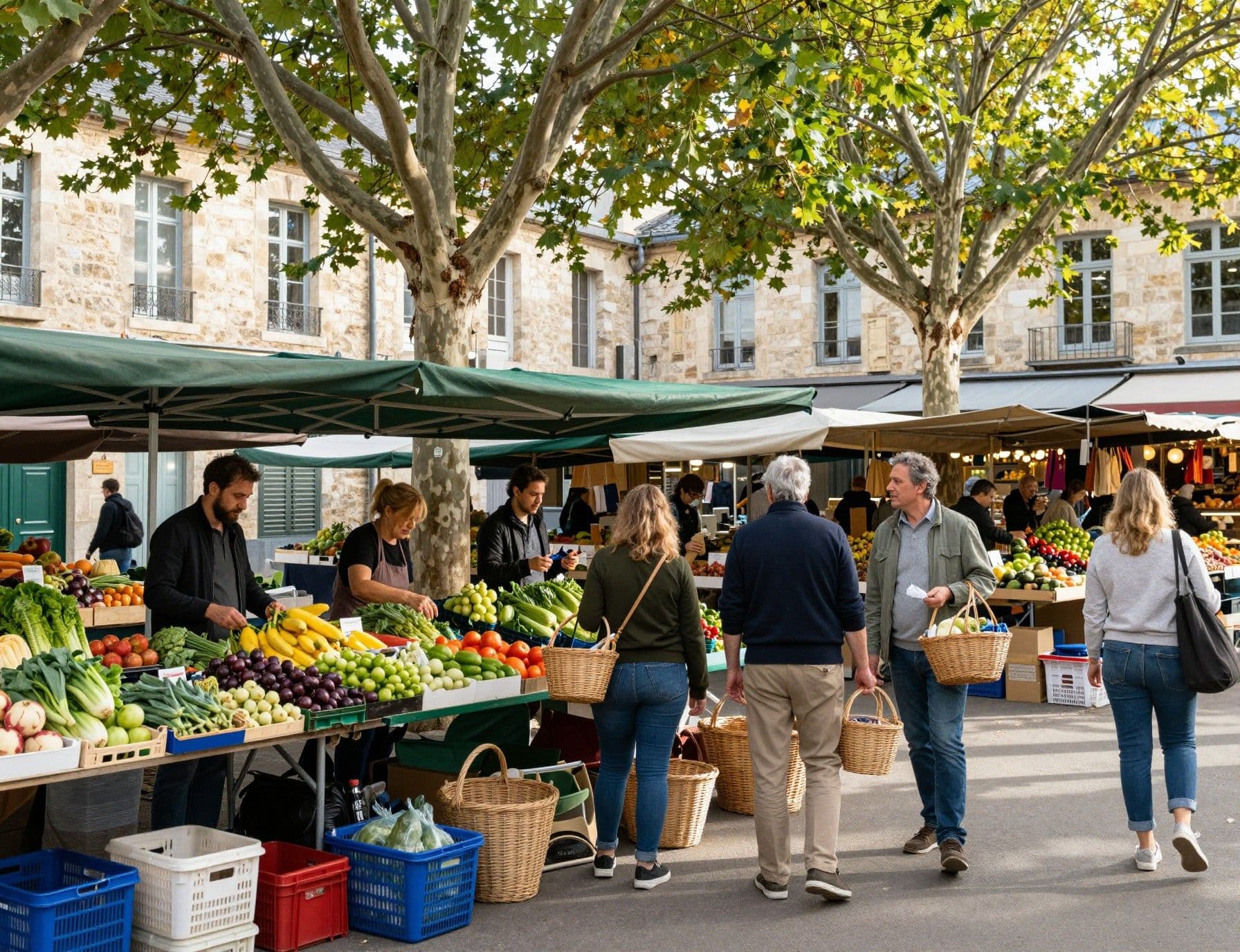
Living in France is a patchwork of local tempos: Paris mornings are cappuccino-steeped and brisk, Bordeaux afternoons slow around the market stalls, and coastal towns like Biarritz measure time by tides and surf windows. Street life matters—the small café where the owner knows your name, the marché that sets weekly rhythms, and a mairie noticeboard that still lists fêtes and municipal meetings. This everyday choreography informs property choices: proximity to a marché, a south-facing terrace, or a garden can matter more than square metres alone. Recent market notes from Notaires de France show renewed buyer interest across cities and regions, underscoring why lifestyle fit should guide location decisions as much as price data.
Neighborhood Spotlight: Le Marais to Marseille’s Corniche
Le Marais in Paris hums with cobbled lanes, independent galleries and discreet courtyards where plane trees soften the light; small doorways hide roomy, characterful apartments that feel both urban and intimate. Contrast that with Marseille’s Corniche and Vallon des Auffes, where terracotta roofs, fishing boats and sea-salted air create a year-round outdoor life; terraces and shutters are the home’s frontline. If you crave markets and cafés, the 5th arrondissement or Lyon’s Croix-Rousse will feel like home; if you imagine orchard days and stone barns, look to Dordogne or the Lot. Each area has its own texture, and being specific about the life you want makes the buying journey faster and kinder to your finances.
Food, Markets and the Seasonal Calendar
Friday markets in Aix, oyster stalls in Arcachon, and the truffle auctions of Périgord are not just tourist postcards—they are weekly weather vanes for local life. Food culture shapes where people gather, how homes are used, and what features matter: robust pantries, north-south ventilation for summer heat, and courtyards that extend living space. Seasonality also affects prices and viewings; while summer is picturesque it can mask insulation or humidity problems that only show in winter. Think of the market and season as part of your due-diligence toolkit: they reveal how a place actually lives across the year.
Making the Move: Practical, Green-Minded Financing
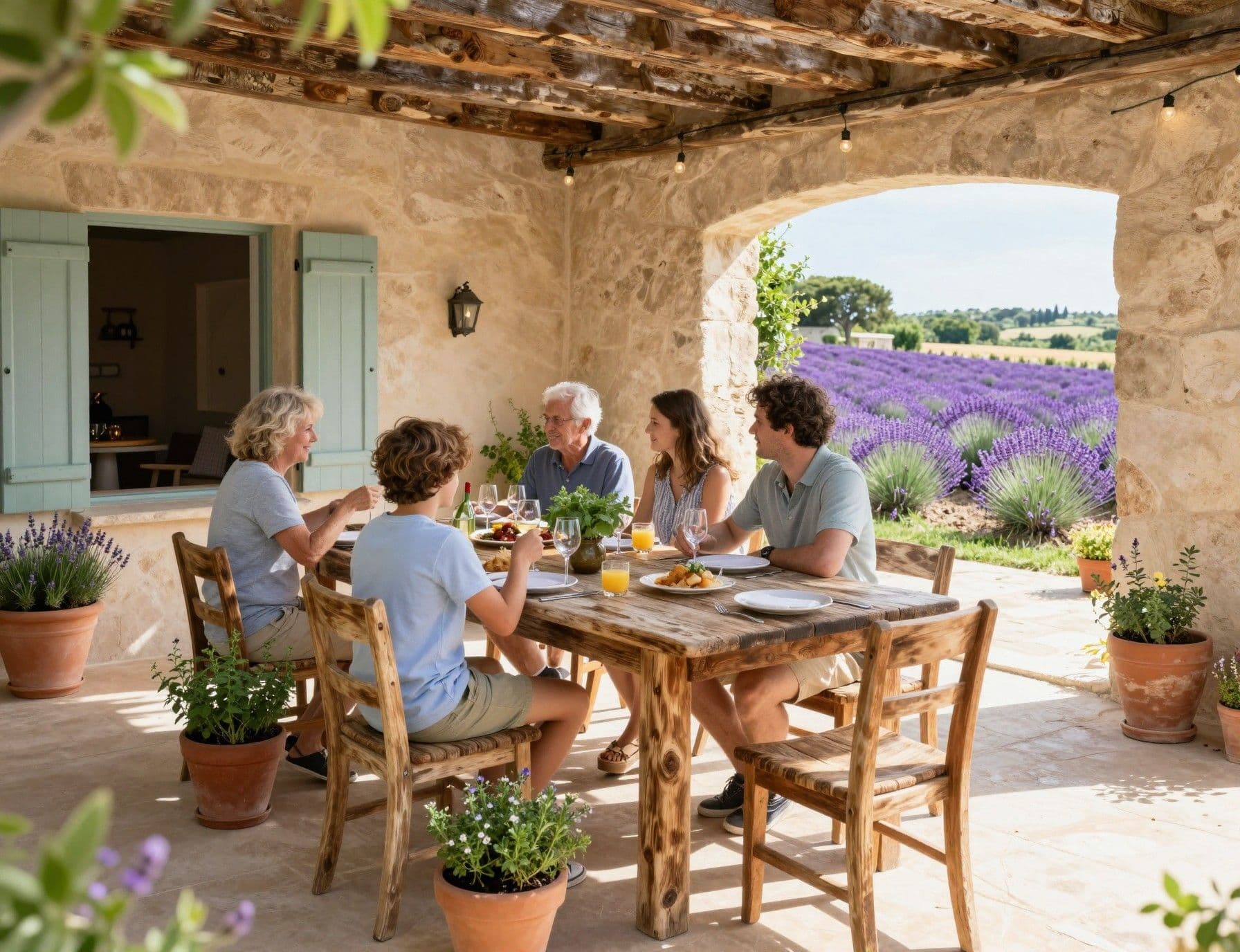
Dreams of sunlit terraces should meet a practical plan: how will you buy, what incentives are available, and which renovations make ecological and financial sense? France offers targeted tools for buyers and owners who want to improve energy performance—most notably the éco-prêt à taux zéro (éco-PTZ), a government-backed zero-interest loan for qualifying energy renovations. Combined with local bank green mortgage offers and national grants, this can materially change the long‑term cost of ownership and your home's carbon footprint. Use official guidance from Service-public and the Ministry for eligibility and current thresholds before you budget.
Property Types and How They Fit a Sustainable Life
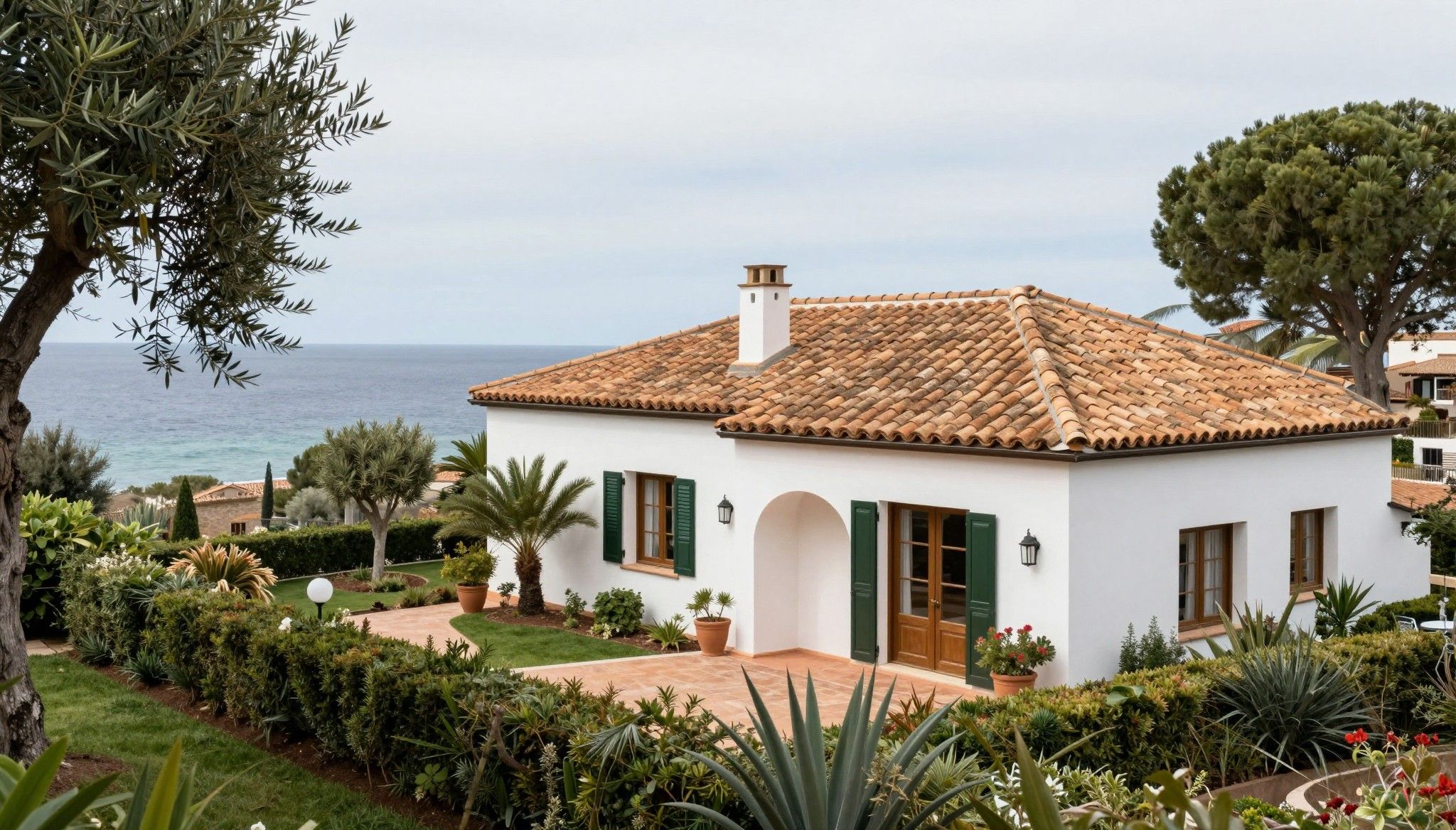
A stone farmhouse in the Lot will demand different retrofit work than a Parisian Haussmann apartment. Rural homes often benefit from insulation, heat pumps and solar microgeneration; urban apartments may profit more from upgraded windows, communal heating improvements and better ventilation. When assessing a property, ask about the DPE (Diagnostic de Performance Énergétique), roof orientation, wall thickness and the copropriété’s recent works. Small, targeted renovations—insulating a roof, swapping an old boiler for an air-source heat pump, adding double glazing—often yield the best value for money in France’s varied climate.
Steps to Combine Lifestyle and Green Finance
1) Identify the life you want (market days, commute tolerance, outdoor living) and shortlist three neighbourhoods that match. 2) Check recent sales and price maps from Notaires de France to set realistic budgets and seasonal timing. 3) Request the property's DPE and ask the seller for recent energy work or copropriété minutes. 4) Ask your lender about éco-PTZ and green mortgage offers—have renovation estimates ready to see combined financing. 5) Factor in renovation time and local planning (permis de construire or déclaration préalable) before signing.
Insider Knowledge: Expat Truths, Red Flags, and Cultural Nuance
Expats who stay tend to say the same thing: fall in love with daily life, but let local expertise manage the paperwork. Sellers may highlight period beams or 'authentic' stone without mentioning damp in winter; brokers may speak of charming courtyards while maintenance budgets tell another story. Recent notarial bulletins show a market that varies sharply by neighbourhood and house type, so what looks like value in one arrondissement can be expensive upkeep in another. The best protection is local counsel—an agent who understands the neighbourhood rhythms, a notaire who clarifies servitudes, and a trusted surveyor who knows local building traditions.
Language, Community and Belonging
You don’t need perfect French to live well here, but learning a few rhythms—how to greet at the marché, the rhythm of municipal office hours, and basic property vocabulary—transforms the experience. Join local associations, volunteer at the fête votive, or take a market cooking class to meet neighbours beyond the expat bubble. These human connections also make it easier to maintain a sustainable home: neighbours will tell you the best artisan for lime plaster, the local carpenter who reuses reclaimed timber, or the mairie contact for tree planting initiatives.
Red flags and quick checks before you sign
• DPE older than five years or missing: ask for recent energy diagnostics and expected upgrade costs. • No copropriété minutes available: lack of transparency about past works often hides deferred maintenance. • Roof without recent inspection: roofs are expensive and urgent in rainy or coastal climates. • Unclear property boundaries or servitudes: check the cadastre and ask the notaire for clarifications. • Sudden price reductions with vague explanations: verify why; the issue is often timing, not romance.
A last practical note: use authoritative price maps and notarial indices when setting budgets, and layer that with local knowledge about seasons and lifestyle fit. Notaries’ reports and price indices show where markets are tightening or relaxing; combine those signals with seasonal viewing strategies—visit in both summer and winter if possible, or ask your agent for winter-condition photos and neighbour interviews. When finance, life and stewardship align, the property becomes more than an asset: it becomes a home that belongs to place.
Ready for the next step? Start by defining the life that matters to you—morning markets, a seaside walk, a vegetable plot—and ask an eco-aware agent to run DPE checks, estimate green retrofit costs, and explore éco-PTZ or green mortgage combinations. With the right team, your move to France can be both a lifestyle transformation and a long-term act of stewardship. Fall in love first; plan the finances second. The two together make a life here possible and sustainable.
Danish relocation specialist who moved from Copenhagen to the Algarve; supports families with seamless transitions, local partnerships, and mindful purchases.