Off‑Season House‑Hunting in France: Where Value Hides
Seasonal, sensory house‑hunting in France uncovers off‑season value and sustainable homes; use local rhythms, not summer showings, to shape wiser purchases.
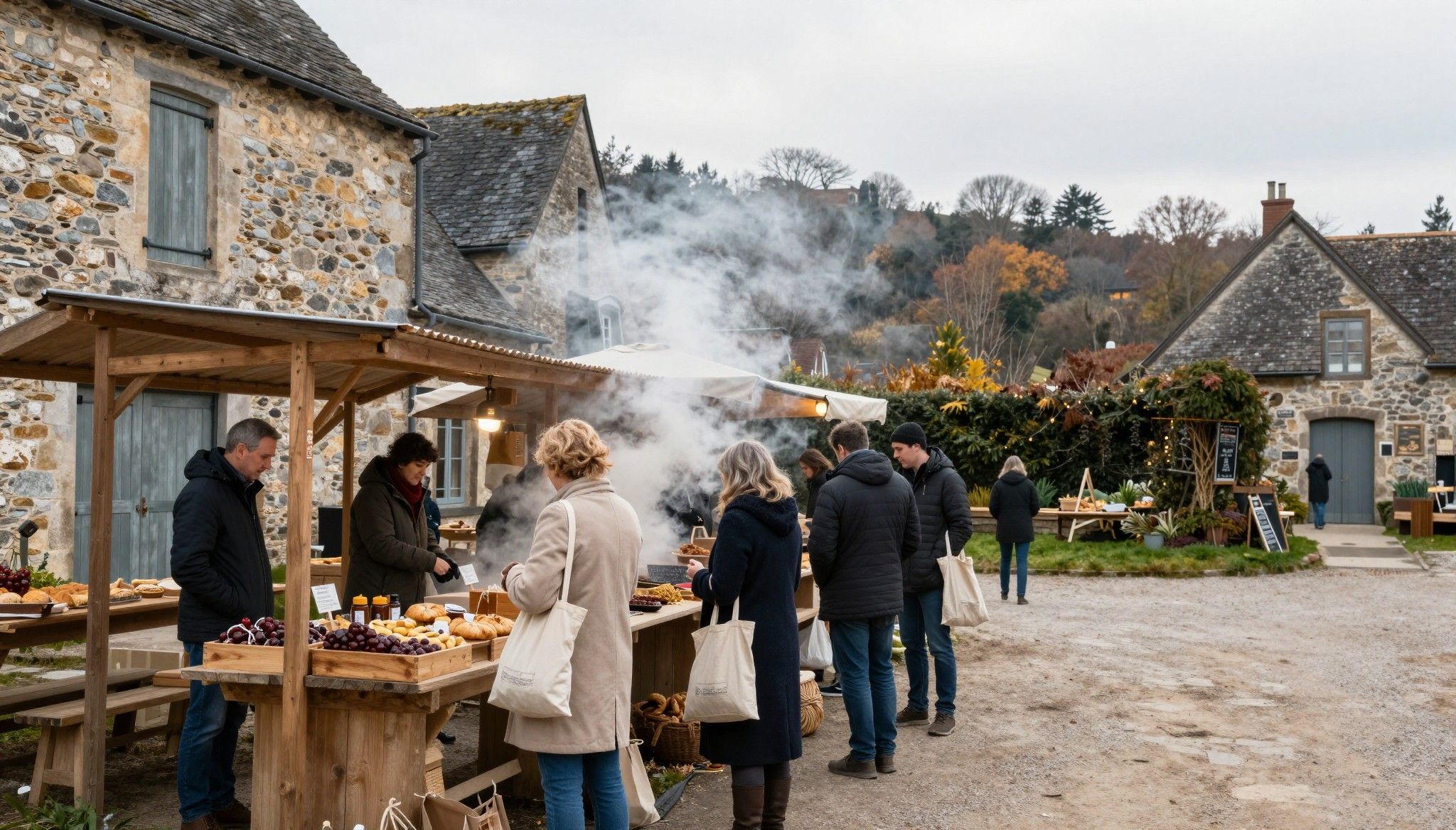
Imagine a November morning in a small market square: chestnuts roasting, a baker unfolding warm baguettes, and a real estate agent pointing out the south-facing orchard behind a stone farmhouse. In France, the rhythms of seasons reveal more than pretty light — they reveal truth about neighbourhood life, running costs and the health of a property. Looking beyond summer showings and glossy listings uncovers quieter pockets of value and genuinely sustainable homes. According to recent INSEE figures, price movement across France has stabilised after volatile years, which means timing and local insight matter more than ever.
Living the French life — close to the land
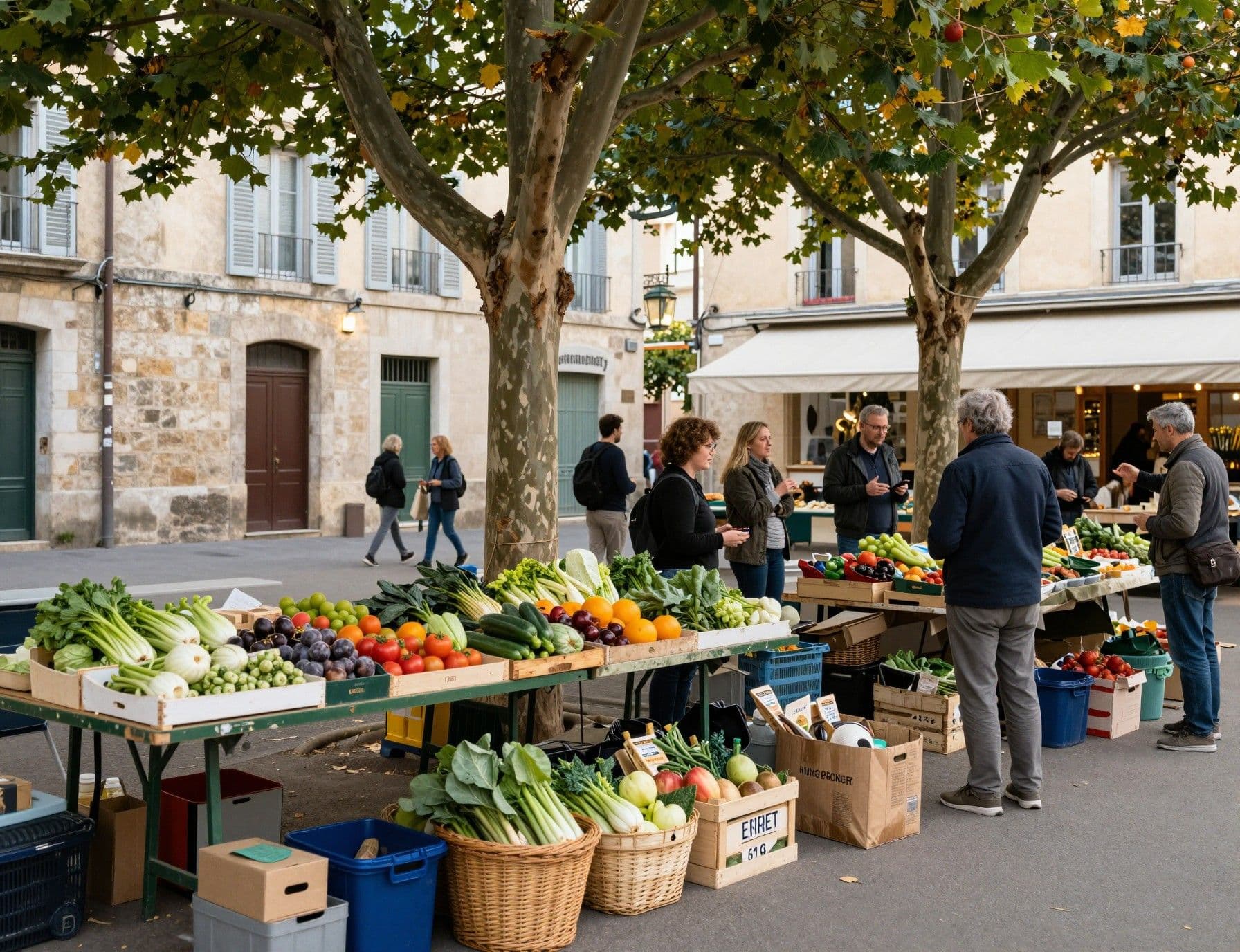
Living in France often means living in seasons. From sleepy fishing harbours on the Atlantic to lavender-scented mornings in Provence, daily life is anchored in markets, cafés and local trades. In Bordeaux you’ll smell wood smoke and harvest dust; in Brittany, sea air and salt. These sensory rhythms shape what you need from a home: insulation for winter mornings, shutters for hot afternoons, a well that's tested if you plan a vegetable garden. Local notaire and regional market reports show buyers who align a property’s features with local climate and culture tend to be happier in the long run.
Neighbourhoods that tell you how life works
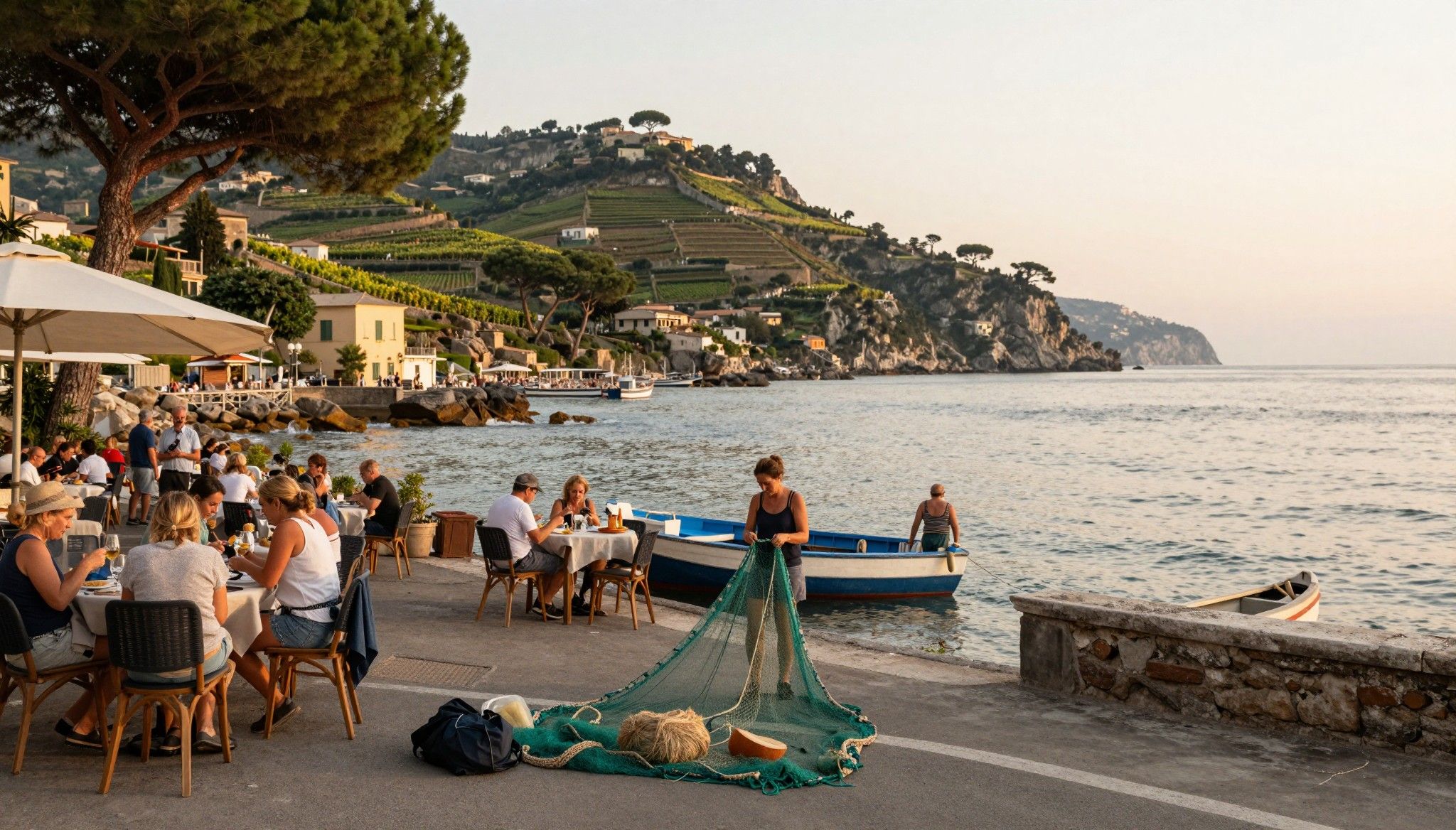
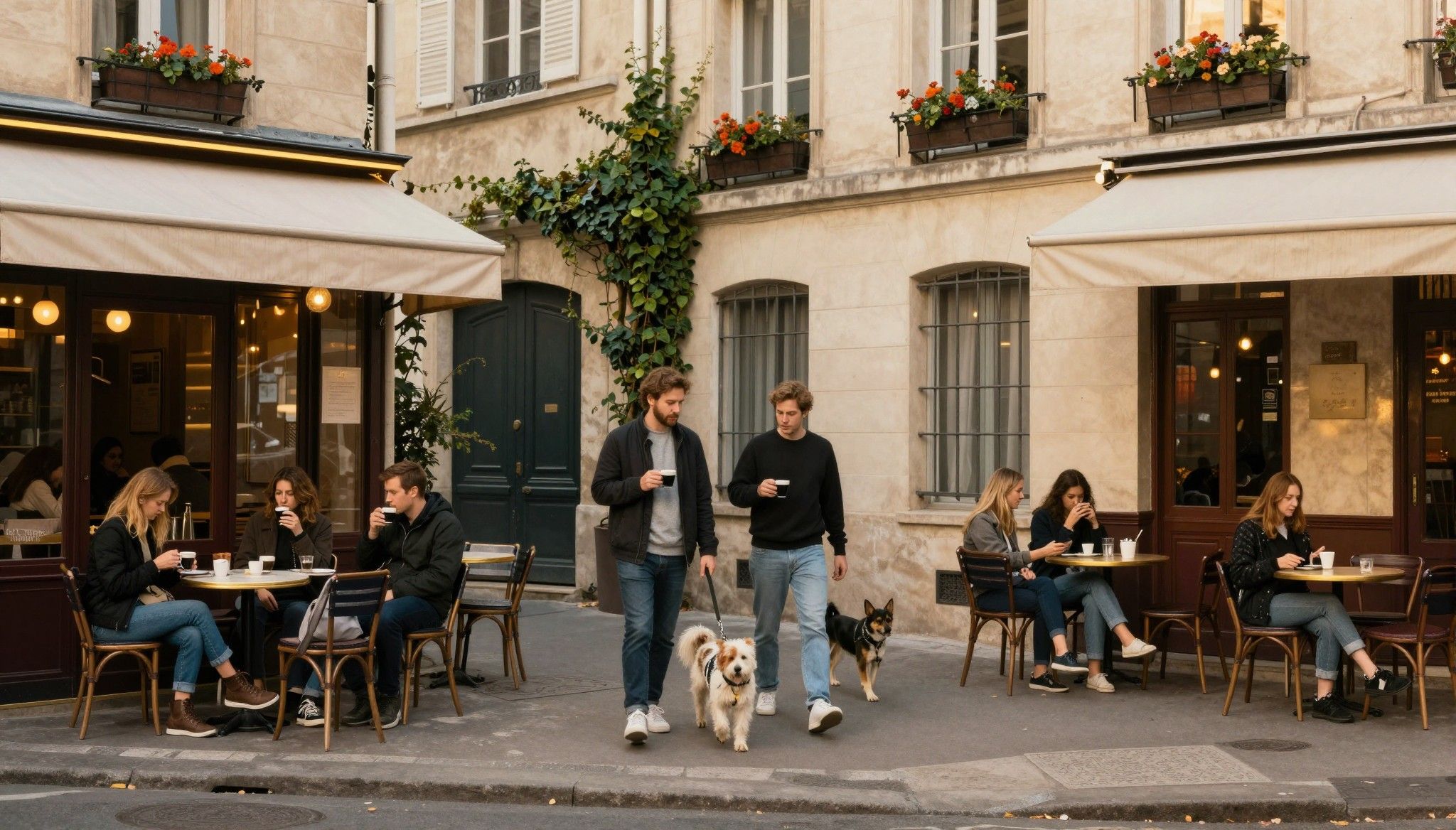
Walk the rue Mouffetard in Paris before noon and you’ll know if mornings are for market shopping or rushed coffee runs; stand in Place Sainte-Anne in Rennes at dusk and you’ll feel the student energy. Many towns have a single street that defines daily life: cafés where neighbours argue politics, a marché where producers bring what’s in season, a quai where fishermen mend nets. When house-hunting, follow those streets — they reveal transport rhythms, noise levels, and whether a garden will actually get morning sun.
Food, markets and the pace of weekending
A French weekend orbits the market. From Lyon’s hallés to the red umbrellas of Nice’s Cours Saleya, markets are where neighbours meet and seasons are announced. If you dream of farm-to-table living, check the market calendar, talk to stallholders and taste seasonal produce. These small interactions also give clues about local sustainability initiatives: community composting, farmer cooperatives, and neighbourhood support for solar projects — all signs a place is primed for low-impact living.
Lifestyle highlights to scout on early visits
• Morning markets (name the day) — are they full of regional producers or mainly stalls selling the same imports? • Local cafés and bakeries — who are the regulars and is the crowd year-round? • Public transport nodes — frequency outside the tourist season matters. • Green spaces and river access — check for usable year-round paths and planted buffers. • Community initiatives — notice bulletin boards and small-scale renewable installations. • Local craftsmen (carpenters, masons) — their presence signals a culture of repair and restoration.
Making the move: practical considerations that keep the lifestyle intact
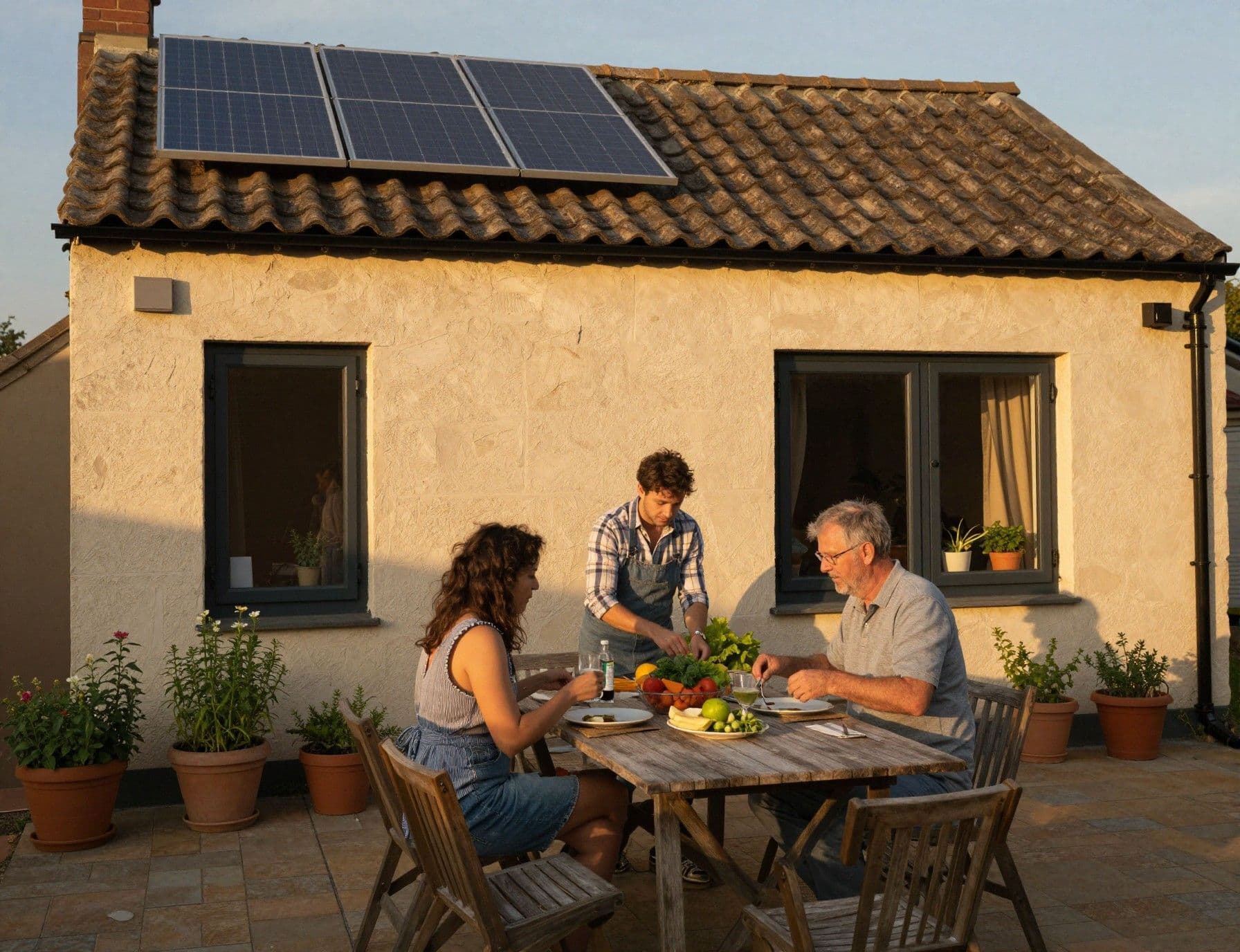
Romance without realism is a fast route to disappointment. The French purchase process is formal, paced by the notaire and local rules; successful international buyers fold their lifestyle checklist into the legal steps. That means clarifying priorities (solar-ready roof, south-facing garden, nearby markets) before you commission surveys or sign a compromis. Working with agents and notaires who understand both your eco-standards and local planning norms saves time and prevents costly surprises later.
Property styles and how they shape daily life
Stone farmhouses in Dordogne invite slow mornings, wood stoves and thick walls that keep heat in; a renovated apartment in Marseille gives terrace life and sea breezes but may mean higher running costs. New builds often come with better insulation, EV charging and formal guarantees, while older houses reward patient retrofit for passive performance. Match the building type to the life you want: if you crave vegetable beds and fruit trees, prioritise plot size and sun exposure over immediate polish.
Working with local experts who know the lifestyle
1. Hire a notaire early to flag servitudes, easements and cadastral quirks that change garden or water access. 2. Use an agent steeped in the neighbourhood — ask for three local references who bought similar homes. 3. Commission an ecological survey: energy performance, insulation, drainage and presence of protected species. 4. Speak with local builders about retrofit costs — many regions have grants for thermal upgrades. 5. Meet neighbours and local producers; cultural fit matters and will shape long-term happiness.
Insider knowledge: the expat truths no agent will gossip about
Expats often assume the prettiest villages equal the best value — and they’re surprised. In many regions, prices softened through 2023–2024 and have shown pockets of recovery since then, especially in cities and well-connected western areas. That means patience pays: off-season viewings reveal damp, heating performance and real noise levels, while summer gloss can hide drafty windows and weak insulation. Listen to residents: if a café closes for three months each winter, consider how that affects off-season life and rental prospects.
Cultural integration and the small rules that matter
Learning a few phrases and attending the market helps you meet people faster than any expat forum. French neighbours prize predictability: garden boundaries, quiet hours and local fêtes are part of social currency. Volunteer at a fête or join a repair café — these low-effort connections make a house a home and often open doors to off-market properties. Remember that local customs influence renovation approvals and community expectations — respectful listening goes further than insisting on your way.
Long-term lifestyle and stewardship
Think in seasons and decades: plant windbreaks now, plan for passive solar gain, and choose materials that patina well. Sustainable investments — better insulation, rainwater management, native planting — often lower total cost of ownership and deepen community goodwill. If you plan to rent, consider how seasonal markets shift demand; long-term renters prefer well-insulated homes with reliable transport links. Stewardship is both ecological and social: caring for land and neighbours builds the life you moved for.
Conclusion: Fall in love slowly, buy wisely. Walk the markets in each season you can, prioritise day-to-day rhythms over staged viewings, and fold sustainability into every decision — from which street to choose to how you heat your home. Work with local agents and notaires who listen to your lifestyle brief and can point to real examples of sustainable upgrades in the area. When you buy with the year’s full cycle in mind, you don’t just purchase property — you inherit a rhythm of life that will reward patience, care and curiosity.
Swedish advisor who left Stockholm for the Costa Brava in 2019. Specializes in sustainable, sea‑view homes for Scandinavian buyers and green finance insights.