Cyprus: Buy with Light, Finance for the Long Season
Fall in love with Cyprus’ seasons while financing a greener home: how local green loans, seasonal timing and hyperlocal knowledge turn dreamy buys into sustainable realities.
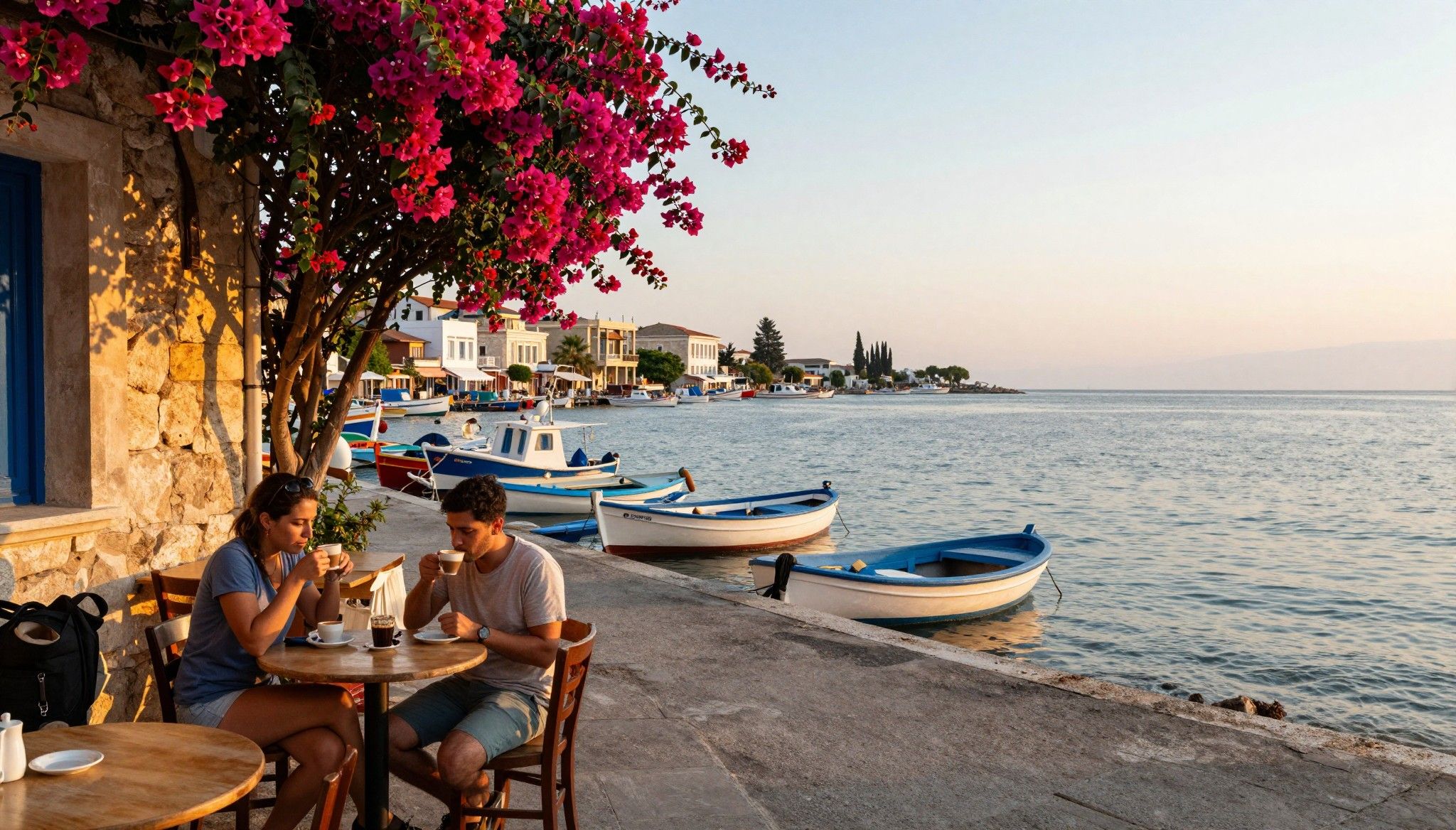
Imagine waking to a narrow street in Larnaca where the scent of simmering halloumi and strong coffee drifts from a corner kafeneio, or stepping onto a rocky terrace above Paphos as the sea draws a silver ribbon at sunrise. Cyprus is a sunlit, tactile place — limestone villages, eucalyptus-scented promenades, and a slow social rhythm that prizes long lunches and seasonal markets. For international buyers drawn to light and sea, the island offers both the dream and practical routes to make it a home, but the financing — and the opportunity to choose greener options — is where smart decisions turn aspiration into a sustainable life.
Living the Cyprus life: days, seasons and neighbourhoods
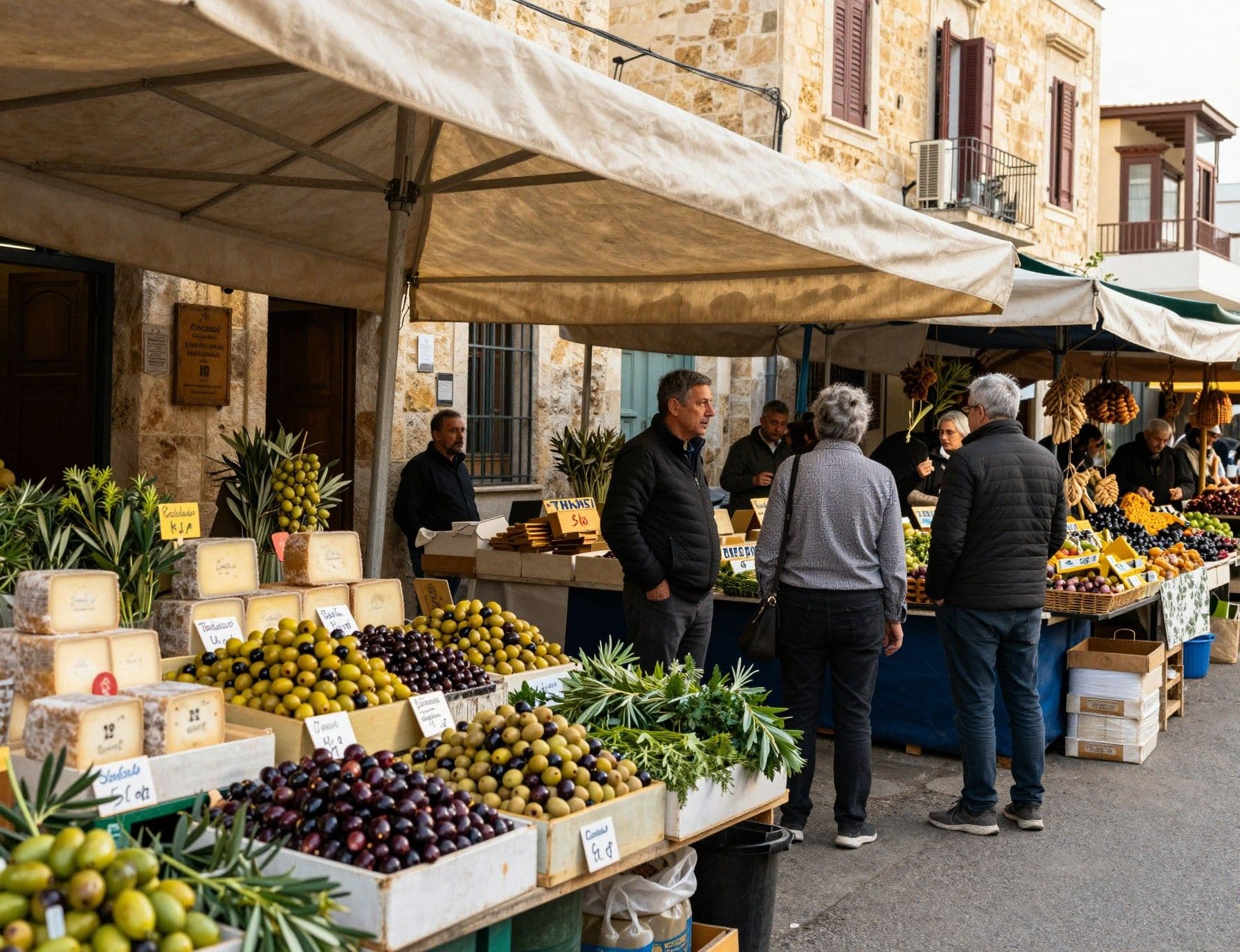
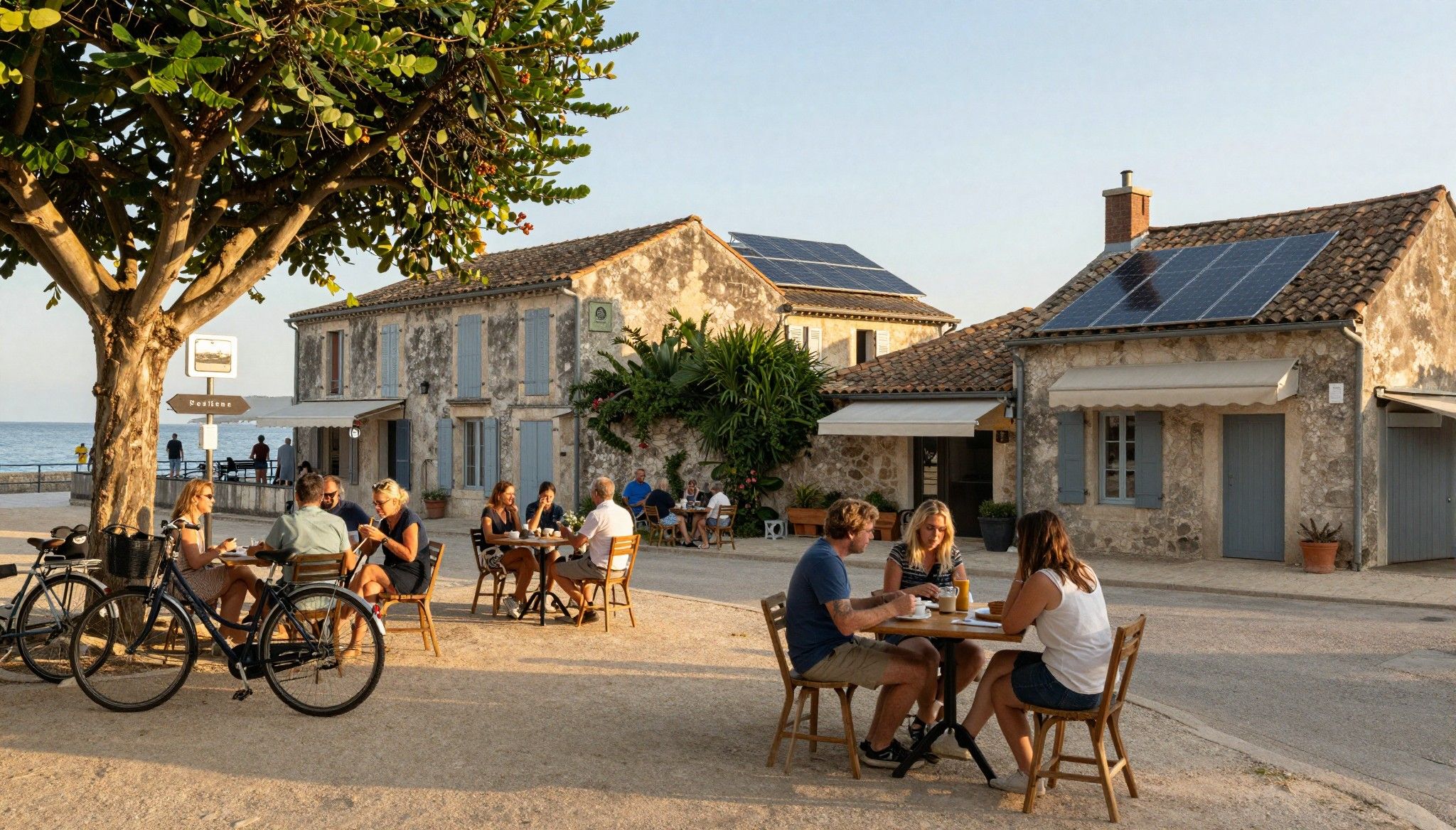
Cyprus moves in long, sunlit arcs. Morning markets bustle in Nicosia’s suburbs, coastal promenades in Limassol pulse with early runners and late‑afternoon cafés, and mountain villages like Troodos trade cooling shade and chestnut festivals. The island’s year-round Mediterranean climate shapes daily life: winters pull communities together indoors, springs explode with wildflowers and farm stands, and summers invite a sea‑facing pace. This rhythm matters when you buy: choose a property that suits how you want to live through seasons — whether that’s an apartment near a café-lined square or a stone farmhouse with a courtyard garden.
Neighbourhoods that reveal the island’s character
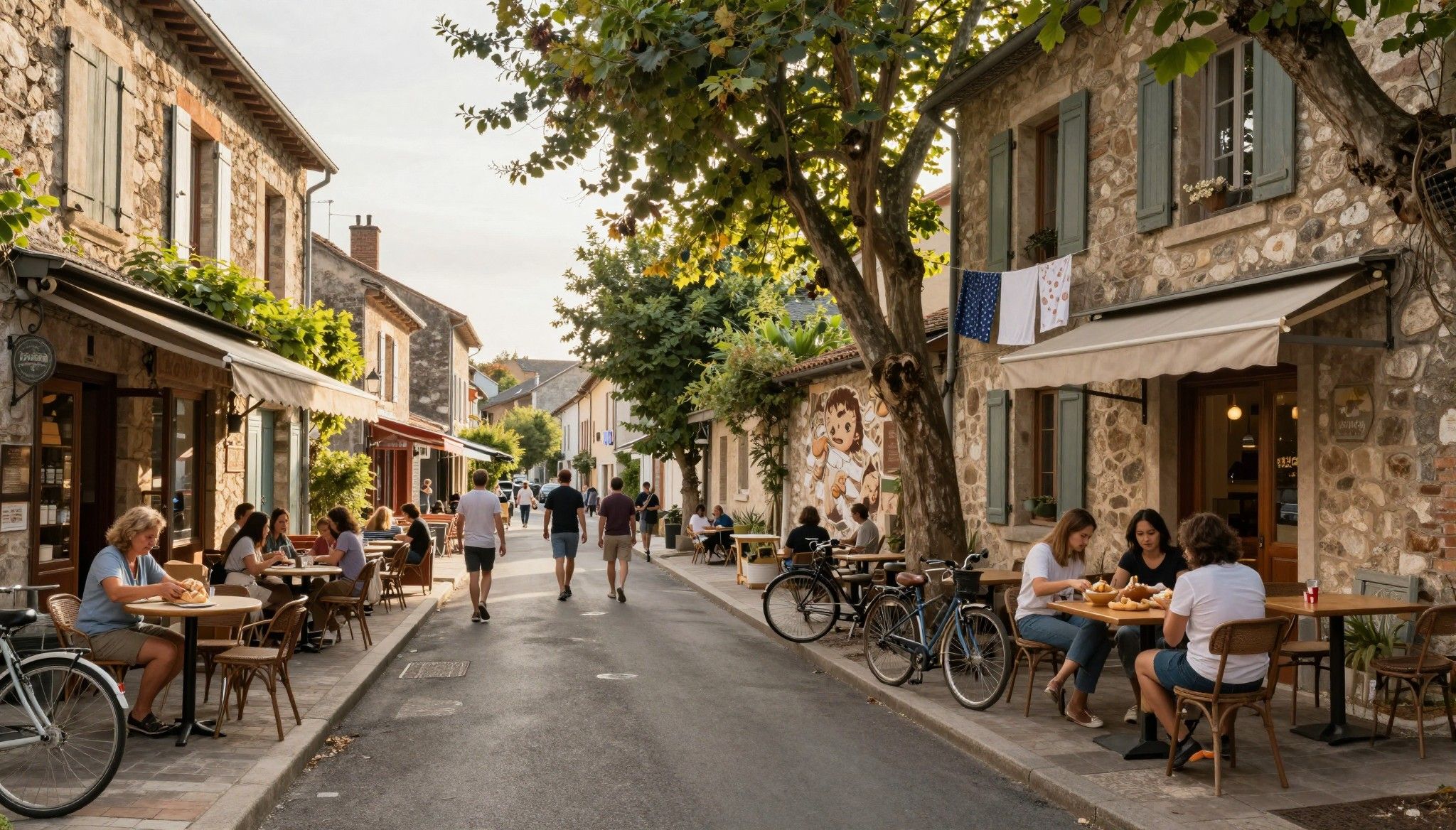
Limassol’s Molos and Germasogeia neighborhoods mix marina life with family-oriented lanes, while Paphos’ Old Town and Kato Paphos layer Roman ruins and tavernas with quiet residential streets. Nicosia’s Strovolos and Lakatamia offer leafy residential grids and easy access to international schools, and Larnaca’s Finikoudes promenade keeps life small‑city and social. For buyers chasing authenticity, villages around Polis and Latchi reward patience with local markets, fresh fish, and neighbours who garden together. Each area delivers a different tempo — match it to your own.
Food, markets and seasonal rituals
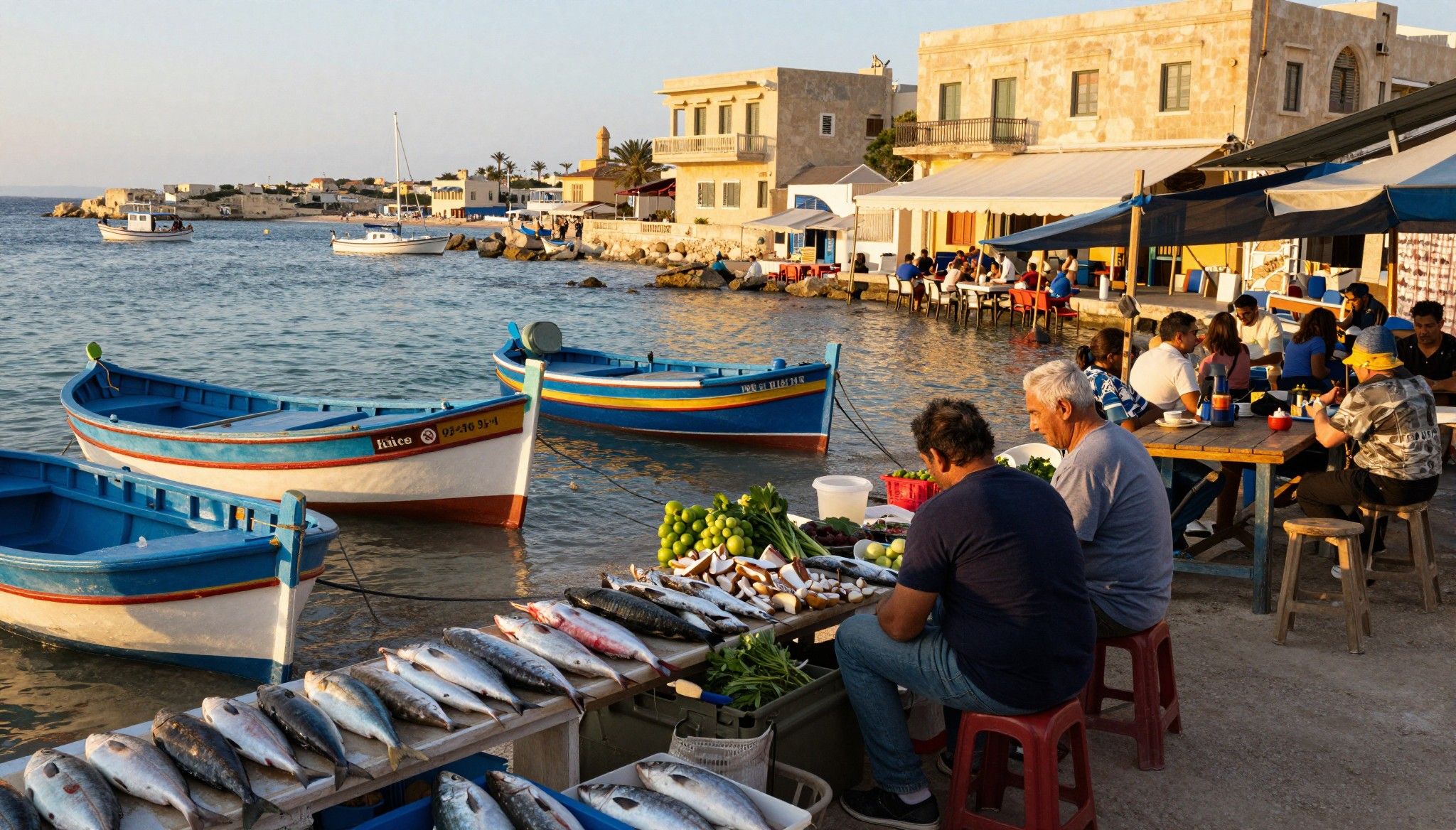
Weekends here taste of fresh halloumi, soutzoukakia, and olives pressed at family co-ops; Cyprus’ markets are where you learn neighbourhood names and seasonality. In Nicosia try the Ledra Market stalls for freshly baked bourekia; in Paphos, the municipal market hums with fishermen and spice sellers. Festivals — from grape harvests to village panigyria — are practical windows into community life and excellent times to view properties, meet neighbours, and test whether your day-to-day rhythm will fit. These sensory cues should shape both where you look and how you finance improvements to support local living.
Making the move: money, mortgages and green choices
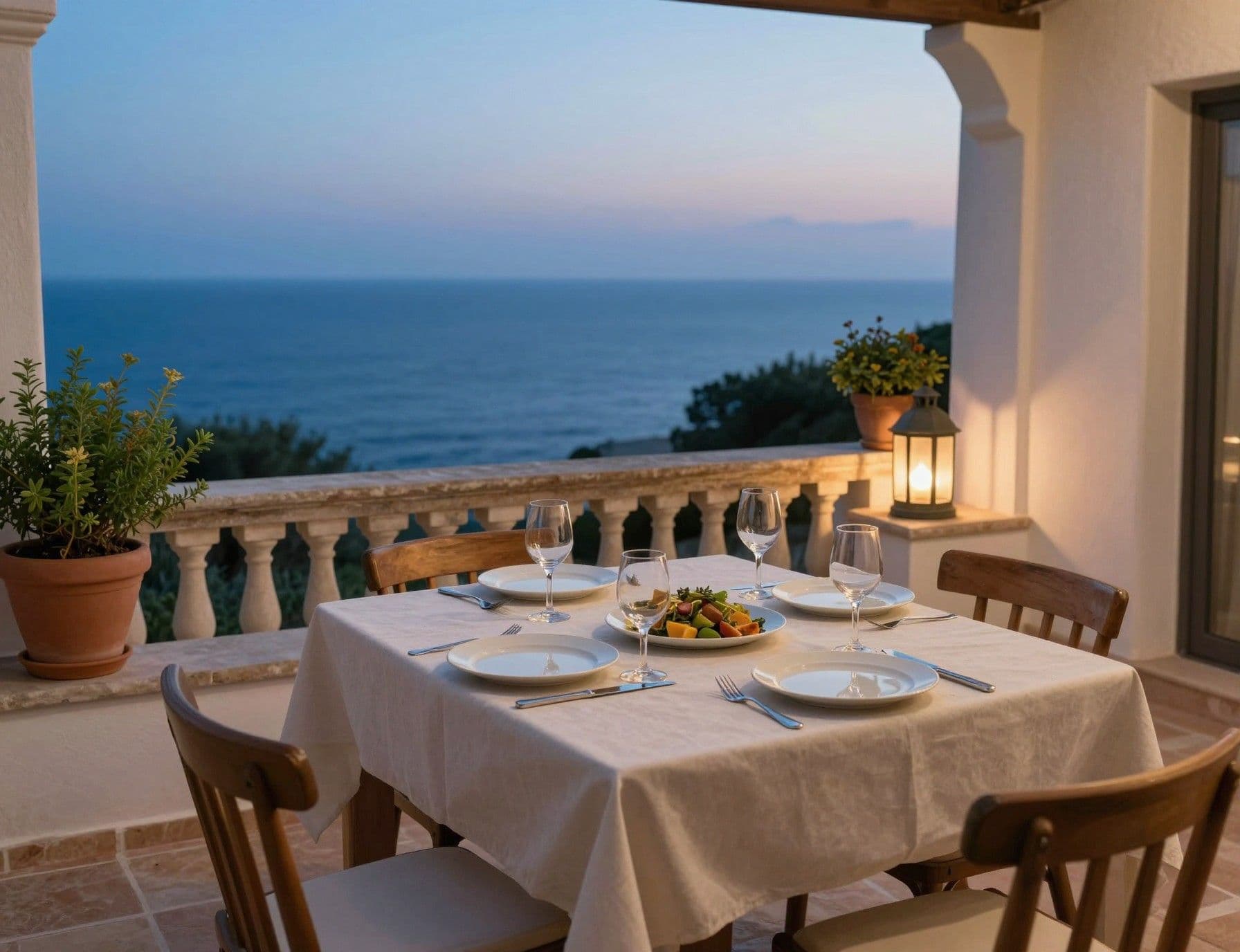
Dreams meet reality in the financing conversation. Cyprus’ residential property indices show steady, recent price growth but also signs of moderation, so pacing your entry matters — rushing in during summer viewings can mean overpaying. Local lenders now promote green housing and renovation loans that offer preferential rates for energy upgrades; pairing purchase finance with an energy retrofit plan can reduce long‑term running costs and increase resale appeal. Before you bid, understand current price trends and how green loan eligibility could lower lifetime costs while aligning with the island’s increasing sustainability incentives.
Green mortgages and loans: what’s available now
- Banks such as Bank of Cyprus and Eurobank now offer dedicated green housing or renovation products with interest concessions for qualifying energy upgrades. These products often tie eligibility to energy performance certificates and specific retrofit outcomes, so a clear renovation scope and certified assessor report are practical prerequisites. Using a green loan to fund solar PV, insulation, or efficient glazing can lower bills, improve comfort, and sometimes speed permit approvals for retrofit work. Confirm exact terms — margins, fixed vs variable periods, and required documentation — with your local lender early in the search process.
Property types and how finance shapes lifestyle
A seafront apartment asks for different financing than a renovated farmhouse in the Troodos foothills. Apartments often have higher HOA-like communal maintenance considerations and may be easier to mortgage quickly, while standalone houses bring land taxes, potential legal checks on titles, and sometimes higher renovation budgets. If you want off-grid potential — think solar, battery storage, greywater reuse — factor those costs into the mortgage or apply for a green renovation loan. In Cyprus, blending purchase and retrofit finance is increasingly common and practical for buyers who value low-impact living.
Insider knowledge: what expats wish they’d known
Many expats tell the same story: they fell for a view in summer and only later realised the street goes quiet off‑season, or that planning restrictions limit extensions. Practical due diligence — title checks, energy certificates, and speaking to neighbours about seasonal life — saves regret. Market indicators from the Central Bank of Cyprus suggest moderation in price growth in recent quarters, reinforcing the value of patient, season‑aware decisions. Use local agents with green‑building knowledge to weigh renovation potential against permit realities.
Cultural and seasonal notes that affect living
Language is surprisingly gentle here — English is widely spoken in business and property transactions, but learning a little Greek opens doors in village life. Summers bring vibrant beach scenes and higher rental demand, while winter months offer quieter communities and a chance to negotiate on price. Respect local rhythms: Saturday markets, church festivals, and local hours of business can affect renovation timelines and contractor availability. These social patterns influence when to schedule surveys, viewings, and closing dates.
A practical checklist for eco-minded buyers
- 1. Secure a pre-approval that notes green loan options and any additional collateral requirements. 2. Commission an energy performance assessment early — it’s often required for green loan eligibility. 3. Ask sellers for recent utility bills to benchmark running costs and energy use. 4. Build renovation quotes with certified contractors who understand energy upgrades and Permitting timelines. 5. Confirm title clarity and municipal zoning for garden, pool, or solar installations before making an offer. 6. Schedule viewings in both high and low season to sense true neighbourhood life.
Buying in Cyprus can feel like stepping into a sunlit novel: convivial tavernas, olive groves, and swallows at dusk. The practical side — mortgage terms, energy performance, title checks — is where a trusted local advisor turns romance into resilience. Choose lenders who publish green products, hire assessors for energy certification, and ask agencies about neighborhood seasonality. That way, the house you buy supports both your life and the island’s natural rhythms.
Dutch property strategist who helped 200+ families find sustainable homes in southern Europe; expert in legal pathways and long-term stewardship.