Malta: Stone, Solar and the Seasoned Buyer
Malta distils Mediterranean life into walkable towns, historic homes and renewable possibilities — but tight supply and rising prices reward patient, craft‑led buying backed by local data.
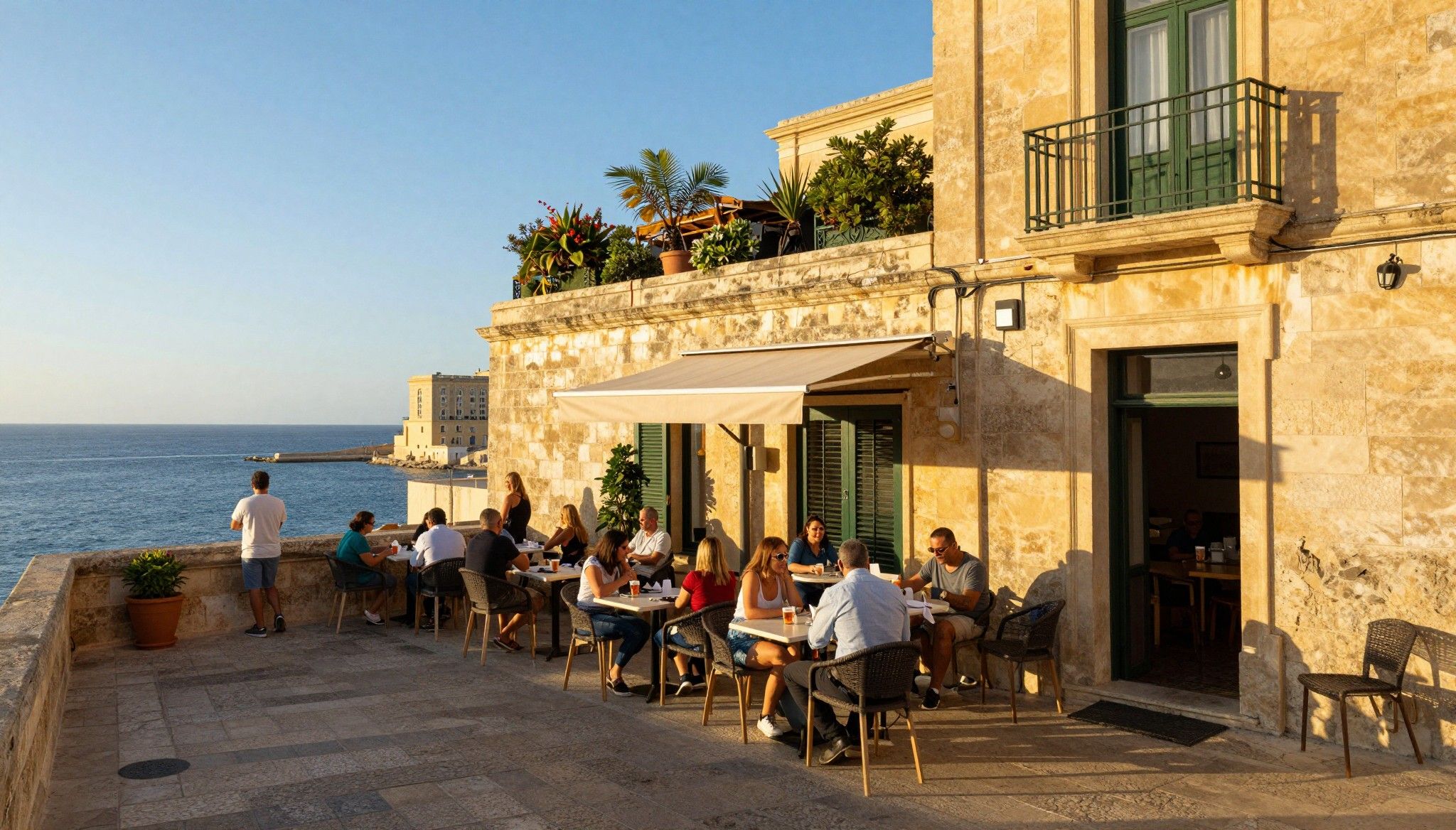
Imagine waking to the sound of church bells over a limestone terrace, then walking five minutes to a sun‑warmed café on Triq il-Kbira in Mdina or a fisherman’s stall on Marsaxlokk Harbour. Malta compresses Mediterranean life into a handful of islands: mornings here are for espresso and conversation, afternoons for sea swims or market runs, and evenings for slow meals lit by lanterns and the hush of a compact, walkable town. For international buyers drawn to green living, Malta’s small scale makes stewardship personal — solar panels on flat roofs, native gardens tucked into courtyards, and neighbours who trade produce at the door. Yet romance and real estate intersect with market realities: prices have been resilient, supply is tight, and local regulations reward careful, place‑aware choices.
Living Malta: compressed Mediterranean rhythms
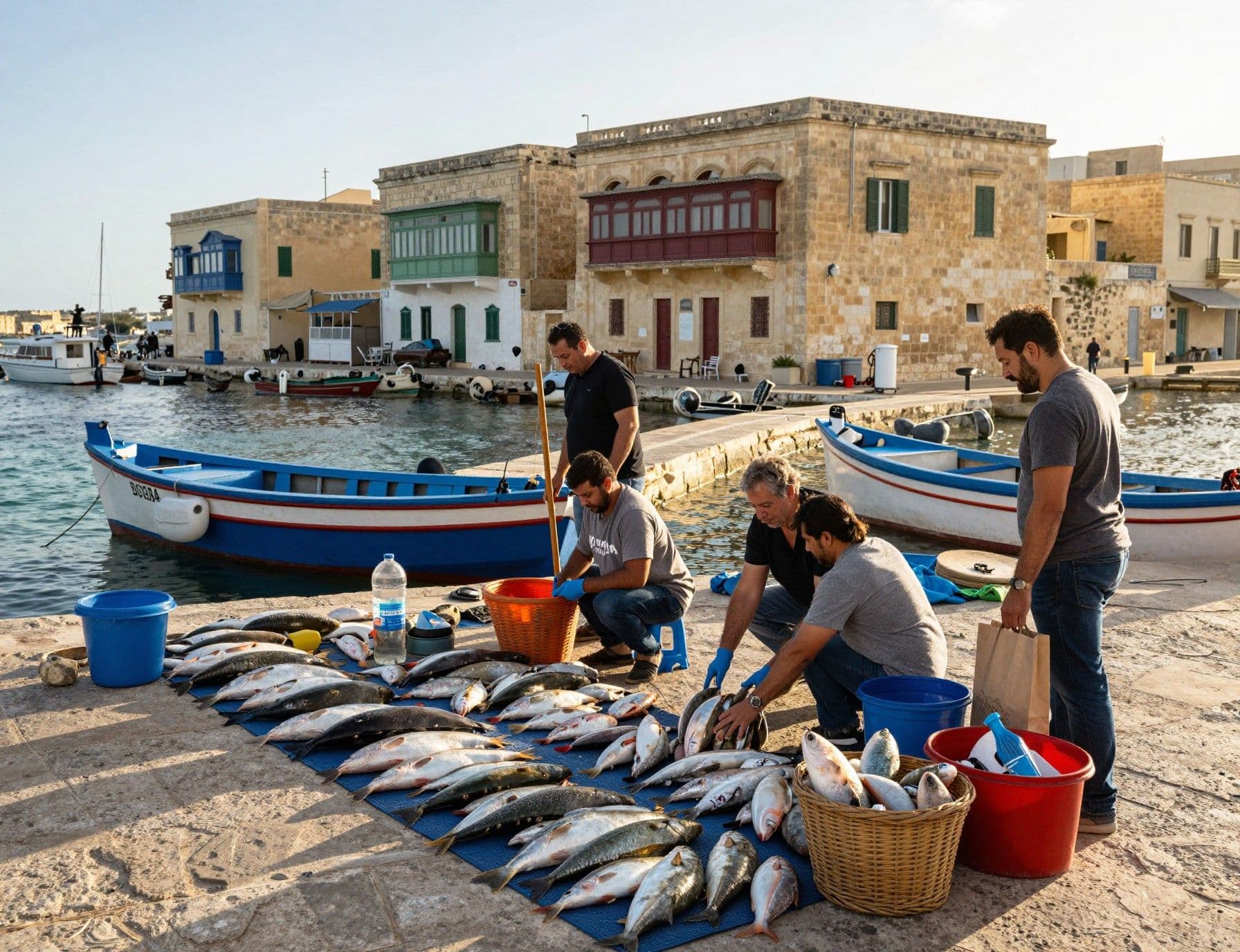
Living in Malta feels like inhabiting a postcard that’s still very much alive — narrow streets that smell of baking bread, terraces woven with bougainvillea, and turquoise coves a short drive from the ancient capital. The island’s compactness means daily life is intimate: your grocer knows your name, cultural festivals move between villages, and community energy focuses on conserving the sea and the patchwork of terraced fields. For an eco‑minded buyer, that proximity is an asset: smaller plots, courtyard gardens, and traditional stone architecture lend themselves to passive cooling, rainwater capture and rooftop photovoltaics. The lifestyle here is practical, sensory and seasonal — and that should shape what you look for in a home.
Neighborhood spotlight: Valletta’s rhythm vs. Gozo’s slow breath
Valletta gives you grand baroque facades, tiny balconies overflowing with herbs, and a coffee culture that’s elegantly urban. Streets like Merchants and Republic feel theatrical, with a daily cadence of galleries, theatre rehearsals and rooftop suppers overlooking the Grand Harbour. Contrast that with Gozo — towns such as Victoria or Xlendi — where evenings feel like a community potluck and life moves deliberately slower. Each place has its eco‑appeal: Valletta’s adaptive reuse apartments sit above civic life and public transport; Gozo’s stone farmhouses come with land, sky and room for regenerative gardens.
Food, markets and daily rituals
A day in Malta begins with ftira or pastizzi and coffee at a local kiosk, moves through fish stalls at Marsaxlokk on Sunday, and might end with a family‑style rabbit stew (fenek) under a pergola. Small farmers’ stands sell seasonal greens, prickly pears and sun‑dried tomatoes, and you’ll find chefs bringing local foraged capers and wild herbs into new plates. These culinary patterns shape living choices: proximity to markets, a kitchen that opens to a small terrace, and storage for preserved foods matter more than square metres of formal living space. Embracing seasonal eating here is easy — but it rewards homes with outdoor workspaces and storage for preserves.
- Morning espresso rituals at Café Cordina (Valletta) and seaside breakfasts at Marsaxlokk market
- Sunset swims at Golden Bay or Għajn Tuffieħa followed by terrace dining
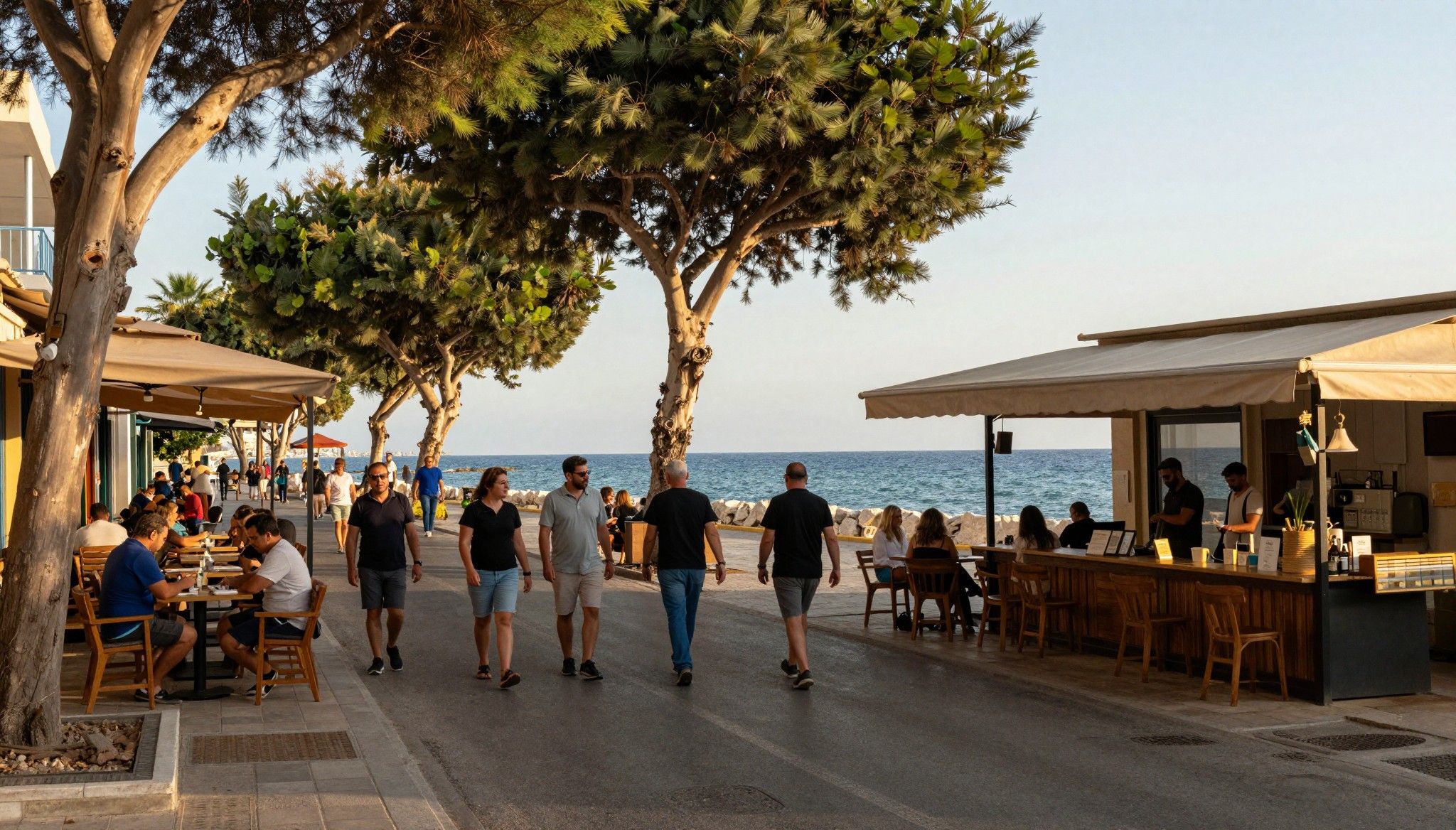
- Weekday neighbourhood suppers in Sliema’s promenades or Gżira’s harbourfront
- Farmers’ stalls and community produce swaps (seasonal preserves and caper harvests)
Making the move: lifestyle choices meet market reality
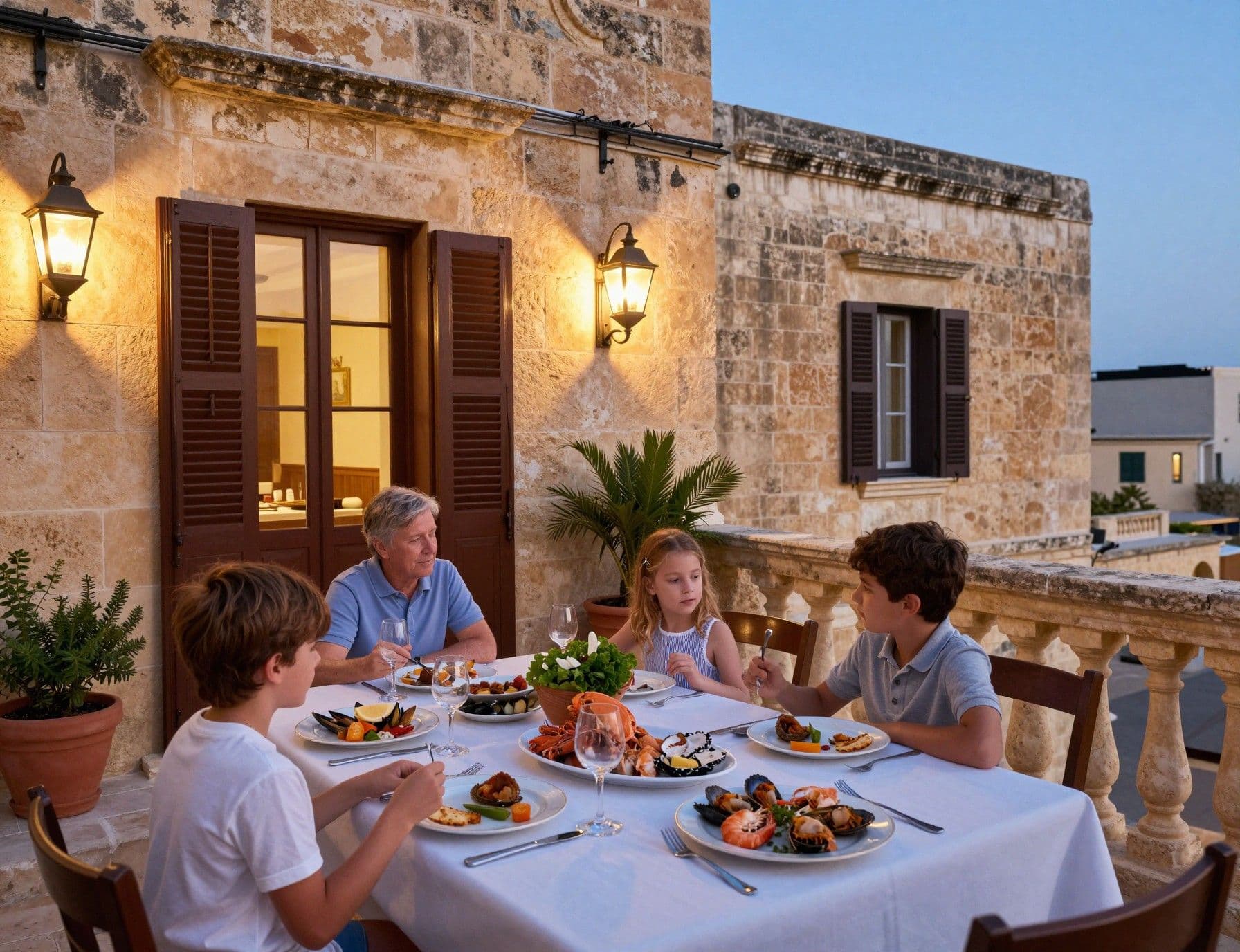
It’s easy to fall for Malta’s light and stone, but the property market is tighter than it looks. Government statistics show the Residential Property Price Index has climbed steadily in recent years, reflecting limited land, consistent demand and active international interest. Reports from local industry observers and consultancies note supply constraints in long‑let housing and continued appetite for renovated historic homes and seaside apartments. That combination means buyers who prioritise lifestyle — courtyards, verandas, and energy retrofits — must move with both cultural sensitivity and pragmatic patience.
Property styles and how they shape daily life
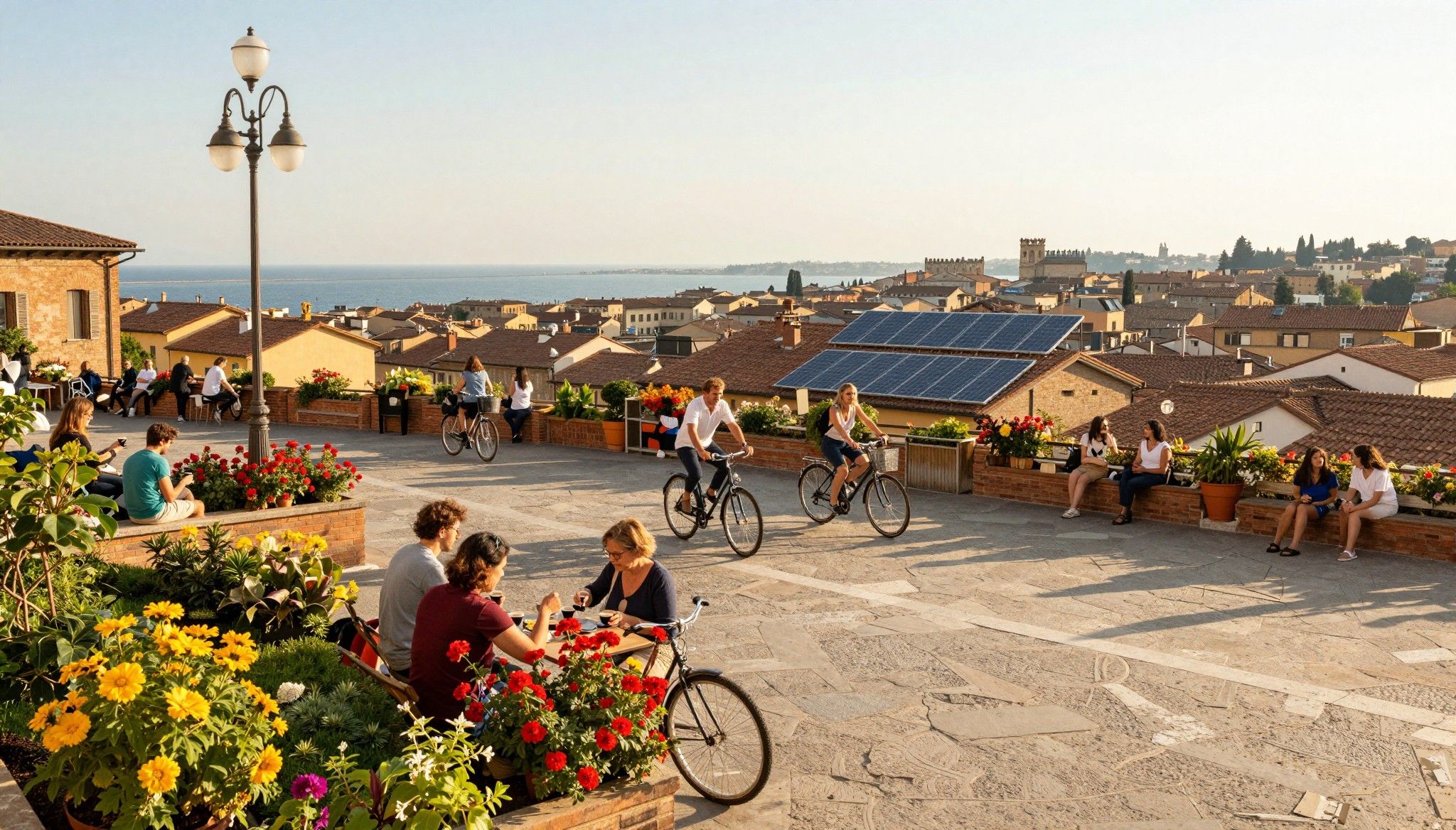
Traditional Maltese homes — terraced townhouses, vaulted farmhouses and stone‑walled maisonettes — are designed for the island’s climate. Thick limestone walls and shaded courtyards offer passive cooling, while flat roofs are ideal for solar panels and water tanks. If you want indoor‑outdoor living, look for properties with internal courtyards, rooftop terraces or sea‑facing balconies: these spaces become extensions of daily life and are where gardens, solar arrays, and rainwater barrels sit most naturally. For eco‑minded buyers, restoring historic materials often yields better embodied carbon outcomes than demolition and rebuild.
Working with local experts who care about place
Choose agents and architects who understand Malta’s rhythms: the cadence of village life, the value of traditional stonework, and the local permissions landscape. A local agency will help you spot where a rooftop can host PV panels, which courtyards take afternoon light for a kitchen garden, and where conservation rules require sensitive restoration. They also advise on realistic timelines; renovations to traditional buildings often reveal structural work and require heritage approvals. Seek teams who can blend sustainability with craft: masons, joiners and landscape designers who use local stone, timber shutters and native planting.
- Prioritised steps when buying a lifestyle‑first Maltese home: 1) Map lifestyle needs (market proximity, sea access, garden space). 2) Brief an architect/agent on low‑impact retrofit goals (solar, rainwater, passive cooling). 3) Check heritage controls and utilities for renewables. 4) Build a shortlist and visit off season to judge light, wind and community rhythm.
Insider knowledge: what expats wish they’d known
Expat homeowners often tell the same story: the island gives back more than expected if you slow down and listen. Early mistakes include buying purely for sea‑view spectacle without room for practical living — the terraces that look perfect in travel photos are smaller than they appear and often back onto busy lanes. Another common surprise is seasonality: summer feels limitless, but off‑season wind, shorter daylight and maintenance rhythms matter — roofs and shutters need attention by November. Finally, language is less of a barrier than you think: English is an official language, but learning Maltese opens doors to deeper neighbourhood ties and craft networks.
Cultural integration and community life
Make friends through routine: the butcher, the church festa committee, the local diving club or a volunteering group that restores springs and terraces. Respect for local customs — slow shop hours on saint’s days, trash sorting habits, and the value placed on shared meals — smooths integration. For many internationals, community involvement becomes the main benefit of living in Malta: a restored farmhouse suddenly has neighbours sharing citrus and olive harvests, and a city flat finds new life with rooftop gardening collaborations. That social fabric itself is a sustainability asset.
Long‑term lifestyle considerations
Think beyond the purchase: maintenance of lime‑mortar walls, access to skilled masons, and futureproofing for hotter summers will shape costs and daily comfort. Where possible, prioritise homes with room for renewable infrastructure and water capture — collective rooftop PV and neighbourhood cisterns are pragmatic in Malta’s dense towns. Also consider mobility: proximity to ferry links (for Gozo) or efficient bus routes (for Valletta/Sliema) affects how you live without a car and deepens your green lifestyle options.
- Red flags and subtle tradeoffs to watch for:
- Listings that emphasise sea‑views but hide small terraces and noisy roads
- Properties without documentation of past structural work or with suspect drainage in narrow lanes
- Renovation quotes that ignore specialist stonework and heritage approval timelines
- Three practical next steps to feel Malta before you buy: 1) Visit in shoulder season (April/October) to judge light, wind and community life. 2) Ask your agent for a list of local craftsmen and completed retrofit case studies. 3) Request RPPI and recent transaction summaries from the National Statistics Office and local brokers to compare advertised vs transacted prices.
Malta’s appeal is tactile: limestone, narrow lanes, sea air and neighbourly dinners. If your dream includes regenerative gardens, solar‑friendly roofs and a community that values place, Malta rewards a patient, craft‑forward approach. Start by visiting off‑season, working with local agents who know the craftsmen, and anchoring choices in both lifestyle desires and municipal realities — the island’s smallness makes stewardship personal, and that sensibility shapes the best long‑term purchases. When you buy this way, the house becomes part of the island’s living fabric, not just a view in a portfolio.
Norwegian market analyst who relocated from Oslo to Provence; guides investors with rigorous portfolio strategy and regional ecological value.