Sign After the Harvest: A Greener Timing for Buying in France
Sign after the harvest: combine seasonal rhythm, local stewardship and negotiation timing to close smarter in France.
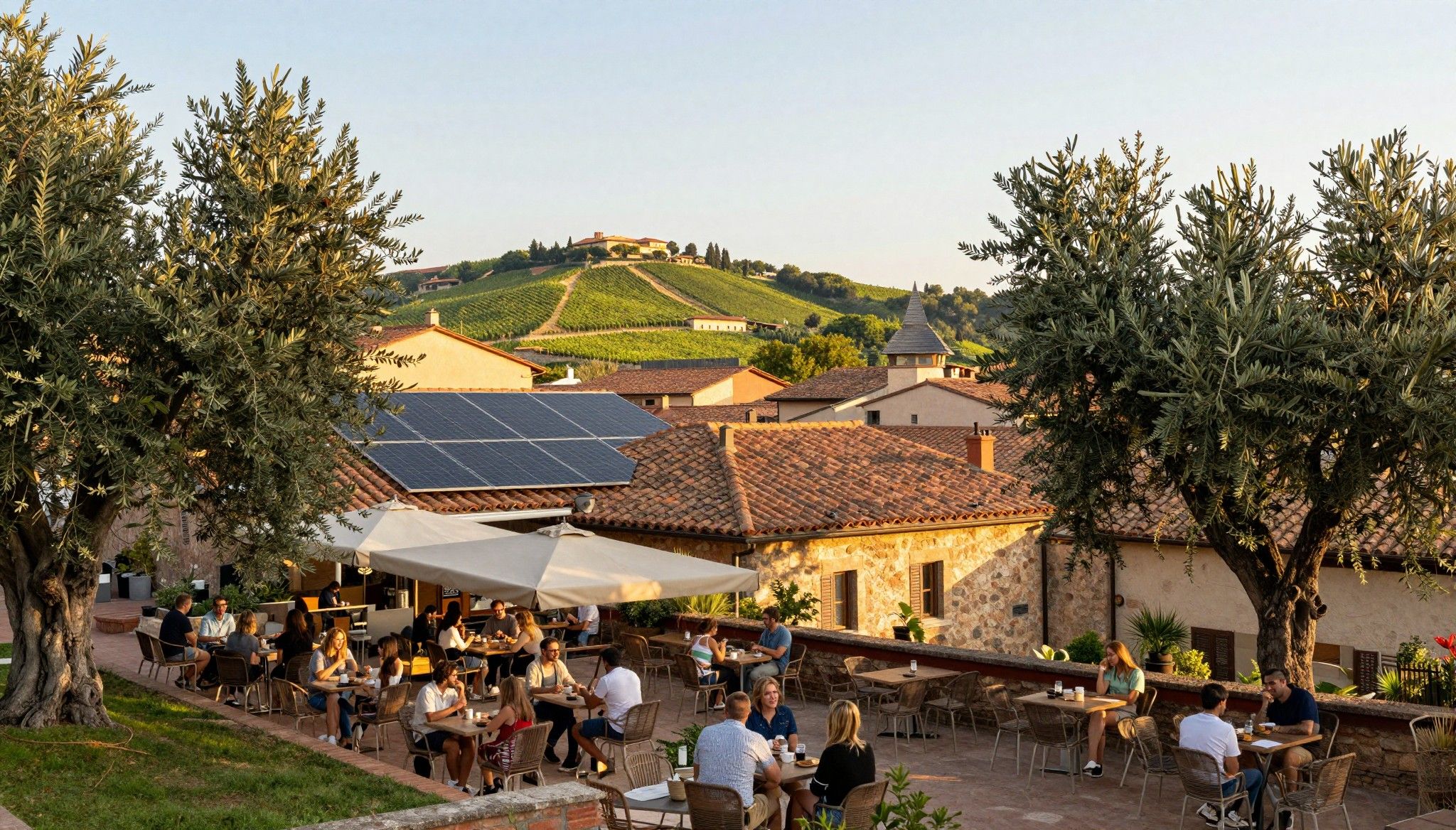
Imagine waking before dawn to a market square in Provence where crates of chestnuts and late grapes scent the air, then signing a purchase contract that evening with the calm certainty only a low‑season France can offer. Buying in France is as much a choice of rhythm as it is of rooflines: the cadence of markets, harvests and municipal life shapes the value of a home and the ease of closing. In this guide we fold lifestyle into negotiation and stewardship, showing why timing — and the seasonal life of place — matters for price, paperwork and the long care of your house in France.
Living the French Life: Mornings, Markets and Materiality
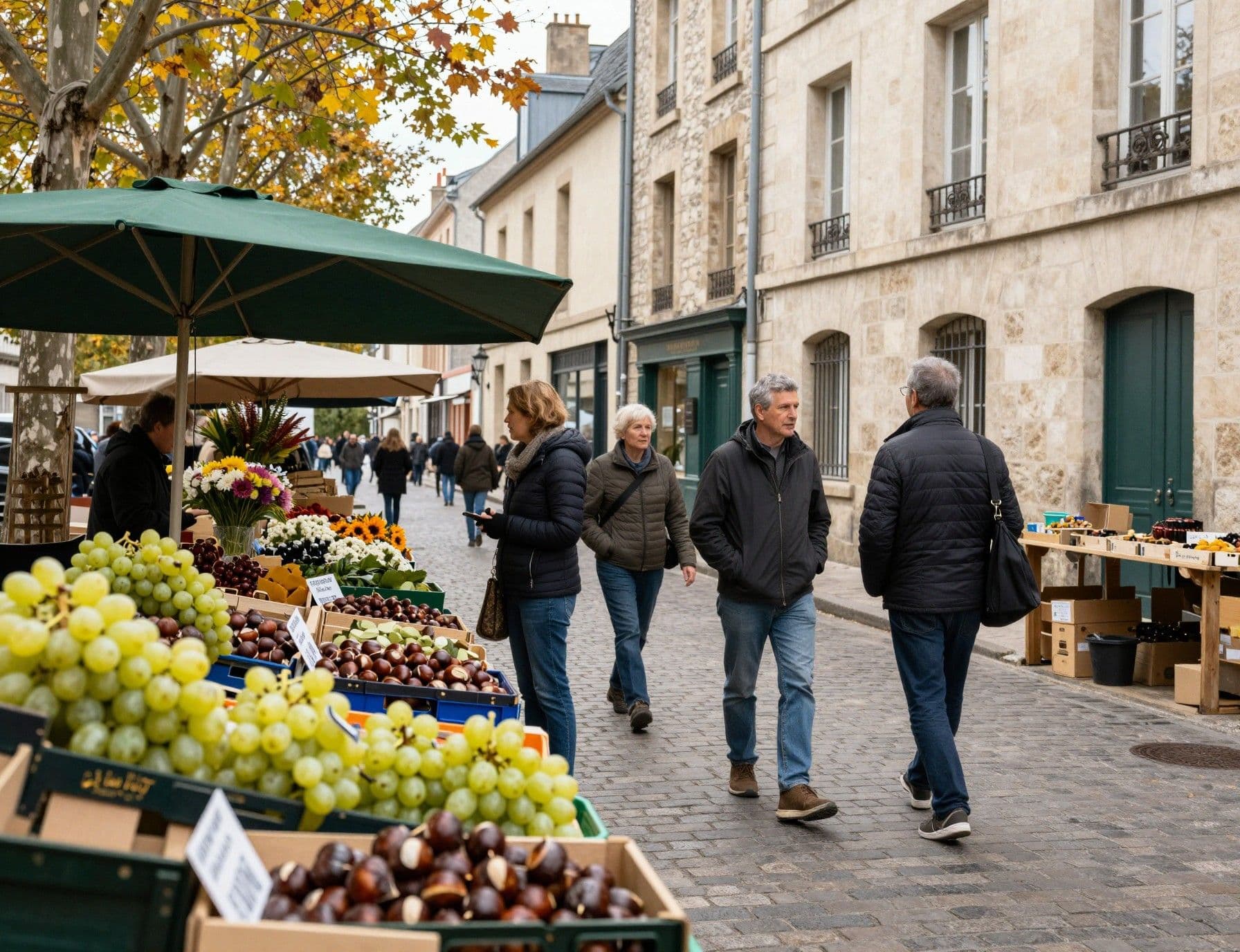
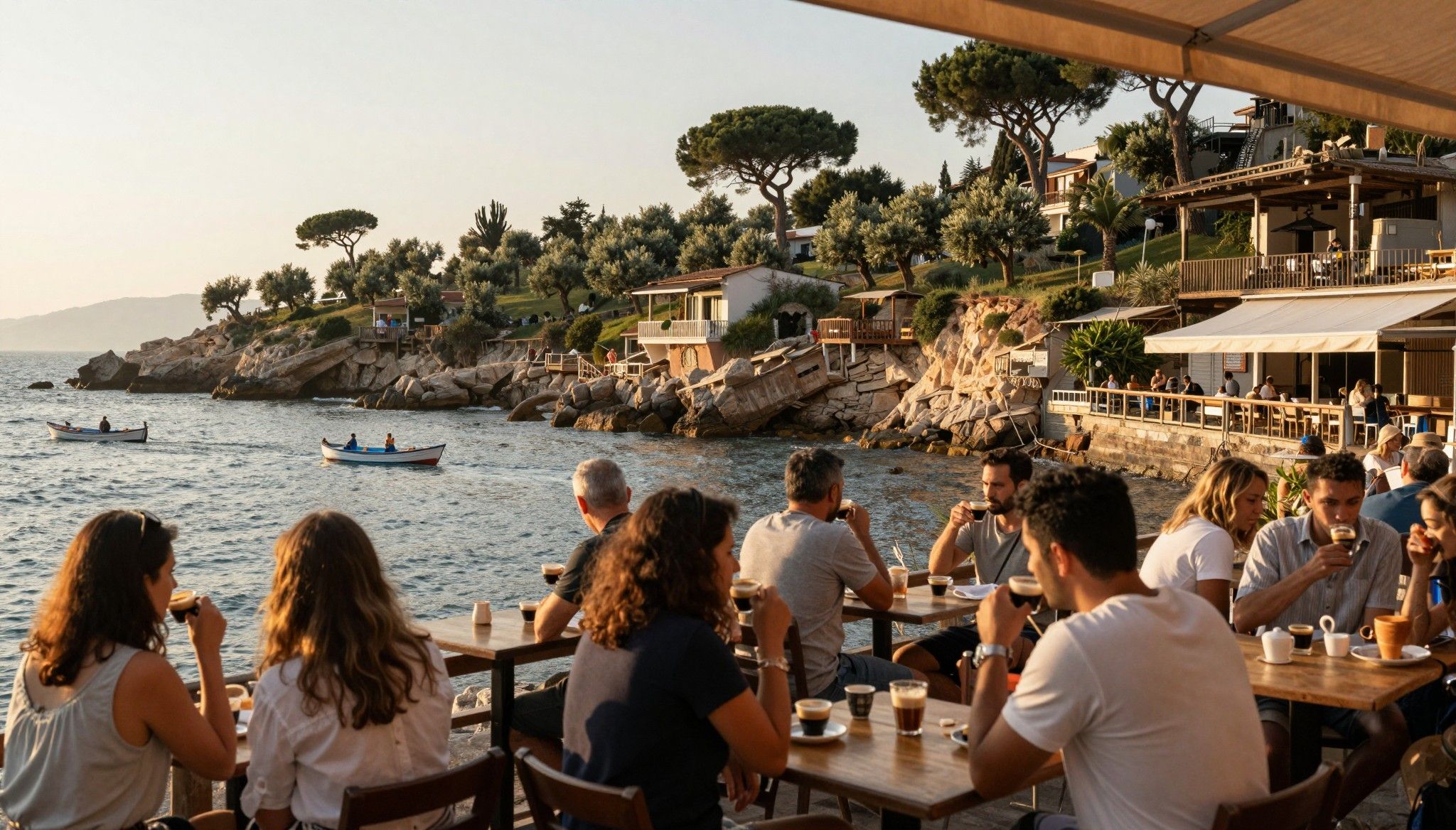
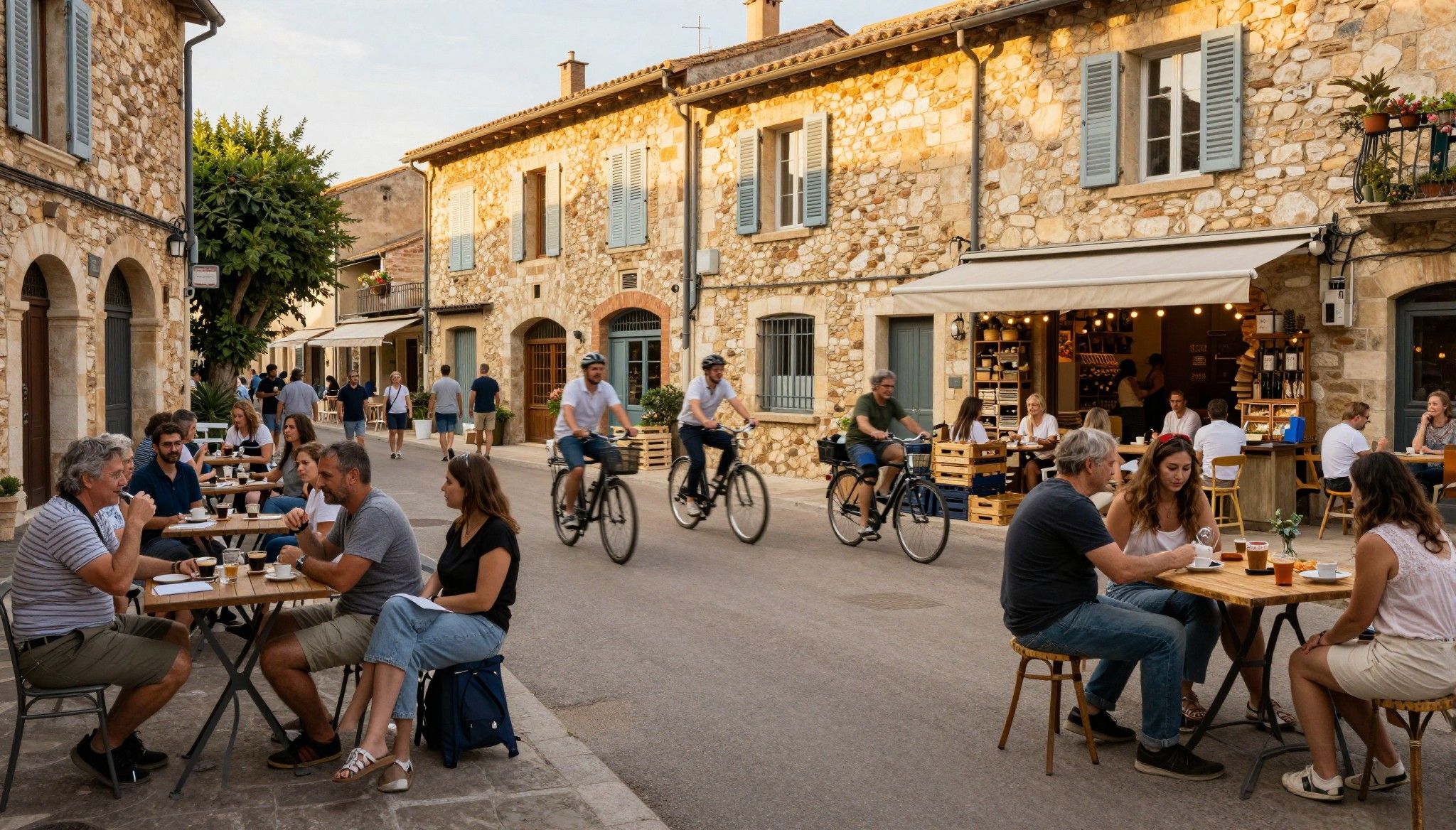
France is lived in layers: morning espresso at a corner cafe, a slow lunch with local wine, and evenings on a terrace listening to church bells. From the sandstone streets of Bordeaux’s Chartrons to the fishing quay at Cassis or the chestnut‑lined lanes of Ardèche, daily rituals define neighbourhood character. For an eco‑minded buyer, these rituals point to what truly matters in a property — a market nearby, passive sunlight for vegetables, and a garden that supports pollinators as much as table produce.
Neighborhood Notes: Ile‑de‑France to Occitanie
Paris neighbourhoods shift from boulevards and courtyards to quiet villages in under an hour by train; look to the 11th for lively cafés and carpenter‑run restorations, or Saint‑Germain for older wood floors and established conservation rules. In the south, seek villages like Lourmarin (Vaucluse) and Lagrasse (Aude) where stone houses meet regenerative garden plots and local artisans. Each region carries its own building vocabulary — tall shutters and stone in Provence, half‑timbered facades in Alsace — and that vocabulary matters when you plan a low‑impact renovation.
Food, Markets and the Yearly Rhythm
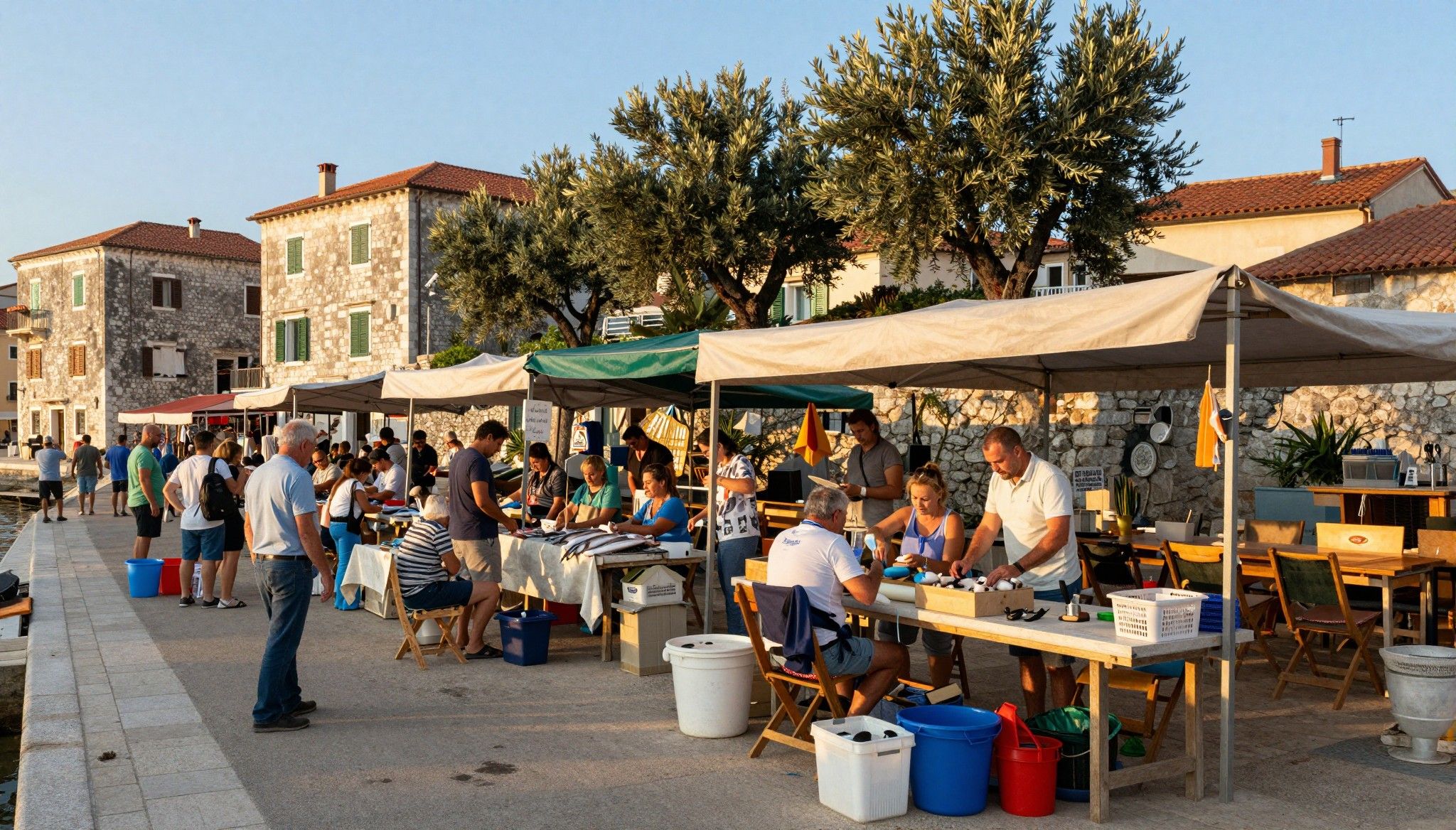
Markets are not only about produce — they are social infrastructure that keep a house lively year‑round. Vegetable stalls in Rennes, oyster shacks in Arcachon, and the weekly market on Place du Capitole in Toulouse create networks of neighbours and tradespeople who become your stewardship partners. These seasonal patterns also affect when sellers list and how negotiable they are: after harvest and before Christmas you’ll often find sellers who prefer a calm, local close rather than a headline summer sale.
- Lifestyle pull: market towns, local bakers, community gardens, coastal promenades, vineyard walks, artisan workshops
Making the Move: Practical Considerations That Respect Place
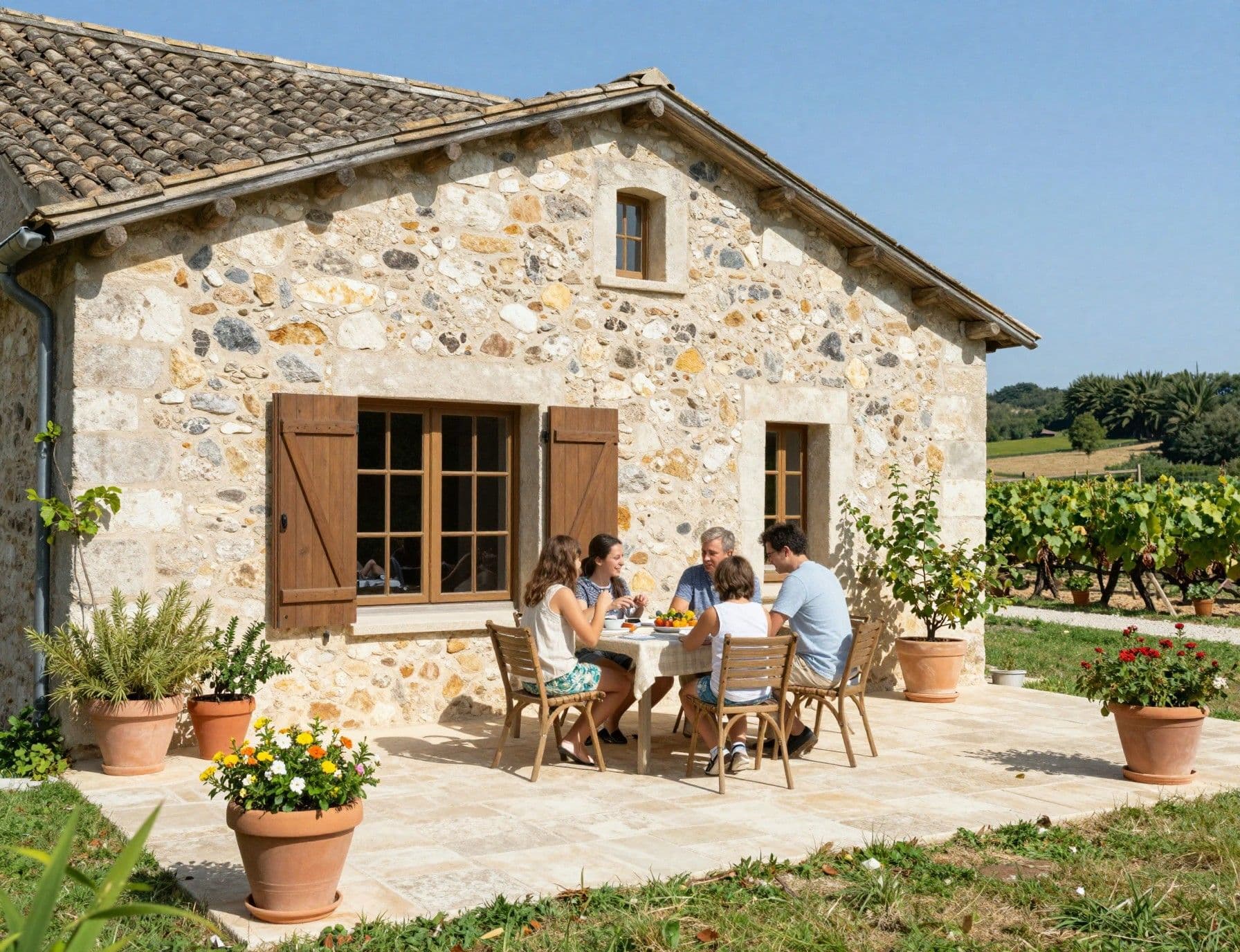
Dreams meet documents at the notary’s table; France’s market has recently shown stability with modest regional gains, meaning timing your close can have meaningful financial impact. National indices from INSEE and the Notaires show prices stabilising after recent volatility, but the local story — a Breton coastal surge or a soft inland market — will determine negotiation leverage. Understanding seasonality alongside market data helps you pick not just a neighbourhood but a moment to sign that eases closing and lowers unexpected costs.
Property Styles and How You'll Live in Them
A stone longère in Dordogne will demand different stewardship than a Haussmann flat in Paris; the former rewards seasonal maintenance and timber knowledge, the latter benefits from a concierge‑age economy and building syndic experience. Choose a home whose systems match your stewardship capacity: south‑facing windows for passive heat, cisterns for garden irrigation, and native plantings that need less intervention. These choices shape negotiations — a seller proud of cedar shutters or a photovoltaic installation can be persuaded to include equipment or warranties in the sale.
Working with Local Experts Who Know the Life
An agent who can talk pruning schedules as well as price per square metre becomes invaluable; they’ll place value on a south garden differently than a broker who counts only view corridors. Seek agencies with local stewardship programmes, bilingual staff, and relationships with artisans, notaries and Mairie officials. These networks speed due diligence, surface off‑market opportunities after events like local fêtes, and get you into the right rhythm with neighbours before you even move in.
- Steps to close with seasonal advantage: 1) Visit in shoulder season to see daily life; 2) Get a detailed local survey and seasonal energy use report; 3) Negotiate transfer of maintenance items (tools, pumps, warranties); 4) Use a notary experienced with non‑resident buyers; 5) Schedule closing outside peak tourist months to avoid logistical delays
Insider Knowledge: What Expats Wish They'd Known
Expat buyers often speak of the same surprise: the social costs of being new in a village are as real as renovation bills. Knowing local rhythms — when the mairie closes for August, when harvest helpers arrive, which boulanger gives credit to regulars — will save you time and money. Regional price snapshots show cities and coastal towns moving faster than interior markets, so social integration and stewardship plans will differ as much as mortgage terms.
Language, Customs and the Small Negotiations
You don’t need fluency to buy, but little courtesies matter: a few words of French at the market, an invitation to coffee for the neighbour, and respect for local noise hours will open doors sellers rarely advertise. Contracts and disclosures are precise in France; a patient notary and translator can turn a baffling clause into a fair negotiation point. Remember that stewardship is social as much as technical — neighbours will be your eyes on winter pipes and seasonal pests.
Long‑Term Stewardship: Gardens, Roofs and Rhythm
Think of the house as an ecosystem: the roof, drainpipes, woodstove and vegetable beds all interact with local climate and seasons. Budget for cyclical work (roof tiles, lime washes, well checks) and plan to adapt with low‑impact materials — chestnut or oak repairs, lime mortars and native hedging reduce long‑term interventions. A stewardship clause in the purchase (shared toolkits, seasonal handover notes from the seller) can be negotiated at signing and becomes priceless after your first winter.
- Red flags and small wins to watch: ask for recent energy bills, check for roof insurance claims, confirm local planning restrictions, verify water rights and easements, request a list of artisan contacts, secure a seasonal handover meeting with the seller
Closing in France can be a ceremony that marries lifestyle with legal certainty. Choose a moment that reflects the life you want — late autumn when markets hum with harvest, or spring when the first vines leaf out — and pair that timing with local expertise. If you want help finding agencies who speak both of passive solar orientation and the best boulangerie on Rue X, an advisor who knows stewardship as well as statutes will make the move feel like a beginning rather than a transaction.
British expat who traded Manchester for Mallorca in 2017. Specializes in guiding UK buyers to luxury Spanish estates with clear navigation of visas and tax.