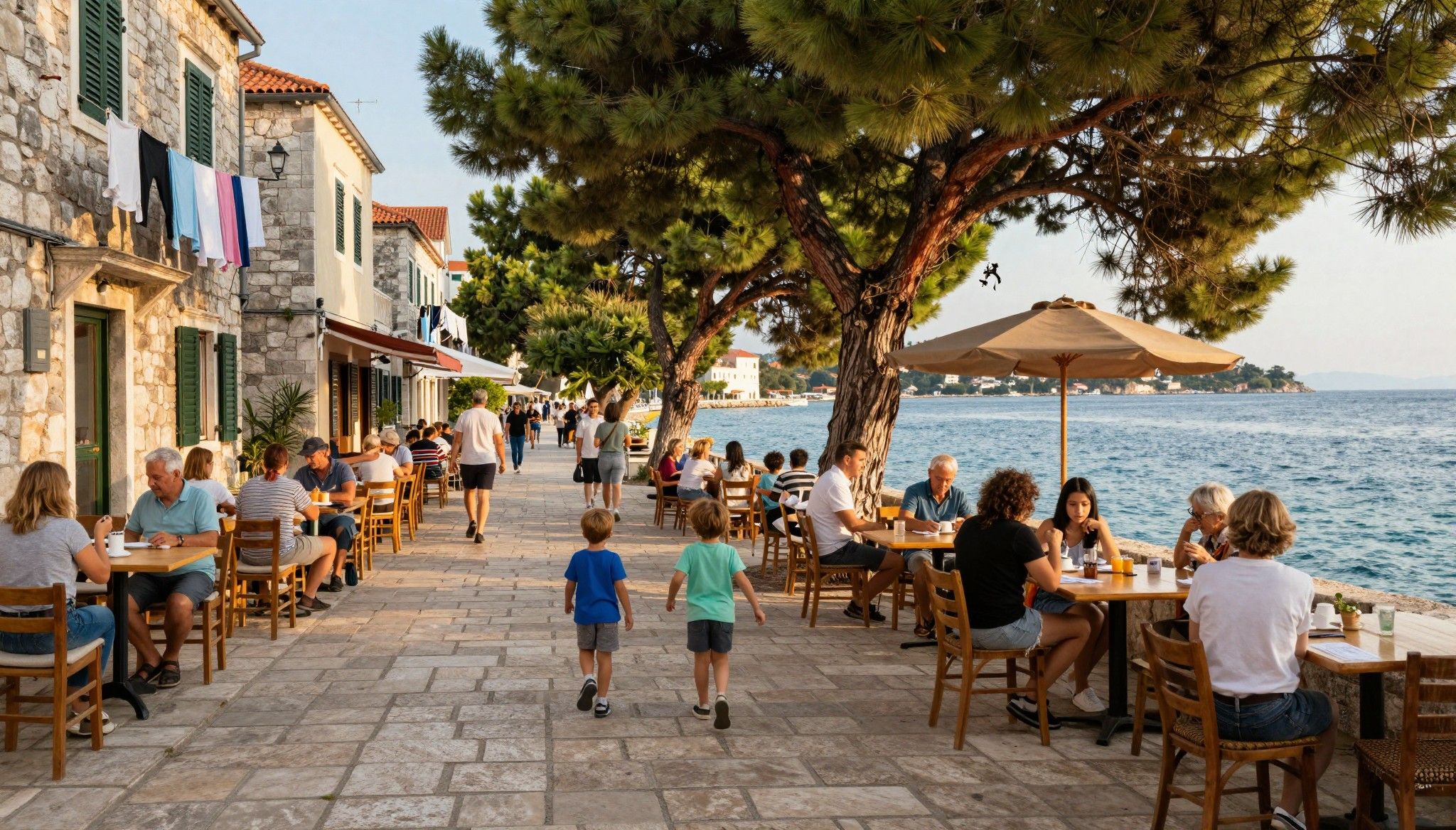
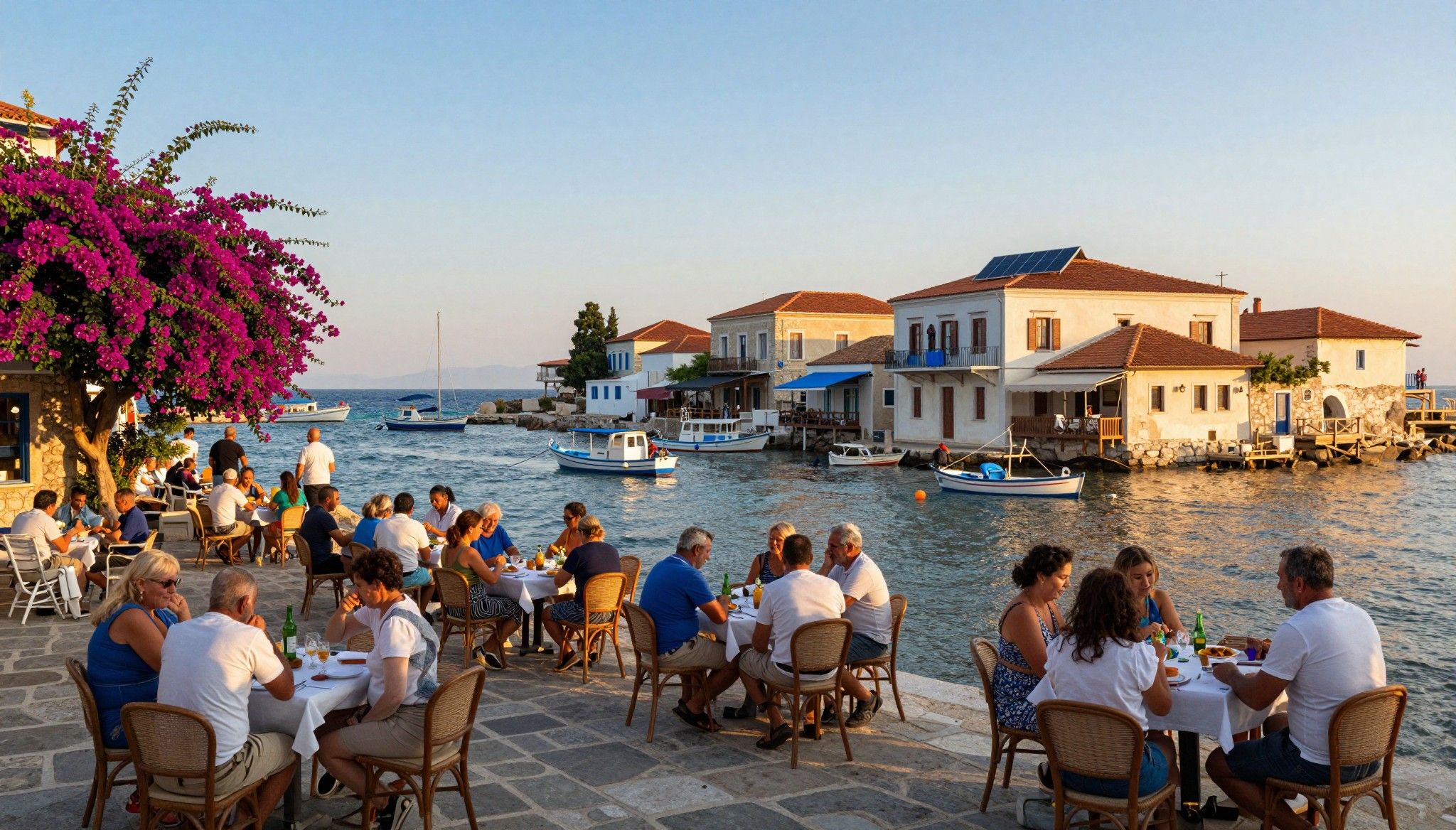
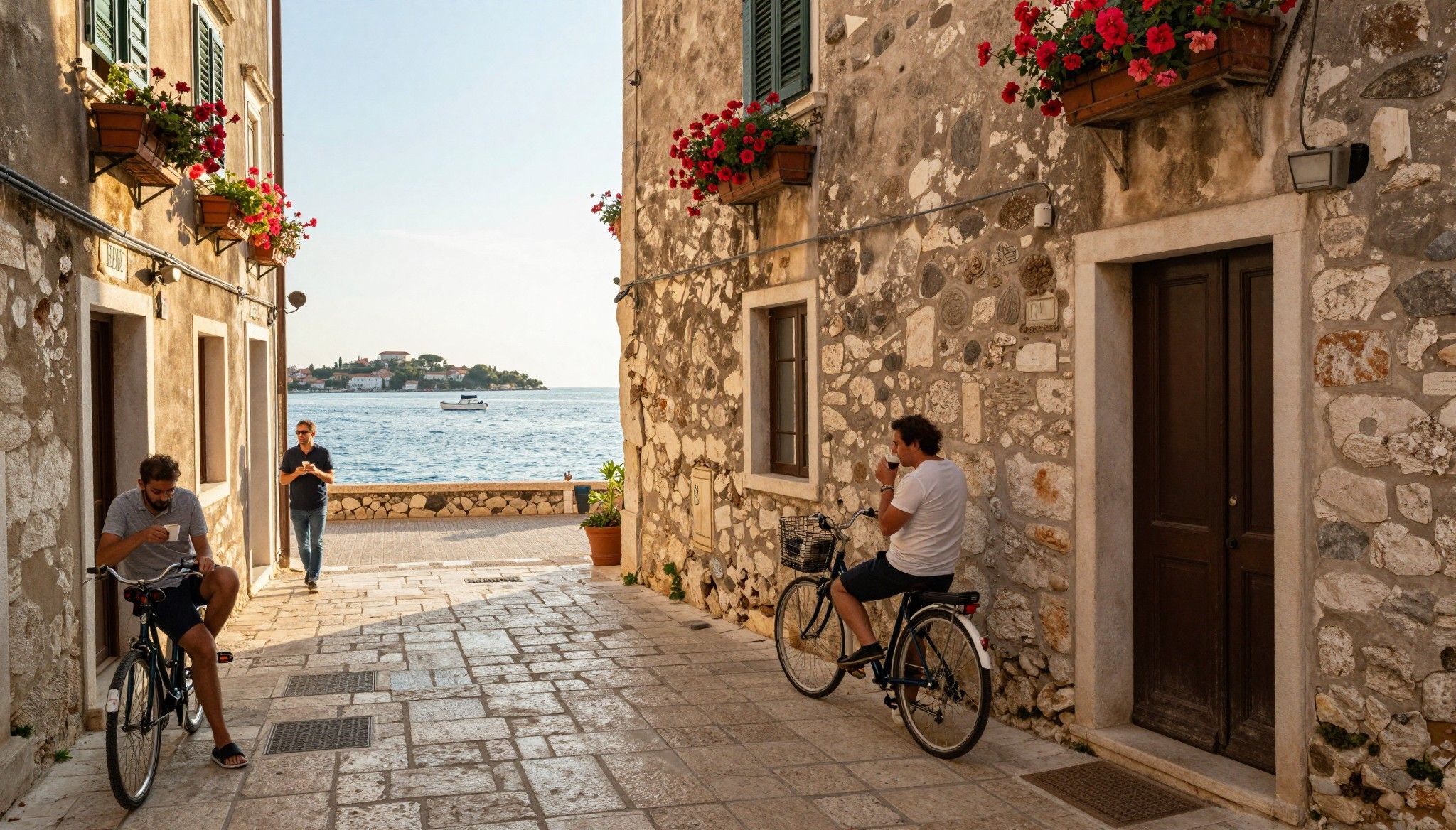
Skip the Summer Frenzy: Greener Value in Greece
See why buying outside Greece’s summer rush reveals greener value and truer community—backed by market data and recent Golden Visa reforms.
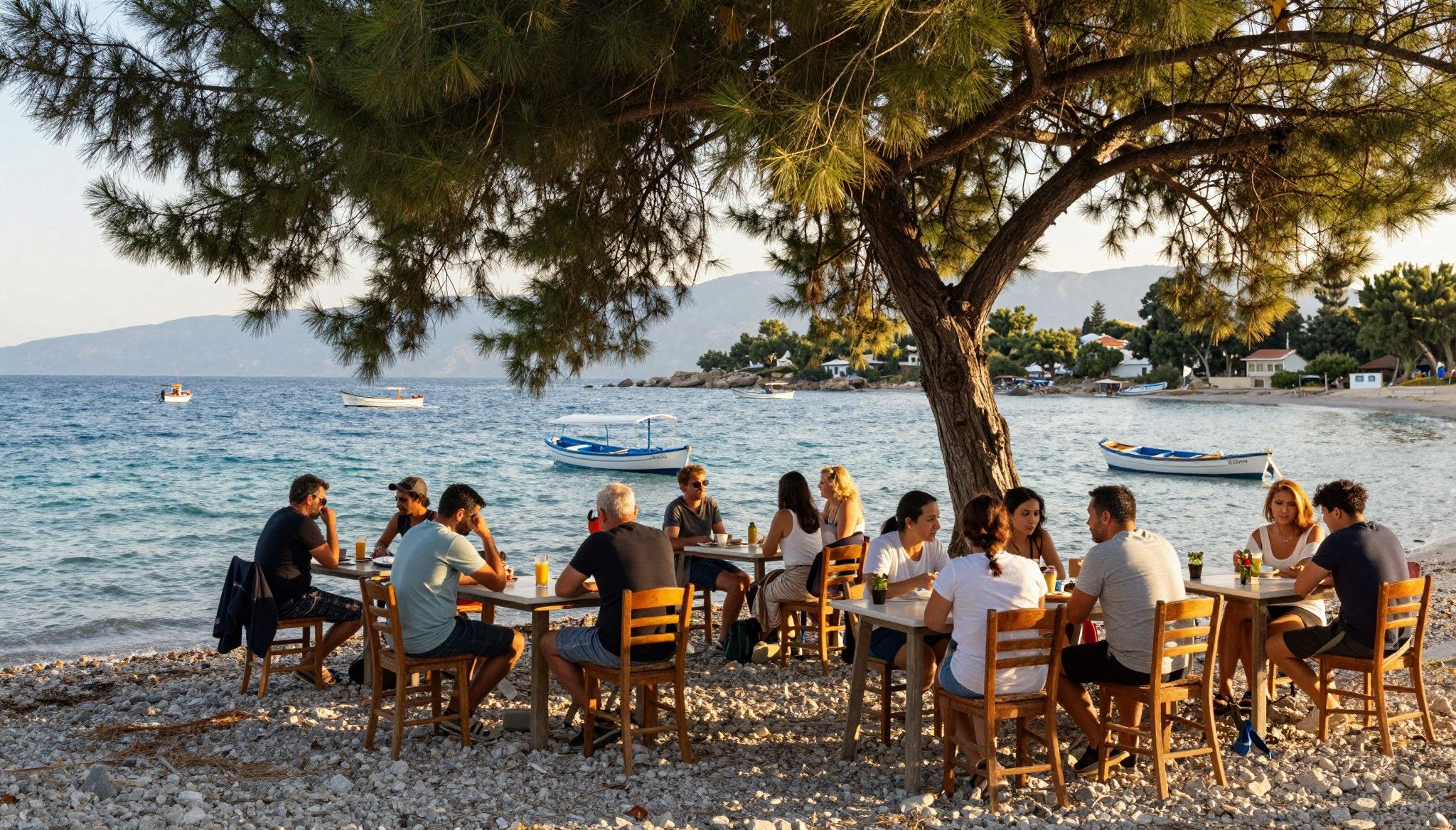
Imagine waking before dawn to the smell of baking bread in a stone lane off Plaka, or watching fishing boats return to a cove on the Ionian coast while light filters through cypress and olive. Greece is a place where wild coastline, pine forests and centuries‑old villages meet modern life; its rhythm is seasonal and sensory. This piece looks beyond postcards to show how buying in quieter months—away from the summer rush—can reveal greener value, deeper community ties and homes better integrated with landscape.
Living the Greece lifestyle: seasons, streets and senses
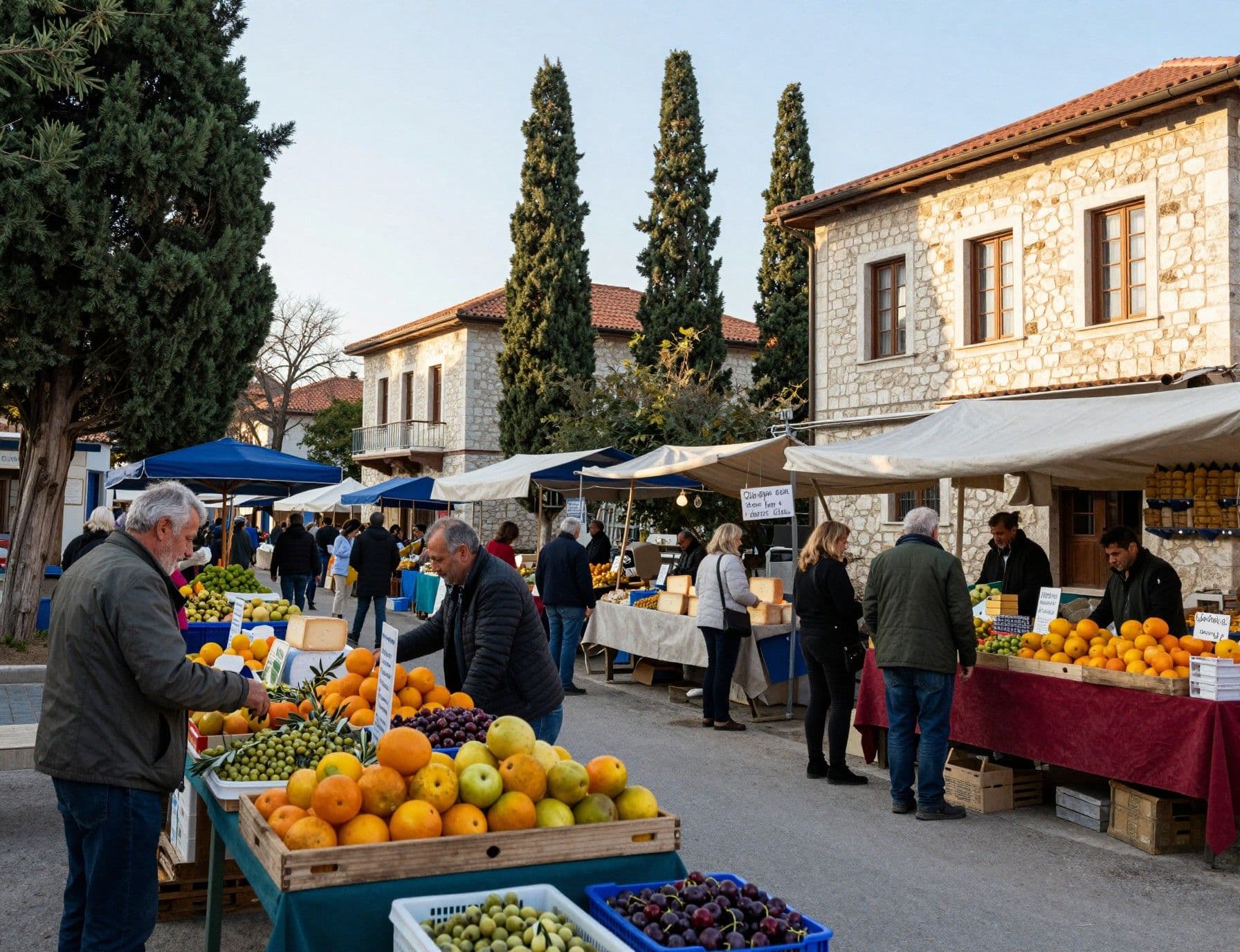
Daily life in Greece moves at two speeds: a sun‑lit, bustling high season that everyone knows, and a quieter, richly textured off‑season where communities mend nets, markets hum with local produce and mountain trails fill with people. For buyers who love verdant landscapes and rugged coasts, the off‑season reveals how homes actually fit the land—where gardens survive winter rains, wood‑stoves matter, and terraces get real use in spring and autumn.
Athens & nearby green corners (Koukaki, Pangrati, Glyfada)
Walk Koukaki’s alleys at dawn and you’ll meet café owners setting out plates; head to Pangrati and find municipal gardens and green rooftops woven into apartment blocks; Glyfada offers seaside pine promenades and villas with mature olive groves. These pockets show how urban living in Greece often keeps a close relationship with nature—courtyards, pomegranate trees, and community parks shape how people use homes year‑round.
Island & coastal rhythms (Epirus coast, Pelion, Ionian isles)
Outside Mykonos and Santorini’s tourist glare, places like Pelion and sections of the Ionian coast balance lush mountain forests with pebble beaches. In autumn you find foraging paths, truffle fairs and fishermen repairing boats—moments that show how properties are used as seasonal homes, workshops and community anchors rather than mere rental machines.
- Lifestyle highlights you’ll fall for
- Morning espresso on Dionysiou Areopagitou in Athens, followed by a slow walk through the National Garden
- Foraging chestnuts in Pelion’s oak woods and returning to cook them on a stone hearth
- Weekend fish markets in small harbours—buy the day’s catch and watch it become supper on your terrace
Making the move: practical realities that support the lifestyle
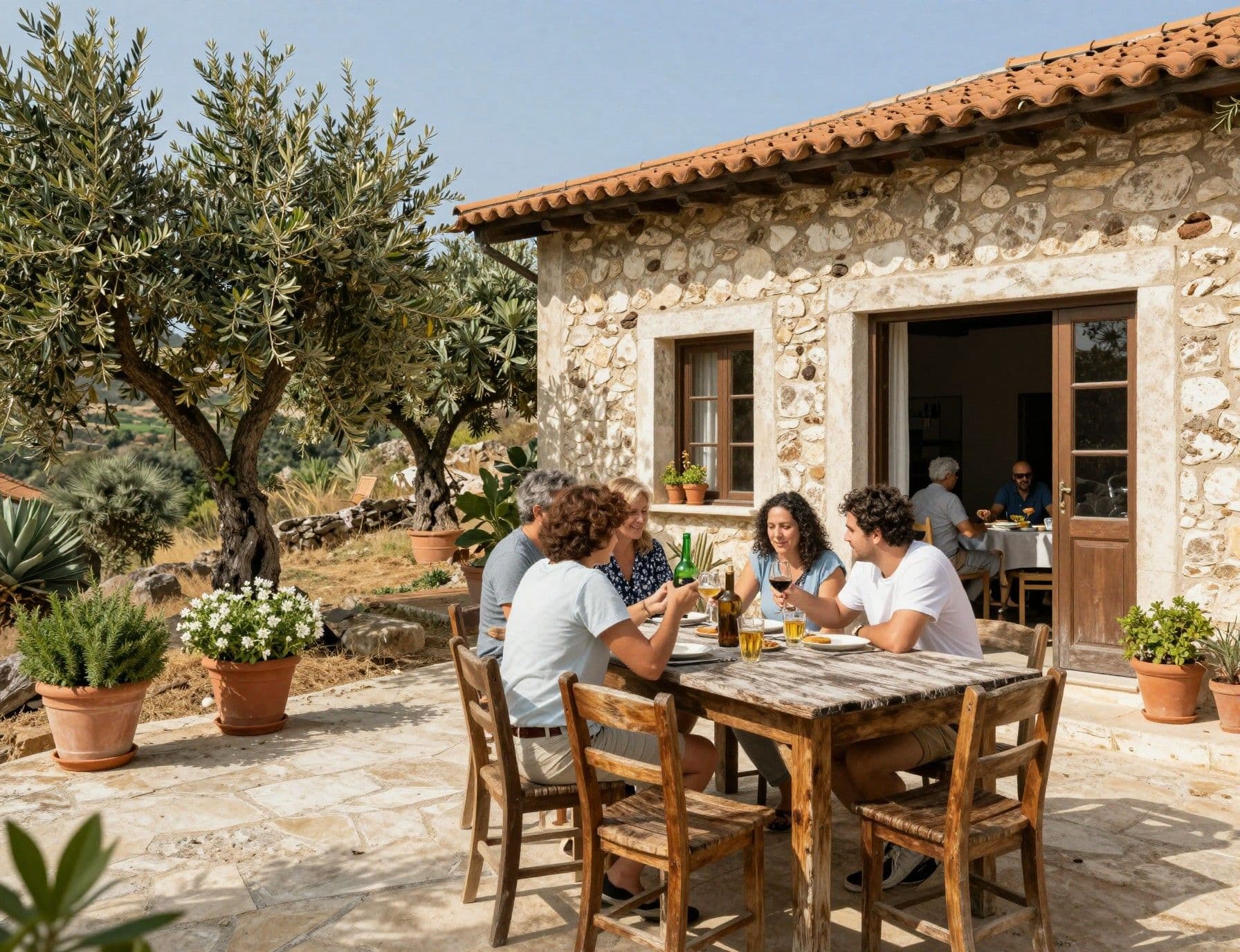
The romance of place must meet market reality. Greece has seen consistent property price growth in recent years, driven by limited supply and renewed local demand. National indices and industry reports show steady increases, which means timing and location matter: buying in quieter seasons often reveals sellers who are more motivated and properties that perform better for long‑term, low‑impact living. Use market data to temper emotion and choose properties that match your ecological values.
Property styles that suit verdant, coastal living
Stone cottages with thick walls, timber‑framed homes, and green‑roofed modern builds each offer different relationships to climate and landscape. A traditional stone house in Zagori or Pelion shelters from summer heat and harvests winter rain; a renovated townhouse in Koukaki gives walkable city life with green terraces; a small eco‑builder’s villa on the Ionian coast can combine passive solar design with native planting.
How local experts help you find the right life
Choose agents who speak ecology: those who know where olive groves thrive, which orientations get winter sun, and where local planning allows rainwater capture or small orchards. Local surveyors and architects familiar with traditional construction are indispensable for restorative projects that keep embodied carbon low and character high.
- Steps to blend lifestyle and practical buying (season‑aware)
- 1) Visit in shoulder seasons (March–May or September–November) to see real community life and year‑round suitability.
- 2) Prioritise properties with mature gardens, proven water access, and orientation for passive heating and cooling.
- 3) Confirm local planning rules for renewable retrofit, small‑scale agricultural use, and restrictions on short‑term letting.
Insider knowledge: what expats wish they'd known before they moved
Expat life in Greece rewards patience and a love of seasons. Newcomers often expect perpetual summer; instead they find spring markets, honest friendships formed at village kafeneions, and winter repair rituals. Practical surprises: utility timings, variable mobile coverage in remote coves, and seasonal business hours. These are not obstacles but signals: they help you choose a property that participates in local life rather than resisting it.
Language, community and everyday integration
Learning basic Greek opens doors. Simple phrases at the market, a willingness to join the local festival, or hosting a small meal on your terrace will embed you faster than perfect paperwork. Many neighborhoods—like Chania’s old town or Hydra’s small community—have active expatriate clusters, but the most rewarding connections often start with shared seasonal tasks: pruning, olive picking, or restoring a roof.
Long‑term practicalities: market signals to respect
Official indices show sustained price rises in recent years, particularly in cities and popular regional hubs. That means buyers looking for green value should consider timing (shoulder seasons), exact micro‑locations (less touristed coves, mountain villages with access to amenities), and property condition (restoration potential often beats new builds for ecological authenticity).
- Red flags and practical checks before you bid
- Unclear water rights or lack of municipal connection—confirm supply and storage options
- Planning limits that forbid small renewables or garden changes—ask local planning early
- Properties marketed for ‘short‑term letting’ in fragile communities—consider social impact and local restrictions
Conclusion: buy for the life you want, not the season you visited
If you dream of green hills, salty air and a home that feels like place, approach Greece with seasonal curiosity. Visit outside July and August, ask questions about water, orientation and local life, and work with agents who understand restorative projects and small‑scale renewables. The result is a home that gives back—to you and the landscape—across every season.
Dutch property strategist who helped 200+ families find sustainable homes in southern Europe; expert in legal pathways and long-term stewardship.