Off‑season Croatia: How to Find Greener Value When Buying
Fall for Croatia’s lifestyle, then buy with eco-aware due diligence — off‑season viewings, conservation checks and local experts uncover real green value.
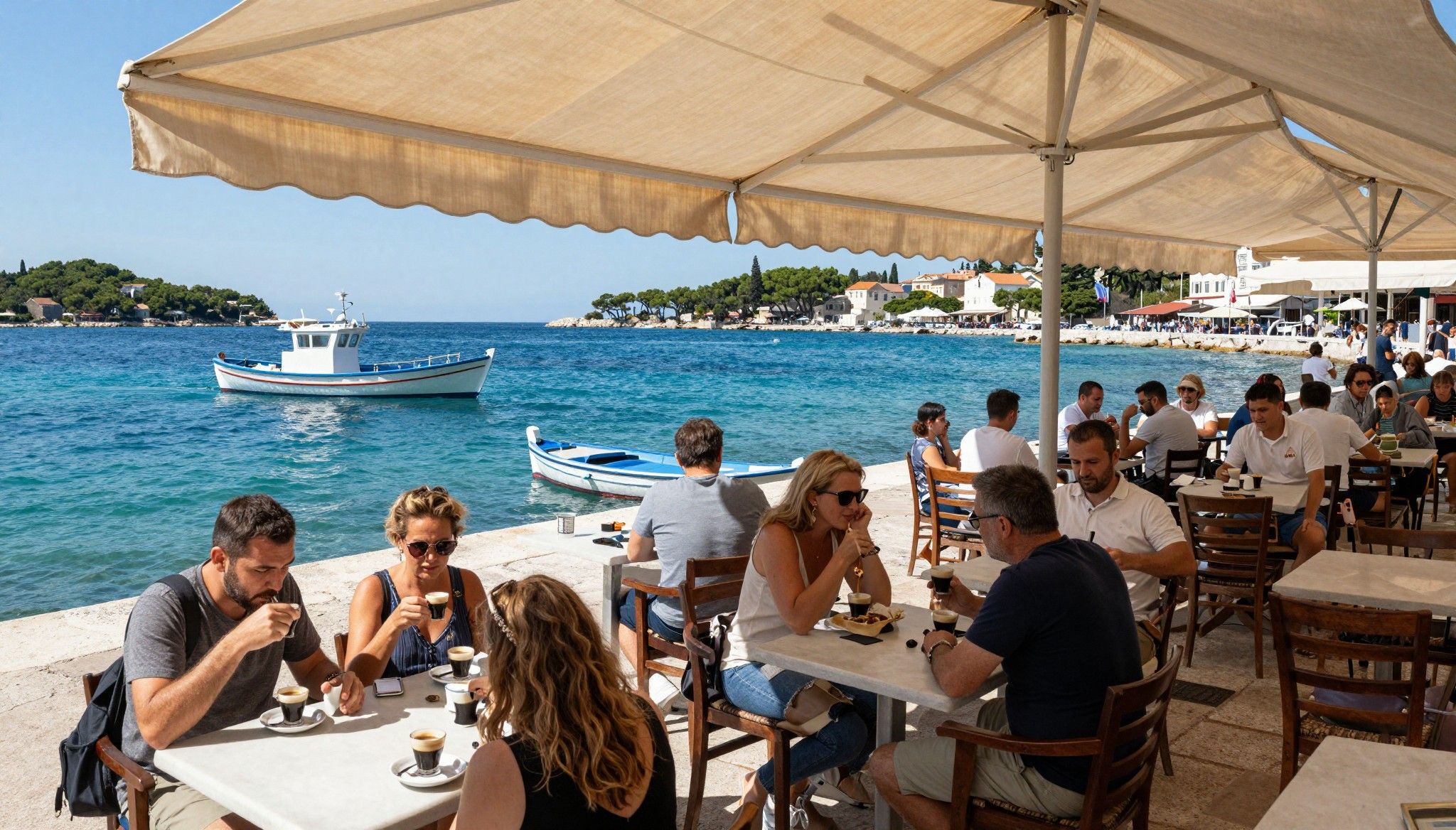
Imagine sipping an espresso on the sun-warmed terrace of a stone house in Rovinj, the sea smelling of salt and pine, while a neighbour brings over truffles from the inland grove. Croatia is a place where coast and karst meet slow rhythms, and that rhythm shapes not just life but how, when and where you should buy.
Living the Croatia lifestyle
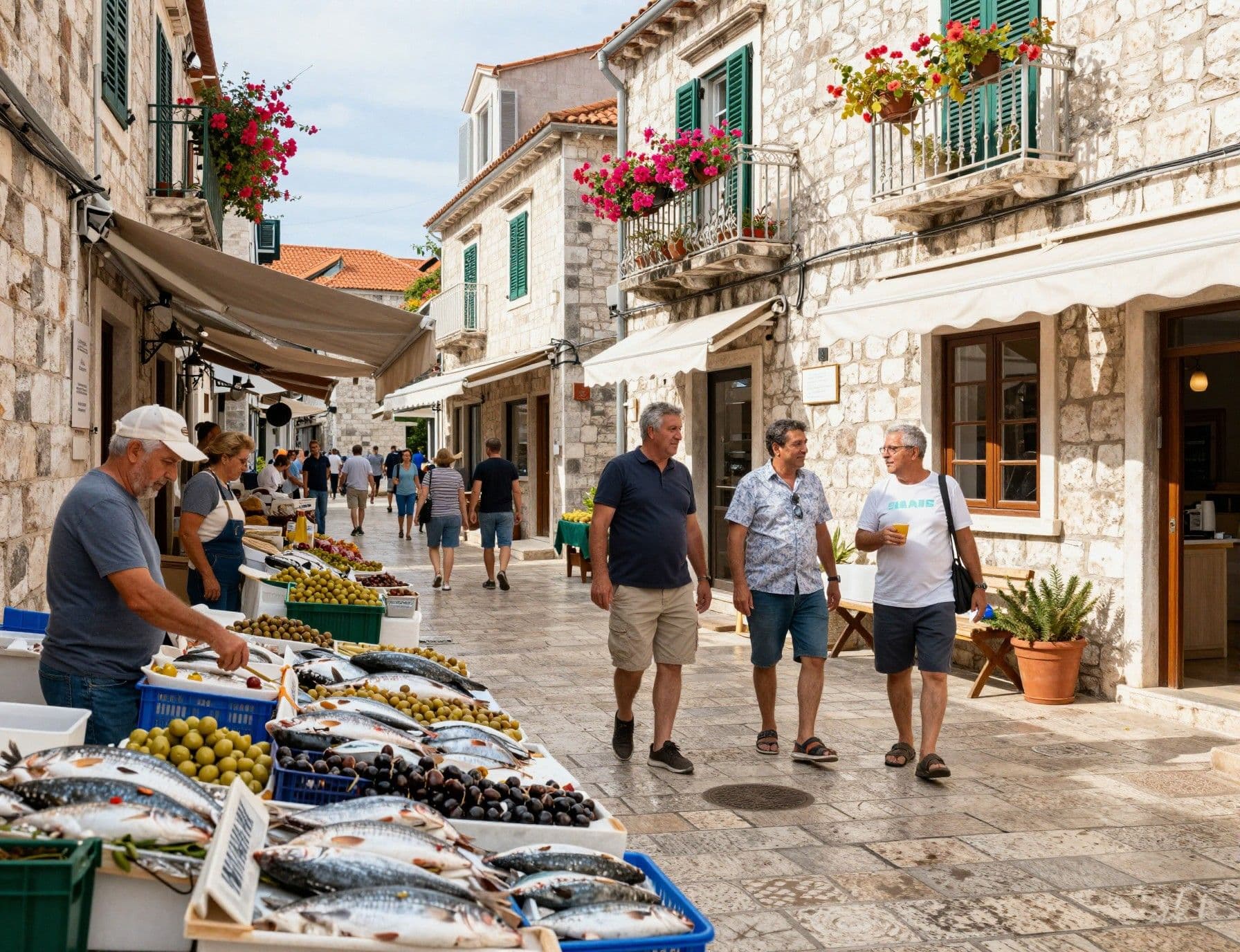
Days begin with market stalls in Split or Rijeka and end with long dinners under wisteria. Living in Croatia is sensory — loud markets on Korzo, the quiet of Mljet’s pine-scented coves, the low hum of neighbourhood cafes in Zagreb’s Donji Grad. Recent national data show steady house-price growth, but the lived reality differs wildly between islands, coastal towns and the continental interior. Knowing those textures helps you look beyond headline prices and find real value.
Coast, islands and old towns: where life happens
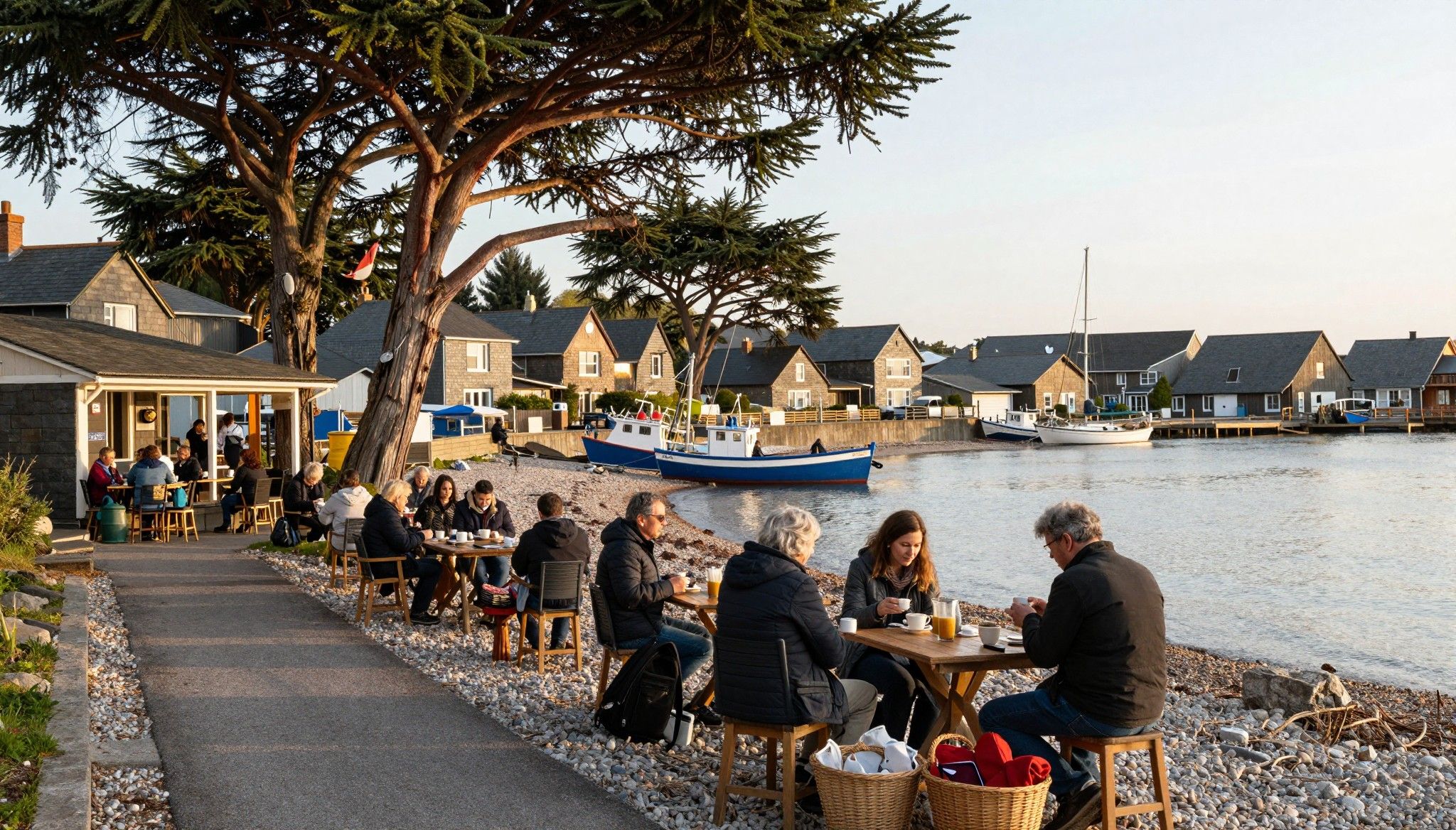
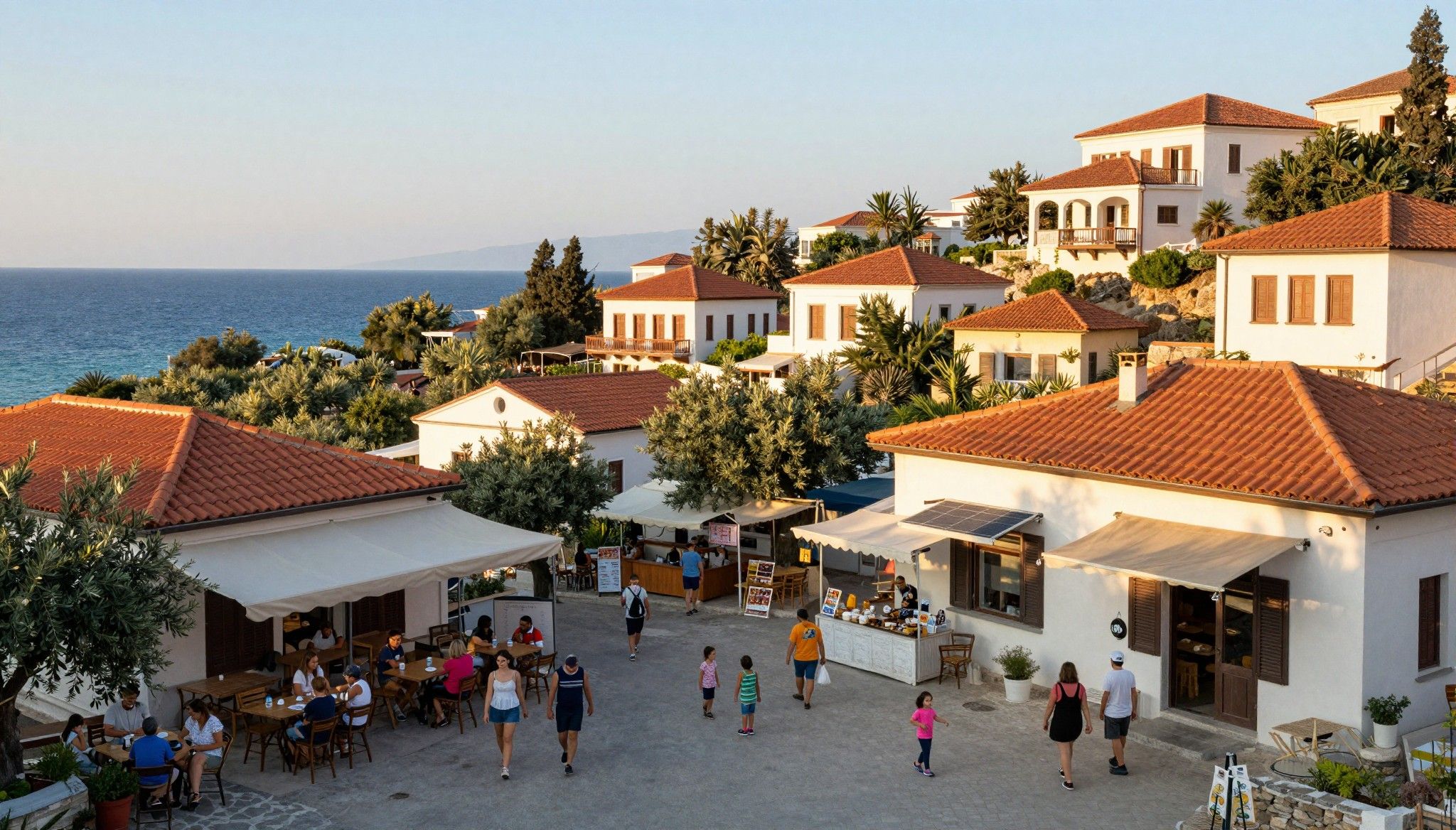
Stroll the Riva in Split at dawn and you’ll feel the pull of harbour life; walk Pula’s quieter residential streets and you’ll find stone houses with gardens that flow down to olive groves. In Istria, Truffle Road villages and hilltop towns like Motovun host seasonal food pilgrimages; on Dalmatia’s islands small coves and bays determine daily life. These differences aren’t just poetic — they determine renovation rules, energy needs and how a home integrates with the landscape.
Food, markets and seasonal rituals
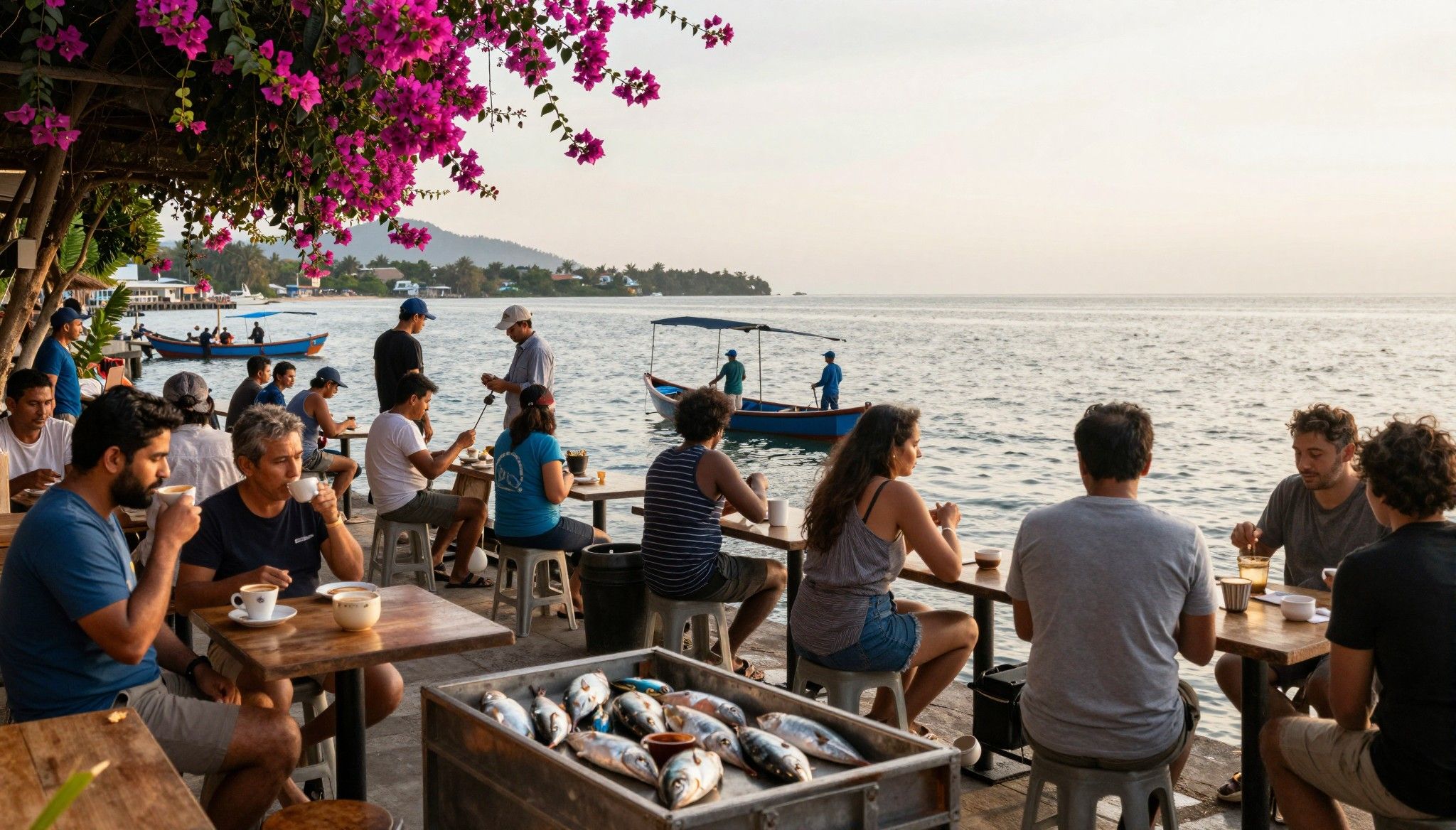
Picture farmers on a Saturday in Dolac market, Zagreb, or small fishermen unloading catch at a Splitska quay — local rhythms shape what your kitchen will be filled with. That same local economy can also make smaller towns attractive for green renovations and local-supply sourcing. If you’re an EU citizen, the rules for purchase are straightforward; non-EU buyers have additional administrative steps and sometimes need reciprocity approvals. Understanding how community life works will help you choose a property that can sustain seasonal living and local supply chains.
- Market days, coastal swims, truffle foraging in Istria, island ferry rhythms, autumn olive harvests, winter fog over Zagorje vineyards
Making the move: practical considerations that honour place
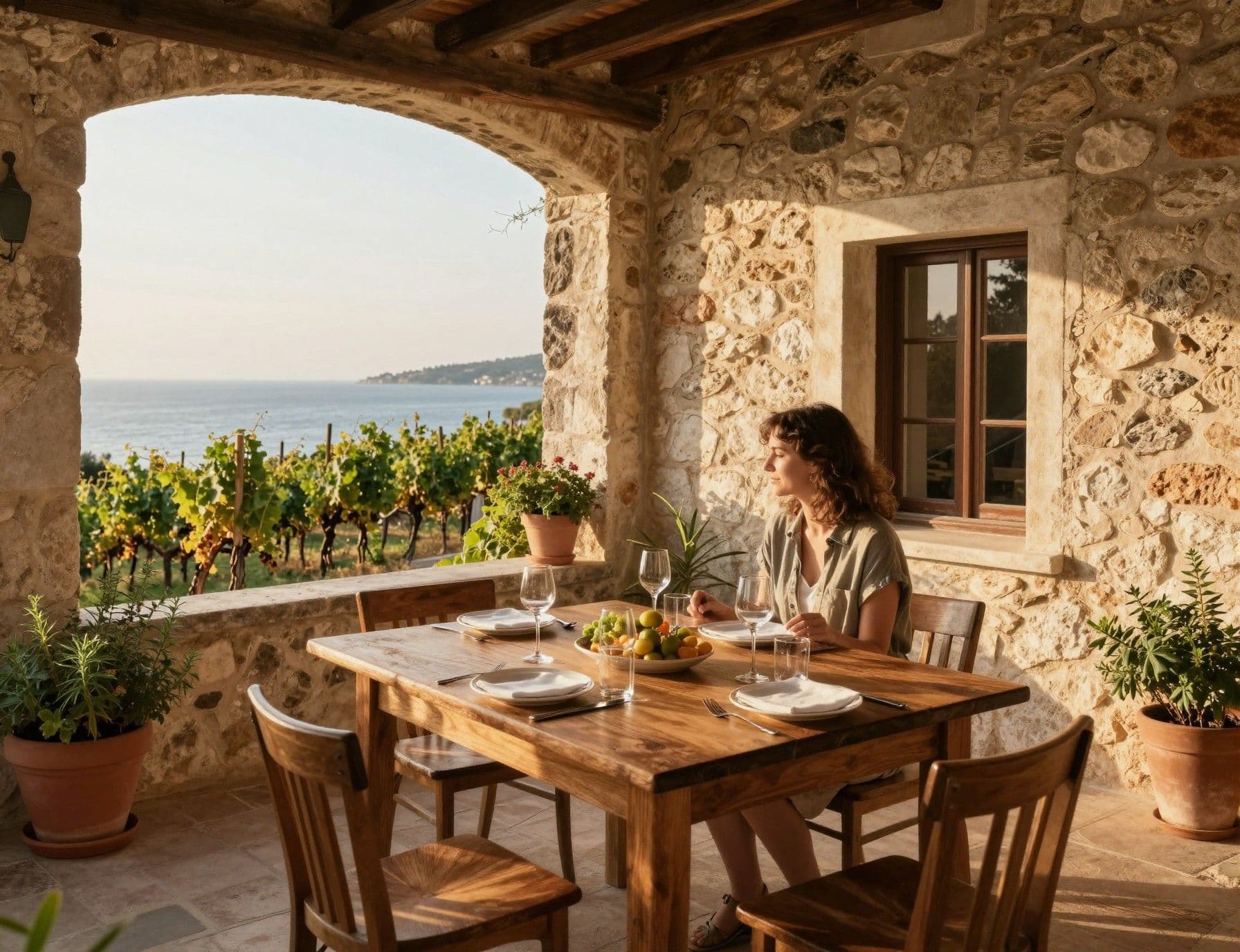
Dreams meet paperwork at the notary. Croatia’s system blends clear public records with local planning rules that can be surprisingly strict in historic and coastal zones. Before a deposit is paid, check national rules on foreign ownership, municipal land-use designations, and whether the property sits in a protected area — these determine what you can renovate and how eco-improvements are permitted.
Property types and how they shape sustainable living
Country stone houses with thick walls offer passive cooling and require sensitive retrofits; modern coastal apartments favour solar-ready roofs and heat-pump friendly systems. Choosing a property isn’t just about footprint and view — think about orientation for solar panels, rainwater catchment potential, space for a kitchen garden and local material availability for low-impact renovations.
Work with experts who speak both law and lifestyle
- 1. Hire a local lawyer who understands coastal and conservation rules and can request ownership consent when needed. 2. Ask an architect experienced in traditional materials (stone, timber) for a sustainability-first renovation plan. 3. Use an agent who knows seasonal occupancy patterns — they’ll spot homes that perform better off-season. 4. Insist on energy and asbestos checks; old houses often hide remediation needs that shift budgets and timelines.
Insider knowledge: what expats wish they’d known
Expats often tell us the same surprises: summer hype hides quieter value, heritage departments will gatekeep facades, and small municipal quirks can delay permits. Data shows national price growth, yet smart buyers find greener value in off-season viewings and inland towns where sustainable conversions are cheaper and community life richer.
Cultural rules that change the way you live (and renovate)
Croatians prize respect for shared space — noise, public access to shorelines, and respectful restoration of historic houses matter. If you plan to add terraces, pergolas, or external solar panels in older towns, expect consultations with the 'konzervatorski odjel' (conservation office). Learning a few words of Croatian and engaging neighbours early opens doors and smooths bureaucracy.
Long-term stewardship: buying for seasons, community and climate
Think beyond immediate returns. Rainwater tanks, native gardens, and flexible heating systems make homes comfortable year-round and reduce running costs. Data show Croatia’s house-price trajectory, but the properties that age best are those designed to adapt — small-scale renewables, breathable materials and local craftsmanship will protect both value and the landscape you love.
- Red flags to watch for: unclear land-use status, missing building permits, properties inside protected coastal belts, undocumented additions, and sellers claiming “private beaches”.
- 1. Visit out of season (autumn or winter) to test real year-round feel. 2. Commission two independent surveys: structural and environmental (mould, asbestos, water access). 3. Secure written confirmation of planning and conservation constraints from the municipal office before signing. 4. Build a realistic renovation budget that includes conservation compliance and eco-upgrades.
If Croatia’s allure first caught you with sun and sea, let the deeper rhythms — markets at dawn, olive harvests at dusk, a village piazza humming with neighbours — guide a wiser purchase. Work with local experts who care for place as much as profit; insist on checks that protect landscape and wallet; and consider timing your search to reveal true value, not just summer sparkle.
Dutch property strategist who helped 200+ families find sustainable homes in southern Europe; expert in legal pathways and long-term stewardship.