Why Energy‑Smart Homes Beat Sea‑View Hype in Croatia
Fall in love with Croatia’s seasons, then match lifestyle to finance: how green mortgages, reciprocity rules and retrofit-first thinking shape smarter buys.
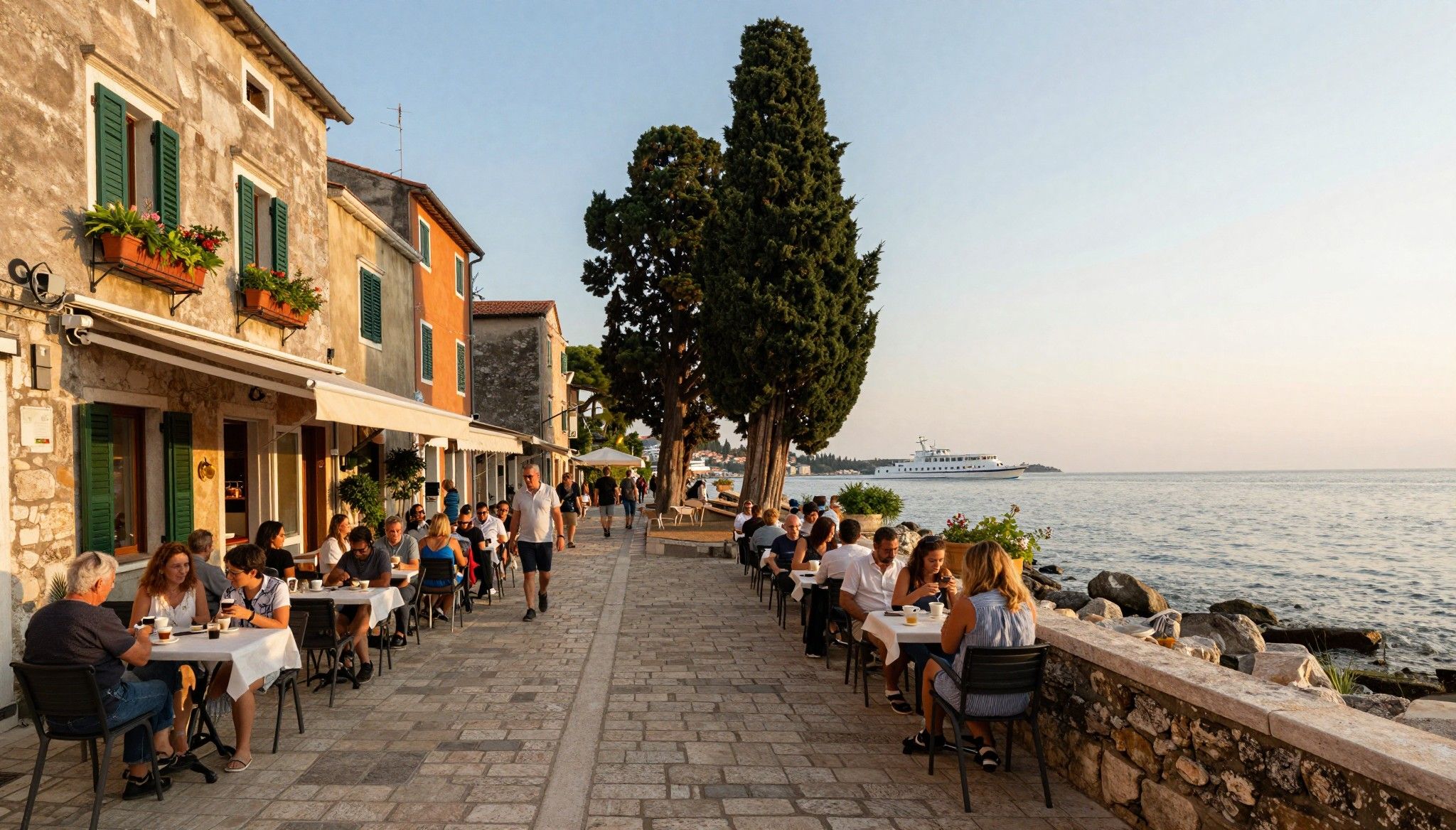
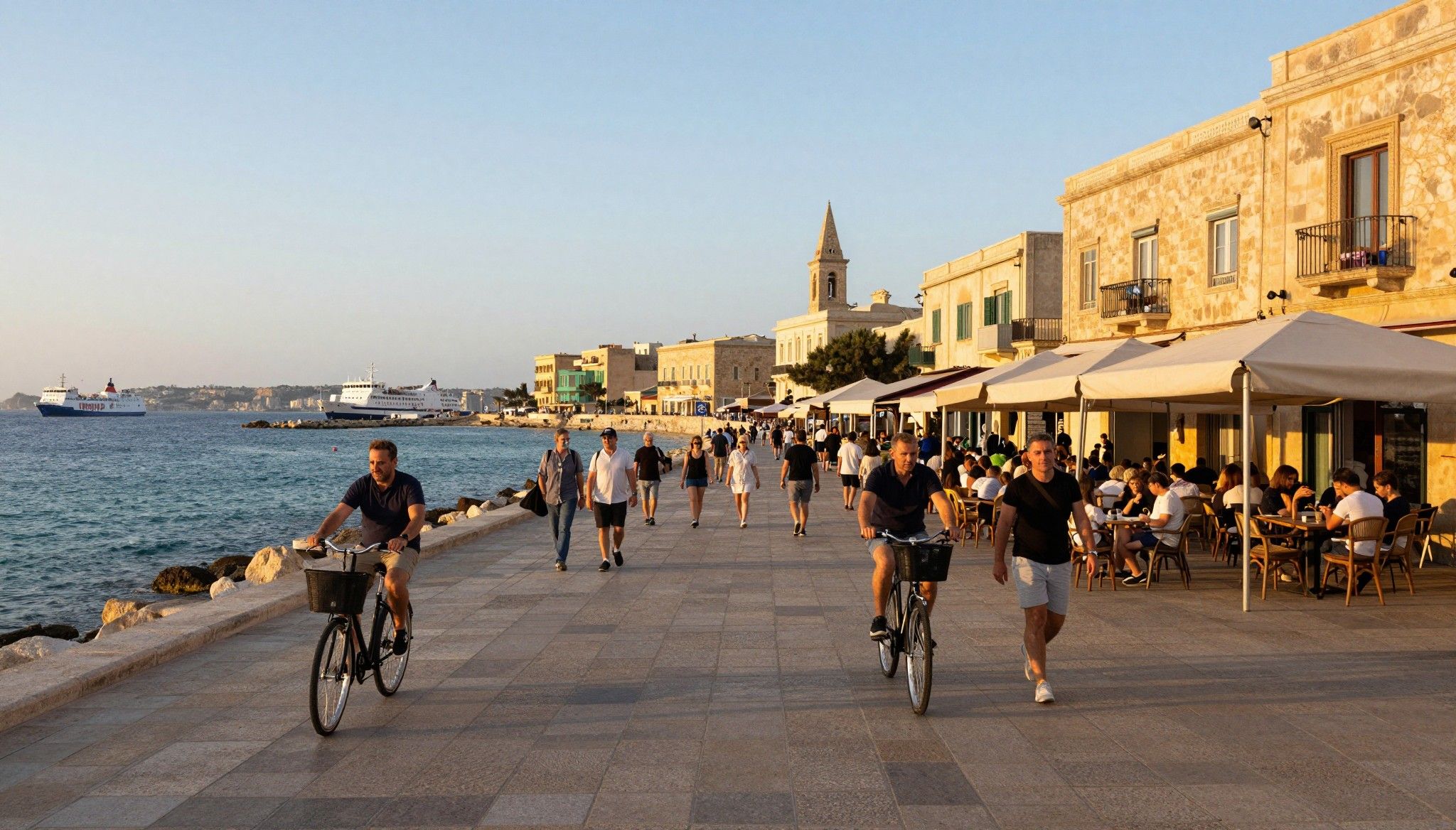
Imagine waking to the mixed salt-and-herb scent of a Dalmatian morning, walking past weathered limestone façades toward a sea-view café where locals discuss olive harvests and municipal planning with equal passion. In Croatia the everyday feels rooted — markets, small coves, and centuries-old stone that cools a home in summer and holds the light at dusk. But romance and reality meet at the point of finance: your dream of low-impact coastal living is shaped by mortgages, foreign‑ownership rules, and a growing set of green lending options. Read on for a different kind of buyer’s map — one that places lifestyle first, then stitches in the legal and financing threads that make an eco-minded move to Croatia possible.
Living the Croatia lifestyle
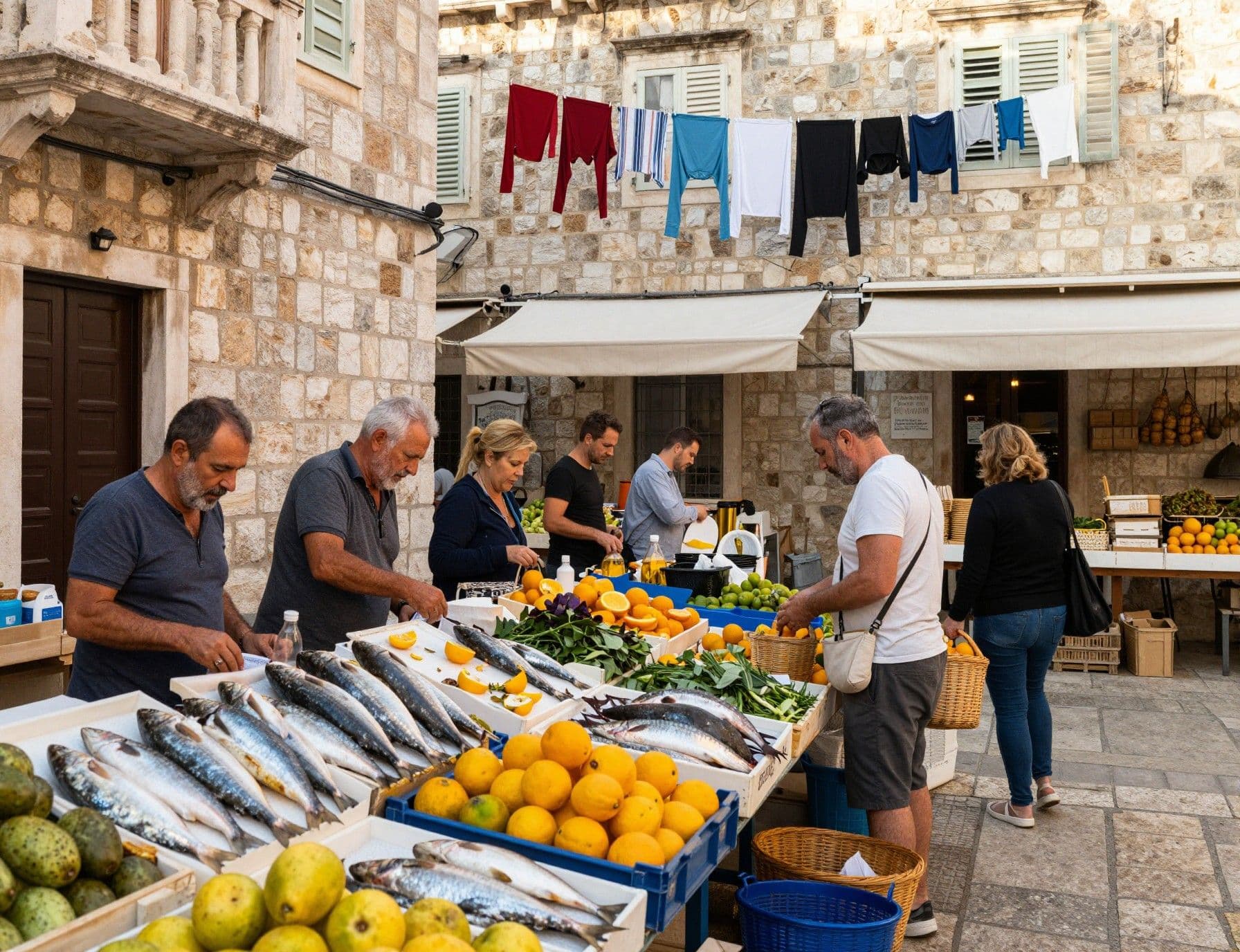
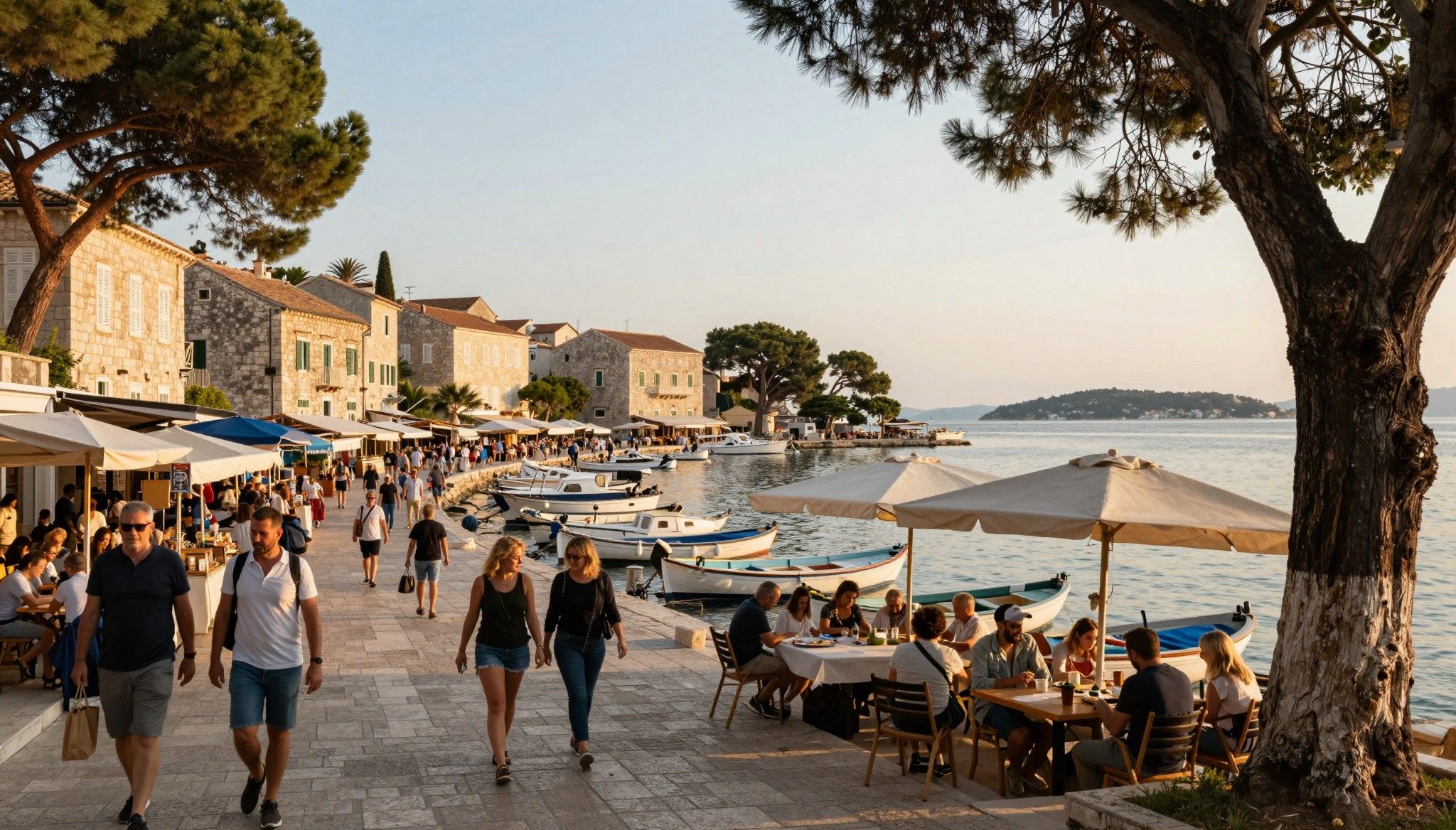
Life here moves with a Mediterranean rhythm: early-market bargaining at Dolac in Zagreb, late-afternoon swims at Zlatni Rat on Brač, and slow Sunday lunches under plane trees in Istria’s hill towns. Each region carries a distinct voice — Zagreb’s leafy avenues and craft coffee scene, Split’s waterfront bustle and Roman bones, the coast’s pebble beaches and island hammocks — but all share an honest connection to season, land and sea. For buyers who prioritise sustainability, that connection becomes the lens through which you judge properties: does a home harvest rainwater, keep a kitchen garden, or have passive cooling in its stone walls?
Neighborhood spotlight: Split’s Veli Varoš and Zagreb’s Šalata
Veli Varoš slips behind Split’s Riva, a cluster of narrow lanes, rosemary-smelling courtyards and small cafés where fishermen’s families have lived for generations. It’s not the glossy, tourist-soaked center but the lived-in quarter where rooftop terraces collect late sun — a place where an energy-efficient retrofit can dramatically lower bills and preserve character. In Zagreb, Šalata’s lime-tree avenues and 1920s villas offer leafy streets and community gardens; here, a well-insulated historic home often beats a new glass cube on running costs and comfort during the long inland winters.
Food, market life and seasons that shape property choices
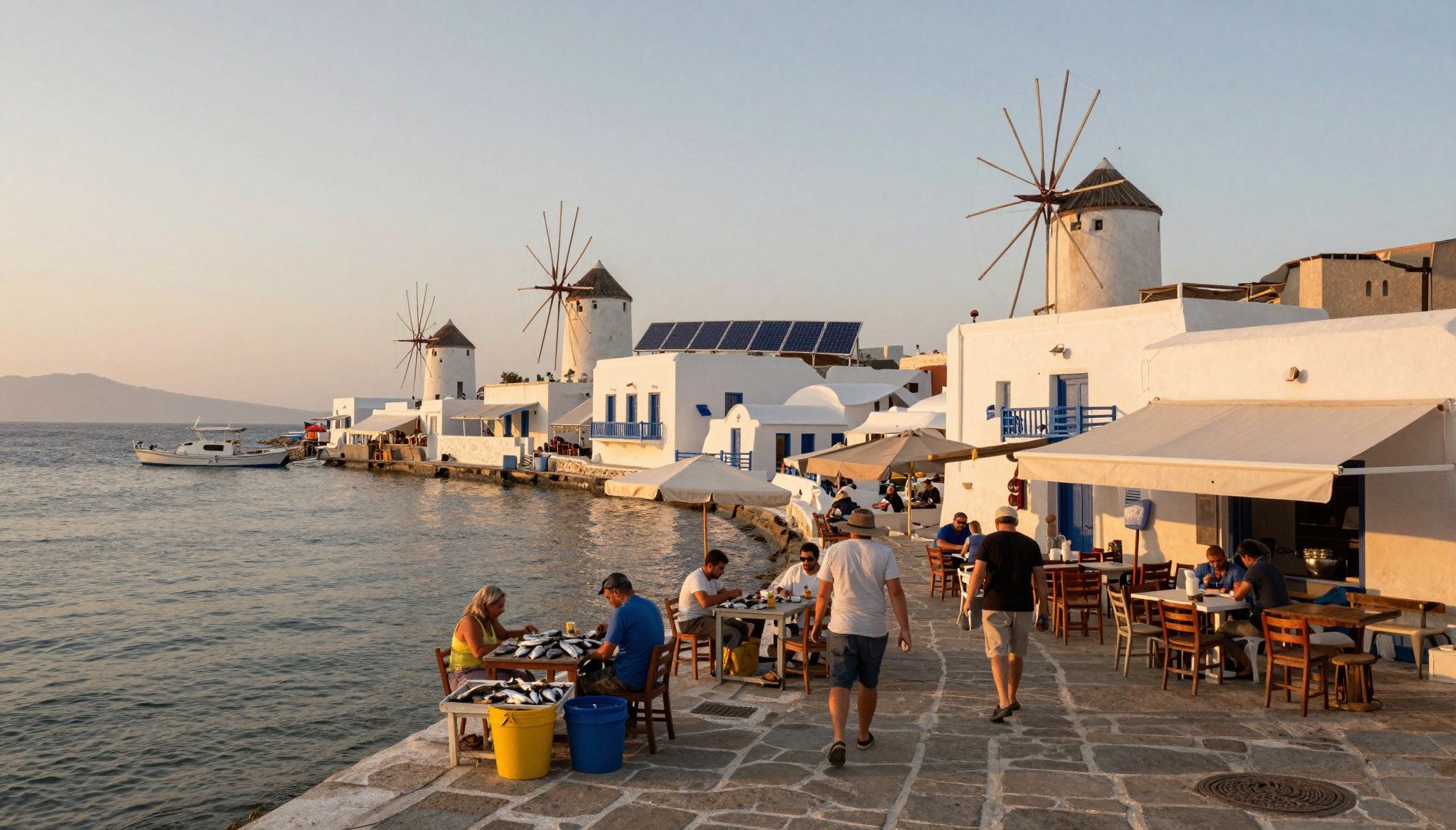
Buyers often fall in love with Croatia through taste: truffles in Istria, fresh black risotto on the Adriatic, and late-summer figs drying on windowsills. Those seasonal rhythms affect how you'll use a home — open-plan terraces for summer hosting, compact heated interiors for winter retreat, or storage for cured ham and preserves. Choosing a property therefore means thinking in cycles: does the house serve the year you want to live, or only the postcard summer?
- Morning espresso at Split’s Riva; farmers’ market in Hvar town; small coves for off-season swims; Istrian truffle walks; community gardens in Zagreb; island ferry runs that shape weekend life.
Making the move: practical considerations (with a green tilt)
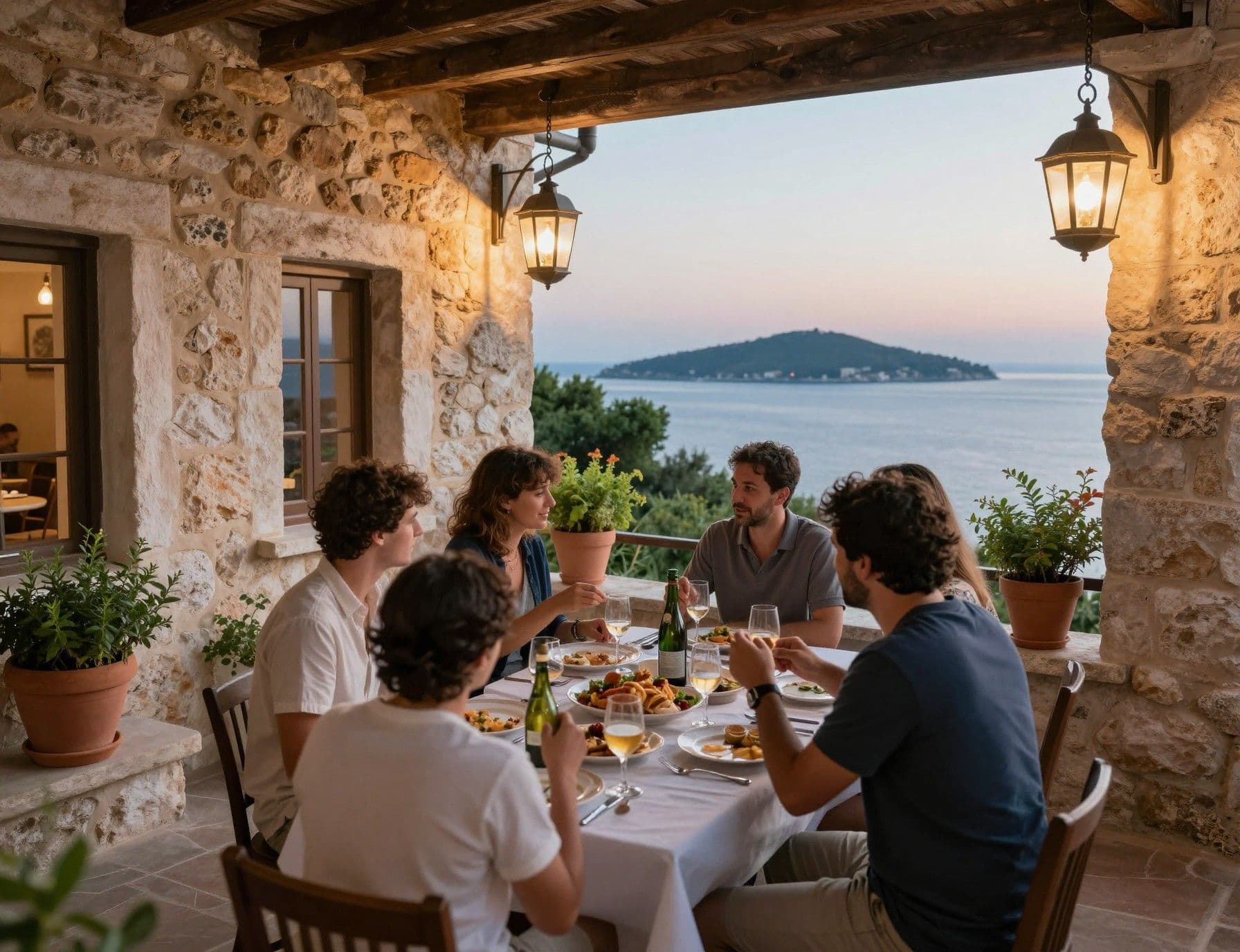
Turning a love affair with place into a purchase means translating lifestyle priorities into legal steps and financing choices. EU citizens enjoy relatively straightforward rights to buy, while non‑EU nationals often need ministerial consent or to purchase via a Croatian company — a detail that can change the timeline and costs. Working early with a notary, local lawyer and an agency that understands eco-oriented renovations will save weeks of frustration and help you qualify for green lending where available.
Property styles and what they offer your life
Stone Adriatic houses bring thermal mass and passive cooling; inland Istrian trulli-like farmhouses offer thick walls and natural humidity control; modern coastal builds can deliver solar-ready roofs and contemporary insulation. If your priority is low energy use, favour properties with south-facing façades, thick masonry, or existing roof space for photovoltaic panels. Often the most cost-effective route to sustainability in Croatia is sympathetic retrofit rather than full rebuild — preserving character while adding insulation, heat-pump heating and water-saving systems.
Working with local experts who know lifestyle & compliance
- Find an architect experienced in stone restorations and passive strategies; hire a lawyer familiar with foreign‑buyer reciprocity and land-use rules; choose an agency that sources properties with existing eco-credentials; consult banks about green mortgage options early; meet local planners about permitted changes to protected façades.
Insider knowledge: what expats wish they’d known before buying
Many expats tell the same story: they fell for light and stone, then discovered seasonal costs, permit timelines and a market that can be more active on the coast than inland. Recent reports show Croatia’s housing market has seen strong price growth in recent years, but also pockets of cooling transaction volume — meaning you can still find value if you look beyond the obvious seafront listings. Think long-term: a modest, well-insulated house near a market and ferry may deliver a richer life than an expensive sea-view apartment that sits empty much of the year.
Cultural integration, language and community
Croatians value hospitality, practicality and a direct style of conversation. Learning some Croatian opens doors in neighbourhood committees and market stalls, and helps with renovation approvals that sometimes depend on local goodwill. Expat groups cluster around school catchments, marinas and cultural centres; joining a local volunteer garden or olive‑harvest coop is both a social shortcut and a way to steward the land you now call home.
Long-term lifestyle and financing realities
- Banks in Croatia are increasingly cautious but stable, with opportunities for green loans tied to energy-efficiency upgrades; reciprocity rules remain decisive for non-EU buyers; consider local taxes, potential new property levies on vacant short-term rentals, and the value of local management if you won’t be full-time. Plan for maintenance of traditional materials (lime plaster, stone roofs) and for the seasons — storm windows, winter heating and summer shade all affect ongoing costs.
- Step-by-step for the eco-minded buyer: 1) Clarify your purchase rights (EU citizen or check reciprocity and ministerial consent). 2) Create a costed plan that includes retrofit works, green certificates and permit timelines. 3) Meet lenders early to explore green mortgage or preferential rates for energy upgrades. 4) Use a multidisciplinary team (architect, local lawyer, agency) to align lifestyle goals with legal reality. 5) Budget contingency for seasonal repairs and heritage-sensitive materials.
Conclusion: how to fall in love responsibly
Croatia rewards patience and curiosity: a house bought for its honest materials and capacity to be upgraded thoughtfully will feel more like home and cost less to run. Start with lifestyle scenes that matter to you — market mornings, island weekends, winter light — then translate those into specific property features and financing needs. If sustainability is part of your dream, treat green upgrades as front‑line negotiations with sellers and banks, not afterthoughts. When you pair an experienced local team with a clear eco-plan, you don’t just buy property in Croatia — you join a place and promise to tend it.
Danish relocation specialist who moved from Copenhagen to the Algarve; supports families with seamless transitions, local partnerships, and mindful purchases.