Croatia: Fall in Love, Then Do the Due‑Diligence
Fall in love with Croatia’s coast, islands and hilltowns — then do due diligence that respects local rules, nZEB energy standards and tax realities.
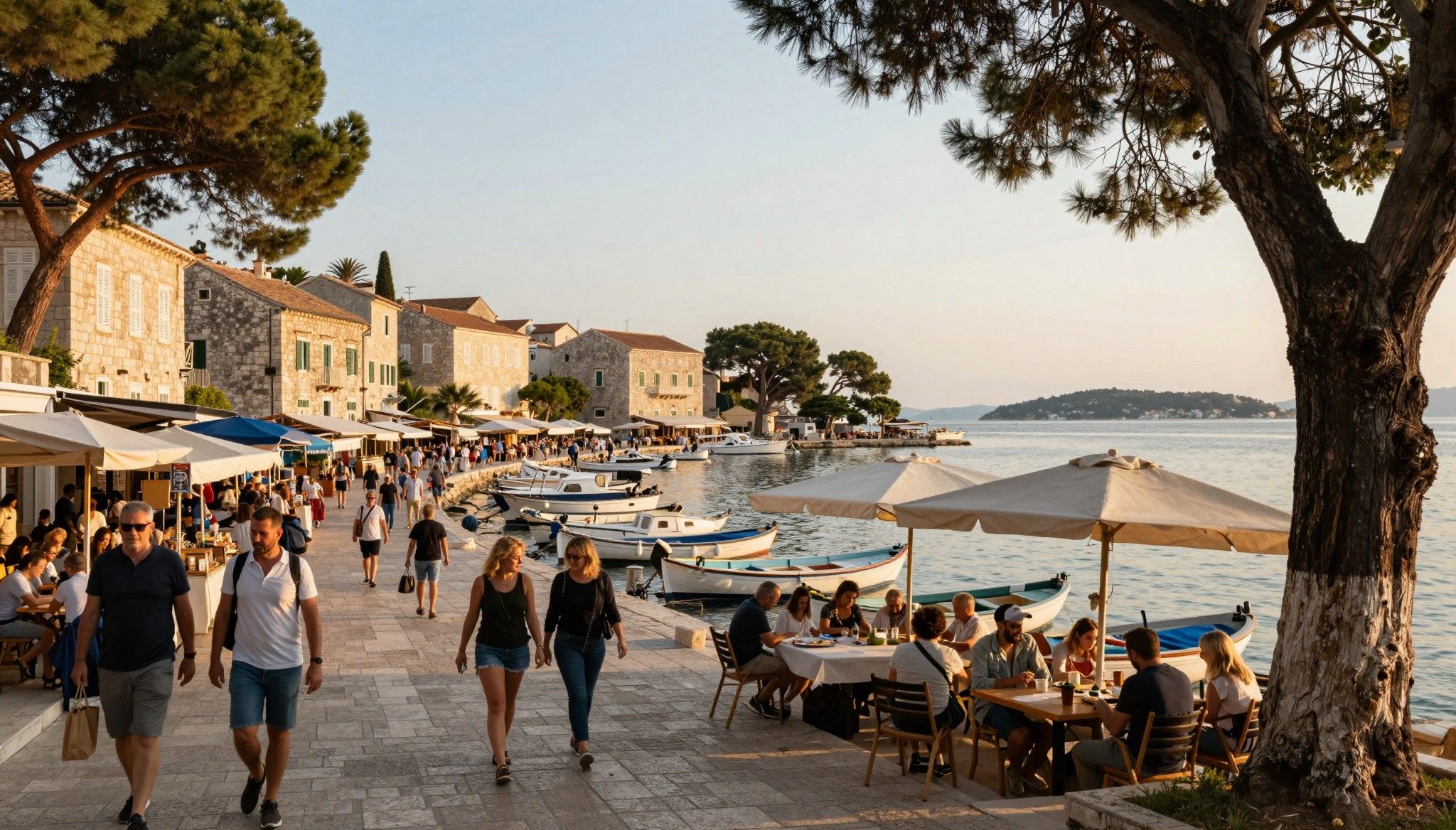
Imagine waking to the hum of a coastal morning in Dubrovnik—sea-breeze, fresh bread from the pekara on Stradun, and a neighbour setting out tomatoes from their terrace garden. In Croatia the day feels rooted in season: markets pulse on Saturdays in Split’s Pazar, island ferries creak into port at dusk, and autumn truffle hunts reshape weekends inland around Istria. For buyers drawn to low‑impact living, that rhythm matters more than square metres; it shapes what you need from a home, the permits you must secure, and the local relationships that will sustain your stewardship. Read on for a clear, place-rich look at due diligence in Croatia: what to love, what to check, and the surprising rules that protect both culture and coastline.
Living the Croatia lifestyle
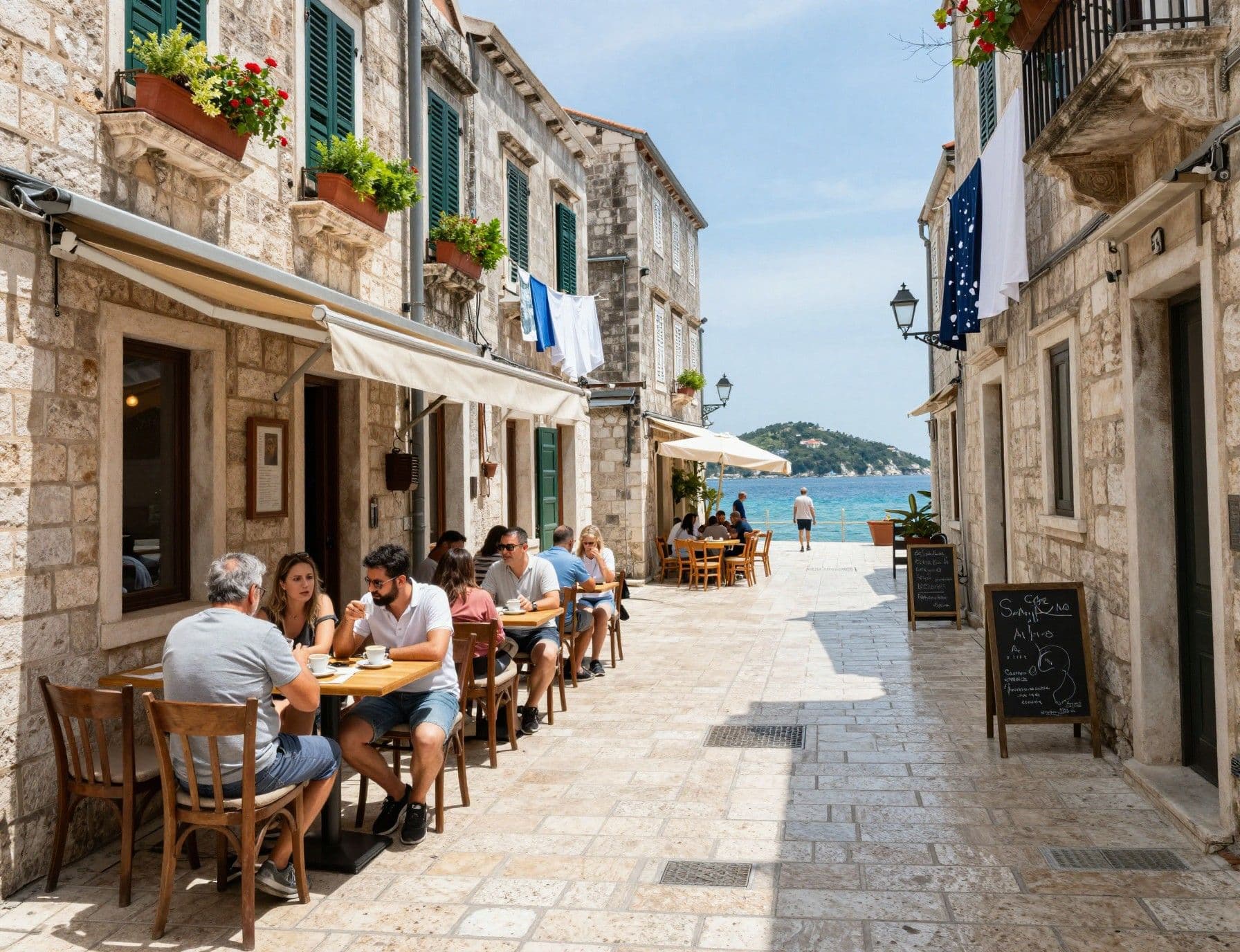
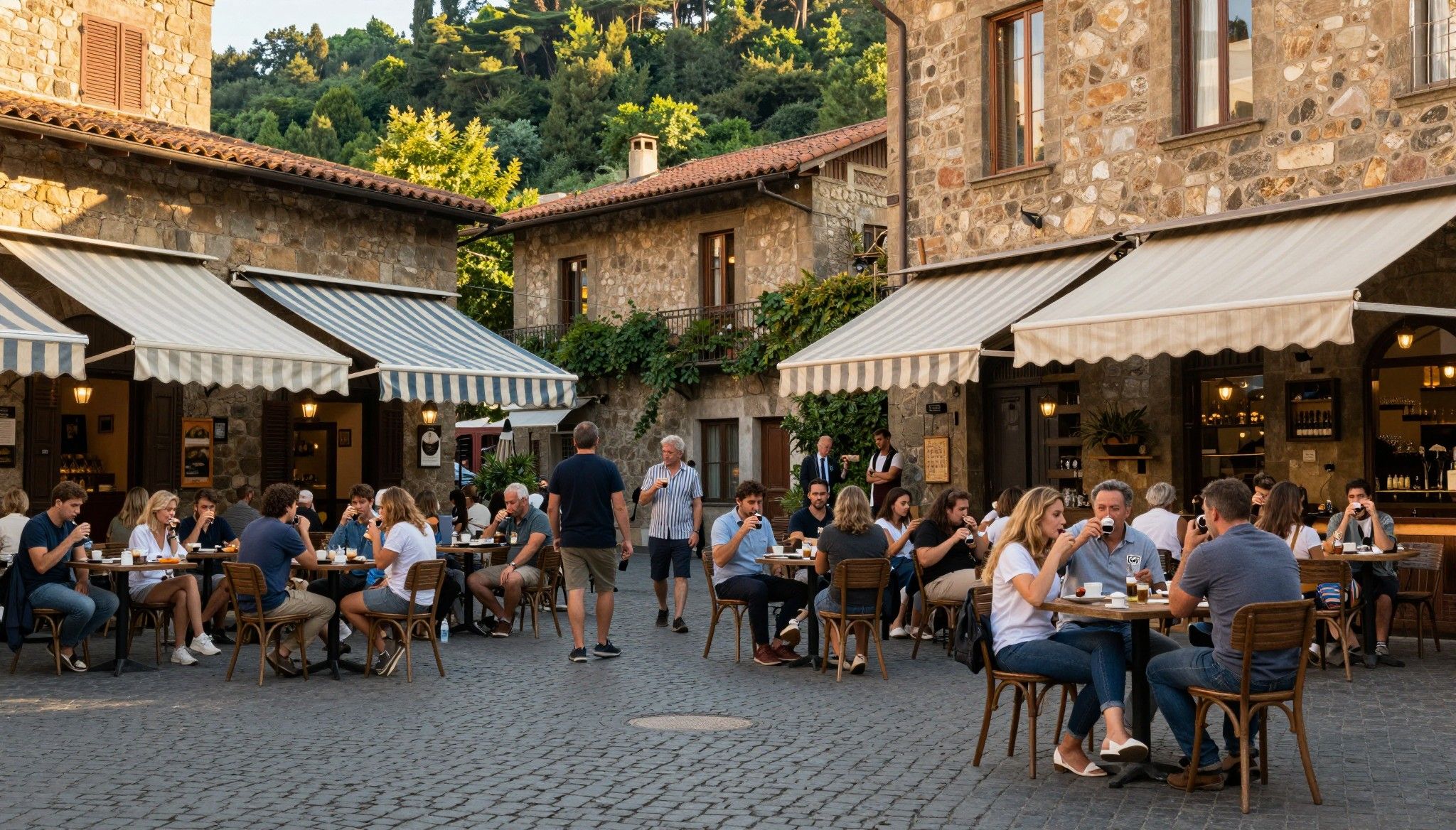
Croatia is two countries in one: a Mediterranean coastal life of pebble coves, konobas and late-night promenades, and an interior of oak forests, rolling vineyards and stone hamlets where time moves at a gentler pace. City life—Zagreb’s craft cafés, Rijeka’s creative festivals, Split’s waterfront gatherings—feels manageable: small enough to know your barista by name, large enough for seasonal culture. This variety is why many international buyers choose Croatia for a life that mixes slow days and lively summers, and why property choices must balance sea views with year-round access, energy needs, and local planning rules.
Coastline character: Dalmatia and Istria
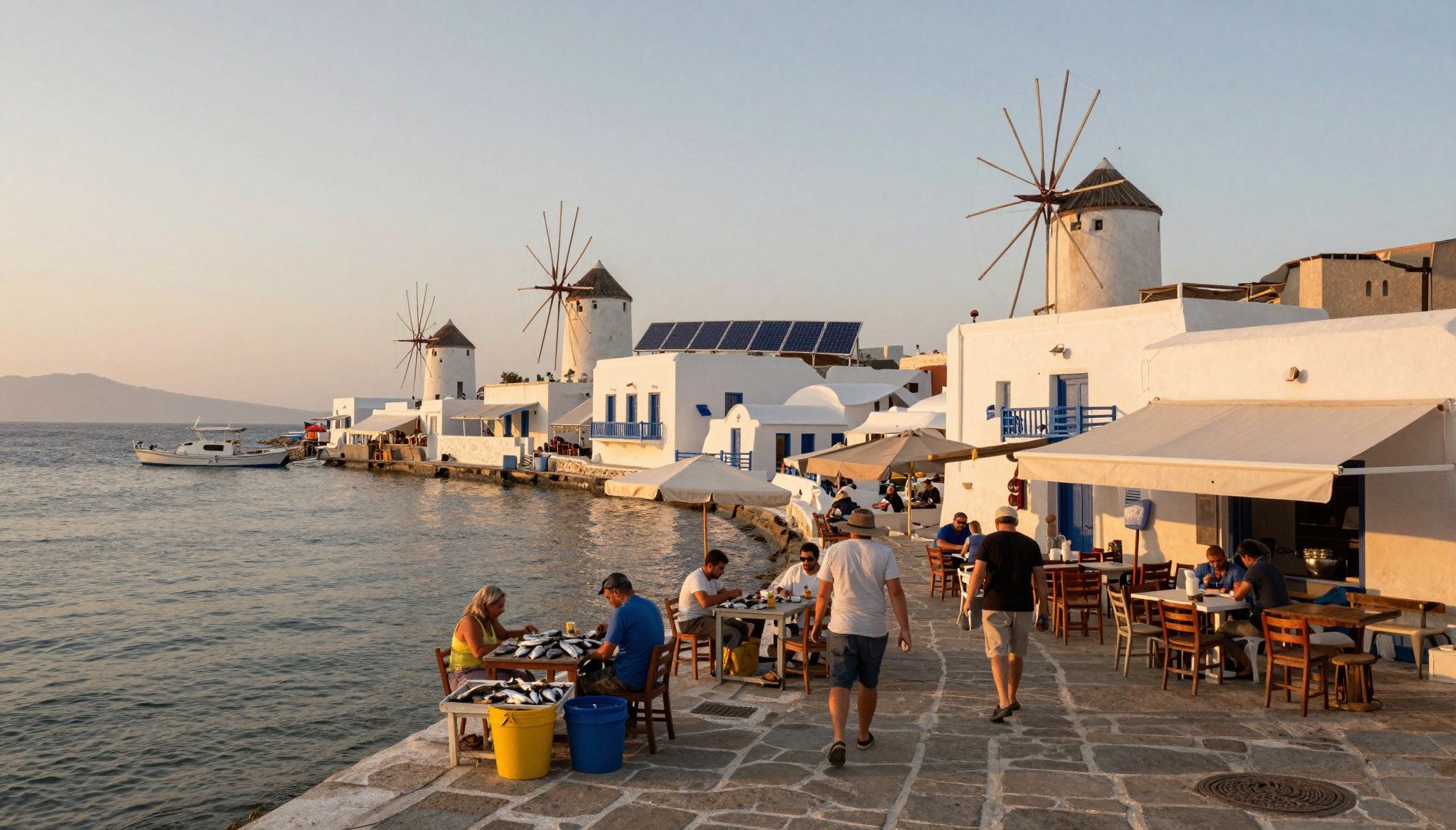
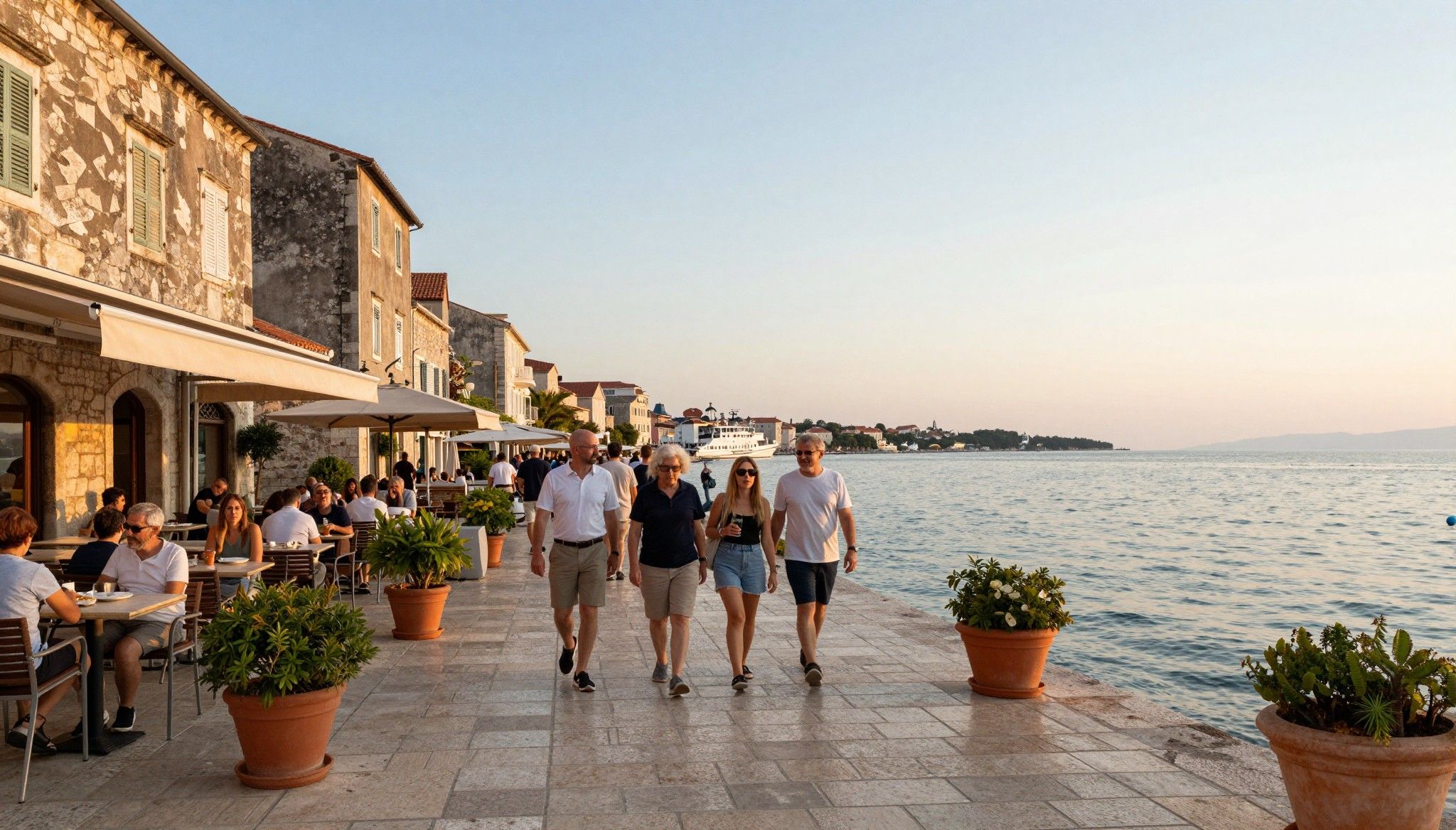
Along the Dalmatian coast the architecture is stone, terraces and pines; buy near Hvar’s lavender lanes and you buy summer life, neighbourly konobas and ferry timetables. Istria, by contrast, offers hilltop hilltowns like Rovinj and Motovun with truffle‑foraging culture and olive groves—ideal if you imagine agrarian stewardship with a farmhouse and space to regenerate the land. Both zones reward buyers who consider wind, sun exposure and water access as integral parts of the home rather than add‑ons; these elements affect permit requirements for pools, terraces and solar installations.
Urban pockets and island life
If you crave café culture and short walks, neighborhoods like Split’s Veli Varos or Zagreb’s Maksimir offer daily markets, tree‑lined streets and a compact, walkable rhythm. Islands—Vis, Brač, Korčula—teach a different patience: plan for seasonal supplies, strong local communities, and sometimes stricter building oversight to protect landscapes and traditional stonework. These living differences influence what inspections you commission: soil reports and flood risk checks on islands; community association rules and permit histories in cities.
- Morning espresso at a seafront kafana in Split
- Saturdays at Dolac market in Zagreb tasting seasonal cheeses and herbs
- Truffle walks and wine tastings in Istria’s hinterland
- Quiet afternoons in a stone courtyard in Dalmatia with solar‑heated water
Making the move: practical considerations with a green lens
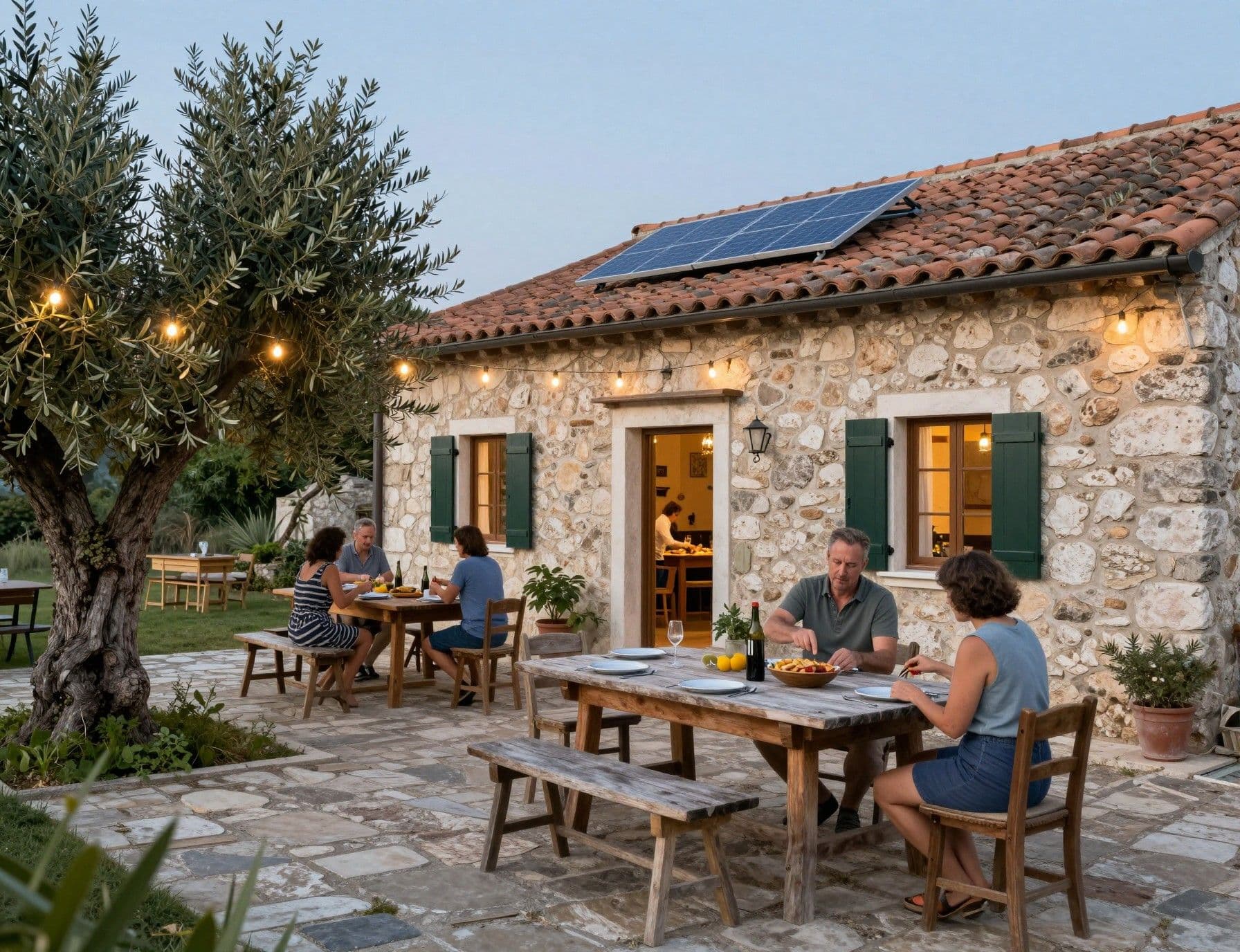
Your love for sunlit terraces must meet reality at the registry office. Croatia’s market has been evolving—reports show shifting transaction volumes and city‑led demand—and that affects price stability and negotiating levers for international buyers. Practical due diligence in Croatia blends standard checks (title, encumbrances) with local specifics: reciprocity rules for non‑EU buyers, a choice between paying VAT or the 3% transfer tax, and compliance with energy rules for renovations. These factors steer not just your budget but how you design a sustainable home.
Who can buy and what to check first
EU/EEA citizens generally have the same rights as Croatians; buyers from outside the EU may need Ministry of Justice approval and reciprocity evidence. Start by asking the seller or agent for a land‑registry extract, proof of cleared municipal debts, and any zoning or conservation restrictions that apply to the plot. If you intend an eco‑renovation—thermal insulation, solar PV, rainwater harvesting—check whether the property sits in a protected coastal zone where stricter permits apply.
Energy and building rules that affect renovation plans
Since 2019, new buildings in Croatia must meet nearly‑zero energy building (nZEB) standards, and any major renovation can trigger energy‑performance requirements. That matters if you buy an old stone house and plan to upgrade it: expect energy audits, insulation standards, and possible requirements for renewable systems to reach compliance. Local building offices (gradjevinski ured) are strict about coastal protections and heritage façades—hire architects who speak both the language of old stone and modern efficiency.
- Obtain a land registry extract and check encumbrances and servitudes
- Confirm buyer eligibility (EU/EEA reciprocity or Ministry approval for others)
- Decide whether the sale is VAT‑liable (new build) or subject to 3% transfer tax and calculate total costs
- Commission energy audit and site survey before signing to scope nZEB or retrofit obligations
Insider knowledge: common surprises and how to avoid them
Buyers often assume the coastal market is uniformly expensive, but micro‑differences—ferry access, protected landscape status, and infrastructure—create value pockets where stewardship‑minded buyers can find both affordability and ecological richness. Another frequent shock: VAT versus transfer tax. New builds sold by VAT‑registered developers are exempt from the 3% transfer tax, which changes the bottom line and the negotiation dynamics, especially for buyers considering energy‑efficient new construction.
The neighbourhood locals avoid that expats love
A counter‑intuition we hear: tiny lanes on the edges of old towns—narrow, shaded and away from the promenade—are dismissed by tourists but treasured by residents for cooler summers and quieter winters. Places like Split’s Varos or quieter corners of Rovinj may look less polished on a listing photo but offer deeper neighbourhood life and lower noise pollution—perfect for a low‑impact, garden‑forward home. The trade‑off is often simple: fewer street-facing views, more privacy, and a stronger sense of community.
A practical red flag: short‑term rental rules and a new focus on vacant‑property taxes in some municipalities. If you plan to rent when you’re away, confirm local rules—cities and islands are increasingly regulating short lets to protect housing for locals, and evolving tax measures may affect returns. Factor these into expected rental yield and lifecycle stewardship of the property rather than treating them as footnotes.
- Ask for the last three years of utility and maintenance bills to understand true running costs
- Check coastal protection maps and heritage overlays before planning extensions
- Hire a local lawyer + architect early to estimate permit timelines and retrofit costs
Working with agents who understand stewardship
An agency that speaks seasons, not only square metres, makes the difference. Seek teams who can show you properties with thermal‑performance data, solar potential, and garden space suitable for native plantings. They should connect you to local craftsmen familiar with stone repairs, to planners who can advise on rainwater systems, and to neighbours who can vouch for how the place behaves through winter storms and summer tourism surges.
- Request a sustainability dossier: energy use, insulation, water sources and biodiversity notes
- Ask the agent for permit history and any unresolved municipal fines or disputes
- Insist on translated, certified documents for sale contracts and registry extracts
Most buyers we counsel find that the dream transforms quickly into practical steps: secure eligibility, commission technical surveys, and align your lifestyle priorities with local rules. A sunny terrace is only as valuable as the path to legalising its pergola; a restored stone house only remains beautiful if waterproofing and thermal upgrades are respected by local conservation rules. Good due diligence treats the home as part of the landscape—a stewardship plan that begins before you sign.
Conclusion: fall in love, then check everything. Croatia offers a rare mix of coastal ease and inland quiet that rewards patient, values-led buyers. Begin with place—visit a neighbourhood in different seasons, taste the markets, talk to neighbours—then bring in the local experts to translate that feeling into legal safety and environmental resilience. If you want help finding agents who combine local knowledge with sustainability expertise, we can point you to teams who treat homes as long‑term ecological projects, not just assets.
British expat who traded Manchester for Mallorca in 2017. Specializes in guiding UK buyers to luxury Spanish estates with clear navigation of visas and tax.