Green Finance & Real Life in France
Fall for France’s rhythms while financing with stewardship: how energy audits, green loans and local expertise turn dream homes into durable, eco‑wise investments.
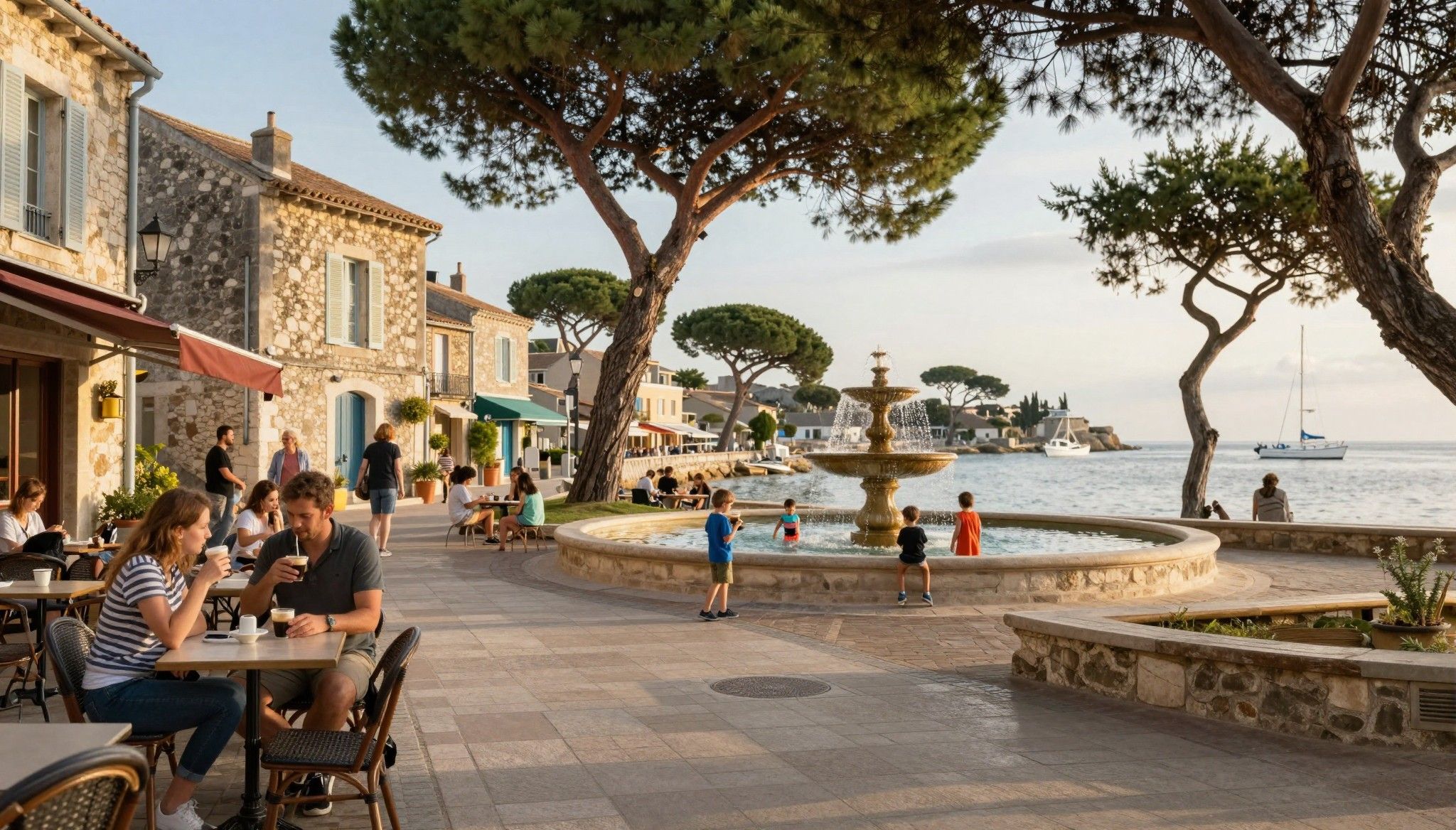
Imagine stepping out at dawn to buy pain au levain from a marché where farmers still haggled over heirloom tomatoes, where stone houses hum with winter warmth and limestone terraces catch the late‑afternoon light. This is France: a living, breathing mosaic of villages, river valleys, coastal towns and city arrondissements where seasons set the tempo and neighbourhood rituals matter. For international buyers with a stewardship mindset, the dream is not merely a home but a place to nurture — and finance choices shape that future as much as the address. Recent Notaires‑INSEE figures show a market regaining equilibrium, which means timing, green finance and local know‑how now determine both lifestyle and long‑term value.
Living the France life — from marché stalls to seaside siestas
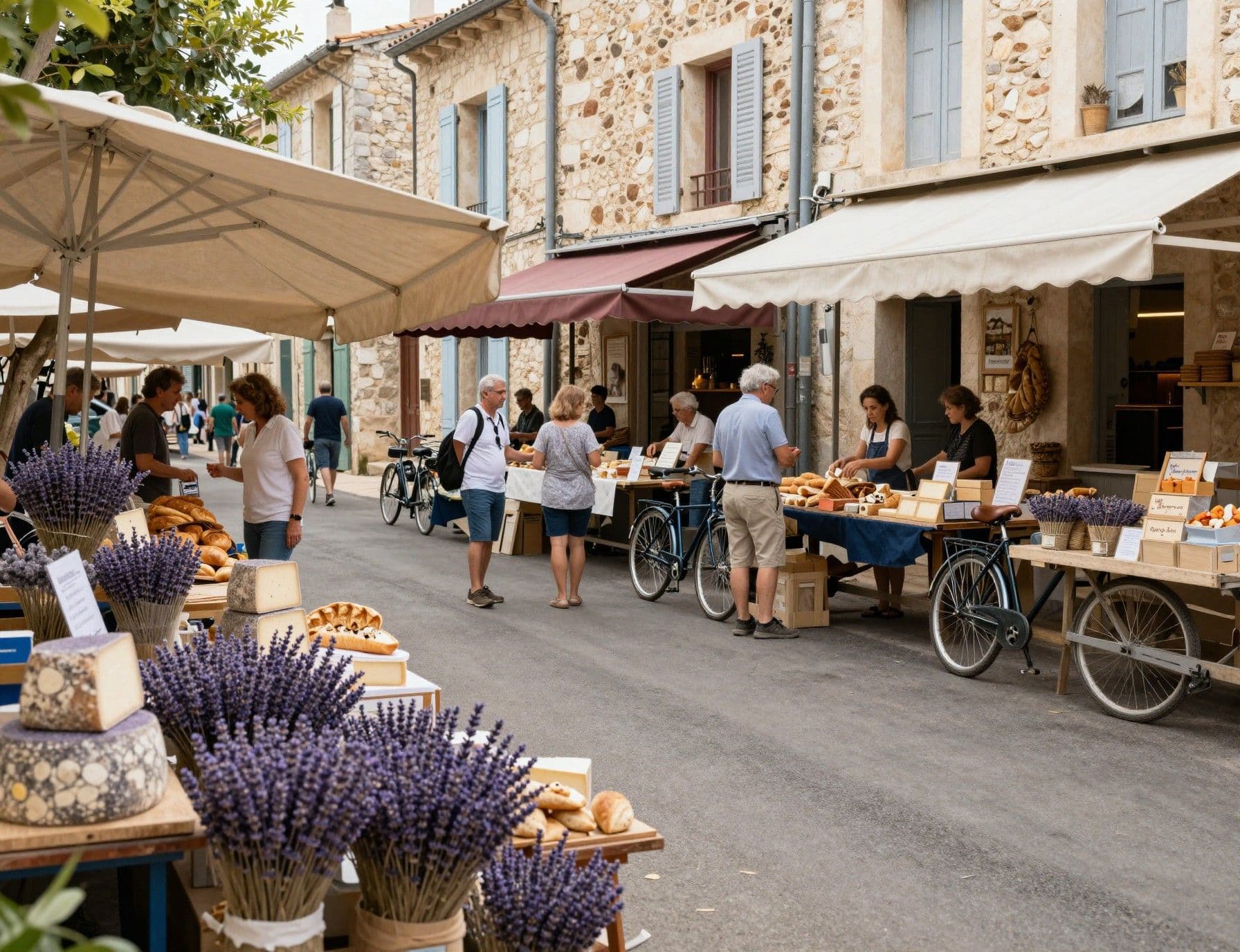
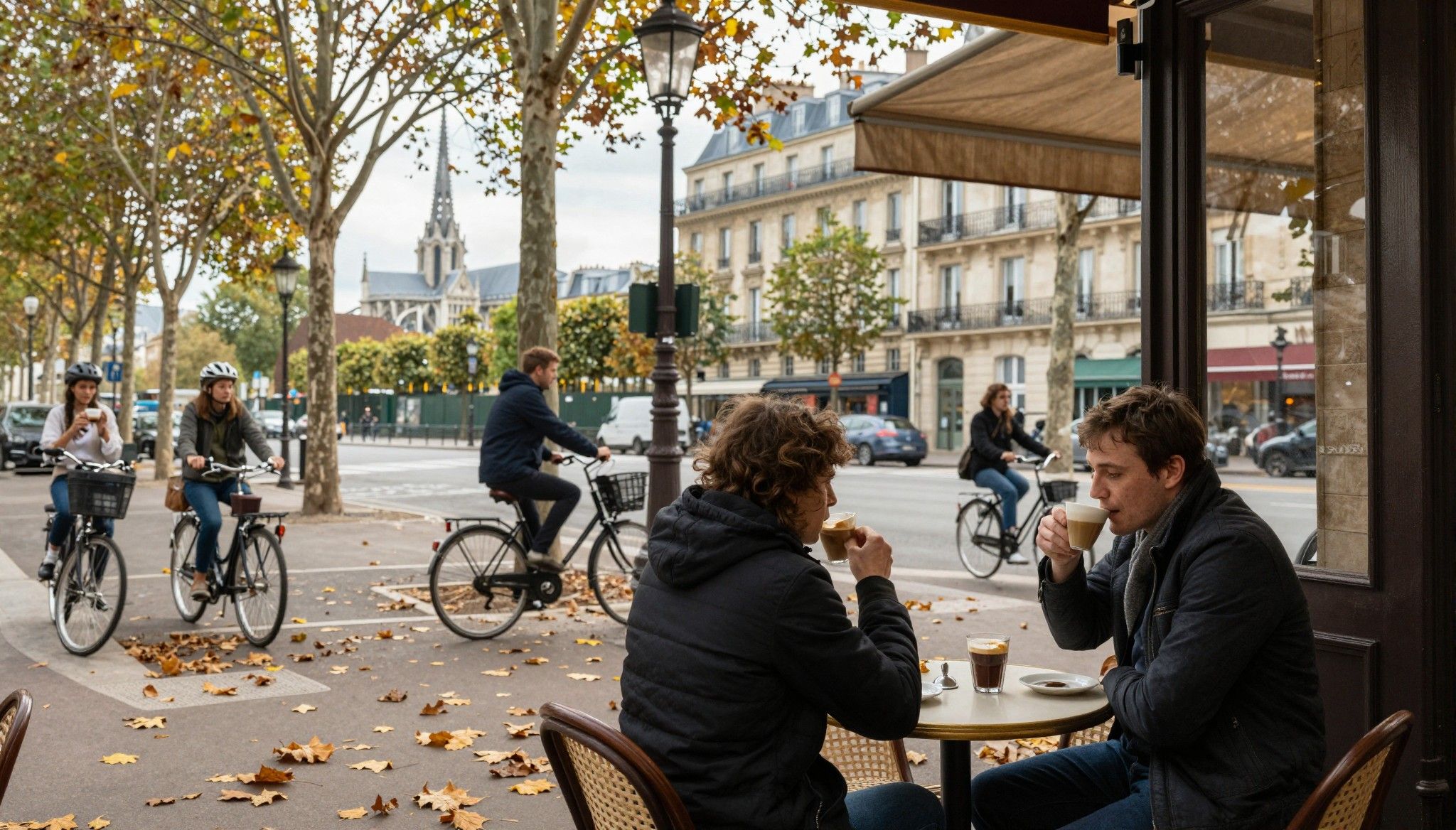
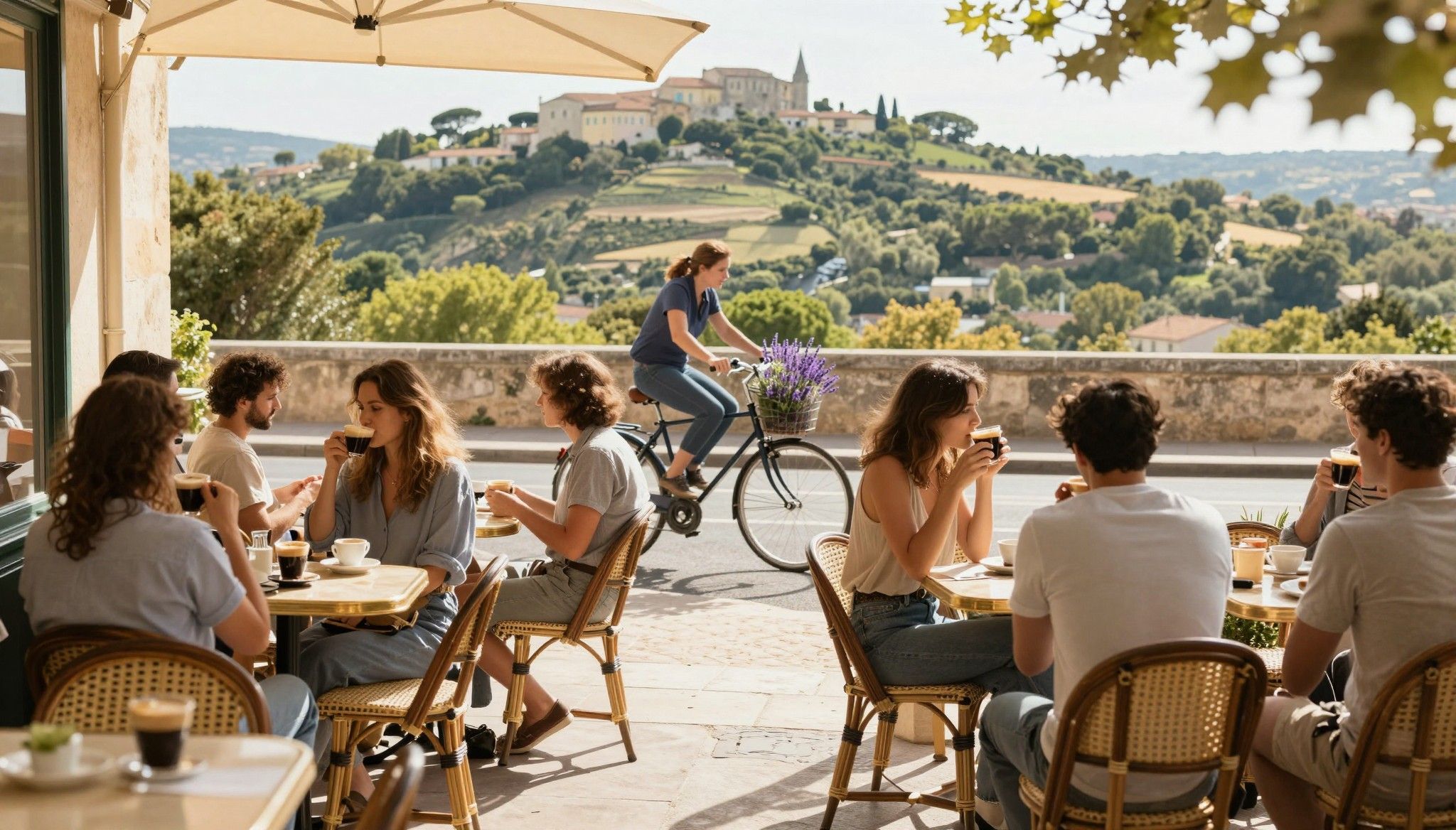
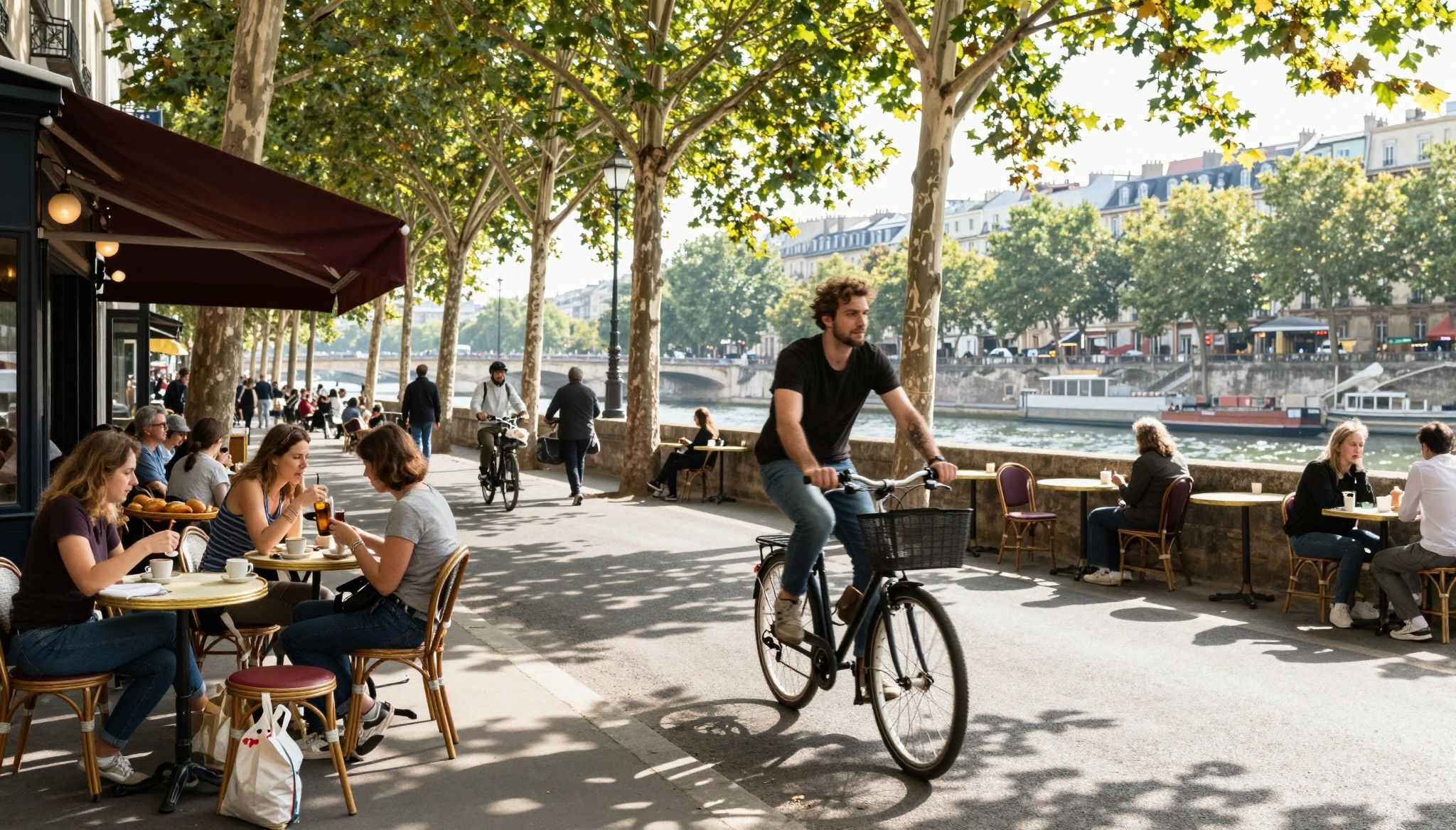
France isn’t a single rhythm; it is many. In Lyon the morning coffee ritual spills into bouchons and tram stops; in Biarritz surfers wax boards before breakfast; in Provence markets are choreography—olive oil merchants, lavender growers, bakers with crusty fougasses. The houses follow the habits: narrow Parisian flats that open onto courtyard gardens; Provençal mases with thick stone walls and shaded pergolas; Breton longères that shelter wind‑wise gardens. As you imagine life here, think about microclimates, market schedules and whether you want a footpath full of neighbours or a quiet lane where owls still call.
Neighbourhood spotlights: where to find the life you want
If you crave café life and evening strolls: Canal Saint‑Martin or the Marais in Paris. For slow food and village markets: Uzès or Lourmarin in Provence. Want surf and open sky? Saint‑Jean‑de‑Luz or Hossegor. Each address comes with a lifestyle tax in disguise — proximity to market, transport and a seasonal tourist cycle — and those factors shape how you’ll use a property and what retrofit or insulation makes sense.
Food, music and seasons: how daily life shapes property choices
Weekends in France are ritualised around food. Farmers’ markets set the agenda; chef‑led bistros concentrate life into long lunches; fêtes de village fill summers with music and local wine. These rhythms influence the practical — you’ll want a kitchen that breathes, storage for preserves, and outdoor living that follows the sun. Consider orientation, shade, and garden soil quality as much as square metres: these are the features that let a home host the life you pictured.
Making the move: process, finance and green options
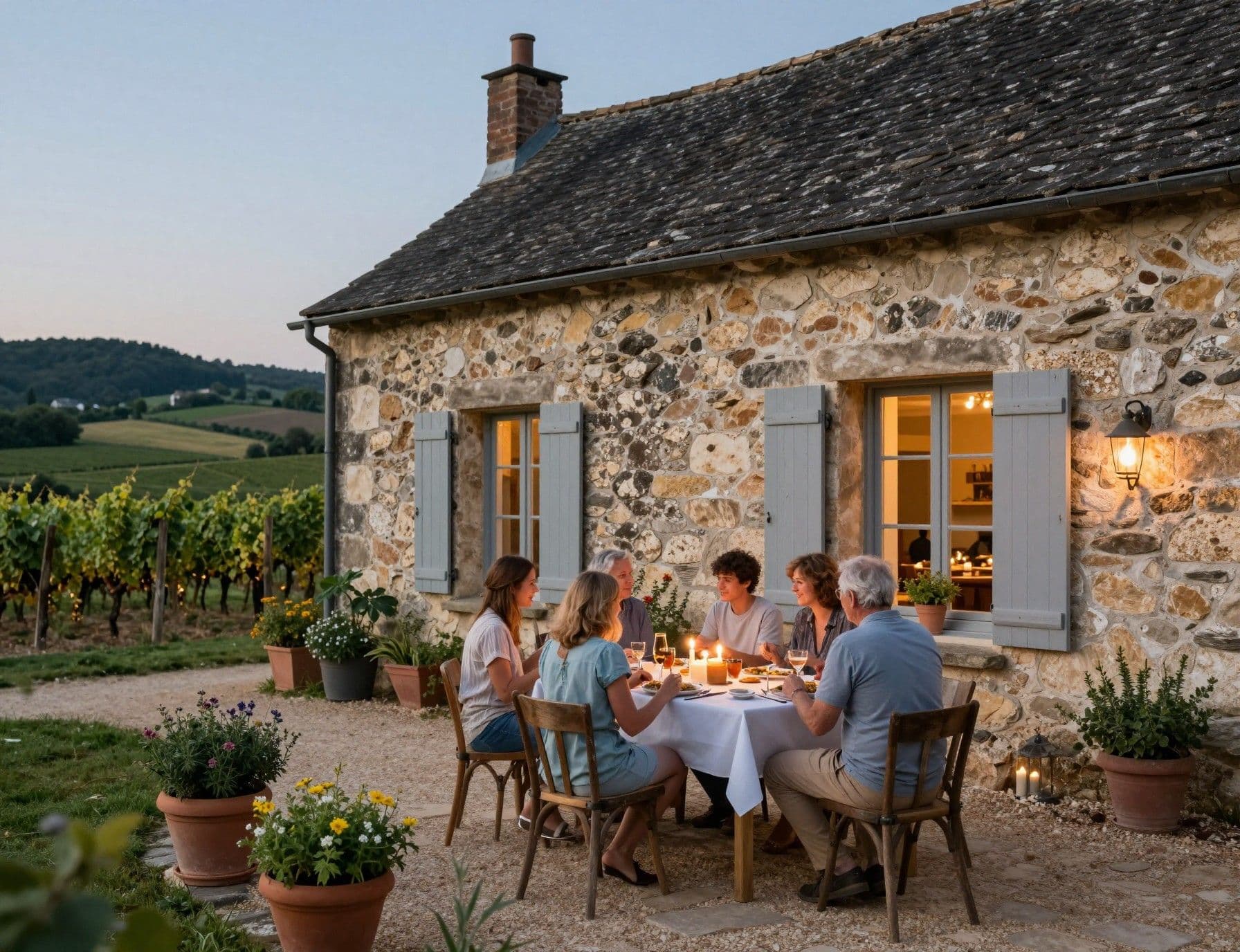
Dreams must meet paperwork. French buying norms — from the preliminary compromis to signing before a notaire — feel formal, but they protect both buyer and seller. For buyers who care about place and planet, financing is more than interest rates: zero‑interest eco‑loans, renovation grants and bank green mortgages change the renovation calculus and help make older stone homes efficient without stripping their character. Start with national programmes and local bank offers because the sums available can materially alter whether a renovation is affordable.
Property types and what they offer your lifestyle
A city apartment buys access to cafés and transit; a country mas buys land, light and privacy. Older homes reward careful renovation: thick stone walls are thermal assets, south‑facing windows capture winter heat, and mature trees moderate summer. But older also means energy performance work — often required by rental regulations if you plan to lease. Use local notaires and architects who understand traditional materials to design upgrades that keep character while raising energy performance.
Steps to secure finance with a green focus
1. Get a local finance check: ask banks about non‑resident terms, loan‑to‑value and insurance requirements. 2. Request an energy audit early — many green loans require one. 3. Pair grants (MaPrimeRénov') with low‑interest loans to reduce upfront costs. 4. Structure contingency for unexpected repairs; older roofs and wiring often wait to be found. 5. Lock a notaire and a green‑minded architect to align legal, fiscal and retrofit steps.
Insider knowledge: myths, red flags and expat wisdom
Here’s where lived experience matters. The myth that France is uniformly expensive hides nuance: many inland towns offer surprising value once you factor in transport links and energy costs. Conversely, a cheap coastal bargain can carry higher maintenance and tourist season volatility. Expat buyers often miss cultural cues — quiet Sundays, local permit expectations, and how neighbours negotiate shared driveways — and those small misunderstandings become large costs.
Cultural integration and daily life tips from expats
Learn a few local rhythms: shop at the market before noon, respect village committee decisions, and try communal events — they’re the fastest route to being accepted. Language matters: even modest French opens doors to better tradespeople and smoother administrative dealings. Join local Facebook groups, visit mairie offices in person, and schedule meetings with neighbours before committing to works that affect shared spaces.
Red flags and green warning signs
• No energy audit offered or seller resists a DPE check (Energy Performance Diagnostic). • Unclear ownership of communal land, driveways or water rights. • Roof and damp issues hidden behind fresh paint. • Planning constraints in heritage zones limiting renewable upgrades. • Banks unwilling to discuss green mortgages or grants.
When you pair lifestyle aspiration with practical steps — early energy diagnostics, a finance plan that includes eco incentives, and local expert guidance — the French dream becomes a durable reality. Start by shortlisting places where the life you imagine is possible within renovation and finance realities; then bring in a notaire, an architect who speaks traditional materials, and a bank that understands green lending. Moss & Hearth’s partner agencies can introduce you to professionals who share a stewardship ethic and the local knowledge to protect your investment and the landscape it lives within.
If you’re ready to walk village lanes, taste market cheeses and plan a retrofit that honours old stone and biodiversity, take the next practical step: ask for a pre‑purchase energy audit and a local financing review. Those two actions transform dreamy sketches into a realistic plan, and they reveal where subsidies and low‑interest green loans can close the affordability gap. France’s market is stabilising; with patient stewardship and smart finance, you can buy not just property, but a place to belong.
Norwegian market analyst who relocated from Oslo to Provence; guides investors with rigorous portfolio strategy and regional ecological value.