France: Due‑Diligence That Protects the Life You Want
Fall in love with French life—markets, terraces and stone walls—while handling permits, energy diagnostics and local regulations to buy sustainably and without surprises.
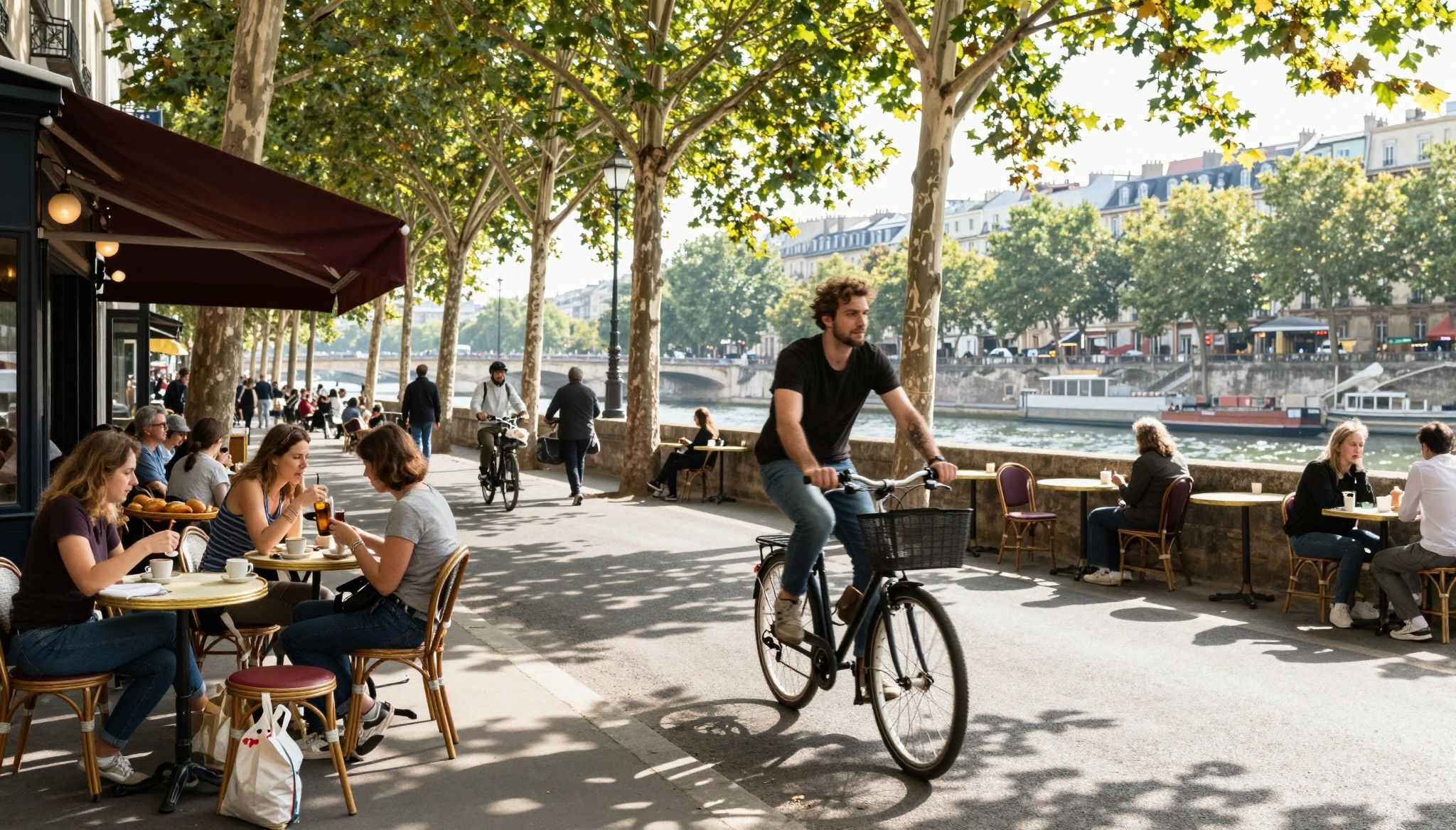
Imagine an early autumn morning on Rue Cler in Paris, or the low, warm light across a stone farmhouse in Dordogne. You can hear a boulanger’s oven, smell wet slate and lavender, and picture neighbours gathering at the marché. France offers a rhythm—market days, long lunches, seasonal produce—that transforms a house into a life. But for international buyers the dream must meet the paperwork: permits, local rules, energy diagnostics and tax details that shape not only what you can do with a property, but how sustainably you can steward it.
Living the French life: senses first, paperwork close behind
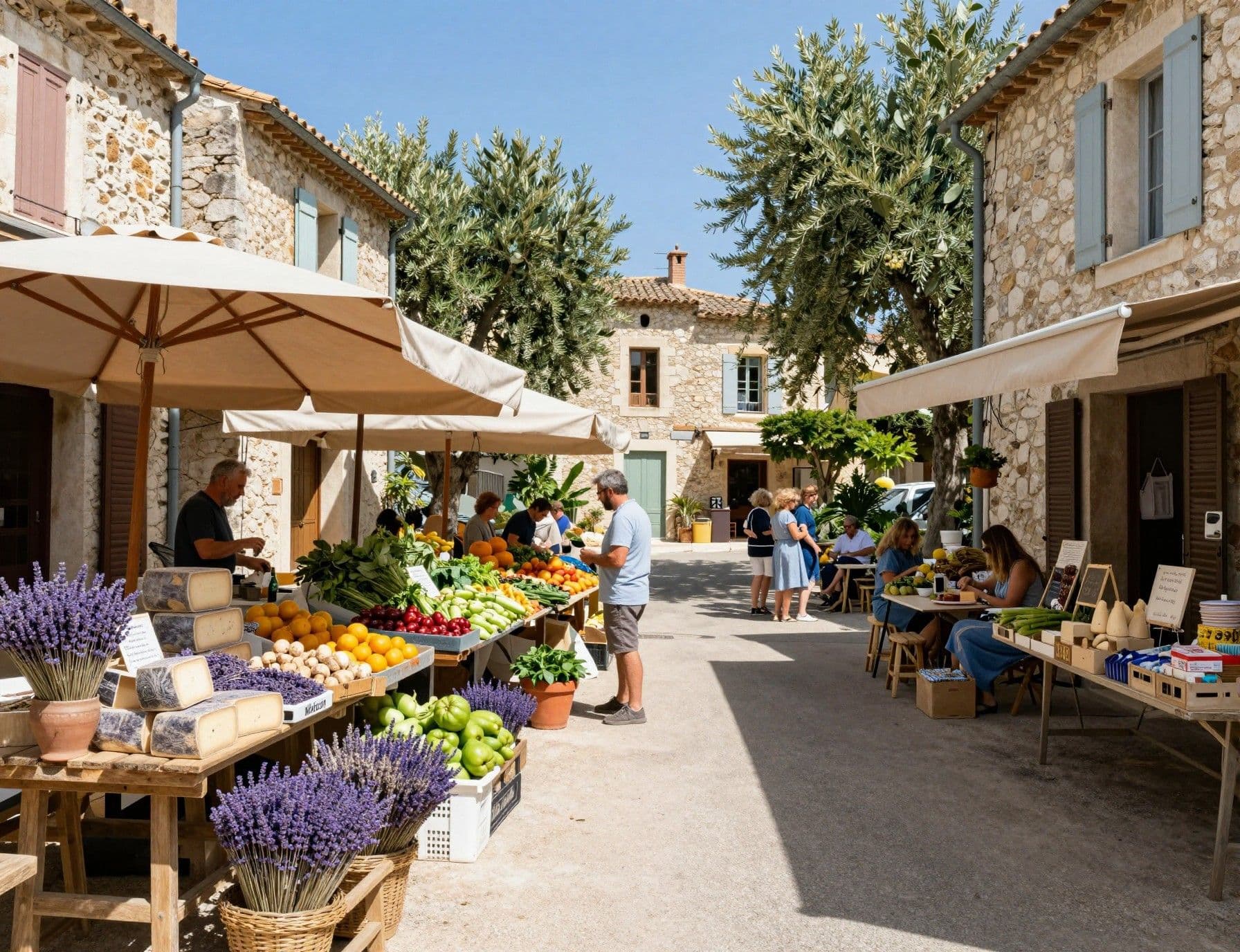
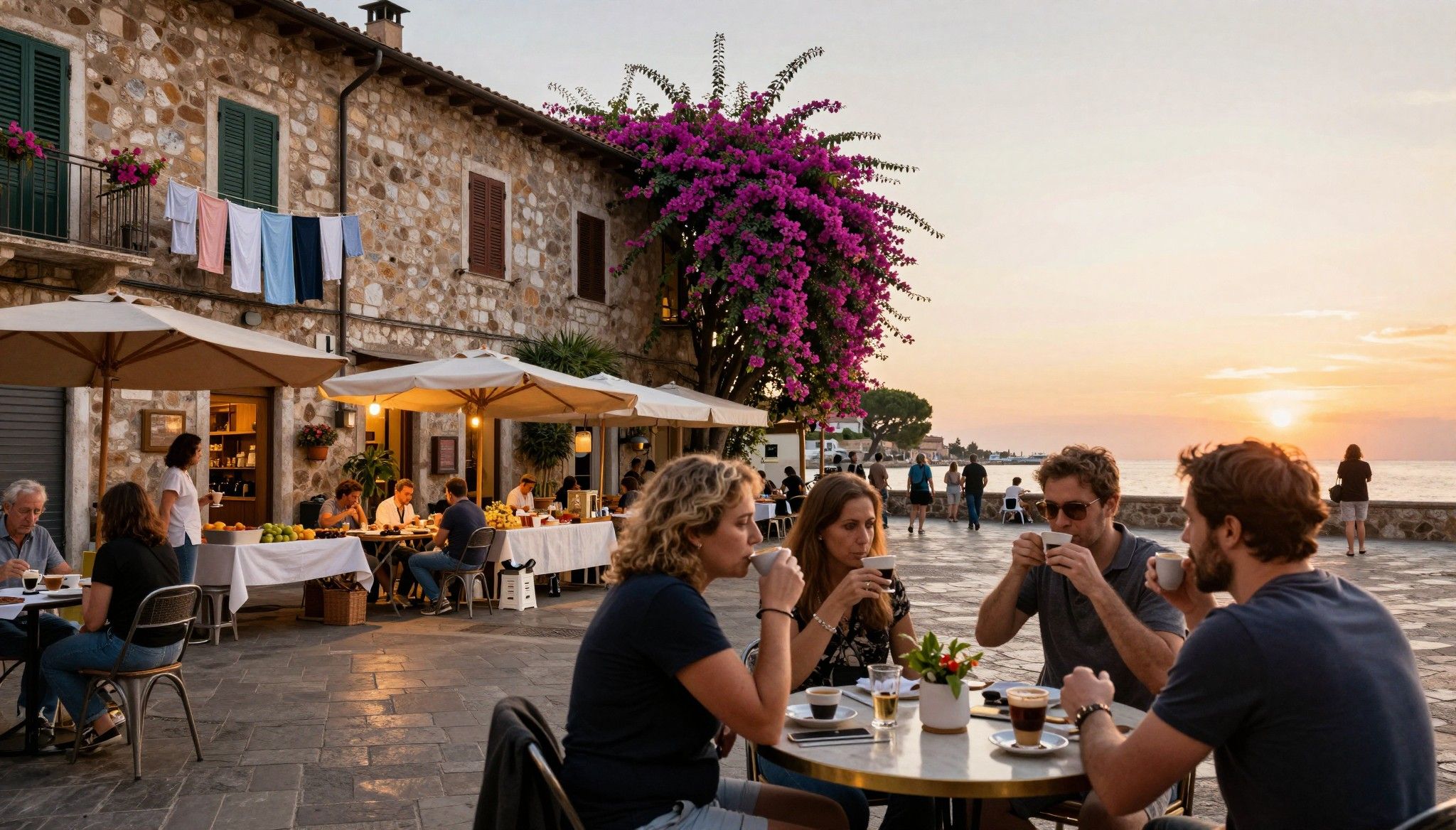
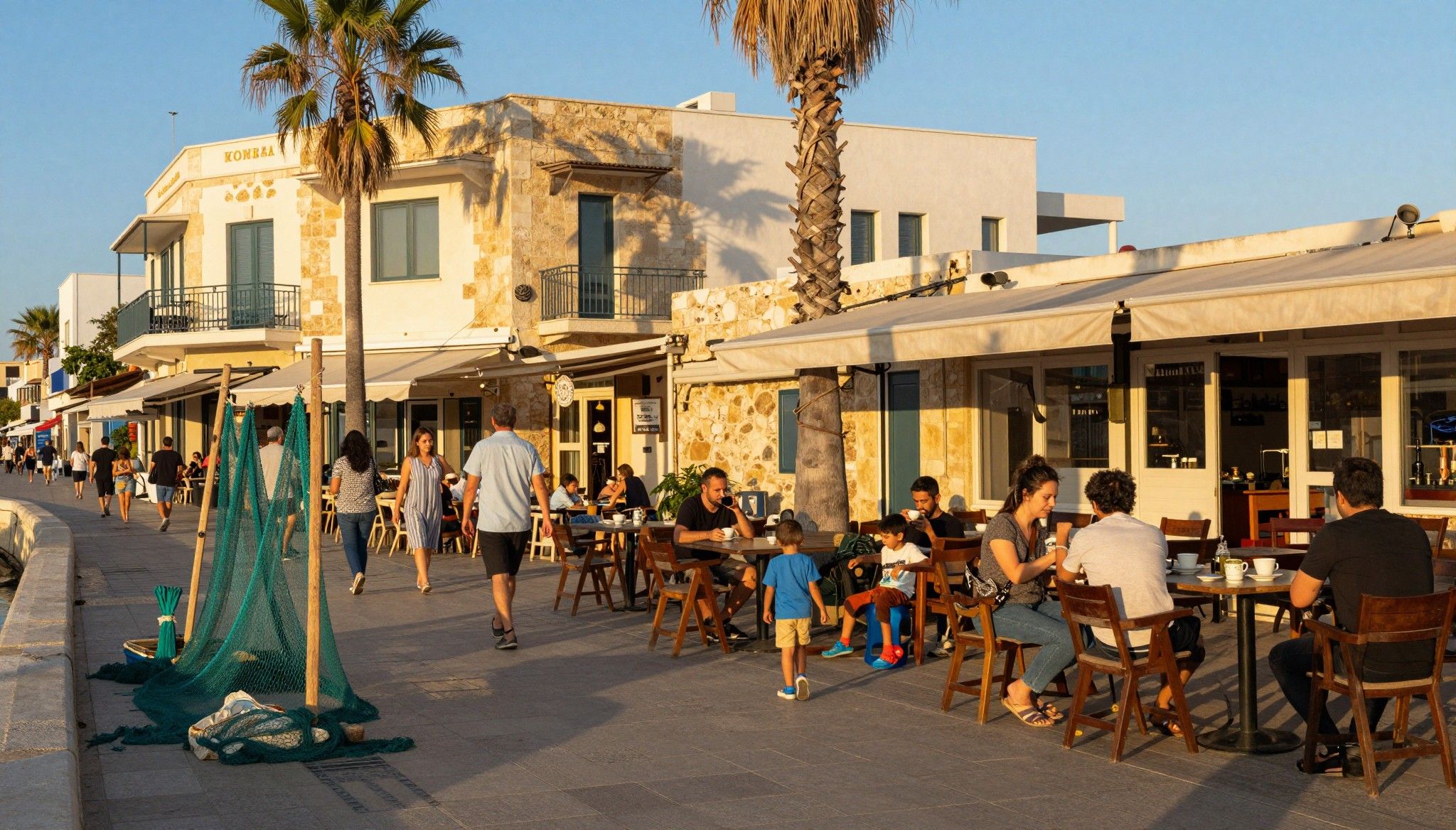
France rewards slow attention: mornings at marché des Enfants Rouges in Paris, aperitifs on the Quai in Bordeaux, or cicadas humming over stone terraces on the Côte d’Azur. Each region sets its tempo—Normandy’s briny breakfasts, Provence’s lavender-dry summers, Brittany’s wild coasts. Those daily scenes matter because they determine the kind of property you’ll actually live in: narrow flats for café life, farmhouses for kitchen gardens, coastal homes built for salt air and storms.
Paris & riverfront rhythm: city life with seasonal retreats
Stroll the Marais at dusk and you’ll see why many buyers prize central apartments: proximity to cafés, galleries, and a neighbourhood life that hums year-round. Yet Parisians still escape—to country houses in the Loire or seaside flats in Deauville—so international buyers often pair a city pied-à-terre with a rural second home. That doubles due-diligence tasks: short-let regulations, co-ownership rules (copropriété), and building energy standards differ between city and countryside.
South of France: light, land and renovation realities
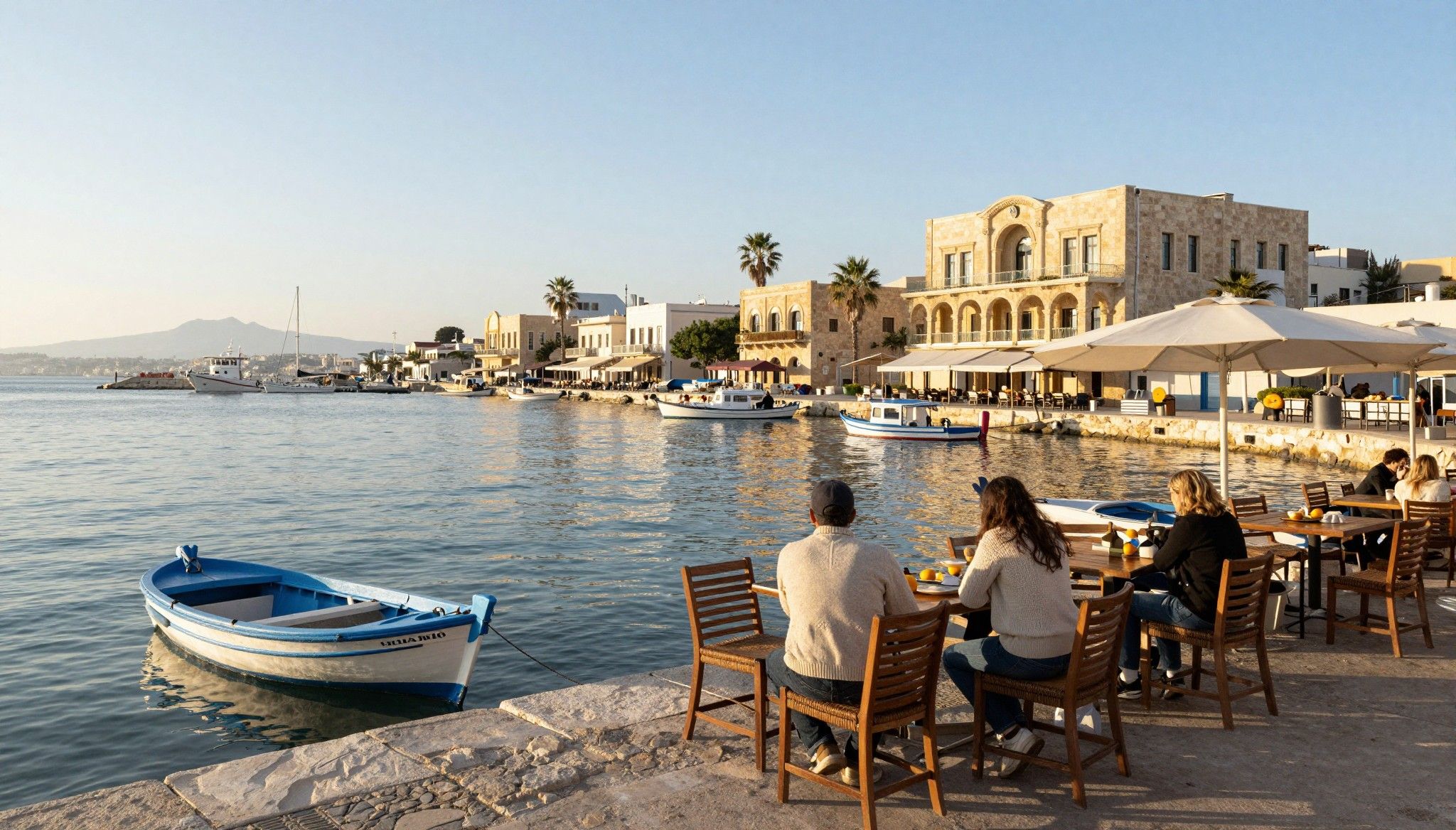
In Provence and Occitanie, terraces, olive groves and limestone walls are part of everyday life—and so are the quirks of rural permits. A charming mas might look idyllic, but protected heritage zones (secteur sauvegardé) and local PLU (plan local d'urbanisme) rules can restrict extensions, solar panels, or pool siting. If you crave sun and autonomy, check local building plans before falling in love with a façade.
Making the move: how market facts shape sustainable choices
Recent notary and national statistics show a market that has stabilized after pandemic volatility, with modest price rises in larger cities and renewed interest in western and rural France. Those trends matter for stewardship-minded buyers: stable markets make long-term green renovations more viable, while overheated areas raise the cost of retrofitting for energy efficiency. Always pair lifestyle choice with up-to-date local price data so your ecological investment also makes financial sense.
Property styles and sustainable living
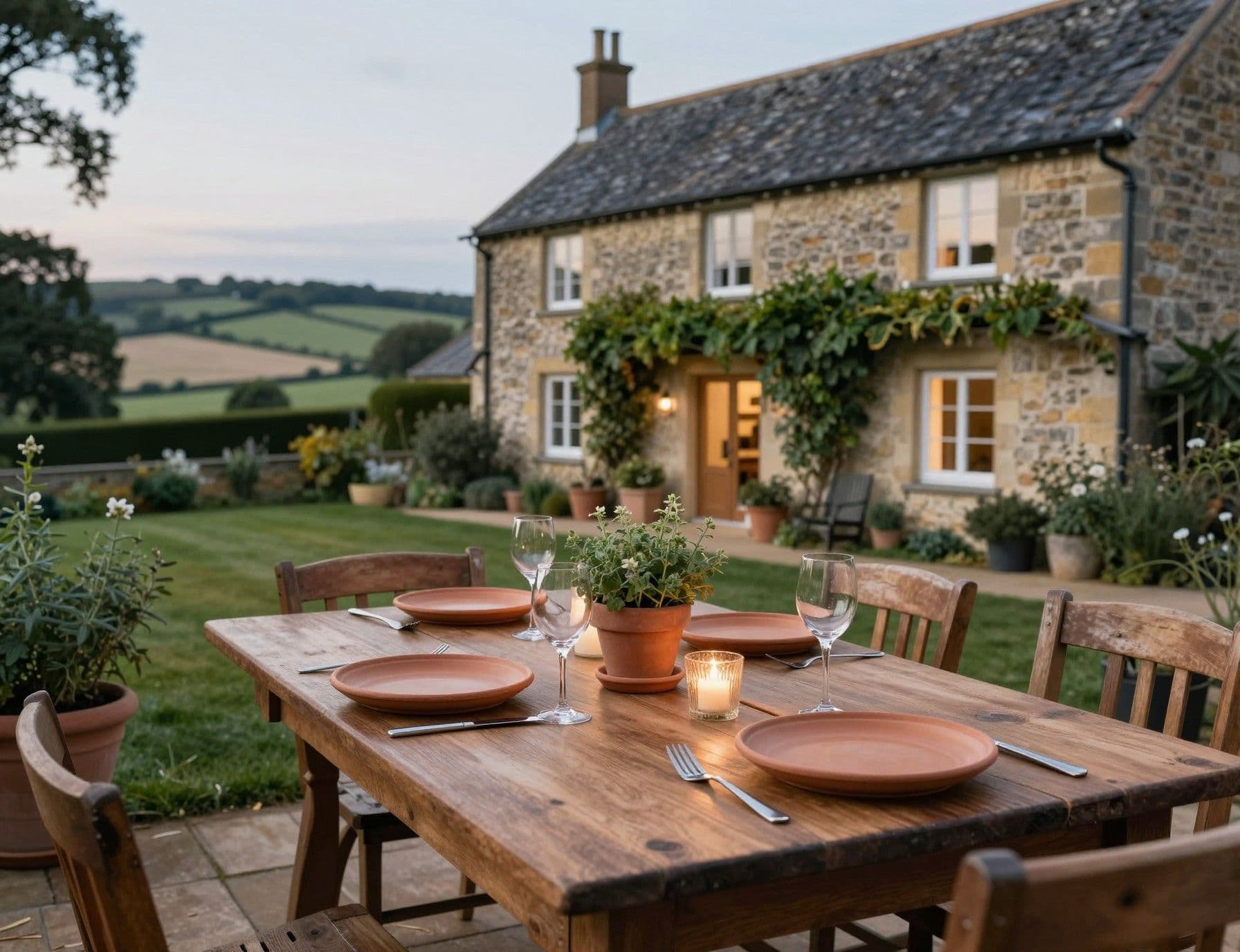
Stone farmhouses breathe with thick walls and local materials; Parisian flats demand efficient heating and good insulation. New builds (neuf) can offer near-zero energy standards, while older homes need careful energy diagnostics (DPE). For any property, verify the DPE report and the feasibility of solar, heat pumps, and water management before signing. These choices are the backbone of low-impact living in France.
- Steps to blend lifestyle and due diligence
1. Use national datasets and local notaire reports to confirm recent price movements in your target arrondissement or département. 2. Order a DPE and structural survey early; factor upgrade costs into your offer. 3. Check PLU and heritage protections at the mairie before planning changes. 4. Speak to a local notaire about ownership structures (including SCI) and transfer taxes. 5. Explore departmental rules on DMTO—they vary and affect total closing costs.
Insider knowledge: the little rules that change everything
Expats often discover that a charming coastal studio becomes a compliance project: tourist rental registrations, stricter DPE classifications, and mayoral powers to limit short lets in city centres. Local rules—applied at the commune or departmental level—can limit how you use a property. The surprise is usually procedural, not legal: you can buy, but certain uses, renovations, or lettings may need permissions or declarations.
Cultural and administrative realities
French bureaucracy is famously precise. Expect standard documents: livret de famille (if relevant), ID, proof of funds, and fiscal declarations for non-residents. A local notaire is indispensable: they register deeds, collect transfer taxes, and verify title. For cross-border buyers, a bilingual agent or a translator and a notaire comfortable with international clients will save time—and missteps.
- Red flags to catch during due diligence
• Missing or outdated DPE (energy) report — signals costly upgrades. • Unregistered extensions or ambiguous boundaries — leads to legal disputes. • Municipality restrictions on tourist lets — reduces rental flexibility. • High departmental DMTO rate increasing total closing costs — budget for 6–8% on older properties. • Heritage or environmental protections that limit renewable installations.
Take a moment to imagine the after: a restored farmhouse with thick stone walls, solar panels tucked behind a hedgerow, a small orchard feeding neighbours. That picture is achievable if you pair imagination with a local team: an eco-aware notaire, an architect accustomed to regional materials, and an agency that understands both lifestyle and local regulation.
Local experts who matter
• Notaire: title, transfer taxes, and legally required registrations. • Architect (if renovating): PLU compliance and materials suited to climate. • Local mairie: zoning, septic systems, and permitted works. • Independent surveyor: structural and damp issues. • Eco-consultant: DPE interpretation and renewable feasibility.
Finally, remember how French life evolves with seasons and festivals: fêtes votives, grape harvests, and marché stalls that define daily routines. When you buy here, you are buying into a calendar as much as a climate. Respecting local rhythms and rules will let your stewardship flourish—and your house become a home that both breathes and belongs.
Next steps: visit in two seasons, meet the mairie, secure a notaire with international experience, and add a feasibility estimate for green upgrades before your offer. If you want help narrowing neighbourhoods that match sunlight, soil, and social life—tell us your dream scene and we’ll point to the commues and local experts who turn that scene into a durable, low-impact home.
British expat who traded Manchester for Mallorca in 2017. Specializes in guiding UK buyers to luxury Spanish estates with clear navigation of visas and tax.